


Blog
Broiler chicken cage flooring influence bird welfare, environmental hygiene, production efficiency, and facility management across commercial poultry operations.
Flooring structure affects manure separation performance, footpad condition, airflow distribution, and daily operational stability throughout the broiler growing cycle.
Material selection, floor geometry, load distribution, and drainage efficiency contribute to long-term housing performance and flock health outcomes.
Proper engineering specifications support cleaner environments, reduced moisture exposure, improved mobility, and more consistent production results.
Technical evaluation of flooring systems helps poultry producers optimize welfare standards, facility durability, and sustainable farming practices.
Get professional poultry farm construction guidance, equipment selection solutions, and the latest price lists, whatsApp to +8618830120193, click to learn more:
Understanding The Role Of Cage Flooring
Unlike traditional floor-rearing systems, cage systems rely heavily on flooring design to ensure that waste removal and bird comfort remain balanced.
Data is for reference only.Swipe horizontally to view full table.
Factor 1: Flooring Material Selection
The choice of flooring material significantly influences poultry health.
Common materials include galvanized steel wire, plastic slats, coated mesh, and composite polymer grids.
Each material offers different advantages regarding durability, hygiene, and bird comfort.
Plastic and coated surfaces generally provide smoother contact points, reducing pressure on footpads.
Galvanized wire remains popular because of its strength and long service life.
A broiler's footpad remains in constant contact with the flooring for approximately 95% of its life.
Even minor differences in surface texture can influence the development of skin lesions over a 35–42 day growing cycle.
Data is for reference only.Swipe horizontally to view full table.
Factor 2: Footpad Health Protection
Footpad dermatitis (FPD) remains one of the most widely monitored welfare indicators in broiler production.
Studies indicate that moisture accumulation around the feet is a primary contributor to footpad lesions.
Flooring systems that keep birds separated from wet manure help reduce disease occurrence.
When manure remains beneath the cage rather than accumulating around birds, skin exposure to ammonia and moisture decreases substantially.
Data is for reference only.Swipe horizontally to view full table.
Factor 3: Moisture And Manure Management
Effective manure drainage is essential for maintaining healthy birds.
Excess moisture encourages bacterial growth and increases ammonia emissions.
Research has demonstrated that flooring systems capable of reducing moisture exposure can significantly improve foot health and welfare outcomes.
Proper spacing between floor openings allows droppings to pass through while maintaining adequate support for birds.
Data is for reference only.Swipe horizontally to view full table.
Factor 4: Leg Strength And Skeletal Development
Healthy skeletal growth is essential for modern broiler strains due to their rapid weight gain.
Flooring that provides stable footing helps birds move more naturally and reduces slipping incidents.
Poorly designed flooring can create uneven pressure points, resulting in abnormal posture and locomotion difficulties.
Research has also associated flooring conditions with leg health and mobility performance.
A market-age broiler may weigh over 2.8 kg within six weeks.
During this short period, leg bones must support a body mass that increases more than fifty times from hatch weight.
Data is for reference only.Swipe horizontally to view full table.
Factor 5: Airflow And Ventilation Interaction
Flooring design affects airflow patterns inside cage systems.
Open flooring structures facilitate air movement around birds and help remove moisture generated by respiration and manure decomposition.
Ventilation and flooring should therefore be considered together rather than as separate management systems.
Data is for reference only.Swipe horizontally to view full table.
Factor 6: Disease Prevention And Biosecurity
Disease control begins with environmental hygiene.
Flooring systems that separate birds from waste help reduce pathogen exposure and interrupt disease transmission cycles.
Microorganisms commonly affected by sanitation conditions include:
- Escherichia coli
- Clostridium species
- Salmonella species
- Staphylococcus species
By limiting prolonged contact with manure, poultry cage flooring contributes to cleaner production environments and improved flock health.
Flooring Design Features That Improve Welfare
Modern cage flooring manufacturers increasingly focus on welfare-oriented design.
These characteristics help reduce localized pressure and improve bird comfort throughout the production cycle.
Data is for reference only.Swipe horizontally to view full table.
Economic Benefits Of Proper Cage Flooring
Although premium flooring systems may require higher initial investment, they often generate long-term economic returns through:
- Lower mortality rates
- Improved feed conversion
- Reduced veterinary expenses
- Better carcass quality
- Longer equipment lifespan
A typical commercial facility may allocate USD 4,500–USD 8,900 for flooring upgrades depending on housing scale and material configuration.
European union standard reference only.
Producers who prioritize flooring quality frequently experience improved production consistency and fewer welfare-related losses.
Educational Insight
Many producers focus heavily on feed formulation while underestimating environmental infrastructure.
However, flooring quality influences feed efficiency indirectly because healthier birds move more comfortably, consume feed more consistently, and experience fewer disease challenges.
Future Trends In Broiler Flooring Technology
Advancements in chicken farming equipment are driving innovation in flooring design.
Emerging technologies include:
- Antimicrobial polymer coatings
- Smart monitoring sensors
- Modular flooring systems
- Self-cleaning cage platforms
- Precision manure separation systems
These developments aim to improve both production efficiency and animal welfare while supporting stricter regulatory requirements worldwide.
Frequently Asked Questions
Q1: What floor opening size is suitable for broiler cage flooring?
Grid opening dimensions between 16 mm and 25 mm are commonly used because adequate manure passage and reliable foot support can be achieved simultaneously.
Q2: How long can galvanized cage flooring remain in service?
Under proper ventilation and cleaning conditions, galvanized flooring can operate for approximately 10 to 12 years before significant structural replacement requirements appear.
Q3: Does flooring affect feed conversion performance?
Yes.Stable footing, cleaner conditions, and reduced footpad lesions support better movement and feed access.
Performance improvements of approximately 0.03–0.08 FCR points may be observed in optimized housing systems.
Taiyu (HK) Group - One Of China Largest Broiler Chicken Cage Manufacturer
Broiler chicken cage flooring solutions are applied in commercial poultry farms requiring efficient manure separation, stable bird support, controlled airflow distribution, and long-term production reliability.
Global factory-direct supply capability supports poultry projects across Asia, Africa, South America, and the Middle East through standardized manufacturing systems and engineering documentation.
Comprehensive poultry equipment portfolios include broiler cages, layer cages, feeding systems, drinking systems, ventilation equipment, manure removal systems, and environmental control components.
Turn-key engineering services cover farm planning, equipment integration, installation guidance, commissioning procedures, and operational training for commercial production facilities.
Technical specifications are developed according to project capacity, housing dimensions, bird density targets, equipment compatibility requirements, and long-term operational efficiency objectives.
Contact Us To Received Your Customized Poultry Farm Plan
Headquarters And Branchs

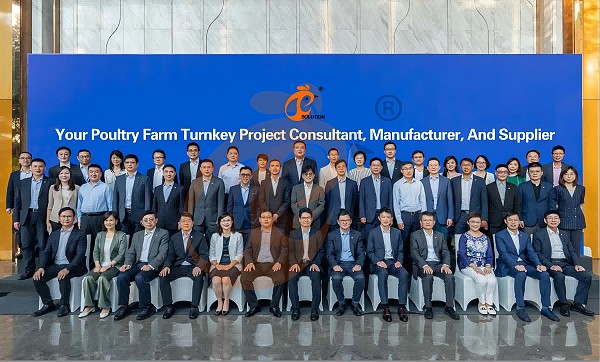
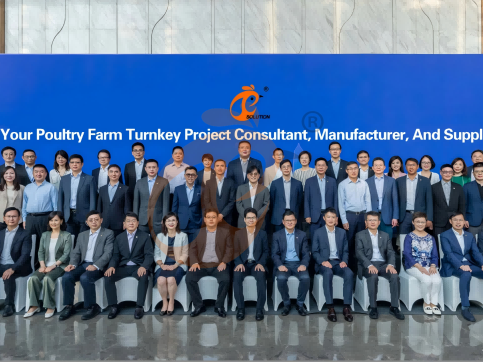
Hong Kong Headquarter Management Team
Hong Kong Headquarter Taiyu Industrial Group CO., LTD
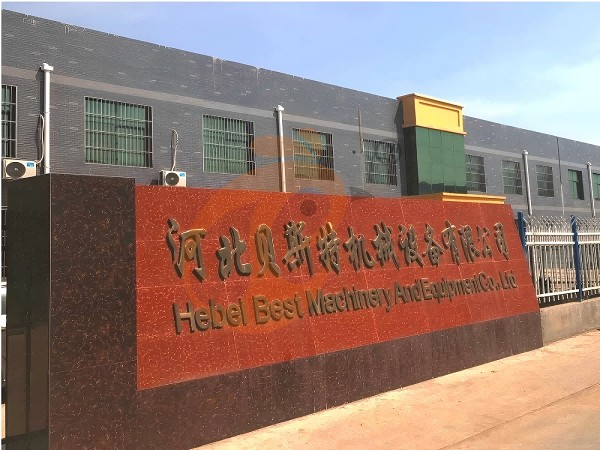
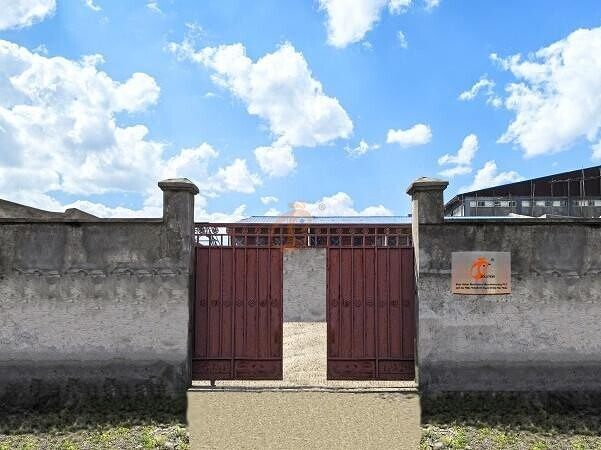
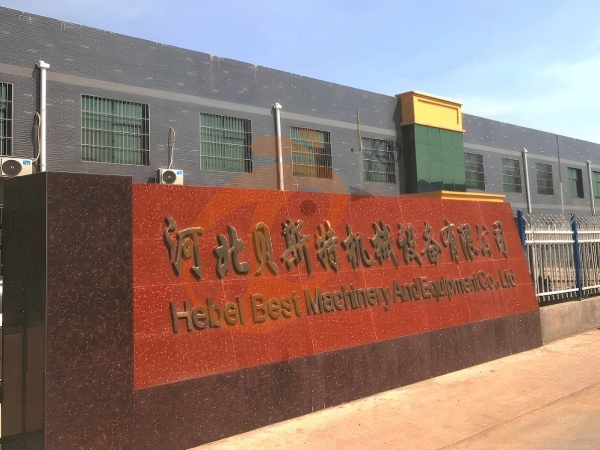
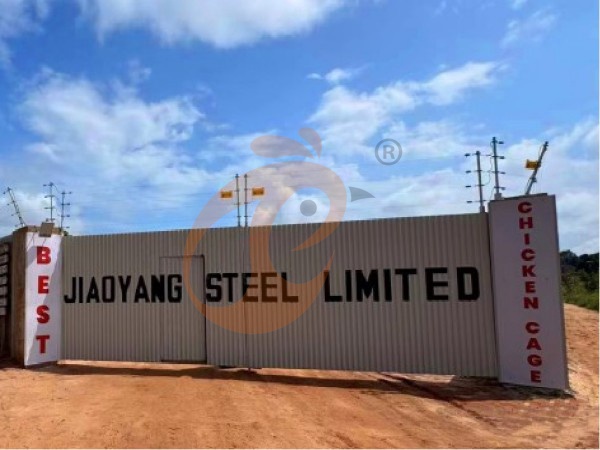
China Hebei Best Machinery And Equipment CO., LTD
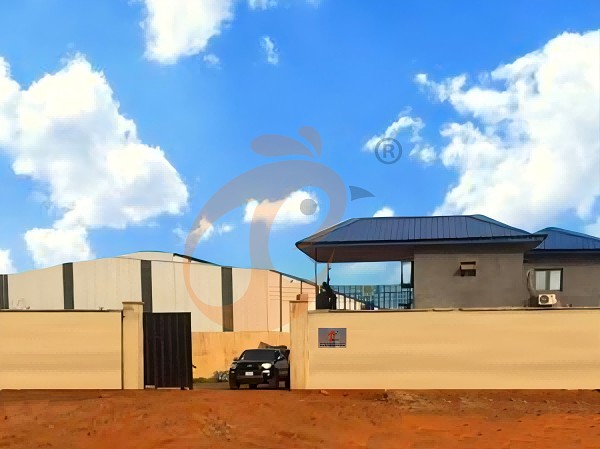
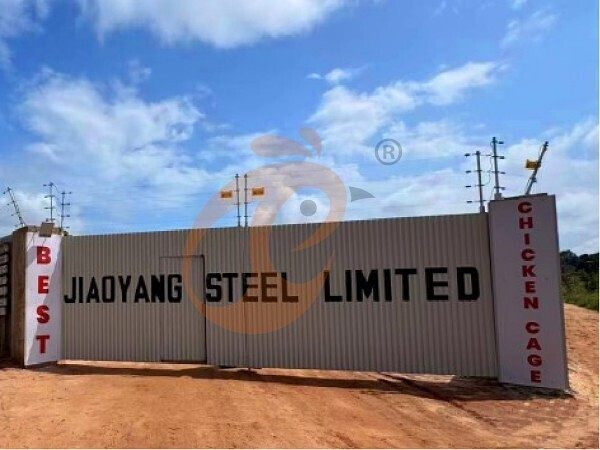
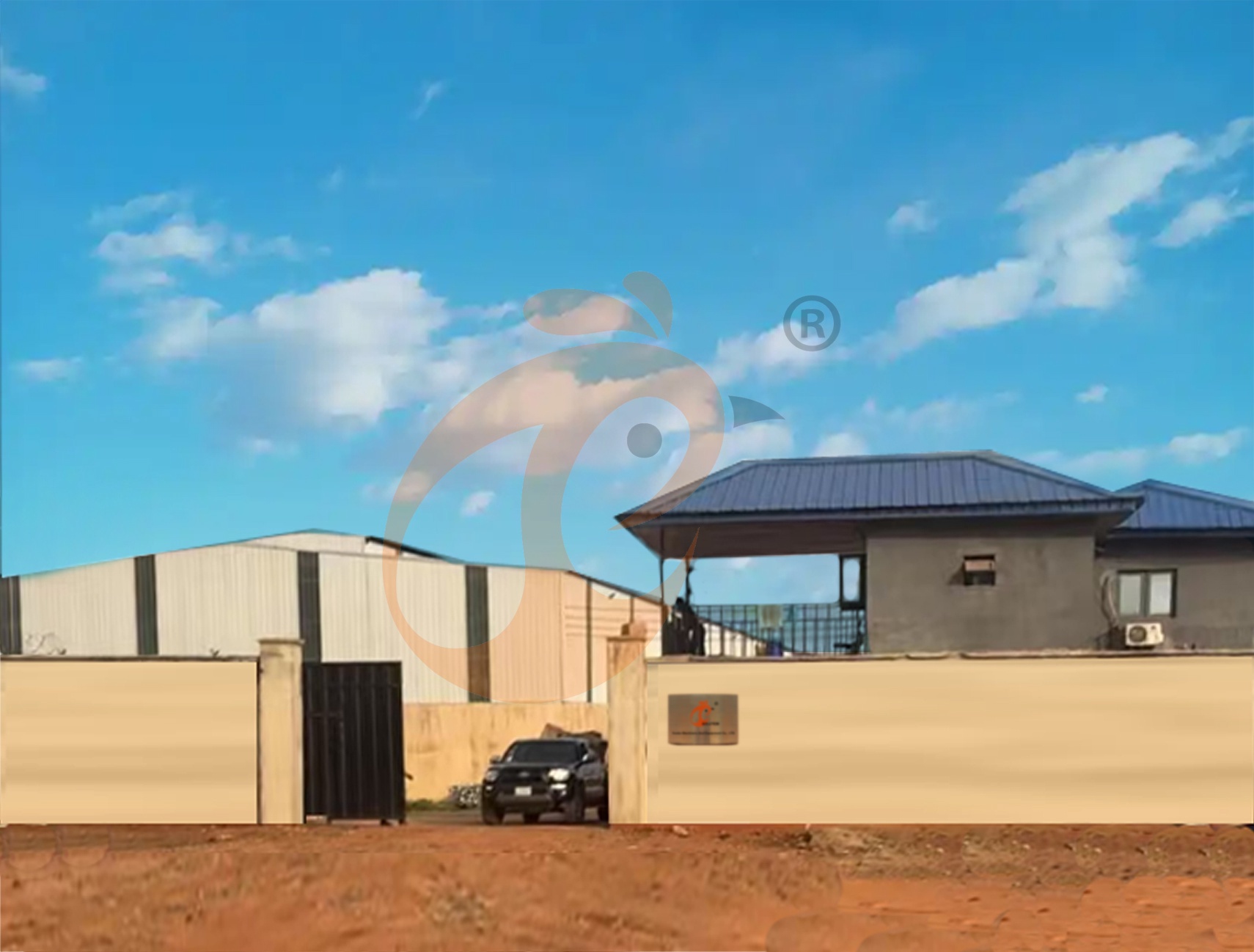
Nigeria Vanke Machinery And Equipment CO., LTD
Tanzania Best Machinery And Equipment CO., LTD
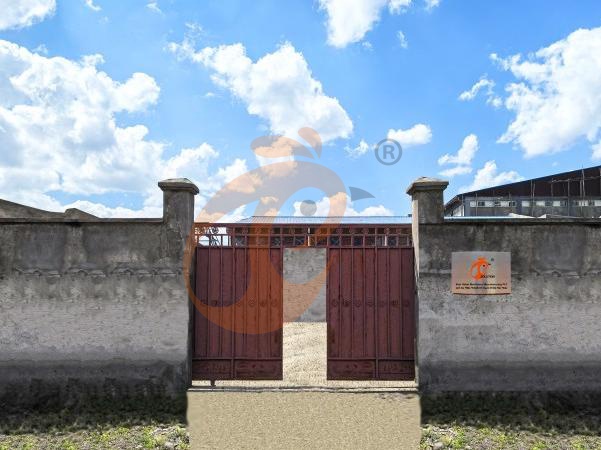
Ethiopia Best Hebei Machinery Manufacturing PLC
Reception /24 WhatsApp NO. : +8618830120193
FAQ
What Cage Structure Options Are Available For Broiler Chicken Cage Systems?
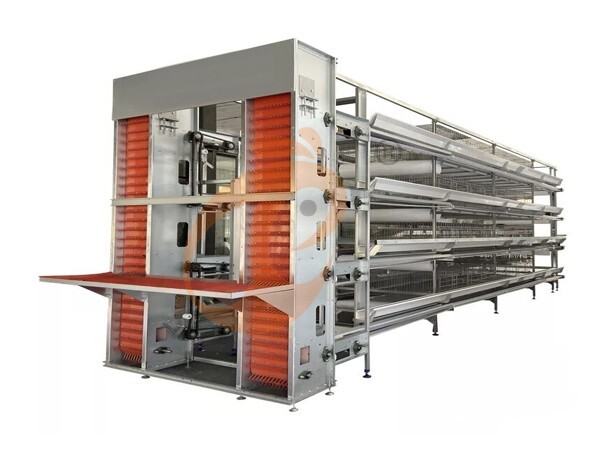
H-type cage systems are configured in 3–12 tiers accommodating 360–1440 birds per set for intensive farming operations.
Structural height ranges from 1.75–10.11 meters maximizing vertical space utilization and housing efficiency.
How Does Stocking Density Affect Broiler Chicken Cage Performance?
H-type systems maintain 500 cm² allocation per bird optimizing housing density and production output.
Bird distribution is balanced at 8 birds per compartment in partitioned cage configurations reducing competition.
Which Cage Dimensions Are Commonly Used In Broiler Chicken Cage Systems?
H-type cage modules measure 3.3 × 1.82 meters providing larger continuous housing sections.
Internal compartment height varies from 40–55 cm ensuring adequate bird activity and ventilation circulation.
- poultry farm
- layer cages
- chicken cage
- poultry farms
- broiler cage
- layer cage
- chicken farm
- poultry cage
- cage
- galvanized cage
- poultry farm construction
- chicken cage manufacturer
- poultry equipment
- manure removal system
- broiler chicken cage
- broiler cages
- chickencage
- bestchickencage
- cage system
- cage systems
- Nigeria
- chicken farming equipment
- commercial poultry farms
- cage manufacturer
- poultry farm plan
- Ethiopia
Message
Products recommended
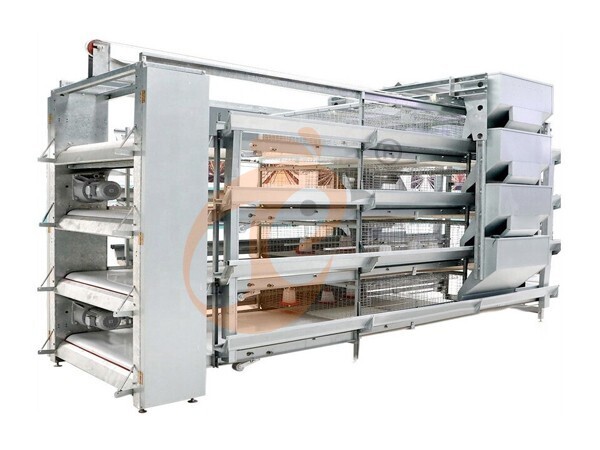
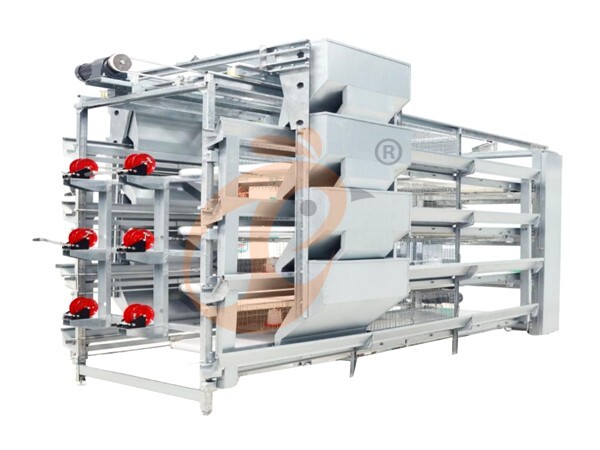
 >30,000 Pullets Automatic H Type Battery Cage1. More than 30,000 pullets a house, choose it.
2. It is designed to rearing older than 1 day old pullets to 12 to 16 weeks old chicken starting laying eggs.
3. Its lifespan is more than 25 years.
4. Its structure are Vcloud artificial intelligent fusion, electric control cabinet, automatic equipment of drinking, feeding, manure clean, manual harvesting.
5. Our 24 hour online reception What’sApp NO. is +8618830120193 <30,000 Pullets Automatic A Type Battery Cage1. 10,000 to 30,000 pullets a house, choose it.
2. It is designed to rearing older than 1 day old pullets to 12 to 16 weeks old chicken starting laying eggs.
3. Its lifespan is more than 25 years.
4. Its structure are Vcloud artificial intelligent fusion, electric control cabinet, automatic equipment of drinking, feeding, manure clean, manual harvesting.
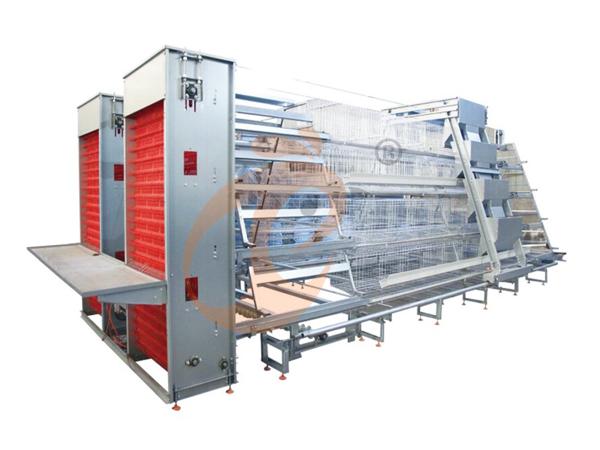
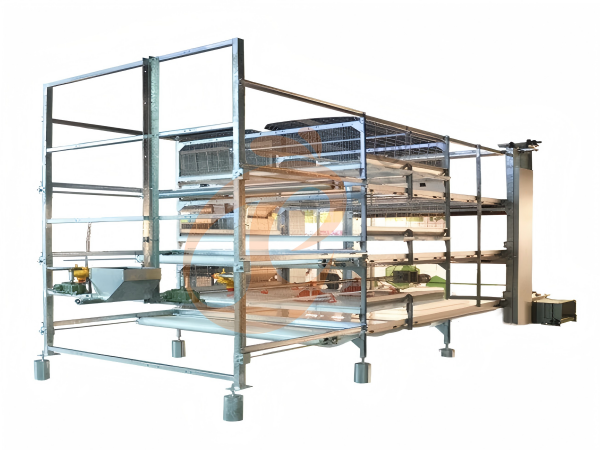
5. Our 24 hour online reception What’sApp NO. is +86 18830120193. >30,000 Broilers Semi-Automatic Harvest H Type Battery Cage1. More than 30,000 broilers a house, choose it.
2. It is designed to rearing 1 to 45 day old adult broiler ready for market.
3. Its lifespan is more than 20 years.
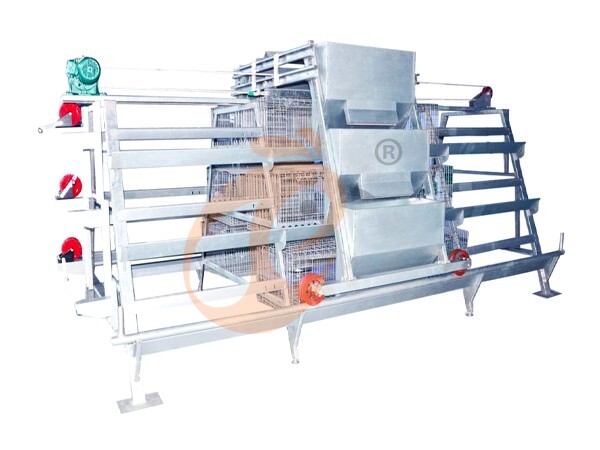
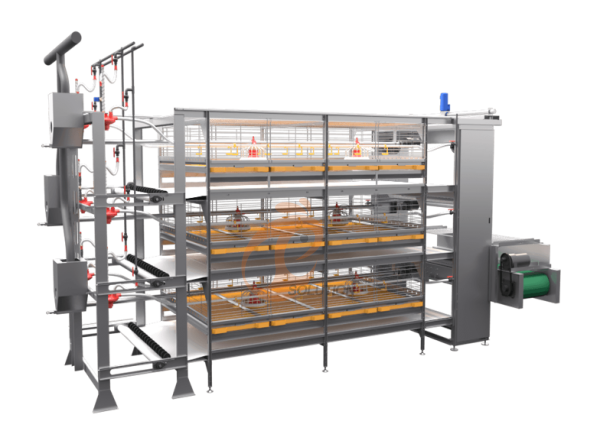
4. Our 24 hour online reception What’sApp NO. is +8618830120193, +234 8111199996. >30,000 Broilers Manual Harvest H Type Battery Cage1. More than 30,000 broilers a house, choose it.
2. It is designed to rearing 1 to 45 day old adult broiler ready for market.
3. Its lifespan is more than 20 years.
4. Its structure are Vcloud artificial intelligent fusion, electric control cabinet, automatic equipment of drinking, feeding and manure clean, manual harvesting.
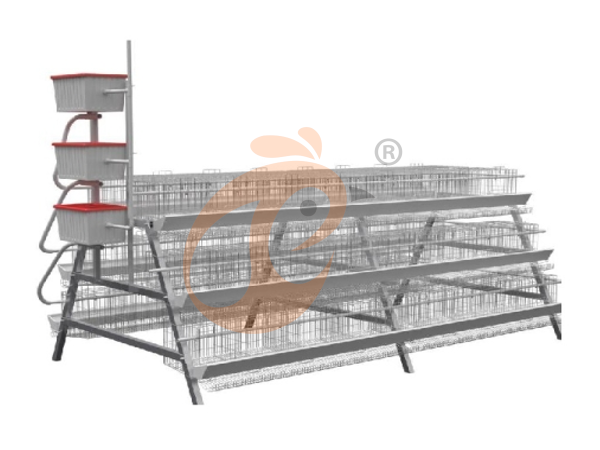
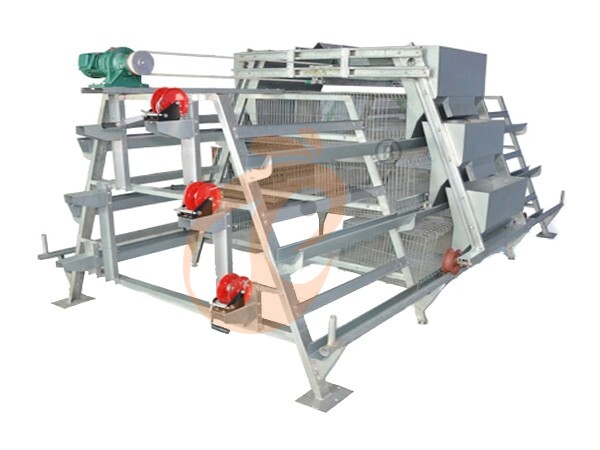
5. Our 24 hour online reception What’sApp NO. is +8618830120193, +234 8111199996. <30,000 Broilers Manual Harvest A Type Battery Cage1. Less 30,000 broilers a house, choose it.
2. It is designed to rearing 1 to 45 day old adult broiler ready for market.
3. Its lifespan is more than 20 years.
4. Its structure are Vcloud artificial intelligent fusion, electric control cabinet, automatic equipment of drinking, feeding and manure clean, manual harvesting.
5. Our 24 hour online reception What’sApp NO. is +8618830120193, +234 8111199996. HK Headquarter Offers EU-standard Poultry Farm Solutions, Manufacture Poultry Farm Equipment1. Continuous communication with the EU and the US
2. China, Nigeria, Ethiopia, Tanzania branch companies and factories
3. The products’ quality is customized for local poultry farms
4. Poultry cage and poultry farm equipment stock for sale
5. 24 online reception Whatsapp NO. : +8618830120193,contact us to get full information China Branch Offer Poultry Farm Business Plan, Manufacture Poultry Farm Equipment1. Address: Flat/RM 2416, 24/F, Runxing Building, Youyi Nan Street, Shijiazhuang City, Hebei Province, China
2. Poultry cage and poultry farm equipment factory and stock for sale
3. Customized for local poultry farms
4. Quality and design are based on Euro
5. 24 online reception Whatsapp NO. : +8618830120193 Nigeria Branch Offer Poultry Farm Business Plan, Manufacture Poultry Farm Equipment1. Address: After Sinoma Office, 200 Meters Near Danco Filling Station, Lagos/Ibadan Expressway, Lagos State, Nigeria
2. Poultry cage and poultry farm equipment factory and stock for sale
3. Customized for Nigerian poultry farms
4. Quality and design are based on Euro
5. 24 online reception Whatsapp NO. : +8618830120193 Ethiopia Branch Offer Poultry Farm Business Plan, Manufacture Poultry Farm Equipment1. Address: Gelan Gura, Akaki-kaliti Sub City, Addis Ababa, Ethiopia
2. Poultry cage and poultry farm equipment stock for sale
3. Customized for Ethiopian poultry farms
4. Quality and design are based on Euro
5. 24 online reception Whatsapp NO. : +8618830120193, contact us to get price list Tanzania Branch Offer Poultry Farm Business Plan, Manufacture Poultry Farm Equipment1. Address: No.8, Sova Road, Msufini, Mlandizi, Kibaha, Pwani, Tanzania
2. Poultry cage and poultry farm equipment factory and stock for sale
3. Customized for Tanzanian poultry farms
4. Quality and design are based on Euro
5. 24 online reception Whatsapp NO. : +8618830120193


Contact