


Blog
Pralson feeder lifespan optimization requires coordinated control of mechanical stress, lubrication stability, and sensor-driven calibration logic in continuous industrial environments.
Lifecycle performance depends on fatigue propagation rate reduction, contamination suppression efficiency, and thermal stability across rotating metering assemblies.
Operational extension strategies integrate predictive analytics, adaptive maintenance cycles, and material-interface optimization to reduce degradation velocity in automated feeding systems.
Get professional poultry farm construction guidance, equipment selection solutions, and the latest price lists, whatsApp to +8618830120193, click to learn more:
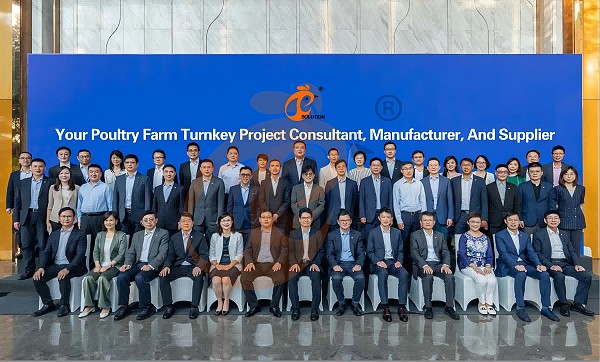
Industrial Feeder Lifespan Extension Overview
A pralson feeder functions as a precision volumetric dosing mechanism used in automated material delivery systems across processing and packaging infrastructures.
Performance stability is governed by tribological interaction, cyclic load distribution, and feedback-loop responsiveness.
Lifespan improvement is achieved through systemic engineering control rather than isolated maintenance actions.
The feeder architecture typically includes torque transmission assembly, metering rotor geometry, sealed feeding chamber, and closed-loop control electronics.
Primary degradation pathways include surface abrasion micro-cutting, harmonic vibration amplification, lubricant shear loss, and particulate intrusion into sealing interfaces.
In advanced installations, degradation rate is often modeled using exponential wear propagation curves instead of linear assumptions.
Working Principle Overview
The system converts controlled rotational torque into metered volumetric discharge through synchronized rotor displacement and feedback regulation.
Core operational chain
Bulk material stabilization inside hopper chamber
Angular displacement conversion through rotor indexing
Real-time feedback correction via sensor array
Output normalization through discharge channel regulation
Additional engineering observation: torque ripple suppression is critical for maintaining consistent dosing accuracy under variable load conditions exceeding 2.4 Nm fluctuation thresholds in industrial setups.
Common Failure Mechanisms
Data is for reference only.Swipe horizontally to view full table.
Failure mechanisms emerge from coupled mechanical and environmental stress interactions rather than isolated factors.
Additional engineering insight: micro-fracture initiation typically begins after approximately 3.6×10⁶ rotational cycles under combined resonance conditions in enclosed assemblies.
Material Selection For Extended Service Life
Data is for reference only.Swipe horizontally to view full table.
Material engineering governs resistance to wear propagation, corrosion nucleation, and structural deformation under repetitive stress.
Additional technical data: chromium diffusion depth in corrosion-resistant alloys typically reaches 12–18 µm under industrial exposure conditions, improving surface passivation stability.
Lubrication Strategy Optimization
Data is for reference only.Swipe horizontally to view full table.
Lubrication stability directly influences tribological efficiency and thermal dissipation continuity in rotating assemblies.
Engineering note: boundary lubrication regimes transition into mixed lubrication when surface asperity contact ratio drops below 0.18 under steady-state operation.
Cleaning Protocol Engineering
Data is for reference only.Swipe horizontally to view full table.
Contaminant removal efficiency determines abrasive wear rate reduction and sensor signal stability preservation.
Additional detail: particulate adhesion rate decreases significantly when surface energy drops below 28 mN/m after chemical-assisted rinsing cycles.
Calibration And Feeding Accuracy Control
Data is for reference only.Swipe horizontally to view full table.
Calibration accuracy ensures proportional response between input command signal and mechanical output displacement.
Engineering insight: closed-loop correction latency below 50 ms significantly reduces cumulative dosing deviation in high-frequency operation cycles.
Environmental Stress Management
Data is for reference only.Swipe horizontally to view full table.
Environmental modulation directly affects oxidation rate, insulation aging, and vibration propagation characteristics.
Additional note
Dielectric breakdown probability increases significantly when insulation resistance drops below 5 MΩ under cyclic humidity exposure.
Spare Parts Replacement Scheduling
Data is for reference only.Swipe horizontally to view full table.
Lifecycle scheduling minimizes cascading failure propagation across mechanically coupled subsystems.
Additional engineering note
Preventive replacement before fatigue crack propagation threshold reduces secondary system failure probability by more than 60% in continuous operation lines.
Predictive Monitoring Systems
Predictive systems rely on multi-variable signal fusion including vibration spectrum decomposition, thermal drift mapping, and electrical load harmonics.
Key monitoring elements
Vibration spectrum phase shift tracking
- Motor current harmonic distortion analysis
- Thermal gradient propagation mapping
- Feed deviation stochastic modeling
Frequently Asked Questions
Q1: How can pralson feeder maintenance extend equipment lifespan?
Pralson feeder maintenance extends lifespan by stabilizing mechanical friction zones, reducing particulate wear accumulation, and maintaining lubrication film continuity.
In practical operation, keeping bearing temperature within 55–68°C and controlling vibration below 4.0 mm/s reduces structural fatigue propagation and improves long-cycle reliability.
Q2: What operational factor has the greatest impact on feeder durability?
The most influential factor is contamination ingress combined with uneven torque distribution during continuous feeding cycles.
When particle concentration exceeds 20 mg/m³, abrasive wear rate increases significantly, especially in rotor interfaces and sealing assemblies, accelerating material loss and alignment drift.
Q3: Can incorrect calibration significantly shorten feeder service life?
Yes, incorrect calibration directly increases mechanical load imbalance and creates repetitive stress concentration on the drive shaft.
A deviation beyond 1.2 g in feed output can increase motor torque fluctuation above 2.5 Nm, which accelerates fatigue crack initiation in long-duration industrial operation.
Taiyu (HK) Group - One Of China Biggest Feeding System Manufacturer
Pralson feeder system is a precision-controlled volumetric dosing unit designed for industrial-scale continuous material handling applications.
Global factory direct supply ensures standardized manufacturing consistency and cost optimization for large engineering projects.
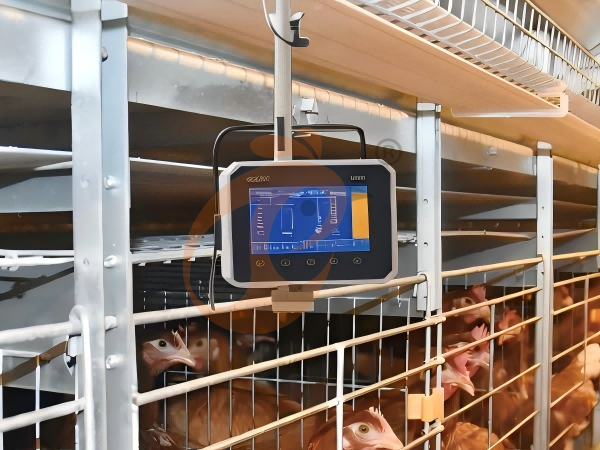
Poultry farm equipment integration includes poultry cage systems and automated feeding lines with parameter customization up to 150 g/min feed output.
Turn-key engineering services cover system design, installation commissioning, and full operational parameter tuning for automated production lines.
System specifications include modular drive architecture, 1.5–7.5 kW motor integration range, and scalable capacity suitable for high-efficiency industrial feeding infrastructure.
Contact Us To Received Your Customized Poultry Farm Plan
Headquarters And Branchs
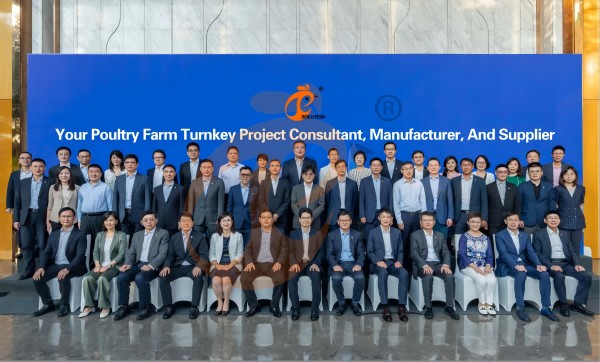
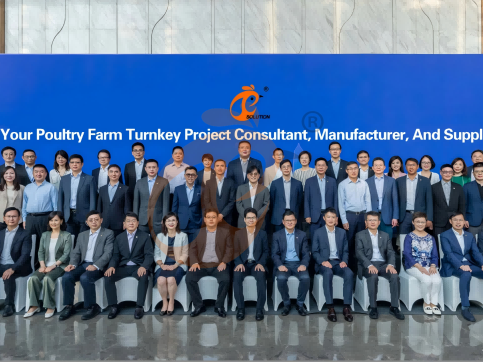
Hong Kong Headquarter Management Team
Hong Kong Headquarter Taiyu Industrial Group CO., LTD
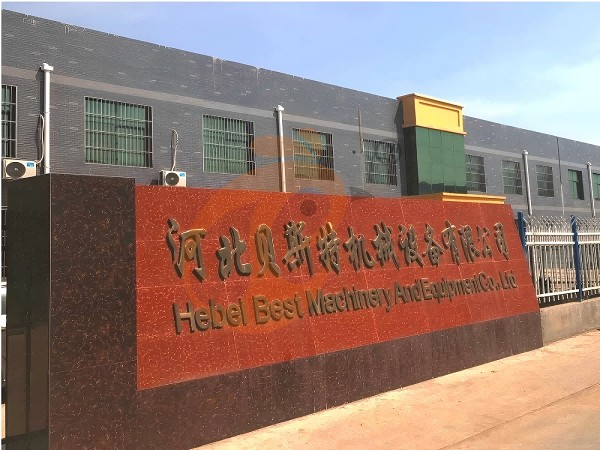
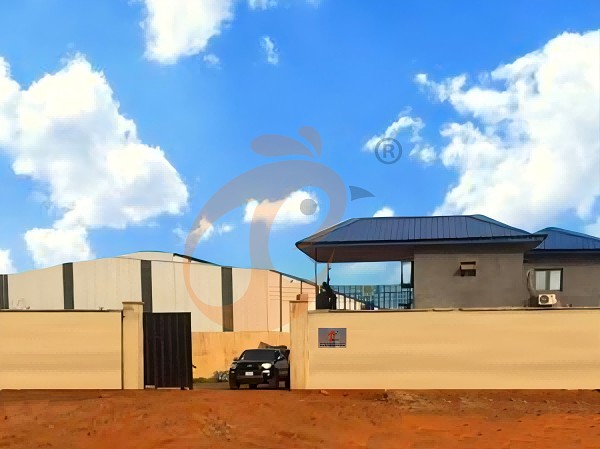
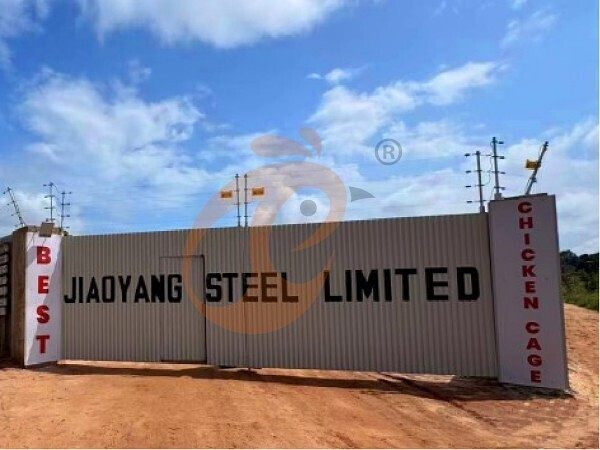
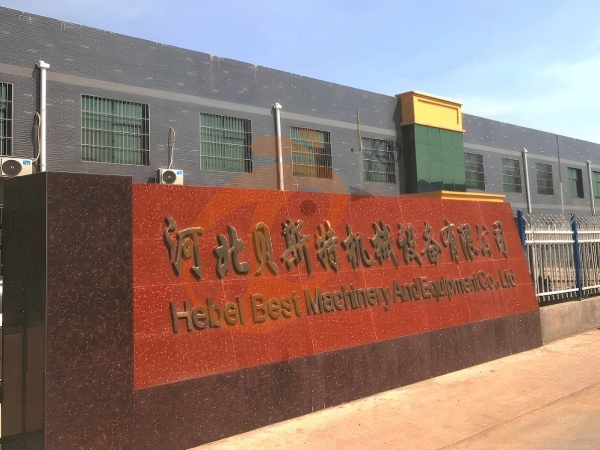
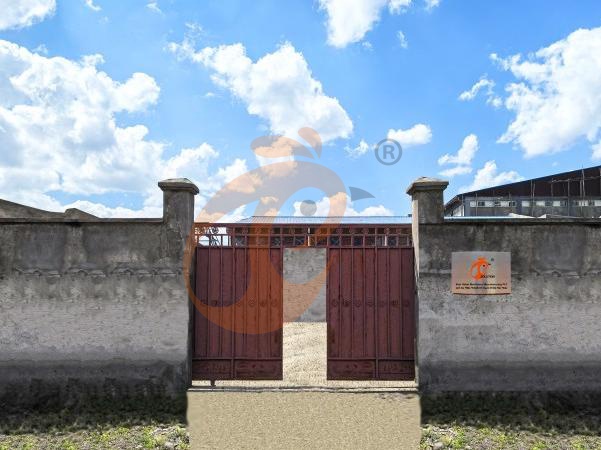
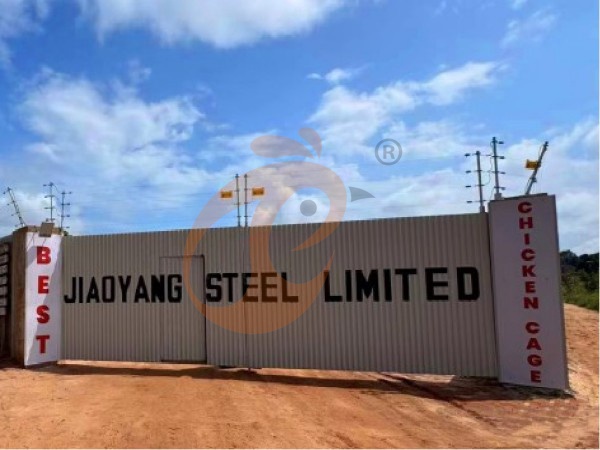
China Hebei Best Machinery And Equipment CO., LTD
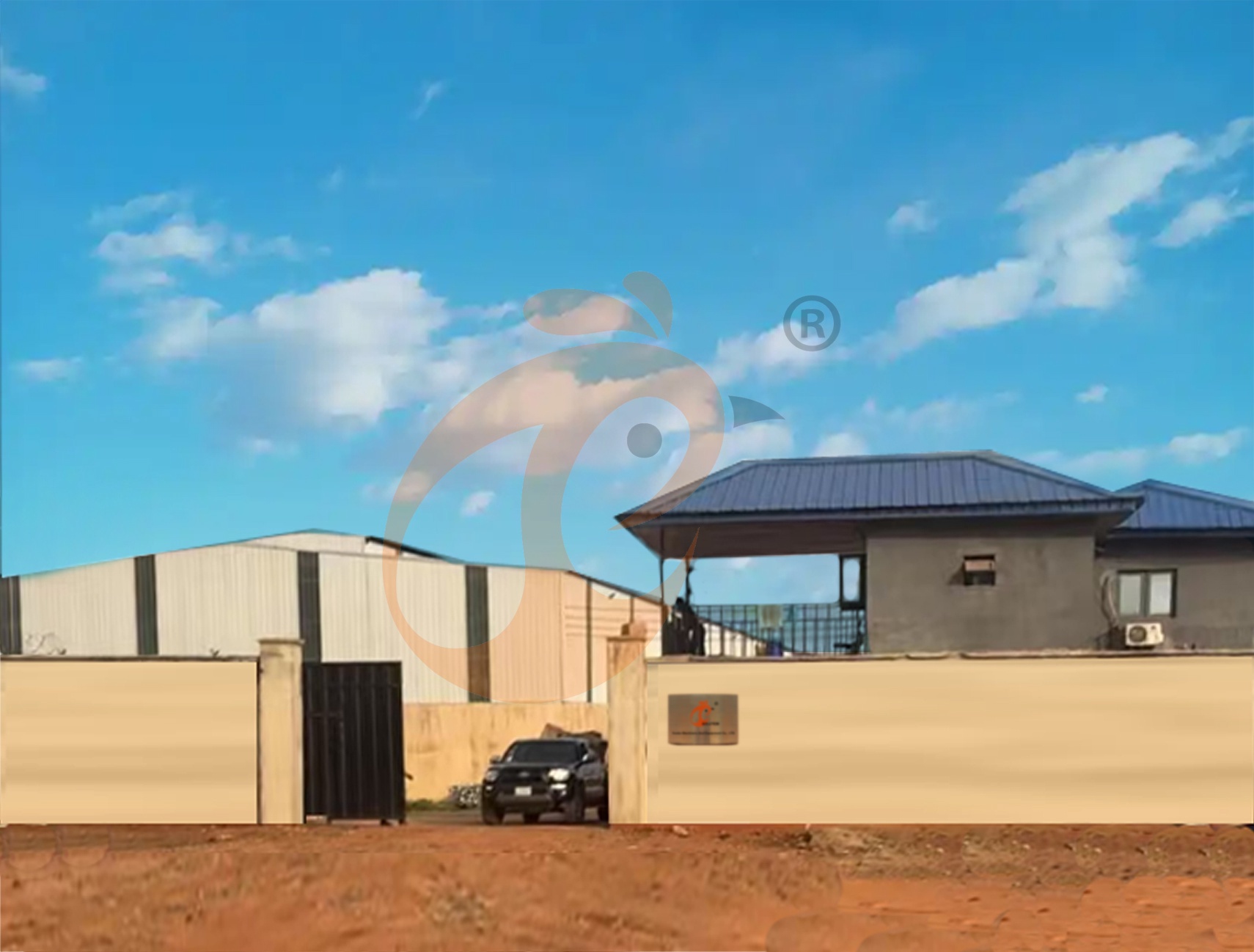
Nigeria Vanke Machinery And Equipment CO., LTD
Tanzania Best Machinery And Equipment CO., LTD
Ethiopia Best Hebei Machinery Manufacturing PLC

Reception /24 WhatsApp NO. : +8618830120193
FAQ
What Are The Water Filtration Requirements For Plasson Poultry Equipment?
Suspended solid concentration is controlled below 40 mg per liter for system stability.
Backwash flow rate reaches 1.5–2.0 m³ per hour for effective filter regeneration.
What Are The Pipeline Dimension Standards In Plasson Poultry Equipment?
Branch lines operate with 16–20 mm diameter for balanced pressure across drinking points.
Maximum pipeline length per zone reaches 80–120 meters without pressure loss impact.
What Are The Bird Age Adaptation Settings In Plasson Poultry Equipment
Water flow sensitivity is adjusted to 60–100 ml per minute for different age groups.
Bird access spacing is optimized at 8–15 birds per nipple depending on growth phase.
Message
Products recommended
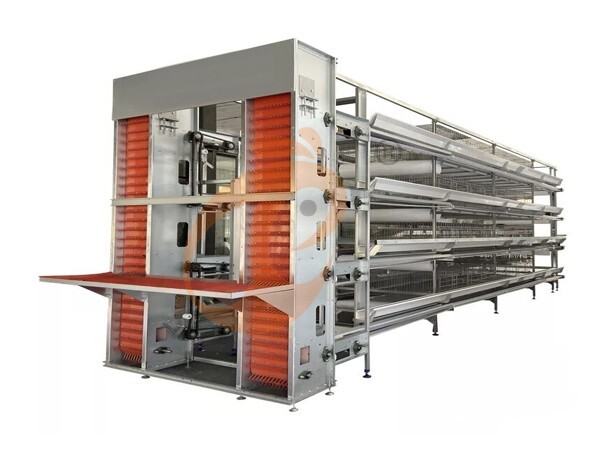
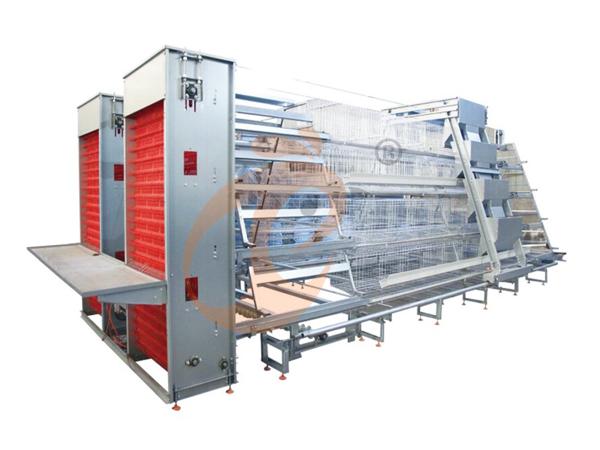
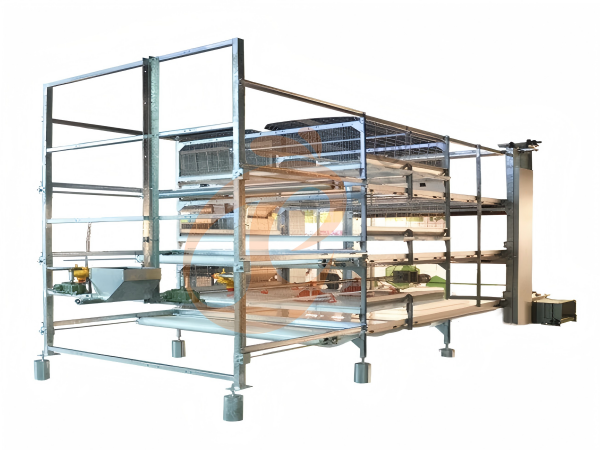
 >30,000 Pullets Automatic H Type Battery Cage1. More than 30,000 pullets a house, choose it.
2. It is designed to rearing older than 1 day old pullets to 12 to 16 weeks old chicken starting laying eggs.
3. Its lifespan is more than 25 years.
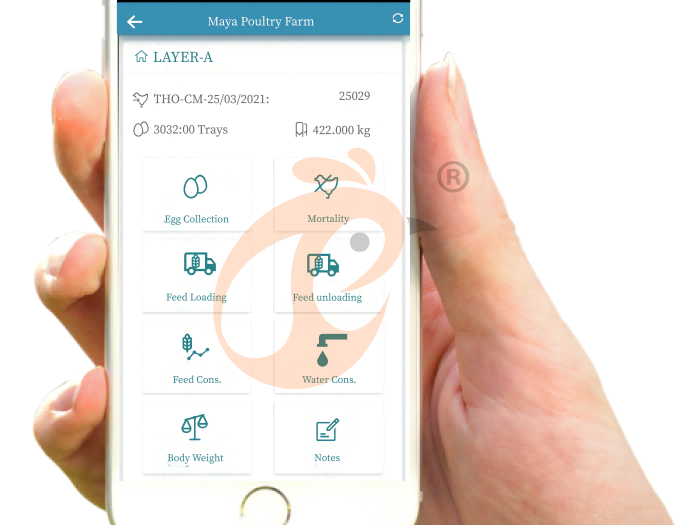
4. Its structure are Vcloud artificial intelligent fusion, electric control cabinet, automatic equipment of drinking, feeding, manure clean, manual harvesting.
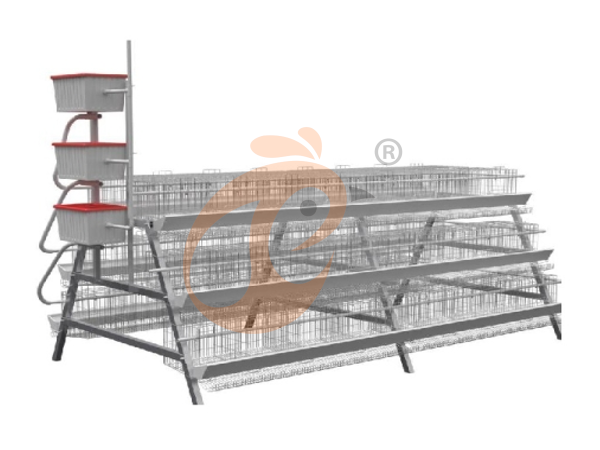
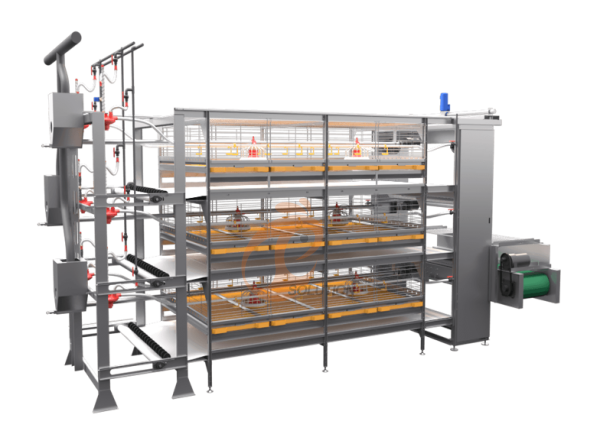
5. Our 24 hour online reception What’sApp NO. is +8618830120193 <30,000 Pullets Automatic A Type Battery Cage1. 10,000 to 30,000 pullets a house, choose it.
2. It is designed to rearing older than 1 day old pullets to 12 to 16 weeks old chicken starting laying eggs.
3. Its lifespan is more than 25 years.
4. Its structure are Vcloud artificial intelligent fusion, electric control cabinet, automatic equipment of drinking, feeding, manure clean, manual harvesting.
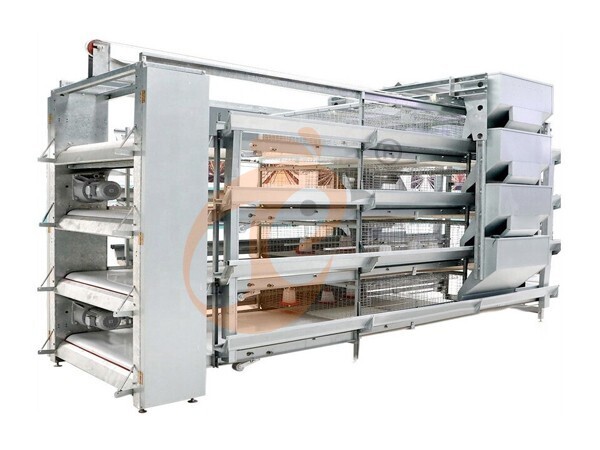
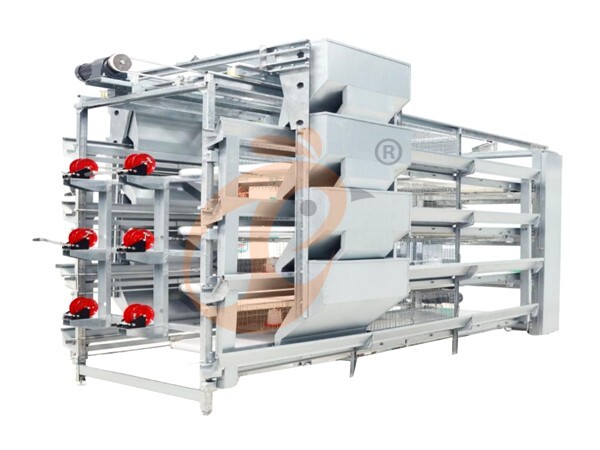
5. Our 24 hour online reception What’sApp NO. is +86 18830120193. >30,000 Broilers Semi-Automatic Harvest H Type Battery Cage1. More than 30,000 broilers a house, choose it.
2. It is designed to rearing 1 to 45 day old adult broiler ready for market.
3. Its lifespan is more than 20 years.
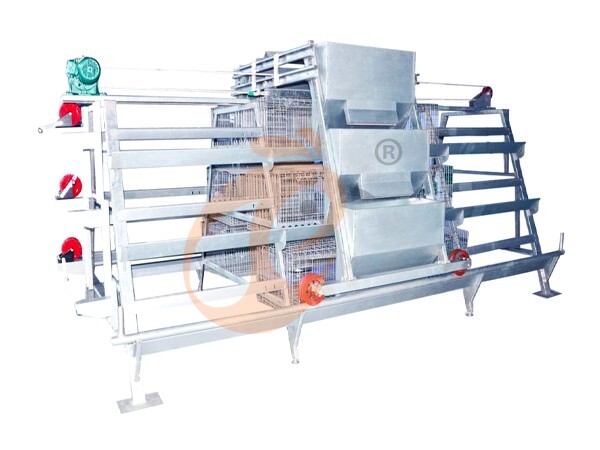
4. Our 24 hour online reception What’sApp NO. is +8618830120193, +234 8111199996. >30,000 Broilers Manual Harvest H Type Battery Cage1. More than 30,000 broilers a house, choose it.
2. It is designed to rearing 1 to 45 day old adult broiler ready for market.
3. Its lifespan is more than 20 years.
4. Its structure are Vcloud artificial intelligent fusion, electric control cabinet, automatic equipment of drinking, feeding and manure clean, manual harvesting.
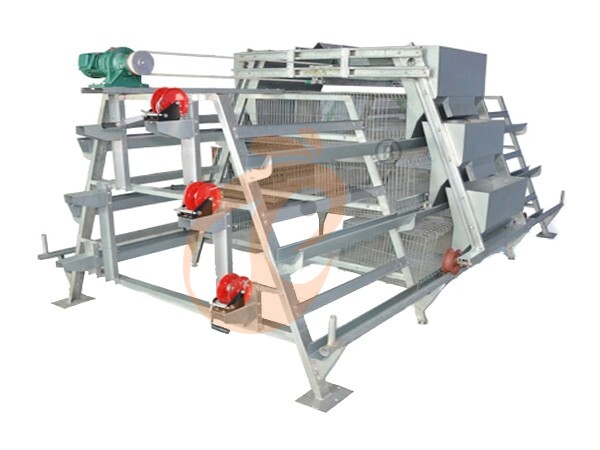
5. Our 24 hour online reception What’sApp NO. is +8618830120193, +234 8111199996. <30,000 Broilers Manual Harvest A Type Battery Cage1. Less 30,000 broilers a house, choose it.
2. It is designed to rearing 1 to 45 day old adult broiler ready for market.
3. Its lifespan is more than 20 years.
4. Its structure are Vcloud artificial intelligent fusion, electric control cabinet, automatic equipment of drinking, feeding and manure clean, manual harvesting.
5. Our 24 hour online reception What’sApp NO. is +8618830120193, +234 8111199996. HK Headquarter Offers EU-standard Poultry Farm Solutions, Manufacture Poultry Farm Equipment1. Continuous communication with the EU and the US
2. China, Nigeria, Ethiopia, Tanzania branch companies and factories
3. The products’ quality is customized for local poultry farms
4. Poultry cage and poultry farm equipment stock for sale
5. 24 online reception Whatsapp NO. : +8618830120193,contact us to get full information China Branch Offer Poultry Farm Business Plan, Manufacture Poultry Farm Equipment1. Address: Flat/RM 2416, 24/F, Runxing Building, Youyi Nan Street, Shijiazhuang City, Hebei Province, China
2. Poultry cage and poultry farm equipment factory and stock for sale
3. Customized for local poultry farms
4. Quality and design are based on Euro
5. 24 online reception Whatsapp NO. : +8618830120193 Nigeria Branch Offer Poultry Farm Business Plan, Manufacture Poultry Farm Equipment1. Address: After Sinoma Office, 200 Meters Near Danco Filling Station, Lagos/Ibadan Expressway, Lagos State, Nigeria
2. Poultry cage and poultry farm equipment factory and stock for sale
3. Customized for Nigerian poultry farms
4. Quality and design are based on Euro
5. 24 online reception Whatsapp NO. : +8618830120193 Ethiopia Branch Offer Poultry Farm Business Plan, Manufacture Poultry Farm Equipment1. Address: Gelan Gura, Akaki-kaliti Sub City, Addis Ababa, Ethiopia
2. Poultry cage and poultry farm equipment stock for sale
3. Customized for Ethiopian poultry farms
4. Quality and design are based on Euro
5. 24 online reception Whatsapp NO. : +8618830120193, contact us to get price list Tanzania Branch Offer Poultry Farm Business Plan, Manufacture Poultry Farm Equipment1. Address: No.8, Sova Road, Msufini, Mlandizi, Kibaha, Pwani, Tanzania
2. Poultry cage and poultry farm equipment factory and stock for sale
3. Customized for Tanzanian poultry farms
4. Quality and design are based on Euro
5. 24 online reception Whatsapp NO. : +8618830120193



Contact