


Blog
Pellet machine troubleshooting guide outlines systematic diagnosis for pellet production systems covering feed stability mechanical wear electrical load lubrication balance
We analyze five key steps used to detect failures in pellet machine systems across industrial biomass operations environments worldwide
Operational efficiency depends on feed consistency moisture control die condition electrical stability and preventive maintenance scheduling procedures framework overview guide
Modern pellet systems require continuous monitoring of roller wear temperature fluctuation motor torque and lubrication quality to prevent downtime losses across facilities
Article provides structured approach combining diagnostics tables technical indicators and maintenance schedules for stable long term production performance results analysis
Get professional poultry farm construction guidance, equipment selection solutions, and the latest price lists, whatsApp to +8618830120193, click to learn more:
Feed System Stability Diagnostics
Feed system stability directly influences pellet density formation consistency and extrusion pressure balance.
Blockage or uneven feed speed introduces torque fluctuation across compression zones.
Industrial operators often observe that early-stage irregular feeding leads to cascading mechanical stress in downstream assemblies.
Data is for reference only.Swipe horizontally to view full table.
Raw Material Conditioning Analysis
Raw material properties determine pellet binding strength and combustion efficiency.
Particle geometry, moisture distribution, and ash composition directly influence compression behavior inside the die chamber.
Data is for reference only.Swipe horizontally to view full table.
Proper conditioning reduces strain on mechanical assemblies and improves throughput consistency in long production cycles.
Die And Roller Wear Inspection
Die and roller assemblies define compression efficiency and pellet shaping precision.
Surface wear, clearance deviation, and thermal accumulation reduce friction stability and output uniformity.
Data is for reference only.Swipe horizontally to view full table.
Electrical Load Behavior Assessment
Electrical stability reflects mechanical resistance and system load distribution.
Torque spikes often correlate with die obstruction or feed inconsistency.
In industrial monitoring systems, current harmonics are used to predict early-stage overload conditions.
Data is for reference only.Swipe horizontally to view full table.
Lubrication And Bearing System Control
Lubrication quality directly affects friction resistance and mechanical lifespan.
Insufficient lubrication accelerates wear and increases thermal accumulation in rotating assemblies.
Proper scheduling reduces failure probability in continuous production environments.
Data is for reference only.Swipe horizontally to view full table.
Thermal And Mechanical Failure Mechanism
Pellet formation depends on controlled heat transfer and mechanical compression synergy.
Lignin activation occurs within a specific thermal window, enabling natural binding during extrusion.
When temperature deviates, structural integrity weakens and fragmentation increases.
This mechanism explains why process stability depends on synchronized thermal and mechanical regulation.
Failure Mode Classification Overview
System failures typically follow repeatable patterns driven by feed inconsistency, wear accumulation, or lubrication breakdown.
Early detection improves recovery efficiency and reduces system downtime across industrial operations.
Data is for reference only.Swipe horizontally to view full table.
Preventive Maintenance Scheduling System
Preventive maintenance ensures operational stability by reducing mechanical uncertainty.
Scheduled inspection cycles stabilize system performance and extend component lifespan under continuous load conditions.
A structured maintenance plan also supports consistent production output quality.
Data is for reference only.Swipe horizontally to view full table.
Operational Troubleshooting Sequence Framework
A structured diagnostic workflow improves accuracy in failure identification.
Sequential inspection reduces redundant checks and isolates root causes efficiently across mechanical and electrical subsystems.
Integration of monitoring tools further enhances system responsiveness and reliability.
Core Diagnostic Flow
- Inlet verification stage
Feed throughput is stabilized at 18.6 kg/min ensuring consistent material entry without upstream congestion. - Mechanical load mapping stage
Chamber torque is evaluated at 162 Nm peak load zones identifying resistance imbalance across compression points. - Vibration analysis stage
Axial deviation is controlled within 3.4 mm/s allowing early detection of misalignment trends. - Electrical integrity stage
Input line stability is maintained at 372 V confirming steady power delivery across operational cycles. Thermal confirmation stage
Die interface temperature stabilizes at 96°C indicating proper compression equilibrium before restart.
Pellet Machine Maintenance Optimization Strategy
Pellet machine maintenance tips emphasize controlled feeding stable thermal regulation and continuous vibration monitoring.
Integration of predictive diagnostics improves long term system reliability and reduces unscheduled downtime.
Mechanical calibration consistency remains essential for stable industrial output.
Maintenance planning should align with production intensity and equipment load cycles.
Optimization Control Points
- Roller assembly calibration
Preload tolerance maintained at 0.28 mm ensuring uniform pressure distribution across the die surface. - Gearbox condition monitoring
Lubricant viscosity maintained at ISO VG 220 supporting stable transmission under continuous load. - Bearing health evaluation
Acoustic emission monitoring centered at 28 kHz sensitivity band enabling early wear detection. Restart stabilization protocol
System restart validated after 120-minute thermal stabilization window reducing compression inconsistency risk.
Frequently Asked Questions
Q1: Why does pellet output become uneven during operation?
Uneven output is often linked to feed inconsistency or die hole obstruction.
Moisture variation above 19% can also disrupt pellet binding strength and extrusion uniformity.
Q2: How often should roller assemblies be replaced?
Replacement cycles depend on wear depth.
When surface erosion exceeds 1.1 mm compression efficiency typically drops below stable operating levels.
Q3: Can electrical instability damage the pellet machine?
Yes.
Voltage drops below 360 V or harmonic distortion above 14% may cause motor overheating and torque instability leading to system shutdown.
Taiyu (HK) Group - One Of China Most Famous Pellet Machine Manufacturer
Pellet machines operate in biomass fuel production and feed processing systems requiring stable mechanical compression and controlled thermal balance for industrial scale applications
Global factory direct supply supports standardized production lines with consistent component calibration and export level assembly quality assurance across international markets
Poultry equipment integration includes feed system synchronization automated control units and energy efficient motor configurations for continuous farming operations
Turn key engineering services cover installation commissioning training and system optimization for full production line deployment in biomass processing plants
Equipment design focuses on modular structure high durability wear resistance and compatibility with automated industrial control systems for scalable manufacturing environments
Contact Us To Received Your Customized Poultry Farm Plan
Headquarters And Branchs

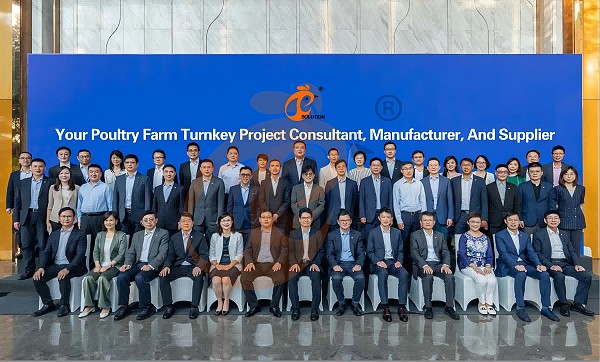
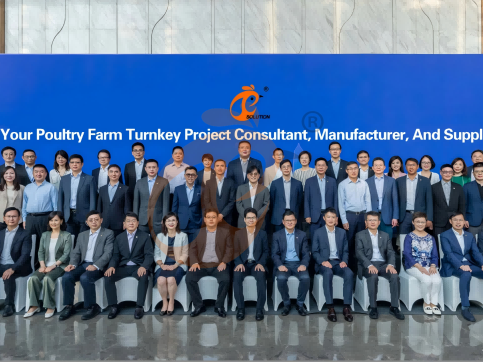
Hong Kong Headquarter Management Team
Hong Kong Headquarter Taiyu Industrial Group CO., LTD
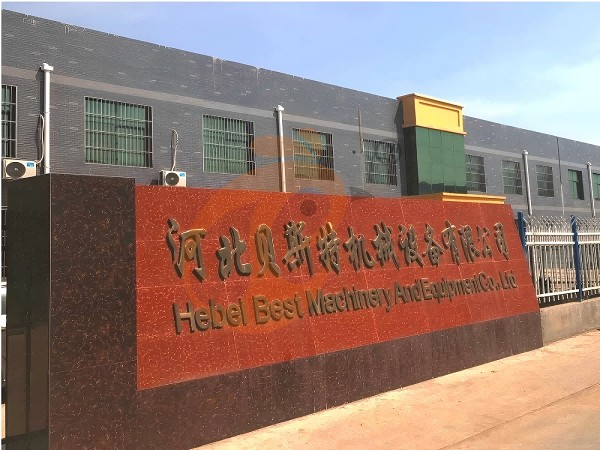
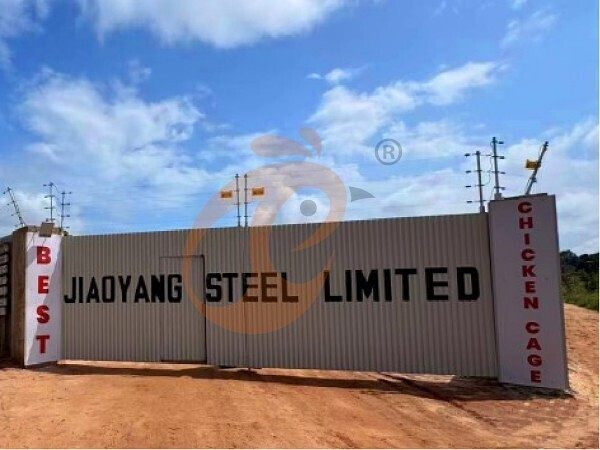
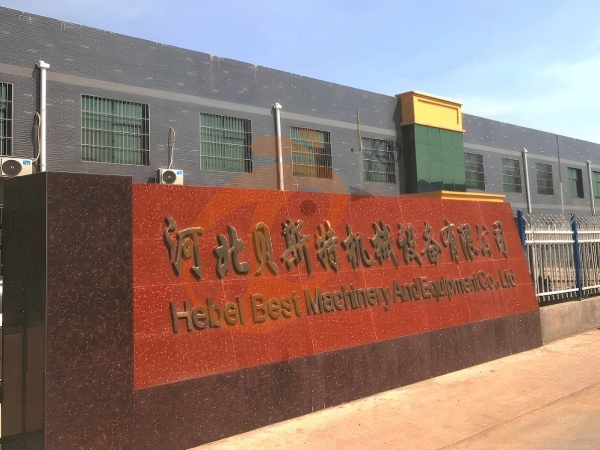
China Hebei Best Machinery And Equipment CO., LTD
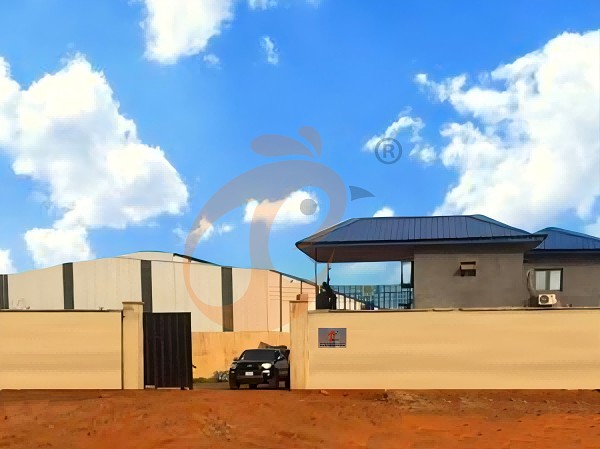
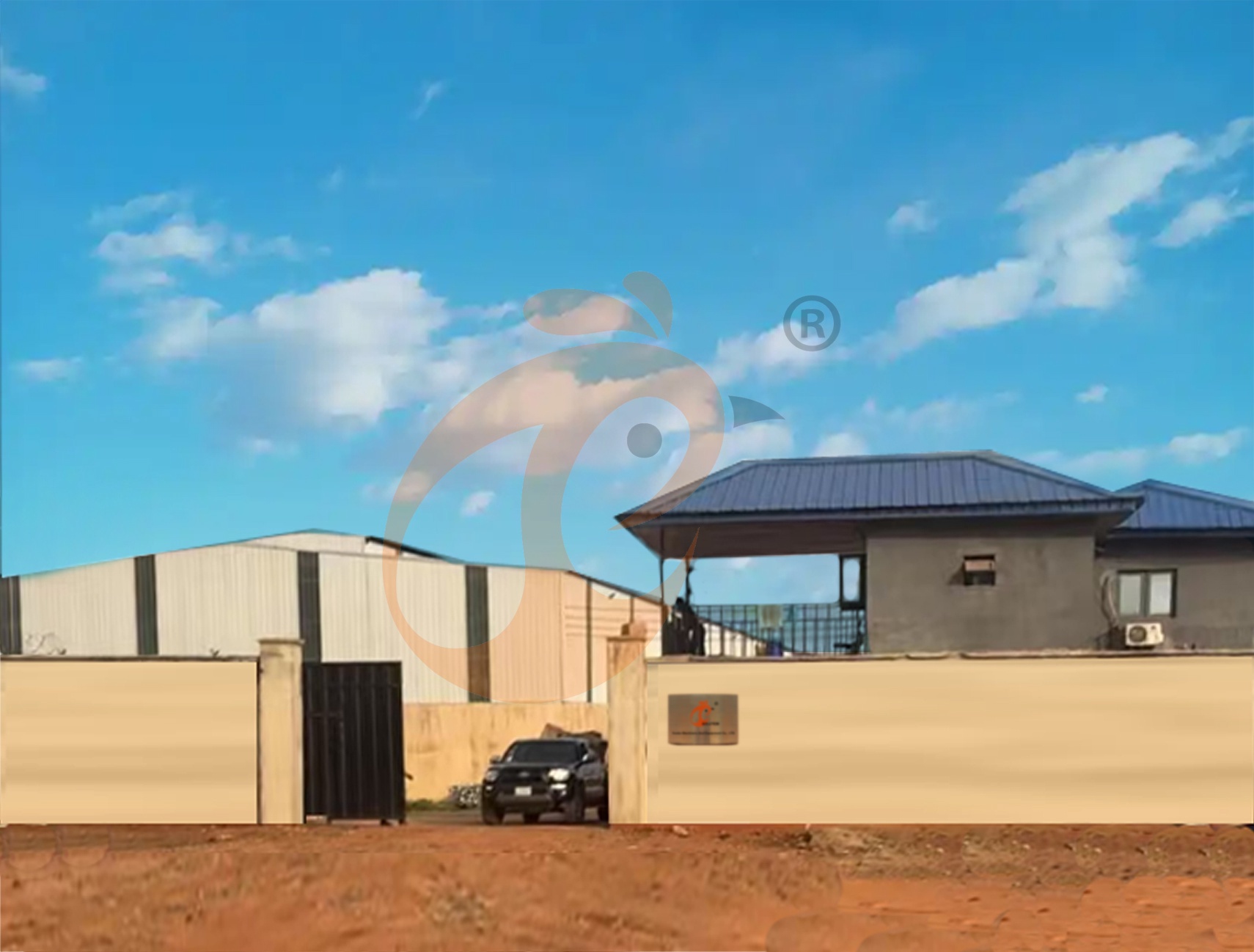
Nigeria Vanke Machinery And Equipment CO., LTD
Tanzania Best Machinery And Equipment CO., LTD
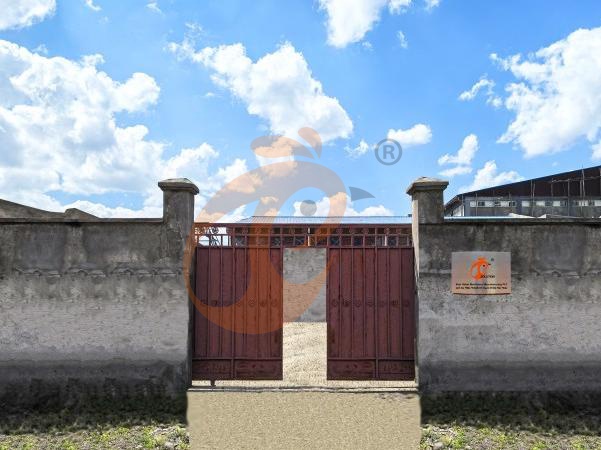
Ethiopia Best Hebei Machinery Manufacturing PLC

Reception /24 WhatsApp NO. : +8618830120193
FAQ
What Feeding System Standards Are Required For Pellet Machine In Poultry Chicken Feed Production Lines?
Feeder capacity is designed at 1.2–2.5 tons per hour depending on raw material density.
Flow consistency deviation is maintained within ±2% for uniform pellet quality output.
What Maintenance And Wear Part Replacement Standards Apply To Pellet Machine?
Bearing replacement intervals typically occur every 12–18 months under continuous operation.
Gearbox oil change frequency is maintained at 1000–1500 operating hours for system reliability.
What Safety Protection Systems Are Integrated In Pellet Machine For Poultry Chicken Feed Production?
Emergency stop response time is maintained within 0.5–1.0 seconds for operational safety.
Vibration monitoring limits are set at 4.5–6.0 mm/s to prevent mechanical failure.
Message
Products recommended
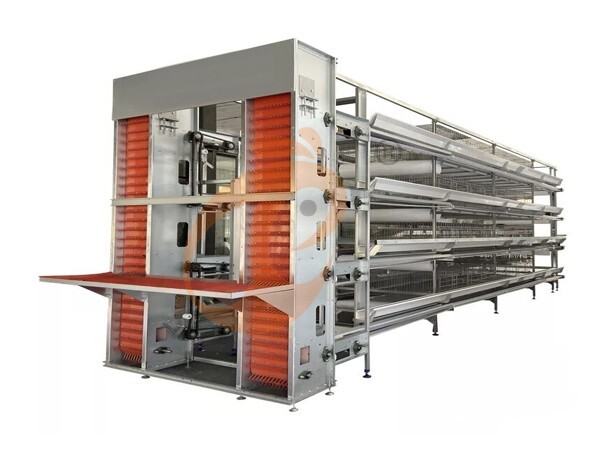
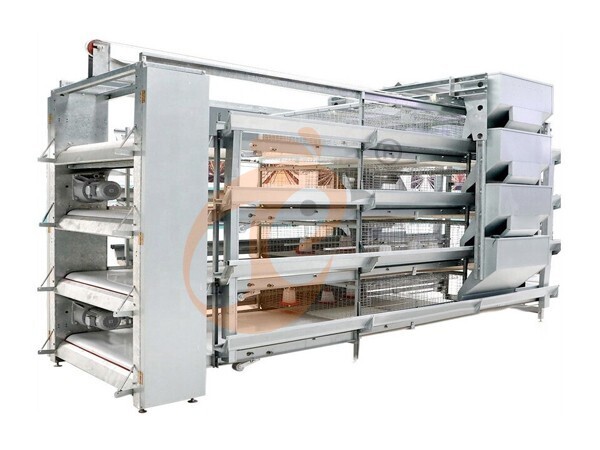
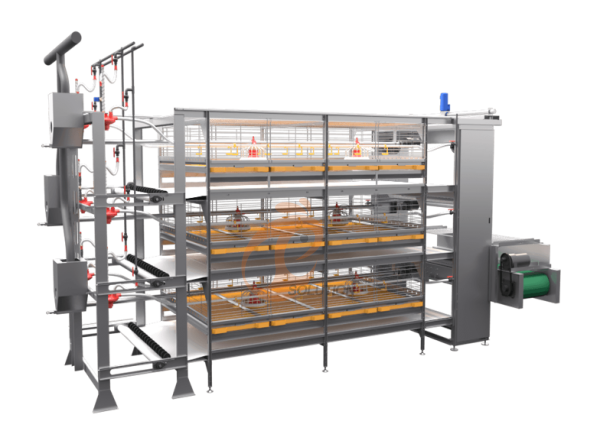
 >30,000 Pullets Automatic H Type Battery Cage1. More than 30,000 pullets a house, choose it.
2. It is designed to rearing older than 1 day old pullets to 12 to 16 weeks old chicken starting laying eggs.
3. Its lifespan is more than 25 years.
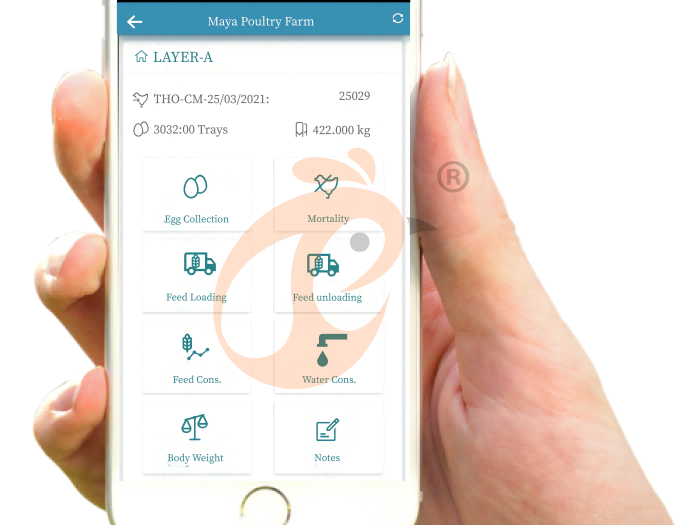
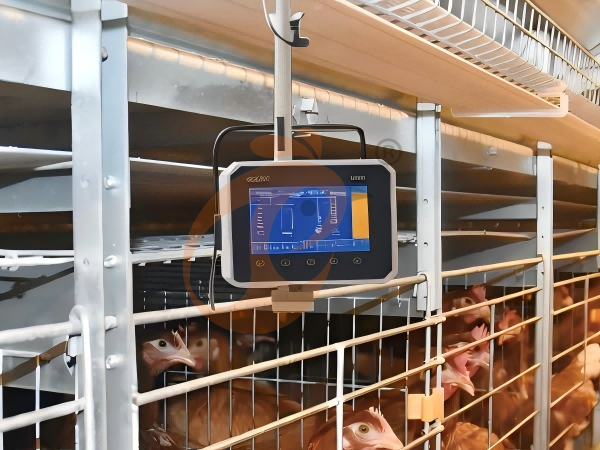
4. Its structure are Vcloud artificial intelligent fusion, electric control cabinet, automatic equipment of drinking, feeding, manure clean, manual harvesting.
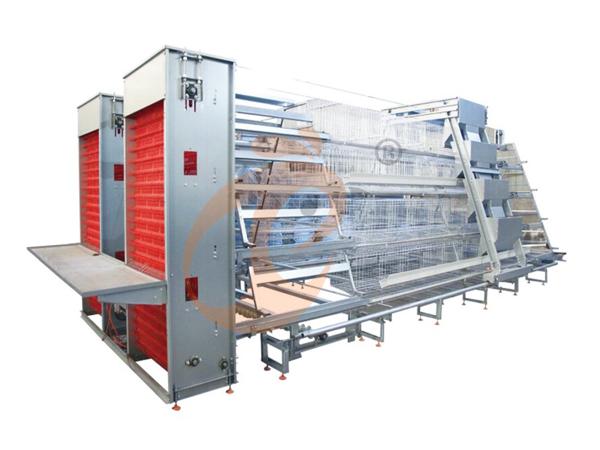
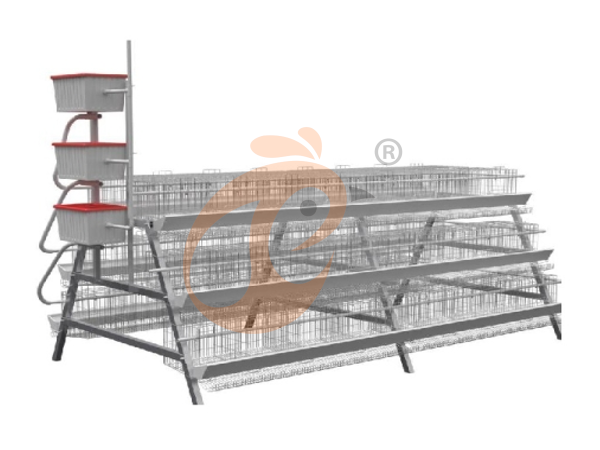
5. Our 24 hour online reception What’sApp NO. is +8618830120193 <30,000 Pullets Automatic A Type Battery Cage1. 10,000 to 30,000 pullets a house, choose it.
2. It is designed to rearing older than 1 day old pullets to 12 to 16 weeks old chicken starting laying eggs.
3. Its lifespan is more than 25 years.
4. Its structure are Vcloud artificial intelligent fusion, electric control cabinet, automatic equipment of drinking, feeding, manure clean, manual harvesting.
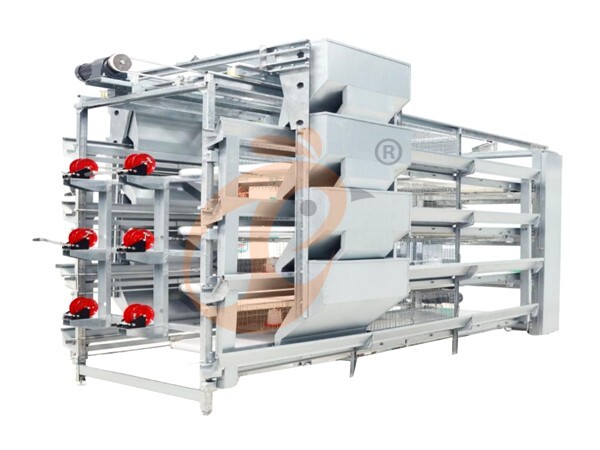
5. Our 24 hour online reception What’sApp NO. is +86 18830120193. >30,000 Broilers Semi-Automatic Harvest H Type Battery Cage1. More than 30,000 broilers a house, choose it.
2. It is designed to rearing 1 to 45 day old adult broiler ready for market.
3. Its lifespan is more than 20 years.
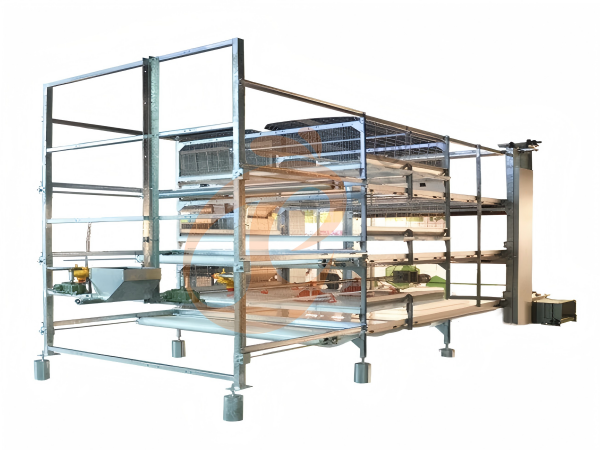
4. Our 24 hour online reception What’sApp NO. is +8618830120193, +234 8111199996. >30,000 Broilers Manual Harvest H Type Battery Cage1. More than 30,000 broilers a house, choose it.
2. It is designed to rearing 1 to 45 day old adult broiler ready for market.
3. Its lifespan is more than 20 years.
4. Its structure are Vcloud artificial intelligent fusion, electric control cabinet, automatic equipment of drinking, feeding and manure clean, manual harvesting.
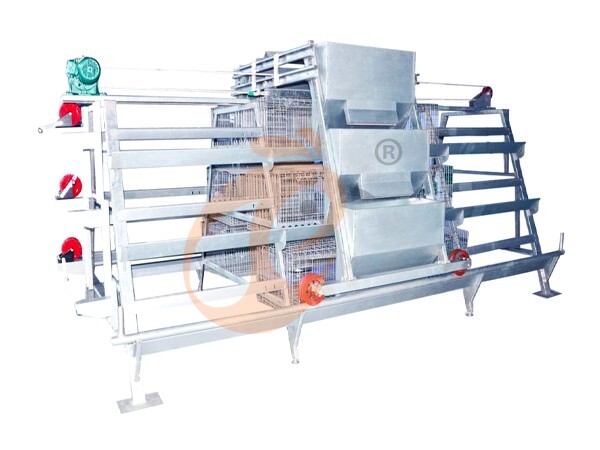
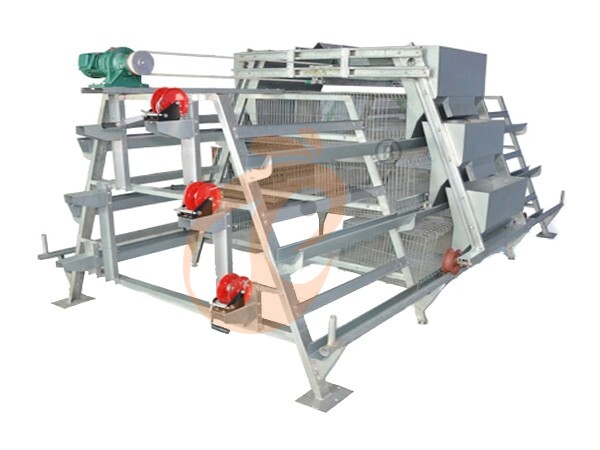
5. Our 24 hour online reception What’sApp NO. is +8618830120193, +234 8111199996. <30,000 Broilers Manual Harvest A Type Battery Cage1. Less 30,000 broilers a house, choose it.
2. It is designed to rearing 1 to 45 day old adult broiler ready for market.
3. Its lifespan is more than 20 years.
4. Its structure are Vcloud artificial intelligent fusion, electric control cabinet, automatic equipment of drinking, feeding and manure clean, manual harvesting.
5. Our 24 hour online reception What’sApp NO. is +8618830120193, +234 8111199996. HK Headquarter Offers EU-standard Poultry Farm Solutions, Manufacture Poultry Farm Equipment1. Continuous communication with the EU and the US
2. China, Nigeria, Ethiopia, Tanzania branch companies and factories
3. The products’ quality is customized for local poultry farms
4. Poultry cage and poultry farm equipment stock for sale
5. 24 online reception Whatsapp NO. : +8618830120193,contact us to get full information China Branch Offer Poultry Farm Business Plan, Manufacture Poultry Farm Equipment1. Address: Flat/RM 2416, 24/F, Runxing Building, Youyi Nan Street, Shijiazhuang City, Hebei Province, China
2. Poultry cage and poultry farm equipment factory and stock for sale
3. Customized for local poultry farms
4. Quality and design are based on Euro
5. 24 online reception Whatsapp NO. : +8618830120193 Nigeria Branch Offer Poultry Farm Business Plan, Manufacture Poultry Farm Equipment1. Address: After Sinoma Office, 200 Meters Near Danco Filling Station, Lagos/Ibadan Expressway, Lagos State, Nigeria
2. Poultry cage and poultry farm equipment factory and stock for sale
3. Customized for Nigerian poultry farms
4. Quality and design are based on Euro
5. 24 online reception Whatsapp NO. : +8618830120193 Ethiopia Branch Offer Poultry Farm Business Plan, Manufacture Poultry Farm Equipment1. Address: Gelan Gura, Akaki-kaliti Sub City, Addis Ababa, Ethiopia
2. Poultry cage and poultry farm equipment stock for sale
3. Customized for Ethiopian poultry farms
4. Quality and design are based on Euro
5. 24 online reception Whatsapp NO. : +8618830120193, contact us to get price list Tanzania Branch Offer Poultry Farm Business Plan, Manufacture Poultry Farm Equipment1. Address: No.8, Sova Road, Msufini, Mlandizi, Kibaha, Pwani, Tanzania
2. Poultry cage and poultry farm equipment factory and stock for sale
3. Customized for Tanzanian poultry farms
4. Quality and design are based on Euro
5. 24 online reception Whatsapp NO. : +8618830120193



Contact