


Blog
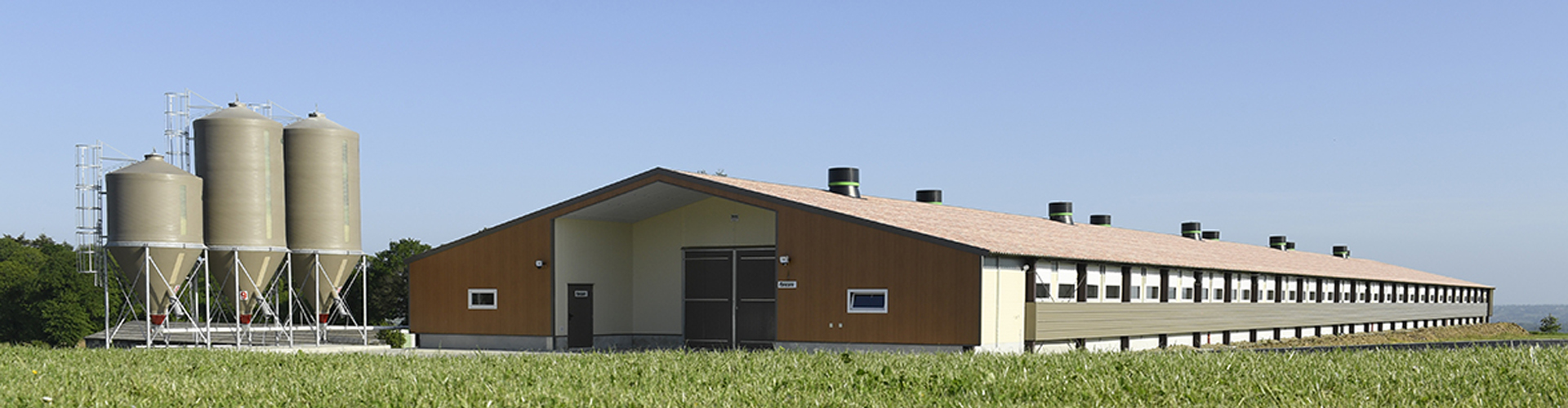
Free range system for layers combines feeding, nesting, drinking, ventilation, and egg collection equipment into an integrated poultry production solution.
Automatic chicken feeding systems improve feed distribution through motorized lines, with typical drive ratings ranging from 0.75 to 1.1 kW.
Automatic egg collection systems streamline handling through conveyor belts measuring 350 to 500 mm wide.
Poultry nipple drinking systems support controlled water delivery, with model-dependent flow rates of 70 to 100 mL per minute.
Equipment specifications, installation requirements, logistics, and maintenance planning determine total project investment and long-term operational value.
Get professional poultry farm construction guidance, equipment selection solutions, and the latest price lists, whatsApp to +8618830120193, click to learn more:
Understanding Free Range System Prices
The price of a free range system for layers depends on flock capacity, housing design, automation, equipment materials, and installation requirements.
A complete poultry equipment package integrates feeding, drinking, nesting, egg collection, ventilation, and manure handling.
For a project involving 10,000 laying hens, equipment quantities and line configurations must be calculated according to building dimensions and production targets.
Our poultry equipment solutions help farms select suitable configurations based on operating conditions and investment budgets.
Buyers should provide building drawings, flock requirements, project location, and automation preferences to receive an accurate quotation.
Main Factors Affecting Equipment Investment
Data is for reference only.Swipe horizontally to view full table.
These parameters establish a preliminary engineering basis rather than a universal price list.
Final specifications must be verified against building geometry, flock size, applicable welfare standards, and manufacturer performance data.
Engineering Points: Design Before Purchasing
A reliable free range system for layers starts with engineering calculations.
Equipment must fit the building while providing access to feeding, drinking, nesting, resting, and outdoor areas.
A preliminary layout should identify service aisles, cable routes, water pipelines, and maintenance access before manufacturing begins.
Key Engineering Checks
Building Geometry: Record structural spans, ceiling clearance, and usable floor dimensions.
Equipment Compatibility: Verify conveyor interfaces, motor specifications, and control connections.
Environmental Control: Calculate ventilation requirements for the local climate and planned flock.
Maintenance Planning: Allow access to motors, filters, regulators, and belt assemblies.
Expansion Planning: Use modular connections to accommodate future capacity changes.
Early engineering coordination helps reduce site modifications, installation conflicts, and commissioning delays.
Feeding And Drinking Equipment Parameters
Data is for reference only.Swipe horizontally to view full table.
An integrated automatic chicken feeding system connects feed silos, augers, hoppers, and distribution lines to support consistent feed delivery.
Our equipment selection process considers feed characteristics, pipeline routing, and maintenance requirements.
Correctly matched components simplify installation and help align equipment capacity with the farm's production needs.
Tips Card: Five Ways To Manage Project Costs
Tip 1 — Request An Itemized Quotation
Require model numbers, quantities, unit prices, accessories, and exclusions for every equipment category.
Tip 2 — Compare Equivalent Specifications
Check material grades, motor power, operating capacity, and control functions.
Tip 3 — Calculate Installation Expenses
Include freight, unloading, assembly, electrical connections, and commissioning.
Tip 4 — Review Replacement Parts
Confirm belt dimensions, motor compatibility, warranty coverage, and spare-part availability.
Tip 5 — Match Automation To Workload
Assess daily labor requirements and operating schedules before choosing mechanical handling equipment.
For a farm operating 8 hours per shift, buyers should evaluate equipment performance across the full working schedule.
An itemized checklist helps distinguish the machinery purchase price from the total installed investment.
Manual And Automatic System Specifications
Data is for reference only.Swipe horizontally to view full table.
These figures are preliminary equipment-selection examples, and actual specifications vary by manufacturer and application.
For a farm collecting eggs over two daily shifts, powered conveyors can reduce repetitive manual transport between housing areas and packing facilities.
Automatic configurations require additional electrical components and maintenance planning, so buyers should account for the farm's operating schedule and available technical staff.
Workflow Structure: From Planning To Commissioning
A structured purchasing process improves communication between the equipment supplier, farm owner, and installation contractor.
Technical reviews before production help prevent dimensional errors and missing components.
Stage 1: Project Assessment
Collect building drawings, flock targets, utility information, and site conditions.
Stage 2: Technical Design
Prepare equipment layouts, pipeline routing, quantities, and connection details.
Stage 3: Commercial Quotation
Confirm model numbers, materials, accessories, payment terms, and delivery conditions.
Stage 4: Production Preparation
Approve drawings, component specifications, packaging, and manufacturing arrangements.
Stage 5: Installation
Assemble machinery, connect electrical and water services, and inspect mechanical alignment.
Stage 6: Commissioning
Test motors, control sequences, water distribution, conveyor operation, and safety functions.
A project schedule should assign responsibility for each stage and include inspection checkpoints before shipment and final handover.
Additional Project Cost Parameters
Data is for reference only.Swipe horizontally to view full table.
For example, a shipment occupying 28 m³ with a gross weight of 4,500 kg should be quoted according to the carrier's applicable volumetric or weight-based rules.
These values are illustrative planning figures, not fixed supplier prices.
Confirm actual shipment dimensions, local labor rates, and service scope before finalizing the budget.
For applicable European union market projects, European union standard reference only; verify current regulatory and conformity requirements before purchase.
Equipment Combination Recommendations
Our poultry equipment company provides project-based configurations rather than relying on a single package for every farm.
Coordinated machinery helps feeding, drinking, nesting, egg collection, and environmental equipment function as one integrated system.
Essential Equipment Package
Combine feeding lines, nipple drinkers, nest boxes, perches, and appropriately engineered ventilation equipment.
Labor-Saving Equipment Package
Integrate automatic feeding, regulated drinking, roll-away nests, egg conveyors, and environmental controllers.
Integrated Commercial Package
Consider bulk feed storage, automatic distribution, centralized egg collection, manure removal, and programmable environmental controls.
For a project with 12,000 hens, equipment quantities should be calculated from the house layout, feeder specifications, drinking requirements, and collection capacity.
Our engineers can prepare a customized equipment list and installation drawing after reviewing the project's technical requirements.
Supplier Evaluation And Acceptance Criteria
Data is for reference only.Swipe horizontally to view full table.
Acceptance values must be agreed upon in the technical contract and verified against the selected manufacturer's documentation.
Our team can provide product datasheets, assembly instructions, and inspection records to support equipment verification.
Operating Cost And Performance Indicators
Data is for reference only.Swipe horizontally to view full table.
For a farm collecting 9,000 eggs daily, a breakage rate of 2% corresponds to approximately 180 damaged eggs per day.
Tracking this indicator alongside labor, electricity, and maintenance costs helps managers compare equipment performance with the farm's operating baseline.
Actual savings depend on flock management, existing equipment, local energy rates, and maintenance practices.
Information Required For A Customized Quotation
Data is for reference only.Swipe horizontally to view full table.
For example, a quotation request for a 100 m × 15 m poultry house should also identify building height, usable internal area, flock target, and equipment preferences.
Complete technical information enables our engineers to prepare a bill of materials, determine installation requirements, and calculate project-specific pricing.
Frequently Asked Questions
Q1: What determines free range system for layers price?
Total pricing depends on equipment quantities, automation, building preparation, and installation requirements.
For a 10,000-hen project, a detailed equipment schedule and building layout provide the basis for an itemized quotation.
Q2: Which poultry equipment should be automated first?
Feeding and egg collection are practical starting points for evaluating labor-saving opportunities.
Compare daily labor hours, conveyor capacity, and motor power before selecting an automatic chicken feeding system or egg collection conveyor.
Q3: How can buyers compare equipment suppliers accurately?
Request matching specifications, itemized prices, warranty terms, and installation requirements from each supplier.
For example, compare conveyor belt widths, motor ratings, and documented acceptance tolerances instead of relying on headline prices alone.
Taiyu (HK) Group - One Of China's Largest Free Range System For Layers Manufacturers
Free range system for layers integrates feeding, drinking, nesting, egg collection, and ventilation equipment, with project-specific designs for capacities ranging from 5,000 to 50,000 hens.
Global factory-direct supply provides coordinated poultry equipment, technical documentation, and customized bills of materials for commercial poultry projects.
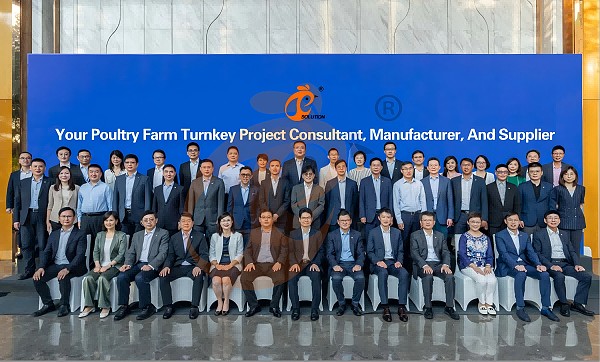
Engineering teams coordinate equipment layouts, electrical interfaces, water distribution, and mechanical connections according to approved project drawings.
Turn-key engineering services cover equipment selection, manufacturing coordination, installation guidance, commissioning procedures, and technical support.
Export project support includes packaging specifications, shipment documentation, spare-parts planning, and equipment acceptance records for international customers.
Contact Us To Received Your Customized Poultry Farm Plan
Headquarters And Branchs

Hong Kong Headquarter Management Team
Hong Kong Headquarter Taiyu Industrial Group CO., LTD
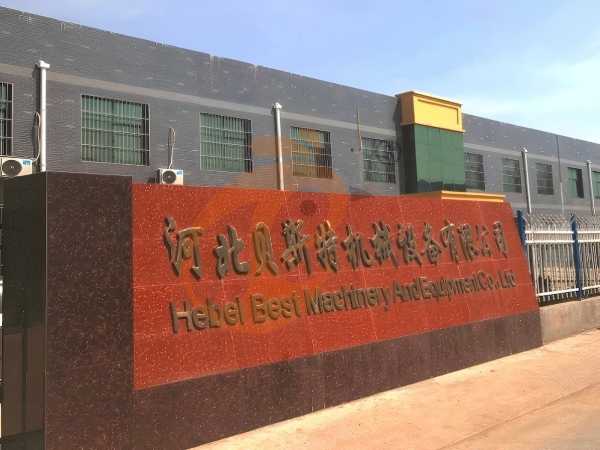
China Hebei Best Machinery And Equipment CO., LTD
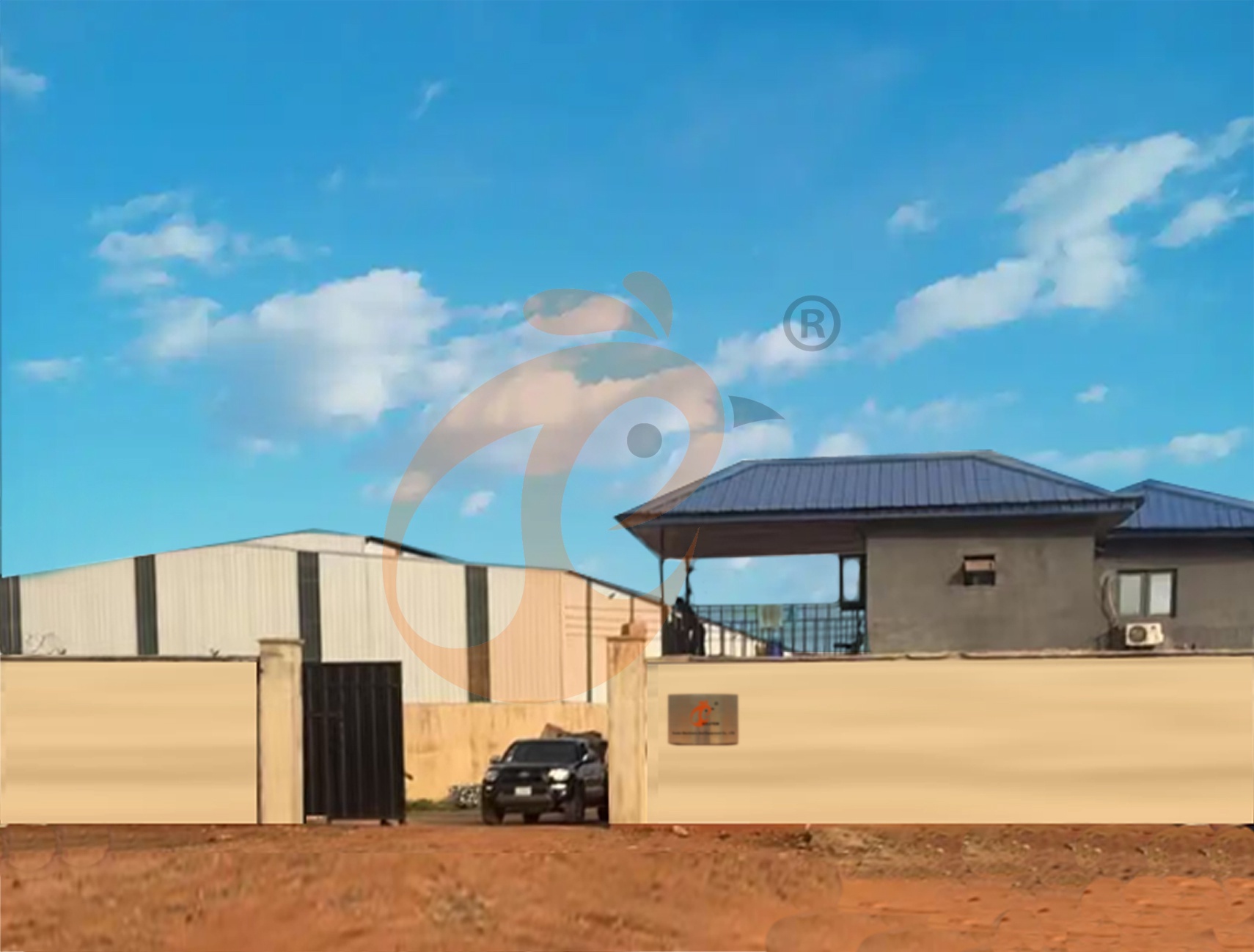
Nigeria Vanke Machinery And Equipment CO., LTD
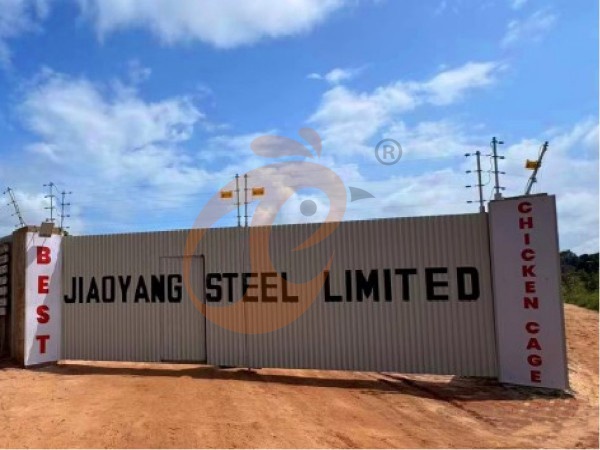
Tanzania Best Machinery And Equipment CO., LTD
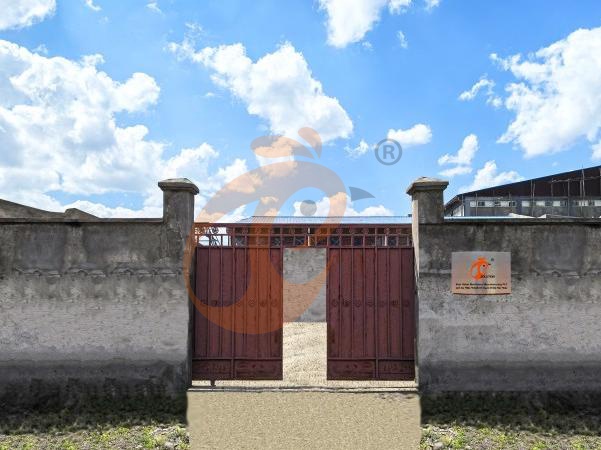
Ethiopia Best Hebei Machinery Manufacturing PLC




Reception /24 WhatsApp NO. : +8618830120193
FAQ
How Does Free Range System Affect Feed Consumption?
Energy expenditure increases daily intake variation by 15%–22% across seasons.
Feed conversion efficiency ranges from 1.9–2.3 depending on grazing intensity.
What Are The Housing Transition Management Standards In Free Range Poultry System?
Indoor-outdoor transition time is controlled within 10–15 minutes per flock movement cycle.
Lighting guidance systems operate at 5–8 lux to direct flock movement behavior.
What Are The Seasonal Adaptation Strategies In Free Range Poultry System?
Summer shade coverage is increased to 60%–80% of grazing area for heat stress reduction.
Rainfall drainage capacity handles 25–40 mm per hour precipitation levels for land usability.
- poultry farm
- poultry house
- cage
- poultry farm construction
- poultry equipment
- egg collection system
- egg collection equipment
- automatic egg collection system
- chickencage
- bestchickencage
- Nigeria
- automatic chicken feeding system
- chicken feeding system
- automatic egg collection
- egg collection conveyor
- poultry farm plan
- chicken feed
- feed silo
- Ethiopia
Message
Products recommended
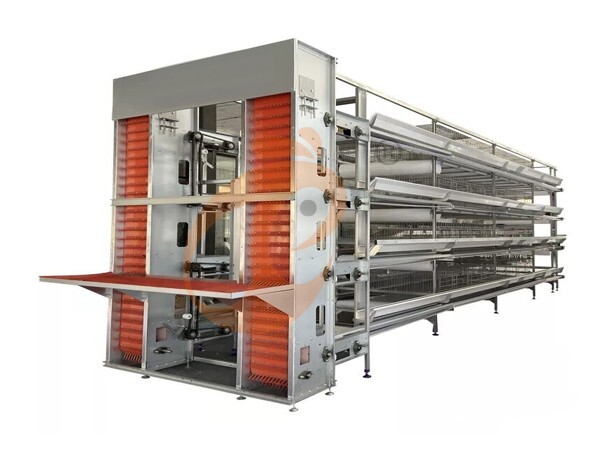
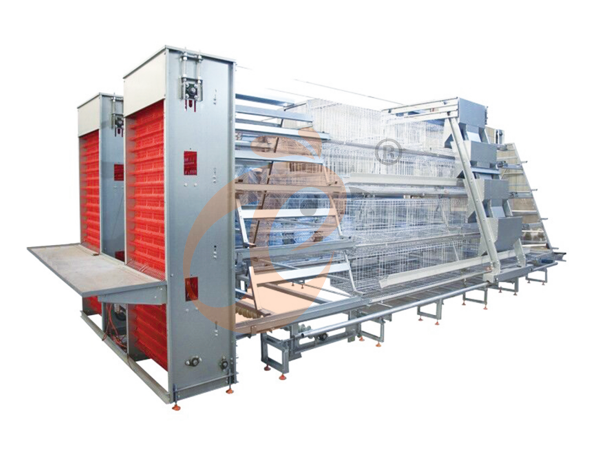
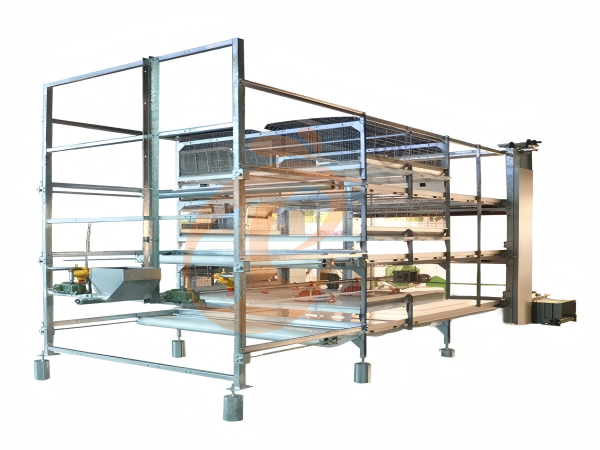
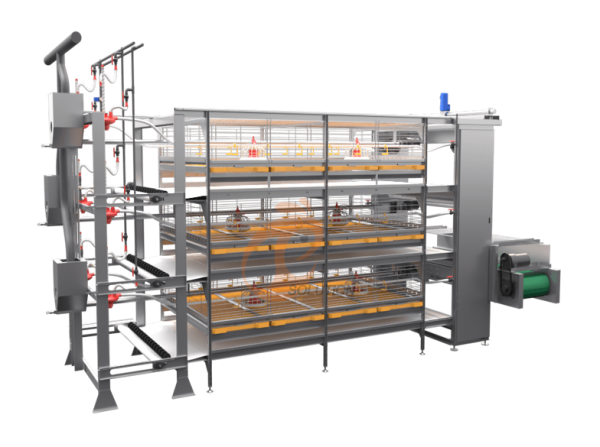
 >30,000 Pullets Automatic H Type Battery Cage1. More than 30,000 pullets a house, choose it.
2. It is designed to rearing older than 1 day old pullets to 12 to 16 weeks old chicken starting laying eggs.
3. Its lifespan is more than 25 years.
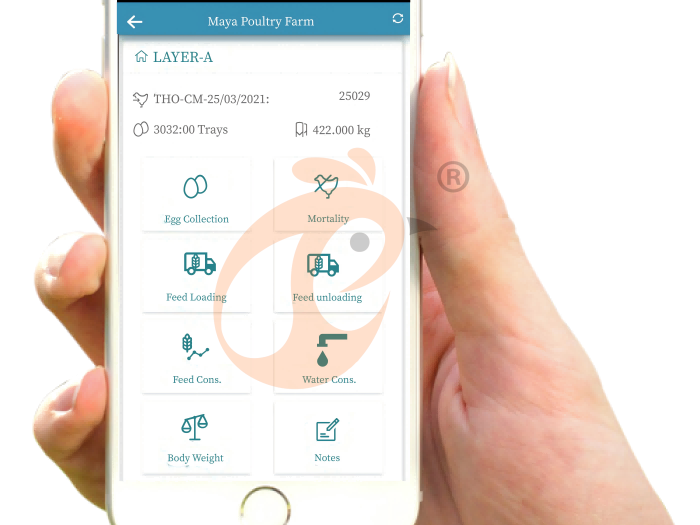
4. Its structure are Vcloud artificial intelligent fusion, electric control cabinet, automatic equipment of drinking, feeding, manure clean, manual harvesting.
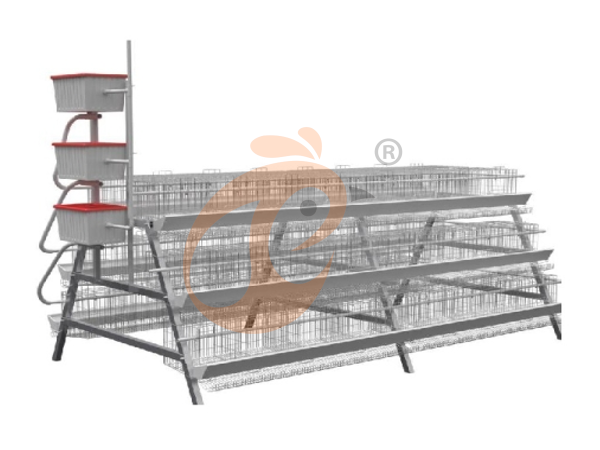
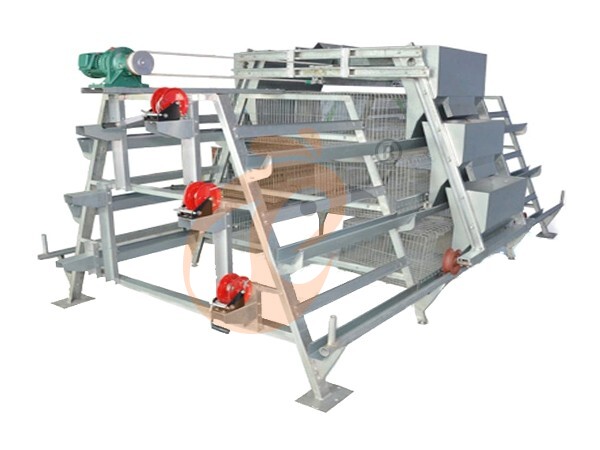
5. Our 24 hour online reception What’sApp NO. is +8618830120193 <30,000 Pullets Automatic A Type Battery Cage1. 10,000 to 30,000 pullets a house, choose it.
2. It is designed to rearing older than 1 day old pullets to 12 to 16 weeks old chicken starting laying eggs.
3. Its lifespan is more than 25 years.
4. Its structure are Vcloud artificial intelligent fusion, electric control cabinet, automatic equipment of drinking, feeding, manure clean, manual harvesting.
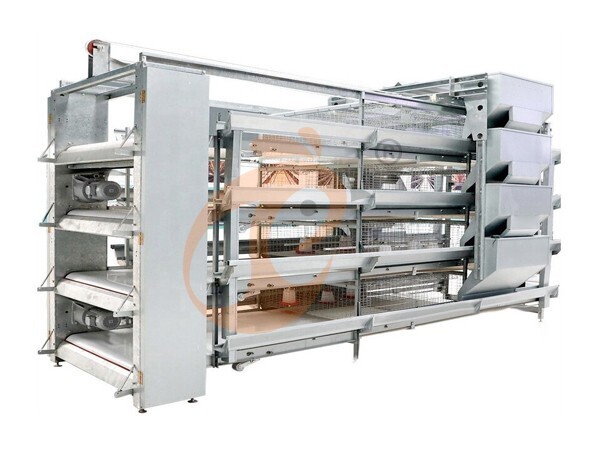
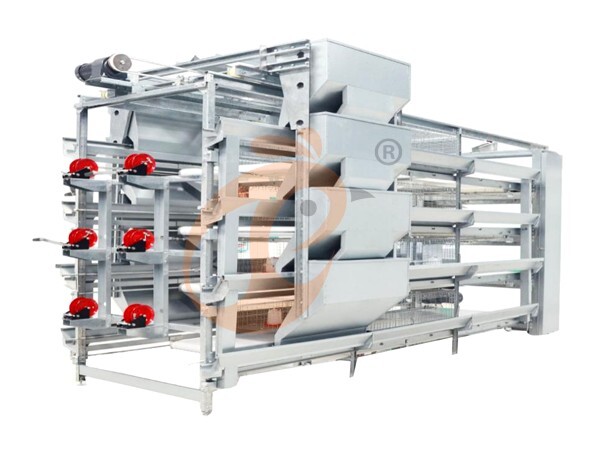
5. Our 24 hour online reception What’sApp NO. is +86 18830120193. >30,000 Broilers Semi-Automatic Harvest H Type Battery Cage1. More than 30,000 broilers a house, choose it.
2. It is designed to rearing 1 to 45 day old adult broiler ready for market.
3. Its lifespan is more than 20 years.
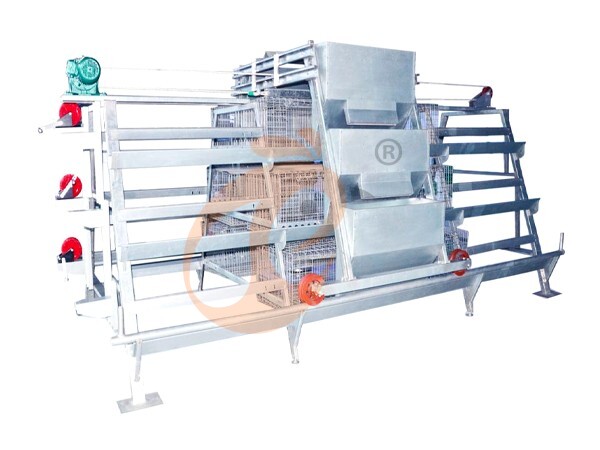
4. Our 24 hour online reception What’sApp NO. is +8618830120193, +234 8111199996. >30,000 Broilers Manual Harvest H Type Battery Cage1. More than 30,000 broilers a house, choose it.
2. It is designed to rearing 1 to 45 day old adult broiler ready for market.
3. Its lifespan is more than 20 years.
4. Its structure are Vcloud artificial intelligent fusion, electric control cabinet, automatic equipment of drinking, feeding and manure clean, manual harvesting.
5. Our 24 hour online reception What’sApp NO. is +8618830120193, +234 8111199996. <30,000 Broilers Manual Harvest A Type Battery Cage1. Less 30,000 broilers a house, choose it.
2. It is designed to rearing 1 to 45 day old adult broiler ready for market.
3. Its lifespan is more than 20 years.
4. Its structure are Vcloud artificial intelligent fusion, electric control cabinet, automatic equipment of drinking, feeding and manure clean, manual harvesting.
5. Our 24 hour online reception What’sApp NO. is +8618830120193, +234 8111199996. HK Headquarter Offers EU-standard Poultry Farm Solutions, Manufacture Poultry Farm Equipment1. Continuous communication with the EU and the US
2. China, Nigeria, Ethiopia, Tanzania branch companies and factories
3. The products’ quality is customized for local poultry farms
4. Poultry cage and poultry farm equipment stock for sale
5. 24 online reception Whatsapp NO. : +8618830120193,contact us to get full information China Branch Offer Poultry Farm Business Plan, Manufacture Poultry Farm Equipment1. Address: Flat/RM 2416, 24/F, Runxing Building, Youyi Nan Street, Shijiazhuang City, Hebei Province, China
2. Poultry cage and poultry farm equipment factory and stock for sale
3. Customized for local poultry farms
4. Quality and design are based on Euro
5. 24 online reception Whatsapp NO. : +8618830120193 Nigeria Branch Offer Poultry Farm Business Plan, Manufacture Poultry Farm Equipment1. Address: After Sinoma Office, 200 Meters Near Danco Filling Station, Lagos/Ibadan Expressway, Lagos State, Nigeria
2. Poultry cage and poultry farm equipment factory and stock for sale
3. Customized for Nigerian poultry farms
4. Quality and design are based on Euro
5. 24 online reception Whatsapp NO. : +8618830120193 Ethiopia Branch Offer Poultry Farm Business Plan, Manufacture Poultry Farm Equipment1. Address: Gelan Gura, Akaki-kaliti Sub City, Addis Ababa, Ethiopia
2. Poultry cage and poultry farm equipment stock for sale
3. Customized for Ethiopian poultry farms
4. Quality and design are based on Euro
5. 24 online reception Whatsapp NO. : +8618830120193, contact us to get price list Tanzania Branch Offer Poultry Farm Business Plan, Manufacture Poultry Farm Equipment1. Address: No.8, Sova Road, Msufini, Mlandizi, Kibaha, Pwani, Tanzania
2. Poultry cage and poultry farm equipment factory and stock for sale
3. Customized for Tanzanian poultry farms
4. Quality and design are based on Euro
5. 24 online reception Whatsapp NO. : +8618830120193

Contact