


Blog
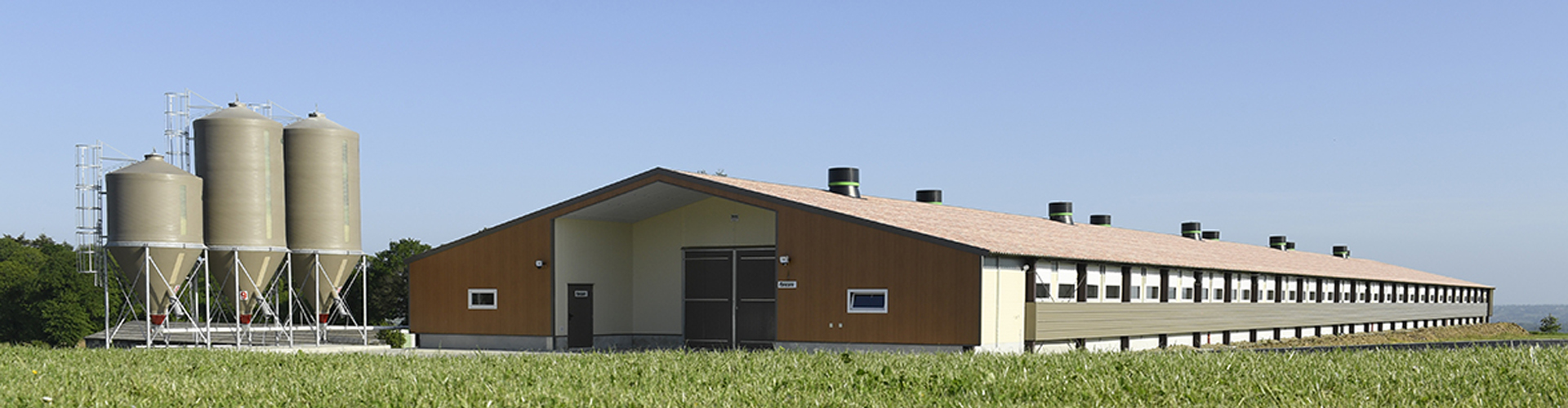
Floor Rearing Layer Farming Profit starts with smart farm planning, helping producers optimize equipment investment and egg production in commercial poultry houses operating throughout a 365-day production cycle.
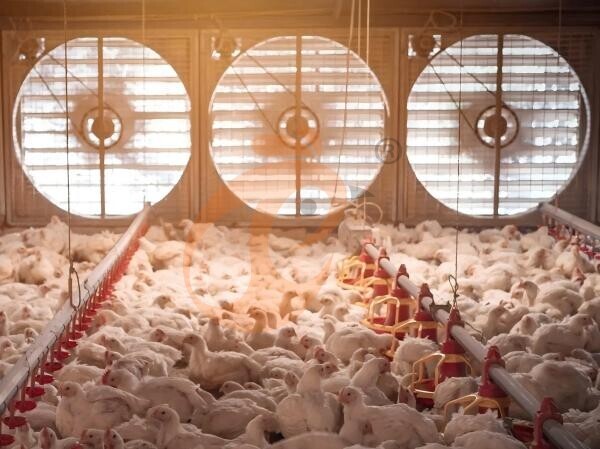
Automatic poultry feeding systems streamline daily feed distribution, while 330–380 mm feeder pans support accessible feeding and consistent flock management.
Integrated drinking systems and ventilation controls support flock comfort, with 60–90 mL/min nipple flow rates helping maintain reliable water delivery.
Nesting facilities, egg collection belts, and litter management improve daily workflows, with 100–150 mm belt widths supporting efficient egg transport toward packing areas.
Engineering specifications, supplier evaluation, and return-on-investment calculations help control operating costs, improve equipment compatibility, and build sustainable profitability through coordinated farm management.
Get professional poultry farm construction guidance, equipment selection solutions, and the latest price lists, whatsApp to +8618830120193, click to learn more:
Understanding The Profit Potential Of Floor Rearing Layer Farming
Floor rearing allows laying hens to move freely within a managed poultry house while supporting commercial egg production.
Profitability depends on feed consumption, egg quality, labor efficiency, equipment reliability, and flock health, with daily production records helping operators identify performance changes over 7-day monitoring periods.
A well-engineered system integrates automatic poultry feeding systems, layer drinking systems, and automatic egg collection equipment to reduce avoidable operating expenses.
For equipment buyers, the objective is to balance capital expenditure with measurable production benefits over a planned service life of 10 years.
Factor One: Initial Investment And Housing Design
Data is for reference only.Swipe horizontally to view full table.
Initial investment includes construction, equipment procurement, installation, electrical work, and commissioning.
An accurate layout should coordinate automatic poultry feeding systems with bird movement and worker access before construction begins.
Our poultry equipment solutions can be configured around building dimensions, expansion plans, and operational requirements to minimize costly modifications, with project planning covering equipment installation and commissioning schedules of approximately 2–6 weeks where site conditions permit.
Factor Two: Feed Efficiency And Automated Feeding
Engineering Focus: Automatic Poultry Feeding Systems
Feed is a major recurring expense in commercial layer production, and daily feed consumption should be tracked in grams per hen to identify changes in operating efficiency.
An automatic poultry feeding system connects bulk storage, conveying equipment, distribution lines, and feeder pans to support consistent feed access.
Producers should evaluate system capacity, motor efficiency, and maintenance requirements rather than purchasing equipment based on price alone.
Key engineering considerations include uniform feed distribution, reliable conveying, accessible adjustment points, and appropriate feeder placement.
Correctly configured automatic poultry feeding systems can reduce repetitive labor and improve operational consistency.
Actual feed savings must be verified through farm records rather than assumed from automation alone, with feed conversion and consumption trends reviewed over consecutive 7-day periods.
Factor Three: Water Management And Flock Health
Data is for reference only.Swipe horizontally to view full table.
Water management influences feed intake, bird welfare, and litter condition.
A complete layer drinking system can incorporate nipple lines, pressure regulators, filters, water meters, and flushing equipment.
Regular inspection helps identify blocked nipples, leaks, and changes in consumption, while water usage records collected every 24 hours can reveal developing problems.
Our poultry equipment solutions support consistent water delivery and simplify routine maintenance.
Final specifications should account for water quality, line length, flock size, and the selected drinker model, with water quality testing scheduled according to source conditions and local requirements.
Factor Four: Ventilation, Temperature, And Energy Costs
Engineering Checklist: Poultry House Ventilation Systems
Ventilation design must account for building volume, flock biomass, local weather, moisture production, and equipment arrangement, with temperature monitoring conducted at multiple positions throughout the house.
A coordinated poultry house ventilation system combines exhaust fans, air inlets, cooling pads, sensors, and environmental controllers to maintain suitable conditions.
Exhaust Fans: Select models using verified airflow and static-pressure performance curves
Air Inlets: Distribute incoming air without creating persistent drafts at bird level
Environmental Controllers: Coordinate fan operation, temperature sensors, alarms, and cooling equipment
Cooling Systems: Match pad dimensions and water circulation to the design airflow
Backup Power: Size generators for essential loads and motor starting requirements
Ventilation efficiency affects electricity consumption, litter moisture, and flock comfort, with energy meters helping operators compare daily electricity use against production output.
Our poultry equipment packages can be tailored to house geometry and regional climate, with final fan quantities determined by engineering calculations rather than a fixed equipment count.
Factor Five: Egg Collection, Nesting, And Labor Efficiency
Data is for reference only.Swipe horizontally to view full table.
Suitable nesting and automatic egg collection systems help direct laying activity toward designated nests and reduce unnecessary manual handling.
System design should consider egg volume, conveyor routing, maintenance access, and the downstream packing process, with egg damage rates tracked as a percentage of total collected eggs.
Our layer equipment configurations can combine nests, egg belts, conveyors, and drive controls into a coordinated collection solution.
Correct sizing helps prevent bottlenecks between the laying house and packing area while supporting efficient daily workflows, particularly when peak collection volumes are assessed over 60-minute operating intervals.
Factor Six: Litter Quality, Manure Management, And Biosecurity
Practical Tip Card: Poultry Litter Management Equipment
Objective: Maintain a clean, dry, and manageable floor-rearing environment.
Inspect drinker connections and floor conditions every day
Remove localized wet litter and identify the underlying cause
Coordinate ventilation adjustments with moisture and air-quality observations
Separate cleaning tools between designated hygiene zones
Inspect motors, electrical connections, and moving equipment according to the maintenance schedule
For environmental monitoring, an ammonia concentration below 20 ppm is a useful management reference, although applicable welfare requirements may be stricter.
Poultry litter management equipment should support sanitation, accessible inspection points, and safe maintenance, while litter moisture measurements provide an additional basis for identifying localized water leakage.
Our poultry equipment solutions can integrate environmental controls and practical manure-management arrangements to support consistent hygiene procedures.
Equipment must operate alongside documented cleaning, pest-control, and biosecurity protocols, with downtime between flocks determined by the cleaning program and applicable veterinary guidance.
Equipment Combination Recommendation
Data is for reference only.Swipe horizontally to view full table.
The most effective poultry equipment package depends on flock size, house dimensions, climate, and production targets.
Integrated procurement helps coordinate mechanical interfaces, electrical requirements, and installation schedules, with equipment layouts checked against the
planned building footprint before manufacturing.
Our company supplies configurable poultry equipment systems, allowing buyers to combine essential components according to project needs.
Requesting a project-specific layout and itemized quotation helps clarify equipment quantities, installation requirements, and future expansion options, with
quotations specifying delivery terms and component quantities for each project phase.
Workflow Structure: From Planning To Production
Data is for reference only.Swipe horizontally to view full table.
A structured implementation process reduces installation errors and improves operational readiness, with project milestones tracked against an approved installation schedule.
Before bird placement, test feeding distribution, drinking pressure, fan operation, alarm functions, and egg collection movement.
Training employees to operate and maintain each subsystem is essential, with operator training completed before handover and responsibilities documented for each shift.
A documented commissioning process also provides a useful baseline for evaluating subsequent equipment performance and service requirements, with maintenance records reviewed at intervals established by the equipment manufacturer.
Return On Investment Calculation And Financial Monitoring
Data is for reference only.Swipe horizontally to view full table.
For example, a project with an initial investment of $200,000 and an annual net return of $50,000 produces a simple annual return on investment of 25%,
assuming both figures use a consistent accounting basis.
European union standard reference only.
Actual returns depend on egg prices, feed costs, laying performance, mortality, labor, energy, maintenance, and financing, with monthly financial reports helping
identify cost fluctuations.
Producers should model multiple market scenarios before selecting an automatic poultry equipment package, including sensitivity tests using changes in feed
prices and egg selling prices of 5% to 10%.
Build Long-Term Profitability With The Right Equipment
Higher production costs. Inefficient workflows. Uncertain returns.
Every decision shapes the profitability of a floor-rearing layer farm.
6 Factors That Shape Your Farm's Profitability
Initial Investment: Match house dimensions and equipment capacity to production targets.
Feed Efficiency: Optimize automatic feeding to control recurring feed expenses.
Water Management: Maintain reliable water delivery and identify leaks early.
Ventilation: Balance flock comfort, air quality, and energy consumption.
Egg Collection: Reduce manual handling and keep eggs moving efficiently toward packing.
Litter Management: Improve floor hygiene and support effective biosecurity routines.
Frequently Asked Questions
Q1: What equipment is essential for floor rearing layer farming?
Essential poultry equipment includes automatic feeding systems, nipple drinkers, ventilation fans, nesting facilities, and egg collection equipment.
System sizing should match flock capacity, building dimensions, and local environmental requirements, with all equipment checked before flock placement.
Q2: How can automatic poultry equipment improve return on investment?
Automation can reduce repetitive labor and improve operational consistency.
Producers should measure feed consumption, labor hours, egg losses, and energy costs over a representative production period, such as 30 consecutive days.
Q3: How should a farm choose poultry equipment capacity?
Equipment capacity should follow the planned flock size, building layout, and expected production throughput.
For example, ventilation design must use verified fan performance curves and account for required airflow under the specified operating pressure.
Taiyu (HK) Group - One Of China's Toppest Poultry Equipment Manufacturer
Floor Rearing Layer Poultry Equipment: Integrated feeding, drinking, ventilation, nesting, and egg collection systems support commercial farms operating 365 days annually.
Global Factory-Direct Supply: Comprehensive poultry equipment solutions cover feed silo capacities from 0.6–100 tons, serving small farms, expanding operations, and large-scale commercial facilities.
Turn-Key Farm Engineering: Integrated project support covers layout planning, equipment supply, installation guidance, and commissioning, with typical installation schedules of 2–6 weeks where site conditions permit.
International Project Applications: Customized poultry equipment accommodates 60–150 m production buildings and diverse flock capacities across different climates and farming environments.
Commercial Project Support: Tailored equipment packages, itemized quotations, and after-sales assistance support poultry projects from initial planning through long-term farm operation.
Contact Us To Received Your Customized Poultry Farm Plan
Headquarters And Branchs

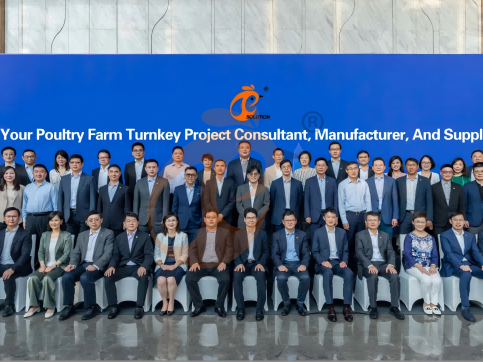
Hong Kong Headquarter Management Team
Hong Kong Headquarter Taiyu Industrial Group CO., LTD
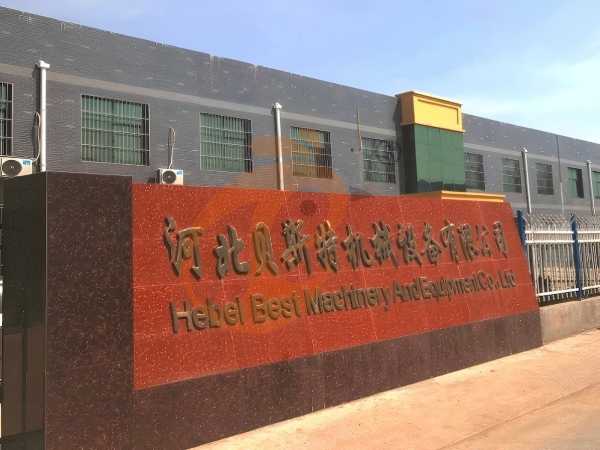
China Hebei Best Machinery And Equipment CO., LTD
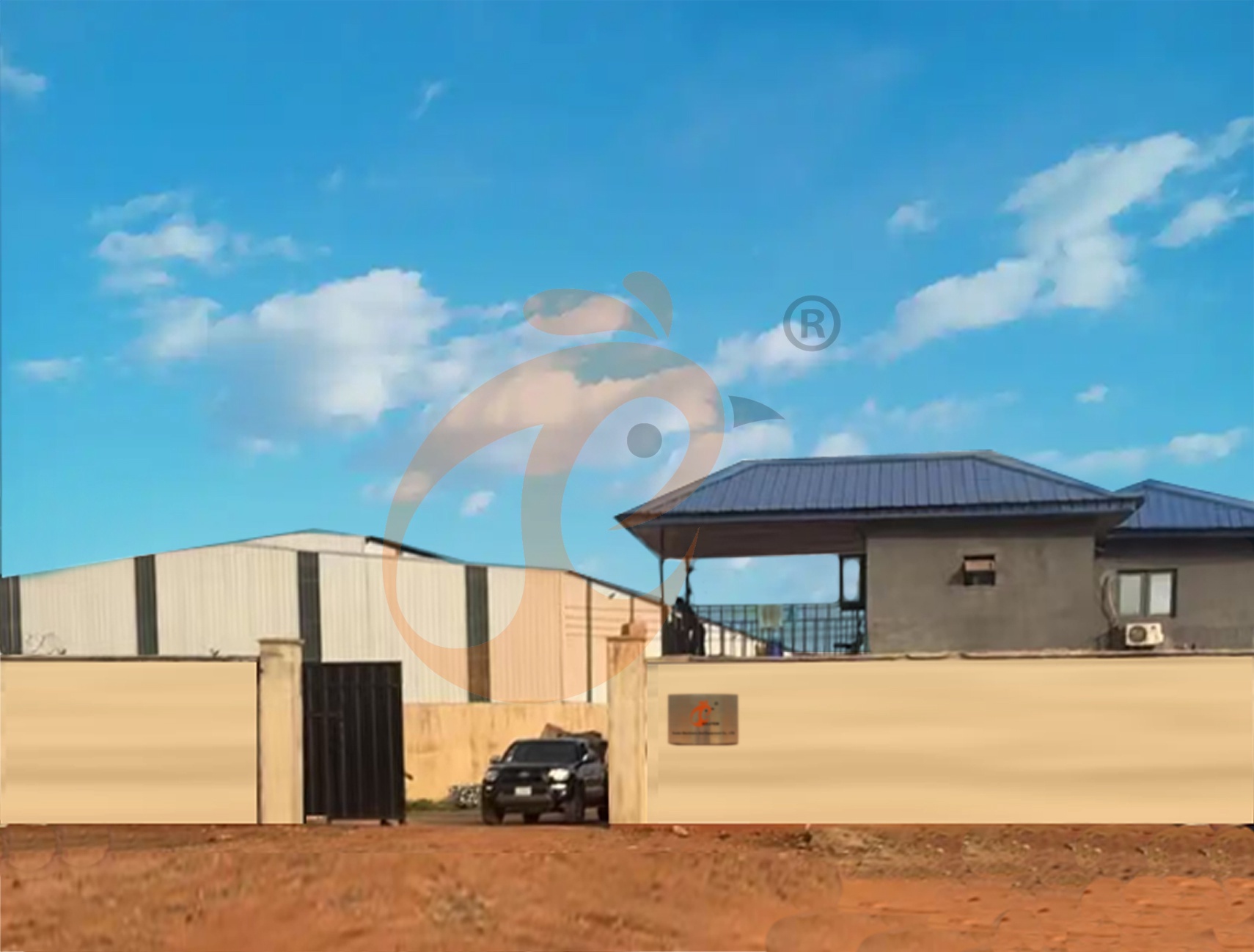
Nigeria Vanke Machinery And Equipment CO., LTD
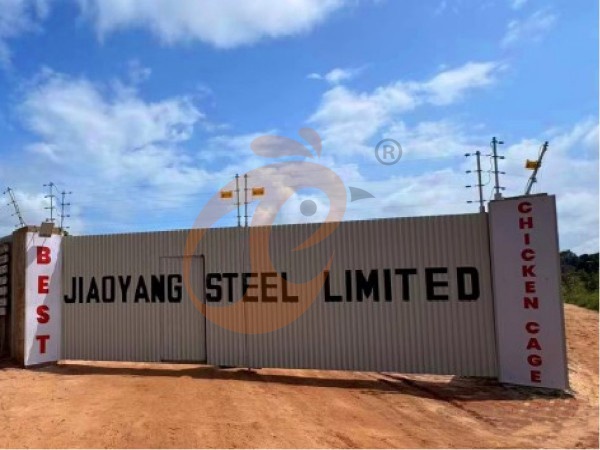
Tanzania Best Machinery And Equipment CO., LTD
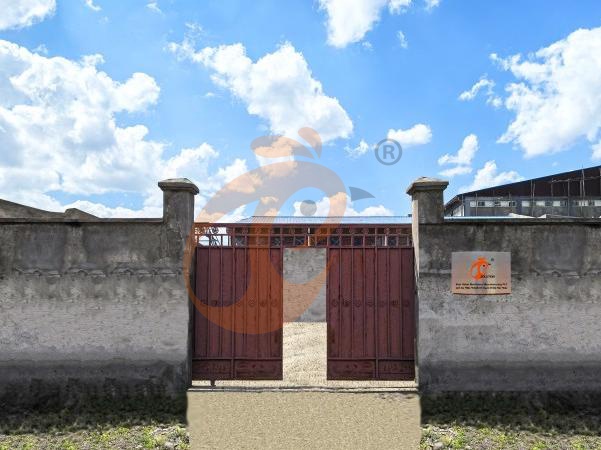
Ethiopia Best Hebei Machinery Manufacturing PLC




Reception /24 WhatsApp NO. : +8618830120193
FAQ
What Growth Performance Indicators Are Expected In Floor Rearing Poultry System?
Feed conversion ratio is maintained at 1.65–1.85 for commercial broilers.
Market slaughter age ranges from 38–45 days depending on breed selection.
What Disease Control Standards Apply In Floor Rearing Poultry System?
Flock vaccination coverage reaches 90%–98% depending on disease prevention program.
Pathogen reduction targets aim for 80%–90% decrease in bacterial load.
What Are The Manure Management Requirements In Floor Rearing Poultry System?
Ammonia emission control targets remain below 15 ppm through regular cleaning cycles.
Dry matter content is maintained above 65% to improve composting efficiency.
- poultry farm
- poultry house
- cage
- poultry farm construction
- poultry house ventilation
- poultry feeding system
- poultry house ventilation system
- automatic feeding system
- automatic poultry feeding system
- poultry equipment
- egg collection system
- egg collection equipment
- automatic egg collection system
- automatic egg collection equipment
- chickencage
- bestchickencage
- Nigeria
- layer farm
- layer equipment
- poultry equipment supplier
- poultry equipment manufacturer
- automatic egg collection
- poultry farm plan
- poultry feed
- feed silo
- Ethiopia
Message
Products recommended
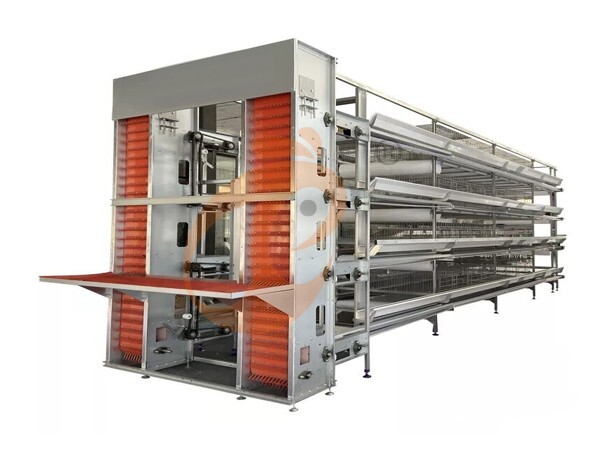
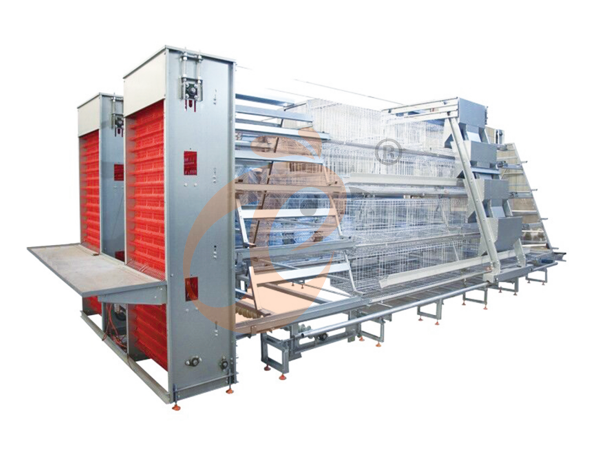
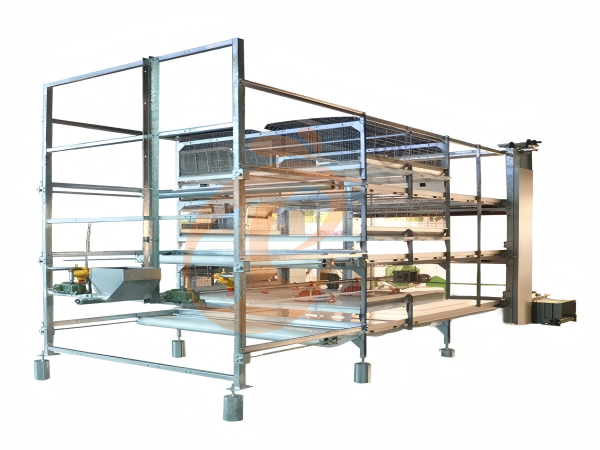
 >30,000 Pullets Automatic H Type Battery Cage1. More than 30,000 pullets a house, choose it.
2. It is designed to rearing older than 1 day old pullets to 12 to 16 weeks old chicken starting laying eggs.
3. Its lifespan is more than 25 years.
4. Its structure are Vcloud artificial intelligent fusion, electric control cabinet, automatic equipment of drinking, feeding, manure clean, manual harvesting.
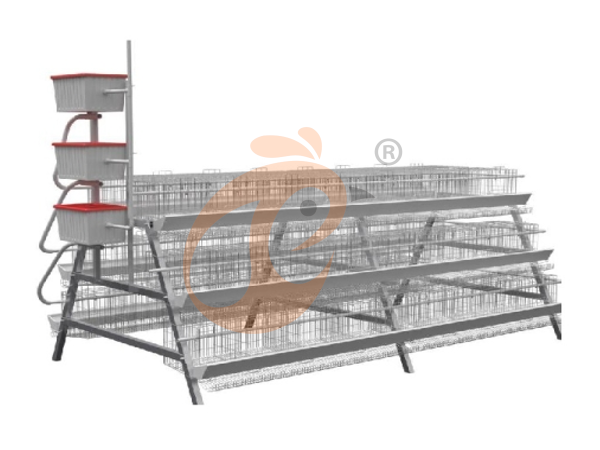
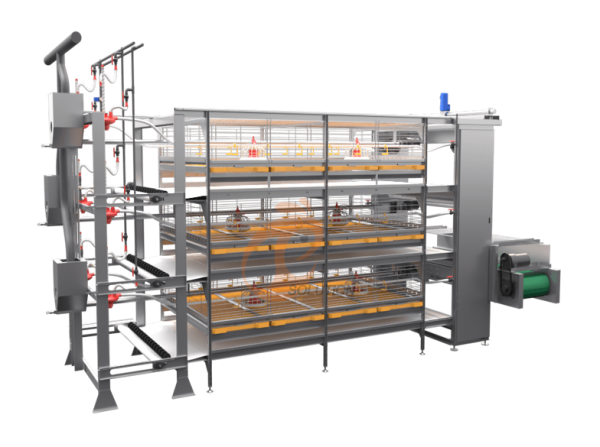
5. Our 24 hour online reception What’sApp NO. is +8618830120193 <30,000 Pullets Automatic A Type Battery Cage1. 10,000 to 30,000 pullets a house, choose it.
2. It is designed to rearing older than 1 day old pullets to 12 to 16 weeks old chicken starting laying eggs.
3. Its lifespan is more than 25 years.
4. Its structure are Vcloud artificial intelligent fusion, electric control cabinet, automatic equipment of drinking, feeding, manure clean, manual harvesting.
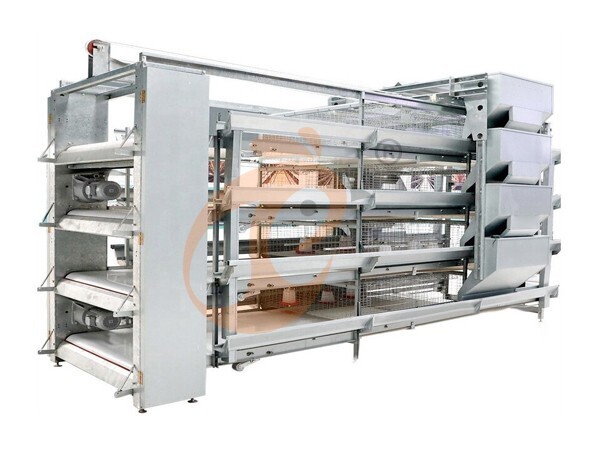
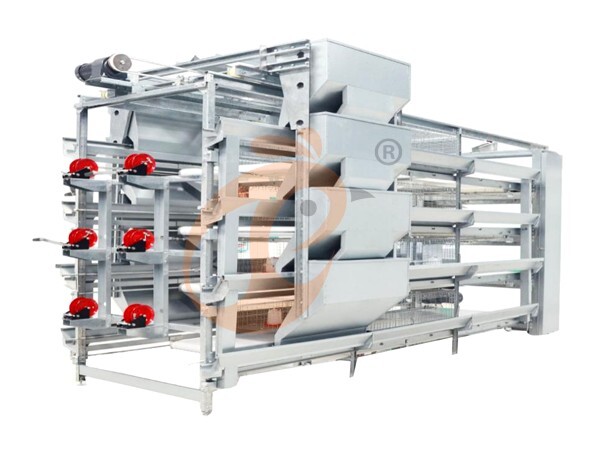
5. Our 24 hour online reception What’sApp NO. is +86 18830120193. >30,000 Broilers Semi-Automatic Harvest H Type Battery Cage1. More than 30,000 broilers a house, choose it.
2. It is designed to rearing 1 to 45 day old adult broiler ready for market.
3. Its lifespan is more than 20 years.
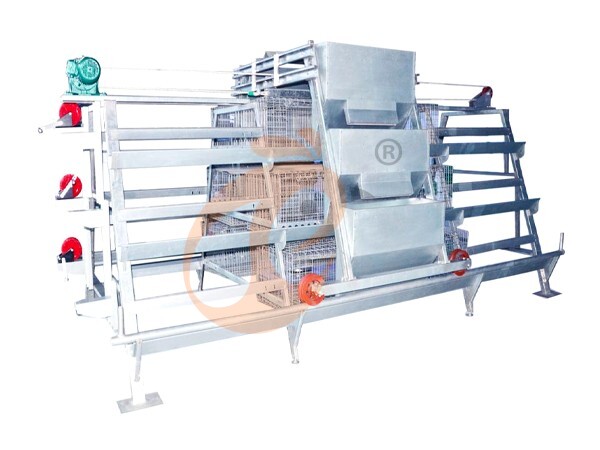
4. Our 24 hour online reception What’sApp NO. is +8618830120193, +234 8111199996. >30,000 Broilers Manual Harvest H Type Battery Cage1. More than 30,000 broilers a house, choose it.
2. It is designed to rearing 1 to 45 day old adult broiler ready for market.
3. Its lifespan is more than 20 years.
4. Its structure are Vcloud artificial intelligent fusion, electric control cabinet, automatic equipment of drinking, feeding and manure clean, manual harvesting.
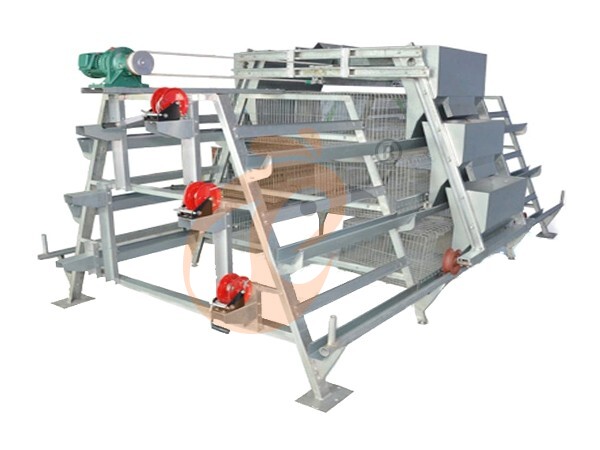
5. Our 24 hour online reception What’sApp NO. is +8618830120193, +234 8111199996. <30,000 Broilers Manual Harvest A Type Battery Cage1. Less 30,000 broilers a house, choose it.
2. It is designed to rearing 1 to 45 day old adult broiler ready for market.
3. Its lifespan is more than 20 years.
4. Its structure are Vcloud artificial intelligent fusion, electric control cabinet, automatic equipment of drinking, feeding and manure clean, manual harvesting.
5. Our 24 hour online reception What’sApp NO. is +8618830120193, +234 8111199996. HK Headquarter Offers EU-standard Poultry Farm Solutions, Manufacture Poultry Farm Equipment1. Continuous communication with the EU and the US
2. China, Nigeria, Ethiopia, Tanzania branch companies and factories
3. The products’ quality is customized for local poultry farms
4. Poultry cage and poultry farm equipment stock for sale
5. 24 online reception Whatsapp NO. : +8618830120193,contact us to get full information China Branch Offer Poultry Farm Business Plan, Manufacture Poultry Farm Equipment1. Address: Flat/RM 2416, 24/F, Runxing Building, Youyi Nan Street, Shijiazhuang City, Hebei Province, China
2. Poultry cage and poultry farm equipment factory and stock for sale
3. Customized for local poultry farms
4. Quality and design are based on Euro
5. 24 online reception Whatsapp NO. : +8618830120193 Nigeria Branch Offer Poultry Farm Business Plan, Manufacture Poultry Farm Equipment1. Address: After Sinoma Office, 200 Meters Near Danco Filling Station, Lagos/Ibadan Expressway, Lagos State, Nigeria
2. Poultry cage and poultry farm equipment factory and stock for sale
3. Customized for Nigerian poultry farms
4. Quality and design are based on Euro
5. 24 online reception Whatsapp NO. : +8618830120193 Ethiopia Branch Offer Poultry Farm Business Plan, Manufacture Poultry Farm Equipment1. Address: Gelan Gura, Akaki-kaliti Sub City, Addis Ababa, Ethiopia
2. Poultry cage and poultry farm equipment stock for sale
3. Customized for Ethiopian poultry farms
4. Quality and design are based on Euro
5. 24 online reception Whatsapp NO. : +8618830120193, contact us to get price list Tanzania Branch Offer Poultry Farm Business Plan, Manufacture Poultry Farm Equipment1. Address: No.8, Sova Road, Msufini, Mlandizi, Kibaha, Pwani, Tanzania
2. Poultry cage and poultry farm equipment factory and stock for sale
3. Customized for Tanzanian poultry farms
4. Quality and design are based on Euro
5. 24 online reception Whatsapp NO. : +8618830120193


Contact