


Blog
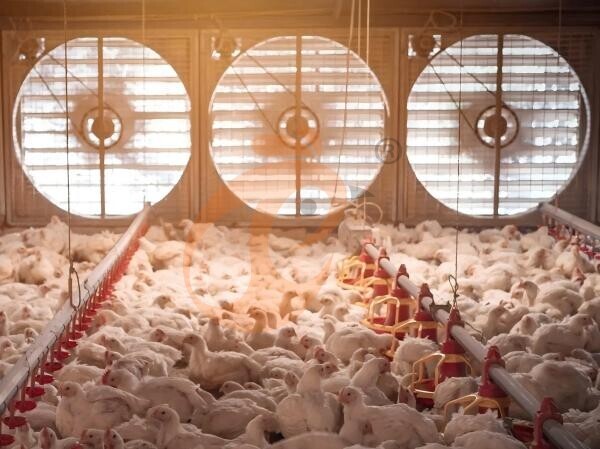
Poultry equipment expansion planning integrates feeding, drinking, and ventilation systems, supporting 20,000–40,000 broilers per house through coordinated equipment configurations.
Assess existing capacity using 4–6 m³/h/kg live-weight airflow, 60–120 ml/min nipple flow rates, and 0.6–100 tonne feed silos.
Automated feeding systems, modular installations, and climate controls support phased expansion, with equipment commissioning typically requiring 2–4 weeks depending on site readiness.
Compare equipment packages, maintenance schedules, and investment priorities, using a $28,000 initial investment and $8,000 annual net benefit as a payback planning example.
Build scalable poultry operations through compatible equipment selection, technical verification, preventive maintenance, and customized project quotations aligned with production targets.
Get professional poultry farm construction guidance, equipment selection solutions, and the latest price lists, whatsApp to +8618830120193, click to learn more:
Why Poultry Equipment Expansion Planning Matters
As poultry farms grow, production efficiency, biosecurity, labor costs, and equipment reliability become increasingly important.
Expanding without a clear plan for poultry equipment, automatic feeding systems, and poultry ventilation systems can create bottlenecks and increase operating expenses.
Successful expansion requires coordinated equipment selection, system integration, and capacity planning.
Our poultry equipment solutions support commercial broiler, layer, and breeder operations with automated feeding, drinking, ventilation, and manure management systems.
Planning should account for a 10-year development horizon, projected market demand, and future replacement requirements.
Strategy One: Evaluate Current Capacity Before Expanding
Before purchasing equipment, assess existing infrastructure and identify production bottlenecks.
Review feeding consistency, water distribution, airflow, maintenance records, and the suitability of the current building layout.
Data is for reference only.Swipe horizontally to view full table.
These values are preliminary design references, not universal guarantees.
Final specifications should reflect bird age, house dimensions, local weather, and manufacturer requirements.
Our technical team can evaluate existing poultry equipment and recommend automatic feeding systems or ventilation upgrades before additional investment.
Strategy Two: Invest In Automation To Improve Labor Efficiency
Labor availability and operating expenses can significantly influence farm profitability.
Automated poultry feeding systems standardize repetitive operations and help operators manage larger production facilities with structured workflows.
Engineering Highlights
Automatic Feeding: Motor-driven augers deliver feed to designated feeding lines, reducing manual transport and distribution.
Nipple Drinking: Stainless steel drinking components provide controlled water delivery and simplify line management.
Environmental Control: Programmable controllers coordinate fans, inlets, cooling equipment, and alarms.
Egg Collection: Conveyor systems transfer eggs from laying areas toward collection points.
Manure Removal: Belt-driven systems transport accumulated manure for scheduled handling.
When evaluating poultry equipment, compare motor specifications, installation requirements, spare-part availability, and service arrangements.
Equipment integration should be designed around the farm's electrical infrastructure and operating procedures rather than relying on independently selected machines.
Strategy Three: Scale Ventilation And Climate Control Together
Increasing flock size without recalculating ventilation can compromise air quality and bird comfort.
Poultry ventilation systems must account for building geometry, bird weight, outside temperature, humidity, and the intended operating mode.
Data is for reference only.Swipe horizontally to view full table.
Practical Tip Card
Airflow Design: Request fan performance curves and pressure-loss calculations before purchasing poultry ventilation systems.
Cooling Selection: Match evaporative cooling equipment to local humidity and available water supply.
Electrical Planning: Verify connected loads, starting currents, and backup power requirements before installation.
Our exhaust fans, cooling pads, sensors, and controllers can be configured as an integrated poultry equipment package.
This approach helps customers coordinate ventilation specifications with housing design and future production requirements.
Strategy Four: Use Modular Equipment For Flexible Growth
Modular poultry equipment expansion allows farms to add production capacity in planned stages.
Phased installation can help manage capital expenditure while preserving compatibility between existing infrastructure and new equipment.
Expansion Flow Structure
Stage One — Assess: Document house dimensions, utilities, production targets, and budget.
↓
Stage Two — Configure: Prepare equipment layouts, electrical diagrams, and material lists.
↓
Stage Three — Install: Complete mechanical assembly, wiring, plumbing, and safety checks.
↓
Stage Four — Commission: Test equipment operation, alarms, distribution, and control settings.
↓
Stage Five — Expand: Connect additional modules after confirming that supporting infrastructure can accommodate the revised load.
A phased project schedule should allocate approximately 2–4 weeks for equipment commissioning, depending on project size, installation complexity, and site readiness.
Confirm the actual schedule with the installation team before ordering automatic feeding systems or other poultry equipment.
Strategy Five: Optimize Equipment Combinations For Each Farm Type
Different production systems require different poultry equipment combinations.
An integrated package can simplify procurement and reduce coordination problems between suppliers.
Recommended Equipment Packages
Data is for reference only.Swipe horizontally to view full table.
The capacities shown are illustrative planning scenarios, not fixed equipment limits.
Final designs require a review of stocking requirements, usable floor area, production type, and applicable regulations.
Our sales team can configure poultry equipment packages around farm layout, target capacity, and automation requirements.
Customers can purchase essential systems first and plan compatible additions for subsequent development phases.
Compare Equipment Investment Priorities
A structured poultry equipment investment plan helps farmers allocate capital across essential infrastructure, automation, and monitoring equipment.
Data is for reference only.Swipe horizontally to view full table.
These percentages are preliminary budgeting assumptions and may not total exactly 100% because actual project scopes differ.
Obtain an itemized quotation and verify whether civil works, transport, taxes, and commissioning are included.
European union standard reference only; actual costs and compliance obligations depend on the project location.
Calculate The Commercial Value Of Equipment Upgrades
Poultry equipment purchasing decisions should account for initial expenditure, energy consumption, maintenance, labor, and expected service life.
Comparing suppliers on total ownership cost provides a more useful basis for investment decisions than comparing purchase prices alone.
Data is for reference only.Swipe horizontally to view full table.
The example is illustrative and excludes financing costs, taxes, depreciation, and changes in operating conditions.
Actual returns depend on farm performance and verified savings.
European union standard reference only; the example is a budgeting illustration rather than a regional price quotation.
Select Equipment Suppliers For Long-Term Support
Supplier reliability affects installation quality, maintenance planning, and future poultry equipment expansion.
A professional equipment partner should provide clear technical documentation and a defined after-sales process.
Supplier Evaluation Card
Product Compatibility: Confirm matching interfaces, power requirements, and installation dimensions.
Customization: Request equipment drawings and a bill of materials for the proposed layout.
Technical Documentation: Verify operating manuals, wiring diagrams, and maintenance instructions.
Spare Parts: Establish ordering procedures and typical dispatch lead times.
After-Sales Service: Clarify warranty coverage, remote troubleshooting, and installation support.
Our poultry equipment range covers feeding, drinking, ventilation, environmental control, and manure management.
We can help customers coordinate these systems through a consolidated equipment proposal.
Build A Maintenance Plan Before Increasing Capacity
Preventive maintenance reduces avoidable interruptions and helps preserve poultry equipment performance.
Establish inspection routines before commissioning new systems and assign clear responsibilities to farm personnel.
Data is for reference only.Swipe horizontally to view full table.
Record inspection results, corrective actions, and replacement parts.
Follow manufacturer instructions for isolation, electrical safety, cleaning, and servicing.
A documented maintenance history helps identify recurring faults before additional houses connect to the same operating system.
Partner With A Poultry Equipment Specialist
Every poultry project has distinct requirements involving housing, utilities, climate, and production objectives.
A site-specific equipment proposal helps avoid unnecessary purchases and incompatible components.
Our team can assess your project using five core inputs: farm type, target flock capacity, house dimensions, project location, and preferred automation level.
These details support poultry equipment selection, layout planning, and quotation preparation.
Whether you are constructing a new poultry house or upgrading an existing facility, we can recommend feeding, drinking, ventilation, cooling, egg collection, and manure management equipment suited to the project scope.
Turn Your Expansion Plan Into A Scalable Poultry Operation
Successful poultry equipment expansion depends on five practical strategies: evaluating existing capacity, automating repetitive work, coordinating climate
control, adopting modular systems, and selecting compatible equipment packages.
A well-planned project aligns equipment specifications with production objectives, operating budgets, and maintenance capabilities.
Technical verification before installation helps reduce redesign work and improve project coordination.
Ready to expand your poultry farm? Contact our sales team for a customized proposal covering automatic feeding systems, nipple drinking lines, ventilation fans, cooling pads, environmental controllers, egg collection equipment, and manure management solutions.
Send your farm layout and project requirements to request a tailored poultry equipment configuration and commercial quotation.
Frequently Asked Questions
Q1: What poultry equipment should a farm upgrade first?
Prioritize essential feeding, drinking, and ventilation systems after reviewing current performance.
A technical assessment should consider airflow, water delivery, and the farm's electrical capacity before equipment replacement.
Q2: How can automatic feeding systems support farm expansion?
Automatic feeding systems reduce repetitive manual distribution and provide more consistent feed delivery.
Selection should account for flock size, feed type, line layout, and motor specifications.
Q3: How should poultry ventilation systems be sized?
Ventilation systems should be calculated using bird weight, housing dimensions, climate, and required air exchange.
Fan performance curves and static pressure measurements help determine whether the proposed configuration meets design requirements.
Taiyu (HK) Group - One Of China's Largest Poultry Equipment Manufacturer
Poultry equipment expansion planning integrates feeding, drinking, ventilation, and manure management systems, supporting commercial projects with 20,000–40,000 broilers per house through coordinated engineering specifications.
Global factory-direct supply provides customized equipment configurations, with ventilation references of 40,000–50,000 m³/h per exhaust fan for poultry houses requiring calculated airflow capacity.
Turn-key engineering services coordinate layout design, equipment manufacturing, installation guidance, and commissioning, with reference project schedules of 2–4 weeks depending on site readiness and installation complexity.
Integrated poultry equipment packages combine automatic feeding systems, nipple drinking lines, environmental controllers, and cooling pads, while investment planning allocates approximately 20–30% of preliminary budgets to feeding and drinking equipment.
Technical project support covers equipment compatibility, spare-parts planning, and preventive maintenance, using weekly feeding-line inspections and monthly ventilation checks to support reliable operation across expanding poultry facilities.
Contact Us To Received Your Customized Poultry Farm Plan
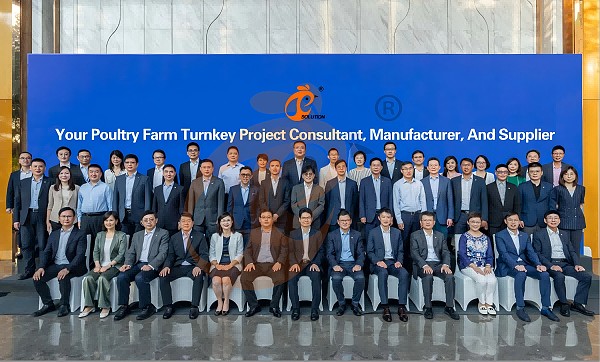
Headquarters And Branchs

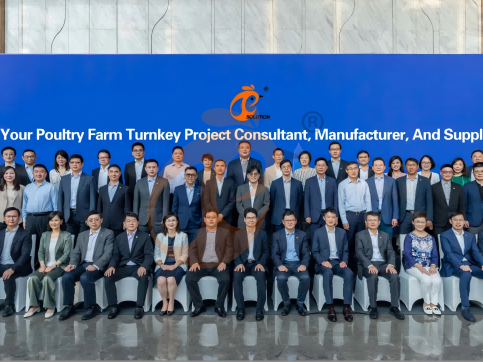
Hong Kong Headquarter Management Team
Hong Kong Headquarter Taiyu Industrial Group CO., LTD
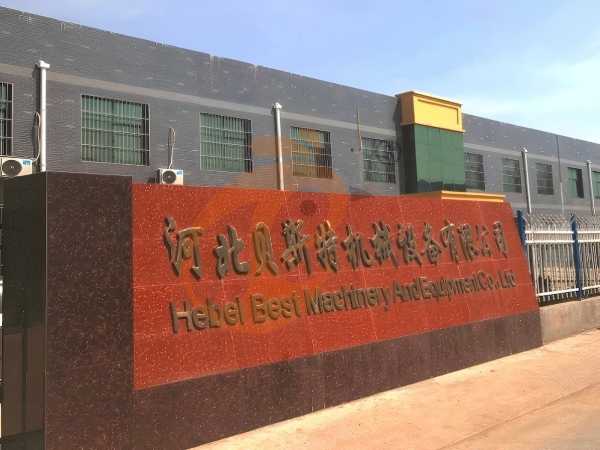
China Hebei Best Machinery And Equipment CO., LTD
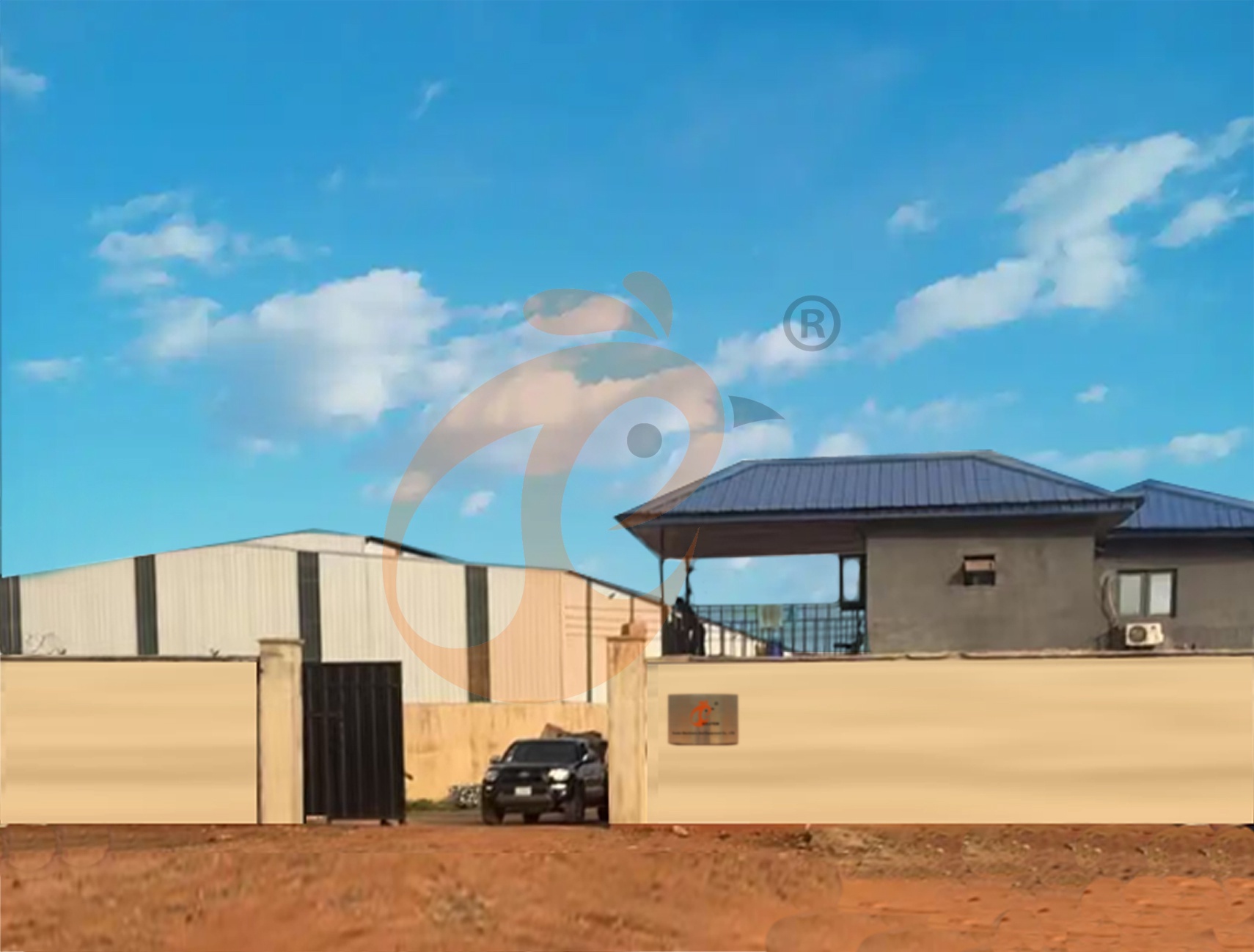
Nigeria Vanke Machinery And Equipment CO., LTD
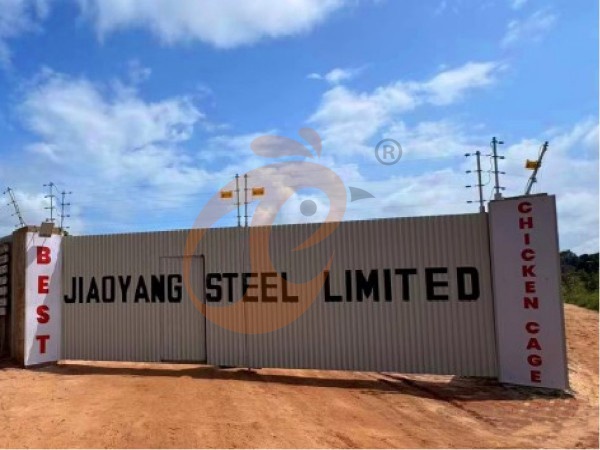
Tanzania Best Machinery And Equipment CO., LTD
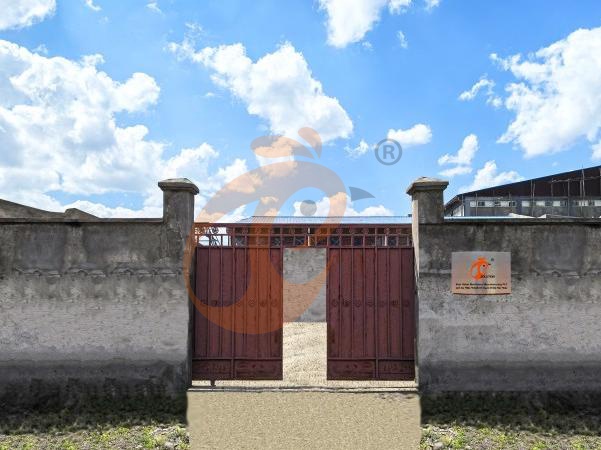
Ethiopia Best Hebei Machinery Manufacturing PLC




Reception /24 WhatsApp NO. : +8618830120193
FAQ
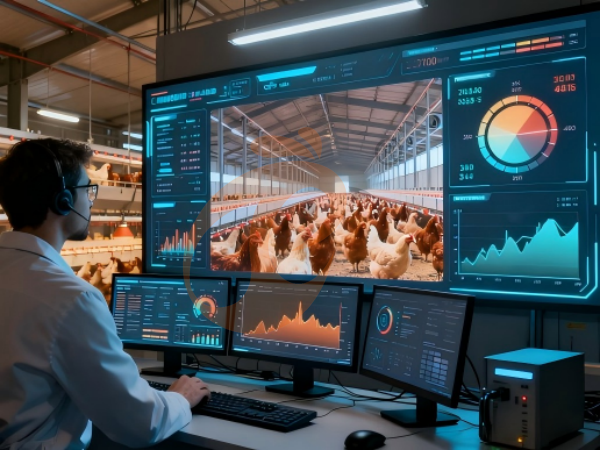
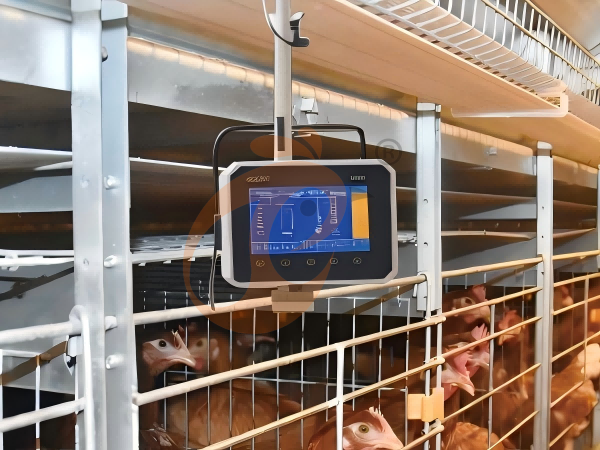
How Is Data Transmission Managed In Smart Chicken House Equipment For Poultry Chicken Monitoring Systems?
Data refresh intervals operate every 5–15 seconds for real-time monitoring accuracy.
Cloud synchronization latency remains within 1–3 seconds for remote access control.
What Alarm Functions Are Included In Smart Chicken House Equipment?
Gas concentration alerts trigger at 25–50 ppm ammonia levels protecting flock health.
System failure alarms respond within 3–5 seconds ensuring immediate fault notification.
How Does Smart Chicken House Equipment Improve Management Efficiency?
Data analytics improve feed conversion efficiency by 4%–7% through environmental optimization.
Predictive alerts reduce mortality risk by 3%–6% through early anomaly detection.
- poultry farm
- poultry farms
- poultry house
- cage
- poultry farm construction
- poultry feeding system
- automatic feeding system
- poultry equipment
- egg collection equipment
- chickencage
- bestchickencage
- Nigeria
- automated poultry feeding system
- layer farm
- broiler farm
- poultry ventilation system
- poultry equipment manufacturer
- poultry farm plan
- automated poultry feeding
- poultry feed
- Ethiopia
Message
Products recommended
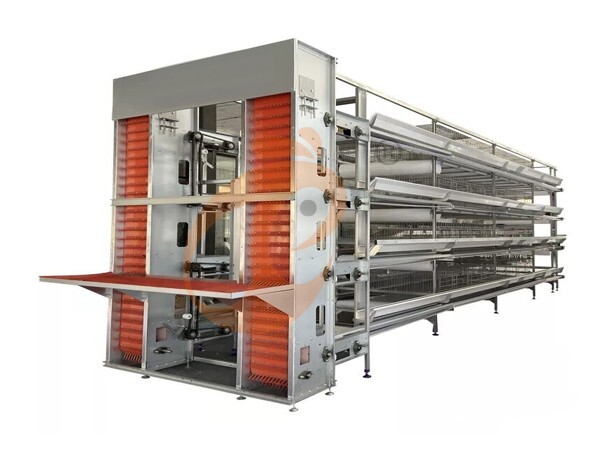
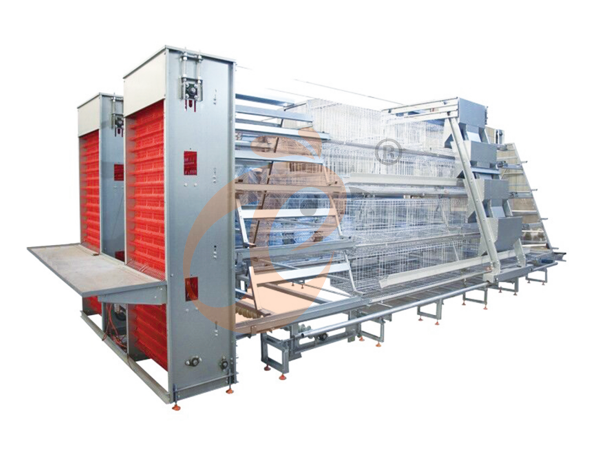
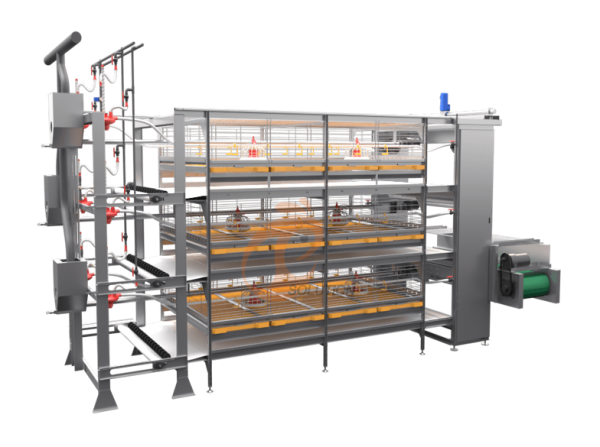
 >30,000 Pullets Automatic H Type Battery Cage1. More than 30,000 pullets a house, choose it.
2. It is designed to rearing older than 1 day old pullets to 12 to 16 weeks old chicken starting laying eggs.
3. Its lifespan is more than 25 years.
4. Its structure are Vcloud artificial intelligent fusion, electric control cabinet, automatic equipment of drinking, feeding, manure clean, manual harvesting.
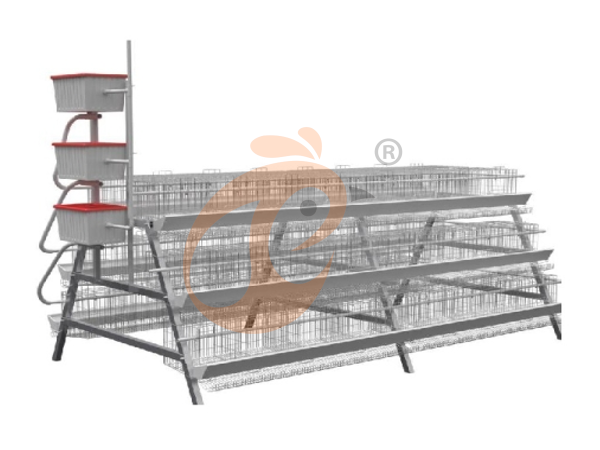
5. Our 24 hour online reception What’sApp NO. is +8618830120193 <30,000 Pullets Automatic A Type Battery Cage1. 10,000 to 30,000 pullets a house, choose it.
2. It is designed to rearing older than 1 day old pullets to 12 to 16 weeks old chicken starting laying eggs.
3. Its lifespan is more than 25 years.
4. Its structure are Vcloud artificial intelligent fusion, electric control cabinet, automatic equipment of drinking, feeding, manure clean, manual harvesting.
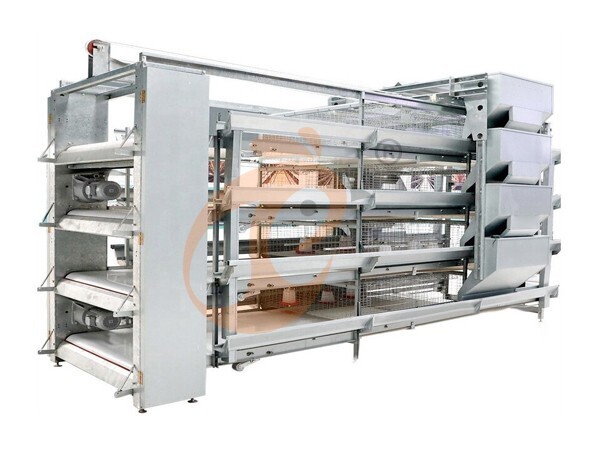
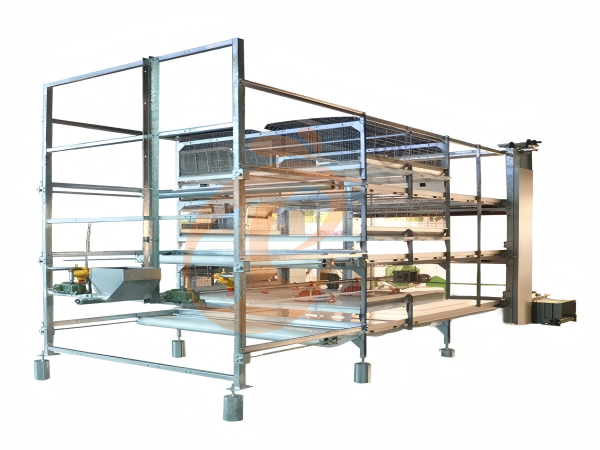
5. Our 24 hour online reception What’sApp NO. is +86 18830120193. >30,000 Broilers Semi-Automatic Harvest H Type Battery Cage1. More than 30,000 broilers a house, choose it.
2. It is designed to rearing 1 to 45 day old adult broiler ready for market.
3. Its lifespan is more than 20 years.
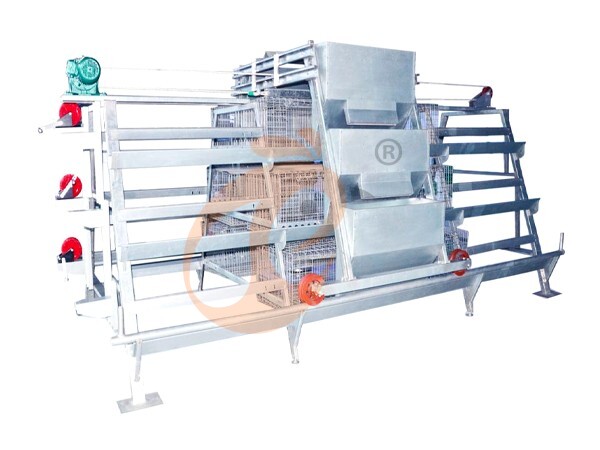
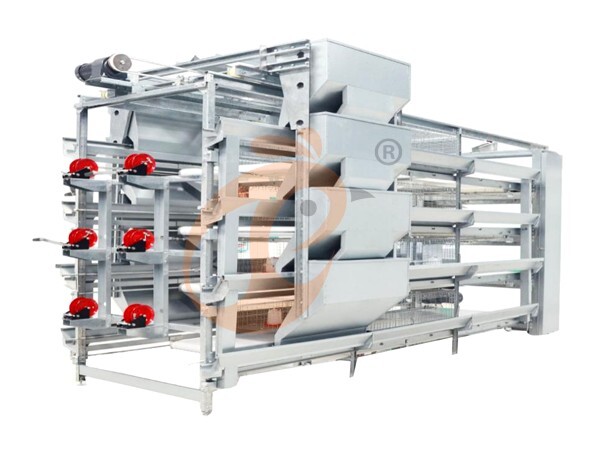
4. Our 24 hour online reception What’sApp NO. is +8618830120193, +234 8111199996. >30,000 Broilers Manual Harvest H Type Battery Cage1. More than 30,000 broilers a house, choose it.
2. It is designed to rearing 1 to 45 day old adult broiler ready for market.
3. Its lifespan is more than 20 years.
4. Its structure are Vcloud artificial intelligent fusion, electric control cabinet, automatic equipment of drinking, feeding and manure clean, manual harvesting.
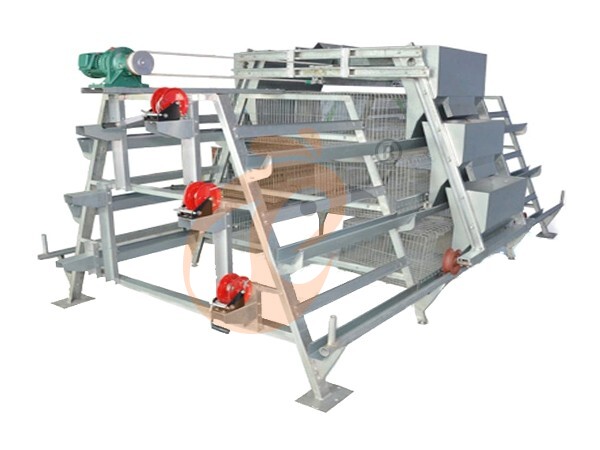
5. Our 24 hour online reception What’sApp NO. is +8618830120193, +234 8111199996. <30,000 Broilers Manual Harvest A Type Battery Cage1. Less 30,000 broilers a house, choose it.
2. It is designed to rearing 1 to 45 day old adult broiler ready for market.
3. Its lifespan is more than 20 years.
4. Its structure are Vcloud artificial intelligent fusion, electric control cabinet, automatic equipment of drinking, feeding and manure clean, manual harvesting.
5. Our 24 hour online reception What’sApp NO. is +8618830120193, +234 8111199996. HK Headquarter Offers EU-standard Poultry Farm Solutions, Manufacture Poultry Farm Equipment1. Continuous communication with the EU and the US
2. China, Nigeria, Ethiopia, Tanzania branch companies and factories
3. The products’ quality is customized for local poultry farms
4. Poultry cage and poultry farm equipment stock for sale
5. 24 online reception Whatsapp NO. : +8618830120193,contact us to get full information China Branch Offer Poultry Farm Business Plan, Manufacture Poultry Farm Equipment1. Address: Flat/RM 2416, 24/F, Runxing Building, Youyi Nan Street, Shijiazhuang City, Hebei Province, China
2. Poultry cage and poultry farm equipment factory and stock for sale
3. Customized for local poultry farms
4. Quality and design are based on Euro
5. 24 online reception Whatsapp NO. : +8618830120193 Nigeria Branch Offer Poultry Farm Business Plan, Manufacture Poultry Farm Equipment1. Address: After Sinoma Office, 200 Meters Near Danco Filling Station, Lagos/Ibadan Expressway, Lagos State, Nigeria
2. Poultry cage and poultry farm equipment factory and stock for sale
3. Customized for Nigerian poultry farms
4. Quality and design are based on Euro
5. 24 online reception Whatsapp NO. : +8618830120193 Ethiopia Branch Offer Poultry Farm Business Plan, Manufacture Poultry Farm Equipment1. Address: Gelan Gura, Akaki-kaliti Sub City, Addis Ababa, Ethiopia
2. Poultry cage and poultry farm equipment stock for sale
3. Customized for Ethiopian poultry farms
4. Quality and design are based on Euro
5. 24 online reception Whatsapp NO. : +8618830120193, contact us to get price list Tanzania Branch Offer Poultry Farm Business Plan, Manufacture Poultry Farm Equipment1. Address: No.8, Sova Road, Msufini, Mlandizi, Kibaha, Pwani, Tanzania
2. Poultry cage and poultry farm equipment factory and stock for sale
3. Customized for Tanzanian poultry farms
4. Quality and design are based on Euro
5. 24 online reception Whatsapp NO. : +8618830120193


Contact