


Blog
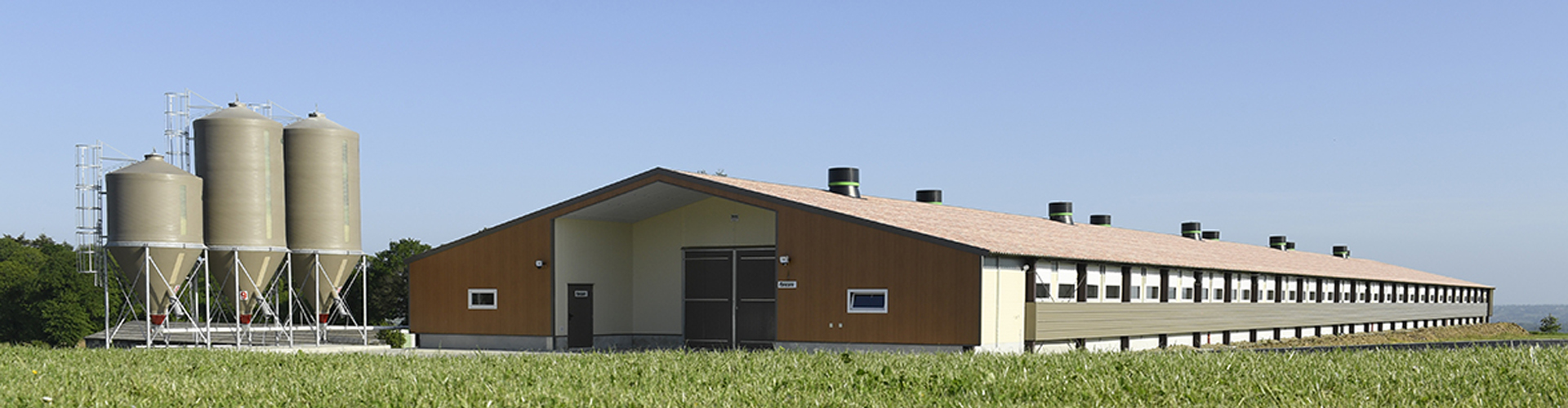
Layer chicken cages strengthen poultry farm biosecurity through organized housing, manure separation, and modular configurations supporting 4–16 tiers across commercial production facilities.
Strategic access control separates personnel, feed delivery, and waste transport routes, reducing contamination risks through dedicated sanitation zones.
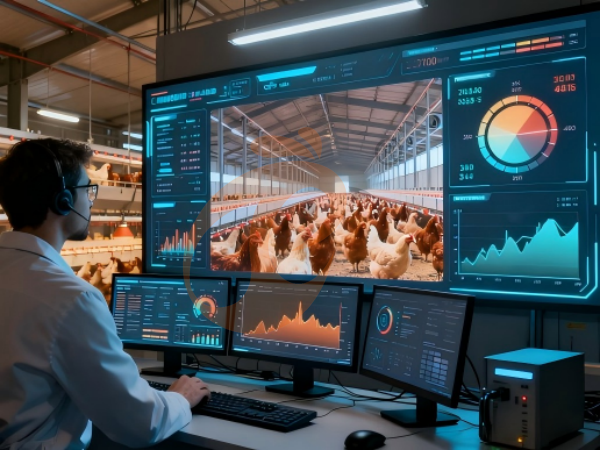
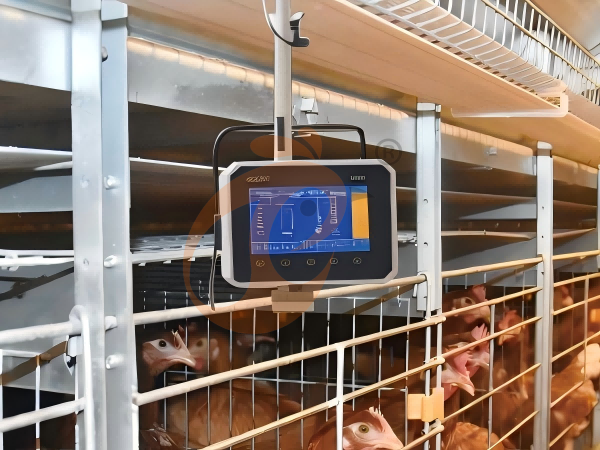
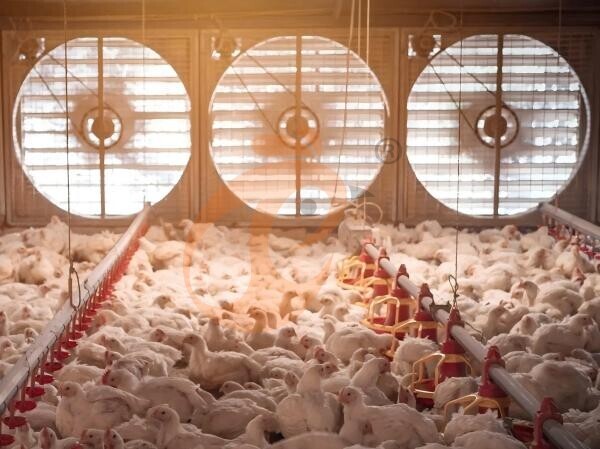
Integrated ventilation systems coordinate exhaust fans, cooling pads, sensors, and programmable controllers for stable environmental management during seasonal temperature fluctuations.
Automatic manure belts measuring 500–900 mm simplify waste handling, while synchronized feeding, drinking, and egg collection streamline daily production workflows.
Practical engineering guidance covers equipment selection, disinfection, commissioning, maintenance inspections, and measurable investment costs, helping poultry farms build reliable operations with confidence.
Get professional poultry farm construction guidance, equipment selection solutions, and the latest price lists, whatsApp to +8618830120193, click to learn more:
Engineer Controlled Farm Access
Engineering Points
Separate personnel entry from feed delivery and manure transport routes.
Install handwashing stations, footwear disinfection equipment, and access barriers.
Establish dedicated cleaning areas for reusable tools.
Position service corridors to minimize movement between poultry houses.
Layer chicken cages benefit from planned access systems that reduce contamination risks during daily operation.
Our poultry equipment layout service coordinates cage rows, maintenance passages, and sanitation facilities within building designs.
Clearly marked clean and dirty zones support consistent biosecurity procedures across facilities with multiple poultry houses.
Select Layer Chicken Cages For Hygiene
Data is for reference only.Swipe horizontally to view full table.
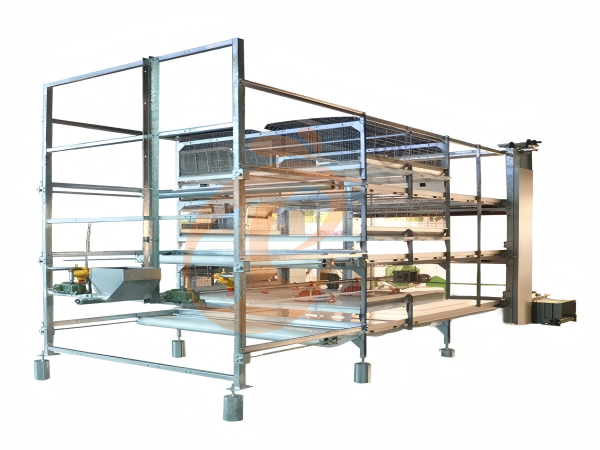
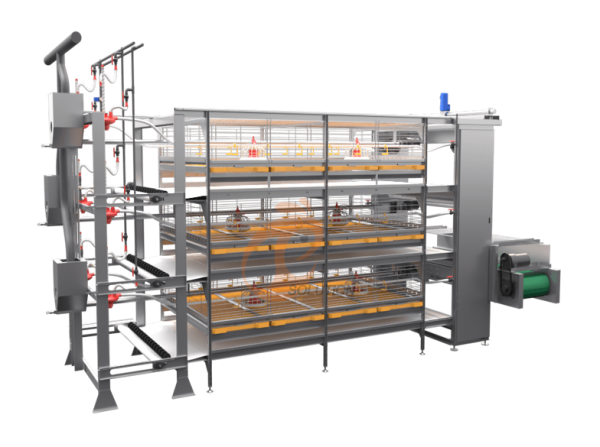
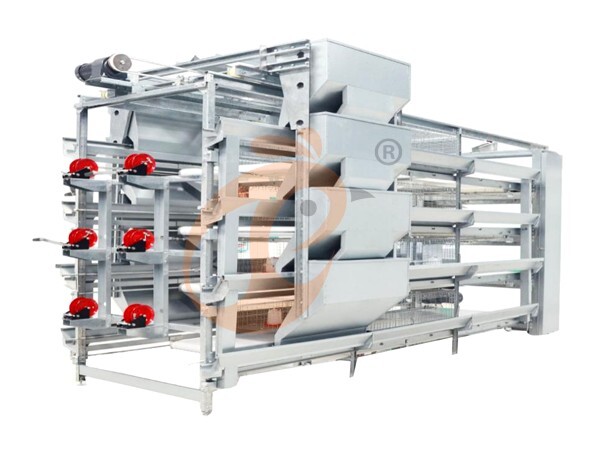
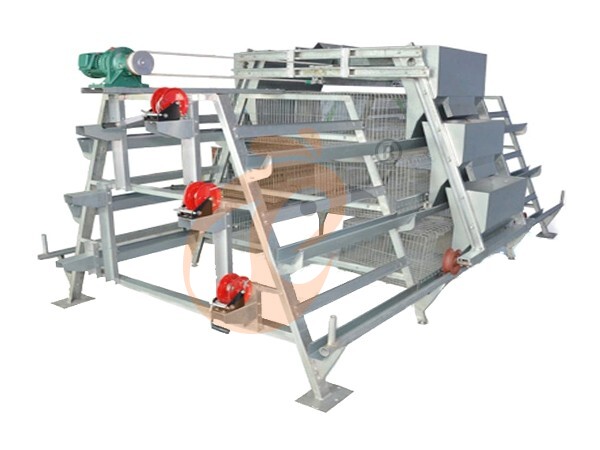
Layer chicken cages organize bird housing and separate poultry from accumulated manure.
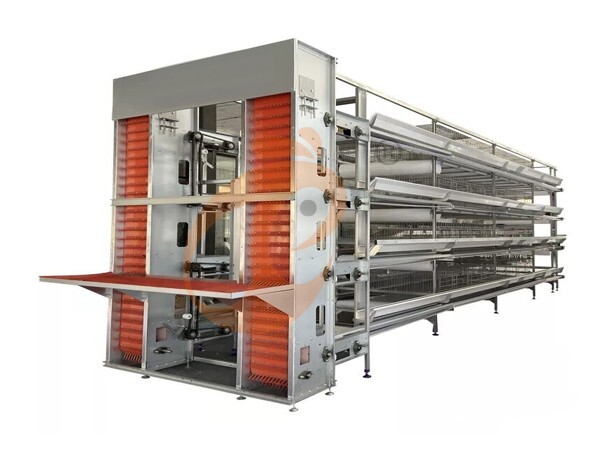
Our galvanized layer cage systems integrate automatic feeding, nipple drinking, egg collection, and manure removal.
Modular installation simplifies equipment planning and supports consistent cleaning access throughout the production house.
Control Ventilation With Integrated Equipment
Equipment Configuration
Exhaust Fans: Remove indoor air and support required air exchange.
Air Inlets: Direct incoming air into the occupied zone.
Cooling Pads: Reduce incoming air temperature through evaporation.
Environmental Controllers: Coordinate fan stages and ventilation settings.
Sensors: Monitor temperature, humidity, and other operating conditions.
Layer chicken cages perform best when ventilation matches building geometry, flock biomass, and seasonal weather.
Our poultry house ventilation systems combine exhaust fans, air inlets, and environmental controllers to support stable operation.
Correct sizing and commissioning help prevent stagnant zones, excessive moisture, and unwanted gas accumulation.
Automate Manure Removal
Data is for reference only.Swipe horizontally to view full table.
Layer chicken cages equipped with automatic manure belts reduce waste accumulation and simplify cleaning operations.
Our poultry manure removal systems transport waste toward designated collection points, reducing manual handling and improving workflow consistency.
Removal schedules should reflect manure moisture, flock size, conveyor capacity, and local environmental requirements.
Standardize Cleaning And Disinfection
Data is for reference only.Swipe horizontally to view full table.
Layer chicken cages require cleaning before disinfection because organic matter can interfere with chemical performance.
Our poultry sanitation equipment and accessible cage configurations help streamline cleaning procedures.
Farms should use approved disinfectants according to label directions, including dilution, contact time, rinsing requirements, and worker protection measures.
Equipment Combination Recommendation
Data is for reference only.Swipe horizontally to view full table.
Integrated layer chicken cages and poultry equipment reduce incompatibility between individual machines and simplify project management.
We supply coordinated feeding, drinking, egg collection, manure handling, and ventilation solutions.
Each configuration can be tailored to building dimensions, regional conditions, electrical supply, and automation objectives.
Process Structure: From Design To Operation
Step 1 — Assess
Document house dimensions, flock capacity, utility availability, and contamination pathways for layer chicken cage projects.
Step 2 — Configure
Coordinate poultry equipment placement, electrical circuits, water distribution, and material transport routes.
Step 3 — Commission
Test motors, conveyor alignment, sensor calibration, water delivery, and emergency stops before introducing birds.
Step 4 — Train
Establish operating instructions, cleaning responsibilities, and maintenance records for automatic layer cage systems.
Step 5 — Review
Analyze inspection findings, equipment faults, and flock health records to update procedures.
Tips Card: Daily Equipment Inspection
Data is for reference only.Swipe horizontally to view full table.
Layer chicken cage maintenance requires systematic inspection of mechanical and environmental systems.
Our poultry equipment support services assist customers with maintenance planning, replacement components, and operating guidance tailored to installed systems.
Documented checks help identify faults before production interruptions occur.
Investment Evaluation: Compare Measurable Costs
Data is for reference only.Swipe horizontally to view full table.
Layer chicken cages should be evaluated according to installation requirements, compatibility, spare parts, energy consumption, and service support.
Our integrated poultry equipment packages allow customers to compare complete system costs rather than evaluating individual machines in isolation.
Any currency-based project estimate should identify its pricing basis; European union standard reference only.
Frequently Asked Questions
Q1: How do layer chicken cages improve biosecurity?
Layer chicken cages organize housing and support manure separation.
Integrated equipment and accessible surfaces simplify routine cleaning and inspection.
Q2: Which equipment is essential for layer farm hygiene?
Automatic manure belts, ventilation fans, nipple drinkers, and sanitation equipment support daily hygiene.
Fan selection must reflect calculated airflow requirements.
Q3: How often should poultry equipment be inspected?
Inspect critical systems daily and follow manufacturer maintenance schedules.
Check motors, belts, drinking lines, and sensors to identify operational problems promptly.
Taiyu (HK) Group - One Of Toppest Layer Chicken Cage Manufacturer
Layer chicken cages combine 4–16-tier galvanized steel structures with planned manure separation, supporting commercial layer houses designed for 10,000–100,000 birds and coordinated daily hygiene management.
Global factory-direct supply integrates poultry equipment, including 500–900 mm manure belts and 0.37–1.5 kW drive motors, for waste collection layouts tailored to individual cage rows and conveyor lengths.
Turn-key engineering coordinates cage installation, feeding lines, nipple drinking systems, ventilation, and egg collection for 2–4-house farm projects, aligning equipment capacity with building dimensions and production targets.
Installation and commissioning cover belt tracking, motor testing, sensor calibration, and water delivery verification before flock placement, with equipment layouts planned around service clearances and routine inspection access.
International project support combines equipment procurement, operator training, and maintenance planning, helping investors evaluate equipment costs per bird-place, electricity consumption per 1,000 eggs, and labor-hours per 1,000 birds daily.
Contact Us To Received Your Customized Poultry Farm Plan
Headquarters And Branchs

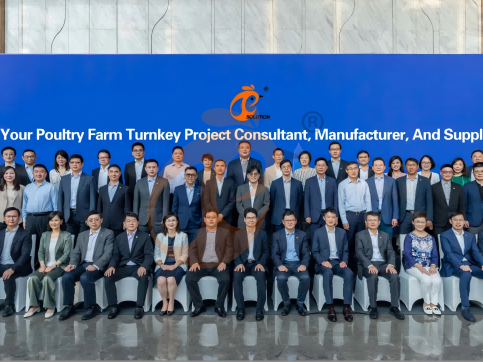
Hong Kong Headquarter Management Team
Hong Kong Headquarter Taiyu Industrial Group CO., LTD
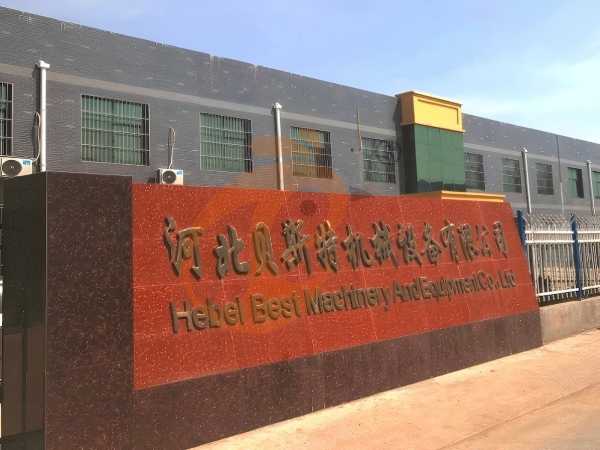
China Hebei Best Machinery And Equipment CO., LTD
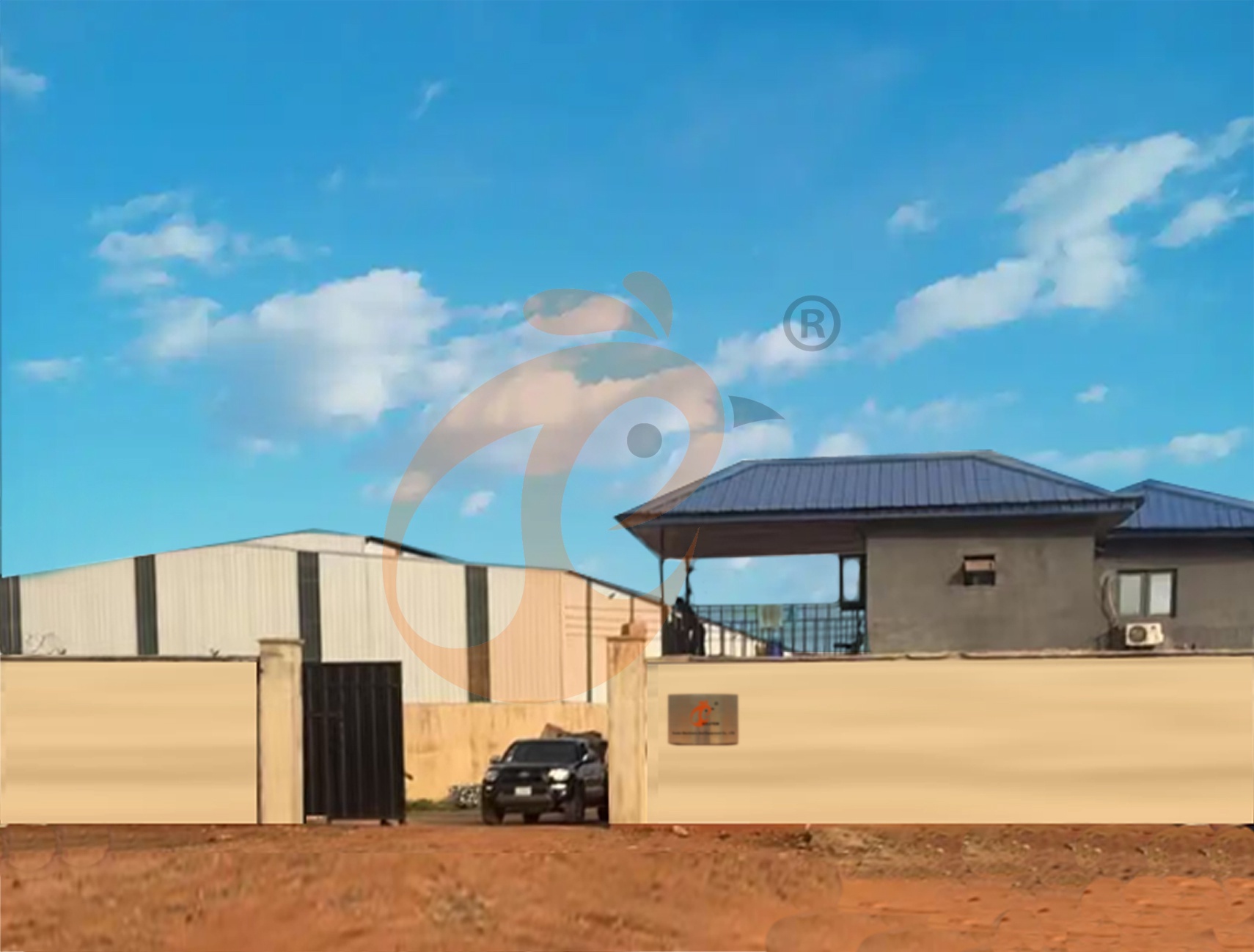
Nigeria Vanke Machinery And Equipment CO., LTD
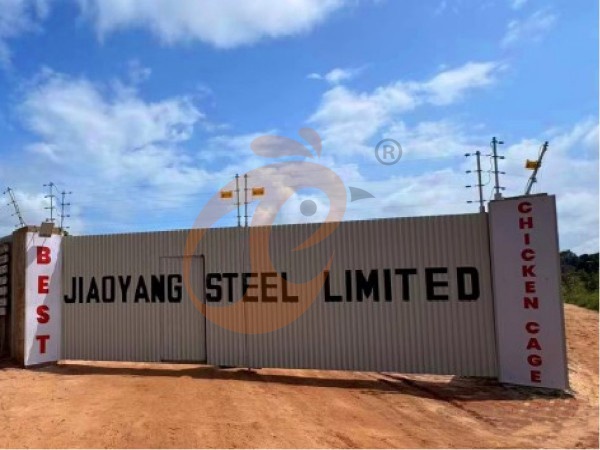
Tanzania Best Machinery And Equipment CO., LTD
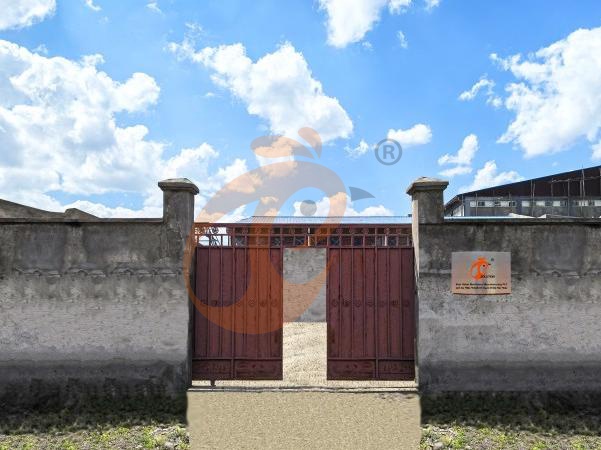
Ethiopia Best Hebei Machinery Manufacturing PLC




Reception /24 WhatsApp NO. : +8618830120193
FAQ
How To Select The Best Poultry Cage System For High-Density Egg Production?
Include automatic feeding, drinking, egg collection, and manure cleaning systems to boost egg production to 90–98%.
Regularly monitor feed efficiency and mortality; FCR maintained at 1.9–2.1.
What Are The Ultimate Tips For Temperature And Humidity Control In Chicken Cage Farms?
Use sensors to monitor each house and adjust airflow with ventilation fans.
Optimized temperature/humidity can increase egg production 2–3% and reduce mortality to 2–3%.
How To Reduce Egg Breakage In Advanced Battery Cage Systems?
Each belt can transport 4,000–6,000 eggs/hour, reducing manual handling.
Regularly clean belts; breakage rate can be maintained at 2–3%.
- poultry farm
- chicken cage
- layer cage
- automatic layer cage
- poultry house
- cage
- poultry farm construction
- layer cage system
- chicken cage manufacturer
- poultry house ventilation
- poultry house ventilation system
- poultry equipment
- manure removal system
- poultry manure removal system
- chicken cages
- automatic layer cage system
- chickencage
- bestchickencage
- cage system
- cage systems
- h cage
- layer chicken cage
- Nigeria
- layer chicken cages
- layer farm
- chicken cage maintenance
- layer farm biosecurity
- galvanized layer cage
- layer chicken cage manufacturer
- poultry equipment layout
- cage manufacturer
- poultry manure removal
- poultry farm plan
- galvanized layer cage system
- Ethiopia
Message
Products recommended
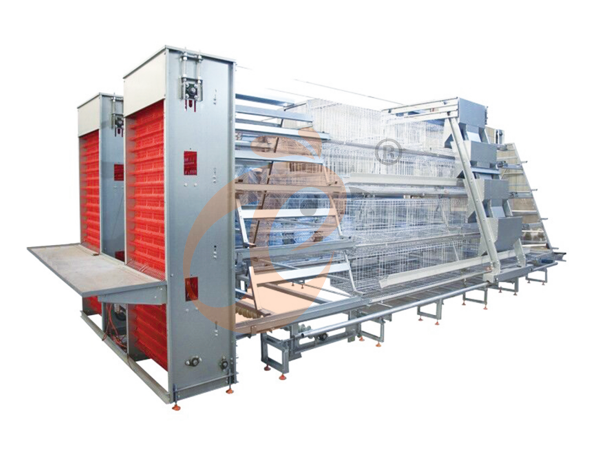
 >30,000 Pullets Automatic H Type Battery Cage1. More than 30,000 pullets a house, choose it.
2. It is designed to rearing older than 1 day old pullets to 12 to 16 weeks old chicken starting laying eggs.
3. Its lifespan is more than 25 years.
4. Its structure are Vcloud artificial intelligent fusion, electric control cabinet, automatic equipment of drinking, feeding, manure clean, manual harvesting.
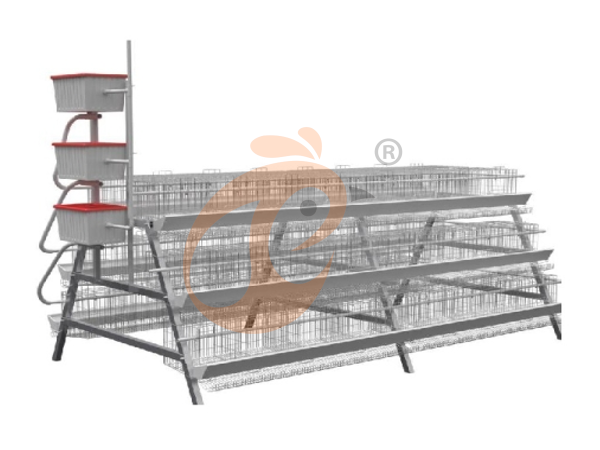
5. Our 24 hour online reception What’sApp NO. is +8618830120193 <30,000 Pullets Automatic A Type Battery Cage1. 10,000 to 30,000 pullets a house, choose it.
2. It is designed to rearing older than 1 day old pullets to 12 to 16 weeks old chicken starting laying eggs.
3. Its lifespan is more than 25 years.
4. Its structure are Vcloud artificial intelligent fusion, electric control cabinet, automatic equipment of drinking, feeding, manure clean, manual harvesting.
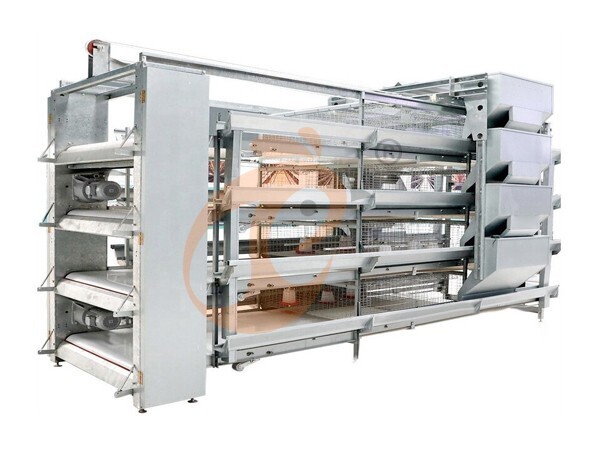
5. Our 24 hour online reception What’sApp NO. is +86 18830120193. >30,000 Broilers Semi-Automatic Harvest H Type Battery Cage1. More than 30,000 broilers a house, choose it.
2. It is designed to rearing 1 to 45 day old adult broiler ready for market.
3. Its lifespan is more than 20 years.
4. Our 24 hour online reception What’sApp NO. is +8618830120193, +234 8111199996. >30,000 Broilers Manual Harvest H Type Battery Cage1. More than 30,000 broilers a house, choose it.
2. It is designed to rearing 1 to 45 day old adult broiler ready for market.
3. Its lifespan is more than 20 years.
4. Its structure are Vcloud artificial intelligent fusion, electric control cabinet, automatic equipment of drinking, feeding and manure clean, manual harvesting.
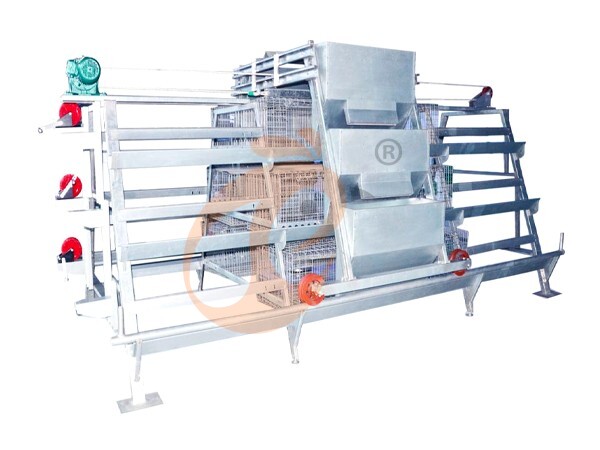
5. Our 24 hour online reception What’sApp NO. is +8618830120193, +234 8111199996. <30,000 Broilers Manual Harvest A Type Battery Cage1. Less 30,000 broilers a house, choose it.
2. It is designed to rearing 1 to 45 day old adult broiler ready for market.
3. Its lifespan is more than 20 years.
4. Its structure are Vcloud artificial intelligent fusion, electric control cabinet, automatic equipment of drinking, feeding and manure clean, manual harvesting.
5. Our 24 hour online reception What’sApp NO. is +8618830120193, +234 8111199996. HK Headquarter Offers EU-standard Poultry Farm Solutions, Manufacture Poultry Farm Equipment1. Continuous communication with the EU and the US
2. China, Nigeria, Ethiopia, Tanzania branch companies and factories
3. The products’ quality is customized for local poultry farms
4. Poultry cage and poultry farm equipment stock for sale
5. 24 online reception Whatsapp NO. : +8618830120193,contact us to get full information China Branch Offer Poultry Farm Business Plan, Manufacture Poultry Farm Equipment1. Address: Flat/RM 2416, 24/F, Runxing Building, Youyi Nan Street, Shijiazhuang City, Hebei Province, China
2. Poultry cage and poultry farm equipment factory and stock for sale
3. Customized for local poultry farms
4. Quality and design are based on Euro
5. 24 online reception Whatsapp NO. : +8618830120193 Nigeria Branch Offer Poultry Farm Business Plan, Manufacture Poultry Farm Equipment1. Address: After Sinoma Office, 200 Meters Near Danco Filling Station, Lagos/Ibadan Expressway, Lagos State, Nigeria
2. Poultry cage and poultry farm equipment factory and stock for sale
3. Customized for Nigerian poultry farms
4. Quality and design are based on Euro
5. 24 online reception Whatsapp NO. : +8618830120193 Ethiopia Branch Offer Poultry Farm Business Plan, Manufacture Poultry Farm Equipment1. Address: Gelan Gura, Akaki-kaliti Sub City, Addis Ababa, Ethiopia
2. Poultry cage and poultry farm equipment stock for sale
3. Customized for Ethiopian poultry farms
4. Quality and design are based on Euro
5. 24 online reception Whatsapp NO. : +8618830120193, contact us to get price list Tanzania Branch Offer Poultry Farm Business Plan, Manufacture Poultry Farm Equipment1. Address: No.8, Sova Road, Msufini, Mlandizi, Kibaha, Pwani, Tanzania
2. Poultry cage and poultry farm equipment factory and stock for sale
3. Customized for Tanzanian poultry farms
4. Quality and design are based on Euro
5. 24 online reception Whatsapp NO. : +8618830120193


Contact