


Blog
Broiler chicken cage maintenance costs depend on galvanized steel quality, equipment compatibility, and service life, with wire diameters of 2.5–4.0 mm shaping structural durability.
Automatic feeding systems with 70–500 kg feed hoppers support continuous distribution, while 0.75–1.5 kW motors suit different conveyor configurations.
Preventive maintenance combines daily feeder and drinking-line checks with weekly fastener inspections, helping identify faults before expensive production interruptions.
Automatic manure removal systems using 1.0–1.2 mm PP belts simplify waste collection, reduce repetitive handling, and support scheduled cleaning operations.
Integrated poultry equipment planning covers spare parts, electricity consumption, repair labor, and turn-key installation, helping commercial farms evaluate long-term costs and investment returns.
Get professional poultry farm construction guidance, equipment selection solutions, and the latest price lists, whatsApp to +8618830120193, click to learn more:
Equipment Quality And Initial Investment
Data is for reference only.Swipe horizontally to view full table.
Equipment specifications determine structural performance and maintenance requirements for broiler chicken cages, automatic chicken feeding systems, and
poultry manure removal equipment.
Purchasing decisions should consider fabrication quality, component compatibility, and replacement-part availability rather than initial price alone.
Our broiler cage equipment integrates galvanized cage structures with automatic feeding, drinking, and manure handling systems, helping farms coordinate
installation and maintenance.
Material Durability And Corrosion Protection
Data is for reference only.Swipe horizontally to view full table.
Moisture, manure, cleaning chemicals, and ammonia exposure can accelerate deterioration in broiler chicken cages, automatic poultry feeding equipment, and manure conveyor systems.
Material selection influences replacement frequency and long-term maintenance expenditure.
When comparing suppliers, request written specifications, coating records, weld inspection results, and warranty terms.
Our poultry equipment solutions can be configured for different poultry house layouts and operating requirements.
Labor And Routine Inspection
Data is for reference only.Swipe horizontally to view full table.
Inspection intervals should follow manufacturer instructions, operating conditions, and biosecurity procedures for broiler chicken cages and automatic poultry feeding systems.
Automatic feeding equipment and nipple drinking systems can reduce repetitive manual tasks and simplify inspection routines.
Equipment with accessible service points and replaceable components also helps maintenance personnel complete repairs efficiently.
Engineering Tip
Include maintenance access, motor positioning, and component replacement space in the original poultry house design.
These details reduce unnecessary disassembly when servicing automatic chicken feeders and broiler cage systems.
Feeding And Drinking System Efficiency
Data is for reference only.Swipe horizontally to view full table.
Feeding and drinking equipment affects daily workload, water management, and production consistency across broiler chicken cages and automatic poultry feeding systems.
Blocked feed lines or leaking nipples can increase cleaning requirements and interrupt normal farm operations.
Our integrated automatic chicken feeders and nipple drinking systems combine controlled feed delivery with regulated water distribution.
Selecting suitable capacities and compatible components helps operators maintain consistent system performance.
Manure Removal And Cleaning Costs
Data is for reference only.Swipe horizontally to view full table.
Manure accumulation increases cleaning demands and can contribute to elevated ammonia concentrations around broiler chicken cages and automatic manure removal systems.
Automated manure handling equipment supports regular waste collection and reduces dependence on manual handling.
Practical Maintenance Card
Before startup: inspect belt alignment and protective guards.
During operation: check for slippage, abnormal vibration, and uneven tracking.
After removal: clear accumulated residue from designated areas.
Before repairs: isolate electrical power and follow approved safety procedures.
Our automatic manure conveyor systems can be integrated with broiler cages to simplify waste collection and routine servicing.
Spare Parts, Energy, And Downtime
Data is for reference only.Swipe horizontally to view full table.
Maintenance expenses include component replacement, emergency delivery, technician visits, and interruptions affecting broiler chicken cages and automatic poultry feeding equipment.
Work with an equipment supplier that provides compatible spare parts, installation guidance, technical documentation, and after-sales support.
Standardized components help simplify inventory management and maintenance planning.
Engineering Points For Poultry House Design
A maintenance-friendly poultry house requires coordinated engineering for broiler chicken cages, automatic feeding systems, and manure removal equipment.
Engineering Specification Checklist
Layout planning: Provide adequate inspection and replacement access.
Structural design: Match supporting members to calculated equipment loads.
System integration: Coordinate cages, feed conveyors, water lines, and manure belts.
Electrical protection: Specify suitable overload protection and grounding.
Service accessibility: Position controls and drive assemblies for safe inspection.
Our broiler cage solutions can be customized to farm dimensions, flock capacity, and automation requirements.
Coordinated engineering helps reduce installation modifications and simplifies equipment servicing.
Maintenance Workflow From Inspection To Cost Review
Step One: Inspect
Record visible damage, leaks, unusual noise, and operating abnormalities across broiler chicken cages and automatic poultry equipment.
↓
Step Two: Diagnose
Identify the affected component and determine the cause.
↓
Step Three: Repair
Replace damaged parts with compatible components.
↓
Step Four: Test
Verify safe operation and confirm that the fault has been resolved.
↓
Step Five: Review
Compare repair records, labor consumption, and equipment interruptions.
Recommended Equipment Combinations For Different Farms
Data is for reference only.Swipe horizontally to view full table.
The appropriate equipment package depends on building dimensions, flock capacity, labor availability, and investment plans for broiler chicken cages and poultry automation systems.
Purchasing compatible equipment from one supplier can simplify commissioning, spare-parts management, and technical support.
Our team can recommend suitable broiler cage systems after reviewing farm layout, production requirements, and preferred automation levels.
Cost-Control Checklist Before Equipment Upgrades
Data is for reference only.Swipe horizontally to view full table.
Establish a baseline before upgrading broiler chicken cages, automatic poultry feeding systems, or manure removal equipment.
Compare equivalent production periods and account for differences in flock size, operating hours, and farm conditions.
Automation should be evaluated against purchase price, installation expenses, electricity consumption, servicing needs, and expected service life.
For financial comparisons, use USD quotations where applicable; European union standard reference only.
Reduce Maintenance Costs With The Right Equipment Partner
Controlling broiler chicken cage maintenance costs requires attention to equipment quality, corrosion protection, labor, feeding and drinking systems, manure handling, and spare-parts management.
Preventive maintenance is essential, but equipment selection is equally important.
Durable cage structures, compatible automatic poultry feeding systems, accessible components, and dependable technical support help producers manage maintenance requirements throughout the production cycle.
Our poultry equipment solutions support commercial farms seeking customized broiler cages and integrated automation.
Matching equipment specifications to farm requirements helps producers develop practical maintenance strategies and manage long-term operating expenses.
Frequently Asked Questions
Q1: How can broiler chicken cage maintenance costs be reduced?
Combine preventive inspections with durable broiler chicken cages, compatible automatic feeding systems, and scheduled manure belt servicing.
Weekly structural checks and daily operational inspections help identify developing problems before repairs become more extensive.
Q2: Which specifications matter when purchasing broiler cage equipment?
Evaluate cage wire diameters of 2.5 to 4.0 millimeters, material certifications, galvanized coating documentation, and compatibility with feeding and drinking equipment.
Confirm all final specifications against the manufacturer's engineering drawings.
Q3: Does automatic manure removal reduce poultry farm labor?
Automatic manure conveyor systems reduce repetitive manual collection and support scheduled waste handling.
A belt speed of 1.8 meters per minute is used in specified designs, but actual performance depends on belt dimensions, loading, and system configuration.
Taiyu (HK) Group - One Of China's Toppest Broiler Chicken Cage Manufacturer
Broiler chicken cages support commercial housing projects through modular cage sections measuring 3,300 mm in length, with structural layouts coordinated around bird capacity and maintenance access.
Global factory-direct supply covers poultry equipment with 2–3 drinking nipples per cage, helping project engineers coordinate water distribution, inspection access, and replacement requirements.
Turn-key engineering integrates cage installation, feed distribution, manure collection, and electrical control, with 220 V or 380 V power configurations selected according to local site conditions.
Project planning evaluates conveyor transfer inclinations of 0–35° and service corridor dimensions to coordinate waste transport, equipment accessibility, and maintenance workflows.
International project support combines customized equipment layouts, commissioning guidance, spare-parts planning, and operating-cost assessment, helping investors compare installation requirements and long-term poultry production expenditure.
Contact Us To Received Your Customized Poultry Farm Plan
Headquarters And Branchs

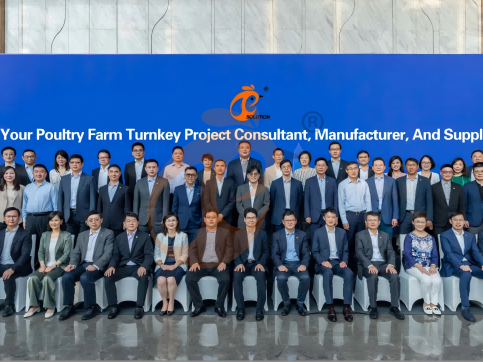
Hong Kong Headquarter Management Team
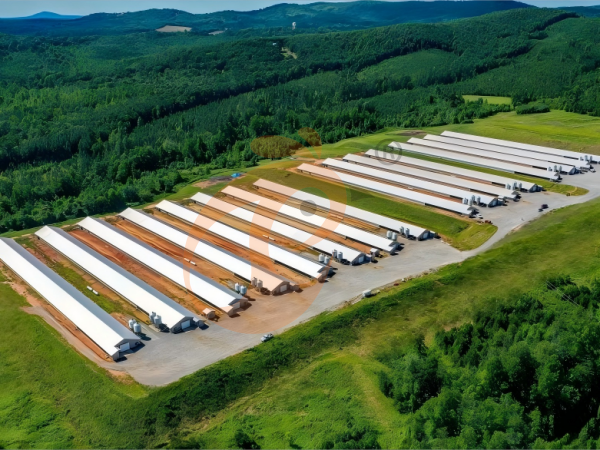
Hong Kong Headquarter Taiyu Industrial Group CO., LTD
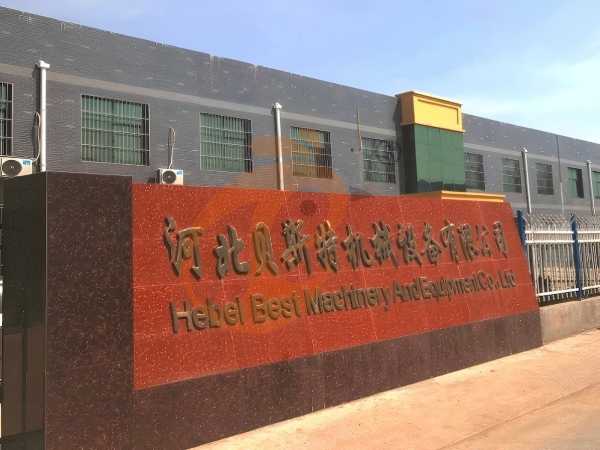
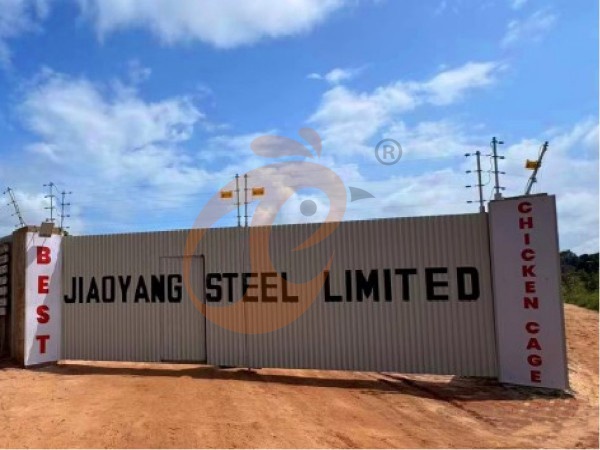
China Hebei Best Machinery And Equipment CO., LTD
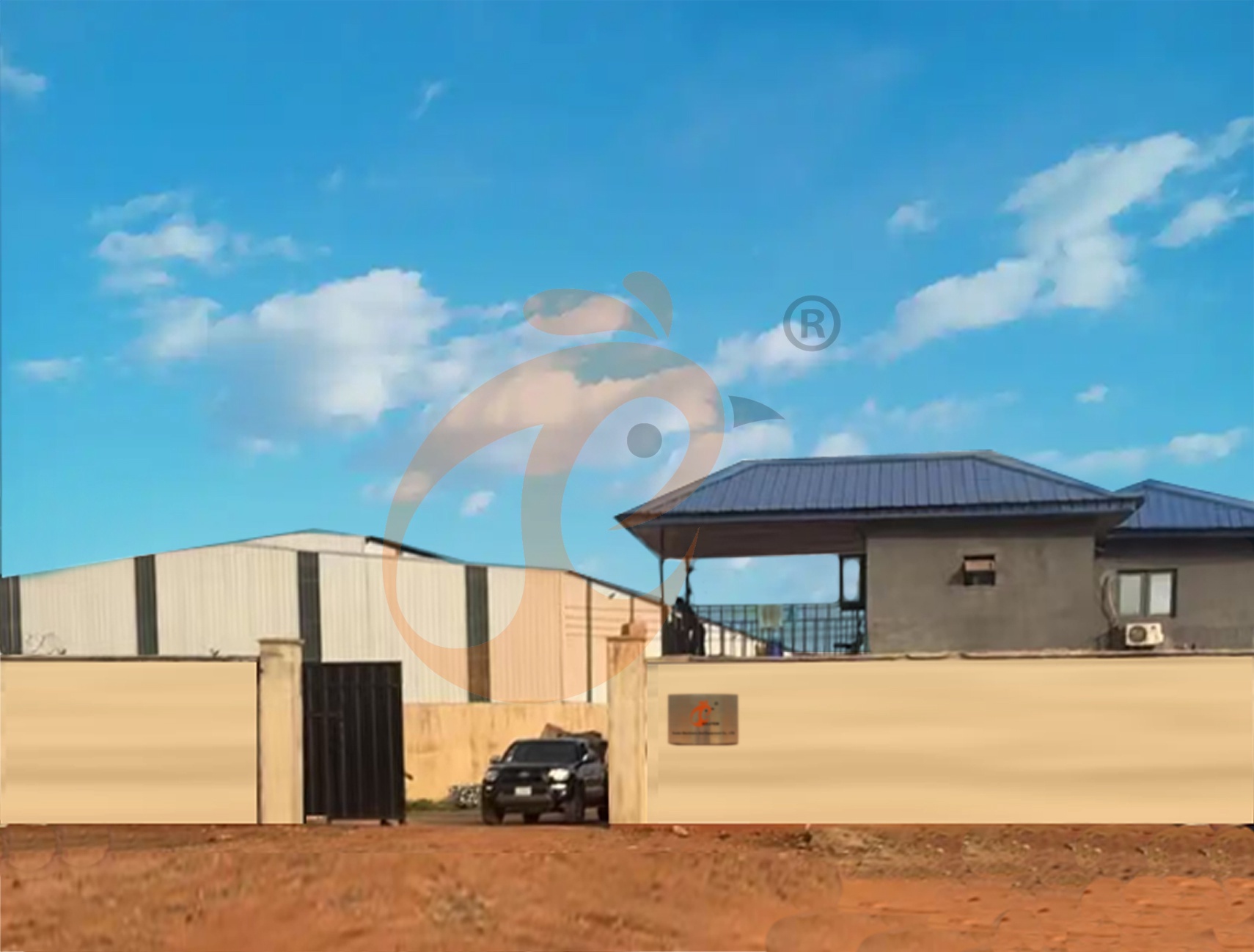
Nigeria Vanke Machinery And Equipment CO., LTD
Tanzania Best Machinery And Equipment CO., LTD
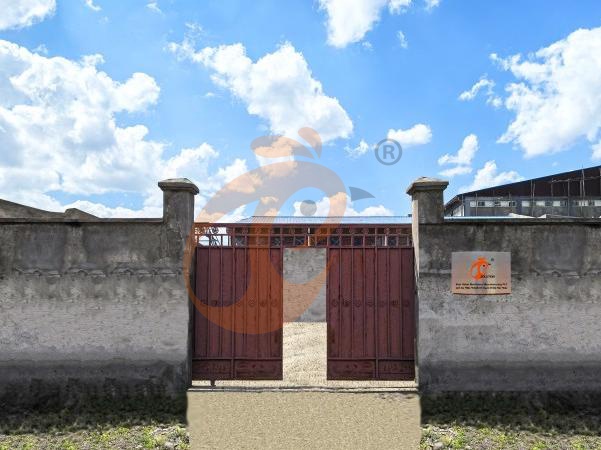
Ethiopia Best Hebei Machinery Manufacturing PLC




Reception /24 WhatsApp NO. : +8618830120193
FAQ
What Cage Structure Options Are Available For Broiler Chicken Cage Systems?
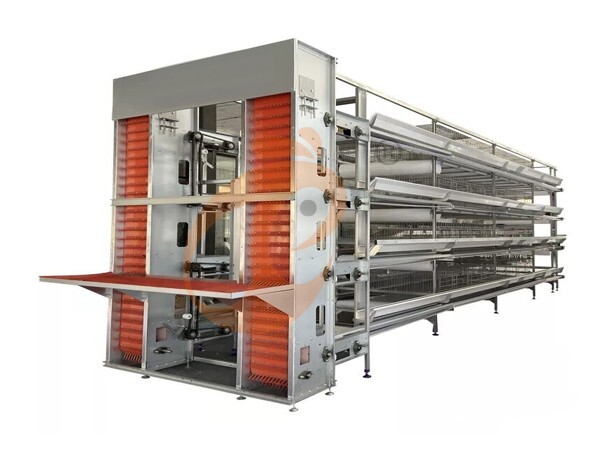
H-type cage systems are configured in 3–12 tiers accommodating 360–1440 birds per set for intensive farming operations.
Structural height ranges from 1.75–10.11 meters maximizing vertical space utilization and housing efficiency.
How Does Stocking Density Affect Broiler Chicken Cage Performance?
H-type systems maintain 500 cm² allocation per bird optimizing housing density and production output.
Bird distribution is balanced at 8 birds per compartment in partitioned cage configurations reducing competition.
Which Cage Dimensions Are Commonly Used In Broiler Chicken Cage Systems?
H-type cage modules measure 3.3 × 1.82 meters providing larger continuous housing sections.
Internal compartment height varies from 40–55 cm ensuring adequate bird activity and ventilation circulation.
- poultry farm
- chicken cage
- poultry farms
- broiler cage
- poultry house
- cage
- galvanized cage
- poultry farm construction
- broiler cage system
- chicken cage manufacturer
- chicken cage system
- poultry house layout
- poultry house design
- broiler cage equipment
- poultry feeding system
- poultry feeding equipment
- automatic feeding system
- automatic poultry feeding system
- automatic poultry feeding equipment
- poultry equipment
- manure removal system
- automatic manure removal system
- manure removal equipment
- poultry manure removal equipment
- chicken cages
- broiler chicken cage
- broiler cages
- chickencage
- bestchickencage
- broiler chicken cages
- cage system
- cage systems
- broiler chicken cage system
- Nigeria
- chicken cage maintenance
- poultry house management
- automatic chicken feeder
- automatic chicken feeding system
- chicken feeding system
- cage manufacturer
- poultry manure removal
- galvanized broiler cage
- poultry farm plan
- poultry feed
- chicken feed
- Ethiopia
Message
Products recommended
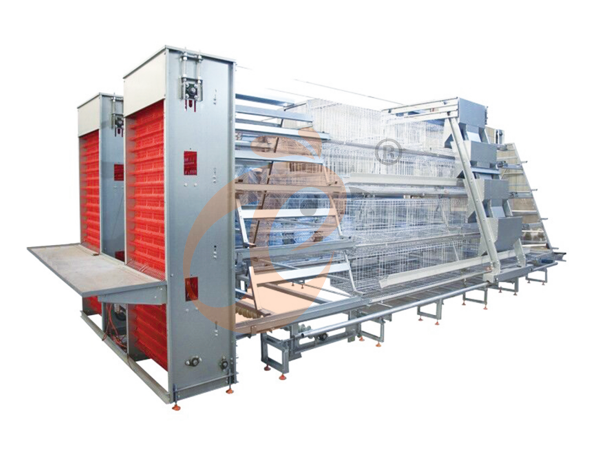
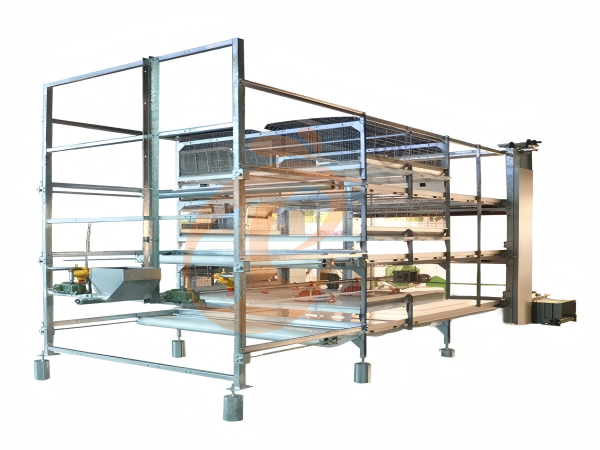
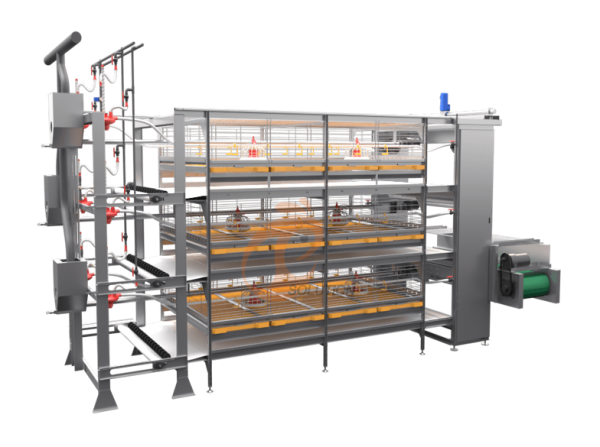
 >30,000 Pullets Automatic H Type Battery Cage1. More than 30,000 pullets a house, choose it.
2. It is designed to rearing older than 1 day old pullets to 12 to 16 weeks old chicken starting laying eggs.
3. Its lifespan is more than 25 years.
4. Its structure are Vcloud artificial intelligent fusion, electric control cabinet, automatic equipment of drinking, feeding, manure clean, manual harvesting.
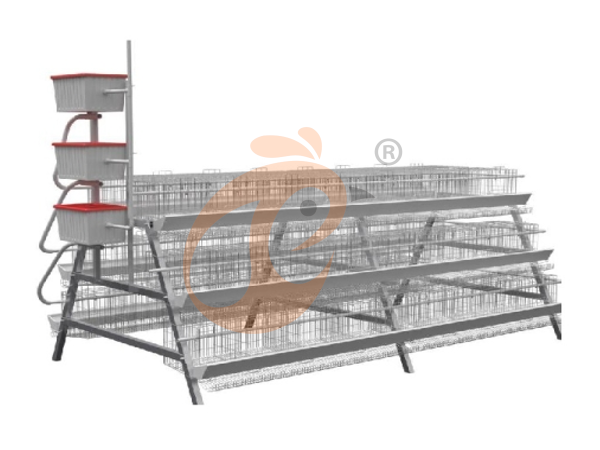
5. Our 24 hour online reception What’sApp NO. is +8618830120193 <30,000 Pullets Automatic A Type Battery Cage1. 10,000 to 30,000 pullets a house, choose it.
2. It is designed to rearing older than 1 day old pullets to 12 to 16 weeks old chicken starting laying eggs.
3. Its lifespan is more than 25 years.
4. Its structure are Vcloud artificial intelligent fusion, electric control cabinet, automatic equipment of drinking, feeding, manure clean, manual harvesting.
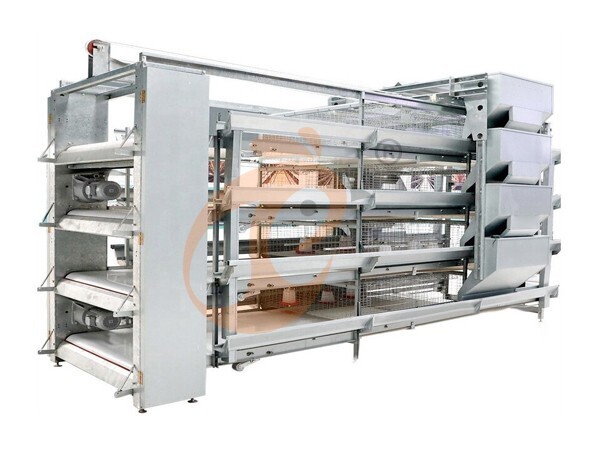
5. Our 24 hour online reception What’sApp NO. is +86 18830120193. >30,000 Broilers Semi-Automatic Harvest H Type Battery Cage1. More than 30,000 broilers a house, choose it.
2. It is designed to rearing 1 to 45 day old adult broiler ready for market.
3. Its lifespan is more than 20 years.
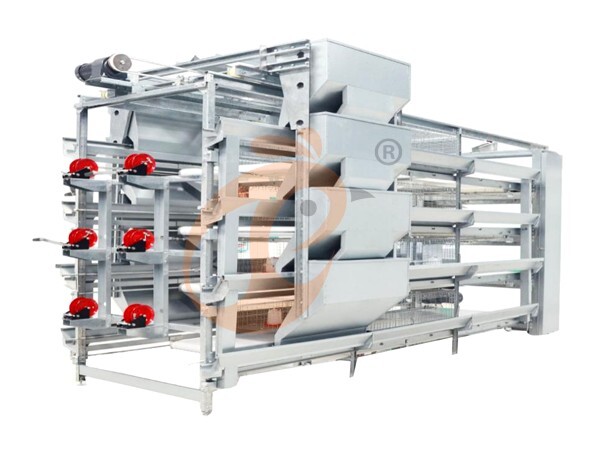
4. Our 24 hour online reception What’sApp NO. is +8618830120193, +234 8111199996. >30,000 Broilers Manual Harvest H Type Battery Cage1. More than 30,000 broilers a house, choose it.
2. It is designed to rearing 1 to 45 day old adult broiler ready for market.
3. Its lifespan is more than 20 years.
4. Its structure are Vcloud artificial intelligent fusion, electric control cabinet, automatic equipment of drinking, feeding and manure clean, manual harvesting.
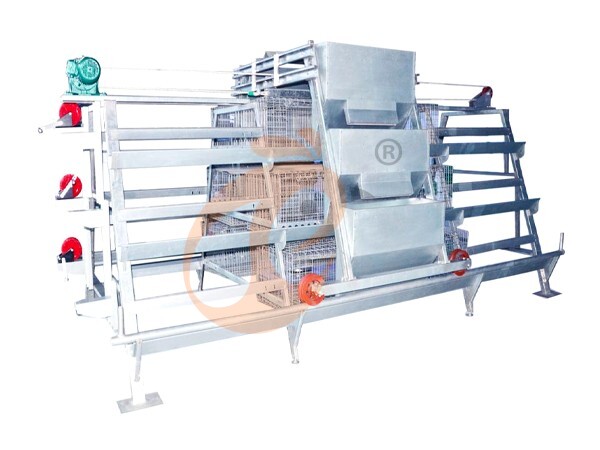
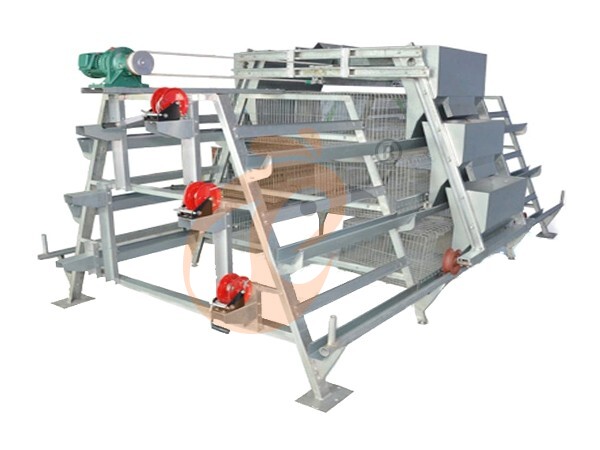
5. Our 24 hour online reception What’sApp NO. is +8618830120193, +234 8111199996. <30,000 Broilers Manual Harvest A Type Battery Cage1. Less 30,000 broilers a house, choose it.
2. It is designed to rearing 1 to 45 day old adult broiler ready for market.
3. Its lifespan is more than 20 years.
4. Its structure are Vcloud artificial intelligent fusion, electric control cabinet, automatic equipment of drinking, feeding and manure clean, manual harvesting.
5. Our 24 hour online reception What’sApp NO. is +8618830120193, +234 8111199996. HK Headquarter Offers EU-standard Poultry Farm Solutions, Manufacture Poultry Farm Equipment1. Continuous communication with the EU and the US
2. China, Nigeria, Ethiopia, Tanzania branch companies and factories
3. The products’ quality is customized for local poultry farms
4. Poultry cage and poultry farm equipment stock for sale
5. 24 online reception Whatsapp NO. : +8618830120193,contact us to get full information China Branch Offer Poultry Farm Business Plan, Manufacture Poultry Farm Equipment1. Address: Flat/RM 2416, 24/F, Runxing Building, Youyi Nan Street, Shijiazhuang City, Hebei Province, China
2. Poultry cage and poultry farm equipment factory and stock for sale
3. Customized for local poultry farms
4. Quality and design are based on Euro
5. 24 online reception Whatsapp NO. : +8618830120193 Nigeria Branch Offer Poultry Farm Business Plan, Manufacture Poultry Farm Equipment1. Address: After Sinoma Office, 200 Meters Near Danco Filling Station, Lagos/Ibadan Expressway, Lagos State, Nigeria
2. Poultry cage and poultry farm equipment factory and stock for sale
3. Customized for Nigerian poultry farms
4. Quality and design are based on Euro
5. 24 online reception Whatsapp NO. : +8618830120193 Ethiopia Branch Offer Poultry Farm Business Plan, Manufacture Poultry Farm Equipment1. Address: Gelan Gura, Akaki-kaliti Sub City, Addis Ababa, Ethiopia
2. Poultry cage and poultry farm equipment stock for sale
3. Customized for Ethiopian poultry farms
4. Quality and design are based on Euro
5. 24 online reception Whatsapp NO. : +8618830120193, contact us to get price list Tanzania Branch Offer Poultry Farm Business Plan, Manufacture Poultry Farm Equipment1. Address: No.8, Sova Road, Msufini, Mlandizi, Kibaha, Pwani, Tanzania
2. Poultry cage and poultry farm equipment factory and stock for sale
3. Customized for Tanzanian poultry farms
4. Quality and design are based on Euro
5. 24 online reception Whatsapp NO. : +8618830120193


Contact