


Blog
Chicken feed pellet machine noise control combines mechanical stability, acoustic treatment, and vibration monitoring, helping feed mills maintain reliable production across 8–16-hour operating shifts.
Precision installation targets shaft alignment within 0.05 mm where applicable, while foundation inspections help reduce structural vibration and transmission noise.
Bearing diagnostics, gearbox lubrication, and roller clearance inspections support preventive maintenance, with 90-day records revealing recurring faults and replacement priorities.
Integrated grinding, mixing, conditioning, and pelletizing systems coordinate material flow, with 2-ton-per-hour production targets guiding equipment capacity matching.
Acoustic enclosures, isolation mounts, and dust extraction support safer workshops, balancing noise reduction, cooling airflow, operator protection, and continuous poultry feed manufacturing performance.
Get professional poultry farm construction guidance, equipment selection solutions, and the latest price lists, whatsApp to +8618830120193, click to learn more:
Optimize Pellet Machine Installation
Data is for reference only.Swipe horizontally to view full table.
These values are preliminary engineering references, not universal acceptance limits.
A stable foundation helps prevent chicken feed pellet machine vibration from spreading through the workshop structure.
During commissioning, technicians should inspect the base frame, motor alignment, and transmission assembly before introducing feed materials.
For production facilities operating 8–16 hours daily, correct installation helps reduce avoidable mechanical disturbances and supports reliable pellet production.
Maintain Critical Mechanical Components
Data is for reference only.Swipe horizontally to view full table.
Actual clearances, lubricant grades, and torque values must follow the applicable equipment documentation.
Maintenance Tip Card
Bearing inspection: Track vibration trends and temperature changes to identify developing faults in chicken feed pellet machines
Gearbox servicing: Check lubricant condition and leakage according to manufacturer service intervals
Roller and die inspection: Examine surfaces for uneven wear, damage, and material accumulation
Drive maintenance: Inspect belt condition and pulley alignment before restarting equipment
Replacement planning: Stock compatible bearings, rollers, and dies for critical production machinery
For a feed mill operating 10 hours per day, preventive maintenance helps limit unexpected interruptions and improves spare-parts planning.
Selecting a chicken feed pellet machine with accessible components and dependable technical support can simplify servicing throughout the equipment lifecycle.
Improve Feed Preparation And Operating Stability
Process Flow
Raw Material Reception → Grinding → Mixing → Conditioning → Pelletizing → Cooling → Screening
Each processing stage influences the next, and consistent material preparation helps stabilize chicken feed pellet machine operation.
For example, a hammer mill with a 2 mm screen may suit selected feed formulations, depending on ingredient characteristics, chicken age, and pellet specifications.
Steam conditioning also requires controlled temperature, moisture, and residence time to support consistent pellet formation and reduce unnecessary operating disturbances.
A coordinated poultry feed production line helps prevent upstream equipment from supplying material faster than the pellet mill can process it.
Apply Engineering Noise-Control Measures
Data is for reference only.Swipe horizontally to view full table.
Final design values depend on machine configuration and operating conditions.
Acoustic enclosures can reduce airborne sound, while correctly selected isolation mounts help limit vibration transmission from chicken feed pellet machines.
Flexible connectors may reduce vibration transfer between compatible equipment sections, particularly where connected machinery shares structural supports.
Noise-control modifications must preserve cooling airflow, maintenance access, and dust-management requirements throughout normal production.
Our poultry equipment team can help assess pellet mills, grinders, mixers, conveyors, and dust collection systems as an integrated configuration.
Measure, Diagnose, And Improve
Five-Step Troubleshooting Workflow
Step One: Establish The Baseline
Record feed formulation, production load, operating conditions, and sound measurements before modifying the chicken feed pellet machine.
Step Two: Locate The Source
Inspect the motor, bearings, gearbox, roller assembly, feeding mechanism, and connected structures.
Step Three: Identify The Cause
Distinguish mechanical friction, impact noise, airflow noise, and structural resonance through systematic inspection.
Step Four: Apply Corrective Action
Repair defective components, correct alignment, adjust feeding, or install suitable acoustic treatments.
Step Five: Verify The Result
Repeat measurements under comparable conditions and document changes in sound pressure level, expressed in dBA.
Measurement distance, room acoustics, and background noise affect comparisons, so consistent test conditions are essential for evaluating pellet machine noise
reduction.
Recommended Equipment Combinations For Poultry Farms
Data is for reference only.Swipe horizontally to view full table.
The capacities and power ranges are illustrative selection references, not guaranteed outputs for specific products.
Equipment Combination Recommendation
A compact grinder-and-pellet-mill arrangement may suit smaller poultry farms, while larger operations generally require coordinated conveying, mixing, conditioning, cooling, and screening equipment.
For a facility targeting 2 tonnes of feed per hour, every machine should be evaluated against required throughput rather than selected independently.
Our poultry equipment solutions help customers assess production demand, available floor space, electrical supply, automation requirements, and future expansion plans.
Evaluate Pellet Machine Specifications Before Purchasing
Data is for reference only.Swipe horizontally to view full table.
These are purchasing criteria, not specifications for a particular machine.
Professional buyers should compare technical proposals using actual feed formulations, pellet dimensions, and expected operating schedules.
A chicken feed pellet machine quotation should clearly identify machine configuration, included accessories, electrical requirements, production capacity, and after-sales terms.
Sound-level claims should include measurement conditions so buyers can compare equipment using consistent technical criteria.
Protect Operators And Maintain A Safe Workplace
Data is for reference only.Swipe horizontally to view full table.
OSHA and NIOSH use different occupational noise criteria, and applicable legal requirements depend on jurisdiction.
Noise reduction must never compromise machine safety, particularly around rotating shafts, drive belts, and pelletizing assemblies.
Facilities operating chicken feed pellet machines should maintain effective guards, emergency stops, and electrical isolation procedures during inspection and maintenance.
Hearing protection should be selected according to measured exposure and an appropriate occupational health assessment.
Establish A Preventive Maintenance Schedule
Before Each Shift
Inspect machine guards, fasteners, and material-feed conditions
Check for unusual sound, vibration, or lubricant leakage
Confirm equipment readiness before production begins
During Scheduled Maintenance
Inspect bearings, drive belts, rollers, and the ring die
Check lubricant condition and lubrication-system operation
Remove accumulated feed residues using approved procedures
After Servicing
Reinstall guards and verify required fasteners
Perform the manufacturer's prescribed startup checks
Document replaced components and corrective actions
A digital maintenance log helps connect operating history with replacement schedules and production interruptions.
Reviewing records across a 90-day period can help maintenance teams identify recurring faults and plan servicing around production requirements.
For chicken feed pellet machine operators working across multiple shifts, documented inspections also improve communication between maintenance personnel and production teams.
Frequently Asked Questions
Q1: Why does a chicken feed pellet machine suddenly become noisier?
Possible causes include bearing wear, loose fasteners, misalignment, or inconsistent material feeding.
Stop the equipment when a mechanical fault is suspected, isolate hazardous energy, and inspect the affected components.
Q2: Can acoustic enclosures eliminate pellet machine noise?
Acoustic enclosures can reduce airborne sound, but they cannot correct defective bearings or excessive structural vibration.
Evaluate the machine's operating condition and verify noise changes through comparable sound measurements.
Q3: How can buyers select a quieter pellet machine?
Request documented sound pressure measurements in dBA, the specified measurement distance, and the corresponding operating load.
Compare these results alongside production capacity, maintenance accessibility, and machine configuration.
Taiyu (HK) Group - One Of China Toppest Pellet Machine Manufacturer
Chicken feed pellet machines support commercial feed production with ring-die configurations designed around 6 mm pellet diameters and 12%–14% finished-feed moisture targets, subject to formulation and processing conditions.
Global factory-direct supply coordinates poultry equipment for feed mills processing 1.2 tonnes per batch, matching mixer capacity, intermediate storage, and pelletizing throughput to planned production cycles.
Turn-key engineering integrates grinding, batching, mixing, conditioning, pelletizing, and cooling, with a 25–40 m material-transfer route planned around workshop dimensions and equipment maintenance clearances.
Installation planning evaluates acoustic enclosure access panels, ventilation openings, and vibration-isolation arrangements for workshops operating multiple production lines during overlapping shifts.
International project support combines equipment configuration, commissioning documentation, spare-parts planning, and lifecycle cost evaluation, helping investors compare production scheduling, maintenance access, and future capacity expansion requirements.
Contact Us To Received Your Customized Poultry Farm Plan
Headquarters And Branchs

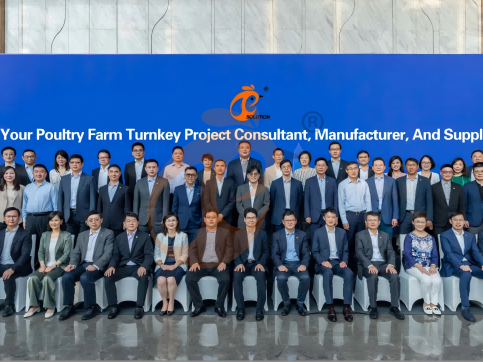
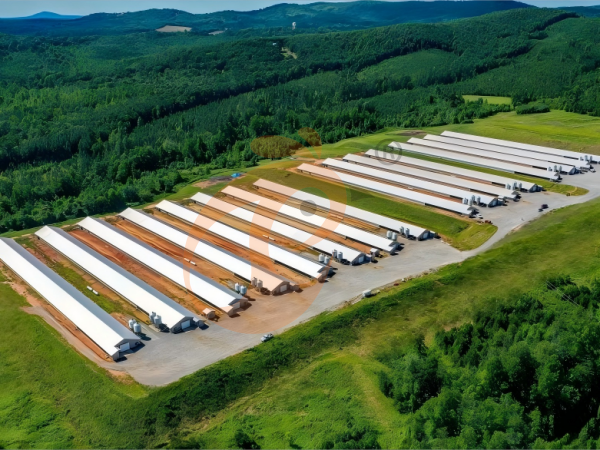
Hong Kong Headquarter Management Team
Hong Kong Headquarter Taiyu Industrial Group CO., LTD
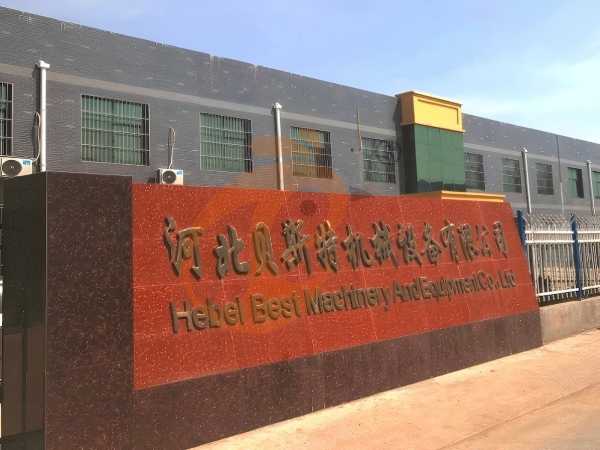
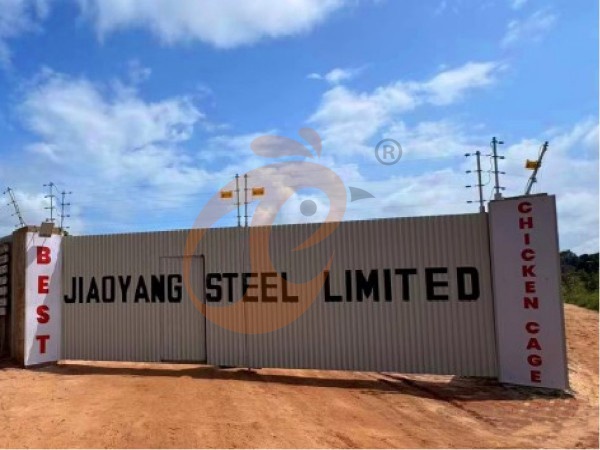
China Hebei Best Machinery And Equipment CO., LTD
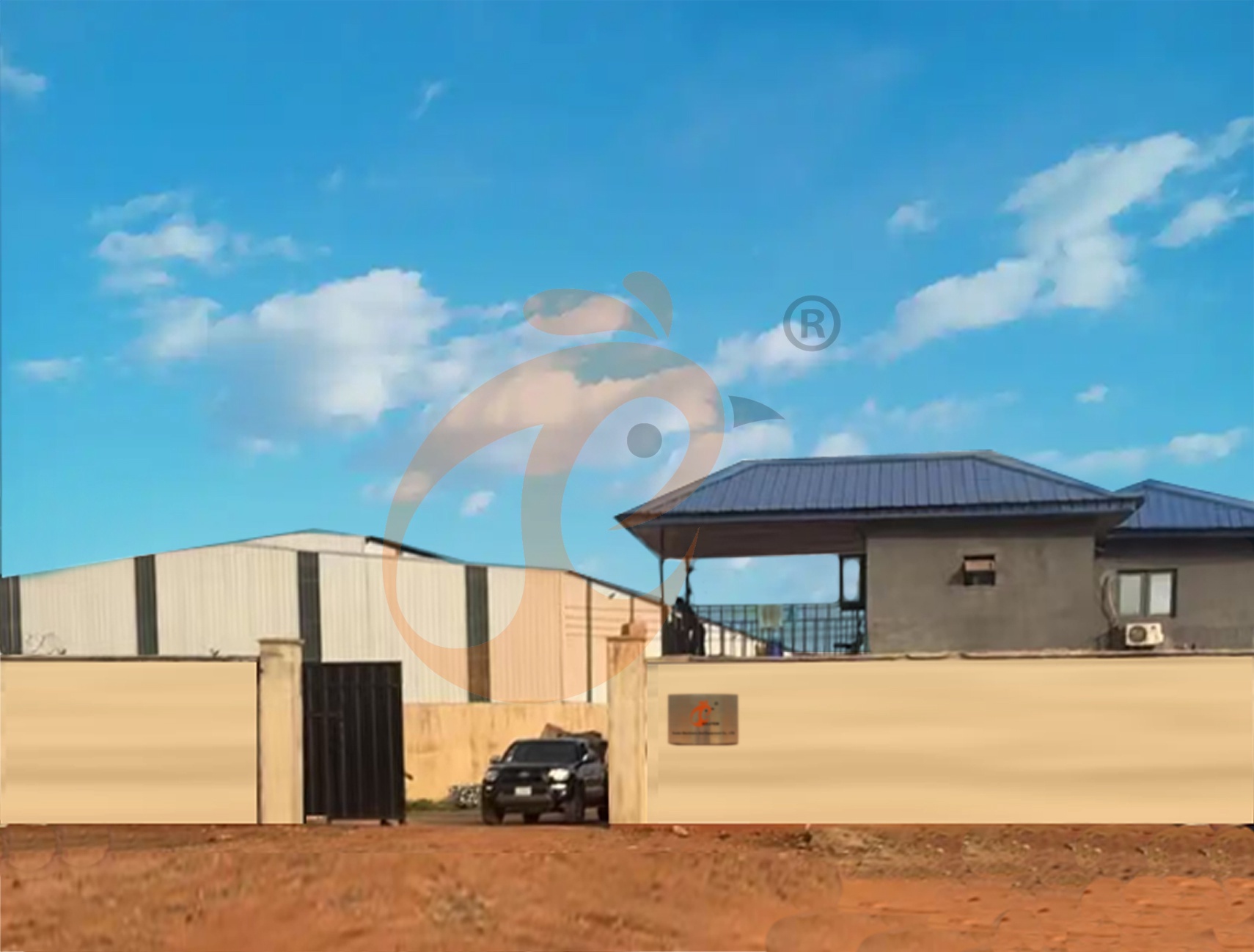
Nigeria Vanke Machinery And Equipment CO., LTD
Tanzania Best Machinery And Equipment CO., LTD
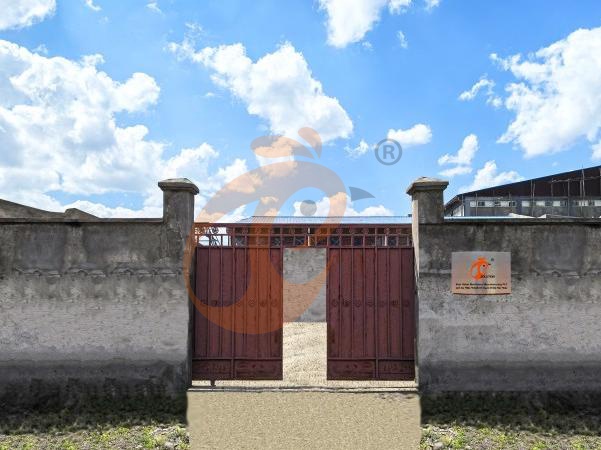
Ethiopia Best Hebei Machinery Manufacturing PLC




Reception /24 WhatsApp NO. : +8618830120193
FAQ
What Feeding System Standards Are Required For Pellet Machine In Poultry Chicken Feed Production Lines?
Feeder capacity is designed at 1.2–2.5 tons per hour depending on raw material density.
Flow consistency deviation is maintained within ±2% for uniform pellet quality output.
What Maintenance And Wear Part Replacement Standards Apply To Pellet Machine?
Bearing replacement intervals typically occur every 12–18 months under continuous operation.
Gearbox oil change frequency is maintained at 1000–1500 operating hours for system reliability.
What Safety Protection Systems Are Integrated In Pellet Machine For Poultry Chicken Feed Production?
Emergency stop response time is maintained within 0.5–1.0 seconds for operational safety.
Vibration monitoring limits are set at 4.5–6.0 mm/s to prevent mechanical failure.
- poultry farm
- poultry farms
- pellet machine
- cage
- poultry farm construction
- poultry equipment
- chickencage
- bestchickencage
- Nigeria
- chicken feed pellet machine
- pellet machine manufacturer
- pellet machine quotation
- poultry feed mill
- poultry farm plan
- poultry feed
- chicken feed
- poultry feed production
- Ethiopia
Message
Products recommended
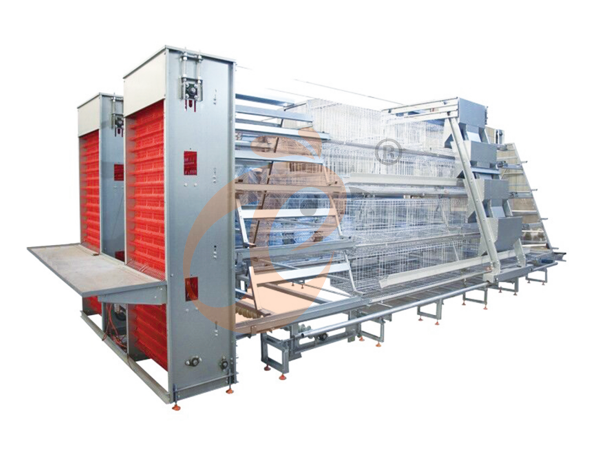
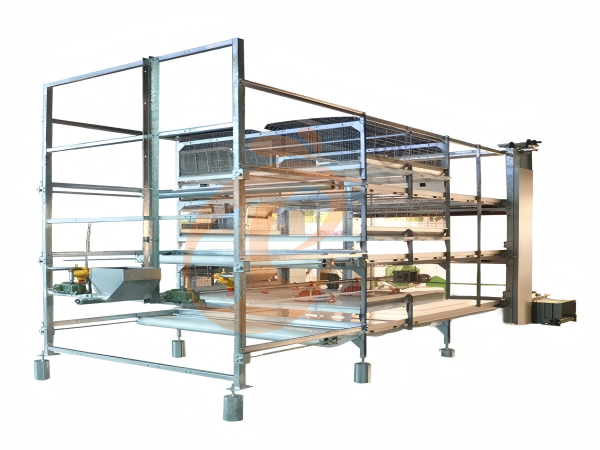
 >30,000 Pullets Automatic H Type Battery Cage1. More than 30,000 pullets a house, choose it.
2. It is designed to rearing older than 1 day old pullets to 12 to 16 weeks old chicken starting laying eggs.
3. Its lifespan is more than 25 years.
4. Its structure are Vcloud artificial intelligent fusion, electric control cabinet, automatic equipment of drinking, feeding, manure clean, manual harvesting.
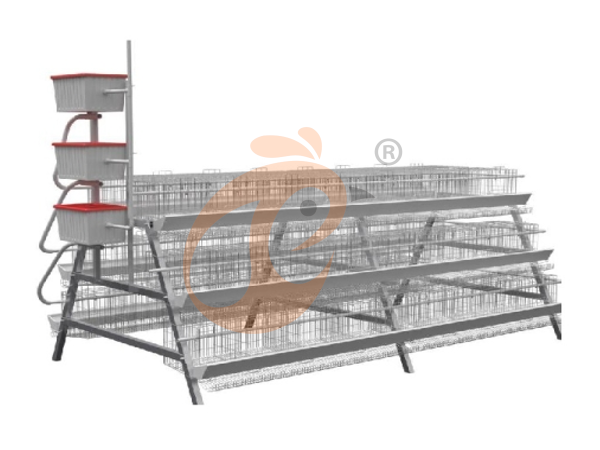
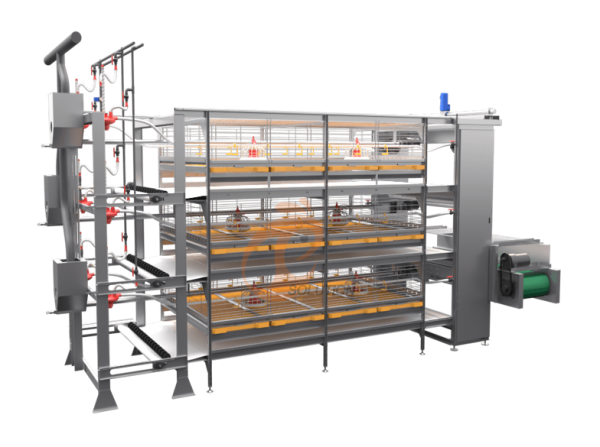
5. Our 24 hour online reception What’sApp NO. is +8618830120193 <30,000 Pullets Automatic A Type Battery Cage1. 10,000 to 30,000 pullets a house, choose it.
2. It is designed to rearing older than 1 day old pullets to 12 to 16 weeks old chicken starting laying eggs.
3. Its lifespan is more than 25 years.
4. Its structure are Vcloud artificial intelligent fusion, electric control cabinet, automatic equipment of drinking, feeding, manure clean, manual harvesting.
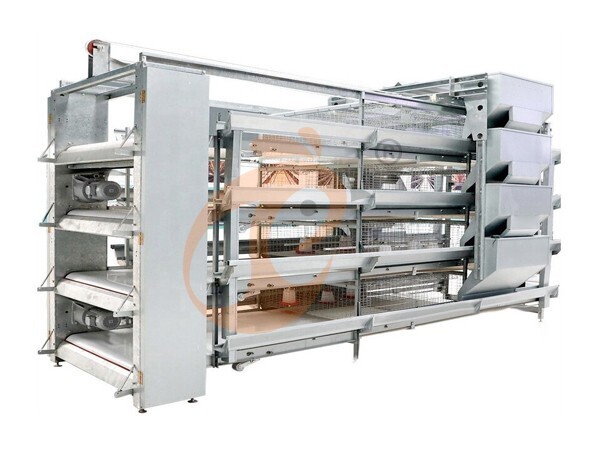
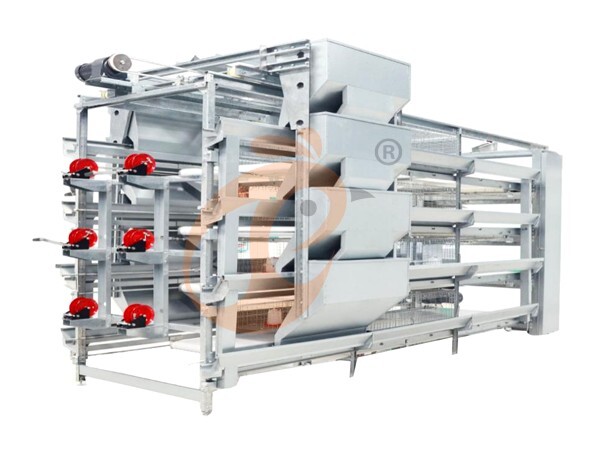
5. Our 24 hour online reception What’sApp NO. is +86 18830120193. >30,000 Broilers Semi-Automatic Harvest H Type Battery Cage1. More than 30,000 broilers a house, choose it.
2. It is designed to rearing 1 to 45 day old adult broiler ready for market.
3. Its lifespan is more than 20 years.
4. Our 24 hour online reception What’sApp NO. is +8618830120193, +234 8111199996. >30,000 Broilers Manual Harvest H Type Battery Cage1. More than 30,000 broilers a house, choose it.
2. It is designed to rearing 1 to 45 day old adult broiler ready for market.
3. Its lifespan is more than 20 years.
4. Its structure are Vcloud artificial intelligent fusion, electric control cabinet, automatic equipment of drinking, feeding and manure clean, manual harvesting.
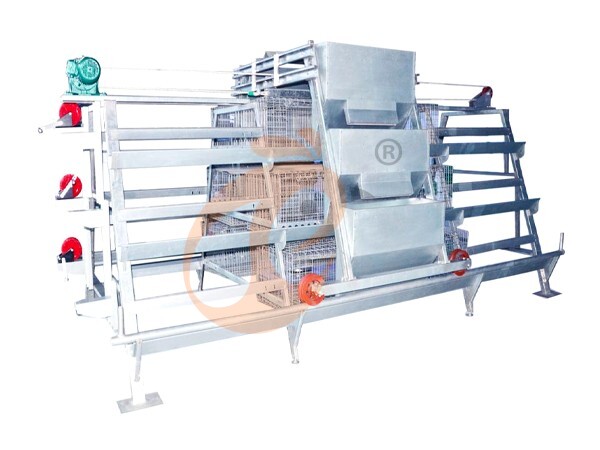
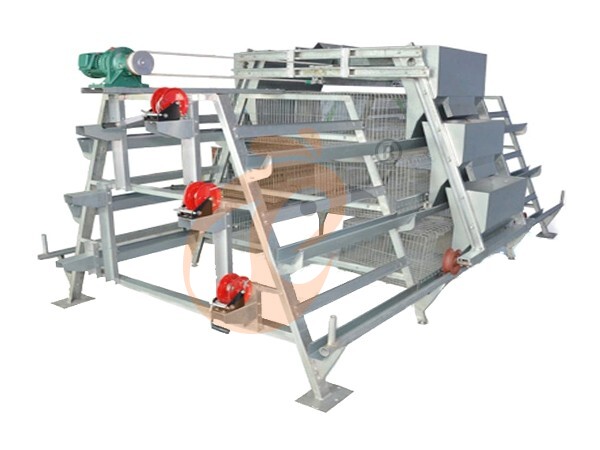
5. Our 24 hour online reception What’sApp NO. is +8618830120193, +234 8111199996. <30,000 Broilers Manual Harvest A Type Battery Cage1. Less 30,000 broilers a house, choose it.
2. It is designed to rearing 1 to 45 day old adult broiler ready for market.
3. Its lifespan is more than 20 years.
4. Its structure are Vcloud artificial intelligent fusion, electric control cabinet, automatic equipment of drinking, feeding and manure clean, manual harvesting.
5. Our 24 hour online reception What’sApp NO. is +8618830120193, +234 8111199996. HK Headquarter Offers EU-standard Poultry Farm Solutions, Manufacture Poultry Farm Equipment1. Continuous communication with the EU and the US
2. China, Nigeria, Ethiopia, Tanzania branch companies and factories
3. The products’ quality is customized for local poultry farms
4. Poultry cage and poultry farm equipment stock for sale
5. 24 online reception Whatsapp NO. : +8618830120193,contact us to get full information China Branch Offer Poultry Farm Business Plan, Manufacture Poultry Farm Equipment1. Address: Flat/RM 2416, 24/F, Runxing Building, Youyi Nan Street, Shijiazhuang City, Hebei Province, China
2. Poultry cage and poultry farm equipment factory and stock for sale
3. Customized for local poultry farms
4. Quality and design are based on Euro
5. 24 online reception Whatsapp NO. : +8618830120193 Nigeria Branch Offer Poultry Farm Business Plan, Manufacture Poultry Farm Equipment1. Address: After Sinoma Office, 200 Meters Near Danco Filling Station, Lagos/Ibadan Expressway, Lagos State, Nigeria
2. Poultry cage and poultry farm equipment factory and stock for sale
3. Customized for Nigerian poultry farms
4. Quality and design are based on Euro
5. 24 online reception Whatsapp NO. : +8618830120193 Ethiopia Branch Offer Poultry Farm Business Plan, Manufacture Poultry Farm Equipment1. Address: Gelan Gura, Akaki-kaliti Sub City, Addis Ababa, Ethiopia
2. Poultry cage and poultry farm equipment stock for sale
3. Customized for Ethiopian poultry farms
4. Quality and design are based on Euro
5. 24 online reception Whatsapp NO. : +8618830120193, contact us to get price list Tanzania Branch Offer Poultry Farm Business Plan, Manufacture Poultry Farm Equipment1. Address: No.8, Sova Road, Msufini, Mlandizi, Kibaha, Pwani, Tanzania
2. Poultry cage and poultry farm equipment factory and stock for sale
3. Customized for Tanzanian poultry farms
4. Quality and design are based on Euro
5. 24 online reception Whatsapp NO. : +8618830120193


Contact