


Blog
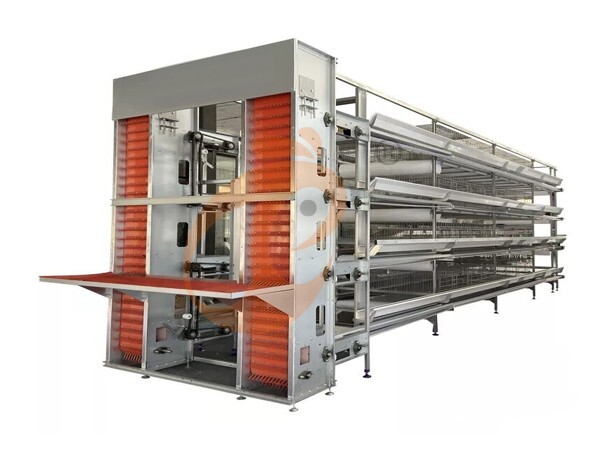
H type chicken cage solutions integrate automatic feeding, drinking, manure removal, and egg collection, with 4–16 cage tiers available for project-specific commercial layer housing.
Equipment configuration compares feeding speeds of 6–18 m/min, nipple spacing of 65–100 mm, and manure belt thicknesses of 1.0–1.5 mm.
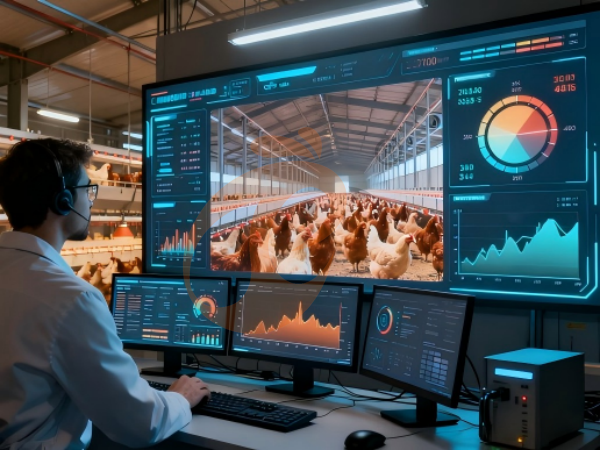
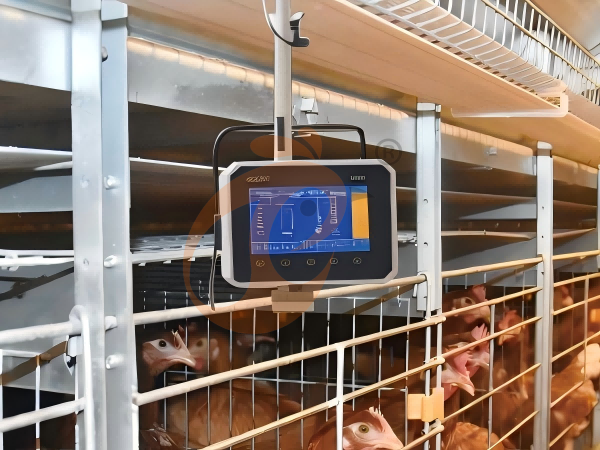
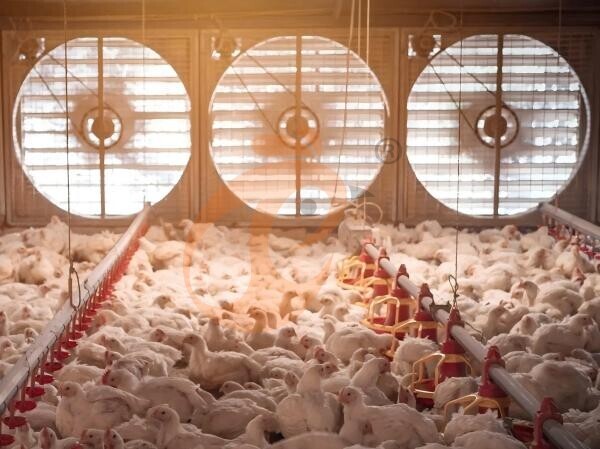
Automated poultry equipment coordinates feeding, waste handling, ventilation, and centralized controls, with illustrative fan capacities reaching 40,000 m³/h.
Financial planning evaluates initial investment, labor expenditure, energy consumption, maintenance costs, and depreciation periods ranging from 8–12 years.
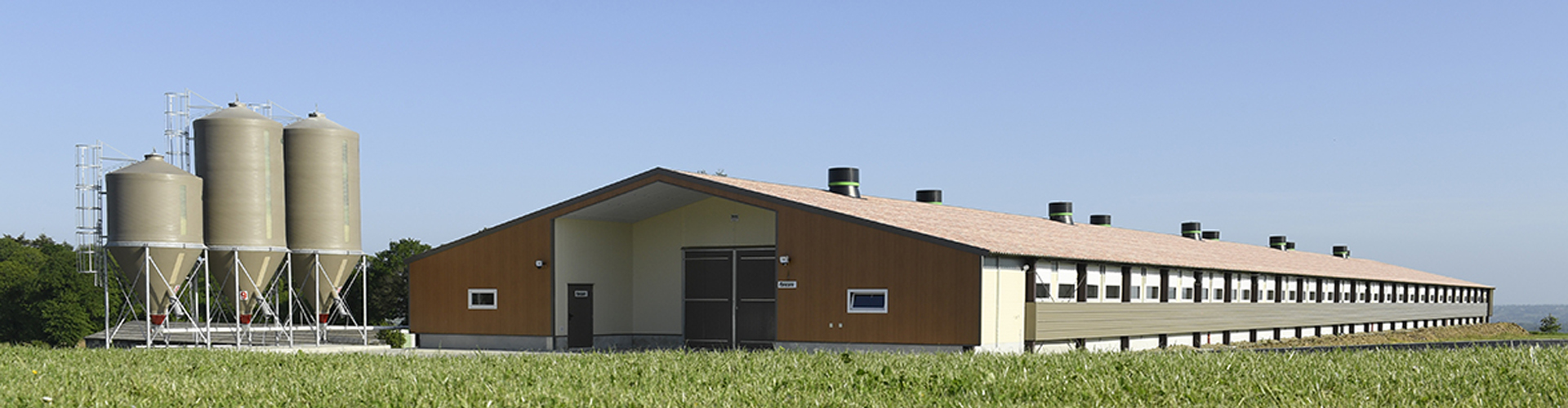
Turn-key project delivery covers requirement assessment, equipment manufacturing, installation, commissioning, operator training, and preventive maintenance for reliable long-term farm operations.
Get professional poultry farm construction guidance, equipment selection solutions, and the latest price lists, whatsApp to +8618830120193, click to learn more:
Why Choose Turnkey H Type Chicken Cage Solutions?
Turnkey H type chicken cage solutions integrate housing, feeding, drinking, manure removal, egg collection, and environmental control equipment into one coordinated project.
Instead of purchasing individual machines from multiple suppliers, poultry producers can obtain a customized package designed around production goals.
With a planned service life of 15 years as a preliminary budgeting assumption, equipment compatibility and maintainability become critical investment considerations.
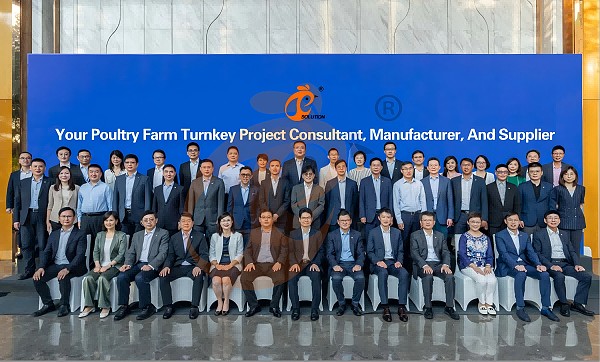
As a professional poultry equipment supplier, we provide integrated solutions for commercial layer farms, helping customers simplify procurement, installation, and daily operation.
Equipment Investment Comparison
Data is for reference only.Swipe horizontally to view full table.
These configurations are illustrative engineering options, not universal specifications.
Actual equipment parameters should be confirmed against bird requirements, building geometry, applicable standards, and project quotations.
Engineering Highlights For Space Utilization
Engineering Point 1 — Multitier Cage Structure
H type chicken cage systems use vertically arranged tiers to make efficient use of poultry house space.
Properly engineered structures support organized flock management while maintaining access for inspection and routine maintenance.
Engineering Point 2 — Integrated Equipment Layout
Automatic chicken feeding systems, drinking lines, manure belts, and egg collection machinery are planned as a coordinated system.
This approach reduces layout conflicts and helps technicians establish clear maintenance routes.
Engineering Point 3 — Automated Operation
Automatic poultry equipment reduces repetitive manual work.
Farm employees can focus on flock observation, equipment inspection, and production management rather than routine material handling.
Engineering Point 4 — Project-Specific Engineering
Our engineers assess building dimensions, local climate, bird characteristics, and operational requirements before finalizing the equipment layout.
A preliminary airflow design may target 0.5 m/s at bird level under suitable conditions, subject to climate and flock requirements.
Labor Cost Comparison
Data is for reference only.Swipe horizontally to view full table.
The labor indices use manual management as a baseline of 100 and represent illustrative planning assumptions, not guaranteed industry results.
Actual performance depends on flock size, facility design, staffing arrangements, and management practices.
Automatic chicken feeding systems and manure removal equipment can reduce repetitive handling, while trained personnel remain essential for flock health, equipment maintenance, and production control.
Equipment Combination Recommendations
For commercial layer farms, selecting a coordinated turnkey H type chicken cage package is generally more practical than comparing cage prices alone.
Our equipment specialists can configure systems around project objectives and operating conditions.
Data is for reference only.Swipe horizontally to view full table.
The values above are indicative equipment-selection examples.
Final motor ratings, throughput, and electrical requirements must be verified against supplier specifications and local power standards.
Installation And Commissioning Process
A structured installation process helps control project schedules and reduce avoidable rework when implementing turnkey H type chicken cage solutions.
Step 1 — Farm Requirement Assessment
Confirm production objectives, flock management plans, building dimensions, and available utilities.
Step 2 — Equipment Configuration
Prepare the cage layout and select compatible automatic chicken feeding systems, drinking equipment, manure removal machinery, egg collection conveyors, and climate control equipment.
Step 3 — Manufacturing And Delivery
Arrange production, quality checks, packaging, and shipment according to the approved project schedule.
Step 4 — Installation And Commissioning
Assemble the cage structures, connect mechanical systems, verify electrical connections, and test equipment operation.
A preliminary commissioning checklist can include 30 inspection points, adjusted to the final system scope.
Step 5 — Operator Training
Train employees in equipment operation, safety, cleaning, and troubleshooting.
Step 6 — Production Preparation
Verify system performance before introducing birds, documenting test results and outstanding corrective actions.
Initial Investment And Operating Cost Analysis
Data is for reference only.Swipe horizontally to view full table.
These figures are hypothetical comparison inputs, not supplier quotations or predicted returns.
The five-year cost index requires project-specific validation and should not be interpreted as a guaranteed saving.
Buyers should evaluate total ownership costs, including installation, electricity, maintenance, spare parts, financing, and equipment replacement.
European union standard reference only.
Tips Card For Maximizing Equipment Value
TIP 1 — Match Capacity To Production Targets
Plan for realistic growth without purchasing unnecessary machinery.
A 10% expansion allowance may be considered during preliminary budgeting when future demand is reasonably predictable.
TIP 2 — Prioritize System Compatibility
Confirm that mechanical interfaces, electrical controls, and operating sequences are designed to work together.
TIP 3 — Design For Maintenance Access
Provide suitable inspection and repair space around moving components, motors, and service points.
TIP 4 — Select Durable Components
Compare corrosion protection, component quality, warranty coverage, and spare-parts availability before purchasing.
TIP 5 — Measure Operating Performance
Review production and maintenance records monthly to identify inefficiencies and prioritize improvements.
Professional equipment planning helps turn poultry farm automation into a measurable operational strategy rather than an isolated machinery purchase.
Egg Collection Efficiency Comparison
Data is for reference only.Swipe horizontally to view full table.
These parameters are illustrative engineering targets.
Actual conveyor speeds, transfer geometry, and counting accuracy must be matched to the selected equipment and egg-handling requirements.
Automatic egg collection systems move eggs toward designated collection points, helping standardize workflow and reduce repetitive handling.
Correct alignment, gentle transfer, and routine inspection are essential for minimizing breakage.
Maintenance And Long-Term Reliability
Data is for reference only.Swipe horizontally to view full table.
Intervals are starting recommendations only; dusty, humid, or high-temperature environments may require more frequent inspections.
Manufacturer instructions and site risk assessments should take priority.
Preventive maintenance reduces the risk of unexpected failures and helps farm managers plan labor and spare-parts purchases.
Maintain records of inspections, repairs, and component replacements to identify recurring problems.
Choosing A Reliable Turnkey Poultry Equipment Supplier
Data is for reference only.Swipe horizontally to view full table.
These are suggested purchasing benchmarks, not universal supplier commitments.
Buyers should negotiate achievable service levels and confirm them in writing.
A reliable manufacturer should provide clear technical specifications, transparent commercial terms, suitable equipment documentation, and responsive after-sales support.
Before ordering, request layout drawings, an itemized quotation, delivery terms, and a defined scope of installation services.
Build A More Efficient Poultry Farm With A Turnkey Solution
Turnkey H type chicken cage solutions help poultry producers coordinate equipment purchasing, streamline installation, reduce repetitive labor, and establish a more organized production workflow.
The right system depends on production targets, building design, climate, staffing costs, energy prices, and local regulations.
Careful engineering and equipment selection are essential to achieving sustainable operating efficiency.
Looking for a Turnkey H type chicken cage solution for your poultry farm?
Our poultry equipment team can develop a customized proposal covering cage systems, automatic chicken feeding systems, nipple drinking systems, manure removal equipment, egg collection machinery, and environmental control solutions.
Send us your planned bird capacity, poultry house dimensions, project location, and preferred automation level.
We will help you evaluate suitable equipment combinations, technical requirements, and investment options for your commercial poultry project.
Frequently Asked Questions
Q1: What equipment is included in a turnkey H type chicken cage solution?
A typical turnkey H type chicken cage project includes cage structures, automatic feeding systems, drinking lines, manure conveyors, egg collection equipment, and optional environmental control systems.
Final specifications depend on flock capacity, building layout, and automation requirements.
Q2: How can automatic chicken feeding systems reduce operating costs?
Automatic chicken feeding systems reduce repetitive manual feed distribution and improve delivery consistency.
Actual savings depend on labor costs, feed management, maintenance, and system utilization.
Q3: How often should poultry manure removal equipment be inspected?
Daily visual checks and scheduled technical inspections help identify belt misalignment, abnormal vibration, and drive-system wear.
A preliminary maintenance schedule may include detailed belt inspections every 7 days, subject to manufacturer recommendations.
Taiyu (HK) Group - One Of China's Toppest H Type Chicken Cage Manufacturer
Turnkey H type chicken cage solutions integrate cage structures, automatic feeding, nipple drinking, manure removal, and egg collection for commercial layer houses with project capacities of 50,000–100,000 birds.
Global factory-direct poultry equipment supply coordinates manufacturing, quality inspection, and shipment planning for projects requiring 6–12 equipment categories and consolidated procurement schedules.
Turn-key poultry farm engineering covers building measurements, equipment arrangement, electrical coordination, and ventilation planning, with commissioning schedules targeting 15–30 days after site readiness.
Integrated poultry equipment packages support automatic feeding, manure conveyors, and egg collection across 4–8 cage rows, with centralized control cabinets coordinating multiple operating circuits.
International project delivery combines customized technical drawings, installation supervision, operator training, and spare-parts planning, with 24–72-hour initial technical response targets available for contractual discussion.
Contact Us To Received Your Customized Poultry Farm Plan
Headquarters And Branchs

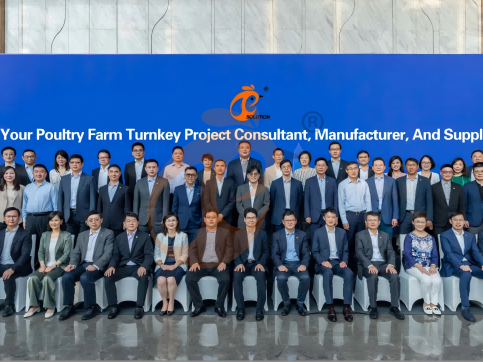
Hong Kong Headquarter Management Team
Hong Kong Headquarter Taiyu Industrial Group CO., LTD
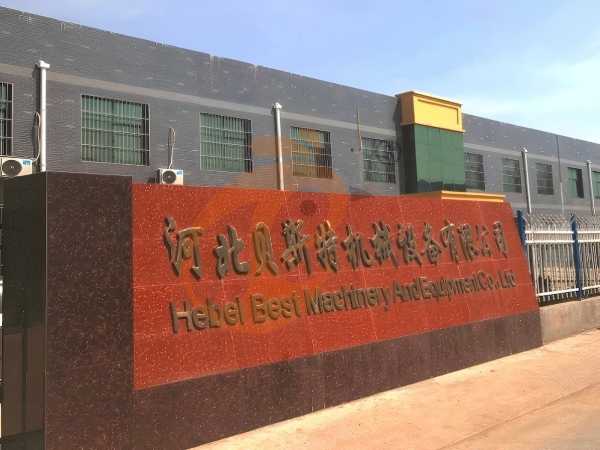
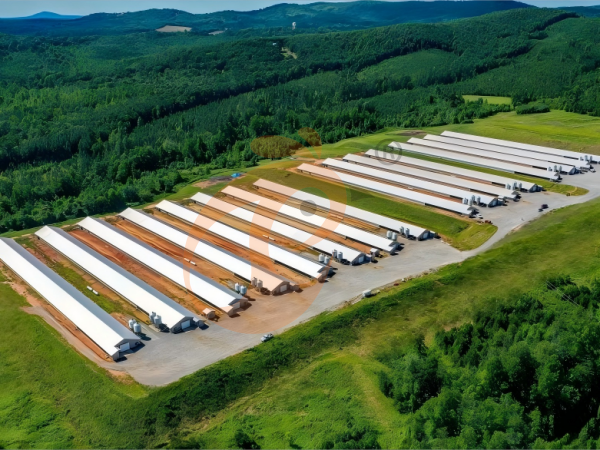
China Hebei Best Machinery And Equipment CO., LTD
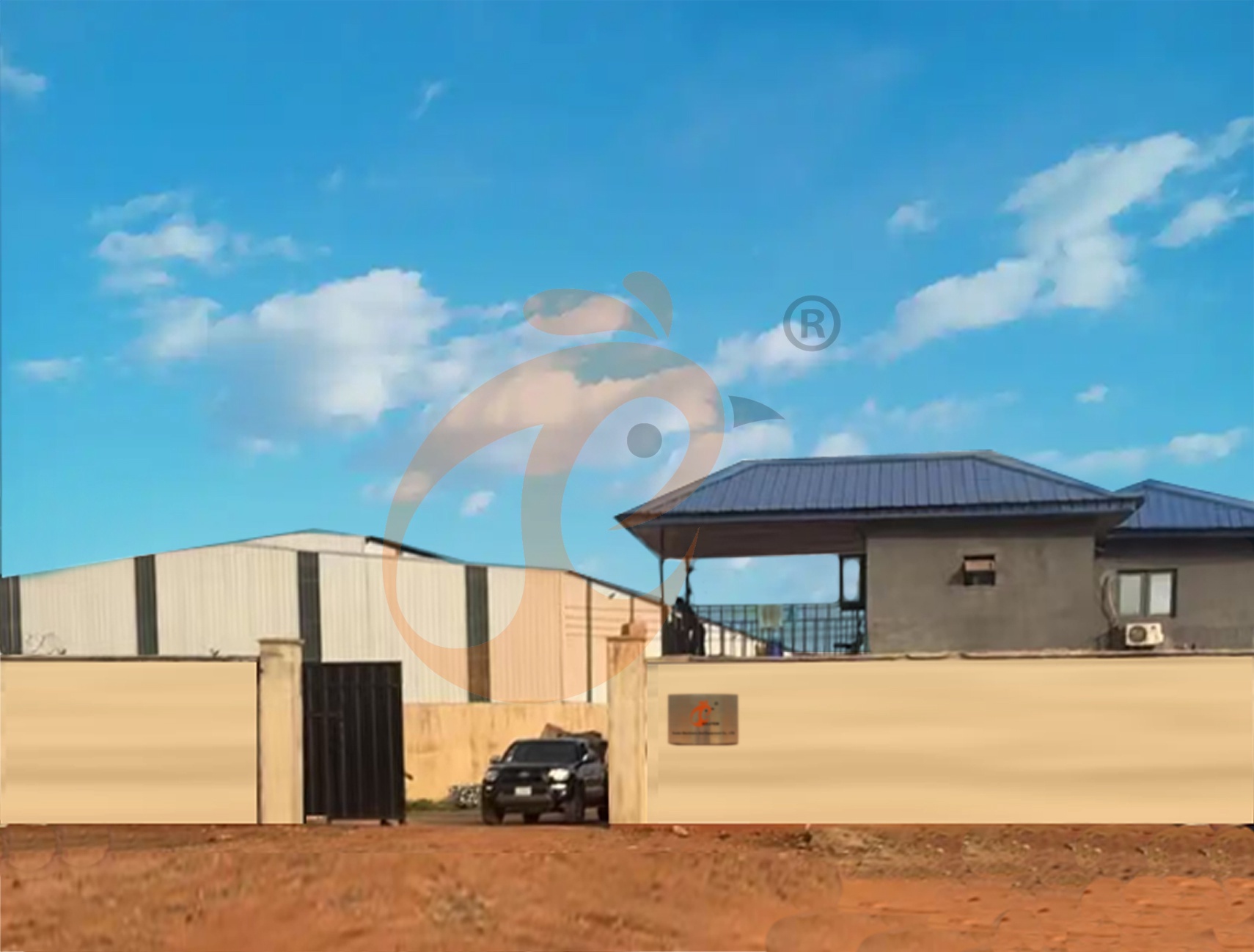
Nigeria Vanke Machinery And Equipment CO., LTD
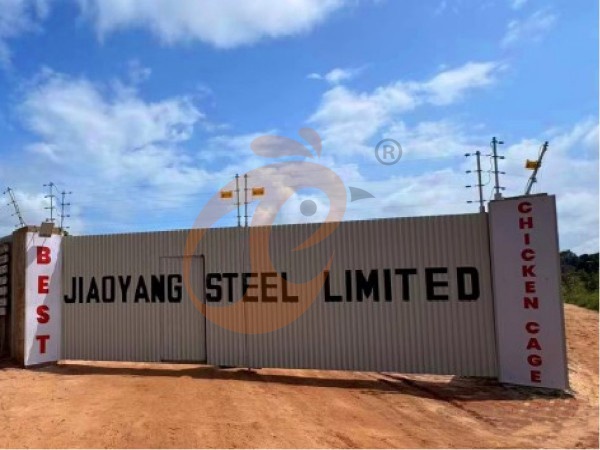
Tanzania Best Machinery And Equipment CO., LTD
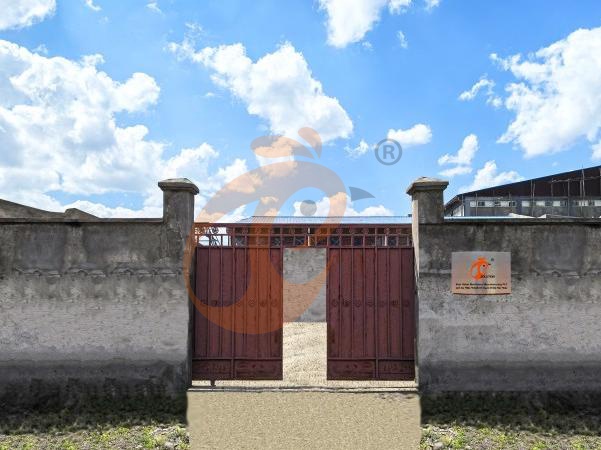
Ethiopia Best Hebei Machinery Manufacturing PLC




Reception /24 WhatsApp NO. : +8618830120193
FAQ
How To Implement Biosecurity Measures In H-Type Battery Cage Farm?
Restrict access to outsiders
Isolate sick birds
Mortality rate: 2–3%
Egg production rate: 90-98%
What Is The Average Feed Cost Per Bird In H-Type Layer Cage?
FCR 1.9–2.1
Feed cost: $0.15–0.20 per bird per day
Daily egg yield: 900–980 eggs/1,000 birds
Labor savings: 70-90%
How To Prevent Cannibalism In H-Type Poultry Cage System?
Provide sufficient feed and water
Install anti-pecking devices
Egg production rate: 90-98%
Mortality rate <3%
- poultry farm
- chicken cage
- poultry house
- cage
- poultry farm construction
- poultry farm automation
- chicken cage manufacturer
- chicken cage system
- automatic feeding system
- poultry equipment
- manure removal system
- automatic manure removal system
- manure removal equipment
- poultry manure removal equipment
- egg collection system
- egg collection equipment
- automatic egg collection system
- h type chicken cage
- chickencage
- bestchickencage
- cage system
- h type
- cage systems
- Nigeria
- layer farm
- poultry equipment supplier
- automated poultry equipment
- automatic chicken feeding system
- chicken feeding system
- cage manufacturer
- poultry manure removal
- manure removal machine
- automatic egg collection
- egg collection machine
- egg collection conveyor
- chicken cage solution
- poultry farm plan
- chicken feed
- Ethiopia
Message
Products recommended
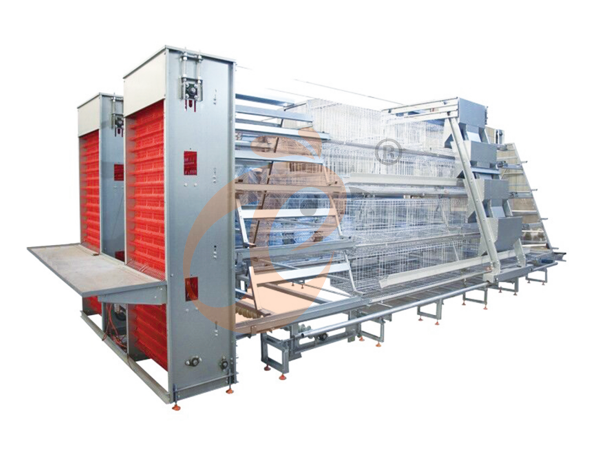
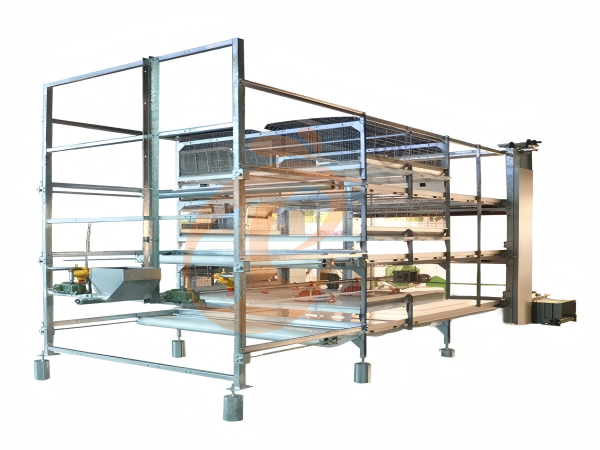
 >30,000 Pullets Automatic H Type Battery Cage1. More than 30,000 pullets a house, choose it.
2. It is designed to rearing older than 1 day old pullets to 12 to 16 weeks old chicken starting laying eggs.
3. Its lifespan is more than 25 years.
4. Its structure are Vcloud artificial intelligent fusion, electric control cabinet, automatic equipment of drinking, feeding, manure clean, manual harvesting.
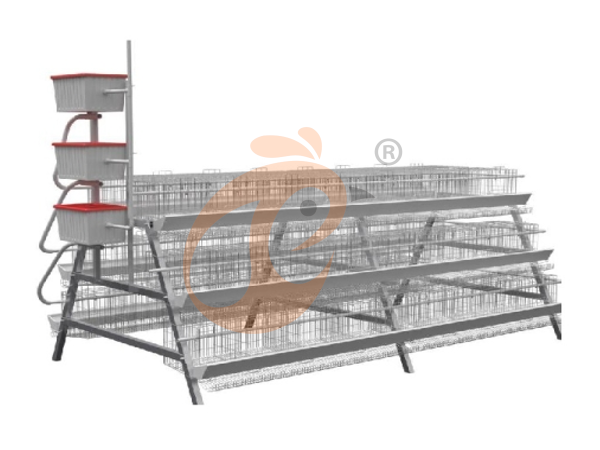
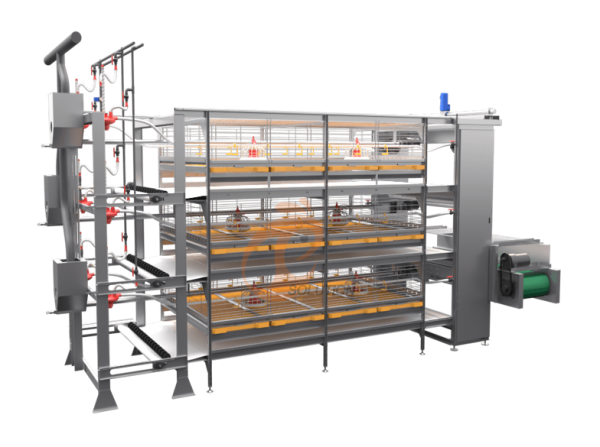
5. Our 24 hour online reception What’sApp NO. is +8618830120193 <30,000 Pullets Automatic A Type Battery Cage1. 10,000 to 30,000 pullets a house, choose it.
2. It is designed to rearing older than 1 day old pullets to 12 to 16 weeks old chicken starting laying eggs.
3. Its lifespan is more than 25 years.
4. Its structure are Vcloud artificial intelligent fusion, electric control cabinet, automatic equipment of drinking, feeding, manure clean, manual harvesting.
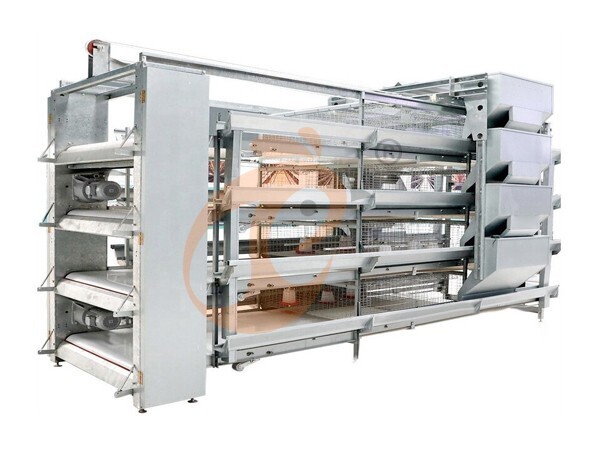
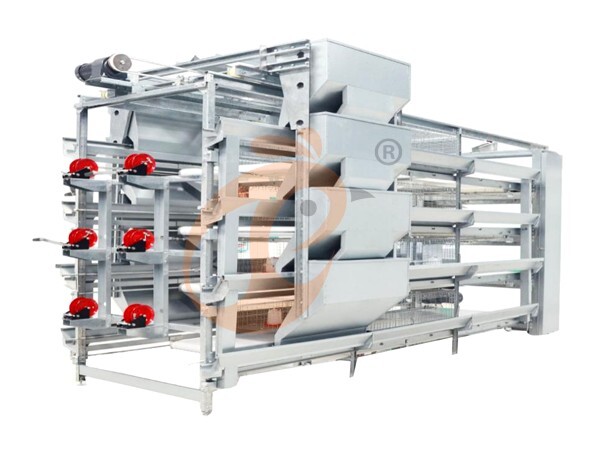
5. Our 24 hour online reception What’sApp NO. is +86 18830120193. >30,000 Broilers Semi-Automatic Harvest H Type Battery Cage1. More than 30,000 broilers a house, choose it.
2. It is designed to rearing 1 to 45 day old adult broiler ready for market.
3. Its lifespan is more than 20 years.
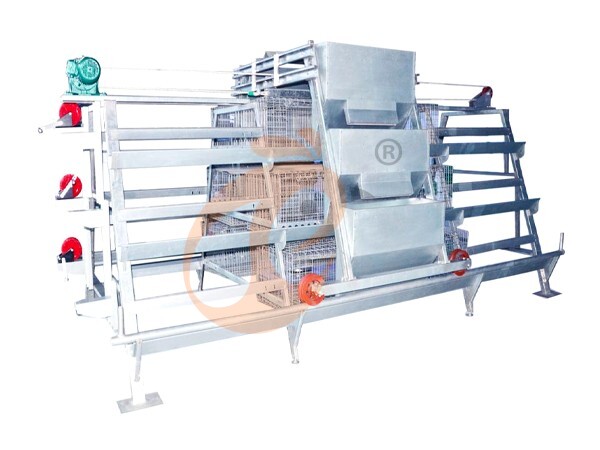
4. Our 24 hour online reception What’sApp NO. is +8618830120193, +234 8111199996. >30,000 Broilers Manual Harvest H Type Battery Cage1. More than 30,000 broilers a house, choose it.
2. It is designed to rearing 1 to 45 day old adult broiler ready for market.
3. Its lifespan is more than 20 years.
4. Its structure are Vcloud artificial intelligent fusion, electric control cabinet, automatic equipment of drinking, feeding and manure clean, manual harvesting.
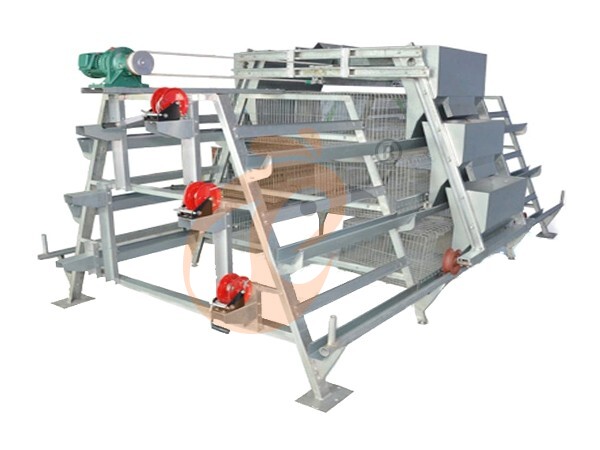
5. Our 24 hour online reception What’sApp NO. is +8618830120193, +234 8111199996. <30,000 Broilers Manual Harvest A Type Battery Cage1. Less 30,000 broilers a house, choose it.
2. It is designed to rearing 1 to 45 day old adult broiler ready for market.
3. Its lifespan is more than 20 years.
4. Its structure are Vcloud artificial intelligent fusion, electric control cabinet, automatic equipment of drinking, feeding and manure clean, manual harvesting.
5. Our 24 hour online reception What’sApp NO. is +8618830120193, +234 8111199996. HK Headquarter Offers EU-standard Poultry Farm Solutions, Manufacture Poultry Farm Equipment1. Continuous communication with the EU and the US
2. China, Nigeria, Ethiopia, Tanzania branch companies and factories
3. The products’ quality is customized for local poultry farms
4. Poultry cage and poultry farm equipment stock for sale
5. 24 online reception Whatsapp NO. : +8618830120193,contact us to get full information China Branch Offer Poultry Farm Business Plan, Manufacture Poultry Farm Equipment1. Address: Flat/RM 2416, 24/F, Runxing Building, Youyi Nan Street, Shijiazhuang City, Hebei Province, China
2. Poultry cage and poultry farm equipment factory and stock for sale
3. Customized for local poultry farms
4. Quality and design are based on Euro
5. 24 online reception Whatsapp NO. : +8618830120193 Nigeria Branch Offer Poultry Farm Business Plan, Manufacture Poultry Farm Equipment1. Address: After Sinoma Office, 200 Meters Near Danco Filling Station, Lagos/Ibadan Expressway, Lagos State, Nigeria
2. Poultry cage and poultry farm equipment factory and stock for sale
3. Customized for Nigerian poultry farms
4. Quality and design are based on Euro
5. 24 online reception Whatsapp NO. : +8618830120193 Ethiopia Branch Offer Poultry Farm Business Plan, Manufacture Poultry Farm Equipment1. Address: Gelan Gura, Akaki-kaliti Sub City, Addis Ababa, Ethiopia
2. Poultry cage and poultry farm equipment stock for sale
3. Customized for Ethiopian poultry farms
4. Quality and design are based on Euro
5. 24 online reception Whatsapp NO. : +8618830120193, contact us to get price list Tanzania Branch Offer Poultry Farm Business Plan, Manufacture Poultry Farm Equipment1. Address: No.8, Sova Road, Msufini, Mlandizi, Kibaha, Pwani, Tanzania
2. Poultry cage and poultry farm equipment factory and stock for sale
3. Customized for Tanzanian poultry farms
4. Quality and design are based on Euro
5. 24 online reception Whatsapp NO. : +8618830120193


Contact