


Blog
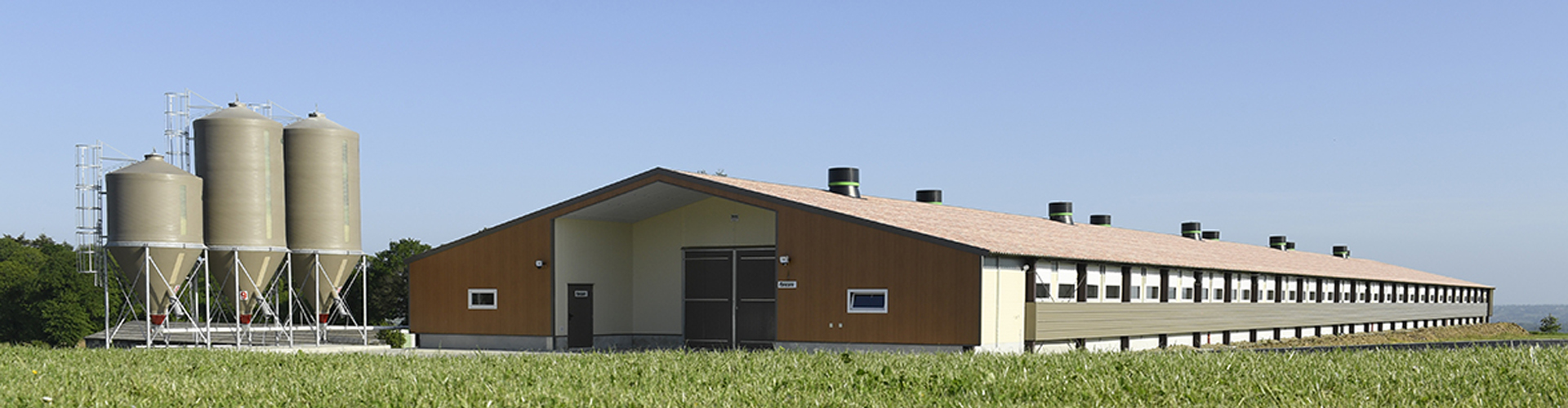
A type poultry cage system supports commercial egg production across diverse African and Asian climates, with configurations designed around flock capacity, airflow, humidity, feeding efficiency, and reliable daily management for farms targeting 5,000–50,000 laying hens.
Automatic poultry feeding systems improve feed distribution, while nipple drinking systems support consistent water delivery under demanding tropical conditions.
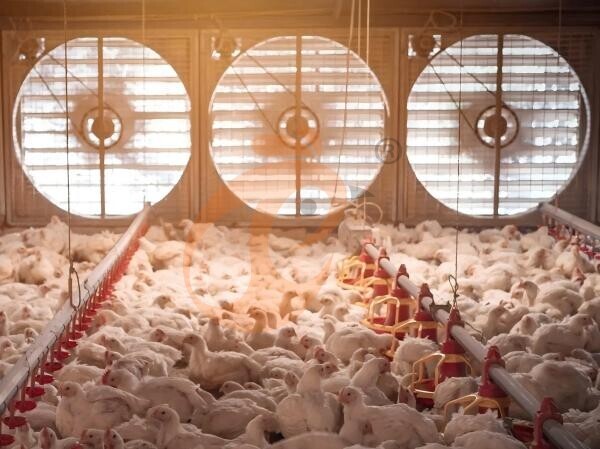
Poultry house ventilation equipment helps manage heat, humidity, and airflow, especially when temperatures approach 40°C during seasonal peaks.
Galvanized poultry cages, manure removal systems, and coordinated installation planning help address corrosion, moisture, labor requirements, and operational reliability across different production environments.
- Selecting integrated poultry equipment according to local engineering conditions supports scalable farm development, practical maintenance, and long-term investment planning for commercial egg businesses.
Get professional poultry farm construction guidance, equipment selection solutions, and the latest price lists, whatsApp to +8618830120193, click to learn more:
Why Climate Matters When Choosing An A Type Poultry Cage System
Africa and Asia offer significant opportunities for commercial egg production, but climate conditions directly influence poultry health, egg output, feed efficiency, and equipment performance.
Choosing the right A type poultry cage system is therefore an important investment decision for poultry farmers.
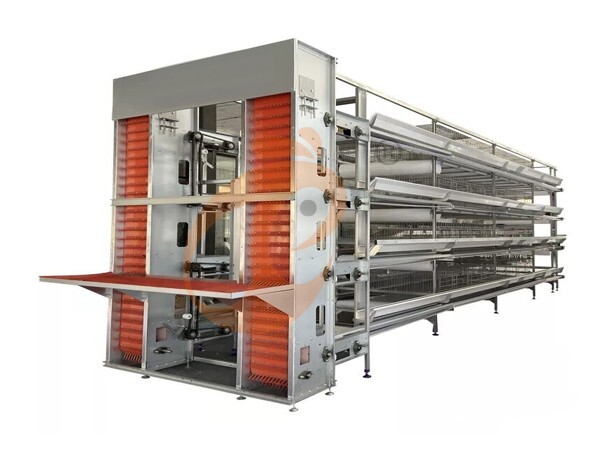
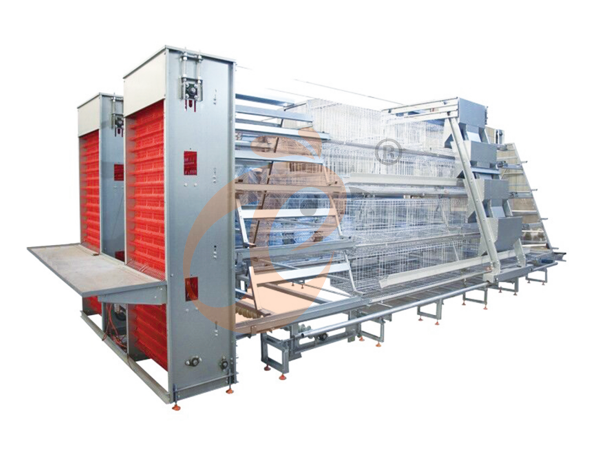
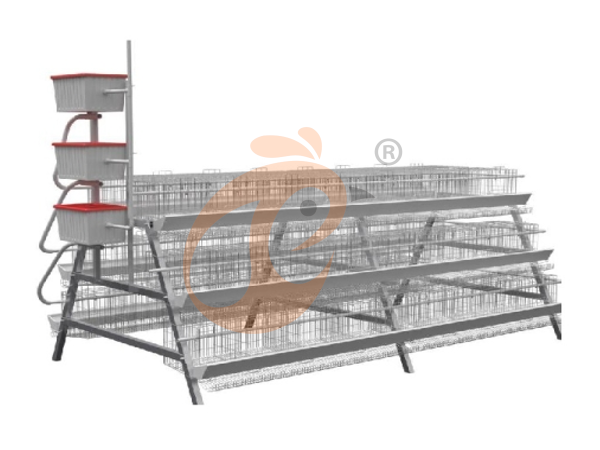
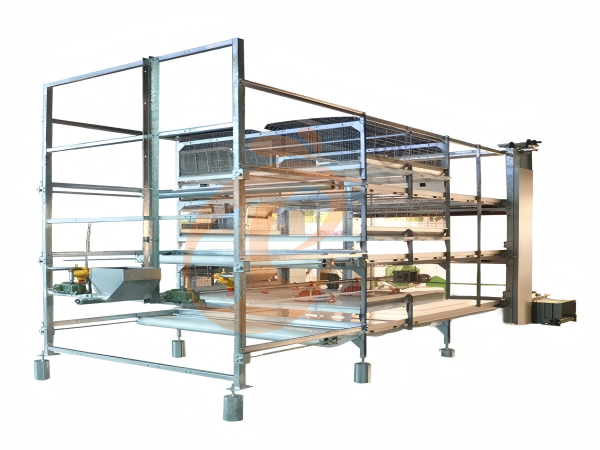
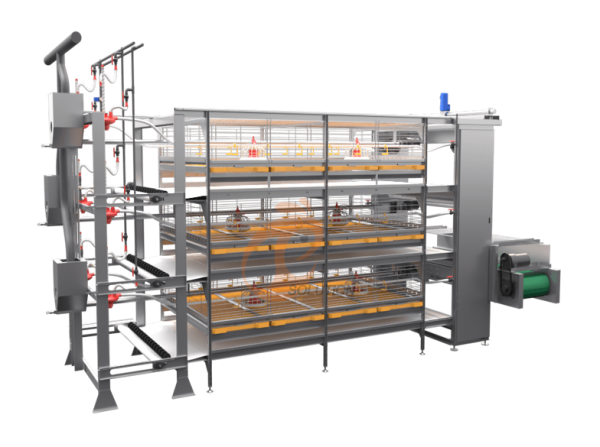
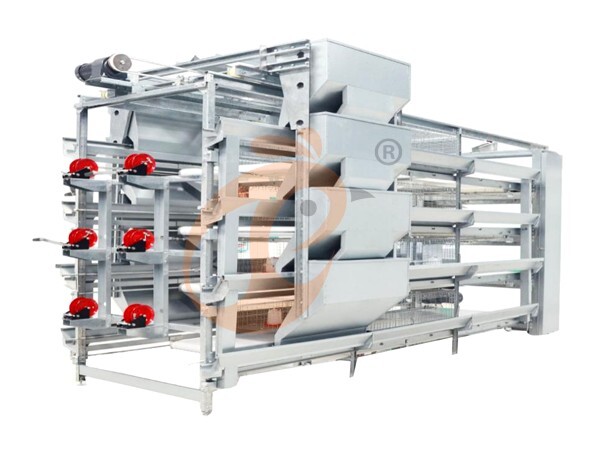
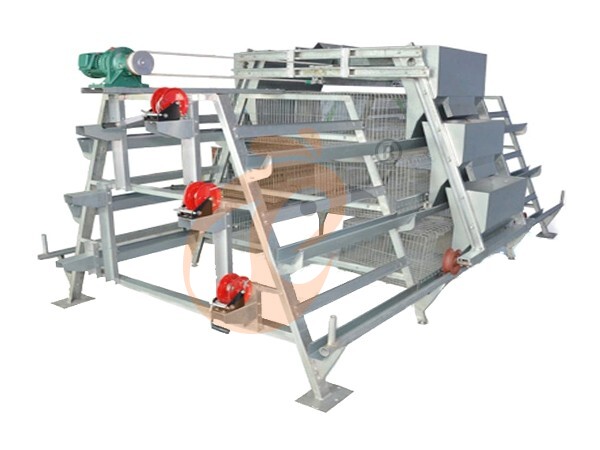
An A-type cage system features a practical, tiered structure designed to support feeding, drinking, and egg collection, with project capacities commonly planned around 5,000–50,000 laying hens.
For farms seeking reliable poultry equipment, the ideal solution should match local environmental conditions, water availability, and farm size.
A properly planned installation can simplify daily management across commercial poultry operations.
As a professional poultry equipment supplier, we recommend evaluating five climate-based factors before purchasing an A-type cage system.
Climate Comparison: Africa Vs. Asia
Data is for reference only.Swipe horizontally to view full table.
Climate conditions vary considerably within both continents.
These figures are preliminary planning references, not universal design requirements; actual equipment specifications should reflect local weather records and farm engineering calculations.
Tip One: Prioritize Ventilation In Hot Climates
Engineering Focus: Heat Removal And Airflow
High temperatures can reduce feed intake and negatively affect laying performance.
In hot regions, an A type poultry cage system should be integrated into a poultry house with effective ventilation and suitable stocking density.
Key engineering considerations include
Air Circulation: Position cage rows to support consistent airflow throughout the poultry house.
Roof Insulation: Consider insulation with thermal conductivity of approximately 0.020–0.040 W/m·K.
Ventilation Equipment: Select exhaust fans with suitable performance curves and verified static-pressure ratings.
- House Layout: Maintain accessible service passages, ideally 0.8–1.2 m wide where the design permits.
A well-designed cage structure alone cannot eliminate heat stress.
Combining durable A-type cages with appropriately selected poultry house ventilation equipment creates a more complete production solution.
Ventilation Equipment Selection Guide
Data is for reference only.Swipe horizontally to view full table.
The final fan capacity and layout should be calculated according to house dimensions, bird numbers, local climate, and required ventilation rates.
Properly integrated poultry ventilation equipment helps maintain environmental control without relying on cage design alone.
Tip Two: Choose Materials That Resist Humidity And Corrosion
Climate Challenge: High humidity, condensation, and moisture.
Tropical Africa and much of Southeast Asia experience periods of high humidity.
Moisture can accelerate corrosion, especially when A type poultry cage system components are exposed to manure, cleaning water, and aggressive poultry-house conditions.
When comparing A-type cages, evaluate wire quality, surface treatment, frame strength, and manufacturing consistency.
Ask suppliers for coating thickness, material grades, and corrosion-resistance documentation.
Look for galvanized poultry cages or other corrosion-resistant components.
A protective zinc coating of approximately 275 g/m² can serve as a comparison benchmark for certain galvanized products, subject to wire specifications and applicable standards.
A durable cage system can help reduce premature replacement and maintenance expenses.
Actual service life depends on material quality, installation, cleaning practices, and the farm environment.
Material And Maintenance Comparison
Data is for reference only.Swipe horizontally to view full table.
For humid environments, request technical specifications before ordering.
Comparing the complete A type poultry cage system package is more useful than choosing equipment based only on its initial price.
Tip Three: Adapt Feeding And Drinking Systems To Local Conditions
Practical Technique Card
Problem: Heat, dust, and inconsistent water availability can complicate poultry management.
Equipment Solution: Pair the A type poultry cage system with appropriately designed automatic poultry feeding systems and nipple drinking equipment.
Feeding Recommendations
Select feed troughs that support even feed distribution.
Choose a feeding arrangement suited to cage dimensions and flock size.
- Consider dust control and regular trough cleaning in dry regions.
Drinking Recommendations
Use suitable nipple drinkers and reliable water pipes.
Install filtration where water quality requires it.
Provide pressure regulation and inspect for leaks.
- Ensure sufficient water availability during hot weather.
Business Value: Automatic feeding and drinking equipment can reduce repetitive manual work, improve consistency, and support more efficient labor allocation.
For farms with unreliable water or electricity, discuss backup arrangements before purchasing a fully automated poultry equipment package.
Feeding And Drinking Equipment Comparison
Data is for reference only.Swipe horizontally to view full table.
Equipment capacity should match the expected flock size.
Proper installation, water pressure adjustment, and routine inspection remain essential for reliable operation.
Tip Four: Plan For Rainfall, Drainage, And Manure Management
Process Structure: From Installation To Daily Operation
A suitable A type poultry cage system should be part of a complete poultry-house design, not an isolated purchase.
Step 1: Assess The Site. Check seasonal rainfall, groundwater conditions, roof drainage, and flood risk.
Step 2: Prepare The Building. Provide a stable floor, adequate drainage, and suitable protection against rain entering the house.
Step 3: Install The Cages. Align cage rows correctly and preserve access for feeding, inspection, and maintenance.
Step 4: Connect Auxiliary Systems. Integrate drinking lines, feeding equipment, lighting, and the selected manure-handling solution.
Step 5: Test Before Stocking. Check water delivery, feed distribution, structural stability, drainage, and equipment operation.
In humid climates, effective poultry manure removal and moisture control are especially important.
For larger farms, suitable manure belts or other engineered removal solutions may reduce manual handling and help maintain a cleaner working environment.
Manure Management And House Design
Data is for reference only.Swipe horizontally to view full table.
The best manure solution depends on the cage design, house dimensions, waste-handling regulations, and available labor.
A supplier should confirm equipment compatibility before installation.
Tip Five: Select A Complete Equipment Package For Your Farm
Recommended Equipment Combinations
Different farms need different configurations.
Instead of purchasing individual products without a coordinated plan, choose an A type poultry cage system package that fits the local climate, production target, and available budget.
Package A — Hot And Dry Regions
- A-type poultry cages
- Automatic poultry feeding equipment
- Nipple drinking system
- Suitable ventilation fans where required
- Dust-management and feed-storage provisions
This package emphasizes practical feeding, water delivery, and heat management.
Package B — Hot And Humid Regions
- Corrosion-resistant A-type cages
- Automatic feeding and drinking lines
- Engineered ventilation equipment
- Appropriate drainage and manure-removal arrangements
- Accessible maintenance points
This configuration prioritizes moisture management, airflow, and equipment durability.
Package C — Expanding Commercial Farms
- Modular A-type cage rows
- Coordinated feeding and drinking systems
- Appropriately sized ventilation equipment
- Manure-handling equipment
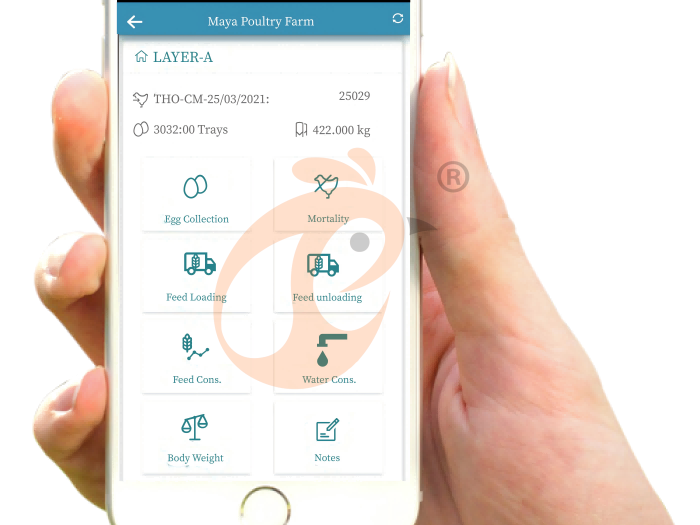
- Optional automation and monitoring components
A modular configuration can simplify future expansion when the building layout and equipment capacities are planned correctly.
Final Purchasing Checklist: Invest In The Right A Type Poultry Cage System
Data is for reference only.Swipe horizontally to view full table.
Frequently Asked Questions
Q1: Is an A type poultry cage system suitable for Africa and Asia?
Yes, an A type poultry cage system can suit farms across both continents when cage configuration, ventilation, materials, and auxiliary equipment match local environmental conditions.
Q2: Which poultry equipment is essential for hot climates?
Essential equipment typically includes suitable ventilation fans, automatic feeding lines, nipple drinkers, and reliable water management.
Ventilation design should account for house dimensions, bird weight, and heat load rather than relying on a fixed fan count.
Q3: How can farmers reduce corrosion in humid poultry houses?
Choose suitable galvanized poultry cages, verify coating specifications, maintain drainage, and clean equipment according to manufacturer recommendations.
A coating benchmark of 275 g/m² may help compare certain galvanized products, provided the applicable material standard is confirmed.
Taiyu (HK) Group - One Of China's Largest A Type Poultry Cage System Manufacturers
A type poultry cage system configurations integrate cage structures, feeding lines, drinking equipment, and manure handling for projects planned around 5,000–50,000 laying hens.
Global factory-direct supply provides coordinated poultry equipment packages, technical specifications, and project-based configuration options.
Poultry equipment manufacturing supports cage systems, automatic feeders, nipple drinkers, ventilation fans, and manure removal equipment.
Turn-key engineering services coordinate layout planning, equipment selection, installation guidance, commissioning, and operational handover.
Project support includes technical documentation, spare-parts planning, and equipment matching for African and Asian poultry production environments.
Contact Us To Received Your Customized Poultry Farm Plan
Headquarters And Branchs

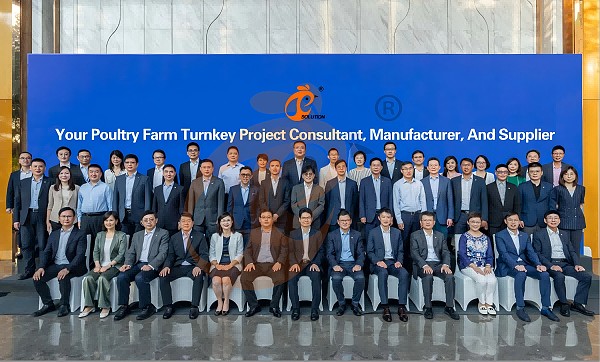
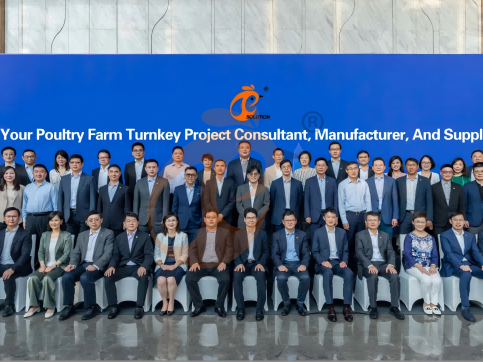
Hong Kong Headquarter Management Team
Hong Kong Headquarter Taiyu Industrial Group CO., LTD
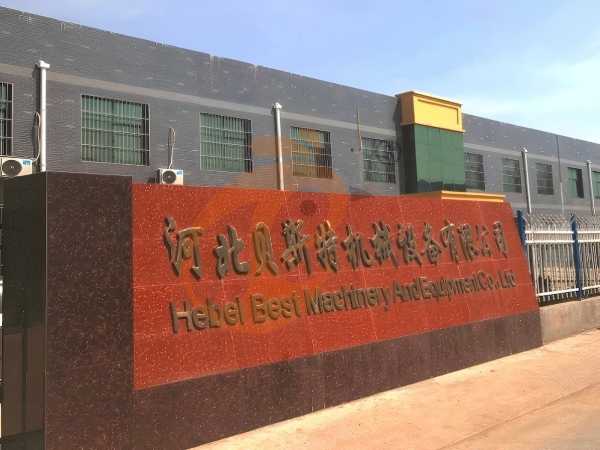
China Hebei Best Machinery And Equipment CO., LTD
Nigeria Vanke Machinery And Equipment CO., LTD
Tanzania Best Machinery And Equipment CO., LTD
Ethiopia Best Hebei Machinery Manufacturing PLC




Reception /24 WhatsApp NO. : +8618830120193
FAQ
What Are The Most Efficient Feeding Systems For A-Type Layer Cage Farms?
Even feed distribution reduces waste
One worker manages 5,000–10,000 birds
FCR reduced to 1.9–2.2
Egg production rate: 90–96%
How To Select The Best Supplier For A-Type Chicken Cage Systems?
Ensure material quality and anti-corrosion performance
Equipment lifespan: more than 25 years
Egg production rate: 90–96%
Labor savings: 50–70%
How To Integrate Water And Feed Automation In A-Type Layer Cage System?
Automatically control flow and timing
Egg production rate: 90–96%
FCR: 1.9–2.2
Mortality rate: 2–3%
- poultry farmers
- poultry farm
- poultry farmer
- poultry house
- poultry cage
- cage
- poultry farm construction
- poultry cage system
- poultry cage system manufacturer
- poultry house ventilation
- poultry feeding system
- poultry feeding equipment
- poultry house ventilation equipment
- automatic poultry feeding system
- automatic poultry feeding equipment
- poultry equipment
- manure removal system
- manure removal equipment
- hen cage
- poultry cages
- chickencage
- a type poultry cage
- bestchickencage
- cage system
- cage systems
- Nigeria
- poultry equipment supplier
- automated poultry equipment
- poultry ventilation equipment
- cage design
- galvanized poultry cage
- poultry manure removal
- poultry farm plan
- poultry feed
- Ethiopia
Message
Products recommended
 >30,000 Pullets Automatic H Type Battery Cage1. More than 30,000 pullets a house, choose it.
2. It is designed to rearing older than 1 day old pullets to 12 to 16 weeks old chicken starting laying eggs.
3. Its lifespan is more than 25 years.
4. Its structure are Vcloud artificial intelligent fusion, electric control cabinet, automatic equipment of drinking, feeding, manure clean, manual harvesting.
5. Our 24 hour online reception What’sApp NO. is +8618830120193 <30,000 Pullets Automatic A Type Battery Cage1. 10,000 to 30,000 pullets a house, choose it.
2. It is designed to rearing older than 1 day old pullets to 12 to 16 weeks old chicken starting laying eggs.
3. Its lifespan is more than 25 years.
4. Its structure are Vcloud artificial intelligent fusion, electric control cabinet, automatic equipment of drinking, feeding, manure clean, manual harvesting.
5. Our 24 hour online reception What’sApp NO. is +86 18830120193. >30,000 Broilers Semi-Automatic Harvest H Type Battery Cage1. More than 30,000 broilers a house, choose it.
2. It is designed to rearing 1 to 45 day old adult broiler ready for market.
3. Its lifespan is more than 20 years.
4. Our 24 hour online reception What’sApp NO. is +8618830120193, +234 8111199996. >30,000 Broilers Manual Harvest H Type Battery Cage1. More than 30,000 broilers a house, choose it.
2. It is designed to rearing 1 to 45 day old adult broiler ready for market.
3. Its lifespan is more than 20 years.
4. Its structure are Vcloud artificial intelligent fusion, electric control cabinet, automatic equipment of drinking, feeding and manure clean, manual harvesting.
5. Our 24 hour online reception What’sApp NO. is +8618830120193, +234 8111199996. <30,000 Broilers Manual Harvest A Type Battery Cage1. Less 30,000 broilers a house, choose it.
2. It is designed to rearing 1 to 45 day old adult broiler ready for market.
3. Its lifespan is more than 20 years.
4. Its structure are Vcloud artificial intelligent fusion, electric control cabinet, automatic equipment of drinking, feeding and manure clean, manual harvesting.
5. Our 24 hour online reception What’sApp NO. is +8618830120193, +234 8111199996. HK Headquarter Offers EU-standard Poultry Farm Solutions, Manufacture Poultry Farm Equipment1. Continuous communication with the EU and the US
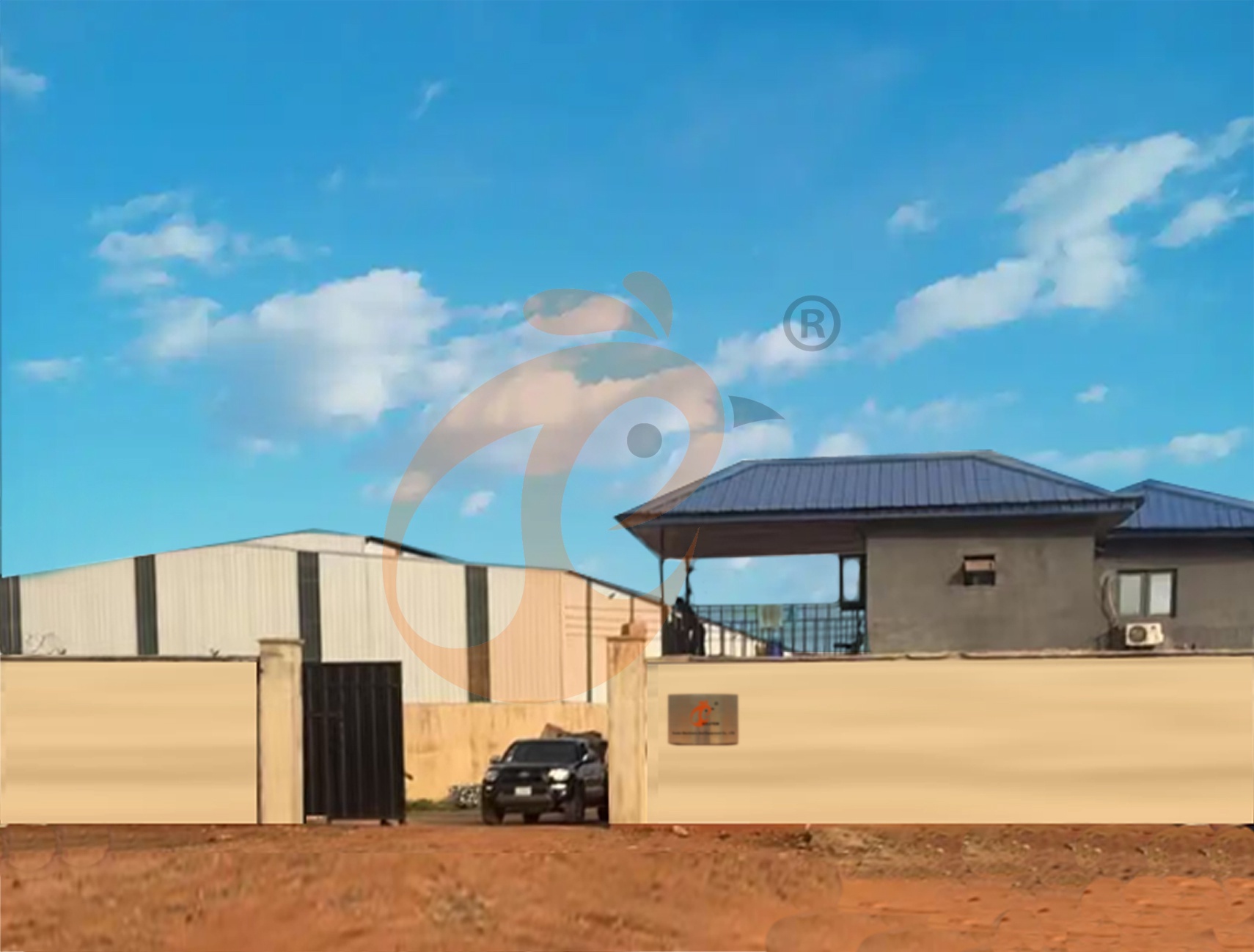
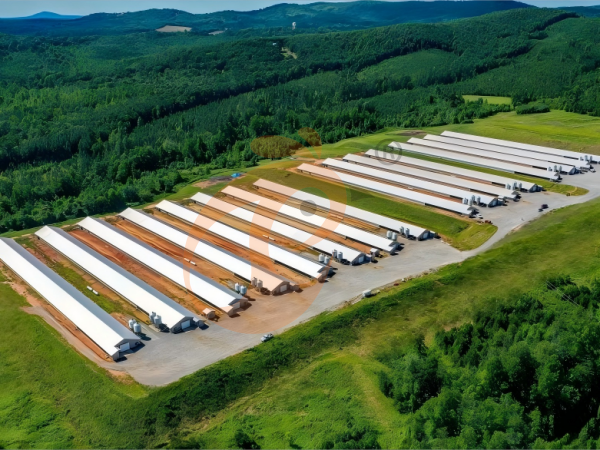
2. China, Nigeria, Ethiopia, Tanzania branch companies and factories
3. The products’ quality is customized for local poultry farms
4. Poultry cage and poultry farm equipment stock for sale
5. 24 online reception Whatsapp NO. : +8618830120193,contact us to get full information China Branch Offer Poultry Farm Business Plan, Manufacture Poultry Farm Equipment1. Address: Flat/RM 2416, 24/F, Runxing Building, Youyi Nan Street, Shijiazhuang City, Hebei Province, China
2. Poultry cage and poultry farm equipment factory and stock for sale
3. Customized for local poultry farms
4. Quality and design are based on Euro
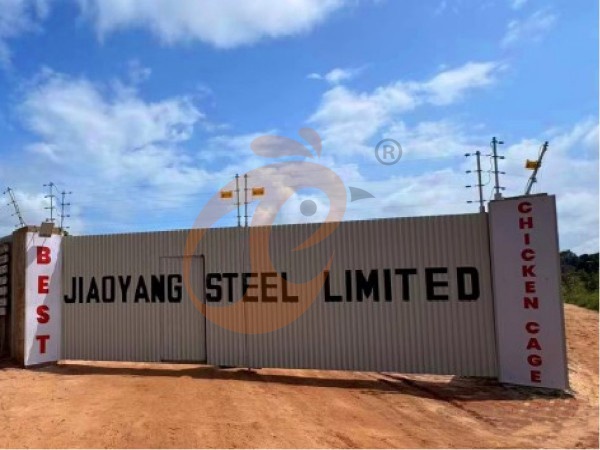
5. 24 online reception Whatsapp NO. : +8618830120193 Nigeria Branch Offer Poultry Farm Business Plan, Manufacture Poultry Farm Equipment1. Address: After Sinoma Office, 200 Meters Near Danco Filling Station, Lagos/Ibadan Expressway, Lagos State, Nigeria
2. Poultry cage and poultry farm equipment factory and stock for sale
3. Customized for Nigerian poultry farms
4. Quality and design are based on Euro
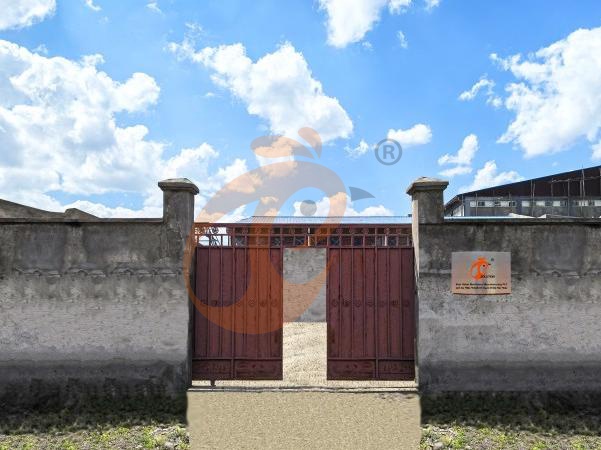
5. 24 online reception Whatsapp NO. : +8618830120193 Ethiopia Branch Offer Poultry Farm Business Plan, Manufacture Poultry Farm Equipment1. Address: Gelan Gura, Akaki-kaliti Sub City, Addis Ababa, Ethiopia
2. Poultry cage and poultry farm equipment stock for sale
3. Customized for Ethiopian poultry farms
4. Quality and design are based on Euro
5. 24 online reception Whatsapp NO. : +8618830120193, contact us to get price list Tanzania Branch Offer Poultry Farm Business Plan, Manufacture Poultry Farm Equipment1. Address: No.8, Sova Road, Msufini, Mlandizi, Kibaha, Pwani, Tanzania
2. Poultry cage and poultry farm equipment factory and stock for sale
3. Customized for Tanzanian poultry farms
4. Quality and design are based on Euro
5. 24 online reception Whatsapp NO. : +8618830120193


Contact