


Blog
Layer chicken cage egg breakage reduction system engineering optimizes mechanical stability, egg flow precision, and shell integrity control.
Egg collection systems integrate synchronized conveyor speed, cage slope design, and structural wire surface engineering.
Poultry housing environmental control stabilizes temperature, airflow, and ammonia concentration for consistent shell formation performance.
Nutritional formulation balances calcium absorption, vitamin D3 activity, and metabolic efficiency across laying cycles.
Layer chicken cage equipment configuration improves production efficiency, reduces mechanical stress impact, and stabilizes egg output consistency.
Get professional poultry farm construction guidance, equipment selection solutions, and the latest price lists, whatsApp to +8618830120193, click to learn more:
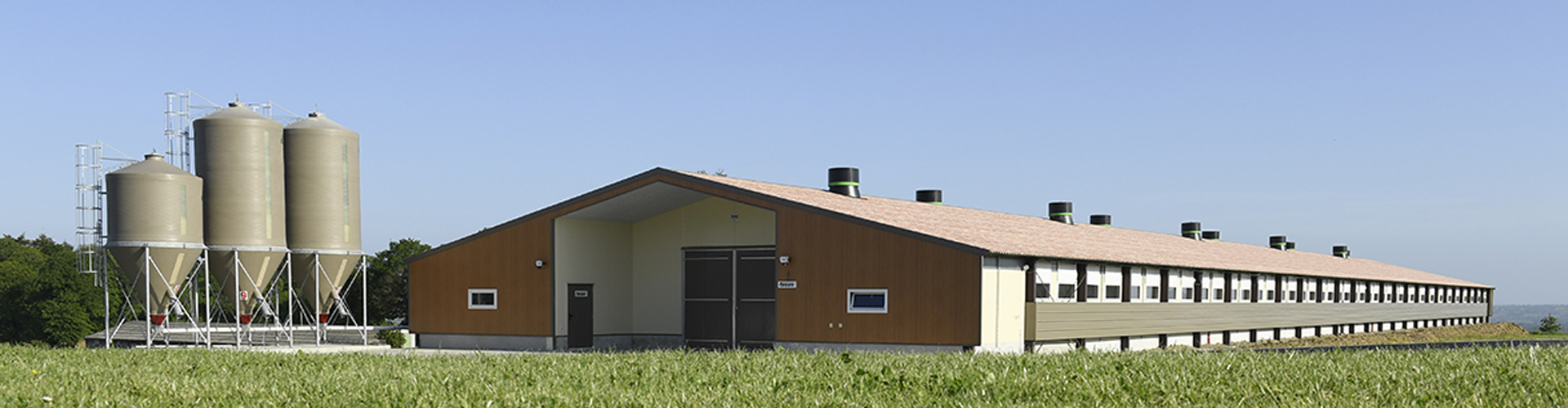
Layer Chicken Cage System Structure And Egg Flow Path Design
Layer chicken cage system structure design directly controls egg rolling trajectory, transfer stability, and collision prevention efficiency in commercial poultry production environments.
Egg movement stability depends on precision engineered slope geometry and cage unit dimensional consistency.
Data is for reference only.Swipe horizontally to view full table.
When egg roll angle exceeds 8.0 degrees, measured impact velocity increases from 0.32 m/s to 0.48 m/s, increasing structural collision frequency by 21 percent under industrial cage testing conditions.
Egg Belt Mechanical Speed Control System
Egg belt mechanical speed control system regulates egg transfer synchronization, reducing impact accumulation and preventing stacking pressure in layer chicken cage production lines.
Data is for reference only.Swipe horizontally to view full table.
Operational data shows optimal synchronization around 3.0 m/min reduces egg breakage rate by 27 percent compared with unstable high-speed belt operation above 4.0 m/min.
Eggshell Strength Improvement Through Feed Formulation
Eggshell strength development depends on calcium deposition efficiency, protein synthesis balance, and mineral absorption rate within layer chicken cage feeding systems.
Data is for reference only.Swipe horizontally to view full table.
Calcium concentration below 3.2 percent reduces shell thickness from 0.36 mm to 0.31 mm, increasing breakage probability during conveyor transfer by 19 percent in controlled production environments.
Environmental Stability
Environmental stability controls metabolic regulation, respiration efficiency, and calcium absorption rate in layer chicken cage production facilities.
Data is for reference only.Swipe horizontally to view full table.
Ammonia concentration above 20 ppm reduces eggshell strength by 0.9 N per egg in long-term exposure measurement studies.
Egg Collection Timing And Operational Frequency
Egg collection frequency determines exposure time, vibration accumulation, and mechanical collision probability in layer chicken cage egg handling systems.
Data is for reference only.Swipe horizontally to view full table.
Reduction from 4-hour to 2-hour collection interval decreases cumulative breakage rate by 41 percent under standardized cage system conditions.
Cage Wire Material And Surface Engineering For Egg Protection
Cage wire surface engineering determines friction coefficient, impact damping efficiency, and micro-crack initiation probability in layer chicken cage systems.
Data is for reference only.Swipe horizontally to view full table.
Surface roughness reduction from 2.8 μm to 0.9 μm decreases micro-crack initiation probability by 41 percent under standardized mechanical stress conditions.
Scientific Explanation Of Egg Breakage Mechanism
Egg breakage mechanics involve stress concentration, impact energy transfer, and shell structural failure thresholds under continuous layer chicken cage production operation.
Impact energy exceeding 0.38 Joules triggers micro-fracture propagation across calcium carbonate crystalline structure, especially in shells below 0.32 mm thickness.
Shell Stress Control Engineering Factors
Vertical impact acceleration: 9.2–11.4 m/s² during belt transition zones
Contact duration during collision: 0.012–0.018 seconds in cage exit points
Micro-crack propagation speed: 1200–1800 m/s inside brittle shell structure
Elastic deformation limit: 0.06–0.09 mm before irreversible fracture begins
Contact force distribution area: 18–26 mm² depending on egg orientation
Proper cage system damping design reduces peak impact force concentration by stabilizing transfer interfaces and minimizing sudden velocity differentials between rolling and conveyor pickup zones.
Conveyor System Synchronization And Transfer Efficiency
Conveyor synchronization ensures uniform velocity transition between cage belt exit, main transport line, and packaging system in poultry egg production facilities.
Data is for reference only.Swipe horizontally to view full table.
Speed mismatch greater than 0.6 m/min increases collision frequency by 16 percent during transition stages in cage production lines.
Maintenance Calibration In Layer Chicken Cage Systems
Maintenance calibration controls mechanical deviation, structural alignment, and rotational stability in poultry cage equipment systems.
Data is for reference only.Swipe horizontally to view full table.
Deviation beyond specified limits increases egg collision incidence by 23 percent within 72 hours of mechanical drift.
Integrated Cage System Performance Optimization Strategy
Integrated layer chicken cage systems combine mechanical engineering, feed formulation, environmental control, and conveyor synchronization into a unified production architecture.
Breakage rate reduction range achieves 0.6 percent to 0.9 percent compared with baseline 1.8 percent in commercial-scale poultry farms with 100000 hens capacity.
System Performance Enhancement Operational Parameters
Egg belt vibration amplitude control: 0.8–1.2 mm reduction stabilizes egg movement during transfer zones
Cage structural deformation tolerance: ≤0.3 mm under full stocking load conditions in 100000-bird systems
Conveyor transition acceleration limit: 0.15–0.25 m/s² for reducing micro-impact formation
Feeding cycle synchronization interval: 4–6 hours for maintaining stable calcium metabolism uptake efficiency
Ventilation exchange efficiency: 6.5–8.0 air changes per hour for ammonia dilution stability
Multi-system coordination reduces cumulative mechanical shock accumulation and improves egg transport uniformity across large-scale poultry production environments.
Frequently Asked Questions
Q1: How does cage structure affect egg breakage?
Cage structure determines egg rolling angle, impact velocity, and collision spacing during transfer.
Controlled geometry reduces mechanical stress accumulation and stabilizes egg movement across conveyor systems.
Proper engineering reduces shell fracture occurrence and improves production consistency.
Q2: What belt speed is best for egg transport?
Egg belt speed around 3.0 m/min maintains synchronized transfer between cage exit and main conveyor system.
Speed deviation above 0.6 m/min creates uneven acceleration forces, increasing collision frequency and reducing overall egg quality consistency.
Q3: Why does environmental control matter in cage systems?
Temperature, humidity, and ammonia concentration directly affect calcium absorption efficiency in laying hens.
Stable environmental conditions improve shell thickness formation and reduce structural weakness during egg collection and mechanical transport cycles.
Taiyu (HK) Group - One Of China Biggest Poultry Cage Manufacturer Supplier
Taiyu (HK) Group provides layer chicken cage systems with precision engineered egg collection structures.
Global factory direct supply delivers standardized poultry equipment with stable mechanical performance.
Turn-key poultry cage engineering projects include installation, design, and production optimization services.
High durability galvanized steel materials ensure long term operational stability in poultry farming systems.
Advanced automated cage system solutions improve egg production efficiency and reduce breakage rates globally.
Contact Us To Received Your Customized Poultry Farm Plan
Headquarters And Branchs

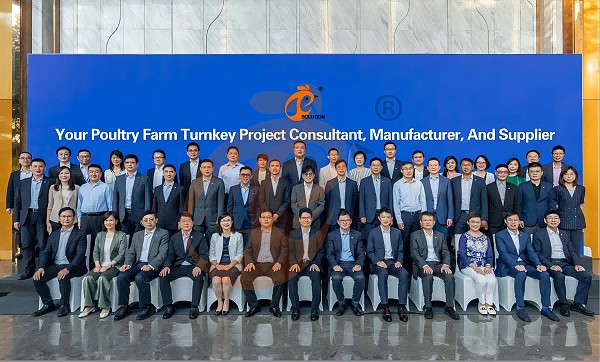
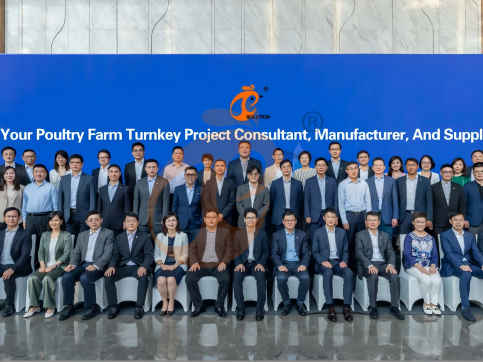
Hong Kong Headquarter Management Team
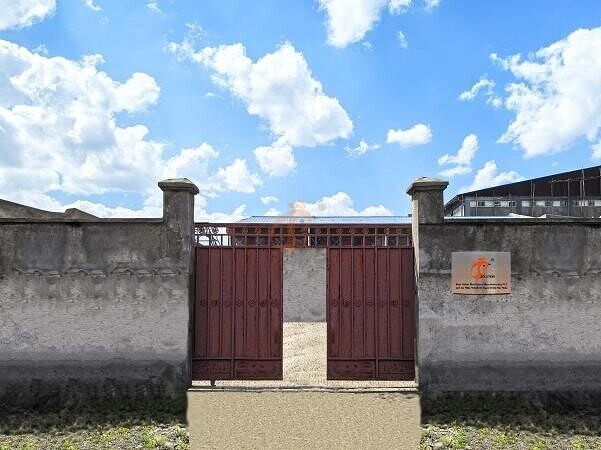
Hong Kong Headquarter Taiyu Industrial Group CO., LTD
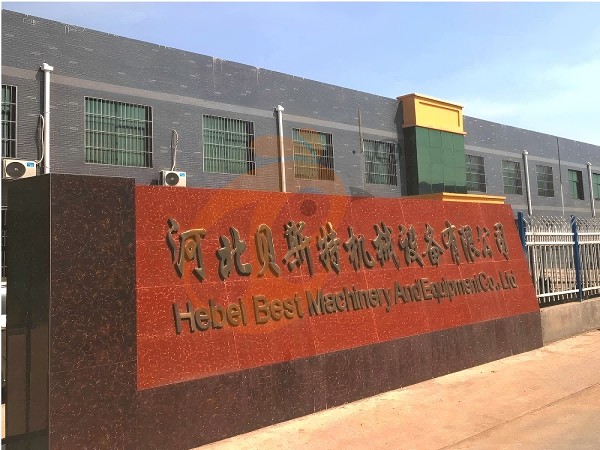
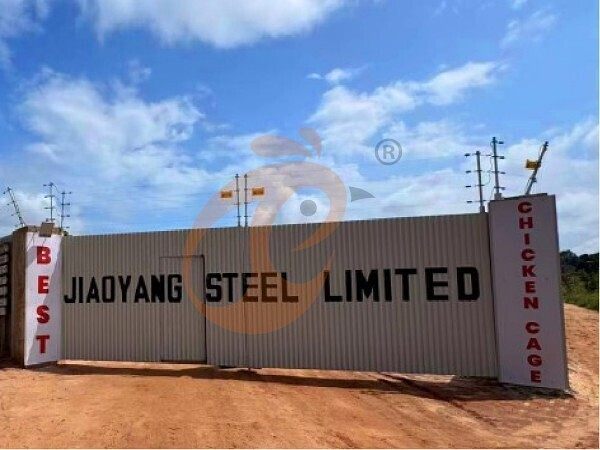
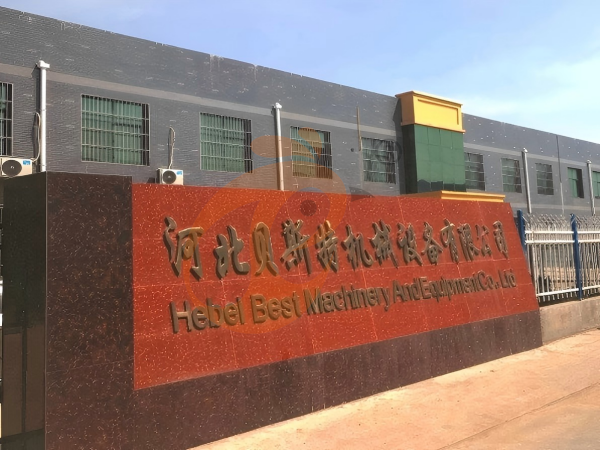
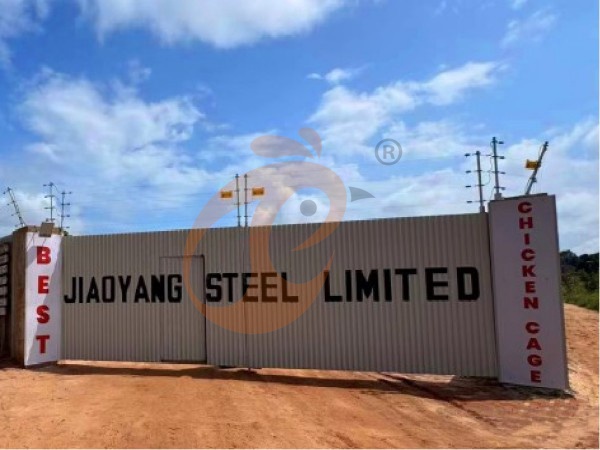
China Hebei Best Machinery And Equipment CO., LTD
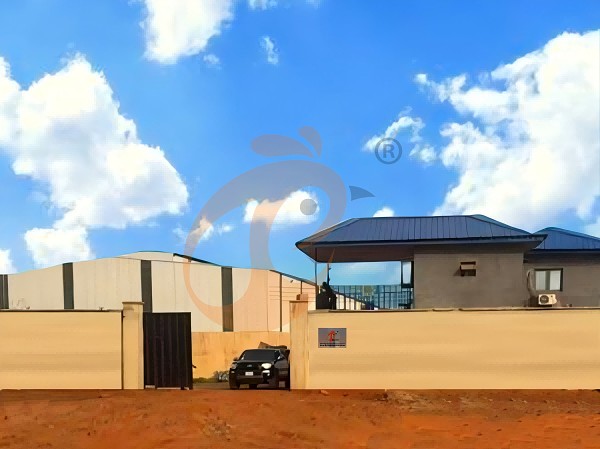
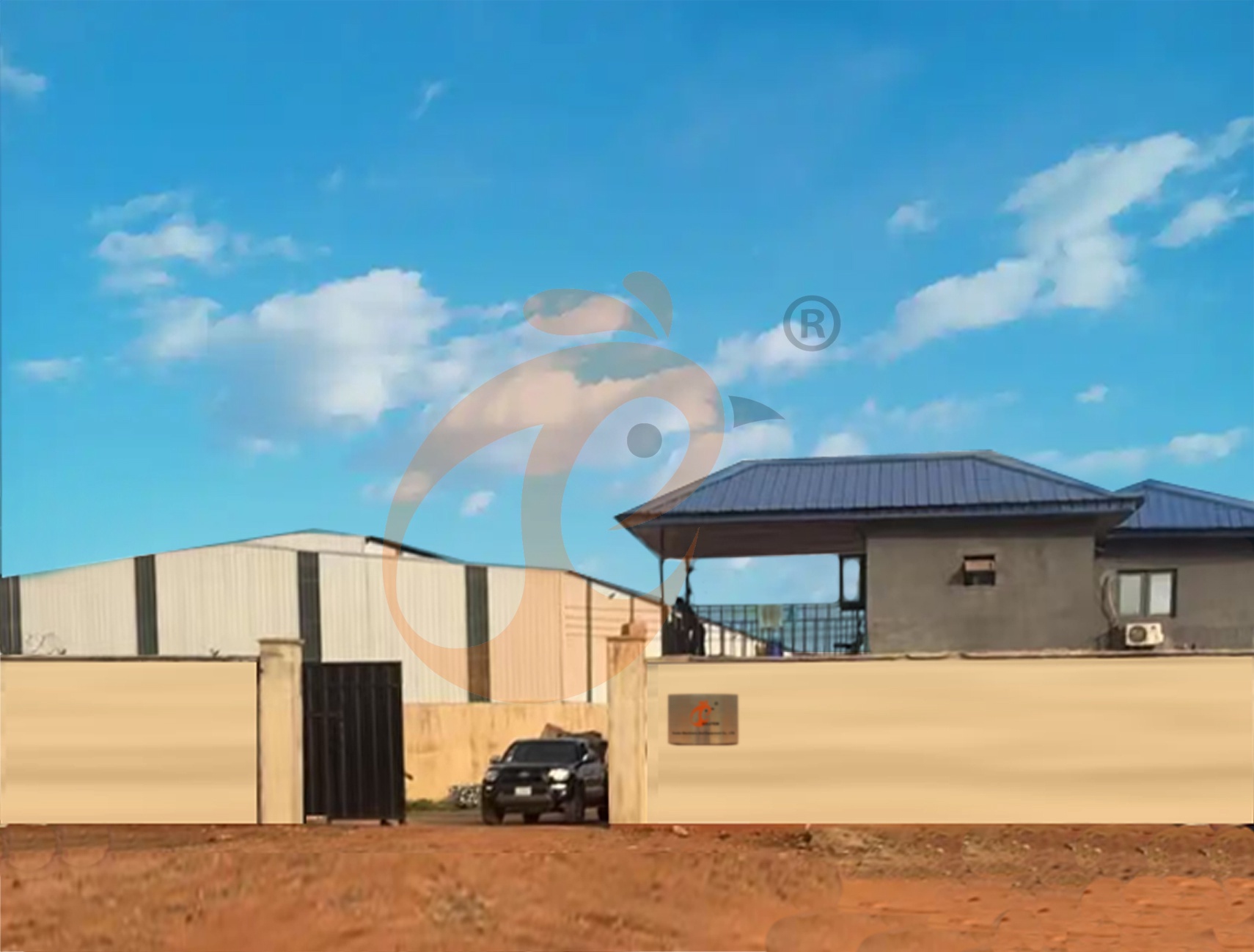
Nigeria Vanke Machinery And Equipment CO., LTD
Tanzania Best Machinery And Equipment CO., LTD
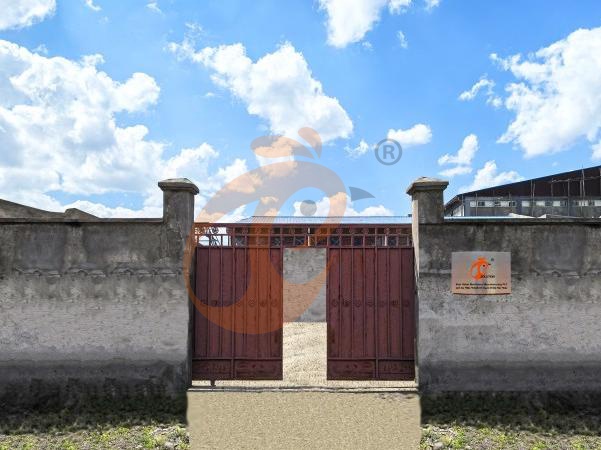
Ethiopia Best Hebei Machinery Manufacturing PLC
Reception /24 WhatsApp NO. : +8618830120193
FAQ
How To Choose The Ultimate Layer Cage System For Multi-Tier Farms?
Install automatic feeding, drinking, egg collection, and manure cleaning systems to boost egg production to 90–98%.
Optimized ventilation and temperature/humidity control reduce mortality to 2–3%.
What Are The Professional Guidelines For Optimizing Feed Storage And Usage In Chicken Cage Farms?
Use automatic feeders to allocate feed as needed, reducing waste by 5–10%.
Regularly monitor feed consumption per tier; FCR 1.9–2.1, egg production 90–98%.
What Are The Professional Guidelines For Reducing Labor Costs Using Automation In Chicken Cage Farms?
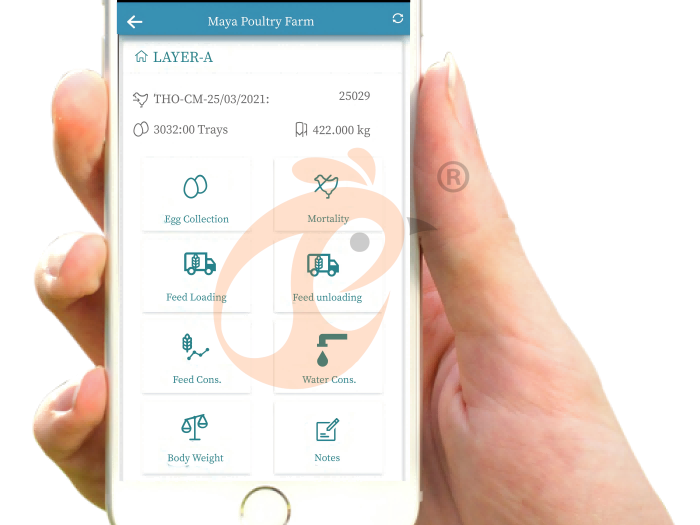
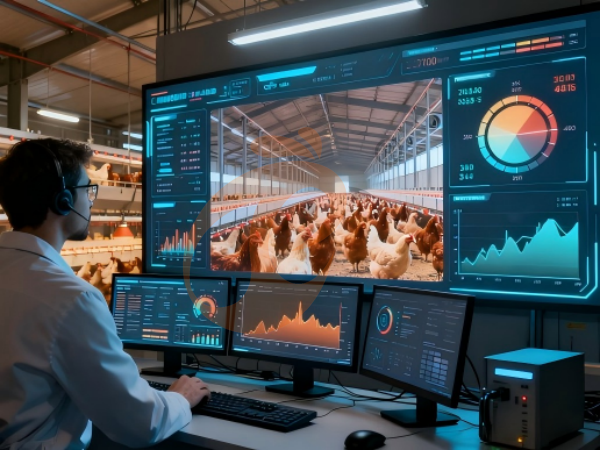
Use real-time monitoring systems to manage flock health and egg production.
ROI can be shortened to 24–36 months, improving overall profitability.
- poultry farm
- chicken cage
- poultry farms
- layer cage
- poultry cage
- cage
- poultry farm construction
- poultry cage manufacturer
- poultry cage equipment
- chicken cage system
- chicken cage equipment
- poultry cage manufacturer supplier
- poultry equipment
- egg collection system
- chickencage
- bestchickencage
- cage system
- cage systems
- layer chicken cage
- Nigeria
- layer chicken cage system
- poultry farming
- cage manufacturer
- poultry farm plan
- poultry farming system
- Ethiopia
Message
Products recommended
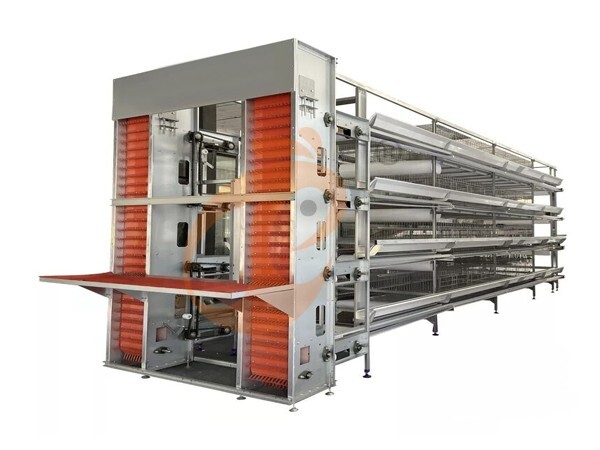
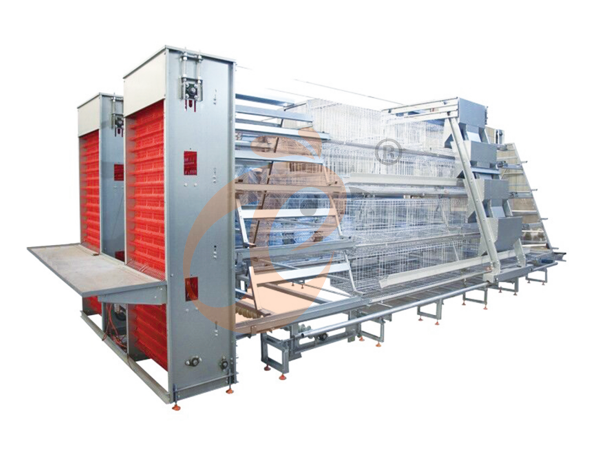
 >30,000 Pullets Automatic H Type Battery Cage1. More than 30,000 pullets a house, choose it.
2. It is designed to rearing older than 1 day old pullets to 12 to 16 weeks old chicken starting laying eggs.
3. Its lifespan is more than 25 years.
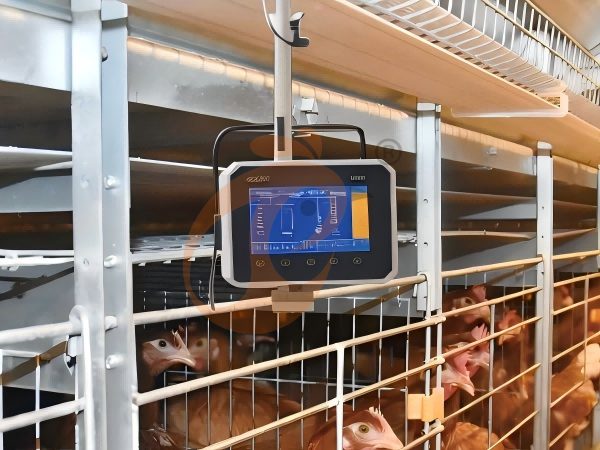
4. Its structure are Vcloud artificial intelligent fusion, electric control cabinet, automatic equipment of drinking, feeding, manure clean, manual harvesting.
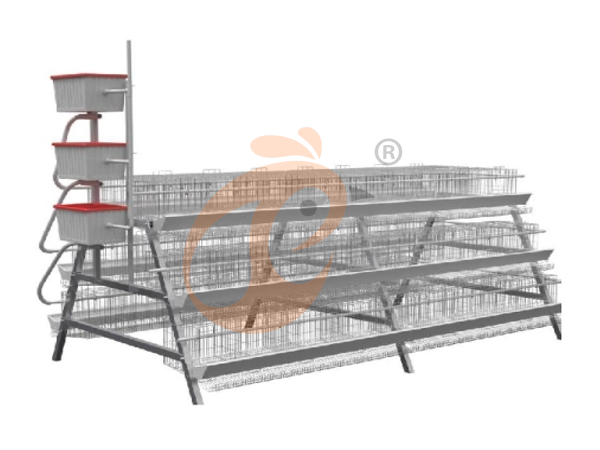
5. Our 24 hour online reception What’sApp NO. is +8618830120193 <30,000 Pullets Automatic A Type Battery Cage1. 10,000 to 30,000 pullets a house, choose it.
2. It is designed to rearing older than 1 day old pullets to 12 to 16 weeks old chicken starting laying eggs.
3. Its lifespan is more than 25 years.
4. Its structure are Vcloud artificial intelligent fusion, electric control cabinet, automatic equipment of drinking, feeding, manure clean, manual harvesting.
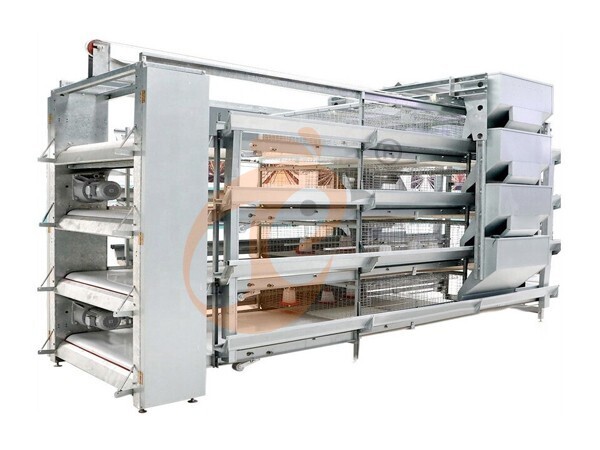
5. Our 24 hour online reception What’sApp NO. is +86 18830120193. >30,000 Broilers Semi-Automatic Harvest H Type Battery Cage1. More than 30,000 broilers a house, choose it.
2. It is designed to rearing 1 to 45 day old adult broiler ready for market.
3. Its lifespan is more than 20 years.
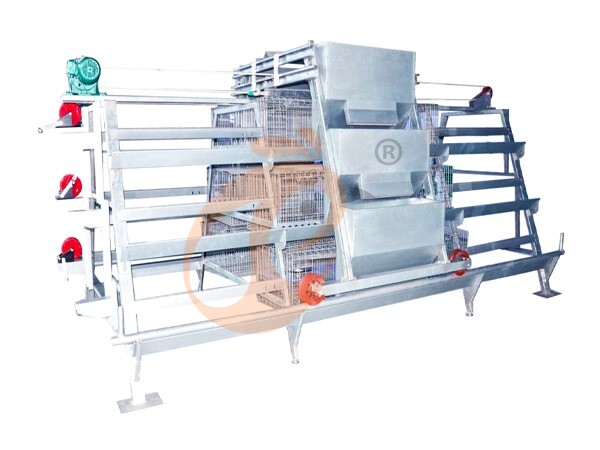
4. Our 24 hour online reception What’sApp NO. is +8618830120193, +234 8111199996. >30,000 Broilers Manual Harvest H Type Battery Cage1. More than 30,000 broilers a house, choose it.
2. It is designed to rearing 1 to 45 day old adult broiler ready for market.
3. Its lifespan is more than 20 years.
4. Its structure are Vcloud artificial intelligent fusion, electric control cabinet, automatic equipment of drinking, feeding and manure clean, manual harvesting.
5. Our 24 hour online reception What’sApp NO. is +8618830120193, +234 8111199996. <30,000 Broilers Manual Harvest A Type Battery Cage1. Less 30,000 broilers a house, choose it.
2. It is designed to rearing 1 to 45 day old adult broiler ready for market.
3. Its lifespan is more than 20 years.
4. Its structure are Vcloud artificial intelligent fusion, electric control cabinet, automatic equipment of drinking, feeding and manure clean, manual harvesting.
5. Our 24 hour online reception What’sApp NO. is +8618830120193, +234 8111199996. HK Headquarter Offers EU-standard Poultry Farm Solutions, Manufacture Poultry Farm Equipment1. Continuous communication with the EU and the US
2. China, Nigeria, Ethiopia, Tanzania branch companies and factories
3. The products’ quality is customized for local poultry farms
4. Poultry cage and poultry farm equipment stock for sale
5. 24 online reception Whatsapp NO. : +8618830120193,contact us to get full information China Branch Offer Poultry Farm Business Plan, Manufacture Poultry Farm Equipment1. Address: Flat/RM 2416, 24/F, Runxing Building, Youyi Nan Street, Shijiazhuang City, Hebei Province, China
2. Poultry cage and poultry farm equipment factory and stock for sale
3. Customized for local poultry farms
4. Quality and design are based on Euro
5. 24 online reception Whatsapp NO. : +8618830120193 Nigeria Branch Offer Poultry Farm Business Plan, Manufacture Poultry Farm Equipment1. Address: After Sinoma Office, 200 Meters Near Danco Filling Station, Lagos/Ibadan Expressway, Lagos State, Nigeria
2. Poultry cage and poultry farm equipment factory and stock for sale
3. Customized for Nigerian poultry farms
4. Quality and design are based on Euro
5. 24 online reception Whatsapp NO. : +8618830120193 Ethiopia Branch Offer Poultry Farm Business Plan, Manufacture Poultry Farm Equipment1. Address: WR93+FQ2, Addis Ababa, Ethiopia
2. Poultry cage and poultry farm equipment stock for sale
3. Customized for Ethiopian poultry farms
4. Quality and design are based on Euro
5. 24 online reception Whatsapp NO. : +8618830120193, contact us to get price list Tanzania Branch Offer Poultry Farm Business Plan, Manufacture Poultry Farm Equipment1. Address: No.8, Sova Road, Msufini, Mlandizi, Kibaha, Pwani, Tanzania
2. Poultry cage and poultry farm equipment factory and stock for sale
3. Customized for Tanzanian poultry farms
4. Quality and design are based on Euro
5. 24 online reception Whatsapp NO. : +8618830120193


Contact
By clicking 'Allow All', you agree to the storage of cookies on your device to enhance site navigation, analyze site usage and assist with our marketing efforts.