


Blog
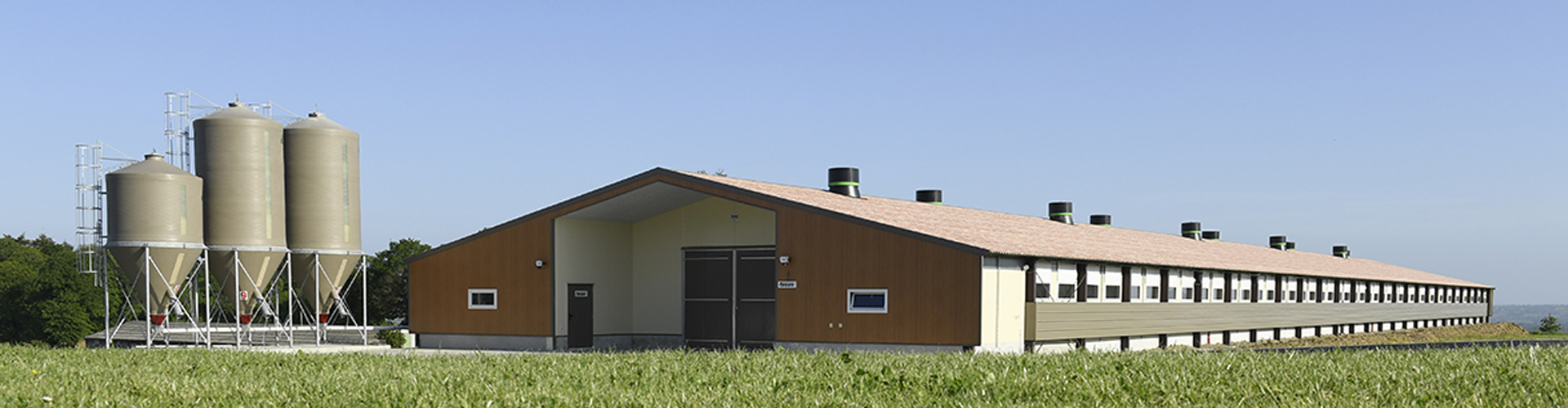
Broiler chicken cage system mortality reduction poultry cage engineering optimization integrates ventilation control feeding automation water system stabilization and stocking density regulation.
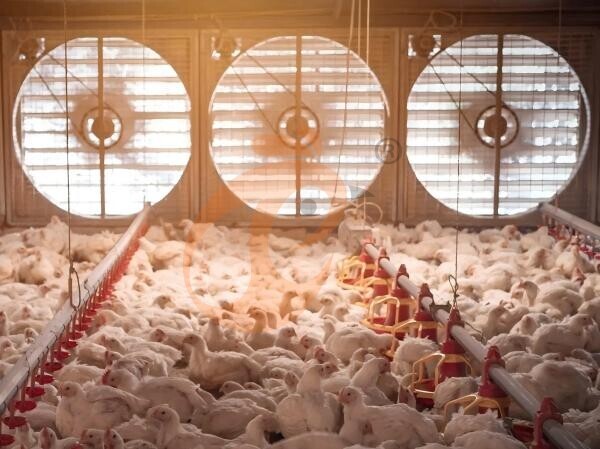
Modern broiler production facilities require structured mechanical design to stabilize survival performance.
Cage system engineering reduces thermal stress and respiratory pressure accumulation.
Integrated feeding and drinking systems ensure uniform nutrient intake distribution.
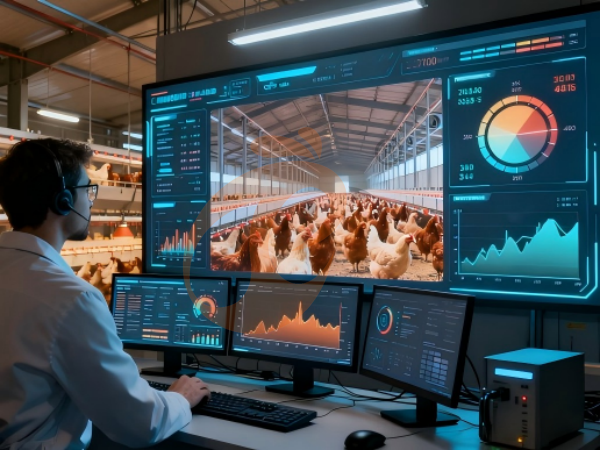
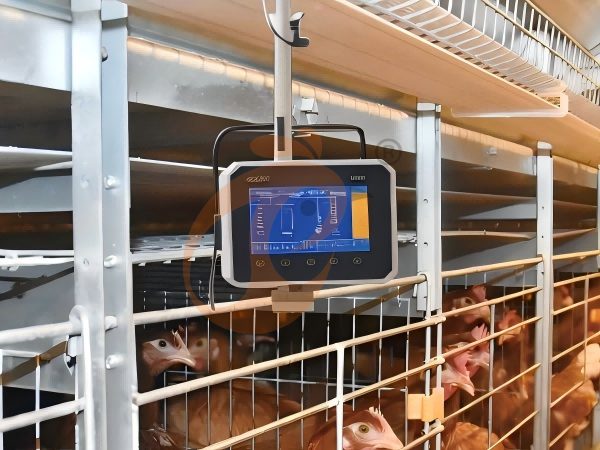
Environmental sensors stabilize ammonia humidity and airflow balance across production cycles.
Get professional poultry farm construction guidance, equipment selection solutions, and the latest price lists, whatsApp to +8618830120193, click to learn more:
Cage System Structural Engineering Design
Data is for reference only.Swipe horizontally to view full table.
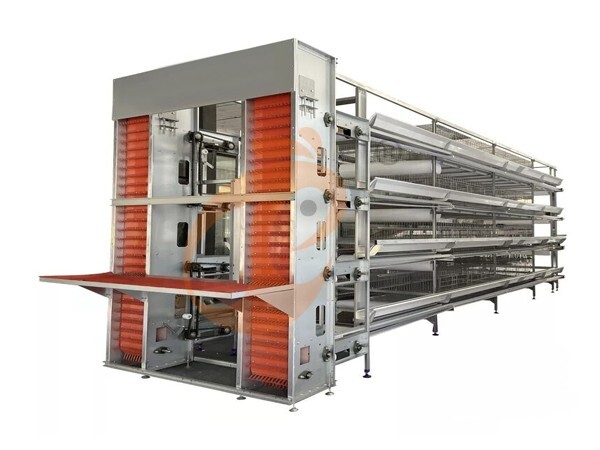
Cage structural engineering establishes spatial stability and reduces mechanical injury occurrence across broiler flocks.
Steel framework design ensures uniform load distribution under dynamic flock weight conditions.
Ventilation pathways integrated within cage geometry improve oxygen exchange efficiency.
Ventilation System Engineering Performance Control
Data is for reference only.Swipe horizontally to view full table.
Ventilation system engineering stabilizes gas exchange and thermal regulation inside broiler cage environments.
Air movement velocity controls heat dissipation efficiency and respiratory tract protection.
Sensor-based airflow adjustment maintains uniform atmospheric pressure across cage tiers.
Automatic Feeding System Operation Stability
Data is for reference only.Swipe horizontally to view full table.
Automatic feeding system precision poultry cage feeding automation maintains stable nutrient delivery cycles.
Mechanical feed transport reduces competition stress and uneven growth distribution.
Consistent feeding rhythm improves metabolic stability and immune resistance development.
Water Supply System Nipple Drinking Control
Data is for reference only.Swipe horizontally to view full table.
Water supply system poultry cage nipple drinking system maintains continuous hydration balance across broiler populations.
Controlled water flow reduces microbial contamination risk inside pipeline networks.
Hydration stability directly supports feed conversion efficiency improvement.
Stocking Density Optimization Engineering Control
Data is for reference only.Swipe horizontally to view full table.
Stocking density regulation broiler cage system optimization ensures thermal balance and movement stability.
Space allocation per bird influences oxygen utilization efficiency and behavioral stress reduction.
Density control directly correlates with mortality rate stabilization.
Vaccination Scheduling Environmental Synchronization
Data is for reference only.Swipe horizontally to view full table.
Vaccination program broiler cage disease prevention system reduces viral outbreak probability in intensive production cycles.
Timing synchronization with environmental stability improves immune response formation efficiency.
Mortality Performance Monitoring Indicators
Data is for reference only.Swipe horizontally to view full table.
Mortality performance monitoring broiler cage data tracking system enables real-time correction of environmental deviations.
Production stability depends on continuous parameter feedback integration across all subsystems.
Environmental Sensor Coordination And Emergency Response Management
Modern broiler cage farms require continuous environmental monitoring combined with rapid correction procedures.
Efficient mortality prevention depends on early abnormality detection before visible flock symptoms appear.
Key operational targets include
- Relative humidity maintained between 55% and 68% during full growth cycles
- Emergency generator activation completed within 18 seconds after power interruption
- Manure belt cleaning interval controlled below 48 hours during summer production
- Light intensity stabilized at 8–12 lux after broiler adaptation stages
- Tunnel cooling pad efficiency maintained above 82% during hot climate operation
Structured sensor coordination improves environmental consistency and reduces sudden flock stress accumulation.
Production managers can identify ventilation blockage water pressure instability and thermal imbalance earlier through automated alarm systems integrated inside modern broiler cage engineering platforms.
Frequently Asked Questions
Q1: What is main cause of mortality in cage broiler systems?
Main mortality drivers include ventilation imbalance feed interruption water contamination and infectious disease pressure.
Engineering instability in airflow or hydration systems increases physiological stress accumulation and immune suppression response.
Q2: How does cage system reduce mortality rate?
Cage system stabilizes environmental parameters including temperature airflow and ammonia concentration.
Automated feeding and drinking systems reduce competition stress and ensure uniform nutrient intake distribution across all birds.
Q3: What is ideal mortality rate in commercial broiler production?
Commercial broiler cage systems typically maintain cycle mortality between 2.5% and 4.8%.
Lower values depend on ventilation control precision feeding consistency and vaccination scheduling accuracy.
Taiyu (HK) Group - One Of China Biggest Broiler Cage Manufacturer
Advanced broiler chicken cage system integrates automated feeding ventilation and manure removal equipment for intensive farming operations
Global factory direct supply chain delivers broiler cage systems to commercial farms across multiple continents efficiently
Integrated poultry equipment solutions include broiler cage feeding lines drinkers fans and environmental control sensors systems deployment
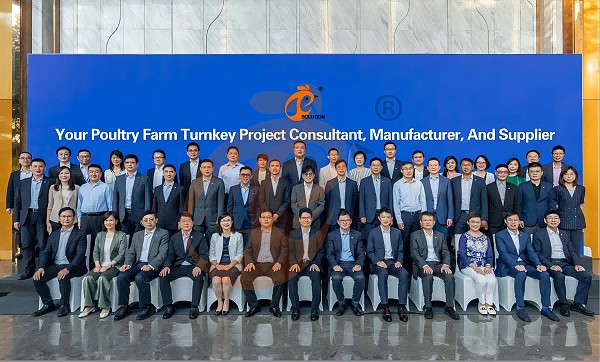
Turn key poultry farm engineering projects provide full design installation commissioning and training services worldwide support
Professional after sales service ensures long term operation stability spare parts supply and technical guidance support
Contact Us To Received Your Customized Poultry Farm Plan
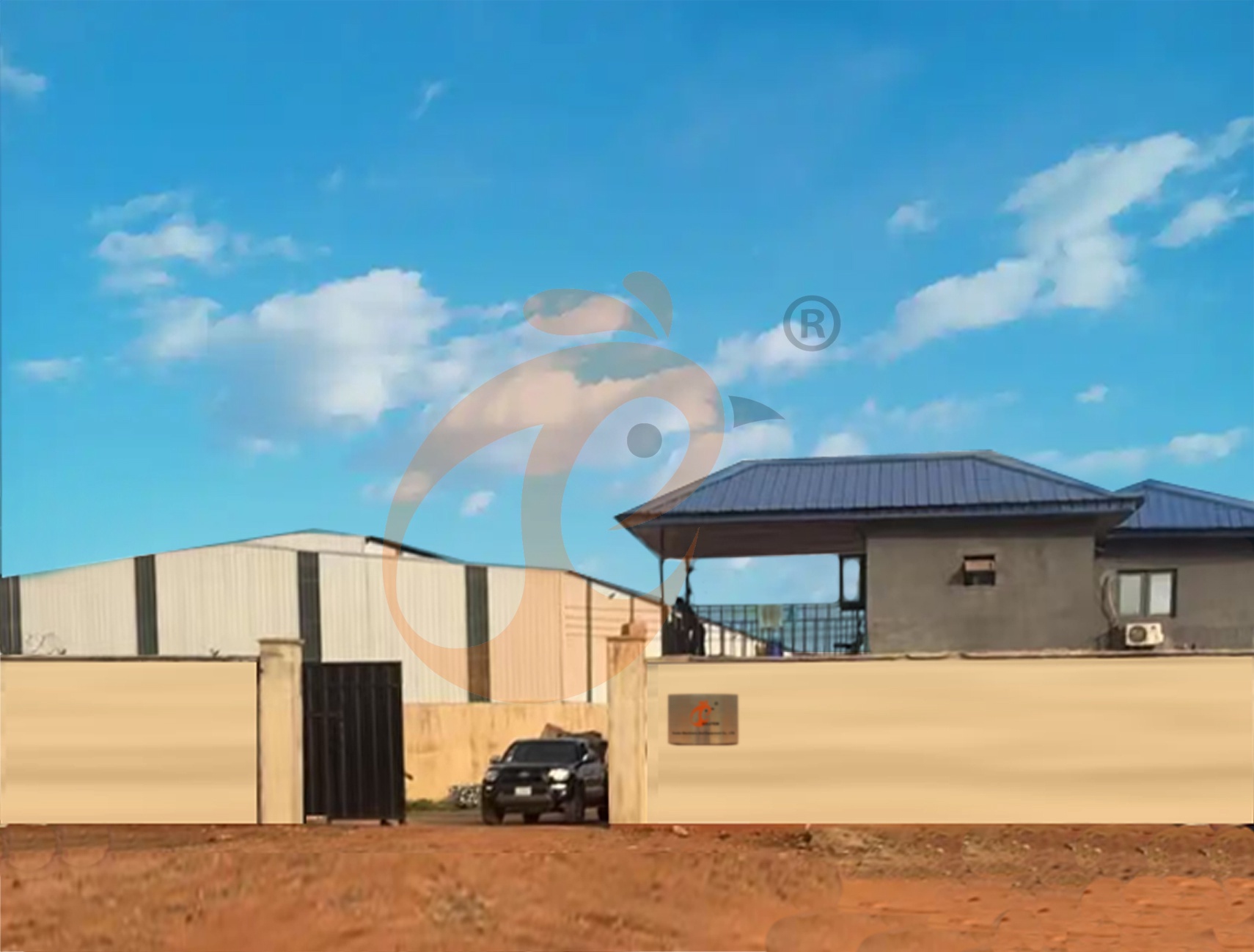
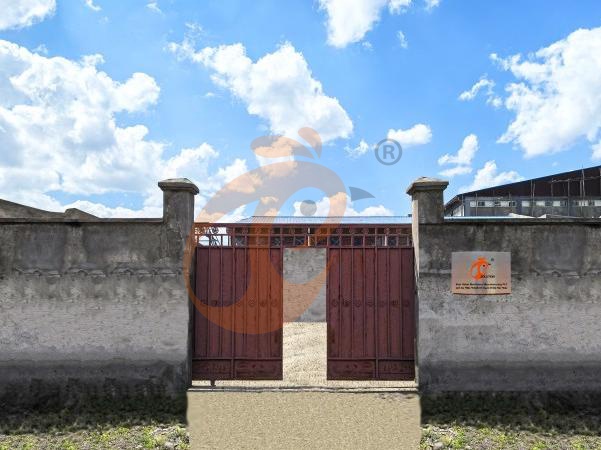
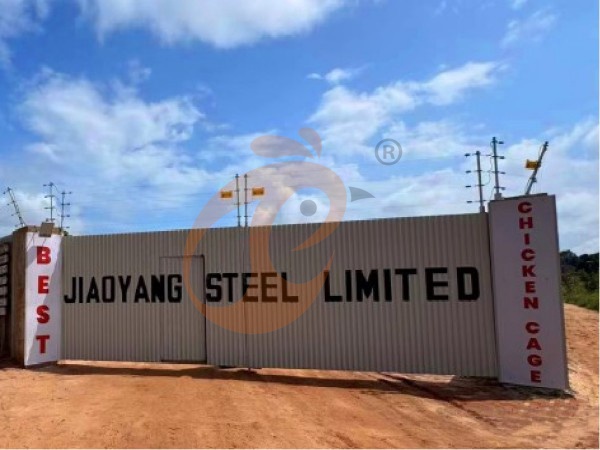
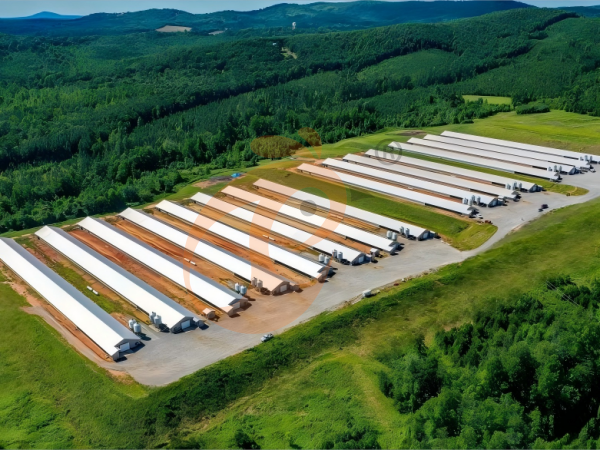
Headquarters And Branchs

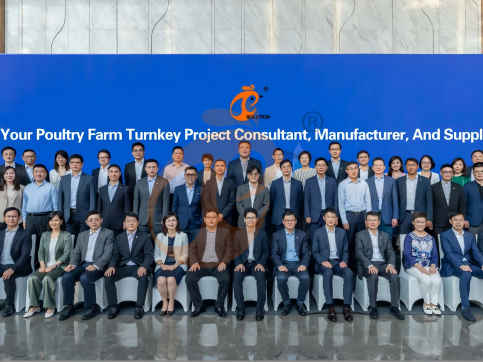
Hong Kong Headquarter Management Team
Hong Kong Headquarter Taiyu Industrial Group CO., LTD
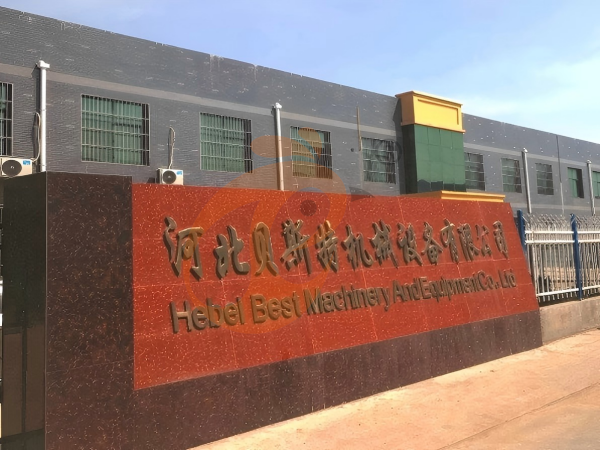
China Hebei Best Machinery And Equipment CO., LTD
Nigeria Vanke Machinery And Equipment CO., LTD
Tanzania Best Machinery And Equipment CO., LTD
Ethiopia Best Hebei Machinery Manufacturing PLC




Reception /24 WhatsApp NO. : +8618830120193
FAQ
What Feeding System Integration Is Used In Broiler Chicken Cage Systems For Poultry Chicken Farms?
Automatic feeding lines operate at 3–6 kg per meter feed delivery capacity.
Feed distribution cycle time is controlled within 4–6 minutes per full house line.
What Environmental Control Standards Are Required For Broiler Chicken Cage Systems In Poultry Chicken Houses?
Relative humidity is maintained at 50–65% to prevent respiratory stress.
Ammonia concentration is kept below 10 ppm to ensure respiratory health stability.
What Are The Cage Layer Height And Structural Design Standards In Broiler Chicken Cage Systems For Poultry Chicken Production?
Structural load capacity per tier reaches 35–45 kg per square meter for live bird weight support.
Frame inclination angle is maintained at 6–8 degrees to facilitate manure removal efficiency.
- poultry farm
- chicken cage
- poultry farms
- broiler cage
- poultry cage
- cage
- poultry farm construction
- broiler cage system
- broiler cage manufacturer
- chicken cage system
- automatic feeding system
- poultry equipment
- manure removal system
- manure removal equipment
- broiler chicken cage
- chickencage
- bestchickencage
- cage system
- cage broiler system
- cage systems
- broiler chicken cage system
- Nigeria
- cage manufacturer
- poultry farm plan
- Ethiopia
Message
Products recommended
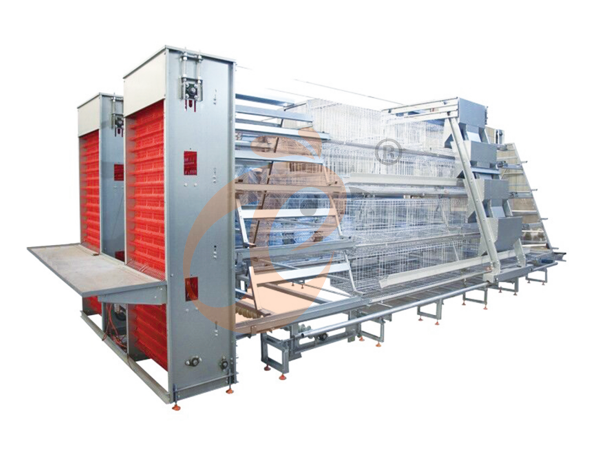
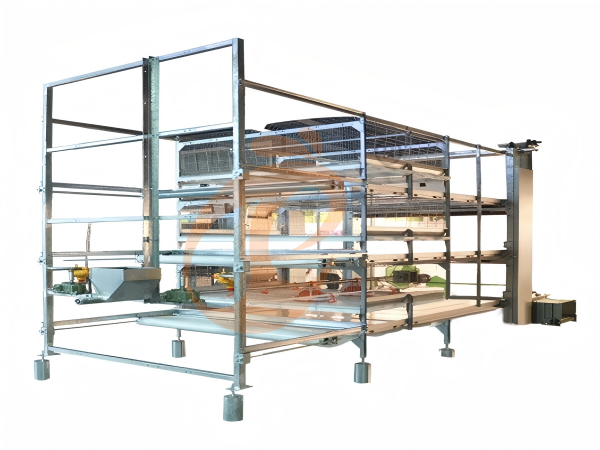
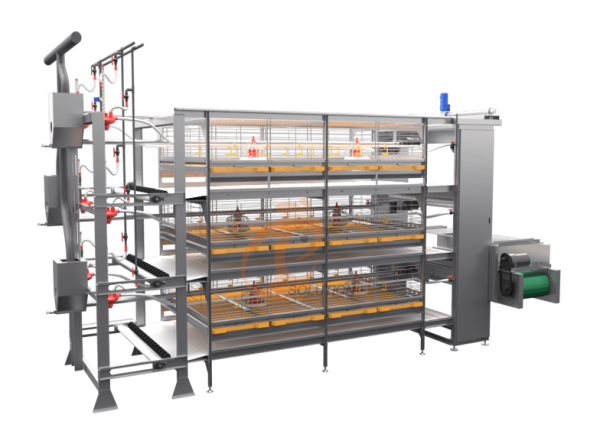
 >30,000 Pullets Automatic H Type Battery Cage1. More than 30,000 pullets a house, choose it.
2. It is designed to rearing older than 1 day old pullets to 12 to 16 weeks old chicken starting laying eggs.
3. Its lifespan is more than 25 years.
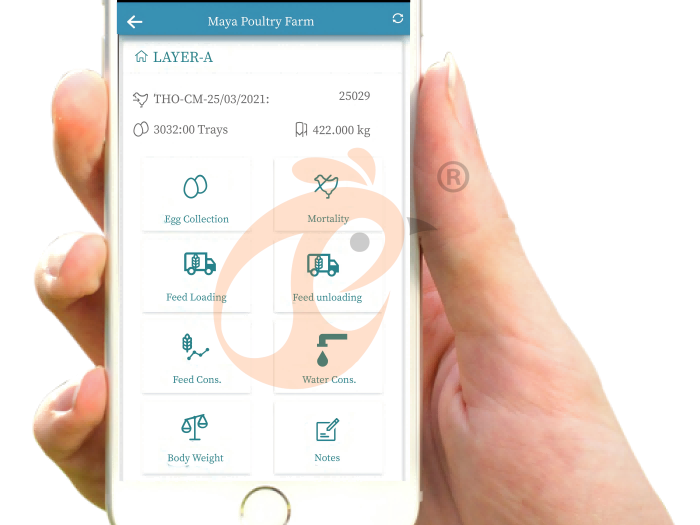
4. Its structure are Vcloud artificial intelligent fusion, electric control cabinet, automatic equipment of drinking, feeding, manure clean, manual harvesting.
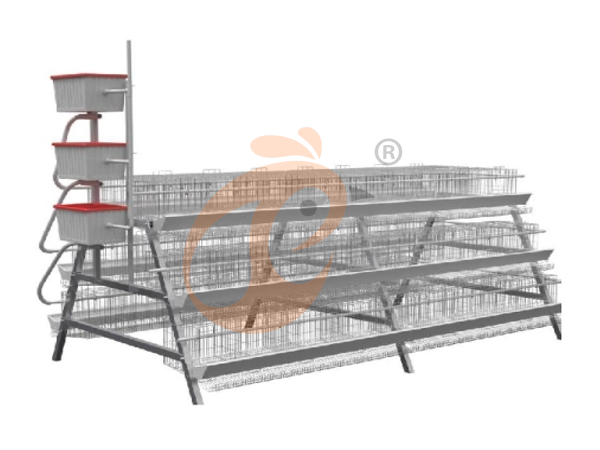
5. Our 24 hour online reception What’sApp NO. is +8618830120193 <30,000 Pullets Automatic A Type Battery Cage1. 10,000 to 30,000 pullets a house, choose it.
2. It is designed to rearing older than 1 day old pullets to 12 to 16 weeks old chicken starting laying eggs.
3. Its lifespan is more than 25 years.
4. Its structure are Vcloud artificial intelligent fusion, electric control cabinet, automatic equipment of drinking, feeding, manure clean, manual harvesting.
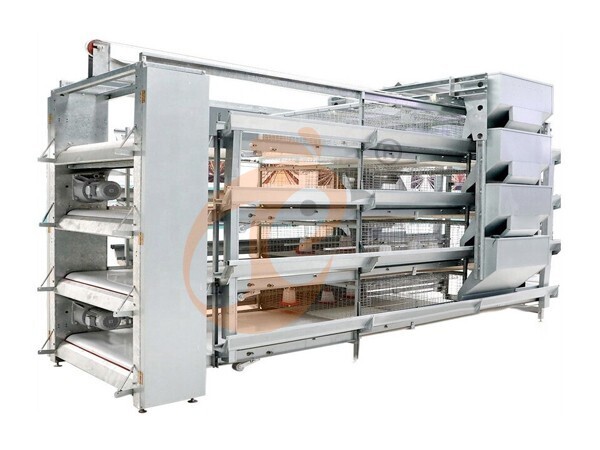
5. Our 24 hour online reception What’sApp NO. is +86 18830120193. >30,000 Broilers Semi-Automatic Harvest H Type Battery Cage1. More than 30,000 broilers a house, choose it.
2. It is designed to rearing 1 to 45 day old adult broiler ready for market.
3. Its lifespan is more than 20 years.
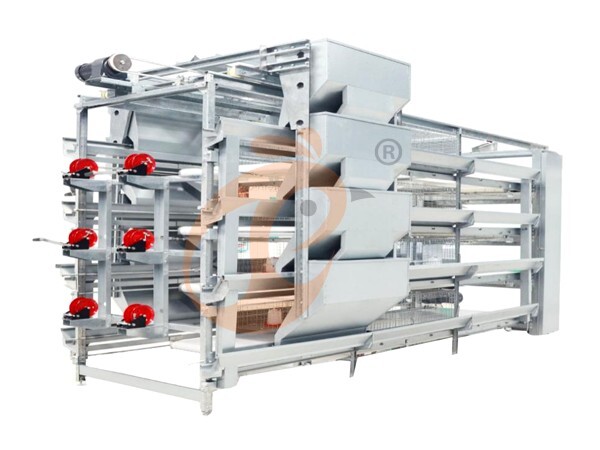
4. Our 24 hour online reception What’sApp NO. is +8618830120193, +234 8111199996. >30,000 Broilers Manual Harvest H Type Battery Cage1. More than 30,000 broilers a house, choose it.
2. It is designed to rearing 1 to 45 day old adult broiler ready for market.
3. Its lifespan is more than 20 years.
4. Its structure are Vcloud artificial intelligent fusion, electric control cabinet, automatic equipment of drinking, feeding and manure clean, manual harvesting.
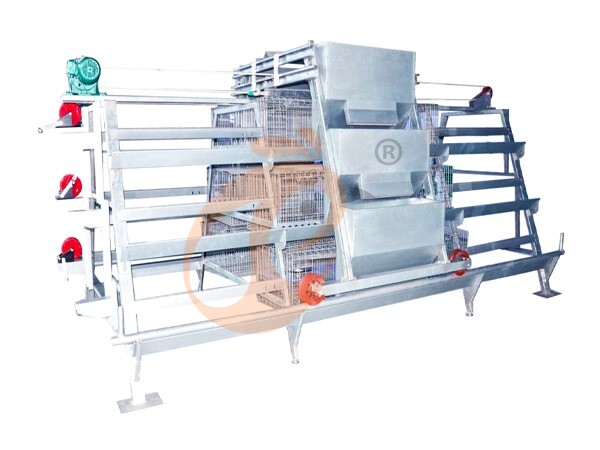
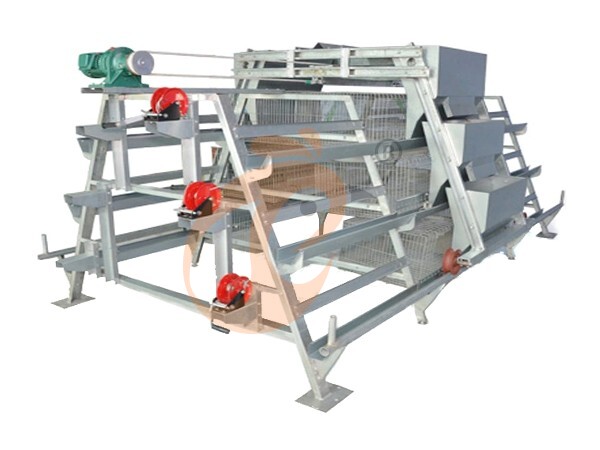
5. Our 24 hour online reception What’sApp NO. is +8618830120193, +234 8111199996. <30,000 Broilers Manual Harvest A Type Battery Cage1. Less 30,000 broilers a house, choose it.
2. It is designed to rearing 1 to 45 day old adult broiler ready for market.
3. Its lifespan is more than 20 years.
4. Its structure are Vcloud artificial intelligent fusion, electric control cabinet, automatic equipment of drinking, feeding and manure clean, manual harvesting.
5. Our 24 hour online reception What’sApp NO. is +8618830120193, +234 8111199996. HK Headquarter Offers EU-standard Poultry Farm Solutions, Manufacture Poultry Farm Equipment1. Continuous communication with the EU and the US
2. China, Nigeria, Ethiopia, Tanzania branch companies and factories
3. The products’ quality is customized for local poultry farms
4. Poultry cage and poultry farm equipment stock for sale
5. 24 online reception Whatsapp NO. : +8618830120193,contact us to get full information China Branch Offer Poultry Farm Business Plan, Manufacture Poultry Farm Equipment1. Address: Flat/RM 2416, 24/F, Runxing Building, Youyi Nan Street, Shijiazhuang City, Hebei Province, China
2. Poultry cage and poultry farm equipment factory and stock for sale
3. Customized for local poultry farms
4. Quality and design are based on Euro
5. 24 online reception Whatsapp NO. : +8618830120193 Nigeria Branch Offer Poultry Farm Business Plan, Manufacture Poultry Farm Equipment1. Address: After Sinoma Office, 200 Meters Near Danco Filling Station, Lagos/Ibadan Expressway, Lagos State, Nigeria
2. Poultry cage and poultry farm equipment factory and stock for sale
3. Customized for Nigerian poultry farms
4. Quality and design are based on Euro
5. 24 online reception Whatsapp NO. : +8618830120193 Ethiopia Branch Offer Poultry Farm Business Plan, Manufacture Poultry Farm Equipment1. Address: WR93+FQ2, Addis Ababa, Ethiopia
2. Poultry cage and poultry farm equipment stock for sale
3. Customized for Ethiopian poultry farms
4. Quality and design are based on Euro
5. 24 online reception Whatsapp NO. : +8618830120193, contact us to get price list Tanzania Branch Offer Poultry Farm Business Plan, Manufacture Poultry Farm Equipment1. Address: No.8, Sova Road, Msufini, Mlandizi, Kibaha, Pwani, Tanzania
2. Poultry cage and poultry farm equipment factory and stock for sale
3. Customized for Tanzanian poultry farms
4. Quality and design are based on Euro
5. 24 online reception Whatsapp NO. : +8618830120193


Contact
By clicking 'Allow All', you agree to the storage of cookies on your device to enhance site navigation, analyze site usage and assist with our marketing efforts.