


Blog
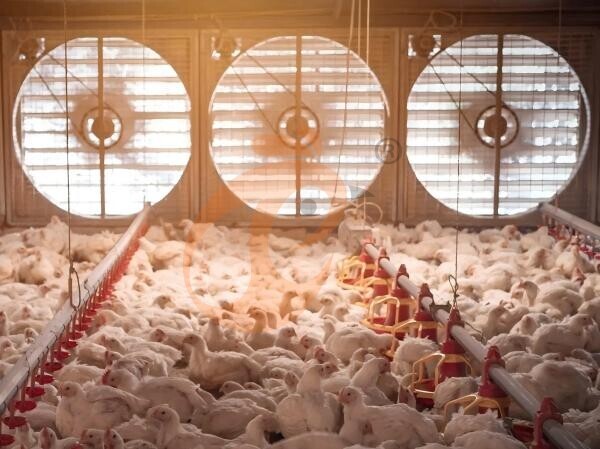
Nipple drinker height adjustment directly influences poultry water intake, litter moisture control, broiler growth rate, and poultry farm production stability.
Automatic nipple drinker system management requires accurate line positioning, stable water pressure, and standardized poultry equipment calibration.
Chicken nipple drinker installation standards improve feed conversion ratio, reduce water waste, and maintain balanced flock distribution inside commercial poultry houses.
Poultry nipple water line operation depends on environmental temperature, bird age, stocking density, and pipeline leveling accuracy.
Modern poultry farming systems combine nipple drinker height adjustment with ventilation engineering, poultry cage management, and automated poultry equipment control technology.
Get professional poultry farm construction guidance, equipment selection solutions, and the latest price lists, whatsApp to +8618830120193, click to learn more:
Why Nipple Drinker Height Directly Affects Chicken Performance
Chicken nipple drinker positioning determines water accessibility during all poultry growth stages.
Improper nipple drinker height reduces drinking frequency and increases litter moisture accumulation below water lines.
Commercial poultry farms monitor water intake because stable drinking behavior supports digestive activity and daily weight gain.
Data is for reference only.Swipe horizontally to view full table.
Stable nipple drinker adjustment improves flock uniformity and reduces competition pressure during feeding periods.
Keep Nipple Drinkers Slightly Above Chicken Head Position
Chicken nipple water line height should remain slightly above average bird head position.
Correct drinking posture allows chickens to extend neck angles between 35° and 45° during water consumption.
Horizontal drinking posture increases nipple leakage and wet litter formation.
Data is for reference only.Swipe horizontally to view full table.
Automatic nipple drinker system adjustment should follow flock growth instead of fixed installation measurements.
Common Signs Of Incorrect Nipple Drinker Height
Chicken behavior changes immediately when poultry nipple drinker positioning becomes unsuitable.
Broiler chickens crowd around water lines when water accessibility decreases.
Wet feathers near the beak area usually indicate excessive nipple leakage.
Data is for reference only.Swipe horizontally to view full table.
Poultry farm technicians usually inspect water line conditions during peak feeding activity periods.
Adjust Nipple Height Every 2–3 Days During Broiler Growth
Broiler body height increases rapidly during the first five production weeks.
Poultry nipple water line adjustment frequency directly influences drinking efficiency and flock growth consistency.
Commercial poultry farms normally perform height inspection during daily flock observation procedures.
Data is for reference only.Swipe horizontally to view full table.
Chicken nipple drinker management becomes more critical during summer production cycles because water demand rises continuously
under high environmental temperatures.
Poultry Science Behind Water Consumption
Water supports nutrient transportation, metabolic activity, respiratory cooling, and digestive system operation inside poultry bodies.
Broiler chicken bodies contain approximately 65%–70% water depending on growth stage and breed structure.
Reduced water intake lowers feed digestion efficiency and weakens daily production performance.
Data is for reference only.Swipe horizontally to view full table.
Poultry water consumption may increase by 80% when poultry house temperatures exceed 30°C.
Maintain Correct Water Pressure Together With Drinker Height
Automatic nipple drinker system operation requires stable water pressure control.
Excessive pressure increases nipple dripping and litter moisture accumulation.
Insufficient pressure reduces drinking speed and delays feed digestion after feeding periods.
Data is for reference only.Swipe horizontally to view full table.
Modern poultry farming systems usually install pressure regulators every 30–45 meters along nipple water lines.
Keep Nipple Drinker Lines Level Across Poultry Houses
Uneven poultry nipple water line installation creates different drinking conditions inside the same poultry house.
Broiler chickens naturally gather around lower nipple sections because water activation becomes easier.
Balanced flock distribution depends on accurate poultry equipment suspension systems.
Data is for reference only.Swipe horizontally to view full table.
Laser leveling equipment improves nipple drinker installation precision inside large poultry production houses.
Environmental Factors Affecting Nipple Drinker Performance
Poultry house environmental conditions directly influence chicken nipple drinker system performance.
Temperature variation changes poultry water demand throughout the production cycle.
Ventilation engineering and litter absorption capacity also affect water management efficiency.
Data is for reference only.Swipe horizontally to view full table.
Stable environmental control reduces ammonia accumulation and supports healthier respiratory conditions inside poultry houses.
Use Automatic Lifting Systems For Large Poultry Farms
Large poultry farms increasingly use automatic nipple drinker lifting systems because adjustment speed influences production efficiency.
Automatic systems reduce labor demand and improve water line positioning consistency.
Large-scale poultry farming operations above 20,000 birds usually benefit from automated line adjustment equipment.
Data is for reference only.Swipe horizontally to view full table.
Automatic poultry equipment reduces human operational error during rapid broiler growth stages.
Nipple Drinker Quantity Per Chicken
Correct nipple drinker quantity is equally important as nipple drinker height adjustment.
Insufficient drinker quantity increases competition and reduces flock access during feeding peaks.
Commercial poultry farm planning normally calculates water line capacity before poultry house construction.
Data is for reference only.Swipe horizontally to view full table.
Balanced poultry nipple water line design improves flock distribution and drinking efficiency.
Common Nipple Drinker Adjustment Mistakes
Many poultry farms lose production efficiency because of avoidable poultry equipment management errors.
Incorrect water pressure settings and delayed line adjustments remain common operational problems.
Routine nipple drinker inspection reduces long-term poultry house maintenance costs.
Data is for reference only.Swipe horizontally to view full table.
Maintenance labor cost for commercial nipple drinker systems usually ranges between $0.03 and $0.06 per bird annually.
European union standard reference only.
Relationship Between Nipple Drinker Height And Litter Quality
Wet litter is one of the most expensive hidden management problems in broiler farming.
Incorrect nipple drinker positioning increases water leakage and ammonia concentration inside poultry houses.
Poor litter conditions also increase footpad dermatitis risk and respiratory pressure.
Data is for reference only.Swipe horizontally to view full table.
Commercial litter replacement cost may reach $0.45–$0.80 per square meter during severe moisture conditions.
European union standard reference only.
Frequently Asked Questions
Q1: How often should poultry farms adjust nipple drinker height?
Commercial broiler farms normally adjust nipple drinker height every 24–72 hours depending on bird age and growth speed.
Early brooding stages require more frequent adjustment because broiler body height changes rapidly during the first two weeks.
Daily visual inspection helps poultry farm technicians maintain proper drinking posture and stable flock water intake.
Automatic nipple drinker systems improve adjustment consistency inside large poultry production houses.
Q2: What is the correct drinking angle for broiler chickens?
The recommended chicken drinking posture requires neck extension between 35° and 45°.
Proper angle positioning improves water swallowing efficiency and reduces nipple leakage below drinking lines.
Horizontal drinking posture usually increases litter moisture accumulation and ammonia concentration.
Commercial poultry equipment manufacturers normally design nipple systems according to this drinking angle standard for modern poultry farming operations.
Q3: Why does incorrect nipple drinker height increase litter moisture?
Incorrect nipple drinker height changes chicken drinking behavior and increases water dripping frequency.
Low-position nipple systems often create continuous leakage because chickens peck sideways instead of upward.
Excessive litter moisture reduces poultry house air quality and increases bacterial activity.
Stable nipple drinker adjustment combined with proper ventilation engineering helps maintain cleaner litter conditions and healthier broiler production environments.
Taiyu (HK) Group - One Of China Largest Nipple Drinker Manufacturer
Professional automatic nipple drinker system production supports commercial poultry farming efficiency worldwide.
Global factory direct poultry equipment supply reduces poultry farm procurement and installation costs.
Advanced poultry cage and nipple water line engineering supports large-scale broiler production projects.
Professional Turn-key poultry farm solutions include ventilation systems, feeding systems, and manure removal equipment.
International poultry equipment export experience supports stable product quality and long-term technical service.
Contact Us To Received Your Customized Poultry Farm Plan
Headquarters And Branchs

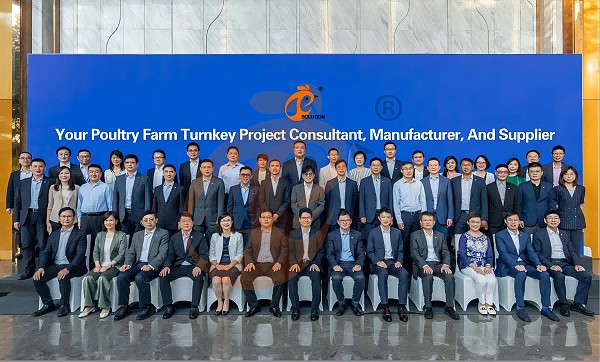
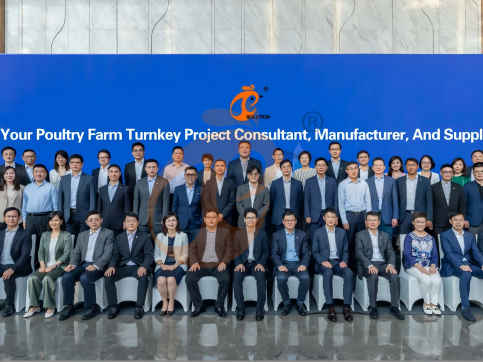
Hong Kong Headquarter Management Team
Hong Kong Headquarter Taiyu Industrial Group CO., LTD
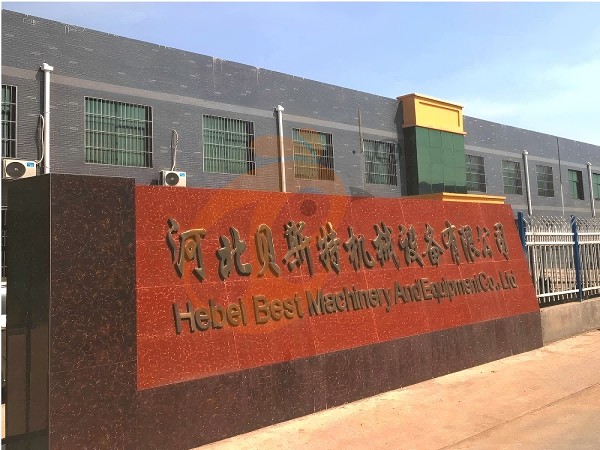
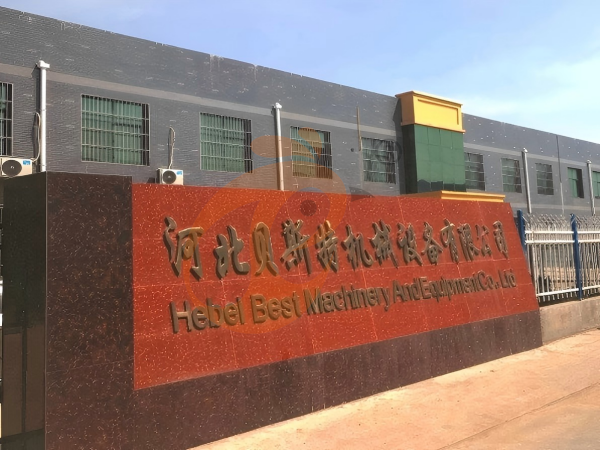
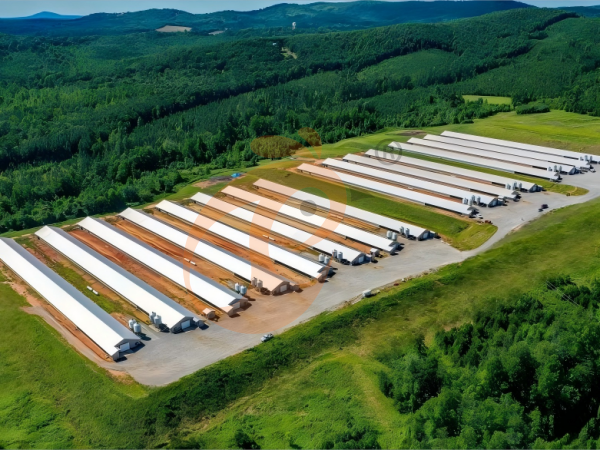
China Hebei Best Machinery And Equipment CO., LTD
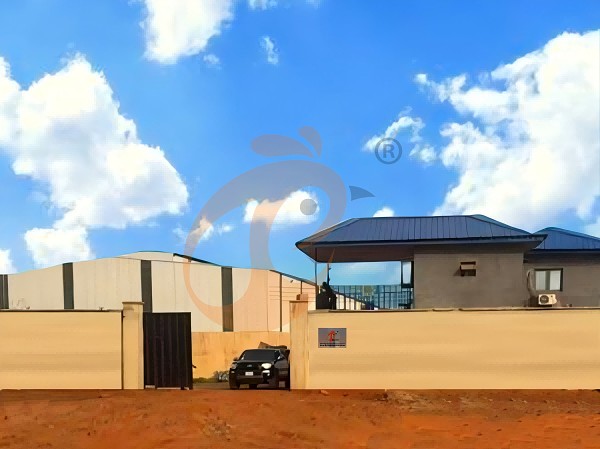
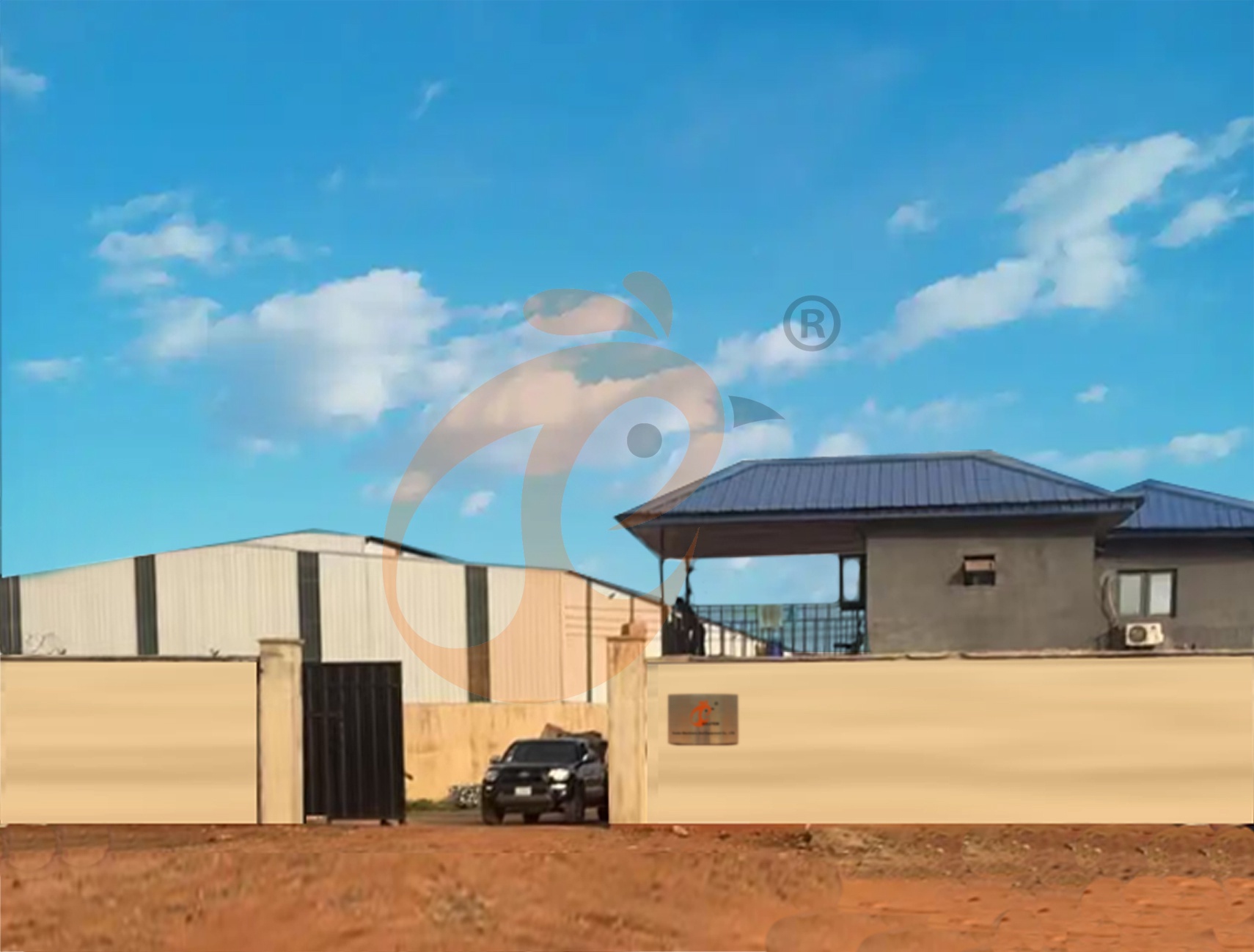
Nigeria Vanke Machinery And Equipment CO., LTD
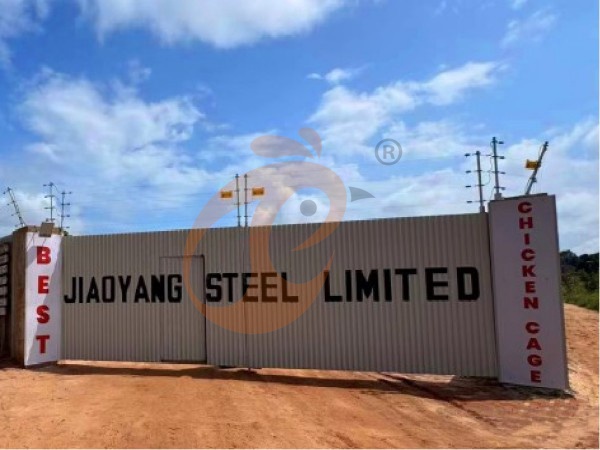
Tanzania Best Machinery And Equipment CO., LTD
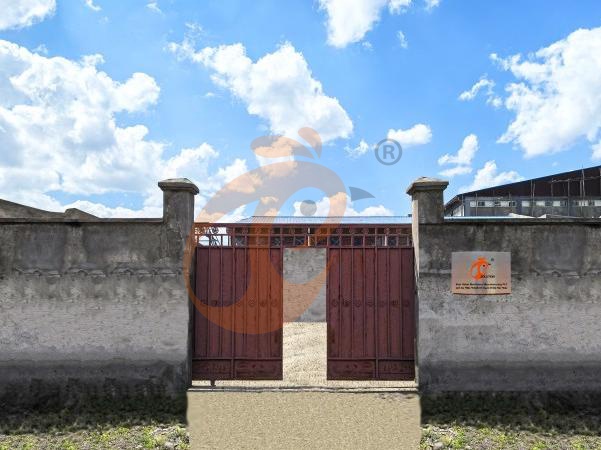
Ethiopia Best Hebei Machinery Manufacturing PLC
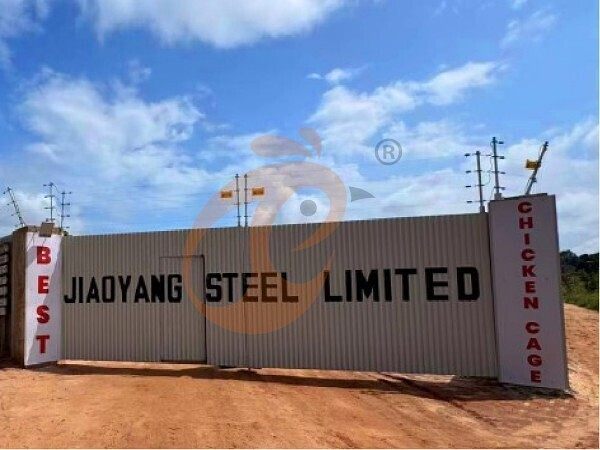
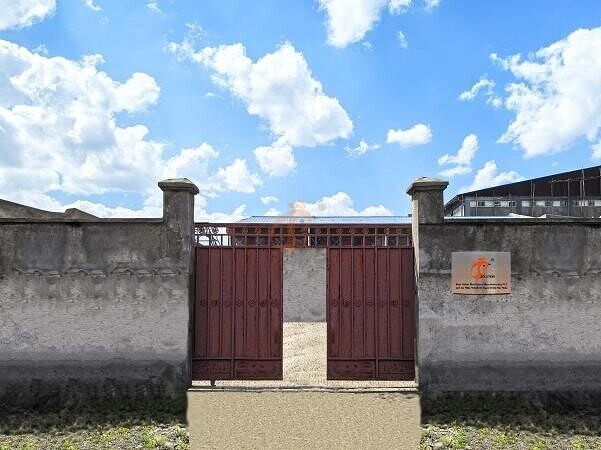
Reception /24 WhatsApp NO. : +8618830120193
FAQ
What Water Quality Requirements Are Necessary For Nipple Drinkers In Poultry Chicken Cage Systems?
Water hardness is maintained within 100–150 mg/L CaCO₃ equivalent for valve protection.
Microbial load is controlled under 100 CFU/mL for safe poultry consumption standards.
What Is The Recommended Stocking Ratio For Nipple Drinkers In Poultry Chicken Cage Systems?
Drinker spacing is typically set at 25–30 cm to reduce competition stress.
Water demand allocation is calculated at 180–220 ml per bird daily in intensive production.
How Is Water Flow Regulated In Nipple Drinkers For Poultry Chicken Cage Farming Systems?
Pressure stability is maintained within 0.18–0.22 MPa across drinking lines.
Drop formation interval is adjusted at 1–2 seconds per activation for efficient intake.
- poultry farm
- poultry farms
- poultry house
- poultry cage
- cage
- poultry farm construction
- poultry farm solution
- poultry farm planning
- poultry cage management
- poultry house construction
- poultry equipment
- manure removal equipment
- chickencage
- bestchickencage
- Nigeria
- broiler farm
- commercial poultry farms
- large poultry farms
- poultry farming
- automated poultry equipment
- poultry nipple drinker
- poultry equipment manufacturer
- modern poultry farm
- poultry farm solutions
- modern poultry farming
- poultry house air quality
- poultry farm plan
- poultry farming system
- Ethiopia
Message
Products recommended
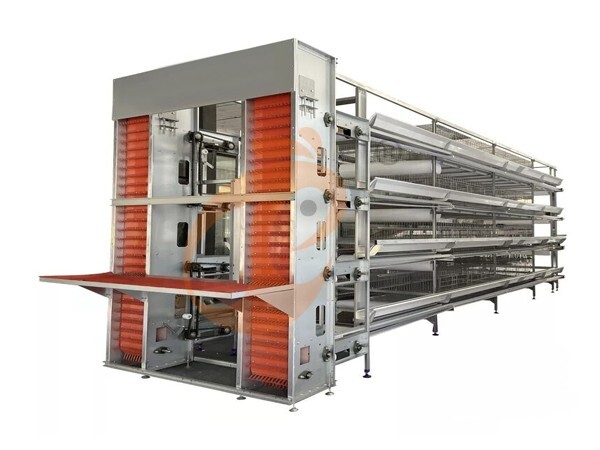
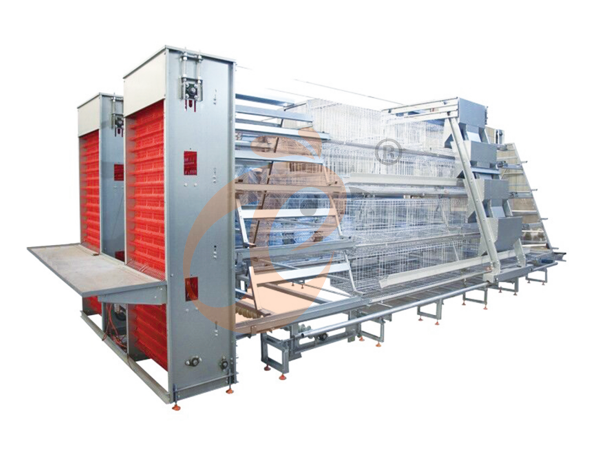
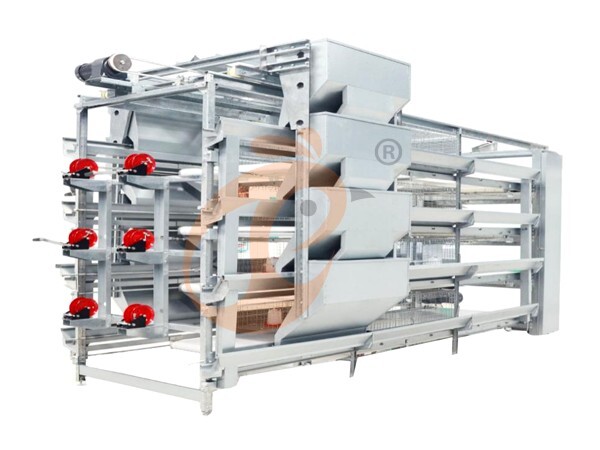
 >30,000 Pullets Automatic H Type Battery Cage1. More than 30,000 pullets a house, choose it.
2. It is designed to rearing older than 1 day old pullets to 12 to 16 weeks old chicken starting laying eggs.
3. Its lifespan is more than 25 years.
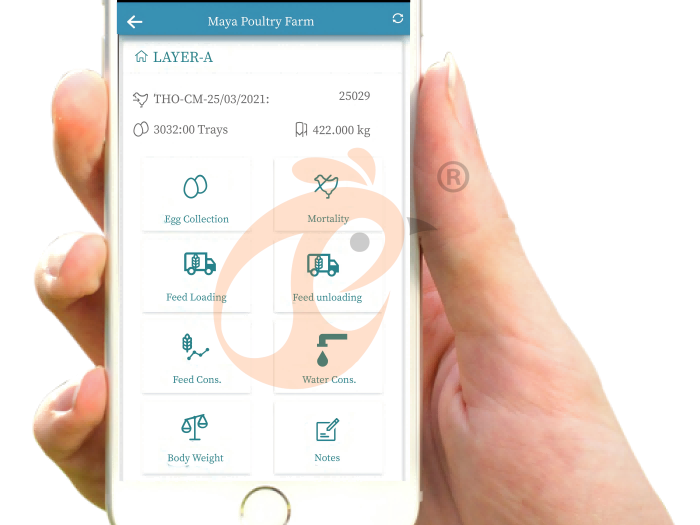
4. Its structure are Vcloud artificial intelligent fusion, electric control cabinet, automatic equipment of drinking, feeding, manure clean, manual harvesting.
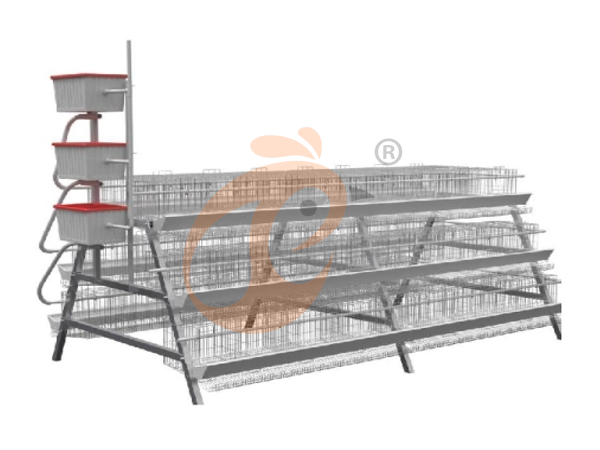
5. Our 24 hour online reception What’sApp NO. is +8618830120193 <30,000 Pullets Automatic A Type Battery Cage1. 10,000 to 30,000 pullets a house, choose it.
2. It is designed to rearing older than 1 day old pullets to 12 to 16 weeks old chicken starting laying eggs.
3. Its lifespan is more than 25 years.
4. Its structure are Vcloud artificial intelligent fusion, electric control cabinet, automatic equipment of drinking, feeding, manure clean, manual harvesting.
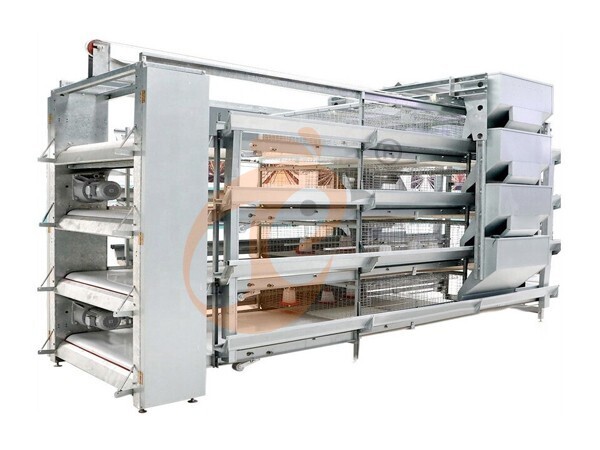
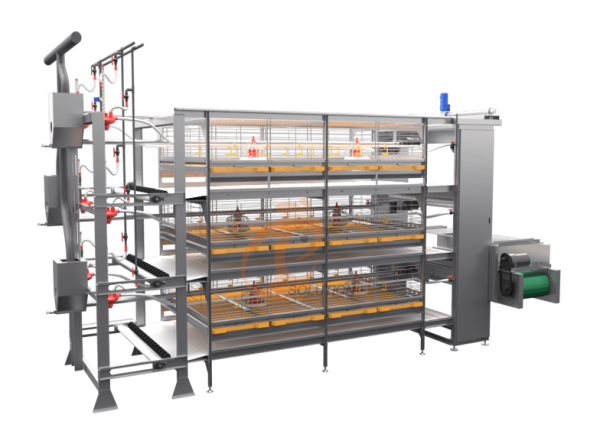
5. Our 24 hour online reception What’sApp NO. is +86 18830120193. >30,000 Broilers Semi-Automatic Harvest H Type Battery Cage1. More than 30,000 broilers a house, choose it.
2. It is designed to rearing 1 to 45 day old adult broiler ready for market.
3. Its lifespan is more than 20 years.
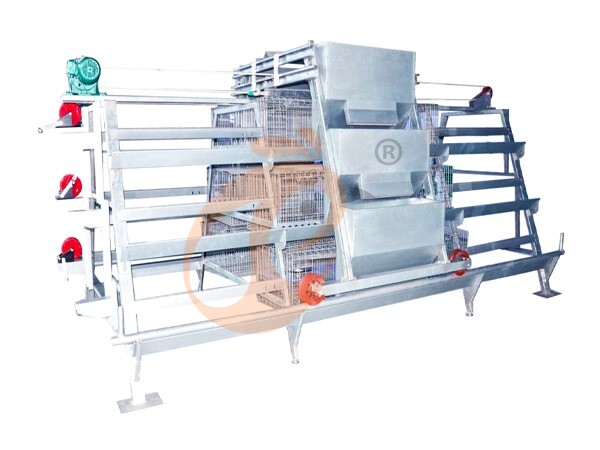
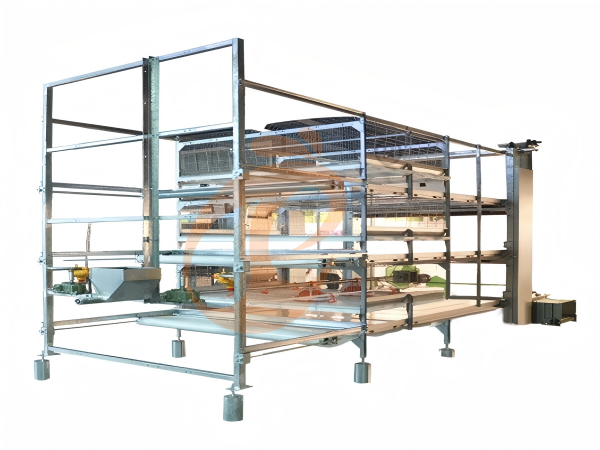
4. Our 24 hour online reception What’sApp NO. is +8618830120193, +234 8111199996. >30,000 Broilers Manual Harvest H Type Battery Cage1. More than 30,000 broilers a house, choose it.
2. It is designed to rearing 1 to 45 day old adult broiler ready for market.
3. Its lifespan is more than 20 years.
4. Its structure are Vcloud artificial intelligent fusion, electric control cabinet, automatic equipment of drinking, feeding and manure clean, manual harvesting.
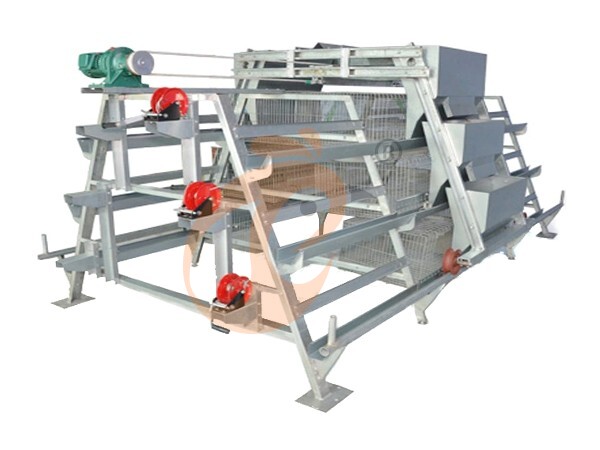
5. Our 24 hour online reception What’sApp NO. is +8618830120193, +234 8111199996. <30,000 Broilers Manual Harvest A Type Battery Cage1. Less 30,000 broilers a house, choose it.
2. It is designed to rearing 1 to 45 day old adult broiler ready for market.
3. Its lifespan is more than 20 years.
4. Its structure are Vcloud artificial intelligent fusion, electric control cabinet, automatic equipment of drinking, feeding and manure clean, manual harvesting.
5. Our 24 hour online reception What’sApp NO. is +8618830120193, +234 8111199996. HK Headquarter Offers EU-standard Poultry Farm Solutions, Manufacture Poultry Farm Equipment1. Continuous communication with the EU and the US
2. China, Nigeria, Ethiopia, Tanzania branch companies and factories
3. The products’ quality is customized for local poultry farms
4. Poultry cage and poultry farm equipment stock for sale
5. 24 online reception Whatsapp NO. : +8618830120193,contact us to get full information China Branch Offer Poultry Farm Business Plan, Manufacture Poultry Farm Equipment1. Address: Flat/RM 2416, 24/F, Runxing Building, Youyi Nan Street, Shijiazhuang City, Hebei Province, China
2. Poultry cage and poultry farm equipment factory and stock for sale
3. Customized for local poultry farms
4. Quality and design are based on Euro
5. 24 online reception Whatsapp NO. : +8618830120193 Nigeria Branch Offer Poultry Farm Business Plan, Manufacture Poultry Farm Equipment1. Address: After Sinoma Office, 200 Meters Near Danco Filling Station, Lagos/Ibadan Expressway, Lagos State, Nigeria
2. Poultry cage and poultry farm equipment factory and stock for sale
3. Customized for Nigerian poultry farms
4. Quality and design are based on Euro
5. 24 online reception Whatsapp NO. : +8618830120193 Ethiopia Branch Offer Poultry Farm Business Plan, Manufacture Poultry Farm Equipment1. Address: WR93+FQ2, Addis Ababa, Ethiopia
2. Poultry cage and poultry farm equipment stock for sale
3. Customized for Ethiopian poultry farms
4. Quality and design are based on Euro
5. 24 online reception Whatsapp NO. : +8618830120193, contact us to get price list Tanzania Branch Offer Poultry Farm Business Plan, Manufacture Poultry Farm Equipment1. Address: No.8, Sova Road, Msufini, Mlandizi, Kibaha, Pwani, Tanzania
2. Poultry cage and poultry farm equipment factory and stock for sale
3. Customized for Tanzanian poultry farms
4. Quality and design are based on Euro
5. 24 online reception Whatsapp NO. : +8618830120193


Contact
By clicking 'Allow All', you agree to the storage of cookies on your device to enhance site navigation, analyze site usage and assist with our marketing efforts.