


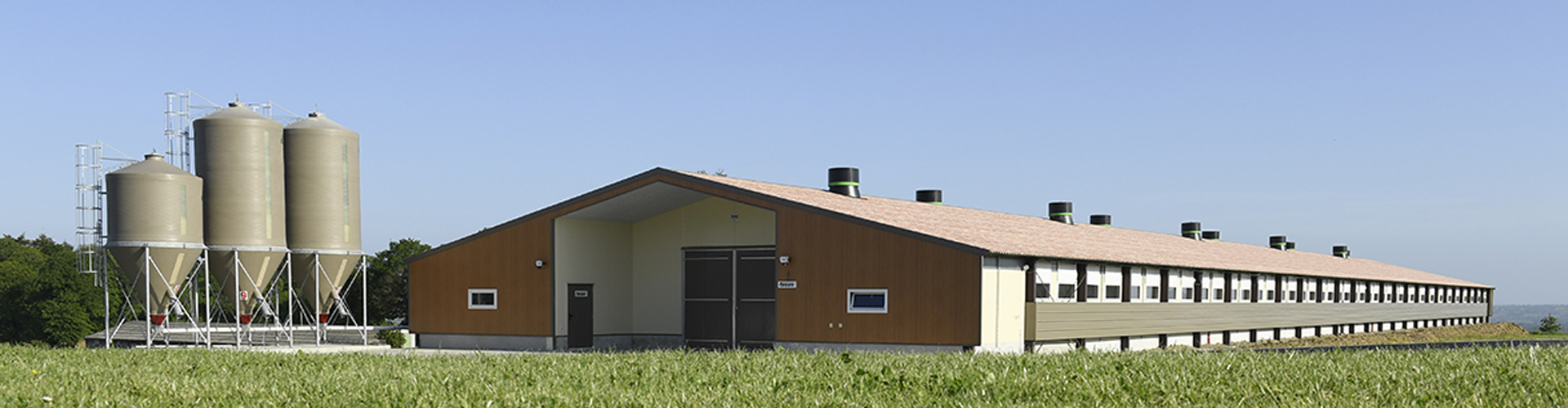
Blog
Pralson feeder system operation directly influences poultry feed efficiency, flock uniformity, equipment lifespan, and production stability in modern poultry farms.
Automatic poultry feeder management requires accurate calibration, continuous feed flow monitoring, stable motor operation, and scientific feed allocation standards.
Commercial poultry feeding system performance depends on feeder height adjustment, feed pan control, auger transmission stability, and scheduled sanitation procedures.
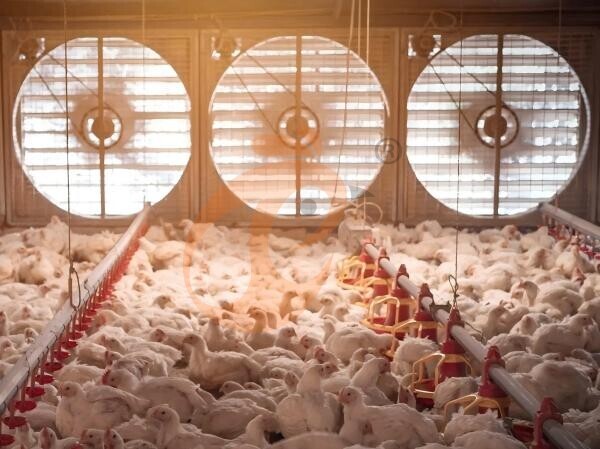
Pralson pan feeder equipment reduces manual labor requirements while supporting continuous feeding cycles inside broiler and layer poultry houses.
Automatic poultry feeding equipment maintenance improves feed conversion ratio, decreases feed waste, lowers repair expenses, and supports long-term commercial poultry production profitability.
Get professional poultry farm construction guidance, equipment selection solutions, and the latest price lists, whatsApp to +8618830120193, click to learn more:
Proper Feeder Height Adjustment For Poultry Feeding Efficiency
Correct feeder height allows poultry birds to consume feed evenly without excessive feed scratching or feed spillage.
Pralson feeder line positioning should match bird growth stages throughout the complete production cycle.
Incorrect feeder height increases feed loss, creates uneven body weight distribution, and increases competition around feeding areas.
Data is for reference only.Swipe horizontally to view full table.
Daily feeder line inspection should occur before the first feeding cycle starts.
Commercial broiler farms commonly reduce feed waste by 2.1% after correcting feeder height alignment across the poultry house.
Stable Feed Distribution Inside Automatic Poultry Feeding Equipment
Uniform feed movement inside the Pralson feeder system prevents nutritional imbalance between front and rear feeding pans.
Feed flow interruption may result from feed moisture accumulation, auger tube wear, hopper blockage, or unstable motor rotation speed.
Long poultry houses require balanced feed refill timing to maintain flock feeding consistency.
Data is for reference only.Swipe horizontally to view full table.
Commercial poultry farms using stable Pralson automatic poultry feeder systems commonly maintain feed variation below 150 g between feeding pans.
Accurate feed distribution improves flock uniformity and reduces aggressive feeding behavior during peak feed intake periods.
Correct Feed Pan Adjustment Reduces Feed Waste
Pralson pan feeder calibration directly influences feed utilization efficiency and daily production cost control.
Overfilled feeding pans increase scratching losses because poultry birds search selectively for larger feed particles.
Feed depth inside the pan should remain stable during different growth stages.
Data is for reference only.Swipe horizontally to view full table.
A commercial broiler farm with 50,000 birds may save more than $3,200 feed cost monthly after reducing feed waste by only 2%.
Poultry Science Knowledge About Feed Contamination
Feed moisture exceeding 14% commonly increases mold development inside poultry feed storage systems.
Mycotoxin contamination may reduce nutrient absorption efficiency and negatively affect poultry immune response.
Wet litter surrounding feeding areas also increases bacterial transmission risk inside enclosed poultry houses.
Data is for reference only.Swipe horizontally to view full table.
Routine sanitation protects both poultry health and feeding equipment operational stability.
Scheduled Cleaning Procedures
Daily sanitation routines improve equipment lifespan and reduce unexpected feeding system failures.
Feed pans require regular dry cleaning to prevent feed caking and bacterial accumulation.
Feed line motors and sensors also require scheduled dust removal procedures.
Data is for reference only.Swipe horizontally to view full table.
Commercial poultry farms implementing regular sanitation procedures commonly reduce equipment downtime by 18% annually.
Electrical Inspection For Poultry Feeding System Stability
Pralson feeder systems depend heavily on stable electrical performance throughout daily feeding cycles.
Electrical instability may interrupt feed movement and create temporary feed shortages inside large poultry houses.
Operators should monitor motor temperature, cable insulation condition, and sensor response accuracy continuously.
Data is for reference only.Swipe horizontally to view full table.
Motor overheating often results from auger friction, unstable voltage supply, or excessive feed resistance inside the transmission line.
Mechanical Warning Signs Inside Pralson Feeding Equipment
Early mechanical inspection reduces emergency repair costs and protects flock feeding continuity.
Grinding noise, unstable feed delivery speed, and excessive vibration commonly indicate auger wear or motor overload conditions.
Daily inspection routines improve operational safety inside intensive poultry production facilities.
Data is for reference only.Swipe horizontally to view full table.
Immediate maintenance intervention prevents large-scale feeding interruptions during high feed consumption periods.
Professional Training Standards
Automatic poultry feeder management still depends heavily on trained poultry equipment operators.
Incorrect feeder calibration may create inconsistent feed allocation across different poultry houses.
Professional training improves operational consistency and reduces avoidable maintenance expenses.
Data is for reference only.Swipe horizontally to view full table.
Commercial poultry enterprises commonly reduce yearly repair expenses by more than $5,000 after implementing standardized operator training systems.
European union standard reference only.
Data Monitoring For Commercial Poultry Feeding Operations
Feed intake analysis helps poultry farm managers identify environmental stress, disease risk, or equipment malfunction earlier.
Continuous data recording improves feed conversion ratio management and production forecasting accuracy.
Daily feed consumption records should remain accurate throughout every poultry production cycle.
Data is for reference only.Swipe horizontally to view full table.
Consistent production data management supports long-term poultry farm profitability and operational planning efficiency.
Poultry House Environmental Standards Supporting Feeding Efficiency
Environmental stability directly influences poultry feeding behavior and feed utilization performance.
High humidity levels increase feed clumping risk, while poor ventilation increases feed dust concentration around feeding areas.
Balanced environmental control improves poultry comfort and feeding consistency.
Data is for reference only.Swipe horizontally to view full table.
Environmental monitoring should remain synchronized with feeding management procedures throughout the production cycle.
Frequently Asked Questions
Q1: How often should pralson feeder systems receive full maintenance?
Commercial poultry farms commonly perform complete Pralson feeder maintenance every 30 to 45 days depending on flock density, feed consumption volume, and environmental conditions.
Daily inspections should include motor temperature monitoring, auger movement stability, and feed pan cleanliness.
Regular preventive maintenance reduces emergency downtime and extends equipment lifespan significantly.
Q2: What feed moisture level is suitable for automatic poultry feeding equipment?
Feed moisture content should normally remain between 10% and 12% for stable auger movement and smooth feed distribution inside automatic poultry feeding equipment.
Feed moisture above 14% increases mold growth risk, feed caking probability, and bacterial contamination inside feed pans and feed storage systems.
Q3: Why does uneven feed distribution affect poultry production performance?
Uneven feed distribution causes nutritional imbalance inside poultry houses because birds located near front feed lines consume feed earlier than birds positioned farther away.
Long-term feed inconsistency may reduce flock uniformity, increase aggressive feeding competition, and negatively influence feed conversion ratio and average body weight development.
Taiyu (HK) Group - One Of China Largest Pralson Feeder Manufacturer
Professional Pralson feeder system production supports modern commercial poultry feeding management requirements worldwide.
Global factory direct poultry equipment supply reduces procurement cost and improves delivery efficiency significantly.
Complete poultry cage and Pralson automatic poultry feeder integration supports medium and large poultry farms.
Professional Turn-key poultry farming engineering solutions improve project construction and operational management efficiency.
Technical poultry equipment installation guidance supports stable production performance across international poultry projects.
Contact Us To Received Your Customized Poultry Farm Plan
Headquarters And Branchs

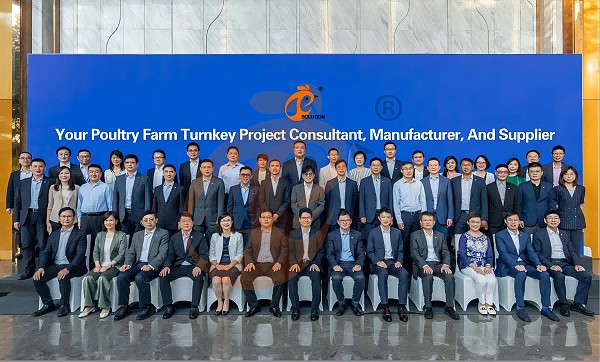
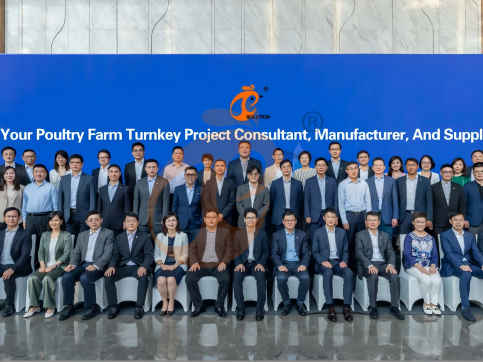
Hong Kong Headquarter Management Team
Hong Kong Headquarter Taiyu Industrial Group CO., LTD
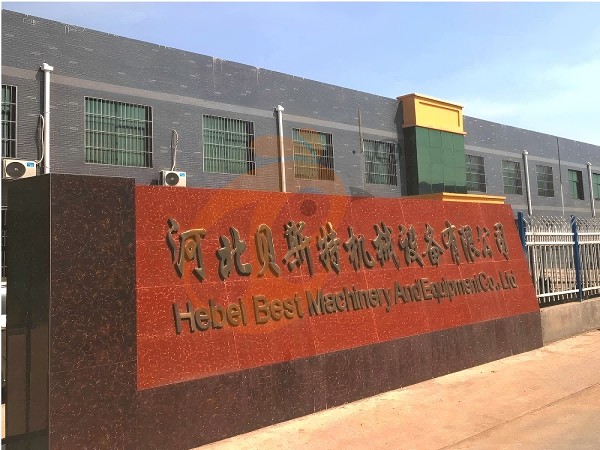
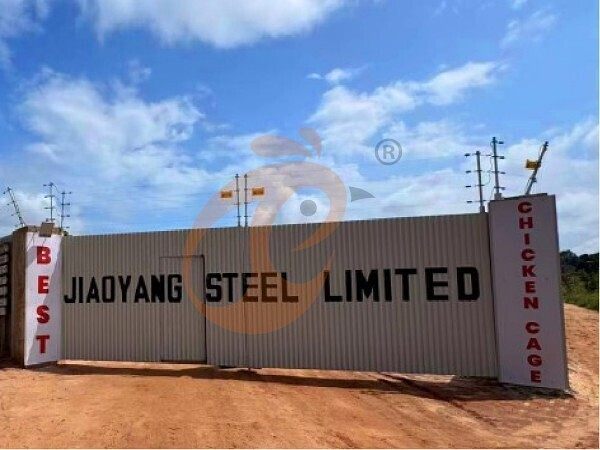
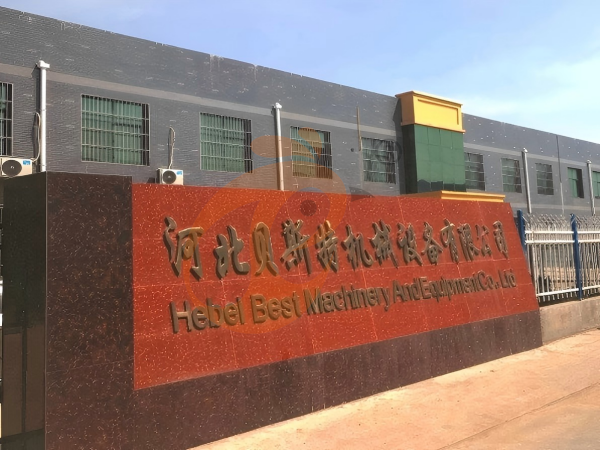
China Hebei Best Machinery And Equipment CO., LTD
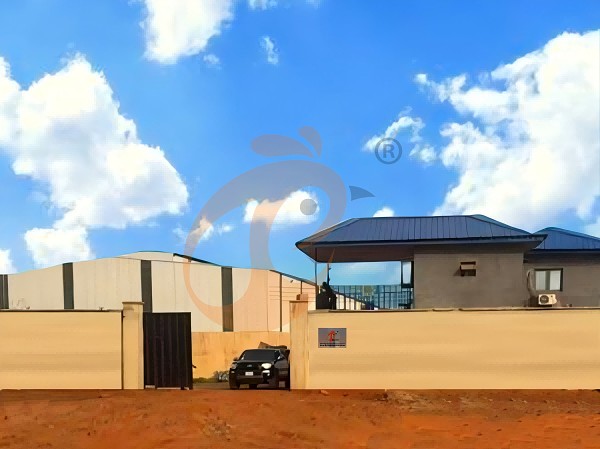
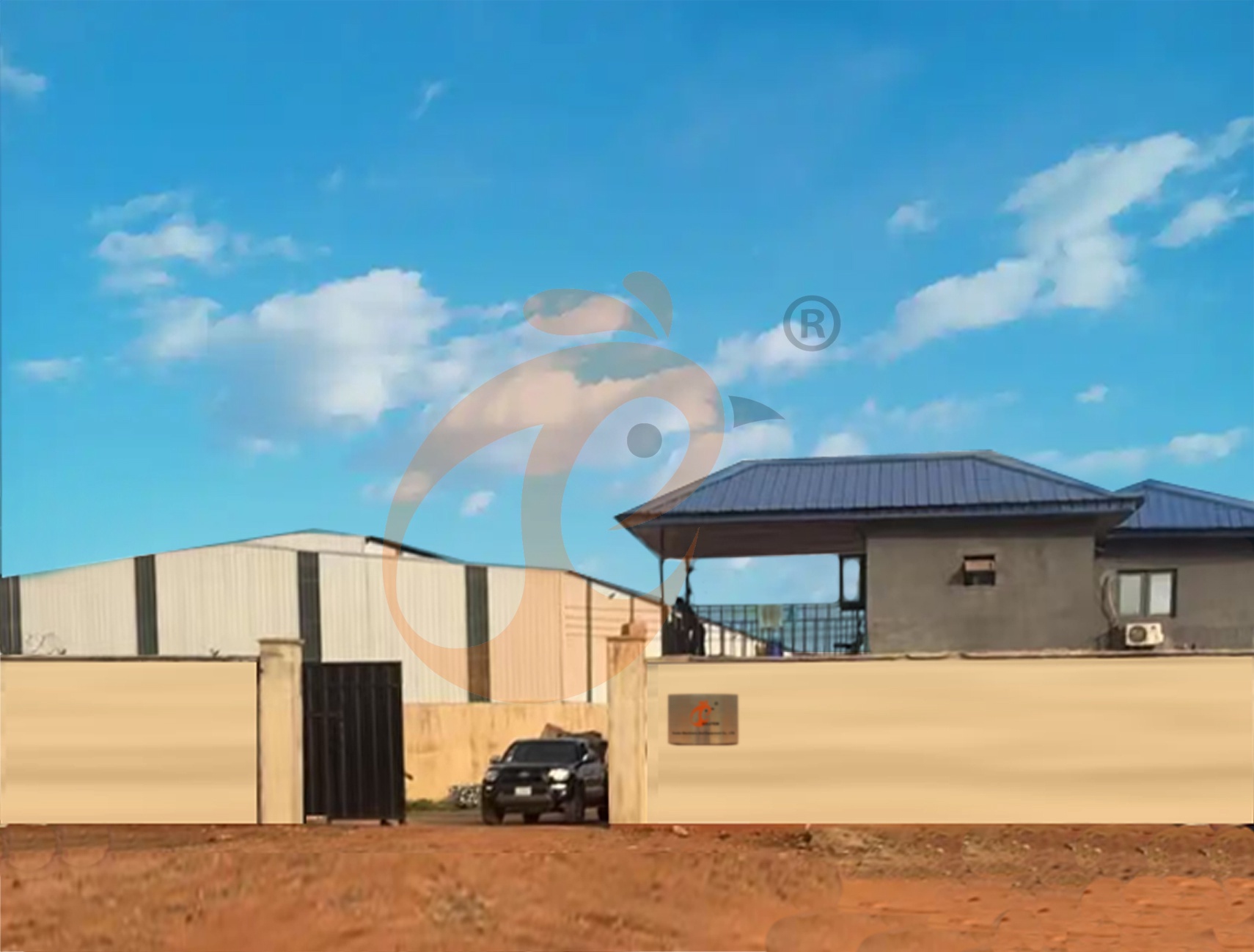
Nigeria Vanke Machinery And Equipment CO., LTD
Tanzania Best Machinery And Equipment CO., LTD
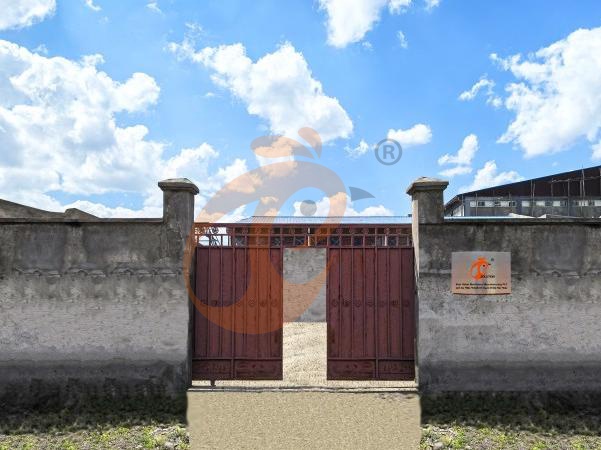
Ethiopia Best Hebei Machinery Manufacturing PLC

Reception /24 WhatsApp NO. : +8618830120193
FAQ
What Performance Advantages Does Plasson Poultry Equipment Provide In Poultry Chicken Farming Efficiency?
Labor requirement decreases by 50%–65% through automated water delivery systems.
Disease transmission risk is reduced by 35%–55% due to closed drinking environment design.
What Are The Installation Standards For Plasson Poultry Equipment In Poultry Chicken Farms?
Pipeline slope is maintained at 0.3%–0.5% for effective drainage and hygiene control.
Spacing between drinkers is configured at 25–35 cm to ensure equal water access distribution.
What Maintenance Requirements Apply To Plasson Poultry Equipment In Poultry Chicken Production Systems?
Seal inspection intervals are set at 20–30 days to prevent leakage and pressure loss.
Cleaning solution concentration is maintained at 0.03%–0.06% for effective system sanitation.
- poultry farm
- poultry farms
- poultry house
- poultry cage
- cage
- poultry farm construction
- poultry feeding system
- poultry feeding equipment
- automatic poultry feeding equipment
- poultry feed storage
- poultry equipment
- chickencage
- bestchickencage
- Nigeria
- broiler farm
- modern poultry farms
- commercial poultry farms
- large poultry farms
- poultry farming
- poultry feed storage system
- poultry feeder system
- automatic poultry feeder
- modern poultry farm
- poultry farm plan
- poultry farm profit
- poultry farm profitability
- poultry feed
- Ethiopia
Message
Products recommended
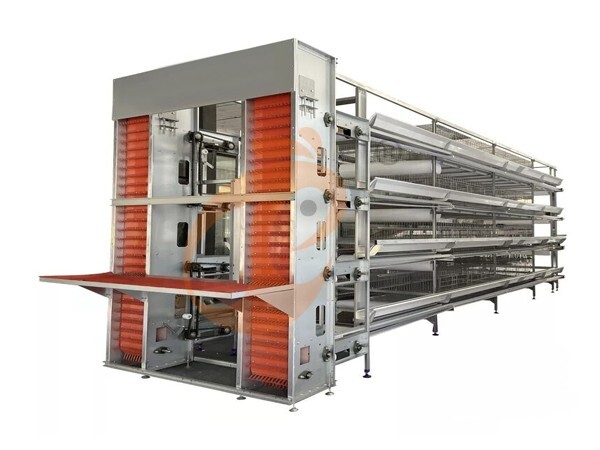
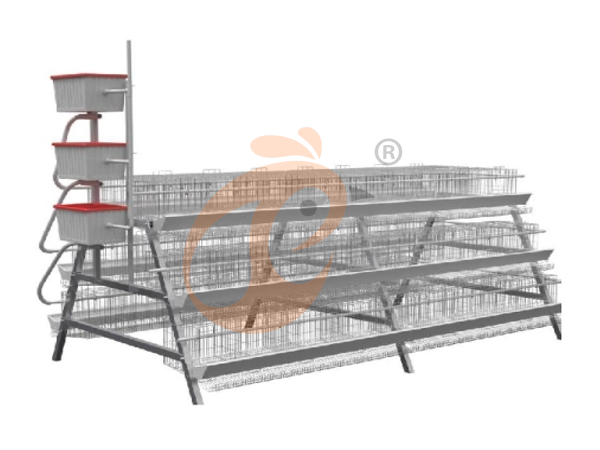
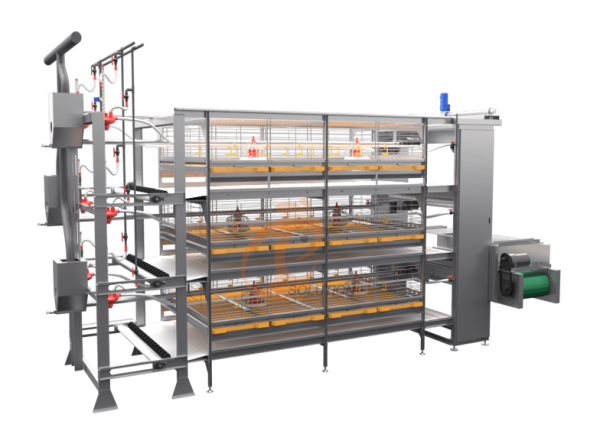
 >30,000 Pullets Automatic H Type Battery Cage1. More than 30,000 pullets a house, choose it.
2. It is designed to rearing older than 1 day old pullets to 12 to 16 weeks old chicken starting laying eggs.
3. Its lifespan is more than 25 years.
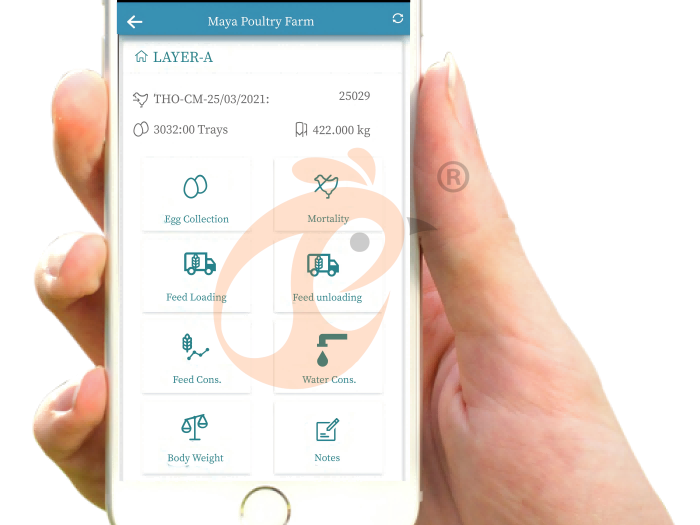
4. Its structure are Vcloud artificial intelligent fusion, electric control cabinet, automatic equipment of drinking, feeding, manure clean, manual harvesting.
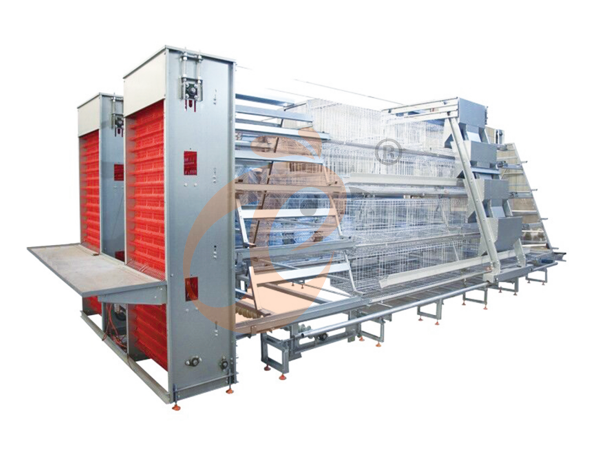
5. Our 24 hour online reception What’sApp NO. is +8618830120193 <30,000 Pullets Automatic A Type Battery Cage1. 10,000 to 30,000 pullets a house, choose it.
2. It is designed to rearing older than 1 day old pullets to 12 to 16 weeks old chicken starting laying eggs.
3. Its lifespan is more than 25 years.
4. Its structure are Vcloud artificial intelligent fusion, electric control cabinet, automatic equipment of drinking, feeding, manure clean, manual harvesting.
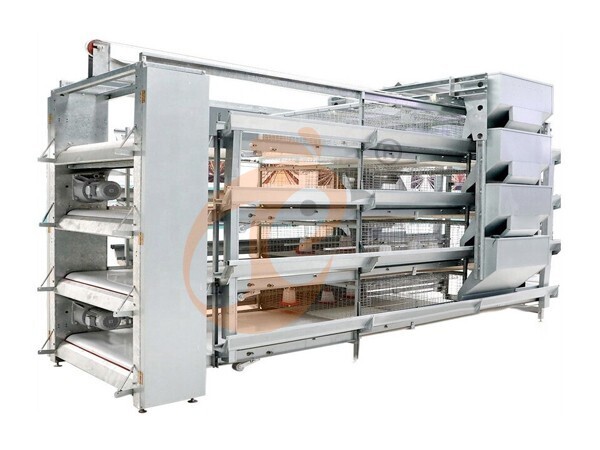
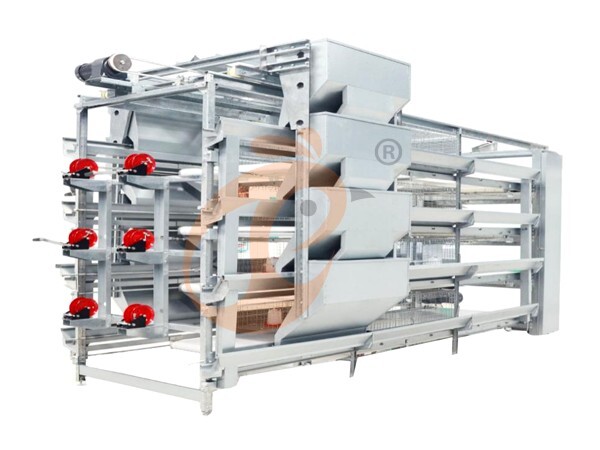
5. Our 24 hour online reception What’sApp NO. is +86 18830120193. >30,000 Broilers Semi-Automatic Harvest H Type Battery Cage1. More than 30,000 broilers a house, choose it.
2. It is designed to rearing 1 to 45 day old adult broiler ready for market.
3. Its lifespan is more than 20 years.
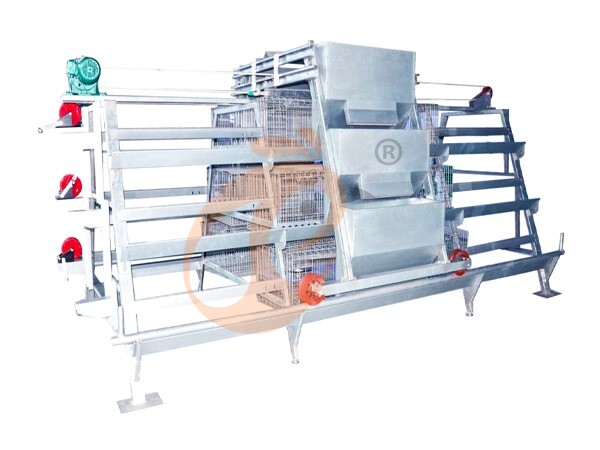
4. Our 24 hour online reception What’sApp NO. is +8618830120193, +234 8111199996. >30,000 Broilers Manual Harvest H Type Battery Cage1. More than 30,000 broilers a house, choose it.
2. It is designed to rearing 1 to 45 day old adult broiler ready for market.
3. Its lifespan is more than 20 years.
4. Its structure are Vcloud artificial intelligent fusion, electric control cabinet, automatic equipment of drinking, feeding and manure clean, manual harvesting.
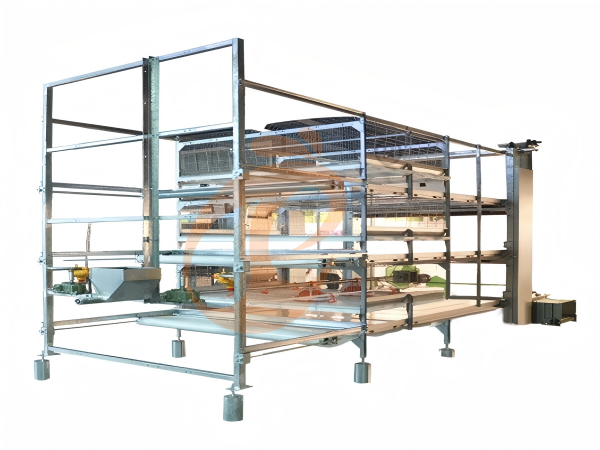
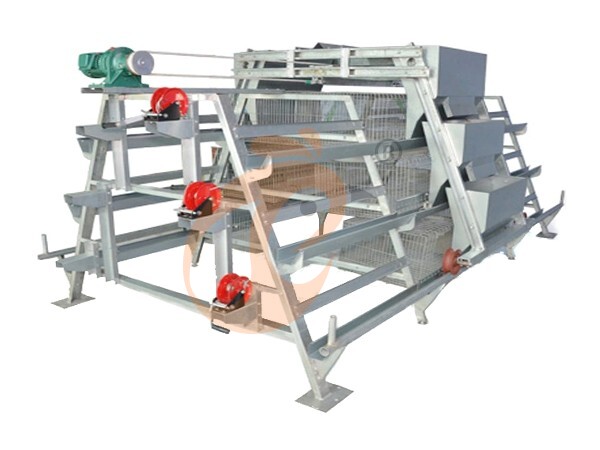
5. Our 24 hour online reception What’sApp NO. is +8618830120193, +234 8111199996. <30,000 Broilers Manual Harvest A Type Battery Cage1. Less 30,000 broilers a house, choose it.
2. It is designed to rearing 1 to 45 day old adult broiler ready for market.
3. Its lifespan is more than 20 years.
4. Its structure are Vcloud artificial intelligent fusion, electric control cabinet, automatic equipment of drinking, feeding and manure clean, manual harvesting.
5. Our 24 hour online reception What’sApp NO. is +8618830120193, +234 8111199996. HK Headquarter Offers EU-standard Poultry Farm Solutions, Manufacture Poultry Farm Equipment1. Continuous communication with the EU and the US
2. China, Nigeria, Ethiopia, Tanzania branch companies and factories
3. The products’ quality is customized for local poultry farms
4. Poultry cage and poultry farm equipment stock for sale
5. 24 online reception Whatsapp NO. : +8618830120193,contact us to get full information China Branch Offer Poultry Farm Business Plan, Manufacture Poultry Farm Equipment1. Address: Flat/RM 2416, 24/F, Runxing Building, Youyi Nan Street, Shijiazhuang City, Hebei Province, China
2. Poultry cage and poultry farm equipment factory and stock for sale
3. Customized for local poultry farms
4. Quality and design are based on Euro
5. 24 online reception Whatsapp NO. : +8618830120193 Nigeria Branch Offer Poultry Farm Business Plan, Manufacture Poultry Farm Equipment1. Address: After Sinoma Office, 200 Meters Near Danco Filling Station, Lagos/Ibadan Expressway, Lagos State, Nigeria
2. Poultry cage and poultry farm equipment factory and stock for sale
3. Customized for Nigerian poultry farms
4. Quality and design are based on Euro
5. 24 online reception Whatsapp NO. : +8618830120193 Ethiopia Branch Offer Poultry Farm Business Plan, Manufacture Poultry Farm Equipment1. Address: WR93+FQ2, Addis Ababa, Ethiopia
2. Poultry cage and poultry farm equipment stock for sale
3. Customized for Ethiopian poultry farms
4. Quality and design are based on Euro
5. 24 online reception Whatsapp NO. : +8618830120193, contact us to get price list Tanzania Branch Offer Poultry Farm Business Plan, Manufacture Poultry Farm Equipment1. Address: No.8, Sova Road, Msufini, Mlandizi, Kibaha, Pwani, Tanzania
2. Poultry cage and poultry farm equipment factory and stock for sale
3. Customized for Tanzanian poultry farms
4. Quality and design are based on Euro
5. 24 online reception Whatsapp NO. : +8618830120193



Contact
By clicking 'Allow All', you agree to the storage of cookies on your device to enhance site navigation, analyze site usage and assist with our marketing efforts.