


Blog
Pellet machine operation for poultry feed production integrates grinding, conditioning, pelletizing, cooling, and packaging control systems.
Industrial feed engineering requires moisture regulation, particle size reduction, thermal steam activation, and mechanical compression.
Broiler and layer poultry farms depend on stable pellet durability, consistent nutrient distribution, and controlled energy consumption.
Production lines require standardized parameters for grinding, mixing, conditioning, and cooling stages.
Operational efficiency improves feed conversion ratio, reduces feed waste, and increases flock uniformity.
Get professional poultry farm construction guidance, equipment selection solutions, and the latest price lists, whatsApp to +8618830120193, click to learn more:
Raw Material Preparation For Poultry Feed Production
Raw material preparation defines feed pellet structural integrity and nutritional consistency in poultry production systems.
Corn, soybean meal, wheat bran, fish meal, and premix materials require strict compositional control before processing.
Data is for reference only.Swipe horizontally to view full table.
Feed formulation accuracy influences broiler weight gain and feed efficiency ratio in controlled poultry systems.
Moisture imbalance above 2 percent deviation reduces pellet formation stability during compression stage.
Grinding System Optimization For Feed Uniformity
Grinding system reduces particle size, improves surface exposure, and enhances enzymatic digestion efficiency in poultry feed production.
Hammer mill configuration determines throughput stability and particle uniformity in industrial feed processing plants.
Data is for reference only.Swipe horizontally to view full table.
Particle reduction improves starch availability and increases digestibility index in poultry gastrointestinal absorption system.
Energy consumption increases when screen size reduction exceeds mechanical tolerance range.
Mixing Accuracy And Nutrient Distribution Control
Mixing system ensures homogeneous distribution of protein, energy, vitamins, and minerals across feed batch volume.
Double shaft paddle mixer technology stabilizes coefficient of variation below industrial poultry production requirement.
Data is for reference only.Swipe horizontally to view full table.
Nutrient uniformity directly impacts flock growth consistency and reduces mortality variation across production cycles.
Extended mixing time beyond design threshold increases energy consumption without improving uniformity index.
Conditioning With Steam Injection System
Conditioning system applies thermal steam energy, increases feed plasticity, and activates starch gelatinization binding mechanism.
Steam injection stabilizes pellet formation, reduces dust generation, and improves pellet durability index.
Data is for reference only.Swipe horizontally to view full table.
Thermal activation improves pellet structural cohesion and reduces fines percentage during cooling transportation process.
Temperature deviation above 5 degrees Celsius reduces pellet binding strength significantly.
Pelletizing Process And Die Compression Control
Pelletizing system converts conditioned mash feed into cylindrical pellets through mechanical compression die structure.
Die compression ratio determines hardness, density, and durability index of final poultry feed pellets.
Data is for reference only.Swipe horizontally to view full table.
Mechanical compression increases pellet density, improves feed intake efficiency in broiler farming systems.
Incorrect roller pressure causes cracking, deformation, and uneven pellet length distribution.
Cooling System And Moisture Stabilization
Cooling system stabilizes pellet structure, reduces temperature, and prevents microbial growth in poultry feed storage.
Airflow distribution ensures uniform heat exchange and improves pellet hardness retention during packaging stage.
Data is for reference only.Swipe horizontally to view full table.
Moisture stabilization controls mold formation risk and extends feed storage cycle in warehouse conditions.
Cooling imbalance increases pellet cracking rate during mechanical handling operations.
Packaging Storage And Feed Preservation
Packaging system isolates pellet feed from humidity and oxygen contamination, maintains nutritional integrity during logistics.
Storage design determines feed shelf life stability under controlled environmental conditions.
Data is for reference only.Swipe horizontally to view full table.
Humidity exposure above 70 percent reduces pellet hardness and accelerates nutrient degradation process.
Proper sealing structure reduces feed loss in poultry farming operations.
Maintenance System For Continuous Production
Maintenance system ensures continuous pellet machine operation and reduces downtime in industrial feed production lines.
Lubrication, inspection, and replacement schedule stabilize mechanical performance and extend equipment lifespan.
Data is for reference only.Swipe horizontally to view full table.
Preventive maintenance reduces production interruption frequency and increases operational continuity.
Wear monitoring prevents catastrophic mechanical failure in high load environments.
Production Performance Indicators
Production performance indicators measure efficiency, cost, output, and quality in poultry feed manufacturing systems.
Energy consumption, pellet durability, and feed conversion efficiency determine overall production profitability.
Data is for reference only.Swipe horizontally to view full table.
System optimization reduces feed cost per broiler by 0.10 USD per bird lifecycle European union standard reference only.
Efficiency monitoring ensures stable production output under continuous operation.
Frequently Asked Questions
Q1: What determines pellet durability in poultry feed production?
Pellet durability depends on conditioning temperature, moisture level, compression ratio, and cooling stabilization accuracy.
Each parameter influences structural integrity and reduces fines during handling, transportation, and storage operations.
Q2: Why does particle size affect feed conversion ratio?
Smaller particle size increases digestion surface area and improves nutrient absorption efficiency in poultry gastrointestinal system.
Uniform grinding ensures consistent energy release and stabilizes growth performance across flock populations.
Q3: How does steam conditioning improve pellet quality?
Steam conditioning activates starch gelatinization, increases binding strength, and reduces dust formation during pelletizing stage.
Controlled thermal input improves pellet hardness and reduces mechanical breakdown during storage and transport.
Taiyu (HK) Group - One Of China Largest Pellet Machine Manufacturer
Pellet machine system integrates grinding, mixing, conditioning, pelletizing, cooling, and packaging automated feed production line.
Global factory supply provides poultry cage equipment, feed machinery, and integrated production engineering systems.
Turn key poultry project solutions cover design, manufacturing, installation, commissioning, and training service support.
Industrial export network delivers standardized feed machinery to multiple international agricultural markets.
Manufacturing system supports continuous production efficiency and stable equipment performance for poultry industry operations.
Contact Us To Received Your Customized Poultry Farm Plan
Headquarters And Branchs
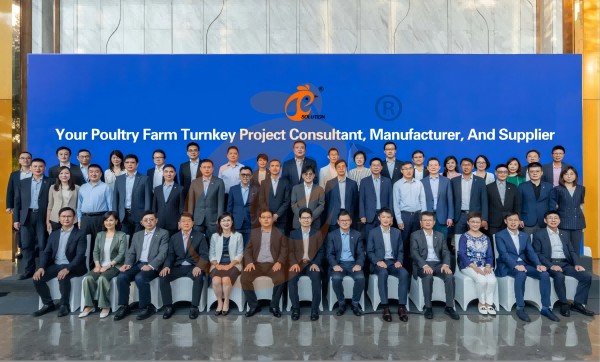
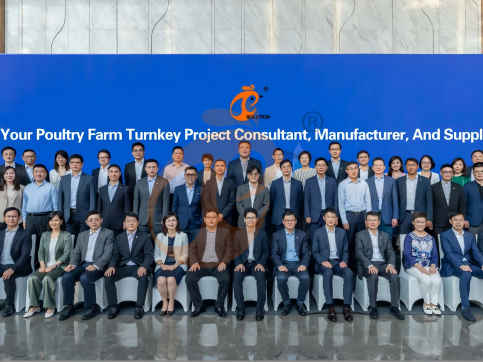
Hong Kong Headquarter Management Team
Hong Kong Headquarter Taiyu Industrial Group CO., LTD
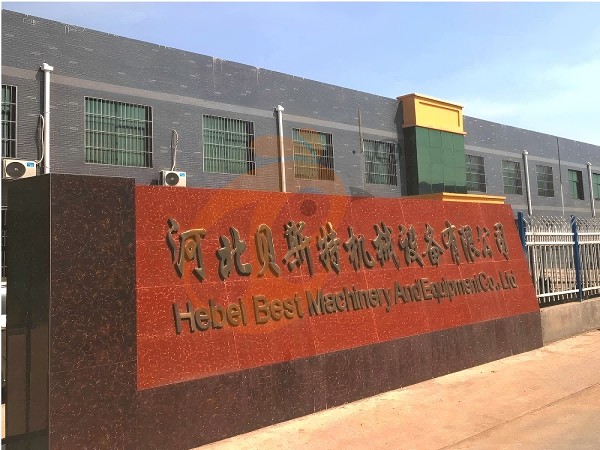
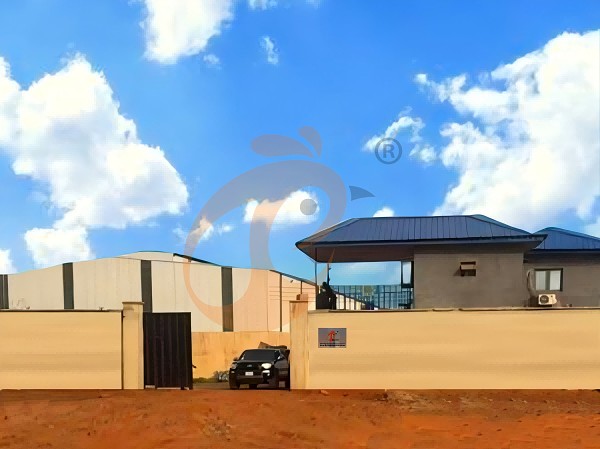
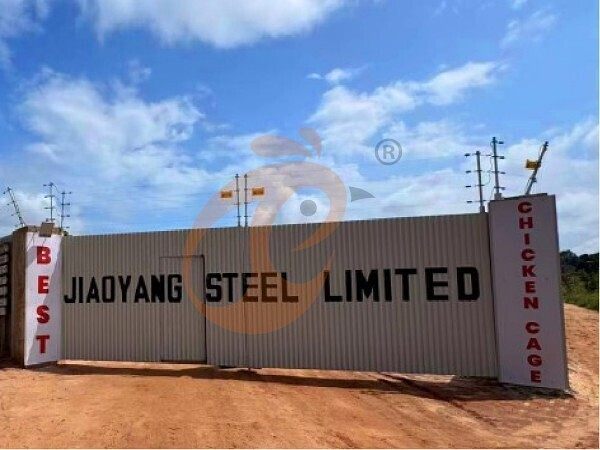
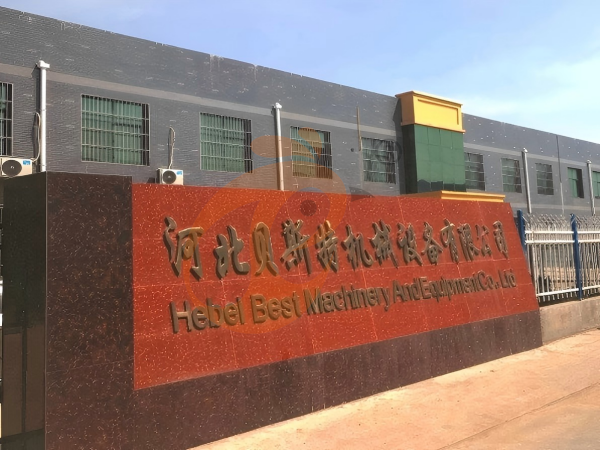
China Hebei Best Machinery And Equipment CO., LTD
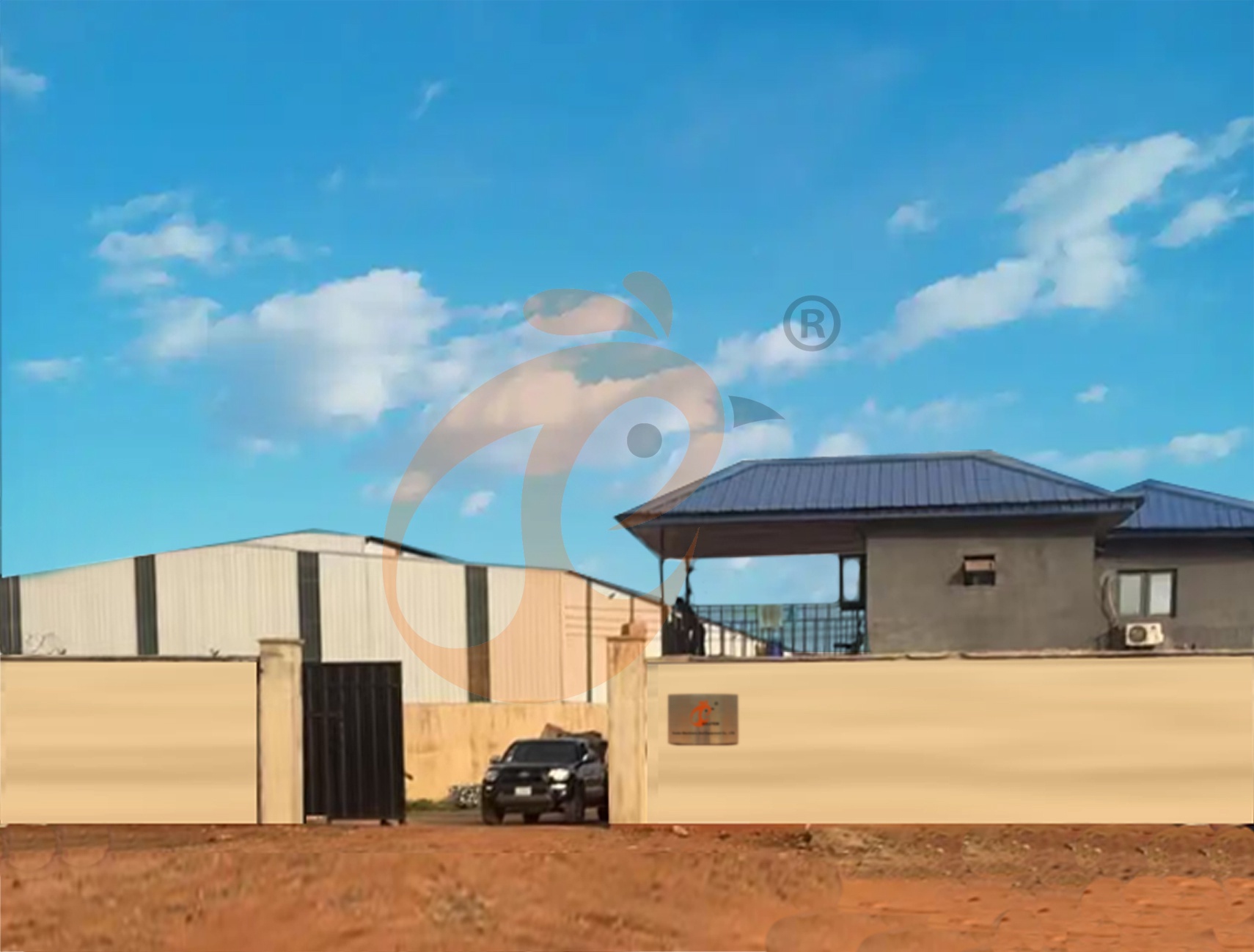
Nigeria Vanke Machinery And Equipment CO., LTD
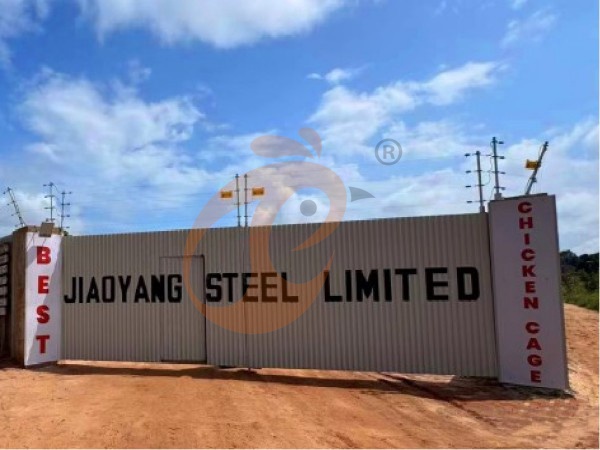
Tanzania Best Machinery And Equipment CO., LTD
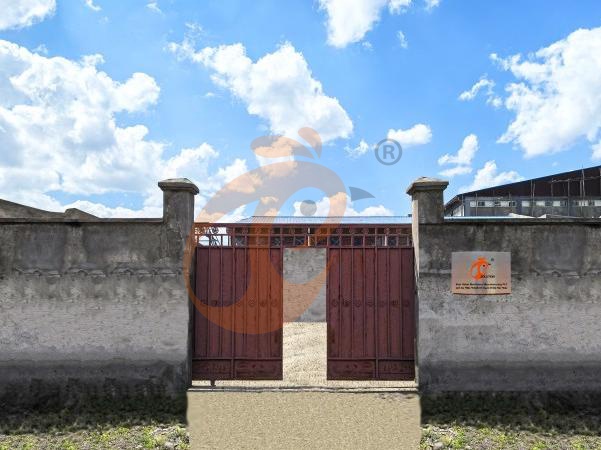
Ethiopia Best Hebei Machinery Manufacturing PLC

Reception /24 WhatsApp NO. : +8618830120193
FAQ
What Is The Production Capacity Range Of Pellet Machine In Poultry Chicken Feed Processing Systems?
Medium systems operate at 800–1500 kg per hour for commercial broiler farms.
Industrial pellet lines reach 3–6 tons per hour for integrated feed mill production.
What Are The Standard Pellet Diameters Produced By Pellet Machine For Poultry Chicken Feed?
Grower feed pellets are produced at 3.0 mm for balanced nutrient intake.
Finisher feed pellets are set at 4.0 mm to optimize growth performance and feed conversion.
What Temperature Range Is Required During Pelletizing Process In Poultry Chicken Feed Production?
Pellet discharge temperature is controlled at 75–85°C for structural stability.
Cooling stage reduces pellet temperature to within 5°C above ambient for storage safety.
- poultry farm
- poultry farms
- pellet machine
- poultry cage
- cage
- poultry farm construction
- poultry cage equipment
- poultry feed storage
- chickencage
- bestchickencage
- Nigeria
- broiler farm
- layer poultry farms
- poultry farming
- layer poultry farm
- pellet machine manufacturer
- poultry farm plan
- broiler farming system
- poultry feed
- poultry feed production
- Ethiopia
Message
Products recommended
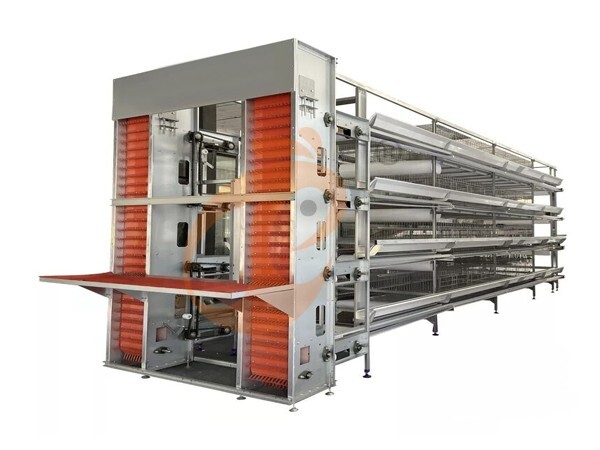
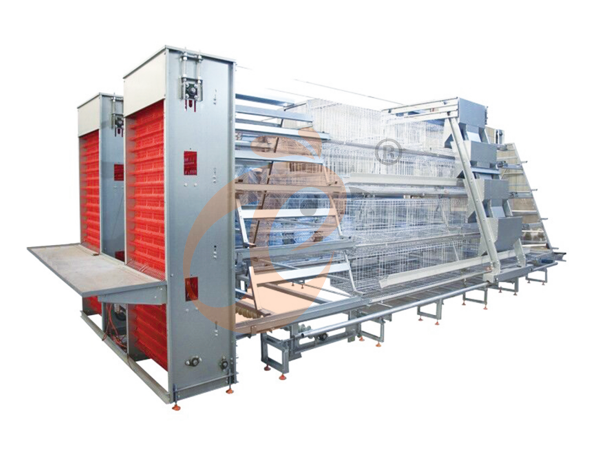
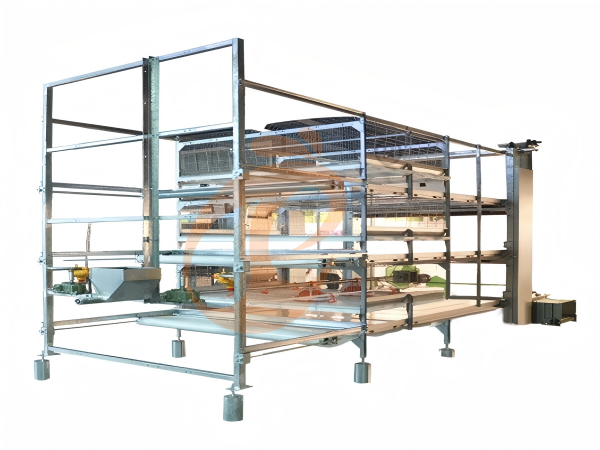
 >30,000 Pullets Automatic H Type Battery Cage1. More than 30,000 pullets a house, choose it.
2. It is designed to rearing older than 1 day old pullets to 12 to 16 weeks old chicken starting laying eggs.
3. Its lifespan is more than 25 years.
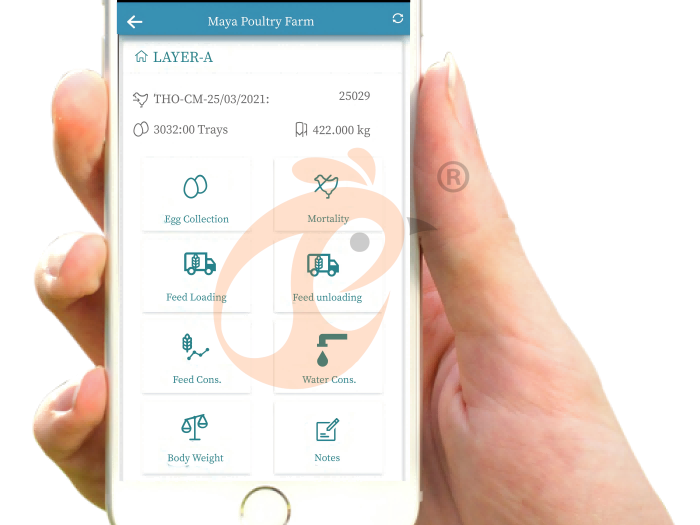
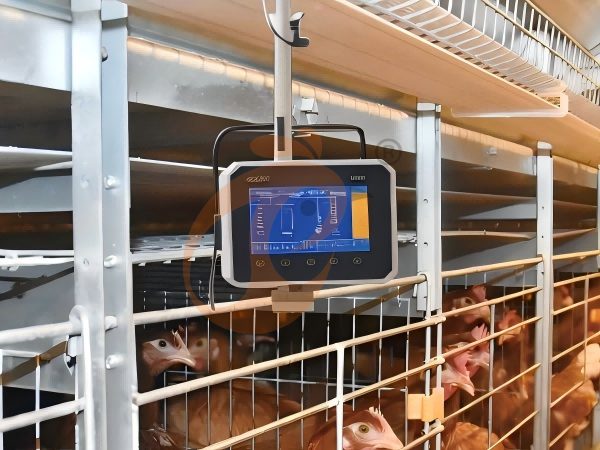
4. Its structure are Vcloud artificial intelligent fusion, electric control cabinet, automatic equipment of drinking, feeding, manure clean, manual harvesting.
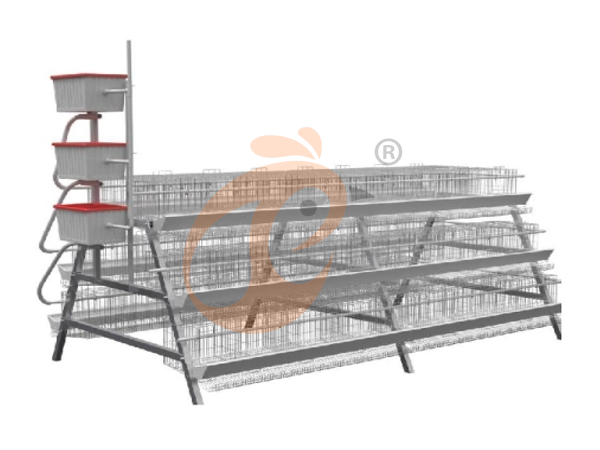
5. Our 24 hour online reception What’sApp NO. is +8618830120193 <30,000 Pullets Automatic A Type Battery Cage1. 10,000 to 30,000 pullets a house, choose it.
2. It is designed to rearing older than 1 day old pullets to 12 to 16 weeks old chicken starting laying eggs.
3. Its lifespan is more than 25 years.
4. Its structure are Vcloud artificial intelligent fusion, electric control cabinet, automatic equipment of drinking, feeding, manure clean, manual harvesting.
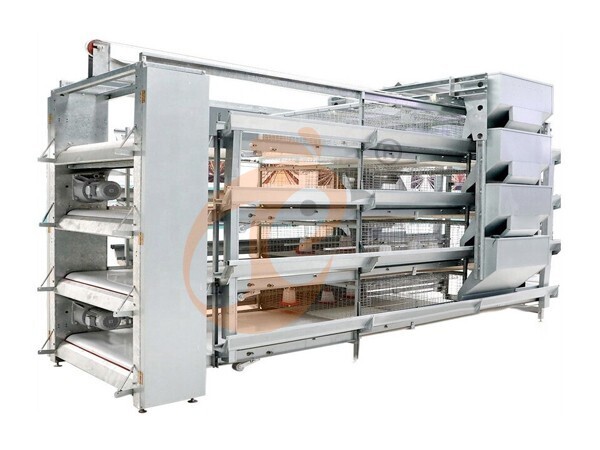
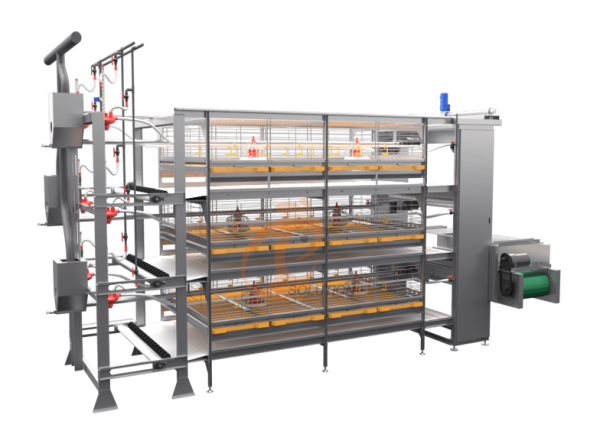
5. Our 24 hour online reception What’sApp NO. is +86 18830120193. >30,000 Broilers Semi-Automatic Harvest H Type Battery Cage1. More than 30,000 broilers a house, choose it.
2. It is designed to rearing 1 to 45 day old adult broiler ready for market.
3. Its lifespan is more than 20 years.
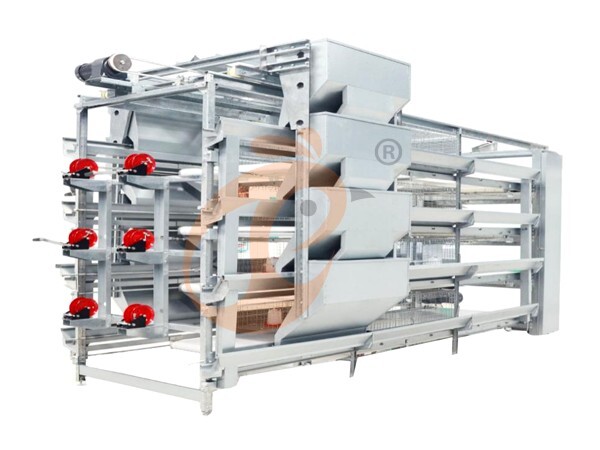
4. Our 24 hour online reception What’sApp NO. is +8618830120193, +234 8111199996. >30,000 Broilers Manual Harvest H Type Battery Cage1. More than 30,000 broilers a house, choose it.
2. It is designed to rearing 1 to 45 day old adult broiler ready for market.
3. Its lifespan is more than 20 years.
4. Its structure are Vcloud artificial intelligent fusion, electric control cabinet, automatic equipment of drinking, feeding and manure clean, manual harvesting.
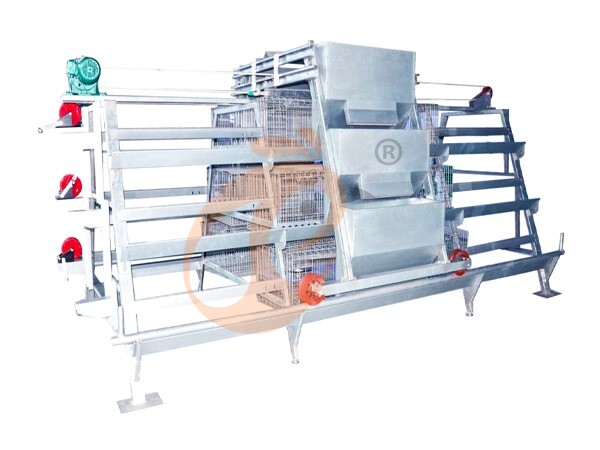
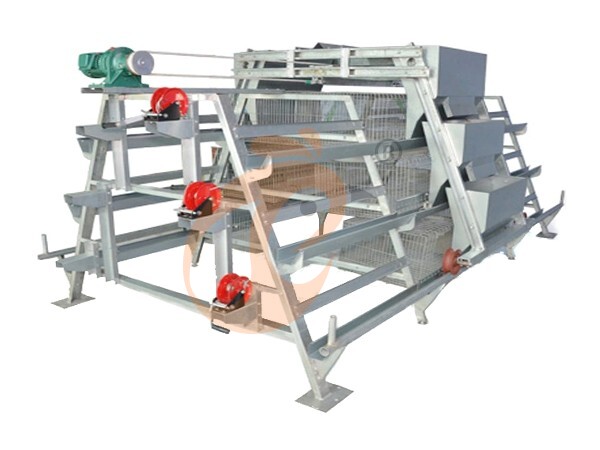
5. Our 24 hour online reception What’sApp NO. is +8618830120193, +234 8111199996. <30,000 Broilers Manual Harvest A Type Battery Cage1. Less 30,000 broilers a house, choose it.
2. It is designed to rearing 1 to 45 day old adult broiler ready for market.
3. Its lifespan is more than 20 years.
4. Its structure are Vcloud artificial intelligent fusion, electric control cabinet, automatic equipment of drinking, feeding and manure clean, manual harvesting.
5. Our 24 hour online reception What’sApp NO. is +8618830120193, +234 8111199996. HK Headquarter Offers EU-standard Poultry Farm Solutions, Manufacture Poultry Farm Equipment1. Continuous communication with the EU and the US
2. China, Nigeria, Ethiopia, Tanzania branch companies and factories
3. The products’ quality is customized for local poultry farms
4. Poultry cage and poultry farm equipment stock for sale
5. 24 online reception Whatsapp NO. : +8618830120193,contact us to get full information China Branch Offer Poultry Farm Business Plan, Manufacture Poultry Farm Equipment1. Address: Flat/RM 2416, 24/F, Runxing Building, Youyi Nan Street, Shijiazhuang City, Hebei Province, China
2. Poultry cage and poultry farm equipment factory and stock for sale
3. Customized for local poultry farms
4. Quality and design are based on Euro
5. 24 online reception Whatsapp NO. : +8618830120193 Nigeria Branch Offer Poultry Farm Business Plan, Manufacture Poultry Farm Equipment1. Address: After Sinoma Office, 200 Meters Near Danco Filling Station, Lagos/Ibadan Expressway, Lagos State, Nigeria
2. Poultry cage and poultry farm equipment factory and stock for sale
3. Customized for Nigerian poultry farms
4. Quality and design are based on Euro
5. 24 online reception Whatsapp NO. : +8618830120193 Ethiopia Branch Offer Poultry Farm Business Plan, Manufacture Poultry Farm Equipment1. Address: WR93+FQ2, Addis Ababa, Ethiopia
2. Poultry cage and poultry farm equipment stock for sale
3. Customized for Ethiopian poultry farms
4. Quality and design are based on Euro
5. 24 online reception Whatsapp NO. : +8618830120193, contact us to get price list Tanzania Branch Offer Poultry Farm Business Plan, Manufacture Poultry Farm Equipment1. Address: No.8, Sova Road, Msufini, Mlandizi, Kibaha, Pwani, Tanzania
2. Poultry cage and poultry farm equipment factory and stock for sale
3. Customized for Tanzanian poultry farms
4. Quality and design are based on Euro
5. 24 online reception Whatsapp NO. : +8618830120193



Contact
By clicking 'Allow All', you agree to the storage of cookies on your device to enhance site navigation, analyze site usage and assist with our marketing efforts.