


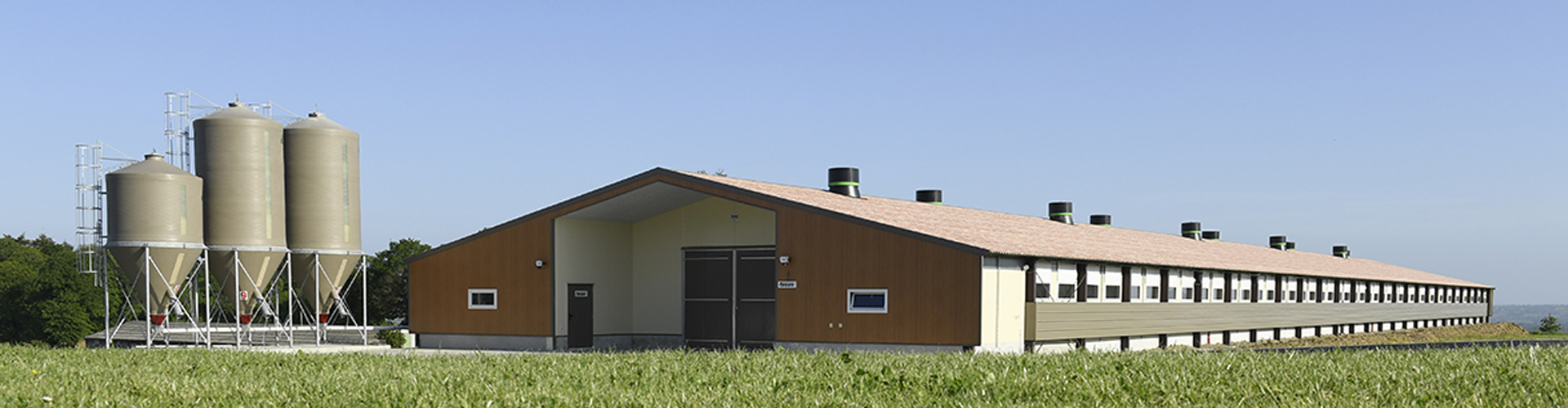
Blog
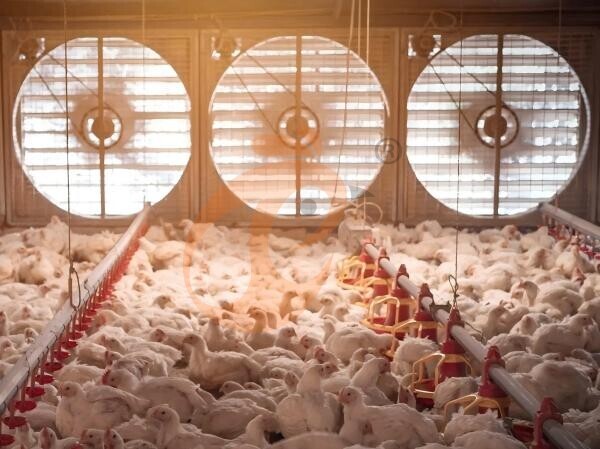
Pralson feeder reliability combines durable drives, controlled delivery, precise installation, preventive inspection, and environmental protection across commercial poultry houses.
Automatic poultry feeder engineering stabilizes daily feed distribution through measured motor selection, calibrated controls, suitable layouts, and scheduled maintenance.
Poultry feeding system performance improves when component specifications match house dimensions, feed characteristics, operating cycles, and production conditions.
Chicken feeder system efficiency depends on practical servicing, protected electrical components, accurate inspections, and documented operating data across flock cycles.
- Together, these approaches support dependable feeding, lower intervention, consistent flock access, scalable poultry equipment planning, and stronger farm efficiency.
Get professional poultry farm construction guidance, equipment selection solutions, and the latest price lists, whatsApp to +8618830120193, click to learn more:
Reliability Starts With The Right Equipment
A reliable pralson feeder begins before the first bird enters the house.
A commercial poultry feeding system may operate for 16–20 hours per day, so component selection must account for repeated starts, continuous conveying, dust
exposure, and frequent cleaning.
A professionally engineered pralson feeder system should therefore be evaluated as a complete mechanical and electrical solution rather than as a collection of individual parts.
The objective is straightforward: maintain predictable feeding performance throughout the production cycle while reducing unnecessary intervention.
When the feeder architecture is matched to house length, flock size, feed characteristics, and operating schedule, an automatic poultry feeder can provide a more controlled foundation for automated poultry production.
A properly planned pralson feeder installation can also accommodate 2–4 daily feeding programs without placing unnecessary operational pressure on farm personnel.
Data is for reference only.Swipe horizontally to view full table.
Method One: Match The Drive System To The Feeding Line
Drive Principle
The drive unit is the mechanical heart of the pralson feeder line.
Selecting a motor merely by nominal power can produce unnecessary energy consumption or insufficient conveying performance.
Instead, the motor, gearbox, auger diameter, line length, feed density, and elevation should be considered as one operating system.
A 60–100 rpm output speed can provide controlled auger movement when matched with an appropriate transmission ratio, supporting automatic poultry feeder operation.
A correctly matched drive system also reduces mechanical shock during startup.
Soft-start or controlled-start configurations can be particularly useful on longer poultry feeding system lines, where sudden torque demand may otherwise increase stress on transmission components.
For farms operating several houses, standardized drive configurations can additionally simplify spare-parts management and technician training.
Method Two: Control Feed Delivery With Precision
Feed-Control Logic
Feed distribution is where pralson feeder design becomes directly connected with flock management.
The objective is not simply to move feed from the hopper to the end of the line; it is to deliver an appropriate quantity at a predictable rate.
A calibrated chicken feeder system can help prevent excessive accumulation around the first pans while maintaining adequate feed availability farther down the line.
An adjustable feed-control mechanism can be configured around a 5–30 mm feed-level adjustment range, depending on feeder design and feed type.
Maintaining controlled delivery becomes particularly important when feed particle size changes between starter, grower, and finisher diets.
A pralson feeder system that allows practical adjustment can reduce the need for improvised modifications during the flock cycle.
Data is for reference only.Swipe horizontally to view full table.
Method Three: Make Installation A Precision Process
Installation Sequence
Installation quality determines how effectively pralson feeder engineering specifications translate into actual farm performance.
Feeding lines should be installed according to the house structure rather than forced into an unsuitable layout.
Line geometry, suspension, drive positioning, and electrical routing all influence mechanical loading during operation.
A practical installation procedure should include measurements before equipment assembly.
Support points may be planned at approximately 2.0–3.0 m intervals, depending on system configuration and house conditions, helping stabilize automatic poultry feeder operation.
Keeping the line mechanically stable helps limit unnecessary movement during startup and operation while making subsequent adjustment easier.
Instead of treating installation as a one-day construction task, farms should treat pralson feeder installation as the first stage of reliability management.
Accurate installation records—including line dimensions, motor specifications, controller settings, and component quantities—can create a useful technical
reference for future maintenance.
Method Four: Use Preventive Inspection Instead Of Emergency Repair
Inspection Rule
A pralson feeder rarely fails without warning.
Small changes in sound, vibration, feed movement, or electrical behavior can provide useful indications before a major malfunction occurs.
The key is to turn these observations into a repeatable inspection process rather than relying entirely on operator experience.
A maintenance team can record motor operating temperature at 30-minute intervals during a diagnostic inspection, creating a measurable reference for automatic poultry feeder condition assessment.
Comparing measurements over time can help identify unusual operating trends.
Recording vibration, current, and operating time in the same maintenance log provides an additional technical basis for deciding whether a component requires
adjustment or replacement.
Data is for reference only.Swipe horizontally to view full table.
Method Five: Protect The Feeder From Poultry-House Conditions
Poultry houses create a combination of dust, humidity, organic particles, and cleaning chemicals that can influence pralson feeder performance.
Electrical and mechanical components should therefore be selected with the installation environment in mind.
Enclosures, cable routing, connectors, and protective covers are not cosmetic details; they are part of the reliability system.
Where equipment is exposed to regular wash-down or elevated humidity, electrical protection should be selected according to the actual installation environment.
Appropriately protected electrical enclosures can be specified at IP54, IP55, or IP65, depending on exposure and applicable design requirements.
The correct protection level should always be confirmed against the final installation conditions and applicable standards.
Data is for reference only.Swipe horizontally to view full table.
Design Maintenance Around Actual Farm Work
Maintenance Workflow
Maintenance becomes more effective when pralson feeder equipment is designed for access.
Workers should not need to dismantle large sections of a feeding line simply to inspect a frequently serviced component.
Practical access reduces service time and encourages farms to perform scheduled inspections.
A useful maintenance plan can divide components into daily, weekly, monthly, and flock-cycle checks.
A detailed drive-system inspection can be scheduled every 500–1,000 operating hours, subject to component instructions and actual operating conditions.
This approach creates a measurable maintenance history rather than an informal ''check when necessary'' system.
Turn Reliability Into Measurable Performance
Performance Equation
A reliable poultry feeding system should be measured with operating data.
Farm managers can track feeding interruptions, service events, component replacements, and electrical consumption to understand whether pralson feeder equipment is actually improving production efficiency.
Recording the number of unplanned feeder stoppages per 1,000 operating hours gives a more useful reliability indicator than simply describing a feeder as ''durable''.
Similarly, monitoring kilograms of feed delivered per operating hour can reveal changes in automatic poultry feeder performance before they become obvious to the operator.
Data is for reference only.Swipe horizontally to view full table.
Reduce Feed Waste Through Better Equipment Control
Control Check
Feed waste is not only a nutrition or management issue; pralson feeder engineering can influence it directly.
Pan design, feed-level adjustment, line height, and feed-flow control all contribute to how efficiently birds access and consume feed.
A properly adjusted chicken feeder system can maintain a controlled quantity of feed while allowing birds to obtain feed without excessive spillage.
In practical farm evaluation, operators can compare feed consumption against live-bird output and record the difference over a defined 7-day measurement period.
Such data provides a stronger basis for equipment adjustment than visual judgment alone.
Make The System Easier For Farm Workers To Operate
Operator Test
Automation should simplify farm work rather than create another complicated process.
A good pralson feeder system should allow operators to identify the operating state quickly, adjust feeding parameters logically, and respond to alarms without extensive troubleshooting.
User-oriented control design can include clearly defined feeding cycles, motor protection, sensor feedback, and fault indications.
A controller may support 4–10 programmable feeding periods, allowing managers to adapt operation to flock age and farm strategy without repeatedly changing manual settings.
Data is for reference only.Swipe horizontally to view full table.
Choose A Supplier That Supports The Whole System
Project-Support Checklist
Pralson feeder reliability does not end when equipment leaves the factory.
Spare parts, technical documentation, installation guidance, troubleshooting procedures, and component compatibility all influence the total ownership experience.
A professional poultry equipment supplier should be able to provide clear technical information for critical parts.
Documentation should identify items such as motor model, gearbox specification, auger dimensions, electrical requirements, and replacement-part references.
Providing a complete equipment list with 100% component identification makes future purchasing and maintenance substantially easier.
Data is for reference only.Swipe horizontally to view full table.
Build A More Reliable Pralson Feeding System
Five-Part Reliability Model
Improving pralson feeder reliability is ultimately a system-engineering task.
The five core approaches are clear: select the appropriate drive system, control feed delivery precisely, install the line accurately, establish preventive inspection,
and protect equipment against poultry-house conditions.
Farm operators should evaluate performance over the entire production cycle rather than judging equipment from a single operating day.
A useful review can compare maintenance records across 3–5 consecutive flock cycles, revealing recurring issues that may not be visible during routine
operation.
For poultry producers, the commercial value of a reliable chicken feeder system extends beyond uninterrupted feed delivery.
Properly engineered equipment can reduce maintenance intervention, improve operational consistency, simplify workforce management, and support more
predictable production planning.
Pralson feeder solutions can therefore be positioned as part of a complete poultry-house equipment strategy: feeding equipment engineered around mechanical
durability, controlled feed distribution, practical maintenance, and automated operation.
When farms invest in the right feeder configuration from the beginning, reliability becomes measurable, manageable, and scalable.
The result is not simply a feeder that operates—it is a feeding system designed to support efficient poultry production throughout the flock cycle.
Frequently Asked Questions
Q1: What is the most important factor for pralson feeder reliability?
Correct drive selection, accurate installation, controlled feed delivery, and scheduled inspection should work together, with operating records reviewed across multiple flock cycles.
Q2: How often should pralson feeder components be inspected?
Inspection frequency depends on operating conditions, but detailed drive-system checks can be scheduled around 500–1,000 operating hours according to component requirements.
Q3: How can a poultry feeding system reduce unexpected downtime?
Preventive inspection, accessible components, documented settings, and appropriate environmental protection allow developing faults to be identified before
complete system interruption.
Taiyu (HK) Group - One Of China Largest Pralson Feeder Manufacturer
Pralson feeder systems integrate drive, conveying, control, and feeding components, with configurations supporting 350–1,500 kg/h throughput for commercial poultry projects.
Global factory-direct supply covers poultry equipment packages, standardized components, technical documentation, and production coordination for international farm developments.
Turn-key engineering supports project stages from equipment configuration and house-layout planning through installation guidance, commissioning, and operational handover.
Project solutions can combine poultry feeding, drinking, environmental-control, and related poultry equipment according to house capacity, production targets, and site requirements.
Contact Us To Received Your Customized Poultry Farm Plan
Headquarters And Branchs

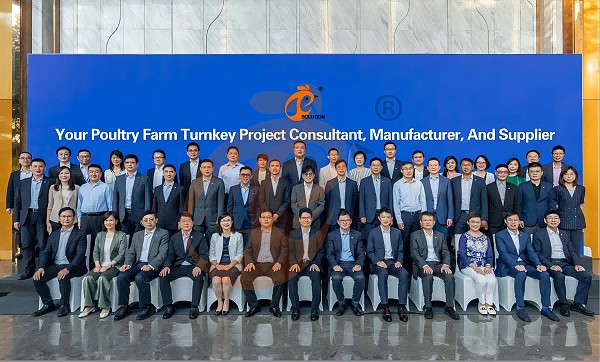
Hong Kong Headquarter Management Team
Hong Kong Headquarter Taiyu Industrial Group CO., LTD
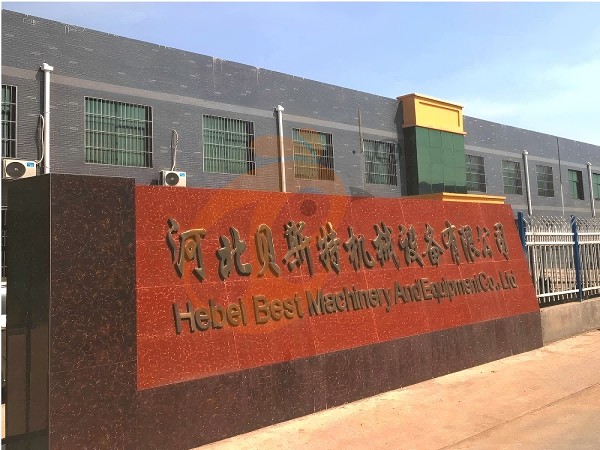
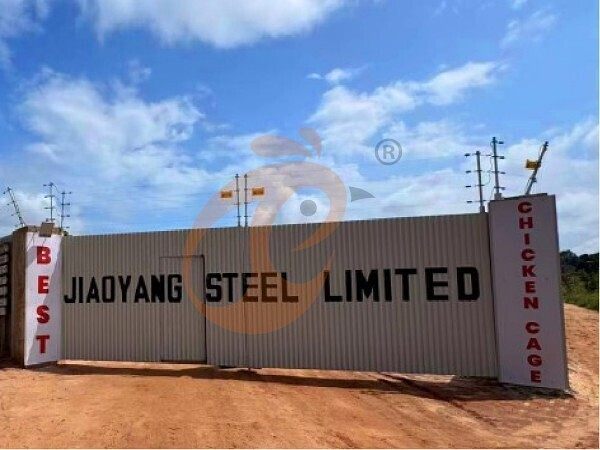
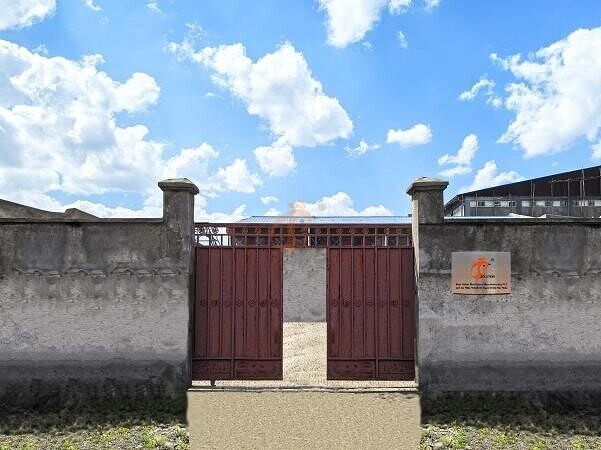
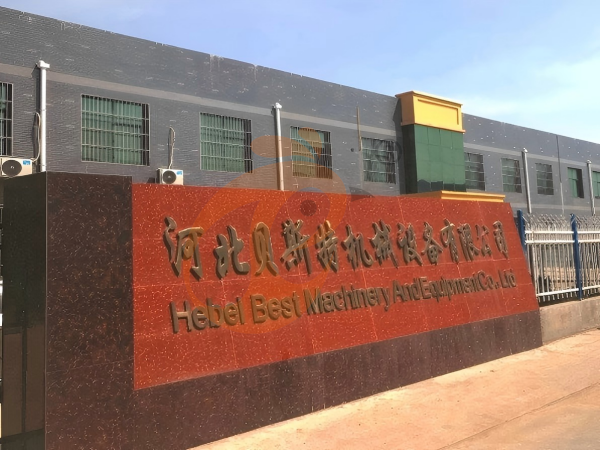
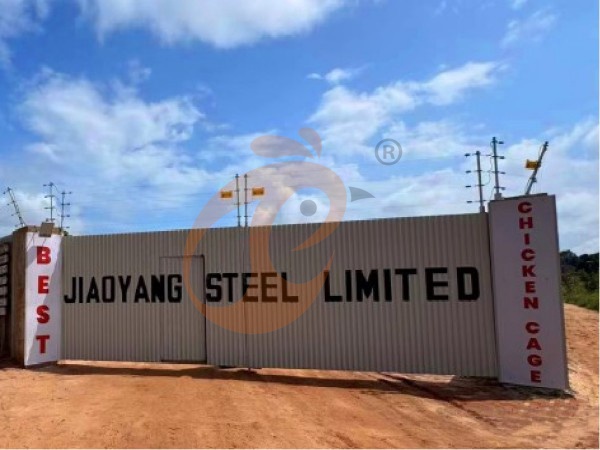
China Hebei Best Machinery And Equipment CO., LTD
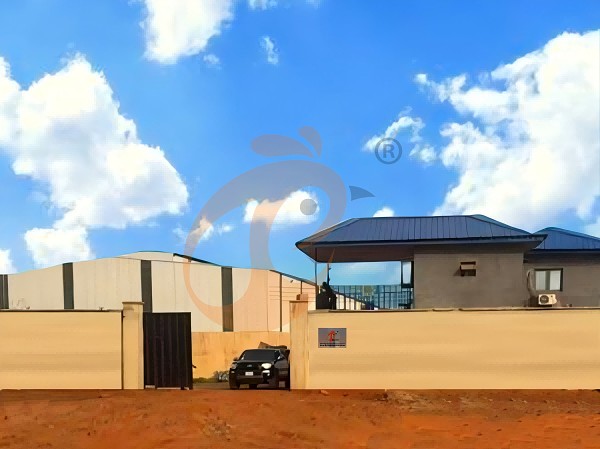
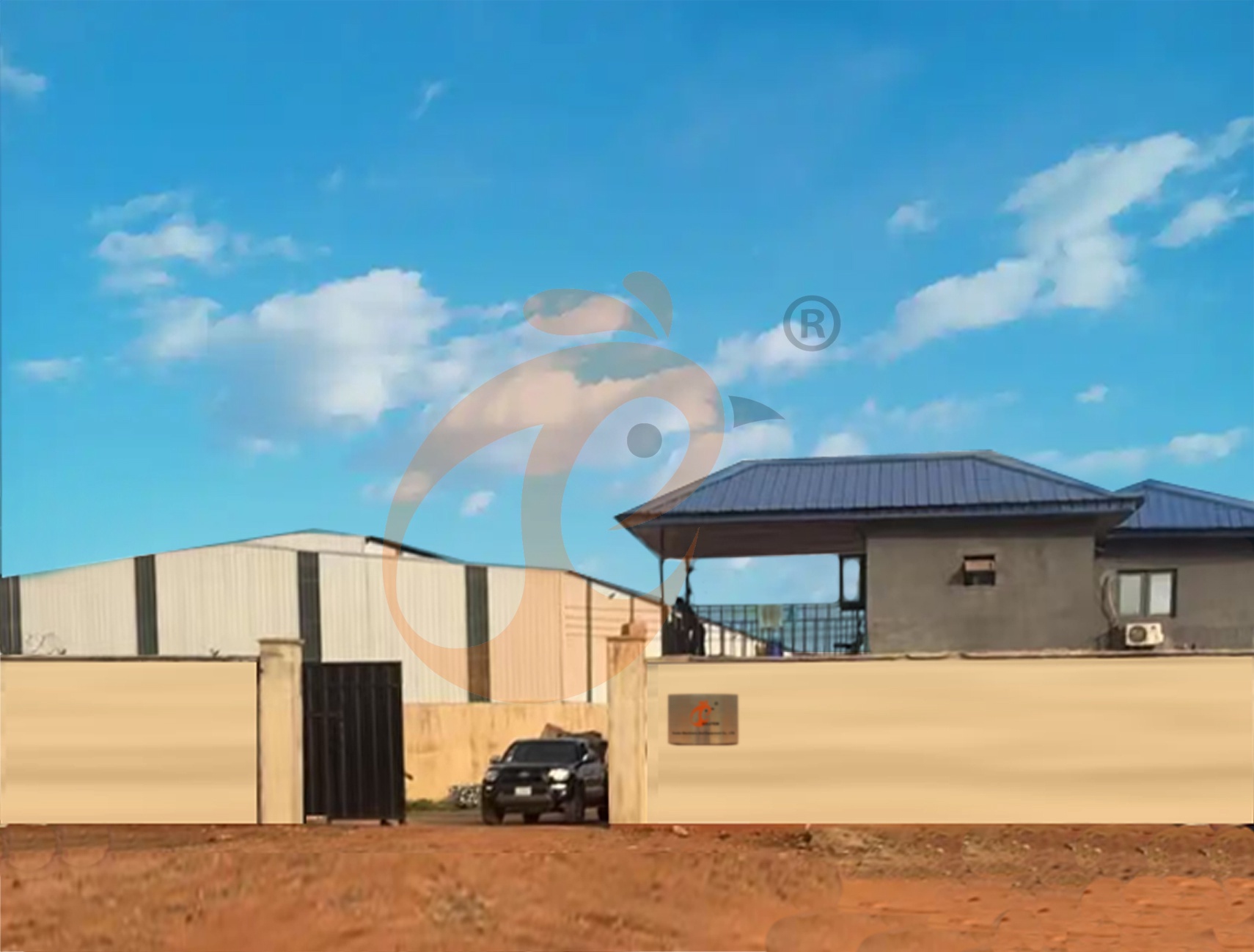
Nigeria Vanke Machinery And Equipment CO., LTD
Tanzania Best Machinery And Equipment CO., LTD
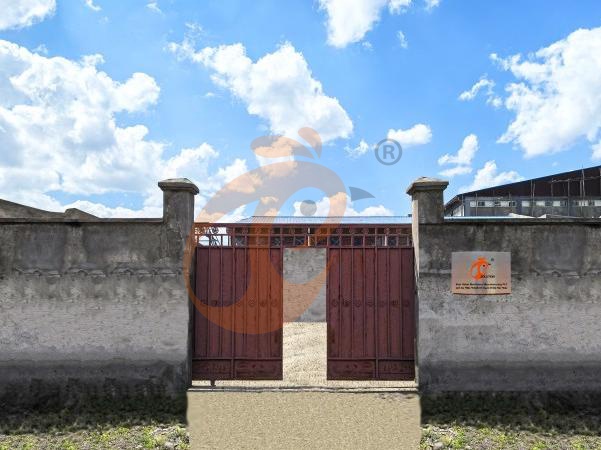
Ethiopia Best Hebei Machinery Manufacturing PLC
Reception /24 WhatsApp NO. : +8618830120193
FAQ
What Are The Water Filtration Requirements For Plasson Poultry Equipment?
Suspended solid concentration is controlled below 40 mg per liter for system stability.
Backwash flow rate reaches 1.5–2.0 m³ per hour for effective filter regeneration.
What Are The Pipeline Dimension Standards In Plasson Poultry Equipment?
Branch lines operate with 16–20 mm diameter for balanced pressure across drinking points.
Maximum pipeline length per zone reaches 80–120 meters without pressure loss impact.
What Are The Bird Age Adaptation Settings In Plasson Poultry Equipment
Water flow sensitivity is adjusted to 60–100 ml per minute for different age groups.
Bird access spacing is optimized at 8–15 birds per nipple depending on growth phase.
Message
Products recommended
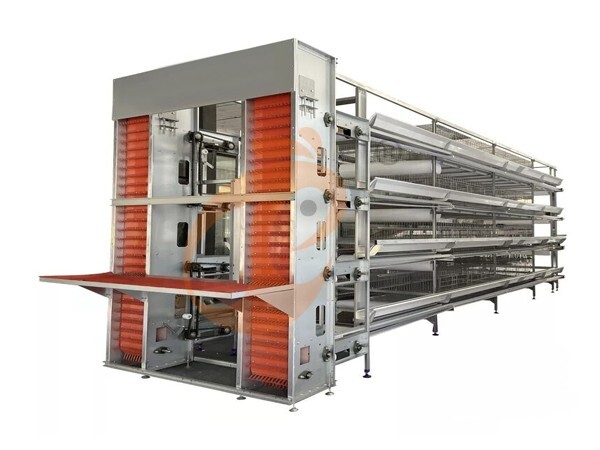
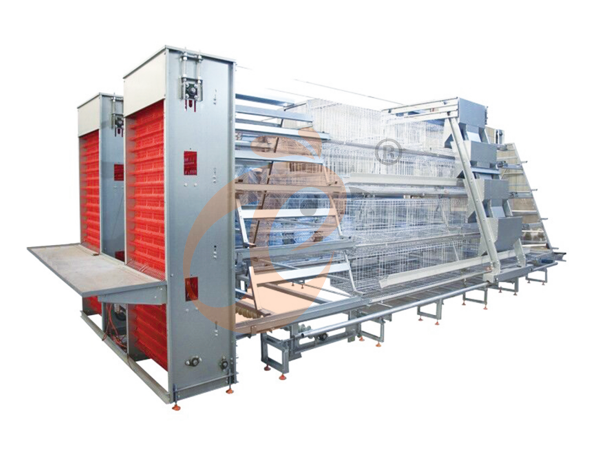
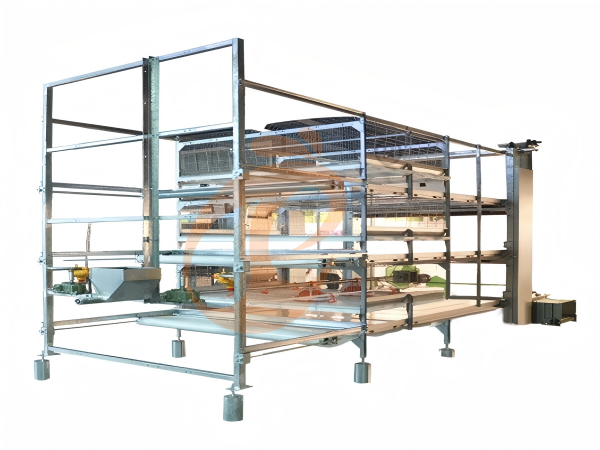
 >30,000 Pullets Automatic H Type Battery Cage1. More than 30,000 pullets a house, choose it.
2. It is designed to rearing older than 1 day old pullets to 12 to 16 weeks old chicken starting laying eggs.
3. Its lifespan is more than 25 years.
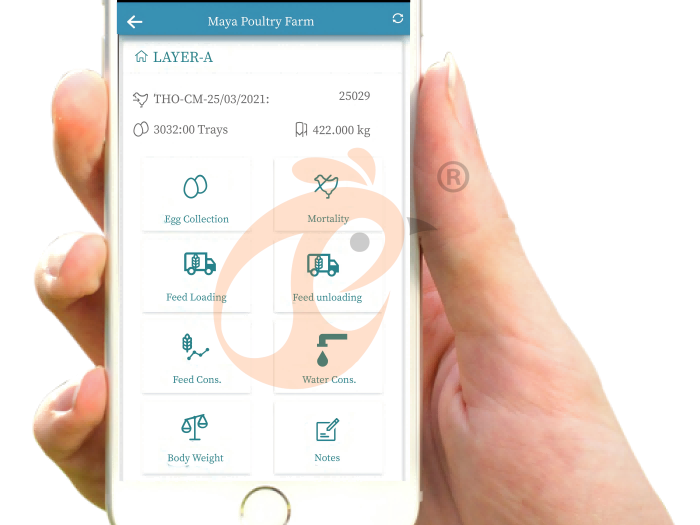
4. Its structure are Vcloud artificial intelligent fusion, electric control cabinet, automatic equipment of drinking, feeding, manure clean, manual harvesting.
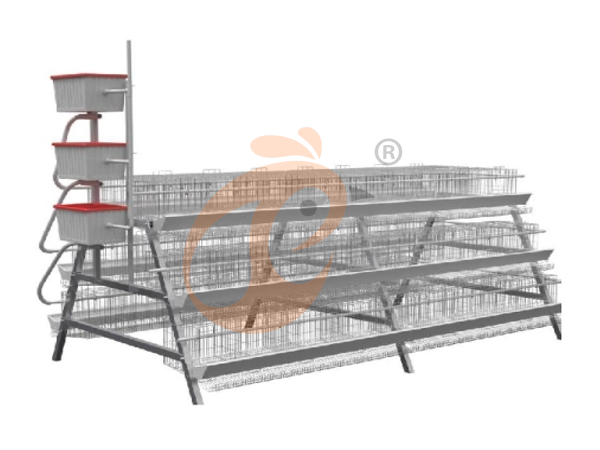
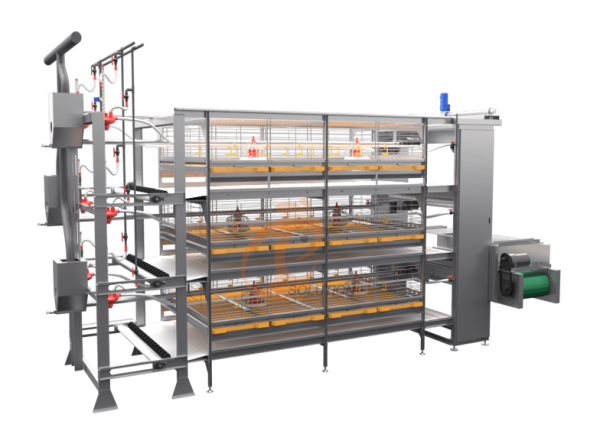
5. Our 24 hour online reception What’sApp NO. is +8618830120193 <30,000 Pullets Automatic A Type Battery Cage1. 10,000 to 30,000 pullets a house, choose it.
2. It is designed to rearing older than 1 day old pullets to 12 to 16 weeks old chicken starting laying eggs.
3. Its lifespan is more than 25 years.
4. Its structure are Vcloud artificial intelligent fusion, electric control cabinet, automatic equipment of drinking, feeding, manure clean, manual harvesting.
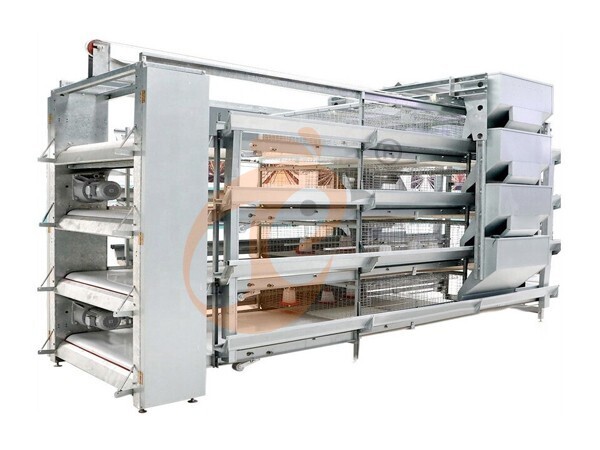
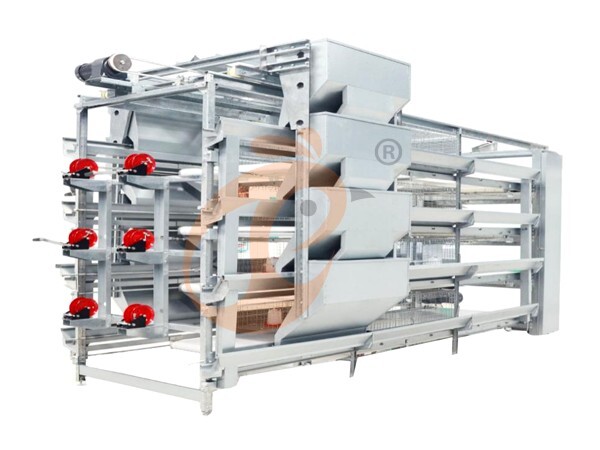
5. Our 24 hour online reception What’sApp NO. is +86 18830120193. >30,000 Broilers Semi-Automatic Harvest H Type Battery Cage1. More than 30,000 broilers a house, choose it.
2. It is designed to rearing 1 to 45 day old adult broiler ready for market.
3. Its lifespan is more than 20 years.
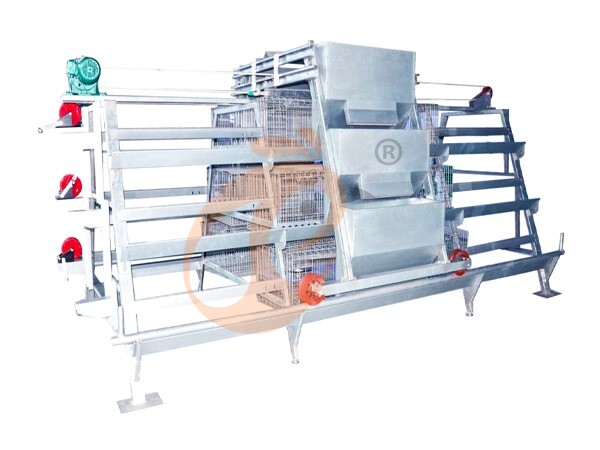
4. Our 24 hour online reception What’sApp NO. is +8618830120193, +234 8111199996. >30,000 Broilers Manual Harvest H Type Battery Cage1. More than 30,000 broilers a house, choose it.
2. It is designed to rearing 1 to 45 day old adult broiler ready for market.
3. Its lifespan is more than 20 years.
4. Its structure are Vcloud artificial intelligent fusion, electric control cabinet, automatic equipment of drinking, feeding and manure clean, manual harvesting.
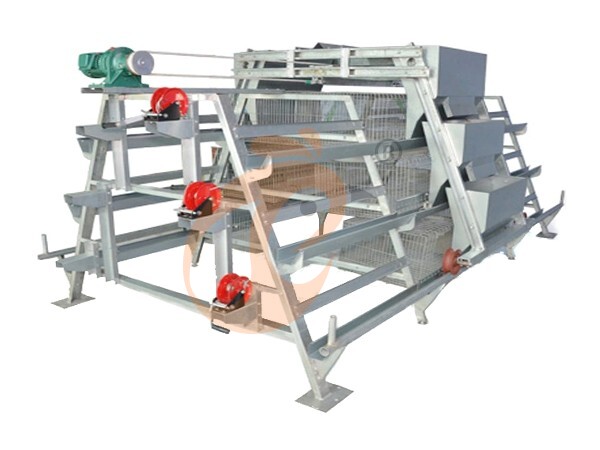
5. Our 24 hour online reception What’sApp NO. is +8618830120193, +234 8111199996. <30,000 Broilers Manual Harvest A Type Battery Cage1. Less 30,000 broilers a house, choose it.
2. It is designed to rearing 1 to 45 day old adult broiler ready for market.
3. Its lifespan is more than 20 years.
4. Its structure are Vcloud artificial intelligent fusion, electric control cabinet, automatic equipment of drinking, feeding and manure clean, manual harvesting.
5. Our 24 hour online reception What’sApp NO. is +8618830120193, +234 8111199996. HK Headquarter Offers EU-standard Poultry Farm Solutions, Manufacture Poultry Farm Equipment1. Continuous communication with the EU and the US
2. China, Nigeria, Ethiopia, Tanzania branch companies and factories
3. The products’ quality is customized for local poultry farms
4. Poultry cage and poultry farm equipment stock for sale
5. 24 online reception Whatsapp NO. : +8618830120193,contact us to get full information China Branch Offer Poultry Farm Business Plan, Manufacture Poultry Farm Equipment1. Address: Flat/RM 2416, 24/F, Runxing Building, Youyi Nan Street, Shijiazhuang City, Hebei Province, China
2. Poultry cage and poultry farm equipment factory and stock for sale
3. Customized for local poultry farms
4. Quality and design are based on Euro
5. 24 online reception Whatsapp NO. : +8618830120193 Nigeria Branch Offer Poultry Farm Business Plan, Manufacture Poultry Farm Equipment1. Address: After Sinoma Office, 200 Meters Near Danco Filling Station, Lagos/Ibadan Expressway, Lagos State, Nigeria
2. Poultry cage and poultry farm equipment factory and stock for sale
3. Customized for Nigerian poultry farms
4. Quality and design are based on Euro
5. 24 online reception Whatsapp NO. : +8618830120193 Ethiopia Branch Offer Poultry Farm Business Plan, Manufacture Poultry Farm Equipment1. Address: Gelan Gura, Akaki-kaliti Sub City, Addis Ababa, Ethiopia
2. Poultry cage and poultry farm equipment stock for sale
3. Customized for Ethiopian poultry farms
4. Quality and design are based on Euro
5. 24 online reception Whatsapp NO. : +8618830120193, contact us to get price list Tanzania Branch Offer Poultry Farm Business Plan, Manufacture Poultry Farm Equipment1. Address: No.8, Sova Road, Msufini, Mlandizi, Kibaha, Pwani, Tanzania
2. Poultry cage and poultry farm equipment factory and stock for sale
3. Customized for Tanzanian poultry farms
4. Quality and design are based on Euro
5. 24 online reception Whatsapp NO. : +8618830120193


Contact