


Blog
Pellet machine maintenance combines lubrication discipline, mechanical inspection, and production continuity, with 1,500 rpm providing a practical reference for rotating equipment assessment.
Pellet machine lubrication supports dependable feed processing, while a 24-hour production capability can align equipment maintenance with demanding poultry operations.
A pellet mill machine benefits from systematic cleaning, inspection, and lubricant control, with 3–5 minutes of preparation helping establish a repeatable servicing routine.
Poultry feed pellet machine management becomes more measurable through operating records, component observations, and 12-month maintenance histories supporting engineering decisions.
- Pellet machine longevity ultimately depends on equipment design, maintenance access, technical support, and disciplined servicing across complete poultry equipment production systems.
Get professional poultry farm construction guidance, equipment selection solutions, and the latest price lists, whatsApp to +8618830120193, click to learn more:
Lubrication Is A Production Asset
A pellet machine operates under continuous mechanical load, and pellet machine lubrication directly influences the service condition of bearings, gears, shafts, and transmission assemblies.
In poultry feed production, even a short mechanical interruption can affect the feed supply schedule, while a 1,500 rpm rotating system requires controlled mechanical maintenance.
For poultry farms,pellet machine lubrication should therefore be treated as equipment management rather than occasional repair activity, with 8-hour operating shifts providing a practical maintenance planning reference.
The Six-Step Lubrication Roadmap
Data is for reference only.Swipe horizontally to view full table.
These six pellet machine procedures prevent lubrication from becoming guesswork, while pellet mill machine servicing can be tracked through cumulative operating hours and lubricant batch records.
A structured maintenance history also gives poultry feed pellet machine operators clearer evidence when investigating recurring mechanical conditions.
Step One: Map Every Lubrication Point
LOCATE → IDENTIFY → CONFIRM → LUBRICATE
Before opening a grease gun, pellet machine operators should create a lubrication map covering every designated service point, with 6–12 lubrication locations
providing a practical organizational reference.
The map should identify component name, lubricant specification, application method, and service sequence.
Pellet machine lubrication should also distinguish grease, gear oil, sealed bearings, and other specified materials, while recording the initial service date establishes a dependable maintenance starting point.
Lubricant Specification
Data is for reference only.Swipe horizontally to view full table.
Pellet machine lubricant selection should always follow manufacturer documentation, because grease consistency, base-oil formulation, and additive packages
are not interchangeable.
An NLGI 2 specification may suit many industrial applications, but pellet machine lubrication still requires compatibility verification for each component.
Poultry feed pellet machine buyers should therefore evaluate whether suppliers provide lubricant specifications, component documentation, and maintenance
instructions.
Clean Before You Lubricate
STOP → ISOLATE → CLEAN → INSPECT → LUBRICATE → VERIFY
Feed production environments contain fine particles that can accumulate around pellet machine grease fittings and bearing housings, making 3–5 minutes of cleaning per service point a useful operational reference.
Before lubrication, operators should remove visible contamination and wipe fitting areas with suitable lint-free material.
Pellet machine lubrication also requires electrical and mechanical isolation before servicing moving components, with a documented zero-energy verification step supporting controlled maintenance.
Lubricant Application Data
Data is for reference only.Swipe horizontally to view full table.
Illustrative engineering ranges; the machine manufacturer's manual takes priority.
Accurate pellet machine lubrication matters because application quantity affects heat generation and component condition, while a calibrated grease gun can deliver 1.0 g per stroke for controlled application.
After application, excess grease around seals and housings should be removed.
A clean exterior makes subsequent leakage inspection easier and helps pellet mill machine operators distinguish fresh lubricant from an actual mechanical problem.
Build A Lubrication Schedule
Low Workload → Normal Workload → Heavy Workload
A pellet machine lubrication schedule should reflect workload, component design, lubricant specification, and operating environment.
Instead of relying only on calendar dates, operators can use accumulated operating hours, particularly when a machine operates 16 hours per day.
Maintenance records should contain lubricant type, quantity, operator, and observed component condition.
A digital or paper record maintained for 12 consecutive months can reveal recurring temperature, vibration, or consumption patterns across poultry feed pellet machine operations.
Maintenance Frequency Data
Data is for reference only.Swipe horizontally to view full table.
Illustrative maintenance ranges; manufacturer instructions take precedence.
Operating-hour-based pellet machine maintenance makes equipment management easier to quantify, especially for a poultry feed facility running 5,000 operating hours annually.
Standardized records allow maintenance teams to compare machines and identify units requiring additional inspection.
For pellet mill machine installations, consistent records also help suppliers provide more accurate technical recommendations during after-sales service.
Listen To The Machine
Normal Sound → Observe → Record
New Sound → Stop → Inspect
Repeated Sound → Analyze → Repair
Pellet machine servicing creates an opportunity for mechanical diagnosis, and operators should listen for changes in bearing or transmission sound after lubrication.
A sudden tonal change around 2,000 Hz can justify additional acoustic investigation, although frequency alone cannot diagnose a specific failure.
Pellet machine lubrication should therefore be combined with established operating baselines rather than treated as an isolated maintenance action.
Post-Lubrication Inspection
Data is for reference only.Swipe horizontally to view full table.
Post-lubrication pellet machine inspection converts routine servicing into measurable equipment monitoring.
Recording vibration across 10 Hz–1 kHz can support trend analysis when suitable diagnostic equipment is available.
For poultry equipment suppliers, providing maintenance guidance together with the pellet machine adds technical value through installation procedures, spare-parts recommendations, and troubleshooting references.
Preventive Maintenance As A Cycle
Inspect → Clean → Lubricate → Run → Measure → Record → Improve
The measurement stage is central to pellet machine preventive maintenance, because operators can establish machine-specific baselines for temperature, vibration, lubricant consumption, and operating sound.
Once a baseline exists, a 10% change from the established trend can justify additional inspection, subject to manufacturer procedures.
Pellet machine lubrication becomes more effective when condition monitoring helps determine whether changes originate from bearings, alignment, contamination, overload, or another mechanical source.
Choose Pellet Equipment Built For Maintainability
Data is for reference only.Swipe horizontally to view full table.
Configuration varies by model and production requirement.
The right pellet machine should be evaluated through measurable engineering characteristics rather than output claims alone.
Motor configuration, die dimensions, roller arrangement, service access, and transmission design all influence equipment performance, while 24-hour production capability supports demanding poultry feed operations.
For poultry equipment companies, pellet machine design should combine production performance with maintainability.
A machine engineered for continuous production and documented service procedures gives operators a clearer route toward reliable long-term operation.
Frequently Asked Questions
Q: How often should pellet machine lubrication be performed?
Lubrication frequency depends on component design, lubricant type, workload, and manufacturer instructions.
Operating-hour records provide a more useful maintenance reference than calendar dates alone.
Q: Can any industrial grease be used for a pellet machine?
No.
Pellet machine lubrication requires compatibility between grease formulation, bearing design, temperature conditions, seals, and manufacturer specifications.
NLGI 2 grease may be suitable for certain bearing applications, but product selection must follow equipment documentation.
Q: Why should lubrication be combined with inspection?
Fresh lubricant cannot correct damaged bearings, poor alignment, contaminated housings, or overloaded transmission components.
A 15-minute post-service observation can help operators identify abnormal conditions before returning the pellet machine to routine production.
Taiyu (HK) Group - One Of China Toppest Pellet Machine Manufacturer
Pellet machine systems integrate pelletizing, transmission, lubrication access, and mechanical maintenance considerations, with configurations reaching 132 kW for demanding feed-production requirements
Global factory-direct supply supports poultry equipment projects with standardized engineering documentation, production inspection, spare-parts coordination, and export-oriented technical service
Poultry equipment solutions cover feed processing, feeding systems, environmental equipment, and related farm infrastructure for integrated commercial production projects
Turn-key engineering combines equipment selection, layout planning, installation coordination, commissioning support, and project-based technical documentation
International project execution supports factory-direct procurement, customized configurations, and coordinated technical communication for commercial poultry production facilities
Contact Us To Received Your Customized Poultry Farm Plan
Headquarters And Branchs

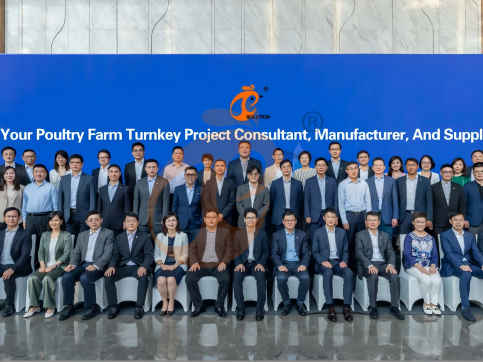
Hong Kong Headquarter Management Team
Hong Kong Headquarter Taiyu Industrial Group CO., LTD
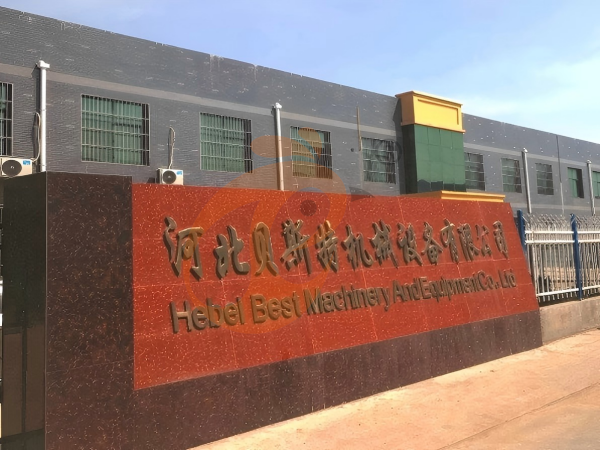
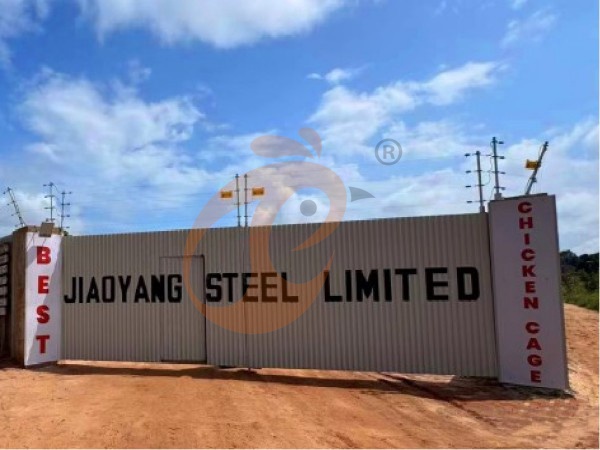
China Hebei Best Machinery And Equipment CO., LTD
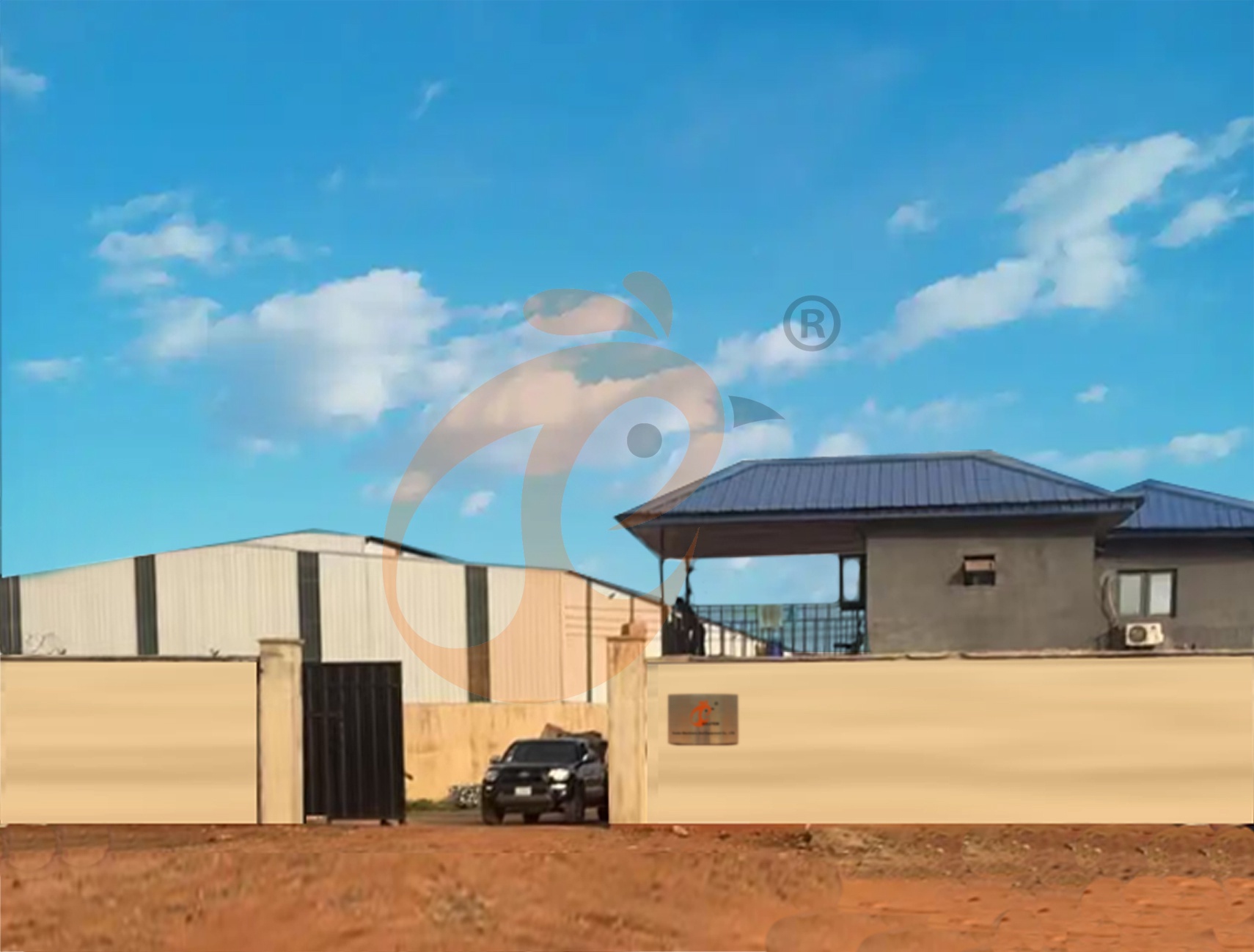
Nigeria Vanke Machinery And Equipment CO., LTD
Tanzania Best Machinery And Equipment CO., LTD
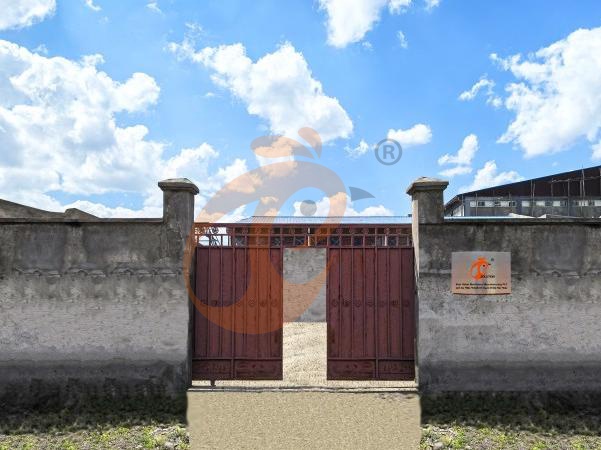
Ethiopia Best Hebei Machinery Manufacturing PLC




Reception /24 WhatsApp NO. : +8618830120193
FAQ
Message
Products recommended
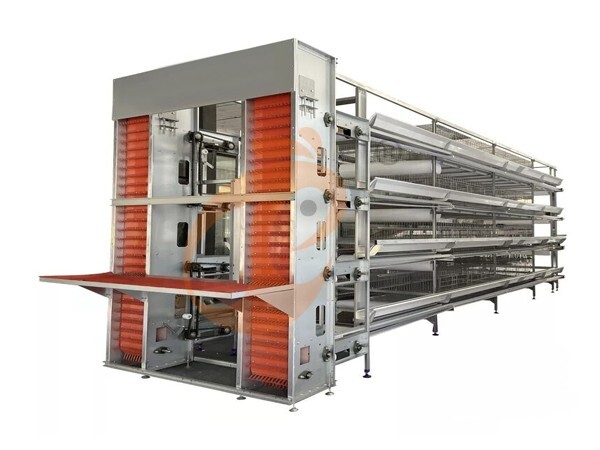
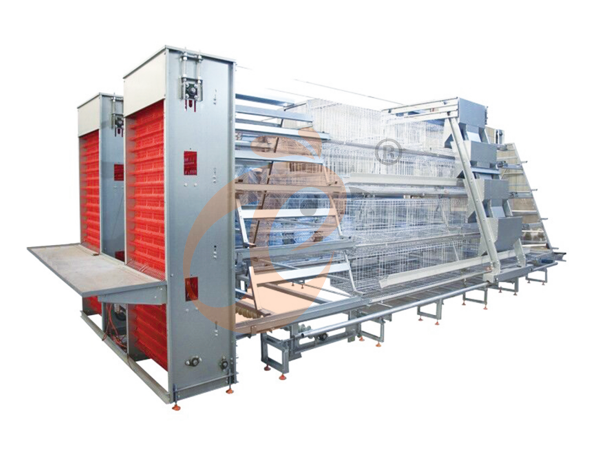
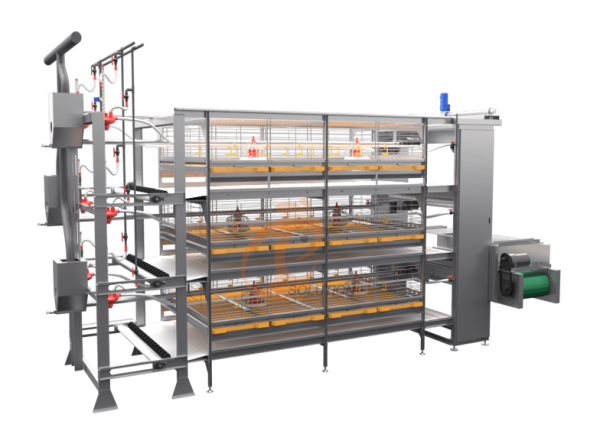
 >30,000 Pullets Automatic H Type Battery Cage1. More than 30,000 pullets a house, choose it.
2. It is designed to rearing older than 1 day old pullets to 12 to 16 weeks old chicken starting laying eggs.
3. Its lifespan is more than 25 years.
4. Its structure are Vcloud artificial intelligent fusion, electric control cabinet, automatic equipment of drinking, feeding, manure clean, manual harvesting.
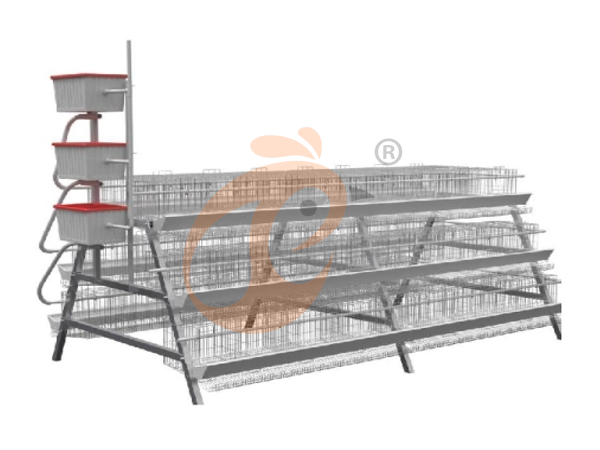
5. Our 24 hour online reception What’sApp NO. is +8618830120193 <30,000 Pullets Automatic A Type Battery Cage1. 10,000 to 30,000 pullets a house, choose it.
2. It is designed to rearing older than 1 day old pullets to 12 to 16 weeks old chicken starting laying eggs.
3. Its lifespan is more than 25 years.
4. Its structure are Vcloud artificial intelligent fusion, electric control cabinet, automatic equipment of drinking, feeding, manure clean, manual harvesting.
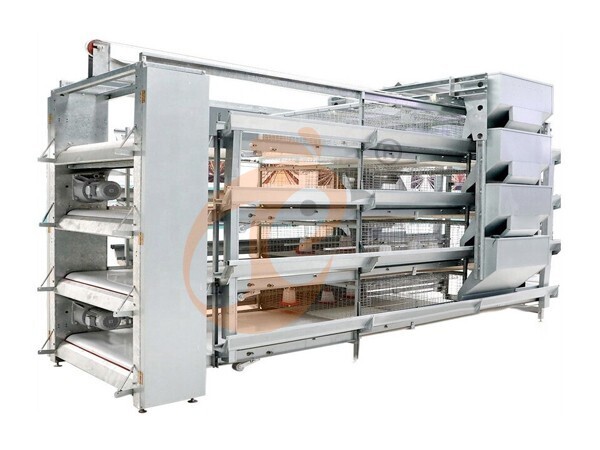
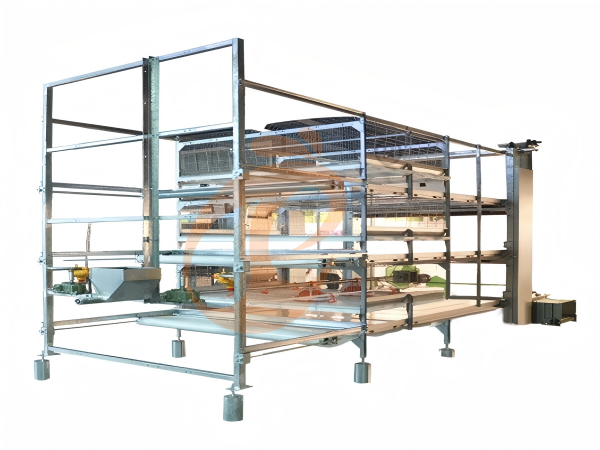
5. Our 24 hour online reception What’sApp NO. is +86 18830120193. >30,000 Broilers Semi-Automatic Harvest H Type Battery Cage1. More than 30,000 broilers a house, choose it.
2. It is designed to rearing 1 to 45 day old adult broiler ready for market.
3. Its lifespan is more than 20 years.
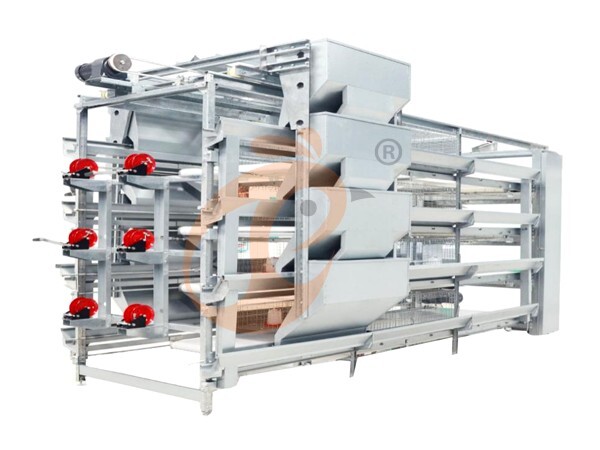
4. Our 24 hour online reception What’sApp NO. is +8618830120193, +234 8111199996. >30,000 Broilers Manual Harvest H Type Battery Cage1. More than 30,000 broilers a house, choose it.
2. It is designed to rearing 1 to 45 day old adult broiler ready for market.
3. Its lifespan is more than 20 years.
4. Its structure are Vcloud artificial intelligent fusion, electric control cabinet, automatic equipment of drinking, feeding and manure clean, manual harvesting.
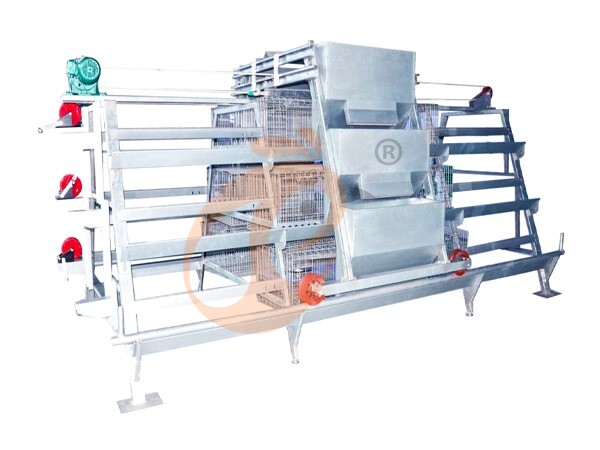
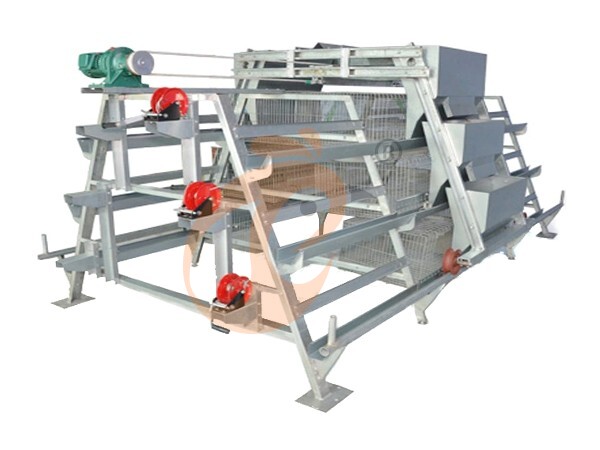
5. Our 24 hour online reception What’sApp NO. is +8618830120193, +234 8111199996. <30,000 Broilers Manual Harvest A Type Battery Cage1. Less 30,000 broilers a house, choose it.
2. It is designed to rearing 1 to 45 day old adult broiler ready for market.
3. Its lifespan is more than 20 years.
4. Its structure are Vcloud artificial intelligent fusion, electric control cabinet, automatic equipment of drinking, feeding and manure clean, manual harvesting.
5. Our 24 hour online reception What’sApp NO. is +8618830120193, +234 8111199996. HK Headquarter Offers EU-standard Poultry Farm Solutions, Manufacture Poultry Farm Equipment1. Continuous communication with the EU and the US
2. China, Nigeria, Ethiopia, Tanzania branch companies and factories
3. The products’ quality is customized for local poultry farms
4. Poultry cage and poultry farm equipment stock for sale
5. 24 online reception Whatsapp NO. : +8618830120193,contact us to get full information China Branch Offer Poultry Farm Business Plan, Manufacture Poultry Farm Equipment1. Address: Flat/RM 2416, 24/F, Runxing Building, Youyi Nan Street, Shijiazhuang City, Hebei Province, China
2. Poultry cage and poultry farm equipment factory and stock for sale
3. Customized for local poultry farms
4. Quality and design are based on Euro
5. 24 online reception Whatsapp NO. : +8618830120193 Nigeria Branch Offer Poultry Farm Business Plan, Manufacture Poultry Farm Equipment1. Address: After Sinoma Office, 200 Meters Near Danco Filling Station, Lagos/Ibadan Expressway, Lagos State, Nigeria
2. Poultry cage and poultry farm equipment factory and stock for sale
3. Customized for Nigerian poultry farms
4. Quality and design are based on Euro
5. 24 online reception Whatsapp NO. : +8618830120193 Ethiopia Branch Offer Poultry Farm Business Plan, Manufacture Poultry Farm Equipment1. Address: Gelan Gura, Akaki-kaliti Sub City, Addis Ababa, Ethiopia
2. Poultry cage and poultry farm equipment stock for sale
3. Customized for Ethiopian poultry farms
4. Quality and design are based on Euro
5. 24 online reception Whatsapp NO. : +8618830120193, contact us to get price list Tanzania Branch Offer Poultry Farm Business Plan, Manufacture Poultry Farm Equipment1. Address: No.8, Sova Road, Msufini, Mlandizi, Kibaha, Pwani, Tanzania
2. Poultry cage and poultry farm equipment factory and stock for sale
3. Customized for Tanzanian poultry farms
4. Quality and design are based on Euro
5. 24 online reception Whatsapp NO. : +8618830120193



Contact