


Blog
Poultry cage pricing varies across Africa and Asia because freight, automation, climate engineering, and material specifications can alter project economics significantly.
Layer poultry cage selection affects housing density, labor requirements, maintenance planning, and long-term production efficiency across commercial projects.
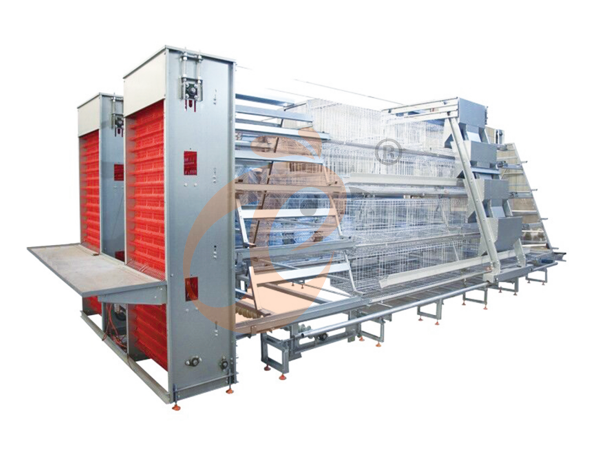
Automatic poultry cage systems integrate feeding, drinking, manure handling, and egg collection while supporting flock capacities from 20,000 to 120,000 birds.
A technical quotation should evaluate equipment configuration, transportation distance, installation requirements, corrosion protection, and operating conditions instead of comparing factory prices alone.
- Complete project planning can combine poultry cage equipment with ventilation, electrical controls, spare parts, and commissioning for scalable commercial layer production.
Get professional poultry farm construction guidance, equipment selection solutions, and the latest price lists, whatsApp to +8618830120193, click to learn more:
Price Snapshot: Africa Vs. Asia Market
For poultry investors, comparing poultry cage prices between Africa and Asia requires more than checking the equipment quotation.
A complete project can involve cage frames, feeding, drinking, manure handling, egg collection, ventilation, transportation, installation, and spare parts.
For a commercial layer house, a practical evaluation should also consider a design life of 10–15 years and an operating schedule of approximately 16–18 hours per day.
Data is for reference only.Swipe horizontally to view full table.
A poultry cage quotation should therefore be evaluated against the complete production configuration, rather than the steel structure alone.
A 100,000-layer project may require several independent equipment systems working together, with commissioning normally planned before the first flock enters the house.
Cost Difference #1: Freight Changes The Delivered Price
The first major difference is logistics.
An Asian factory quotation may look attractive because manufacturing is concentrated near major production clusters, but an African project can accumulate additional expenses after the poultry cage equipment leaves the factory.
A shipping plan based on 40-foot containers and approximately 20–30 days of ocean transit can materially affect the final investment calculation.
Think of the quotation as a four-stage journey:
Factory → Port → Destination Port → Farm
At each stage, packaging efficiency matters.
A supplier that engineers poultry cage components for compact container loading can reduce unused space without changing the working configuration.
For projects exceeding 50,000 birds, container planning should be completed together with the equipment layout rather than after the purchase order.
Cost Difference #2: Automation Changes The Labor Equation
Automation is another major difference between seemingly similar poultry cage quotations.
Feeding, manure removal, and egg collection can each be mechanized, allowing one equipment package to support a substantially larger flock than a manually operated house.
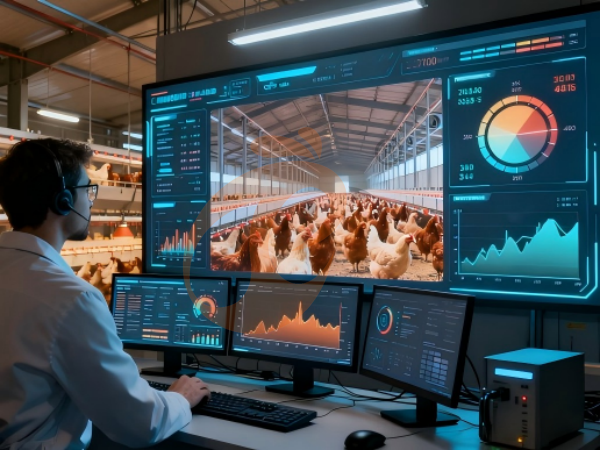
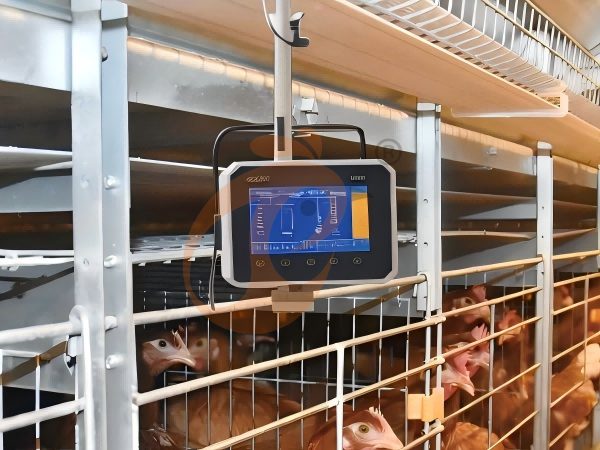
The economic benefit becomes clearer when an automatic poultry cage system is designed as a complete automation chain.
A farm operating with 4–6 daily feeding cycles can synchronize feed delivery, water supply monitoring, manure removal, and egg transfer around a centralized
control system.
Why A Lower Cage Quotation Can Produce A Higher Farm Cost
Consider two projects with the same target flock.
The first purchases a poultry cage structure at a lower initial price but leaves feeding and manure handling largely manual.
The second invests more heavily in integrated equipment.
The important variable is not only the purchase invoice.
It is the number of daily operations the equipment eliminates or simplifies.
A properly configured layer poultry cage system can also improve workflow.
Designing service aisles at approximately 0.9–1.2 m allows operators and maintenance personnel to access equipment without interfering with adjacent cage rows.
The purchasing decision should therefore compare capital expenditure against operating expenditure, not one poultry cage price against another.
Cost Difference #3: Climate Requires Different Equipment Specifications
Africa and Asia contain multiple climate zones, so there is no universal poultry cage configuration.
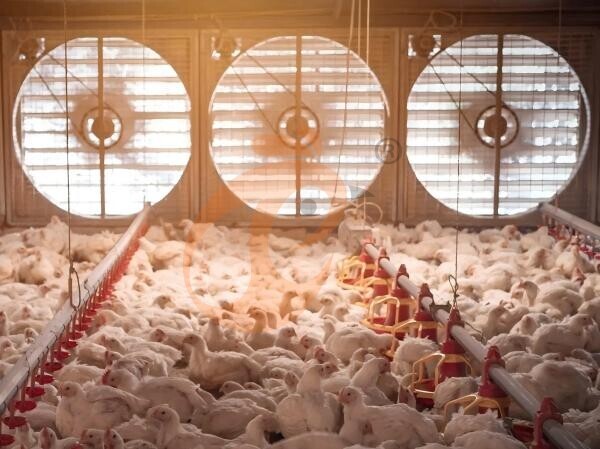
A poultry cage house in a hot region may require considerably greater ventilation capacity than a temperate installation.
Equipment selection should be based on the actual environmental load rather than country labels.
In hot areas, ventilation calculations should account for solar heat, bird heat production, house dimensions, and local summer conditions.
A house with a ridge height of 6–8 m may require a different air-management strategy from a lower building, even when both use the same poultry cage model.
Climate Adaptation Is Also A Cage Investment Issue
Climate does not only affect ventilation.
It also influences corrosion, cleaning frequency, water management, and component durability.
For poultry cage equipment, material selection should be considered together with the local operating environment.
In coastal or humid areas, corrosion protection becomes particularly important because equipment may remain exposed to elevated moisture for extended periods.
A practical project specification can include daily house washing zones and dedicated drainage gradients of approximately 1–2%, reducing standing water around equipment foundations and improving long-term maintenance conditions.
This is one reason a poultry cage manufacturer should review the farm location before finalizing the quotation.
Cost Difference #4: Material And Corrosion Protection Affect Service Life
Steel quality directly affects the long-term economics of poultry cages.
Two cages may have similar dimensions while using different wire diameters, structural sections, welding processes, and surface treatments.
The correct material specification should be selected according to the expected operating environment.
A supplier should also provide production drawings or technical specifications so buyers can compare equivalent components rather than comparing product names alone.
For a poultry cage project expected to operate for more than 10 years, material and coating specifications deserve the same attention as the initial equipment quotation.
The Hidden Cost: Installation And Commissioning
Equipment does not create value simply because it arrives at the farm.
Correct assembly, alignment, electrical connection, calibration, and commissioning are necessary before the first flock enters the poultry cage system.
A practical installation plan can divide the work into 3 stages: mechanical assembly, electrical connection, and test operation.
For large projects, technical supervision is especially useful.
A poultry cage line installed with incorrect leveling or conveyor tension can generate avoidable maintenance problems later.
Installation documentation should therefore include assembly drawings, wiring diagrams, equipment lists, and commissioning procedures.
This is where a professional poultry equipment manufacturer can provide value beyond the hardware itself.
Compare Complete Poultry House Systems
Instead of comparing ''price per cage,'' buyers should request a project quotation based on the same technical scope.
The following structure provides a more useful comparison between African and Asian suppliers.
Data is for reference only.Swipe horizontally to view full table.
The quotation should also specify the number of cage rows, total house length, electrical requirements, and equipment interface points.
A 120 m-long poultry cage house requires a different equipment layout from a 60 m-long house, even if the target flock size is similar.
Africa Buyers: Calculate The Landed Project Cost
For African poultry investors, the final purchasing calculation should be built around the destination farm rather than the factory gate.
Use this purchasing framework:
Equipment Cost + Ocean Freight + Port Charges + Inland Delivery + Installation + Commissioning + Spare Parts = Project Investment
The supplier should identify which items are included and which are excluded.
For an African poultry cage project, this is particularly important when the destination is far from the main port.
A project located 300–800 km inland may have a substantially different logistics structure from a farm located close to a seaport.
Buyers should therefore provide the destination city, road-access conditions, and preferred delivery port before requesting a final commercial quotation.
European union standard reference only.
Asia Buyers: Standardization Supports Expansion
Asian poultry producers often operate in markets with established equipment supply chains, but expansion planning remains critical.
A standardized poultry cage system allows future houses to use compatible components, controls, and spare parts.
A modular poultry cage system is particularly useful when a farm plans multiple expansion stages.
An initial 30,000-bird house can be designed with standardized equipment interfaces so subsequent houses can share compatible operating procedures and
spare-parts inventories.
Choose Equipment By Total Production Value
The four cost differences—logistics, automation, climate adaptation, and material durability—should be evaluated together.
The best poultry cage is therefore not necessarily the cage with the smallest factory quotation.
The right system matches bird capacity, building dimensions, climate, labor structure, logistics conditions, and expansion planning.
For African and Asian poultry projects, our poultry cage solutions can be configured around layer cages, automatic feeding, nipple drinking, manure removal, egg collection, ventilation, and complete poultry-house automation.
Engineering the poultry cage system around the actual farm rather than selling a standardized package aligns equipment investment more closely with production requirements.
Request a complete poultry equipment quotation based on your house dimensions, target bird population, and automation requirements.
Frequently Asked Questions
Q1: What determines poultry cage price in Africa?
Poultry cage price depends on equipment configuration, transportation distance, automation scope, building requirements, and material specifications.
A project exceeding 50,000 birds should normally be quoted as an integrated system rather than by cage unit alone.
Q2: Is an automatic poultry cage system worth the additional investment?
For commercial farms, automation can reduce repetitive manual operations across feeding, manure handling, and egg collection.
Projects with 20,000–100,000 birds can therefore benefit from evaluating equipment through labor consumption and operating efficiency.
Q3: How should buyers compare layer poultry cage suppliers?
Buyers should compare equivalent technical specifications, including cage structure, equipment scope, electrical requirements, installation support, spare parts, and transportation terms.
A complete poultry cage quotation provides a more reliable basis for calculating total project investment.
Taiyu (HK) Group - One Of China Toppest Poultry Cage Manufacturer
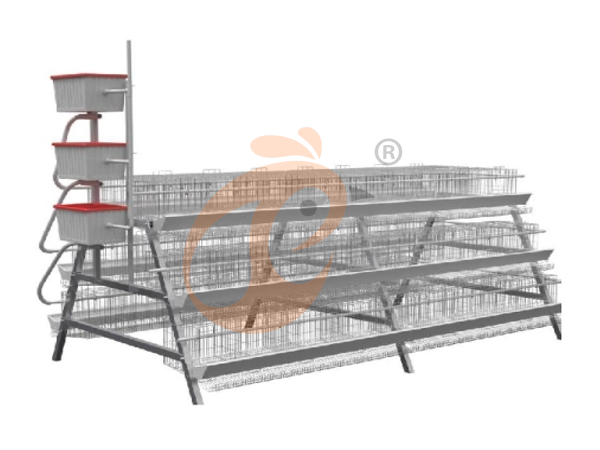
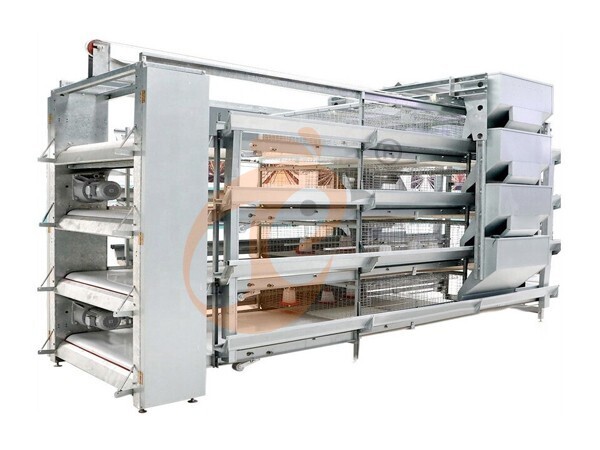
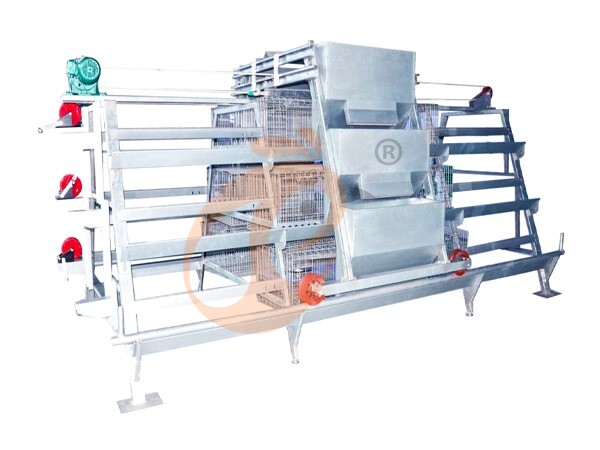
Poultry cage systems are engineered for commercial layer houses with 3–4 cage tiers, modular layouts, and integrated production equipment.
Global factory-direct supply covers poultry equipment packages with engineering drawings, component specifications, production coordination, and international logistics support.
Turn-key engineering integrates poultry cage systems with feeding, drinking, manure removal, egg collection, ventilation, electrical controls, installation, and commissioning.
Project execution supports Africa and Asia through capacity-based equipment planning, containerized delivery, technical documentation, installation guidance, and spare-parts coordination.
Poultry equipment configurations are developed according to house dimensions, flock capacity, climate parameters, automation requirements, and planned expansion stages.
Contact Us To Received Your Customized Poultry Farm Plan
Headquarters And Branchs

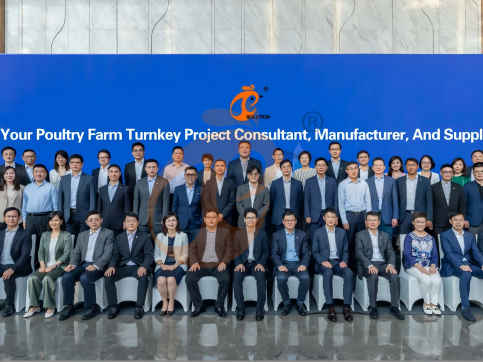
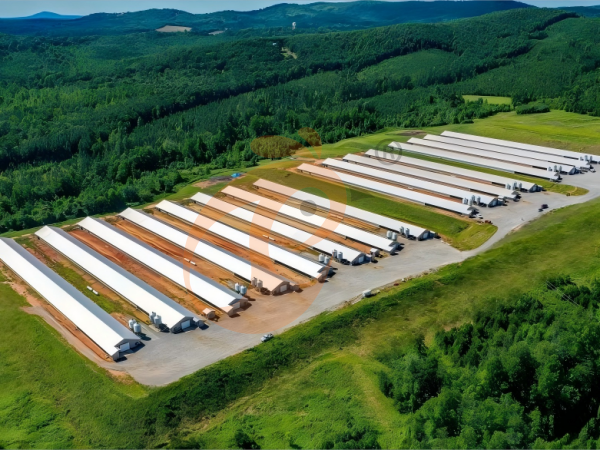
Hong Kong Headquarter Management Team
Hong Kong Headquarter Taiyu Industrial Group CO., LTD
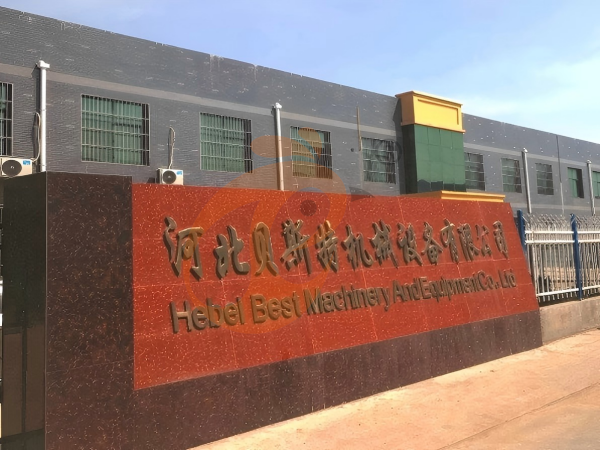
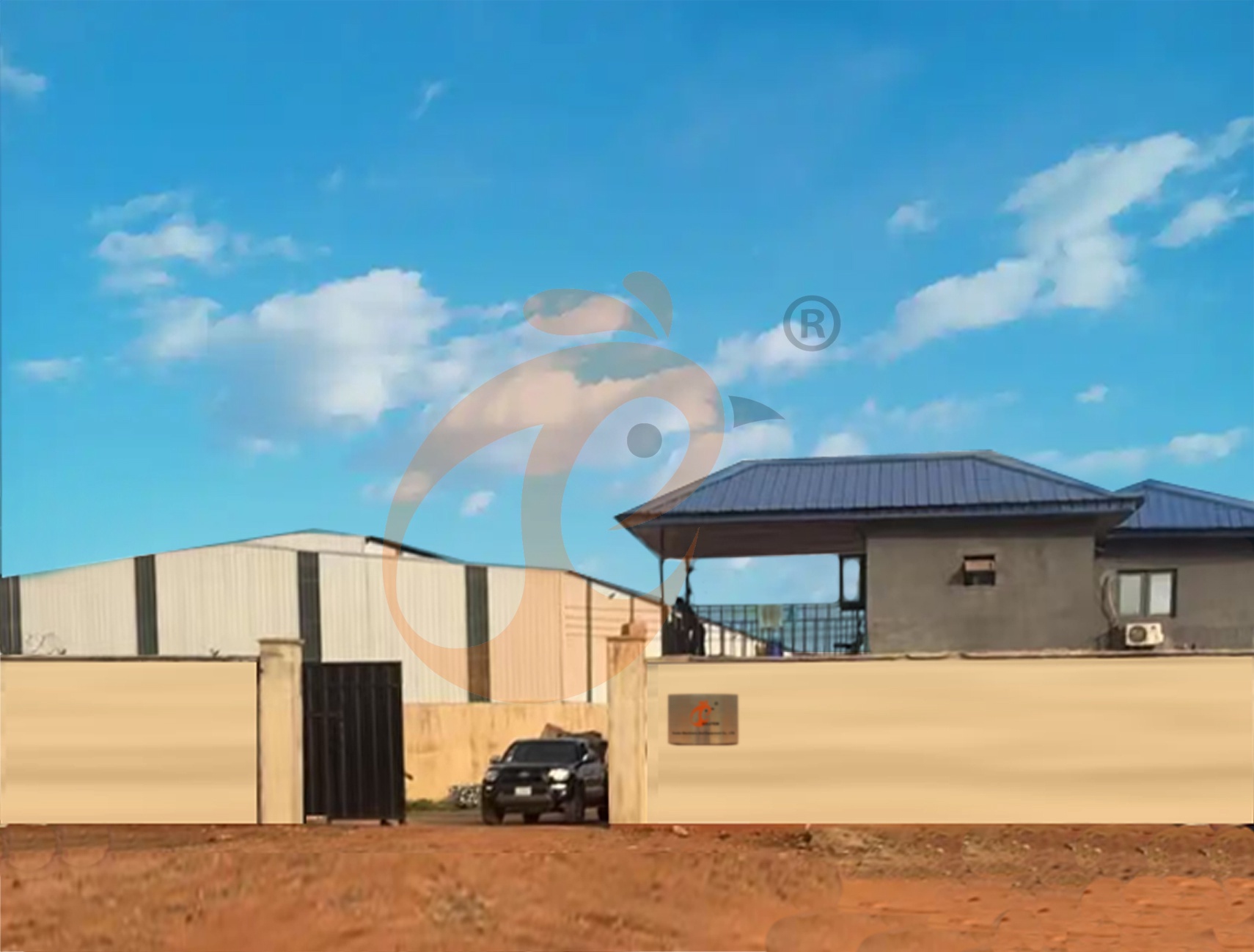
China Hebei Best Machinery And Equipment CO., LTD
Nigeria Vanke Machinery And Equipment CO., LTD
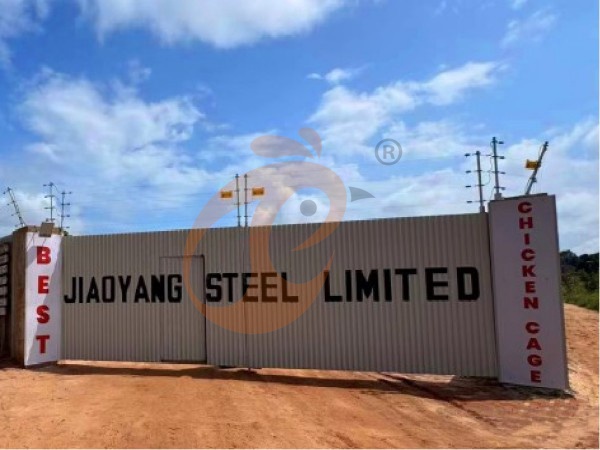
Tanzania Best Machinery And Equipment CO., LTD
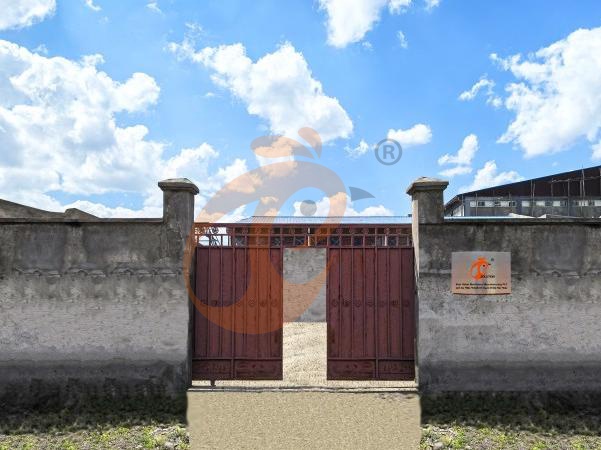
Ethiopia Best Hebei Machinery Manufacturing PLC




Reception /24 WhatsApp NO. : +8618830120193
FAQ
How To Optimize Feed Conversion Ratio In Battery Cage Farms?
Use automatic feeding to reduce feed waste by 5–10%.
Zoned feeding reduces competition and bird stress.
Egg production rate: 90–98%, breakage rate <3%.
What Are The Advanced Recommendations For Ventilation In Layer Cage Houses?
Temperature: 18–25℃, humidity: 50–70%.
Regularly inspect fans and ducts to avoid dead zones and uneven airflow.
Improved ventilation reduces disease spread and mortality to 2–3%.
How To Choose The Right Cage Density For Maximum Egg Production?
Overcrowding increases mortality and breakage, low density results in inefficient space utilization.
Proper density with automation can boost egg production to 90–98% and save 70-90% labor.
- poultry farm
- layer cages
- layer cage
- poultry house
- poultry cage
- cage
- poultry farm construction
- poultry cage manufacturer
- poultry cage supplier
- poultry cage system
- poultry cage equipment
- poultry cage price
- poultry cage quotation
- automatic poultry cage system
- layer poultry cage system
- automatic poultry cage
- layer poultry cage
- poultry cage house
- poultry cage project
- poultry cage solution
- poultry cage structure
- automatic feeding system
- poultry equipment
- egg collection system
- poultry cages
- chickencage
- bestchickencage
- cage system
- cage systems
- Nigeria
- layer farm
- poultry equipment quotation
- poultry house system
- poultry equipment manufacturer
- poultry cage systems
- cage manufacturer
- cage supplier
- poultry cage solutions
- poultry farm plan
- Ethiopia
Message
Products recommended
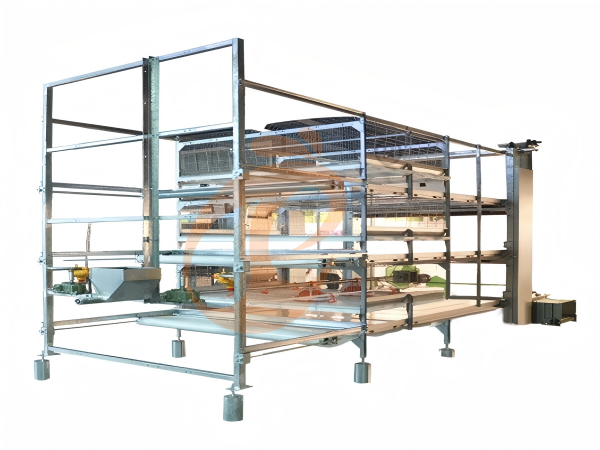
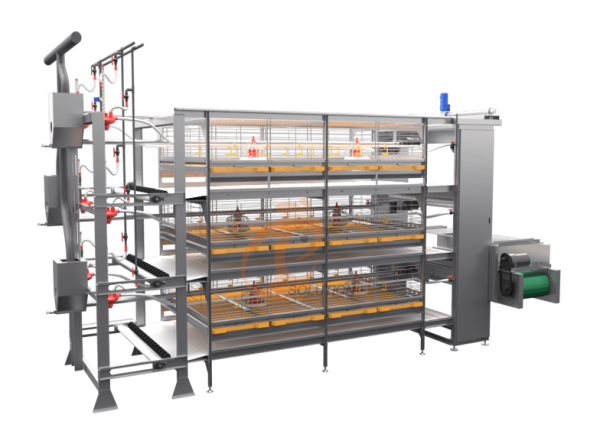
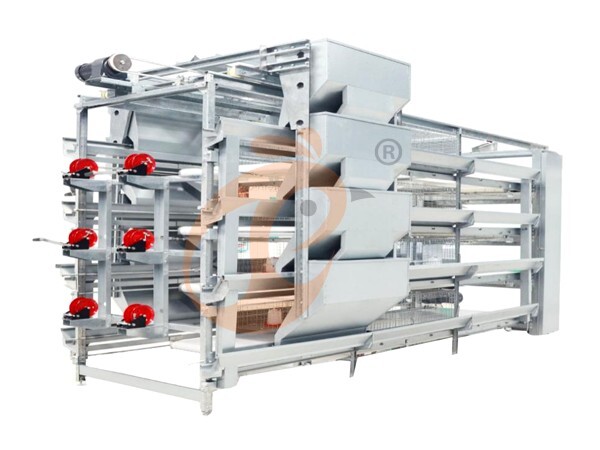
 >30,000 Pullets Automatic H Type Battery Cage1. More than 30,000 pullets a house, choose it.
2. It is designed to rearing older than 1 day old pullets to 12 to 16 weeks old chicken starting laying eggs.
3. Its lifespan is more than 25 years.
4. Its structure are Vcloud artificial intelligent fusion, electric control cabinet, automatic equipment of drinking, feeding, manure clean, manual harvesting.
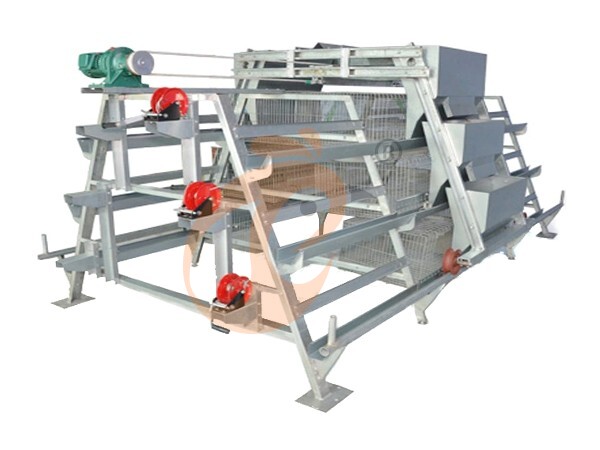
5. Our 24 hour online reception What’sApp NO. is +8618830120193 <30,000 Pullets Automatic A Type Battery Cage1. 10,000 to 30,000 pullets a house, choose it.
2. It is designed to rearing older than 1 day old pullets to 12 to 16 weeks old chicken starting laying eggs.
3. Its lifespan is more than 25 years.
4. Its structure are Vcloud artificial intelligent fusion, electric control cabinet, automatic equipment of drinking, feeding, manure clean, manual harvesting.
5. Our 24 hour online reception What’sApp NO. is +86 18830120193. >30,000 Broilers Semi-Automatic Harvest H Type Battery Cage1. More than 30,000 broilers a house, choose it.
2. It is designed to rearing 1 to 45 day old adult broiler ready for market.
3. Its lifespan is more than 20 years.
4. Our 24 hour online reception What’sApp NO. is +8618830120193, +234 8111199996. >30,000 Broilers Manual Harvest H Type Battery Cage1. More than 30,000 broilers a house, choose it.
2. It is designed to rearing 1 to 45 day old adult broiler ready for market.
3. Its lifespan is more than 20 years.
4. Its structure are Vcloud artificial intelligent fusion, electric control cabinet, automatic equipment of drinking, feeding and manure clean, manual harvesting.
5. Our 24 hour online reception What’sApp NO. is +8618830120193, +234 8111199996. <30,000 Broilers Manual Harvest A Type Battery Cage1. Less 30,000 broilers a house, choose it.
2. It is designed to rearing 1 to 45 day old adult broiler ready for market.
3. Its lifespan is more than 20 years.
4. Its structure are Vcloud artificial intelligent fusion, electric control cabinet, automatic equipment of drinking, feeding and manure clean, manual harvesting.
5. Our 24 hour online reception What’sApp NO. is +8618830120193, +234 8111199996. HK Headquarter Offers EU-standard Poultry Farm Solutions, Manufacture Poultry Farm Equipment1. Continuous communication with the EU and the US
2. China, Nigeria, Ethiopia, Tanzania branch companies and factories
3. The products’ quality is customized for local poultry farms
4. Poultry cage and poultry farm equipment stock for sale
5. 24 online reception Whatsapp NO. : +8618830120193,contact us to get full information China Branch Offer Poultry Farm Business Plan, Manufacture Poultry Farm Equipment1. Address: Flat/RM 2416, 24/F, Runxing Building, Youyi Nan Street, Shijiazhuang City, Hebei Province, China
2. Poultry cage and poultry farm equipment factory and stock for sale
3. Customized for local poultry farms
4. Quality and design are based on Euro
5. 24 online reception Whatsapp NO. : +8618830120193 Nigeria Branch Offer Poultry Farm Business Plan, Manufacture Poultry Farm Equipment1. Address: After Sinoma Office, 200 Meters Near Danco Filling Station, Lagos/Ibadan Expressway, Lagos State, Nigeria
2. Poultry cage and poultry farm equipment factory and stock for sale
3. Customized for Nigerian poultry farms
4. Quality and design are based on Euro
5. 24 online reception Whatsapp NO. : +8618830120193 Ethiopia Branch Offer Poultry Farm Business Plan, Manufacture Poultry Farm Equipment1. Address: Gelan Gura, Akaki-kaliti Sub City, Addis Ababa, Ethiopia
2. Poultry cage and poultry farm equipment stock for sale
3. Customized for Ethiopian poultry farms
4. Quality and design are based on Euro
5. 24 online reception Whatsapp NO. : +8618830120193, contact us to get price list Tanzania Branch Offer Poultry Farm Business Plan, Manufacture Poultry Farm Equipment1. Address: No.8, Sova Road, Msufini, Mlandizi, Kibaha, Pwani, Tanzania
2. Poultry cage and poultry farm equipment factory and stock for sale
3. Customized for Tanzanian poultry farms
4. Quality and design are based on Euro
5. 24 online reception Whatsapp NO. : +8618830120193


Contact