


Blog
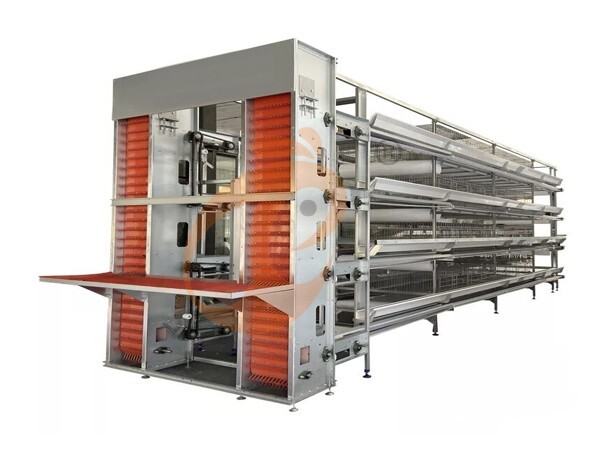
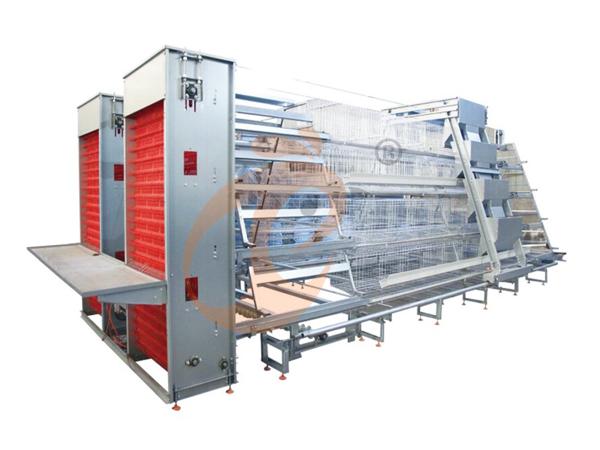
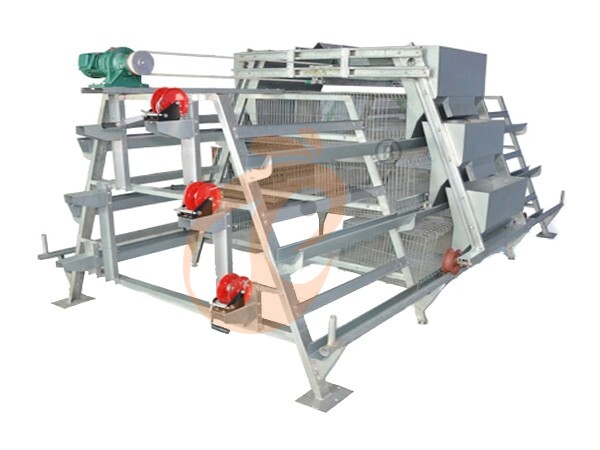
Automatic poultry cage system economics combine equipment investment, labor structure, and production capacity for commercial layer projects up to 50,000 birds per house.
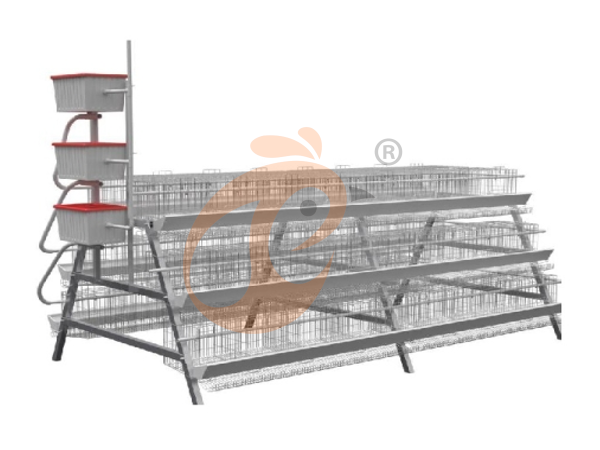
Manual layouts can suit smaller farms using 3-tier structures, while automated layouts support denser commercial planning with coordinated feeding and collection equipment.
Six budget comparisons examine cage configuration, labor cycles, ownership costs, feed delivery, egg collection, and manure handling through measurable engineering parameters.
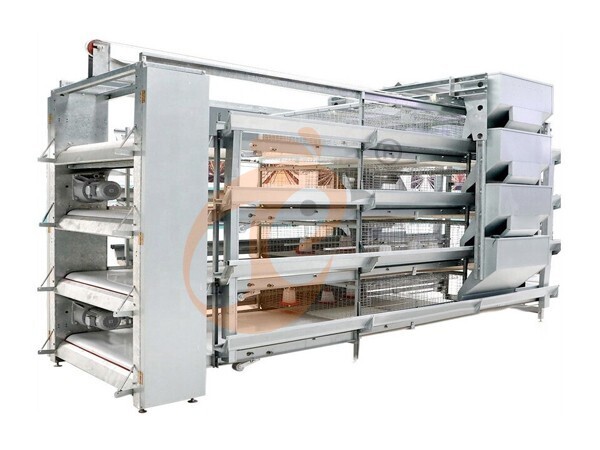
Integrated automatic layer cage system packages connect poultry cage equipment with feeding, drinking, egg collection, manure removal, ventilation, and environmental management.
Proper specification balances equipment pricing, operating requirements, expansion capacity, maintenance planning, and project engineering before purchasing production equipment.
Get professional poultry farm construction guidance, equipment selection solutions, and the latest price lists, whatsApp to +8618830120193, click to learn more:
Cost Snapshot: Manual Vs. Automatic Cage Systems
Data is for reference only.Swipe horizontally to view full table.
A manual poultry cage may require a simpler installation footprint, but the operating design directly affects daily management.
A typical house can use 2.0–2.4 m service aisles, while 2.4–3.0 m row spacing supports practical access around poultry cage equipment.
Commercial farms should also evaluate house geometry before ordering an automatic poultry cage system, because equipment arrangement influences
installation, inspection, and future extension.
Budget Comparison #1: Small Farm Investment
Data is for reference only.Swipe horizontally to view full table.
Indicative equipment ranges exclude civil construction, electrical works, transport, and installation conditions; European union standard reference only.
For a smaller farm, manual cages can reduce the initial capital requirement.
A practical house may be designed around 12–15 birds/m² of usable building area, with a 2.5–3.5 m internal height supporting ventilation and service planning.
When flock size increases, an automatic layer cage system provides a more scalable equipment platform for centralized operation.
A commercial layout can be prepared with four or more cage tiers and centralized control cabinets to coordinate multiple production systems.
Budget Comparison #2: Labor Cost — The Hidden Expense
Think beyond the invoice.
Manual poultry houses involve repeated feed distribution, egg collection, inspection, waste handling, and material movement.
A standard working route can involve 6–10 separate handling cycles per day, while individual task intervals may range from 30–90 minutes.
An automatic poultry cage system changes the daily workflow through mechanized movement of feed, eggs, and manure.
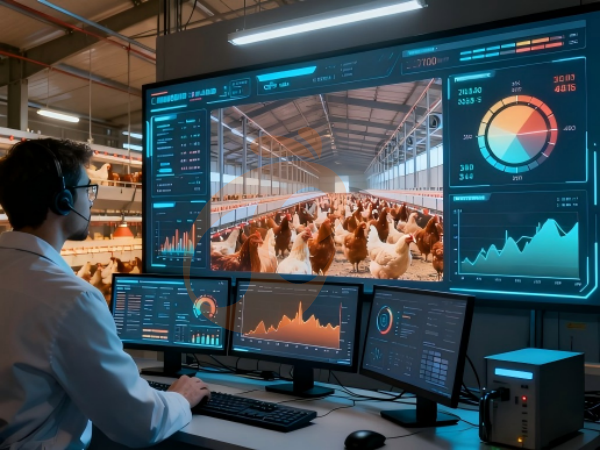
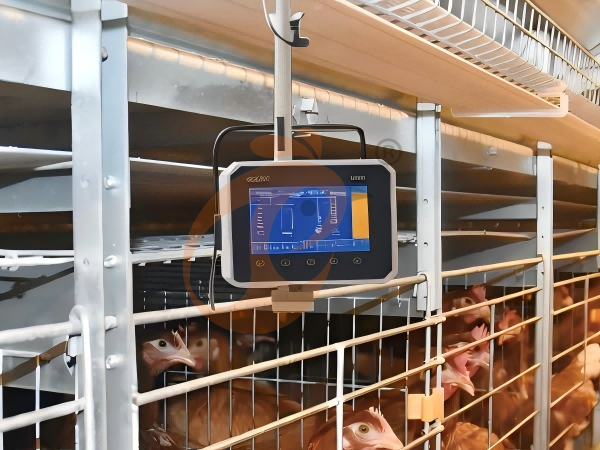
Modern poultry cage equipment can connect operating commands through PLC-based control panels, with 5–20 monitored conditions supporting centralized supervision.
For farms facing labor recruitment challenges, our integrated solutions combine cage structures, feeding, drinking, egg collection, manure removal, and environmental controls.
The coordinated automatic layer cage system reduces dependence on disconnected equipment specifications and supports a more controlled project workflow.
Budget Comparison #3: 6-Year Total Ownership Outlook
Data is for reference only.Swipe horizontally to view full table.
A useful comparison is not simply the purchase invoice but the condition of equipment after 72 months of production.
Properly specified steel and drive components can reduce premature replacement exposure during a 16–18 hour daily management cycle.
An automatic poultry cage system can also reserve spare control capacity for later equipment integration.
Our engineering approach can provide 15–25% spare control capacity, allowing future upgrades without redesigning the complete electrical architecture.
Budget Comparison #4: Feed Management And Production Efficiency
Data is for reference only.Swipe horizontally to view full table.
Feed represents a recurring operating expense, so accurate distribution matters.
A modern feeding line can be configured around 30–45 mm feed depth and a 6–12 hour programmable feeding schedule according to flock requirements.
Our automatic feeding systems use conveying components to move feed across long cage rows with controlled delivery.
A professional automatic layer cage system can maintain a designed distribution tolerance of ±5% across the engineered route.
The objective is not simply to automate feeding.
The objective is to establish a repeatable feeding process matched to cage layout, flock density, and operating schedules.
Budget Comparison #5: Egg Collection Economics
Data is for reference only.Swipe horizontally to view full table.
The production line does not end when the hen lays an egg.
Egg handling can be organized around one collection cycle every 2–4 hours during peak production periods.
An automatic poultry cage system can position a dedicated egg room approximately 5–15 m from the main house exit, depending on building design.
Automatic egg conveyors move eggs from cage rows toward centralized handling equipment with fewer transfer steps.
Our poultry cage equipment can be matched with egg elevators, transfer units, and sorting stations for a continuous processing route.
Budget Comparison #6: Manure Removal And House Management
Data is for reference only.Swipe horizontally to view full table.
Manure management can determine how efficiently a poultry house stays organized during production.
A belt installation can be designed with 2–3 longitudinal support points per section, while service areas may use a 1.5–2.5% drainage slope.
Automatic manure belts or scrapers move waste toward defined discharge locations rather than relying on repeated manual transport.
An automatic layer cage system can use scheduled manure handling at 24–72 hour intervals according to farm management procedures.
For new projects, integrating manure equipment during cage installation is normally more practical than modifying the house after production begins.
Manual Or Automatic? Use This Decision Test
Choose Manual
- The project is below approximately 10,000 layers.
- Building length remains below 60 m.
- Operators are available for scheduled daily handling.
- The farm prioritizes phased capital deployment.
Choose Automatic
- The project exceeds approximately 20,000 layers.
- House length reaches 80–120 m.
- Centralized monitoring is required.
- Expansion is planned within 24–36 months.
The correct decision depends on the complete farm configuration rather than the cage quotation alone.
Cage density, building dimensions, climate, utility capacity, and local management practices should all be included in the automatic poultry cage system
specification.
What Does A Complete Poultry Cage Project Include?
A cage system is one component of a modern poultry house.
A complete project can include
Layer cages + automatic feeding + nipple drinking + egg collection + manure removal + ventilation + cooling + heating + lighting + environmental control.
Each subsystem affects the next.
Ventilation planning may require 2–4 m/s air inlet velocity, while cooling installations may use 150 mm pad thickness according to climate and house design.
As a professional poultry equipment supplier, we configure poultry cage equipment around flock capacity, house dimensions, weather conditions, power
availability, and automation requirements.
A coordinated automatic layer cage system therefore becomes a project platform rather than an isolated cage product.
Where Should Your Budget Go First?
Data is for reference only.Swipe horizontally to view full table.
When budgets are limited, engineering priorities should focus on structural integrity, bird access, ventilation, water delivery, and future automation interfaces.
Cage connections can be designed for 50–80 kg/m² distributed loading, while water pressure can be maintained around 0.15–0.35 mpa according to the drinking configuration.
Our galvanized cage structures, feeding lines, drinking equipment, ventilation units, and control systems are selected as a coordinated package.
Such poultry cage equipment integration helps avoid compatibility problems between separately purchased machines and supports smoother commissioning.
From Purchase Price To Profitability
A practical investment model is
Total Operating Cost = Equipment Cost + Labor + Maintenance + Handling Losses + Energy + Expansion Costs
Then compare the result against expected production revenue.
A commercial layer project should also monitor 1.9–2.2 kg feed/kg eggs conversion and mortality targets below 5% per cycle, according to genetics and management.
This calculation changes the decision from “Which cage system is cheaper?” to “Which system provides the stronger return on installed capital?”
For an automatic poultry cage system, additional investment can be evaluated against projected savings over 36–60 months, giving farm owners a clearer basis for financing and expansion.
Build The Right Poultry House For The Next Production Cycle
The best poultry cage system is not necessarily the system with the smallest quotation.
The correct choice matches flock size, house geometry, management objectives, and expansion strategy.
Manual cages remain practical for smaller operations, especially where building services and labor structures support hands-on management.
Automatic systems become more compelling as production approaches continuous commercial operation and centralized control.
Our automatic layer cage system solutions are designed around the poultry house as a complete production system rather than a single cage assembly.
Whether the target is 5,000 layers or a multi-house commercial complex, equipment specifications should be based on measurable engineering requirements.
Choose the cage system according to total ownership economics, technical parameters, and the production capacity you plan to reach.
Frequently Asked Questions
Q1: What determines the cost difference between manual and automatic poultry cage systems?
Equipment scope, flock capacity, house dimensions, and automation level drive the difference, while project utilities can add approximately 5–15% depending on site conditions.
Q2: When does an automatic layer cage system become economically attractive?
Projects above roughly 20,000 layers often gain stronger automation economics because repeated daily handling increases, while integrated equipment can centralize multiple production tasks.
Q3: What should buyers confirm before ordering poultry cage equipment?
Buyers should verify cage layout, electrical load, house dimensions, equipment scope, installation requirements, and future expansion interfaces before approving production drawings.
Taiyu (HK) Group - One Of China Toppest Automatic Poultry Cage System Supplier
Automatic poultry cage system solutions integrate cage structures with feeding, drinking, egg collection, manure removal, and environmental-control equipment for measurable commercial production requirements.
Global factory-direct supply supports equipment manufacturing, technical documentation, quality inspection, export packing, and shipment coordination for international poultry projects.
Complete poultry equipment packages are engineered according to flock capacity, house dimensions, climate data, electrical conditions, and operating procedures.
Turn-key engineering connects layout design, equipment production, installation guidance, commissioning, operator training, and project handover into a coordinated delivery structure.
International projects can be configured from individual cage equipment through complete production-house packages, maintaining consistent technical interfaces across major systems.
Contact Us To Received Your Customized Poultry Farm Plan
Headquarters And Branchs
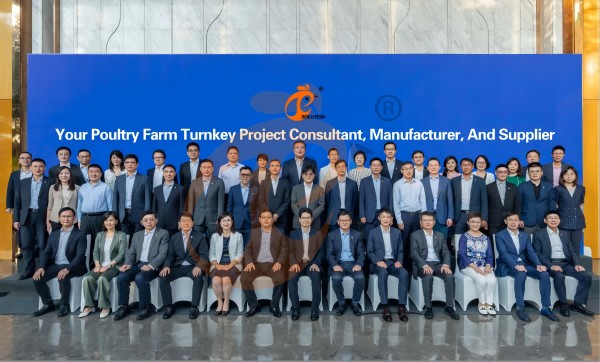
Hong Kong Headquarter Management Team
Hong Kong Headquarter Taiyu Industrial Group CO., LTD
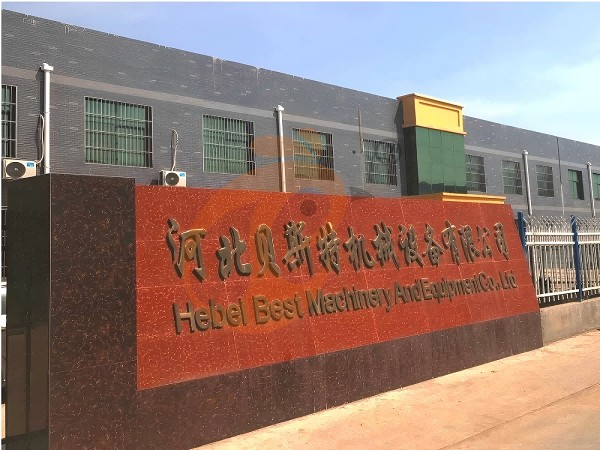
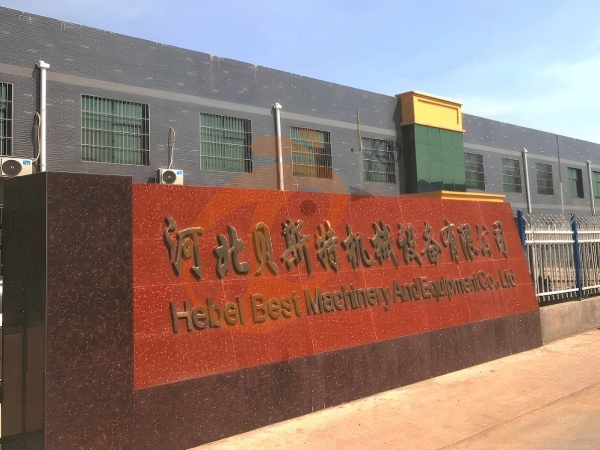
China Hebei Best Machinery And Equipment CO., LTD
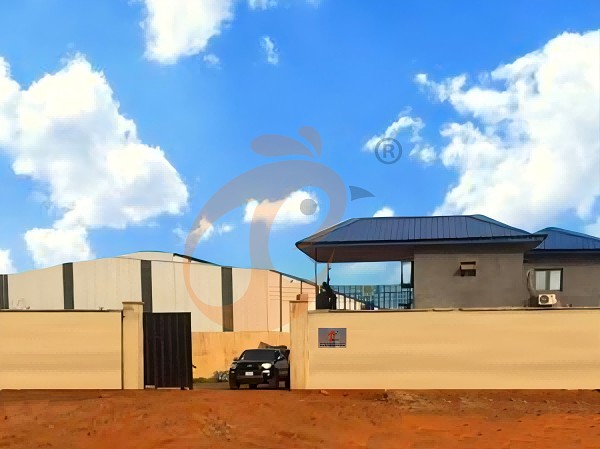
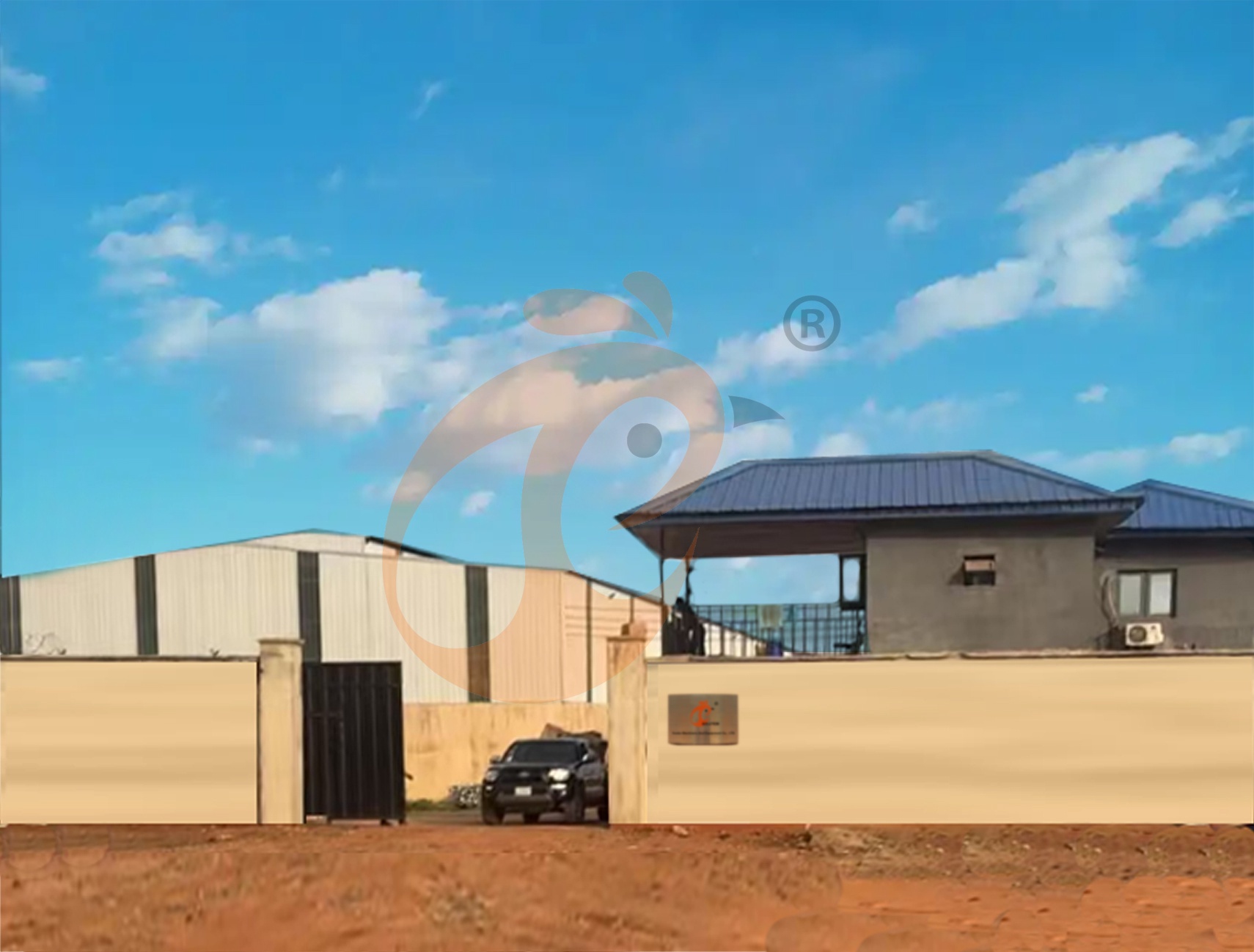
Nigeria Vanke Machinery And Equipment CO., LTD
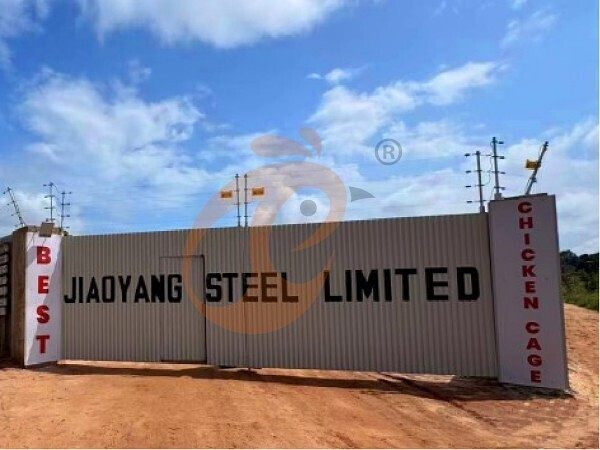
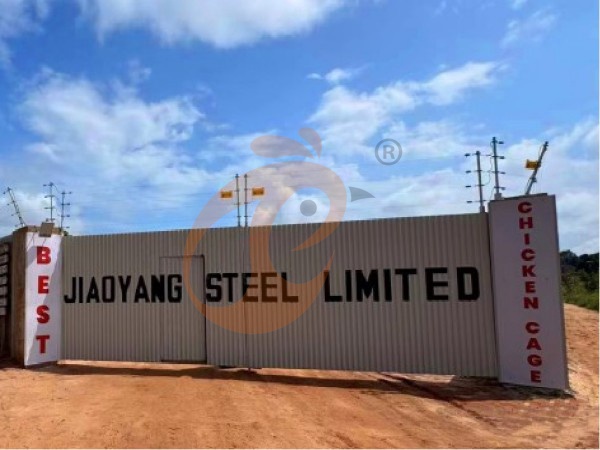
Tanzania Best Machinery And Equipment CO., LTD
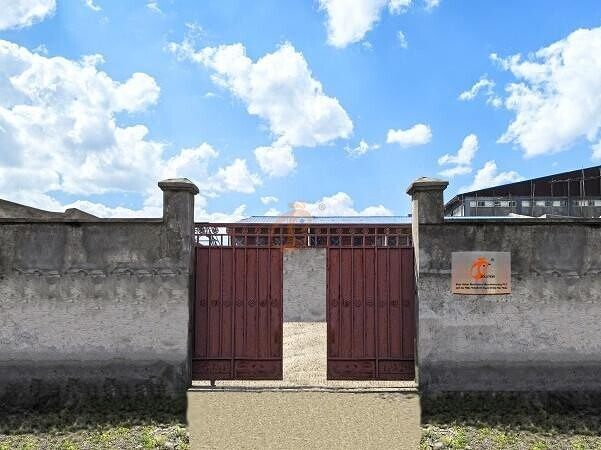
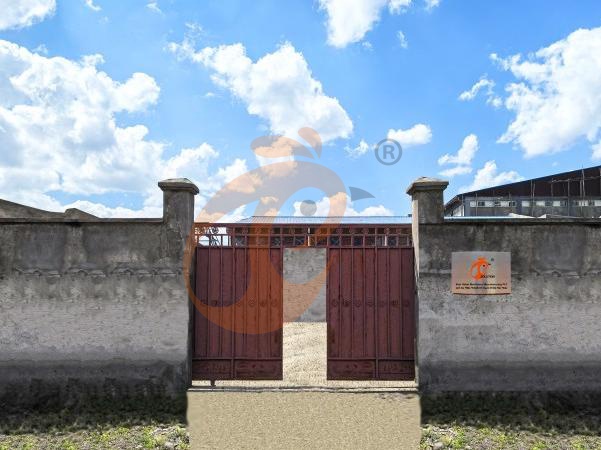
Ethiopia Best Hebei Machinery Manufacturing PLC
Reception /24 WhatsApp NO. : +8618830120193
FAQ
What Types Of Poultry Farm Equipment Are Essential In Poultry Chicken Production Systems?
Drinking systems provide 200–300 ml water per bird per day maintaining hydration balance, stabilizing metabolism, and improving nutrient absorption efficiency in controlled poultry farming conditions.
Ventilation equipment supports airflow rates of 5–7 m³ per kg live weight per hour ensuring heat removal, gas exchange stability, and maintaining optimal air quality for high-density poultry production systems.
How Does Poultry Farm Equipment Improve Production Efficiency In Poultry Chicken Farming?
Environmental control systems improve feed conversion ratio by 3%–6% through stable temperature and humidity management, supporting consistent broiler growth performance across full production cycles.
Integrated equipment reduces mortality rate by 2%–4% by maintaining controlled living conditions, improving disease prevention, and ensuring stable physiological performance in commercial poultry operations.
What Capacity Standards Are Required For Poultry Farm Equipment In Poultry Chicken Houses?
Water supply systems maintain flow rates of 1.0–1.5 liters per minute per line section ensuring stable pressure and continuous hydration for dense poultry populations.
Ventilation fans provide 25000–40000 m³ per hour airflow per unit ensuring effective heat dissipation and maintaining uniform environmental conditions throughout the poultry house.
- poultry farm
- layer cages
- layer cage
- automatic layer cage
- poultry house
- poultry cage
- cage
- galvanized cage
- poultry farm construction
- layer cage system
- poultry cage system
- poultry cage equipment
- automatic poultry cage system
- poultry cage system supplier
- automatic poultry cage
- modern poultry cage
- poultry cage project
- automatic feeding system
- poultry equipment
- automatic layer cage system
- chickencage
- bestchickencage
- cage system
- cage systems
- h cage
- automatic cage
- Nigeria
- poultry equipment supplier
- modern poultry house
- poultry cage systems
- poultry farm plan
- LED poultry lamp
- Ethiopia
Message
Products recommended
 >30,000 Pullets Automatic H Type Battery Cage1. More than 30,000 pullets a house, choose it.
2. It is designed to rearing older than 1 day old pullets to 12 to 16 weeks old chicken starting laying eggs.
3. Its lifespan is more than 25 years.
4. Its structure are Vcloud artificial intelligent fusion, electric control cabinet, automatic equipment of drinking, feeding, manure clean, manual harvesting.
5. Our 24 hour online reception What’sApp NO. is +8618830120193 <30,000 Pullets Automatic A Type Battery Cage1. 10,000 to 30,000 pullets a house, choose it.
2. It is designed to rearing older than 1 day old pullets to 12 to 16 weeks old chicken starting laying eggs.
3. Its lifespan is more than 25 years.
4. Its structure are Vcloud artificial intelligent fusion, electric control cabinet, automatic equipment of drinking, feeding, manure clean, manual harvesting.
5. Our 24 hour online reception What’sApp NO. is +86 18830120193. >30,000 Broilers Semi-Automatic Harvest H Type Battery Cage1. More than 30,000 broilers a house, choose it.
2. It is designed to rearing 1 to 45 day old adult broiler ready for market.
3. Its lifespan is more than 20 years.
4. Our 24 hour online reception What’sApp NO. is +8618830120193, +234 8111199996. >30,000 Broilers Manual Harvest H Type Battery Cage1. More than 30,000 broilers a house, choose it.
2. It is designed to rearing 1 to 45 day old adult broiler ready for market.
3. Its lifespan is more than 20 years.
4. Its structure are Vcloud artificial intelligent fusion, electric control cabinet, automatic equipment of drinking, feeding and manure clean, manual harvesting.
5. Our 24 hour online reception What’sApp NO. is +8618830120193, +234 8111199996. <30,000 Broilers Manual Harvest A Type Battery Cage1. Less 30,000 broilers a house, choose it.
2. It is designed to rearing 1 to 45 day old adult broiler ready for market.
3. Its lifespan is more than 20 years.
4. Its structure are Vcloud artificial intelligent fusion, electric control cabinet, automatic equipment of drinking, feeding and manure clean, manual harvesting.
5. Our 24 hour online reception What’sApp NO. is +8618830120193, +234 8111199996. HK Headquarter Offers EU-standard Poultry Farm Solutions, Manufacture Poultry Farm Equipment1. Continuous communication with the EU and the US
2. China, Nigeria, Ethiopia, Tanzania branch companies and factories
3. The products’ quality is customized for local poultry farms
4. Poultry cage and poultry farm equipment stock for sale
5. 24 online reception Whatsapp NO. : +8618830120193,contact us to get full information China Branch Offer Poultry Farm Business Plan, Manufacture Poultry Farm Equipment1. Address: Flat/RM 2416, 24/F, Runxing Building, Youyi Nan Street, Shijiazhuang City, Hebei Province, China
2. Poultry cage and poultry farm equipment factory and stock for sale
3. Customized for local poultry farms
4. Quality and design are based on Euro
5. 24 online reception Whatsapp NO. : +8618830120193 Nigeria Branch Offer Poultry Farm Business Plan, Manufacture Poultry Farm Equipment1. Address: After Sinoma Office, 200 Meters Near Danco Filling Station, Lagos/Ibadan Expressway, Lagos State, Nigeria
2. Poultry cage and poultry farm equipment factory and stock for sale
3. Customized for Nigerian poultry farms
4. Quality and design are based on Euro
5. 24 online reception Whatsapp NO. : +8618830120193 Ethiopia Branch Offer Poultry Farm Business Plan, Manufacture Poultry Farm Equipment1. Address: Gelan Gura, Akaki-kaliti Sub City, Addis Ababa, Ethiopia
2. Poultry cage and poultry farm equipment stock for sale
3. Customized for Ethiopian poultry farms
4. Quality and design are based on Euro
5. 24 online reception Whatsapp NO. : +8618830120193, contact us to get price list Tanzania Branch Offer Poultry Farm Business Plan, Manufacture Poultry Farm Equipment1. Address: No.8, Sova Road, Msufini, Mlandizi, Kibaha, Pwani, Tanzania
2. Poultry cage and poultry farm equipment factory and stock for sale
3. Customized for Tanzanian poultry farms
4. Quality and design are based on Euro
5. 24 online reception Whatsapp NO. : +8618830120193


Contact