


Blog
Farmers from Ogun to Kano are increasingly abandoning manual methods in favor of automated Battery Cage systems to combat rising feed costs and labor inefficiencies.
This shift is not merely a trend; it is a strategic response to the need for higher biosecurity and precision in egg production. For any serious investor, understanding the technical advantages of an automated Battery Cage over manual alternatives is the first step toward a high-ROI poultry venture.
Efficiency Comparison Between Manual And Automatic Battery Cage Systems
The primary reason for the mass adoption of the automated Battery Cage in Nigeria is the drastic reduction in operational waste. Manual systems often lead to inconsistent feeding and higher egg breakage rates, which directly erode profit margins.
Performance Metrics Comparison
Impact Of Automated Battery Cage On Egg Production Yields
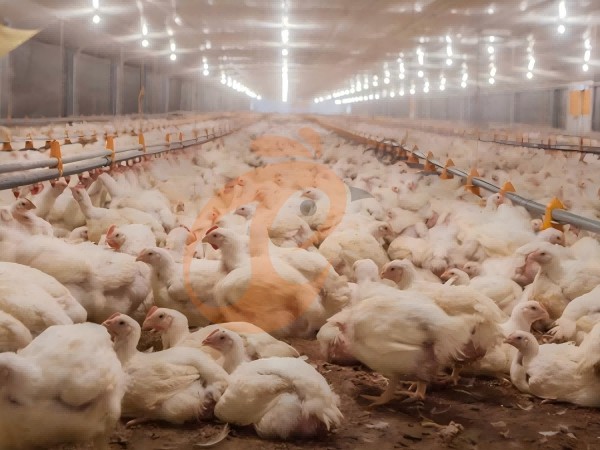
In Nigeria's competitive market, the "Price Per Crate" is often fixed by local market forces. Therefore, the only way to increase profit is to lower the "Cost of Production." An automated Battery Cage optimizes the bird's environment, ensuring that energy is spent on egg production rather than competing for food or fighting soil-borne diseases.
Annual Production Capability Data
Technical Specifications Of Industrial Battery Cage Systems
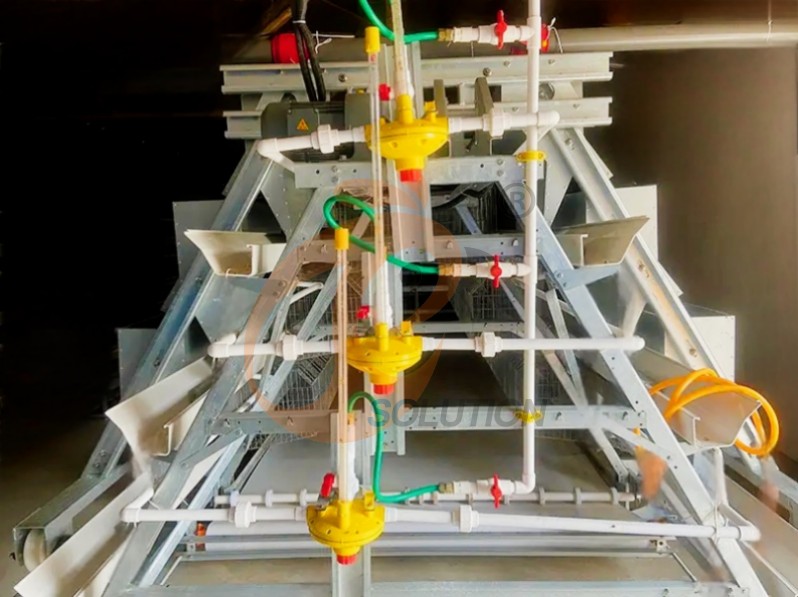
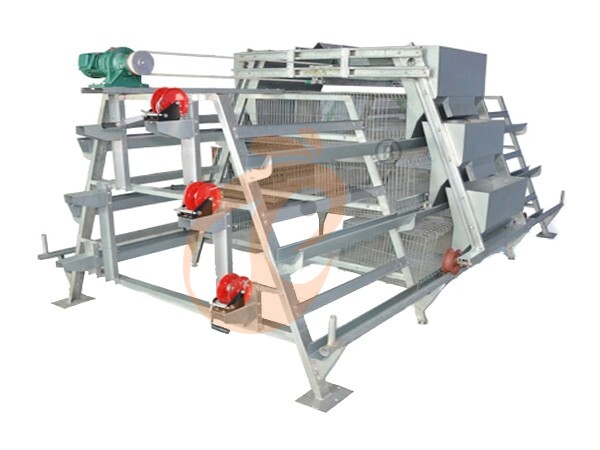
As a manufacturer, we prioritize the durability of the Battery Cage to withstand the high humidity levels found in coastal Nigeria. Our systems use hot-dip galvanization, which offers a significantly longer lifespan compared to locally fabricated cold-galvanized cages.
Material And Hardware Specifications
Financial Analysis: ROI Of Upgrading To Automatic Battery Cage
The initial investment for an automated Battery Cage is higher than manual setups, but the payback period in the Nigerian market is surprisingly short due to the savings on labor and feed.
Estimated Investment And Payback Cycle
Frequently Asked Questions About Battery Cage Systems In Nigeria
Which is better for a new farmer in Nigeria, A-type or H-type Battery Cage?
For most Nigerian farmers, the A-type Battery Cage is better because it offers superior natural ventilation, which is critical in a hot climate. The H-type is typically reserved for fully climate-controlled, high-density closed houses.
How does an automatic Battery Cage handle power outages in Nigeria?
Modern automated systems are designed with manual overrides. In the event of a power failure, feeding and manure removal can be operated manually or via a backup generator. The drinking system usually works via gravity tanks, ensuring birds always have water.
What is the price of an automatic Battery Cage for 10,000 layers?
The price depends on the level of automation (feeding, egg collection, manure removal). A full system for 10,000 layers typically ranges from $20,000 to $45,000 depending on specifications. All prices follow EU standards and are for reference only.
Why Vanke Is The Trusted Battery Cage Manufacturer For Nigeria
Choosing the right partner is as important as choosing the right equipment. Vanke specializes in delivering industrial-grade solutions tailored for the African continent.
Superior Galvanization Technology: Our cages utilize a 275g/㎡ hot-dip zinc process that resists the corrosive environment of Nigerian poultry houses
Customized Layout Engineering: We provide free professional CAD designs to ensure your Battery Cage configuration maximizes your available land space
Full Logistics Coordination: From our factory to your farm in Lagos, Abuja, or Port Harcourt, we manage the entire shipping and clearing process
Expert Installation Teams: We provide on-site technical guidance and training for your local staff to ensure the system operates at peak efficiency
Lifetime Technical Support: As a dedicated manufacturer, we stock all spare parts and provide 24/7 remote assistance for your peace of mind
Contact Us To Received Your Customized Poultry Farm Plan
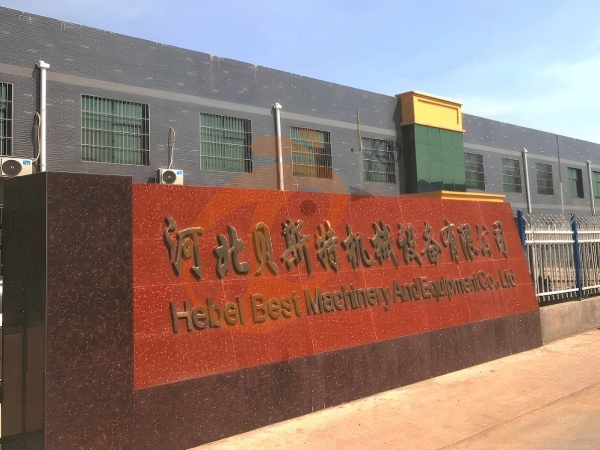
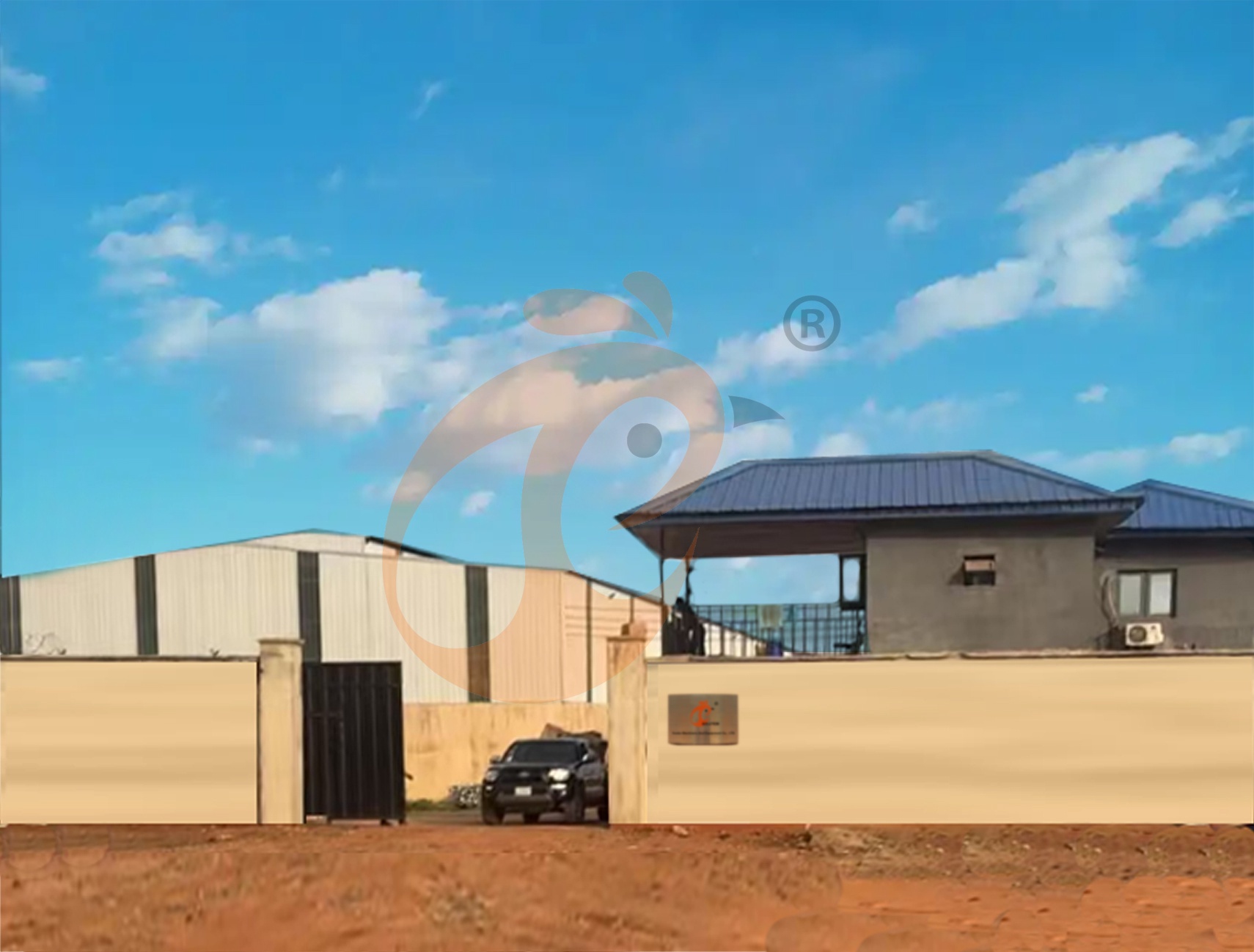
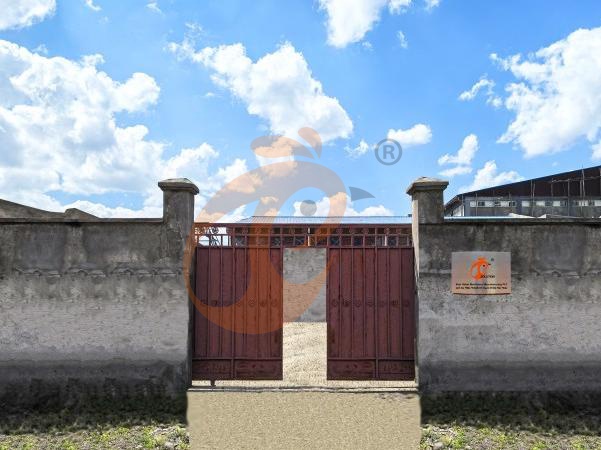
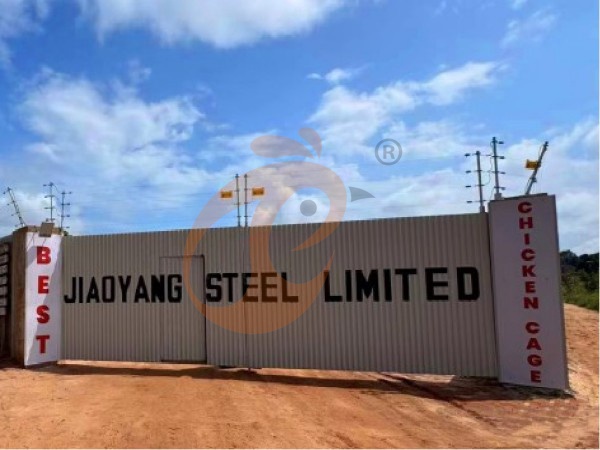
Headquarters And Distribution Centers
Hong Kong Headquarter Taiyu Industrial Group CO., LTD
China Hebei Best Machinery And Equipment CO., LTD
Nigeria Vanke Machinery And Equipment CO., LTD
Tanzania Best Machinery And Equipment CO., LTD
Ethiopia Best Hebei Machinery Manufacturing PLC
FAQ
Message
Products recommended
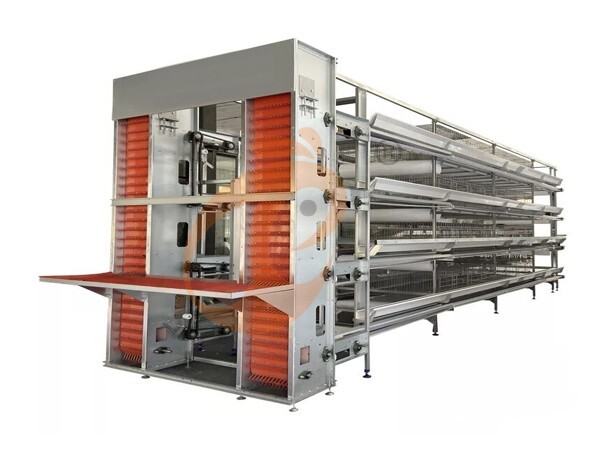
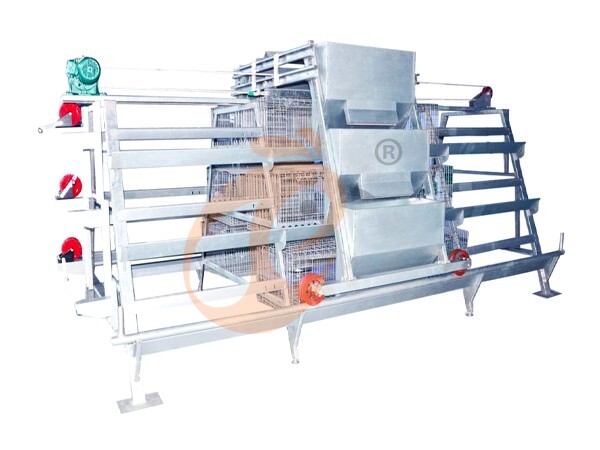
 >30,000 Pullets Automatic H Type Battery Cage1. More than 30,000 pullets a house, choose it.
2. It is designed to rearing older than 1 day old pullets to 12 to 16 weeks old chicken starting laying eggs.
3. Its lifespan is more than 25 years.
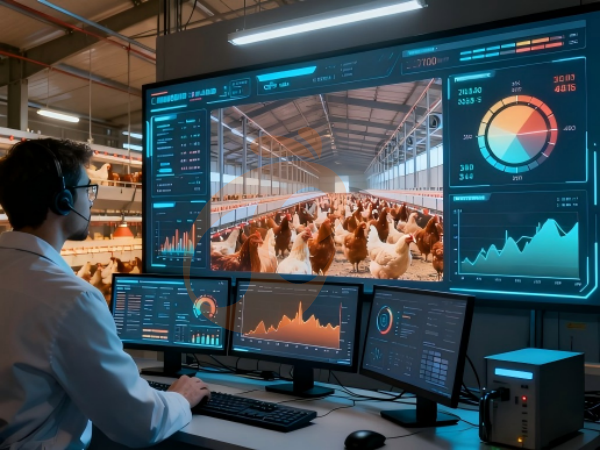
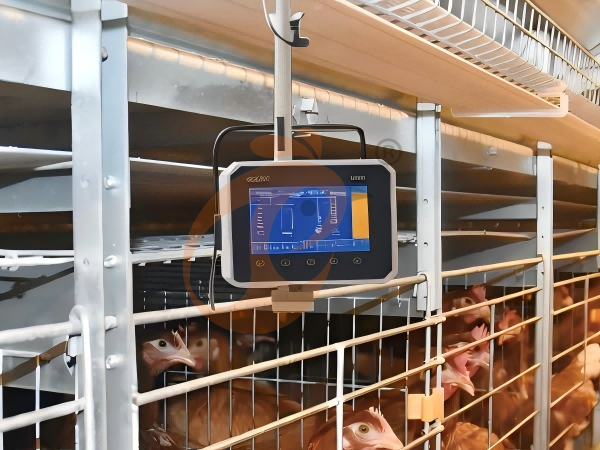
4. Its structure are Vcloud artificial intelligent fusion, electric control cabinet, automatic equipment of drinking, feeding, manure clean, manual harvesting.
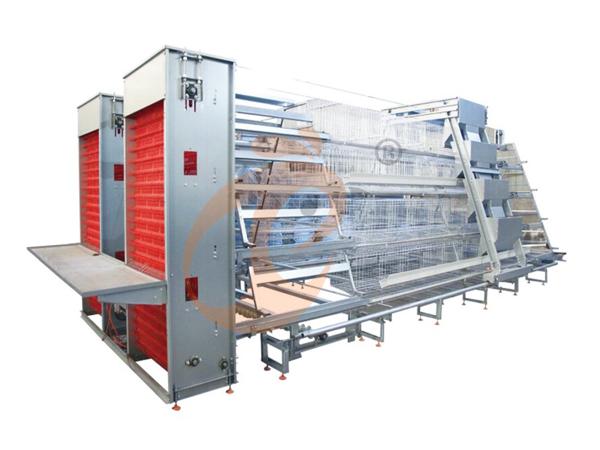
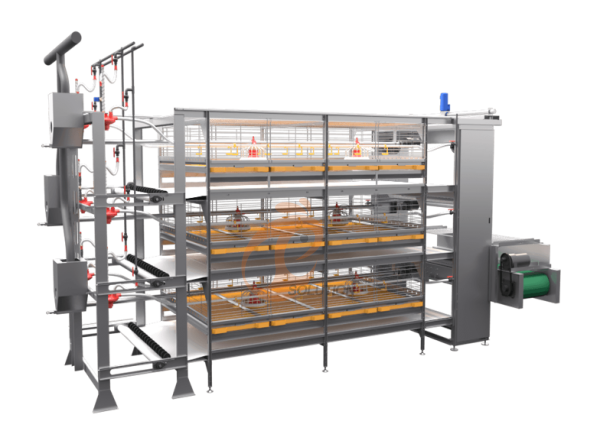
5. Our 24 hour online reception What’sApp NO. is +8618830120193 <30,000 Pullets Automatic A Type Battery Cage1. 10,000 to 30,000 pullets a house, choose it.
2. It is designed to rearing older than 1 day old pullets to 12 to 16 weeks old chicken starting laying eggs.
3. Its lifespan is more than 25 years.
4. Its structure are Vcloud artificial intelligent fusion, electric control cabinet, automatic equipment of drinking, feeding, manure clean, manual harvesting.
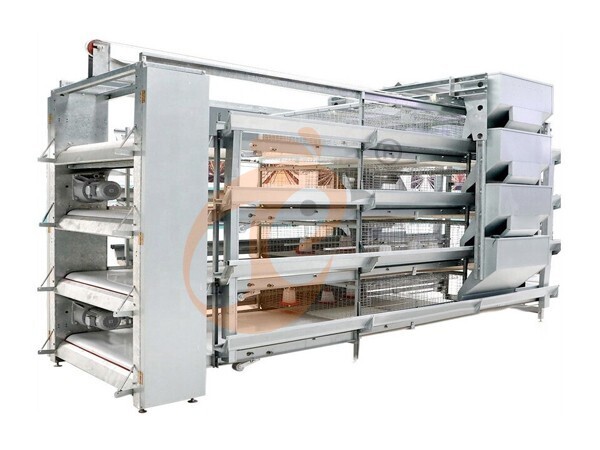
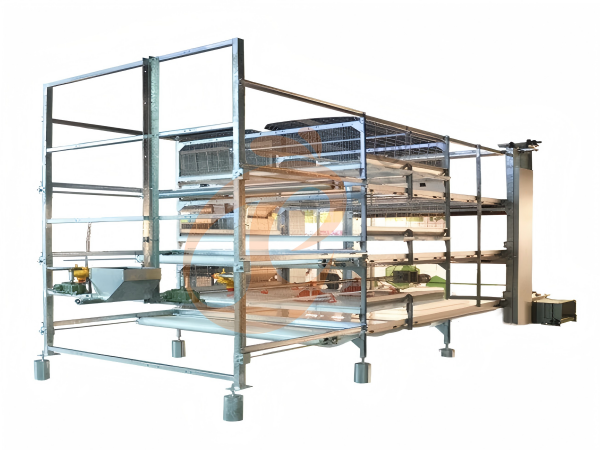
5. Our 24 hour online reception What’sApp NO. is +86 18830120193. >30,000 Broilers Semi-Automatic Harvest H Type Battery Cage1. More than 30,000 broilers a house, choose it.
2. It is designed to rearing 1 to 45 day old adult broiler ready for market.
3. Its lifespan is more than 20 years.
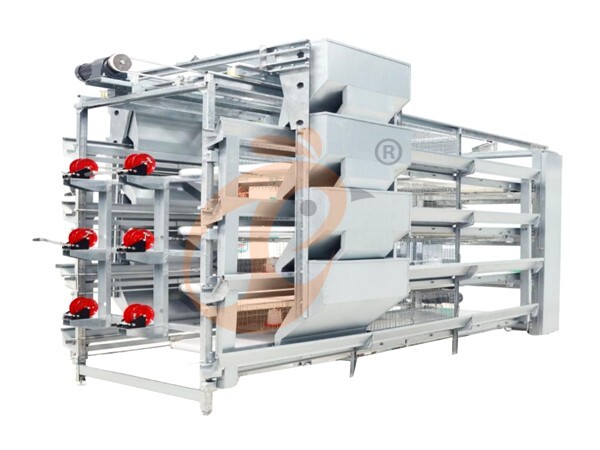
4. Our 24 hour online reception What’sApp NO. is +8618830120193, +234 8111199996. >30,000 Broilers Manual Harvest H Type Battery Cage1. More than 30,000 broilers a house, choose it.
2. It is designed to rearing 1 to 45 day old adult broiler ready for market.
3. Its lifespan is more than 20 years.
4. Its structure are Vcloud artificial intelligent fusion, electric control cabinet, automatic equipment of drinking, feeding and manure clean, manual harvesting.
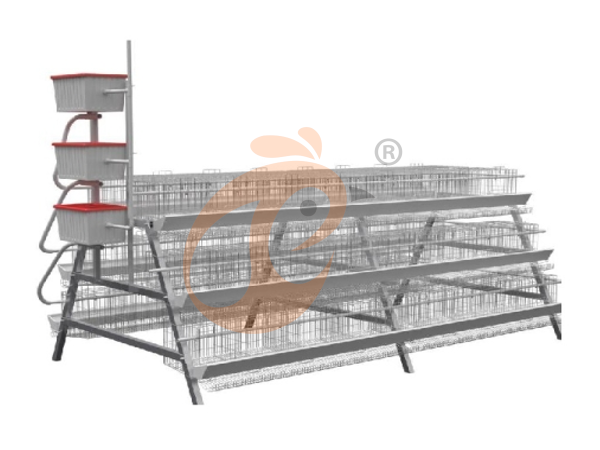
5. Our 24 hour online reception What’sApp NO. is +8618830120193, +234 8111199996. <30,000 Broilers Manual Harvest A Type Battery Cage1. Less 30,000 broilers a house, choose it.
2. It is designed to rearing 1 to 45 day old adult broiler ready for market.
3. Its lifespan is more than 20 years.
4. Its structure are Vcloud artificial intelligent fusion, electric control cabinet, automatic equipment of drinking, feeding and manure clean, manual harvesting.
5. Our 24 hour online reception What’sApp NO. is +8618830120193, +234 8111199996. HK Headquarter Offers EU-standard Poultry Farm Solutions, Manufacture Poultry Farm Equipment1. Continuous communication with the EU and the US
2. China, Nigeria, Ethiopia, Tanzania branch companies and factories
3. The products’ quality is customized for local poultry farms
4. Poultry cage and poultry farm equipment stock for sale
5. 24 online reception Whatsapp NO. : +8618830120193,contact us to get full information China Branch Offer Poultry Farm Business Plan, Manufacture Poultry Farm Equipment1. Address: Flat/RM 2416, 24/F, Runxing Building, Youyi Nan Street, Shijiazhuang City, Hebei Province, China
2. Poultry cage and poultry farm equipment factory and stock for sale
3. Customized for local poultry farms
4. Quality and design are based on Euro
5. 24 online reception Whatsapp NO. : +8618830120193 Nigeria Branch Offer Poultry Farm Business Plan, Manufacture Poultry Farm Equipment1. Address: After Sinoma Office, 200 Meters Near Danco Filling Station, Lagos/Ibadan Expressway, Lagos State, Nigeria
2. Poultry cage and poultry farm equipment factory and stock for sale
3. Customized for Nigerian poultry farms
4. Quality and design are based on Euro
5. 24 online reception Whatsapp NO. : +8618830120193 Ethiopia Branch Offer Poultry Farm Business Plan, Manufacture Poultry Farm Equipment1. Address: Gelan Gura, Akaki-kaliti Sub City, Addis Ababa, Ethiopia
2. Poultry cage and poultry farm equipment stock for sale
3. Customized for Ethiopian poultry farms
4. Quality and design are based on Euro
5. 24 online reception Whatsapp NO. : +8618830120193, contact us to get price list Tanzania Branch Offer Poultry Farm Business Plan, Manufacture Poultry Farm Equipment1. Address: No.8, Sova Road, Msufini, Mlandizi, Kibaha, Pwani, Tanzania
2. Poultry cage and poultry farm equipment factory and stock for sale
3. Customized for Tanzanian poultry farms
4. Quality and design are based on Euro
5. 24 online reception Whatsapp NO. : +8618830120193


Contact