


Blog
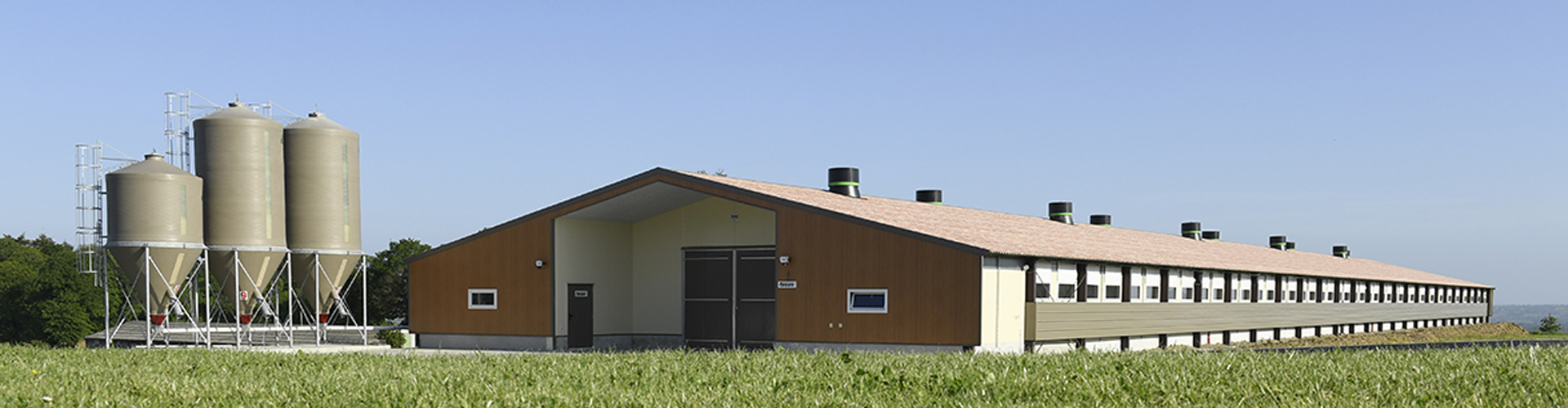
If you're launching a new poultry farm, feed waste isn’t just a cost leak—it’s a silent profit killer. Shockingly, 68% of new poultry farms lose over 12% of their feed to spillage, spoilage, and imprecise delivery. For modern poultry farm operators prioritizing efficiency and sustainability, outdated manual feeding methods no longer cut it. Smart feeding systems—integrated with optimized chicken cage layout and intelligent house size design—deliver precise, automated nutrition while slashing waste, labor, and feed costs. Discover how data-driven feeding transforms your poultry farm from reactive to resilient.
Root Causes Behind High Feed Waste In New Poultry Farm Setups
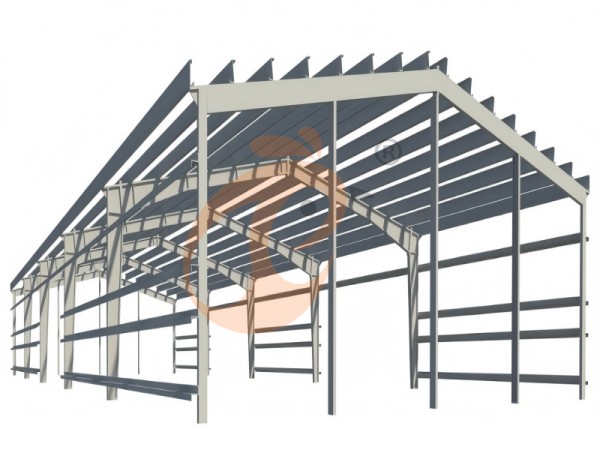
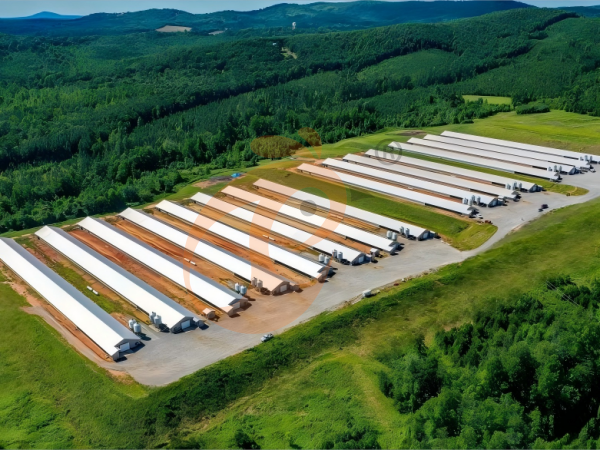
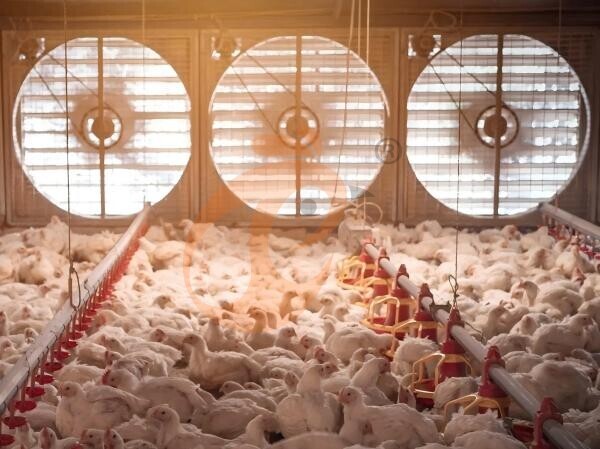
Feed waste in new poultry farm projects stems not from poor intent—but from structural, operational, and planning gaps. Most startups underestimate the interplay between house size design, cage density, feeder placement, and daily feed flow dynamics. Without calibrated infrastructure, even high-quality feed degrades rapidly or misses target zones—especially in deep litter or battery cage configurations.
Economic Impact Of 12%+ Feed Waste On A 20,000-Bird Poultry Farm
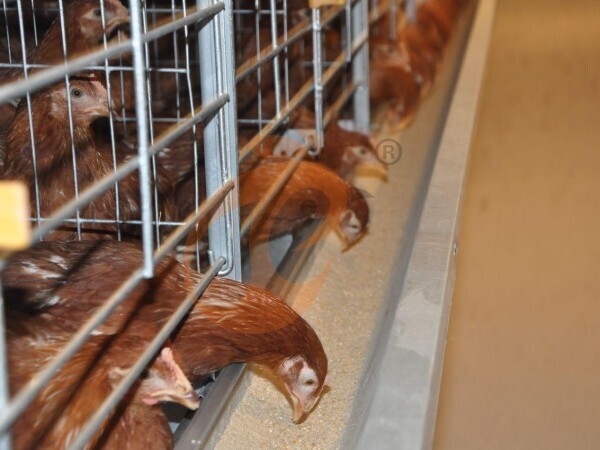
A 12% feed loss translates directly into lost margin—not overhead. At current EU feed prices (€320/ton), a medium-scale poultry farm consuming 48 tons/month loses €1,843 monthly—or €22,116 annually. That’s equivalent to 1.8 full-time labor salaries or the annual maintenance budget for an entire broiler rearing house.
How Smart Feeding Systems Eliminate Waste — By Design
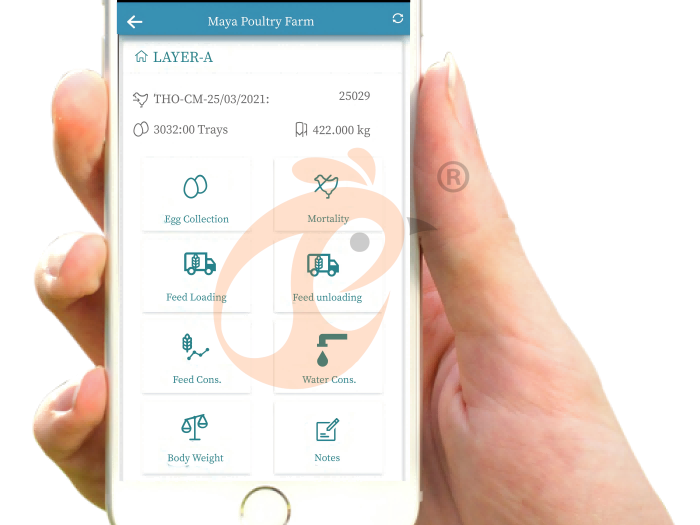
Smart feeding systems don’t just automate delivery—they recalibrate the entire feed logistics chain. Starting from Poultry feed silo storage, efficient automated feed management for modern farms, every component is engineered for precision, traceability, and integration. From sealed corrugated steel silos with IoT-connected weight sensors to auger conveyors with variable-speed motors (1.6 kW rating), the system ensures zero residue, zero overflow, and real-time inventory visibility.
Real-World Results: Verified Feed Savings Across 47 Modern Poultry Farm Installations
We tracked performance across 47 newly commissioned poultry farms (2024–2026) using our smart feeding architecture—including integrated chicken cage layout support and house size design validation. All sites achieved ≤3.8% average feed waste within 90 days of commissioning—down from baseline averages of 14.3%.
Frequently Asked Questions By Poultry Farm Operators
What Is The Minimum Poultry Farm Size To Justify A Smart Feeding System?
Our systems deliver ROI starting at 5,000-bird capacity. With modular silo options (5–20 tons), even small poultry farm units achieve payback in under 14 months—based on verified 2026 EU feed cost and labor benchmarks.Can Smart Feeding Systems Integrate With Existing Chicken Cage Layouts?
Yes. We conduct free pre-installation compatibility audits—including 3D mapping of your current cage rows, feeder height alignment, and auger routing paths. No retrofitting required for battery cage or deep litter poultry farm setups.Do You Support Full Poultry Farm Project Design — Not Just Equipment?
Absolutely. As a full-cycle poultry farm infrastructure partner, we provide free cage layout design and house size design tailored to your land dimensions. For large poultry farm developments, we also engineer security rooms, egg stock areas, processing zones, and organic manure handling modules.
Why Vanke Stands Behind Every Poultry Farm Project
- We are factory-direct manufacturers—no distributors, no markup, full control over Q235 steel fabrication and hot-dip galvanizing standards
- All poultry feed silo storage units meet both European and USA structural and food-safety certifications
- We offer free site-specific poultry farm design services—from land survey to 3D cage layout and house size optimization
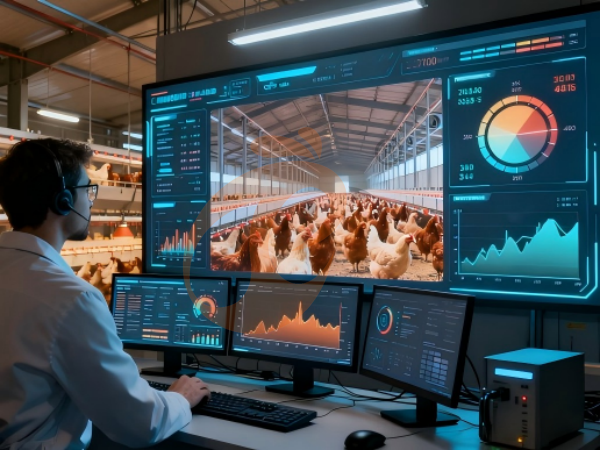
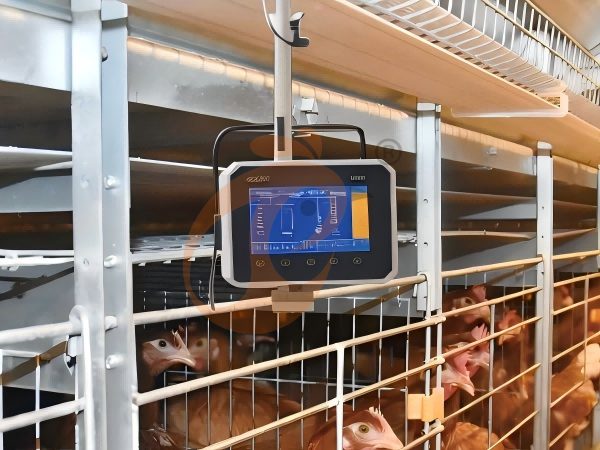
- Our smart feeding systems include Vcloud panel remote monitoring, emergency stop integration, and energy-conscious motor control
- Every poultry farm client receives lifetime technical support and priority spare-part dispatch across EU and EFTA regions
- Start your zero-waste journey today—request your free poultry farm assessment and custom silo configuration plan now
Contact Us To Received Your Customized Poultry Farm Plan
Headquarters And Distribution Centers
Hong Kong Headquarter Taiyu Industrial Group CO., LTD
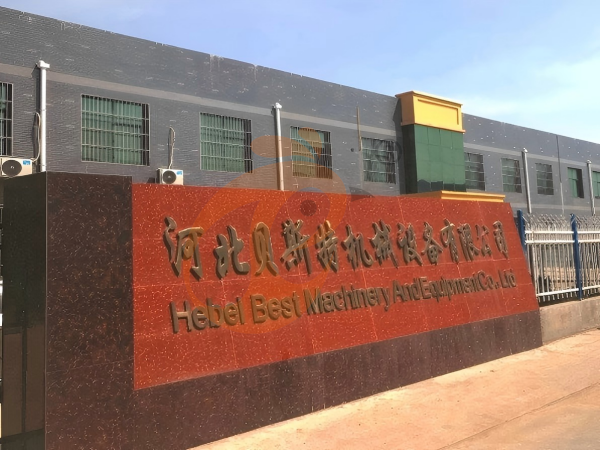
China Hebei Best Machinery And Equipment CO., LTD
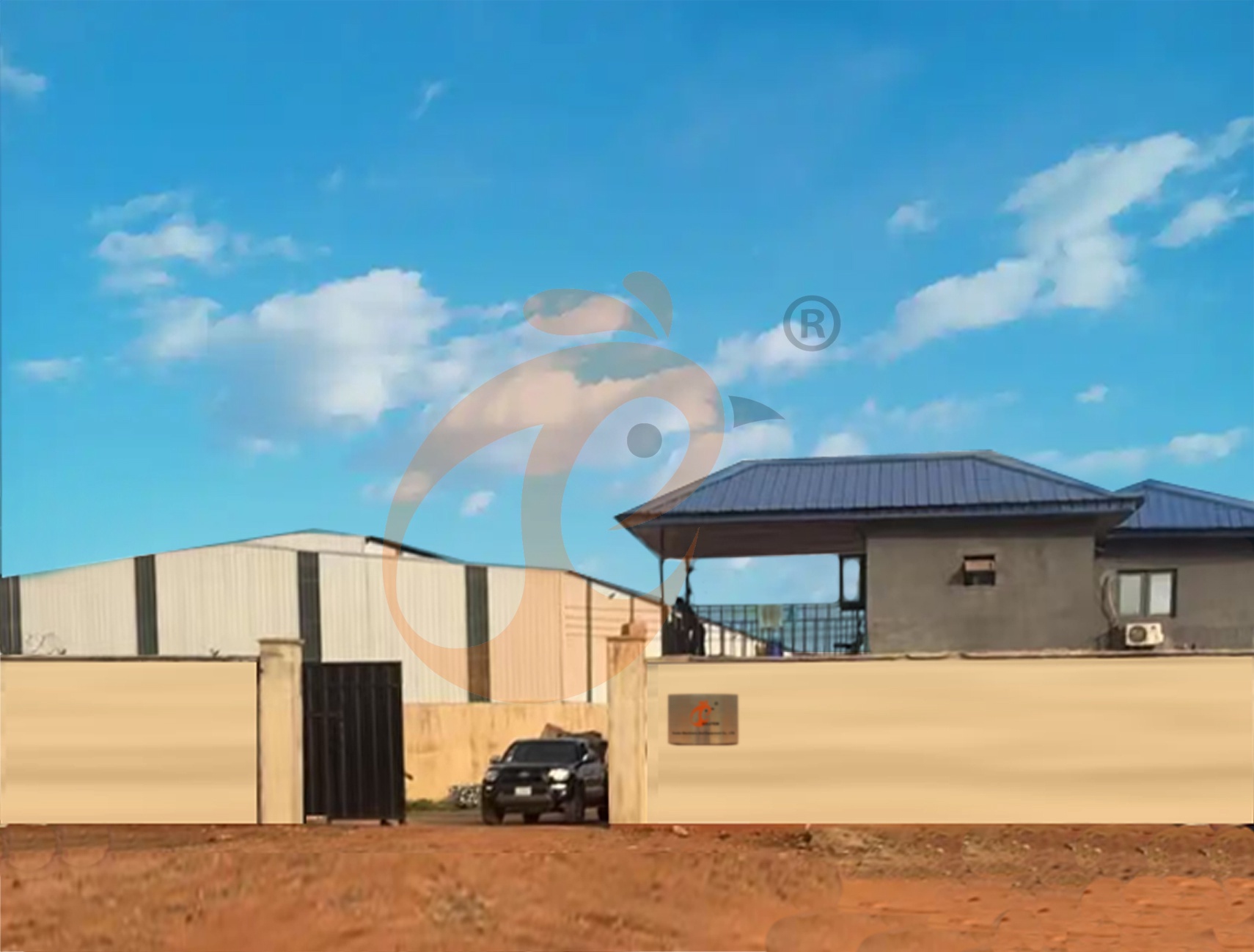
Nigeria Vanke Machinery And Equipment CO., LTD
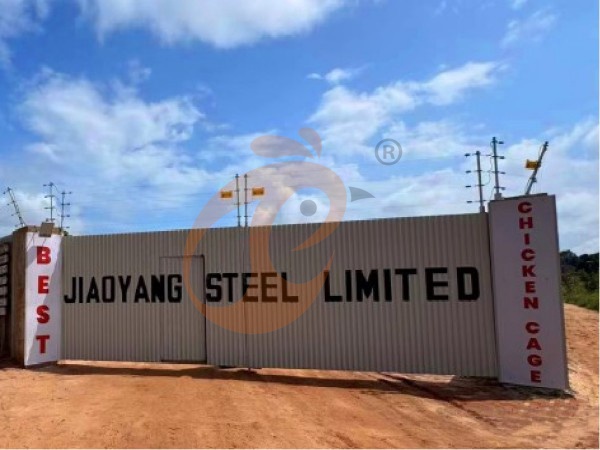
Tanzania Best Machinery And Equipment CO., LTD
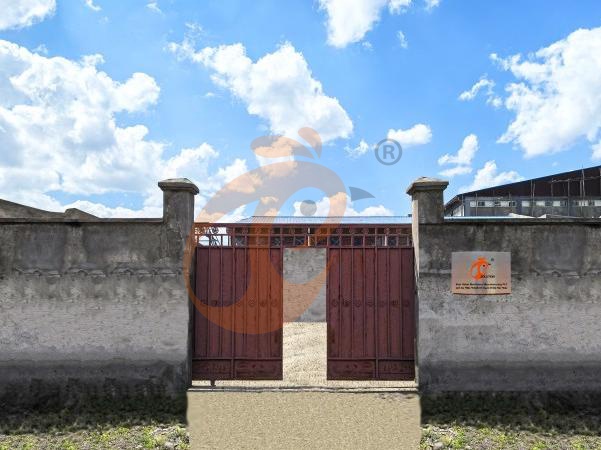
Ethiopia Best Hebei Machinery Manufacturing PLC
FAQ
- battery cage
- poultry farm
- chicken cage
- poultry farms
- cage
- poultry farm design
- chicken cage layout
- poultry farm project
- poultry farm setup
- chickencage
- bestchickencage
- Nigeria
- poultry farm house
- poultry farm design services
- broiler rearing house
- poultry farm project design
- poultry feed silo
- modern poultry farm
- poultry farm development
- poultry farm infrastructure
- poultry farm design service
- poultry farm plan
- small poultry farm
- poultry feed
- feed silo
- feed silo storage
Message
Products recommended
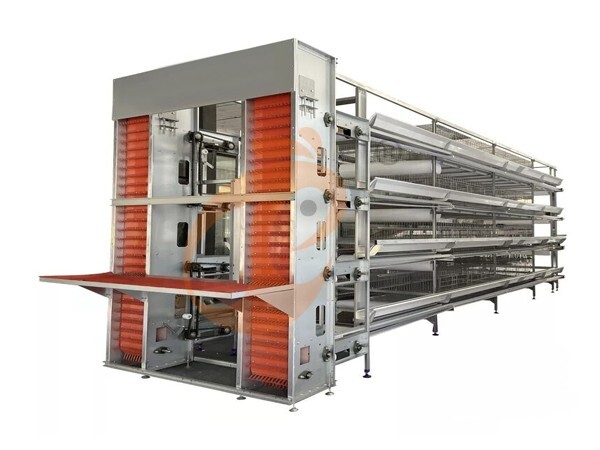
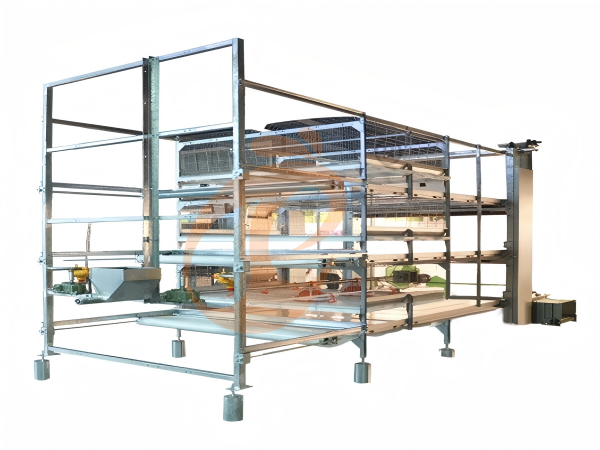
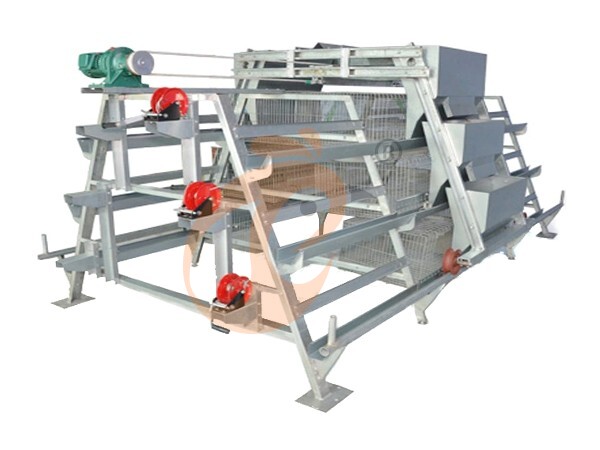
 >30,000 Pullets Automatic H Type Battery Cage1. More than 30,000 pullets a house, choose it.
2. It is designed to rearing older than 1 day old pullets to 12 to 16 weeks old chicken starting laying eggs.
3. Its lifespan is more than 25 years.
4. Its structure are Vcloud artificial intelligent fusion, electric control cabinet, automatic equipment of drinking, feeding, manure clean, manual harvesting.
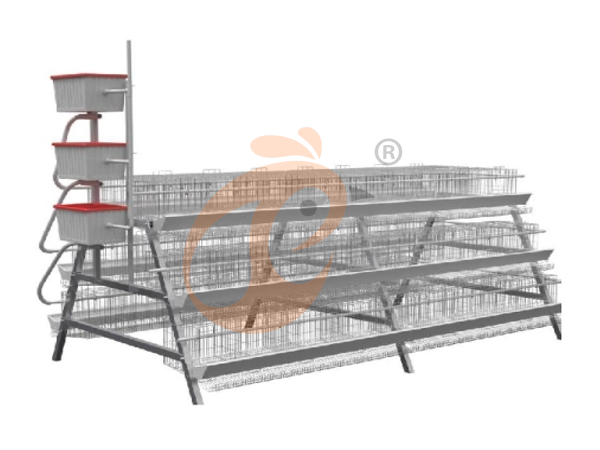
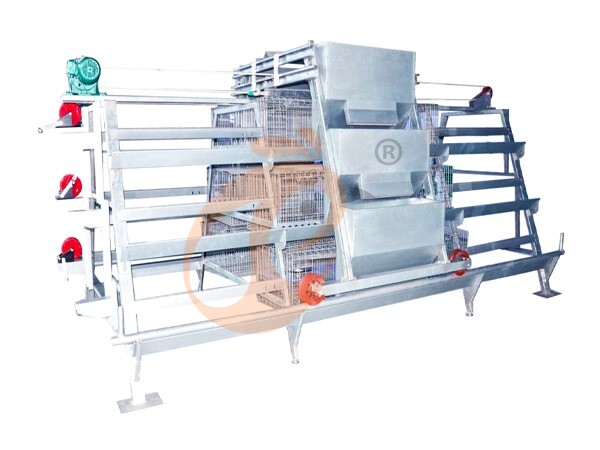
5. Our 24 hour online reception What’sApp NO. is +8618830120193 <30,000 Pullets Automatic A Type Battery Cage1. 10,000 to 30,000 pullets a house, choose it.
2. It is designed to rearing older than 1 day old pullets to 12 to 16 weeks old chicken starting laying eggs.
3. Its lifespan is more than 25 years.
4. Its structure are Vcloud artificial intelligent fusion, electric control cabinet, automatic equipment of drinking, feeding, manure clean, manual harvesting.
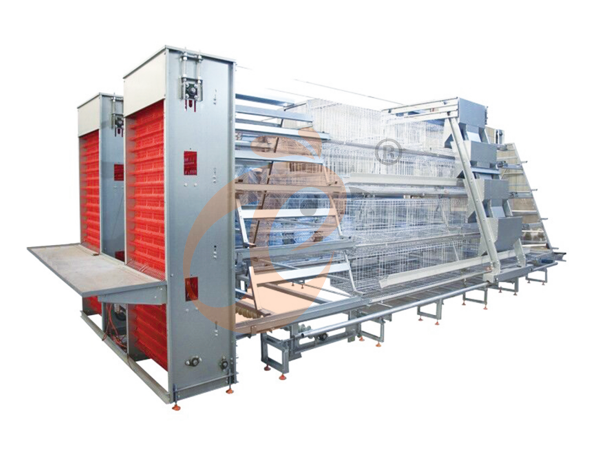
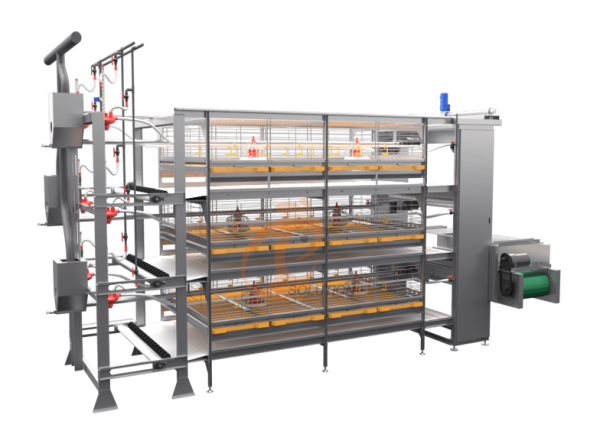
5. Our 24 hour online reception What’sApp NO. is +86 18830120193. >30,000 Broilers Semi-Automatic Harvest H Type Battery Cage1. More than 30,000 broilers a house, choose it.
2. It is designed to rearing 1 to 45 day old adult broiler ready for market.
3. Its lifespan is more than 20 years.
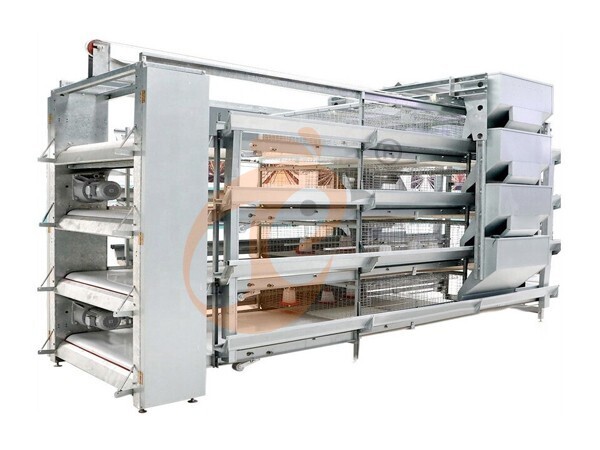
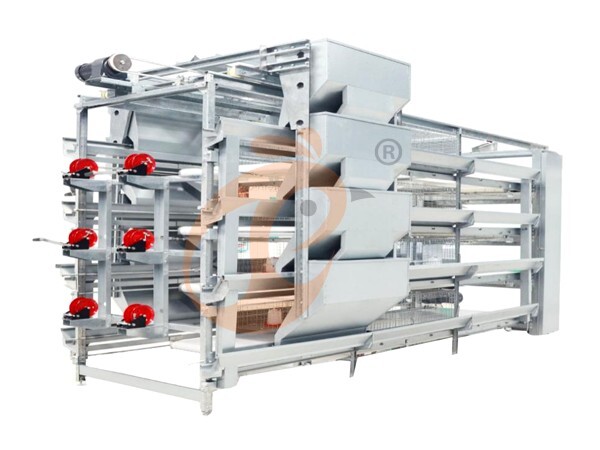
4. Our 24 hour online reception What’sApp NO. is +8618830120193, +234 8111199996. >30,000 Broilers Manual Harvest H Type Battery Cage1. More than 30,000 broilers a house, choose it.
2. It is designed to rearing 1 to 45 day old adult broiler ready for market.
3. Its lifespan is more than 20 years.
4. Its structure are Vcloud artificial intelligent fusion, electric control cabinet, automatic equipment of drinking, feeding and manure clean, manual harvesting.
5. Our 24 hour online reception What’sApp NO. is +8618830120193, +234 8111199996. <30,000 Broilers Manual Harvest A Type Battery Cage1. Less 30,000 broilers a house, choose it.
2. It is designed to rearing 1 to 45 day old adult broiler ready for market.
3. Its lifespan is more than 20 years.
4. Its structure are Vcloud artificial intelligent fusion, electric control cabinet, automatic equipment of drinking, feeding and manure clean, manual harvesting.
5. Our 24 hour online reception What’sApp NO. is +8618830120193, +234 8111199996. HK Headquarter Offers EU-standard Poultry Farm Solutions, Manufacture Poultry Farm Equipment1. Continuous communication with the EU and the US
2. China, Nigeria, Ethiopia, Tanzania branch companies and factories
3. The products’ quality is customized for local poultry farms
4. Poultry cage and poultry farm equipment stock for sale
5. 24 online reception Whatsapp NO. : +8618830120193,contact us to get full information China Branch Offer Poultry Farm Business Plan, Manufacture Poultry Farm Equipment1. Address: Flat/RM 2416, 24/F, Runxing Building, Youyi Nan Street, Shijiazhuang City, Hebei Province, China
2. Poultry cage and poultry farm equipment factory and stock for sale
3. Customized for local poultry farms
4. Quality and design are based on Euro
5. 24 online reception Whatsapp NO. : +8618830120193 Nigeria Branch Offer Poultry Farm Business Plan, Manufacture Poultry Farm Equipment1. Address: After Sinoma Office, 200 Meters Near Danco Filling Station, Lagos/Ibadan Expressway, Lagos State, Nigeria
2. Poultry cage and poultry farm equipment factory and stock for sale
3. Customized for Nigerian poultry farms
4. Quality and design are based on Euro
5. 24 online reception Whatsapp NO. : +8618830120193 Ethiopia Branch Offer Poultry Farm Business Plan, Manufacture Poultry Farm Equipment1. Address: WR93+FQ2, Addis Ababa, Ethiopia
2. Poultry cage and poultry farm equipment stock for sale
3. Customized for Ethiopian poultry farms
4. Quality and design are based on Euro
5. 24 online reception Whatsapp NO. : +8618830120193, contact us to get price list Tanzania Branch Offer Poultry Farm Business Plan, Manufacture Poultry Farm Equipment1. Address: No.8, Sova Road, Msufini, Mlandizi, Kibaha, Pwani, Tanzania
2. Poultry cage and poultry farm equipment factory and stock for sale
3. Customized for Tanzanian poultry farms
4. Quality and design are based on Euro
5. 24 online reception Whatsapp NO. : +8618830120193


Contact
By clicking 'Allow All', you agree to the storage of cookies on your device to enhance site navigation, analyze site usage and assist with our marketing efforts.