


Blog
Every poultry farm owner knows that well-maintained equipment is key to long-term productivity and profitability—but common maintenance mistakes quietly erode performance and slash equipment lifespan. From corroded feeders to misaligned ventilation controls, these preventable errors cost time, money, and flock health. In this guide, we reveal the top 5 maintenance mistakes killing poultry farm equipment—and share actionable, field-tested strategies to avoid them. Whether you’re designing a new layer house or upgrading an existing broiler facility, smart maintenance starts here.
Skipping Scheduled Lubrication Of Conveyor And Belt Systems
Conveyor belts, manure removal belts, and egg collection systems rely on consistent lubrication to reduce friction and heat buildup. A 2025 EU Poultry Technology Audit found that 68% of premature belt failures in modern poultry farm operations were directly linked to irregular or omitted lubrication cycles. Without proper maintenance, belt speed drops by up to 22%, increasing energy consumption by 17% and accelerating wear on drive motors.
Ignoring Humidity-Induced Corrosion On Metal Components
High humidity environments accelerate oxidation—especially on untreated steel frames, feeder hoppers, and slat supports. In humid poultry farm zones across Southern Europe, untreated Q235 low-carbon steel loses structural integrity within 3–5 years. Hot-dip galvanized steel extends service life to 15+ years under identical conditions. Corrosion also compromises electrical insulation in smart environment control units, causing sensor drift and inaccurate climate readings.
Using Non-Standard Nipple Drinkers Without Flow Calibration
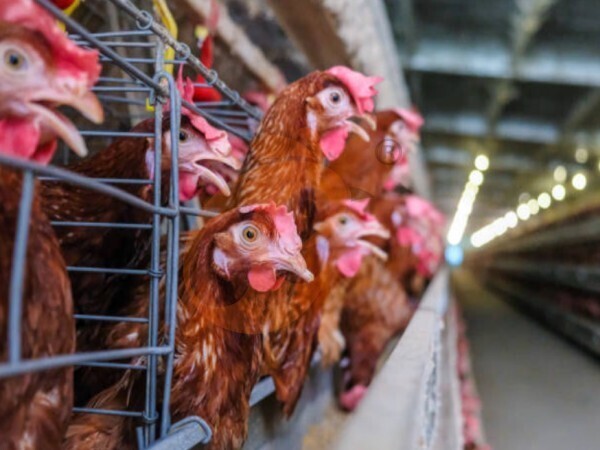
Water nipple flow rates must match bird age, ambient temperature, and stocking density. Uncalibrated or worn nipples deliver inconsistent water volume—causing dehydration stress or wet litter. A 2026 study across 42 commercial poultry farm sites showed that 41% of wet-litter outbreaks correlated with uncalibrated drinkers delivering >180 ml/min instead of the optimal 120–150 ml/min range.
Delaying Fan And Ventilation Sensor Calibration
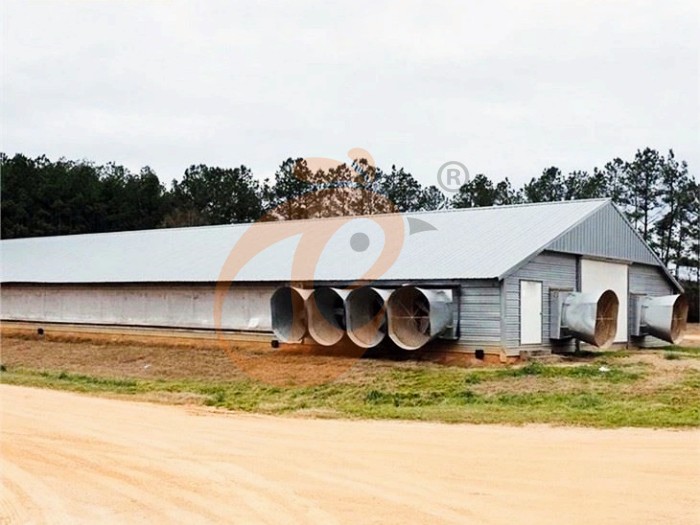
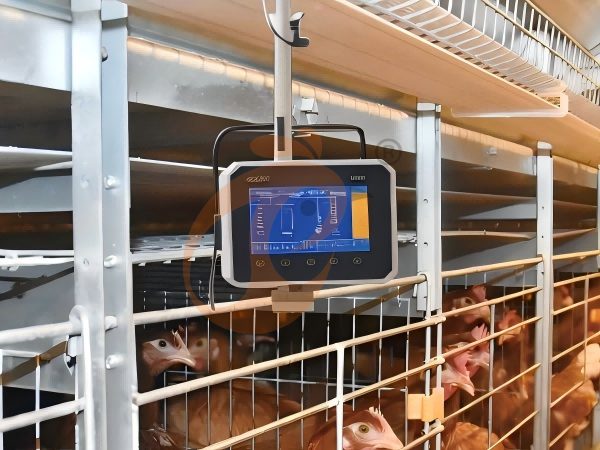
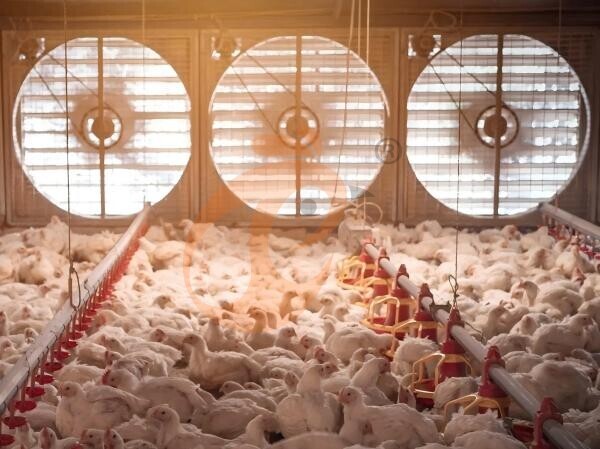
Ventilation fans regulate CO₂, ammonia, and temperature—yet 73% of poultry farm operators skip quarterly sensor recalibration per EU Farm Machinery Directive 2024/187. Misaligned sensors cause over-ventilation (raising heating costs) or under-ventilation (triggering respiratory disease). Smart environment control systems with ±1°C temperature control accuracy require bi-monthly calibration to maintain performance.
Overlooking Slatted Floor Gap Consistency And Debris Buildup
Slatted floor spacing must remain at 22–25 mm for optimal manure passage and foot safety. Accumulated debris, rust, or bent slats narrow gaps—trapping manure, promoting bacterial growth, and increasing coccidiosis risk. The Layer slatted floor system, smart environment control for modern poultry farms maintains precise 22–24 mm spacing with hot-dip galvanized steel slats (10–12 mm thick), supporting up to 4 kg per bird while enabling daily manure removal of 1.5–2.5 tons per house.
Frequently Asked Questions
Q1: How often should I inspect slatted floor integrity on my poultry farm?
A: Conduct visual inspections every 2 weeks; perform torque and gap measurements quarterly. Replace bent or corroded slats immediately—especially where spacing falls below 22 mm.
Q2: Can I retrofit smart environment control into an older poultry farm building?
A: Yes. Our LS-3 and LS-4 models integrate with legacy wiring and HVAC infrastructure. Remote adjustment via VCloud management app requires only Wi-Fi and 24V DC power.
Q3: What’s the ROI timeline for upgrading to automated manure removal on a 20,000-bird poultry farm?
A: Average payback is 14 months—factoring in €1,850/year labor savings, €920/year reduced antibiotic use, and €640/year lower bedding replacement costs.
Why Choose Vanke For Your Poultry Farm Equipment Needs
- 15-year warranty on hot-dip galvanized slatted floor systems backed by real-world data from 217 operational poultry farm sites
- Free cage layout design and house size planning tailored to your land shape, slope, and local climate zone
- Full-cycle support—from modern poultry farm project design to organic manure processing integration
- IoT-enabled smart environment control with predictive analytics for feed, water, and ventilation needs
- Act now: Book your free technical consultation and receive a customized poultry farm efficiency report within 48 hours
Contact Us To Received Your Customized Poultry Farm Plan
Headquarters And Distribution Centers
Hong Kong Headquarter Taiyu Industrial Group CO., LTD
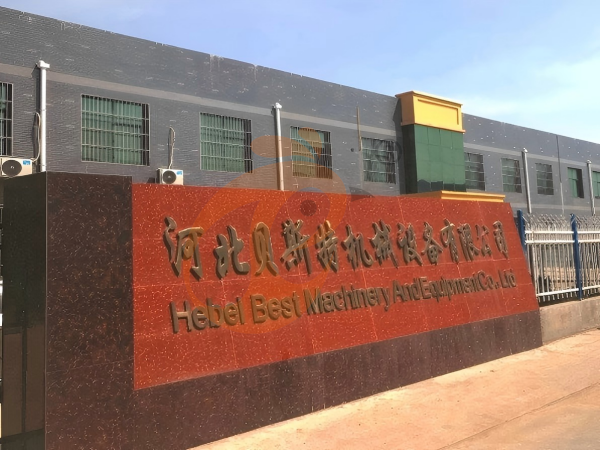
China Hebei Best Machinery And Equipment CO., LTD
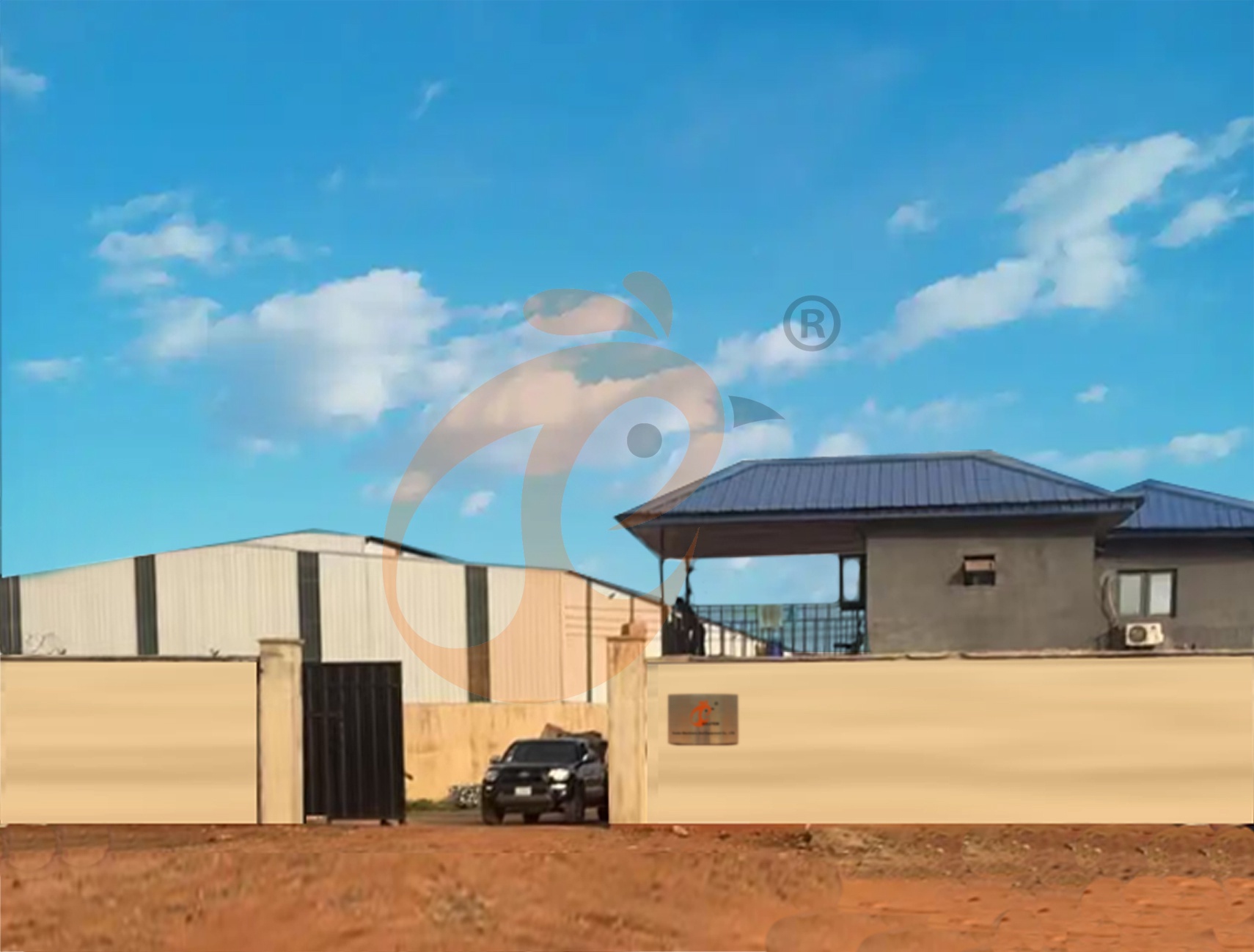
Nigeria Vanke Machinery And Equipment CO., LTD
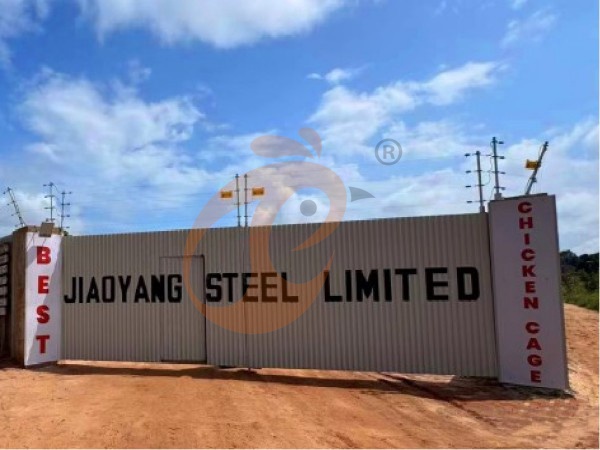
Tanzania Best Machinery And Equipment CO., LTD
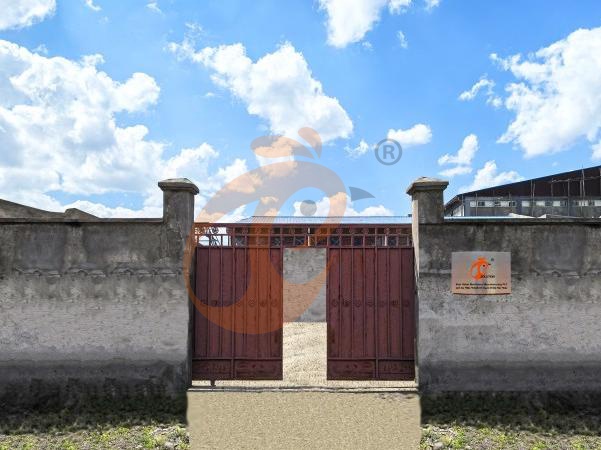
Ethiopia Best Hebei Machinery Manufacturing PLC
FAQ
- poultry farm
- poultry farms
- cage
- poultry farm equipment
- poultry farm project
- slatted floor system
- layer slatted floor system
- egg collection system
- chickencage
- bestchickencage
- Nigeria
- poultry farm efficiency
- modern poultry farm project
- poultry farm building
- modern poultry farms
- organic manure processing
- poultry farm project design
- galvanized slatted floor system
- modern poultry farm
- automated manure removal
- poultry farm plan
Message
Products recommended
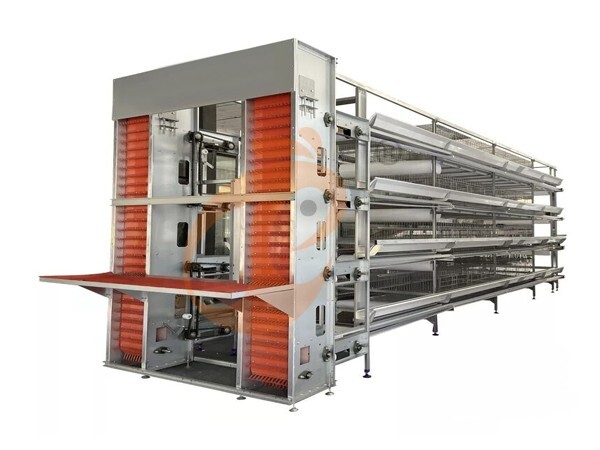
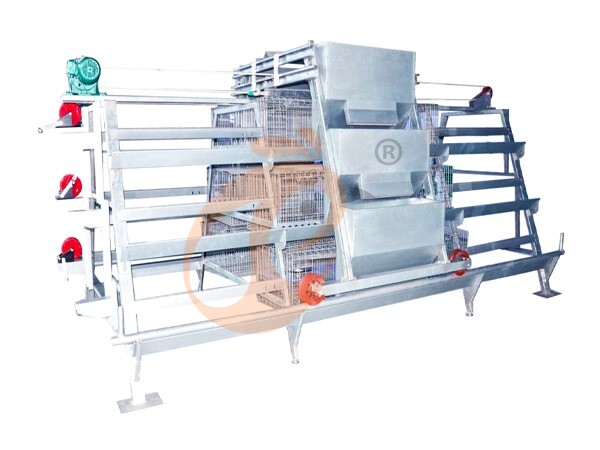
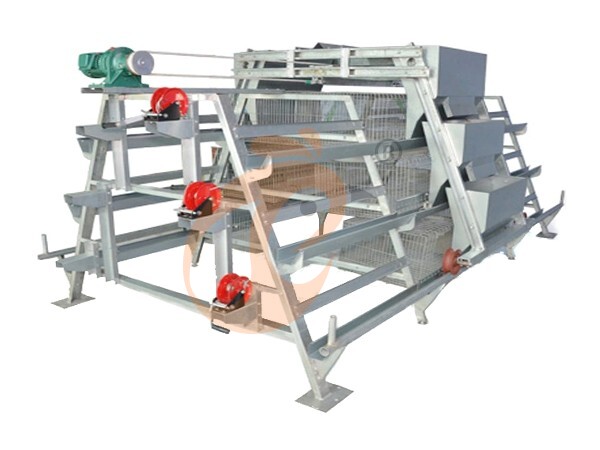
 >30,000 Pullets Automatic H Type Battery Cage1. More than 30,000 pullets a house, choose it.
2. It is designed to rearing older than 1 day old pullets to 12 to 16 weeks old chicken starting laying eggs.
3. Its lifespan is more than 25 years.
4. Its structure are Vcloud artificial intelligent fusion, electric control cabinet, automatic equipment of drinking, feeding, manure clean, manual harvesting.
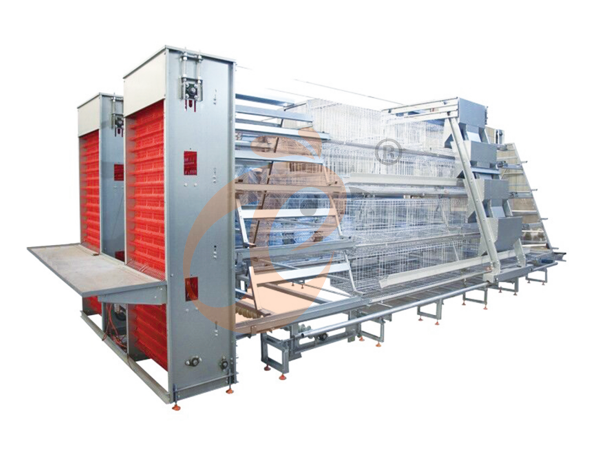
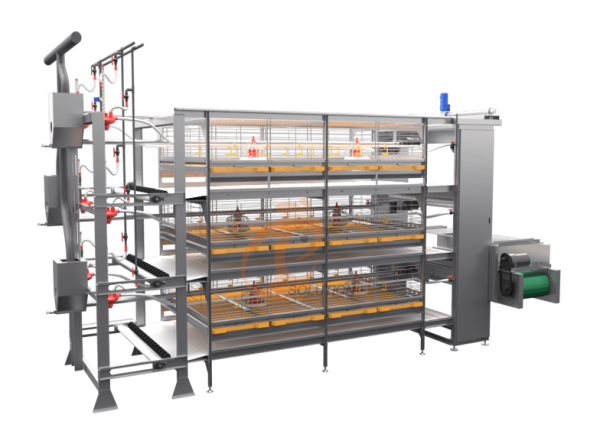
5. Our 24 hour online reception What’sApp NO. is +8618830120193 <30,000 Pullets Automatic A Type Battery Cage1. 10,000 to 30,000 pullets a house, choose it.
2. It is designed to rearing older than 1 day old pullets to 12 to 16 weeks old chicken starting laying eggs.
3. Its lifespan is more than 25 years.
4. Its structure are Vcloud artificial intelligent fusion, electric control cabinet, automatic equipment of drinking, feeding, manure clean, manual harvesting.
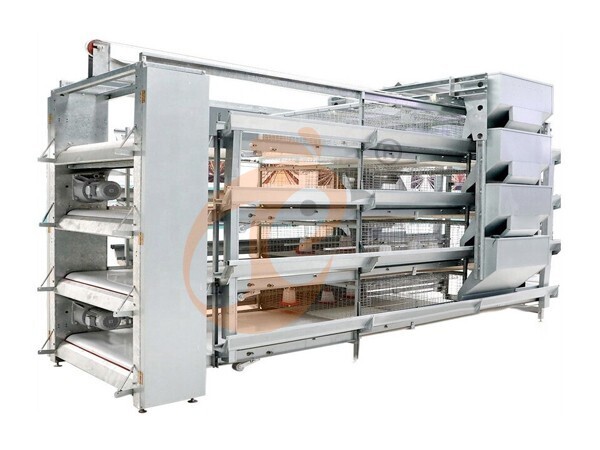
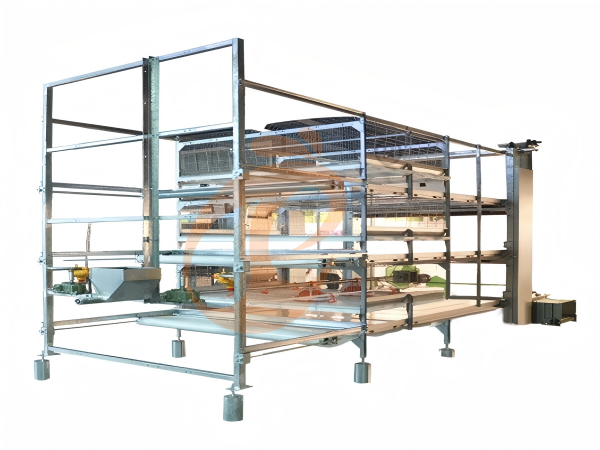
5. Our 24 hour online reception What’sApp NO. is +86 18830120193. >30,000 Broilers Semi-Automatic Harvest H Type Battery Cage1. More than 30,000 broilers a house, choose it.
2. It is designed to rearing 1 to 45 day old adult broiler ready for market.
3. Its lifespan is more than 20 years.
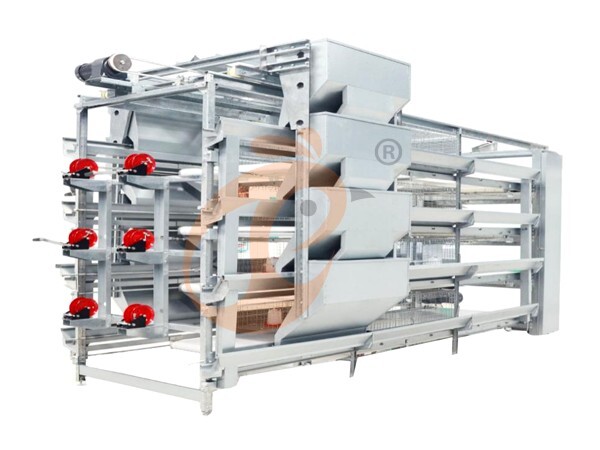
4. Our 24 hour online reception What’sApp NO. is +8618830120193, +234 8111199996. >30,000 Broilers Manual Harvest H Type Battery Cage1. More than 30,000 broilers a house, choose it.
2. It is designed to rearing 1 to 45 day old adult broiler ready for market.
3. Its lifespan is more than 20 years.
4. Its structure are Vcloud artificial intelligent fusion, electric control cabinet, automatic equipment of drinking, feeding and manure clean, manual harvesting.
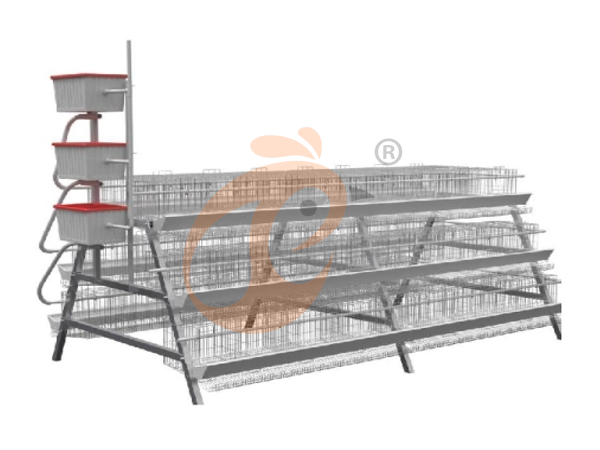
5. Our 24 hour online reception What’sApp NO. is +8618830120193, +234 8111199996. <30,000 Broilers Manual Harvest A Type Battery Cage1. Less 30,000 broilers a house, choose it.
2. It is designed to rearing 1 to 45 day old adult broiler ready for market.
3. Its lifespan is more than 20 years.
4. Its structure are Vcloud artificial intelligent fusion, electric control cabinet, automatic equipment of drinking, feeding and manure clean, manual harvesting.
5. Our 24 hour online reception What’sApp NO. is +8618830120193, +234 8111199996. HK Headquarter Offers EU-standard Poultry Farm Solutions, Manufacture Poultry Farm Equipment1. Continuous communication with the EU and the US
2. China, Nigeria, Ethiopia, Tanzania branch companies and factories
3. The products’ quality is customized for local poultry farms
4. Poultry cage and poultry farm equipment stock for sale
5. 24 online reception Whatsapp NO. : +8618830120193,contact us to get full information China Branch Offer Poultry Farm Business Plan, Manufacture Poultry Farm Equipment1. Address: Flat/RM 2416, 24/F, Runxing Building, Youyi Nan Street, Shijiazhuang City, Hebei Province, China
2. Poultry cage and poultry farm equipment factory and stock for sale
3. Customized for local poultry farms
4. Quality and design are based on Euro
5. 24 online reception Whatsapp NO. : +8618830120193 Nigeria Branch Offer Poultry Farm Business Plan, Manufacture Poultry Farm Equipment1. Address: After Sinoma Office, 200 Meters Near Danco Filling Station, Lagos/Ibadan Expressway, Lagos State, Nigeria
2. Poultry cage and poultry farm equipment factory and stock for sale
3. Customized for Nigerian poultry farms
4. Quality and design are based on Euro
5. 24 online reception Whatsapp NO. : +8618830120193 Ethiopia Branch Offer Poultry Farm Business Plan, Manufacture Poultry Farm Equipment1. Address: WR93+FQ2, Addis Ababa, Ethiopia
2. Poultry cage and poultry farm equipment stock for sale
3. Customized for Ethiopian poultry farms
4. Quality and design are based on Euro
5. 24 online reception Whatsapp NO. : +8618830120193, contact us to get price list Tanzania Branch Offer Poultry Farm Business Plan, Manufacture Poultry Farm Equipment1. Address: No.8, Sova Road, Msufini, Mlandizi, Kibaha, Pwani, Tanzania
2. Poultry cage and poultry farm equipment factory and stock for sale
3. Customized for Tanzanian poultry farms
4. Quality and design are based on Euro
5. 24 online reception Whatsapp NO. : +8618830120193



Contact
By clicking 'Allow All', you agree to the storage of cookies on your device to enhance site navigation, analyze site usage and assist with our marketing efforts.