


Blog
Poultry nipple drinker systems are engineered to deliver controlled water supply while minimizing contamination, leakage, and operational losses in modern livestock production.
Automatic nipple drinker system performance directly influences water conversion efficiency, flock health stability, and equipment service life under intensive farming conditions.
Chicken drinking system reliability depends on pressure regulation, filtration efficiency, mineral control, and scheduled preventive maintenance throughout the production cycle.
Mechanical valve assemblies operate thousands of times daily, making routine inspection essential for maintaining consistent flow characteristics and reducing unexpected downtime.
This article explains critical maintenance procedures, operational benchmarks, sanitation requirements, troubleshooting methods, and long-term management strategies for maximizing system lifespan and production efficiency.
Get professional poultry farm construction guidance, equipment selection solutions, and the latest price lists, whatsApp to +8618830120193, click to learn more:
Understanding Nipple Drinker Working Principles
A nipple drinker is a precision water delivery device designed to release water only when activated by animals.
Compared with traditional water troughs, nipple drinkers reduce environmental contamination and improve water utilization efficiency.
Inside the assembly, a stainless steel pin controls valve movement.
When birds or livestock activate the pin, water is released momentarily and automatically stops when the pin returns to its original position.
Data is for reference only.Swipe horizontally to view full table.
The combination of precise valve operation and controlled water discharge makes nipple drinkers one of the most widely adopted watering solutions in modern poultry and livestock facilities.
Daily Visual Inspection
Daily inspection remains the first line of defense against performance degradation.
Operators should examine water lines, connectors, pressure regulators, and drinker assemblies before production activities begin.
Early detection reduces maintenance costs and prevents large-scale water losses.
Data is for reference only.Swipe horizontally to view full table.
Even a minor leak can gradually increase litter moisture levels and negatively affect housing conditions.
Regular Water Line Flushing
Sediment accumulation is a common issue in all water delivery systems.
Mineral particles, rust residues, and suspended solids gradually settle inside pipelines.
Scheduled flushing removes these contaminants before they affect water flow performance.
Data is for reference only.Swipe horizontally to view full table.
Flushing should continue until discharge water appears visually clear and free from suspended particles.
Farms using groundwater typically require more frequent flushing intervals than facilities supplied by treated municipal water.
Water Quality And Biofilm Control
Water quality influences every component within a nipple drinker system.
Biofilm is a structured layer of microorganisms attached to wet surfaces.
Once established, biofilm continuously releases bacteria into the drinking line and may accelerate component deterioration.
Scientific studies indicate that biofilm can begin developing within hours after microorganisms contact suitable surfaces.
Data is for reference only.Swipe horizontally to view full table.
Routine sanitation remains the most effective method for preventing biofilm establishment inside poultry watering systems.
Mineral Deposit Removal
Hard water contains dissolved calcium, magnesium, and other minerals.
Over time, these minerals form scale deposits inside valves, springs, and water passages.
Scale accumulation reduces flow consistency and increases mechanical resistance.
Data is for reference only.Swipe horizontally to view full table.
Regular descaling procedures help maintain stable performance and reduce replacement frequency for critical components.
System Sanitation Management
Cleaning removes visible debris.
Sanitation controls microbial populations.
Both procedures are essential for maintaining drinking water safety.
Effective sanitation programs improve water quality and support healthier production environments.
Data is for reference only.Swipe horizontally to view full table.
Consistent sanitation schedules help maintain long-term operational reliability.
Pressure Monitoring And Regulation
Pressure directly determines water delivery performance.
Insufficient pressure restricts access to drinking water.
Excessive pressure increases leakage and accelerates component wear.
Accurate measurement should always replace estimation.
Data is for reference only.Swipe horizontally to view full table.
Pressure fluctuations should be investigated immediately to prevent performance instability.
Component Replacement Strategy
Every mechanical assembly experiences wear over time.
Proactive replacement minimizes downtime and protects adjacent equipment from secondary damage.
Maintenance planning should be based on service life expectations rather than failure events.
Data is for reference only.Swipe horizontally to view full table.
Maintaining spare inventories reduces repair delays and improves operational continuity.
Filtration System Maintenance
The filtration system protects the entire automatic nipple drinker system from particulate contamination.
Proper filter selection depends on water source characteristics and contamination levels.
Filtration efficiency directly affects maintenance frequency and valve lifespan.
Data is for reference only.Swipe horizontally to view full table.
Routine filter servicing protects downstream equipment and improves overall system efficiency.
Operating Cost Benefits Of Preventive Maintenance
Preventive maintenance reduces long-term operating expenses.
Unexpected failures often generate repair costs, labor expenses, production losses, and emergency replacement purchases.
A properly maintained chicken drinking system generally delivers lower ownership costs throughout its service life.
Equipment replacement costs may range from $50 to $500 per maintenance event depending on component type and system scale.
European union standard reference only.
Consistent maintenance scheduling significantly reduces these avoidable expenditures.
Long-Term Maintenance Planning
Successful operations implement structured maintenance programs rather than reactive repairs.
Maintenance activities should be documented, reviewed, and continuously improved.
Combining inspection, flushing, sanitation, pressure management, filtration maintenance, and component replacement creates a comprehensive reliability strategy.
The result is improved water quality, longer equipment lifespan, reduced labor requirements, and enhanced livestock productivity.
Frequently Asked Questions
Q1: How often should nipple drinker lines be flushed?
Most poultry farms flush water lines at least once per week.
Facilities using groundwater or operating in regions with elevated mineral content may require flushing every three to five days to maintain stable flow performance and prevent sediment accumulation.
Q2: What causes nipple drinkers to leak continuously?
Continuous leakage is commonly caused by worn seals, damaged valve pins, excessive operating pressure, or mineral deposits inside the valve assembly.
Regular inspection and preventive replacement significantly reduce leakage risks.
Q3: How long can a quality nipple drinker last?
A properly maintained stainless steel nipple drinker can typically remain operational for five to ten years.
Actual lifespan depends on water quality, maintenance frequency, filtration effectiveness, and operating conditions throughout the production cycle.
Taiyu (HK) Group - One Of China Largest Nipple Drinker Manufacturer
Professional poultry nipple drinker, automatic nipple drinker system, and chicken drinking system solutions for poultry and livestock farms.
Global factory-direct supply supporting competitive pricing and stable product quality.
Comprehensive poultry equipment portfolio covering feeding, drinking, ventilation, and environmental control systems.
Turn-key engineering solutions available for commercial broiler, layer, breeder, and pig farming projects.
Experienced international export team providing technical support, project consultation, and after-sales services worldwide.
Contact Us To Received Your Customized Poultry Farm Plan
Headquarters And Branchs
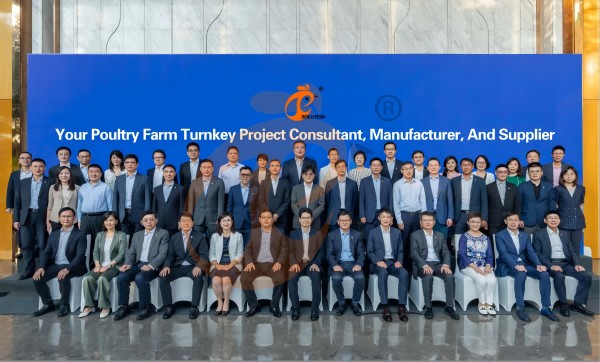
Hong Kong Headquarter Management Team
Hong Kong Headquarter Taiyu Industrial Group CO., LTD
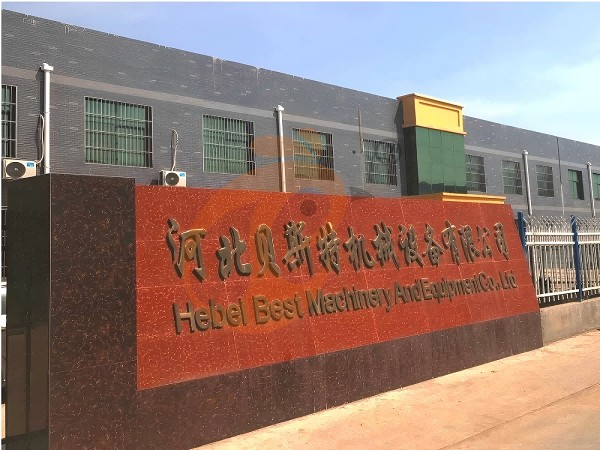
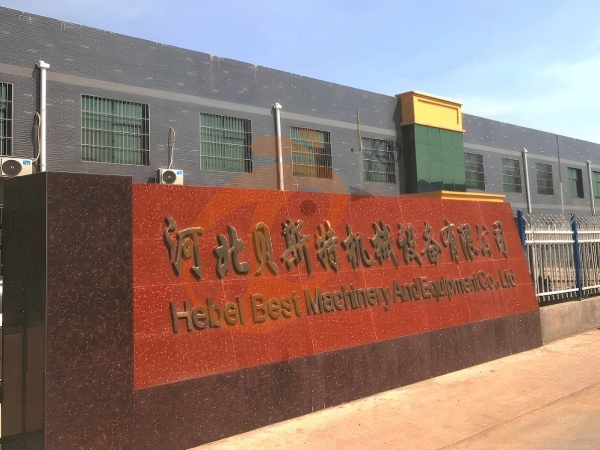
China Hebei Best Machinery And Equipment CO., LTD
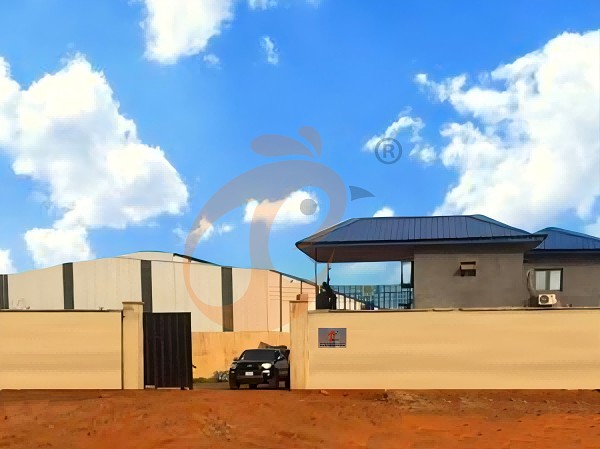
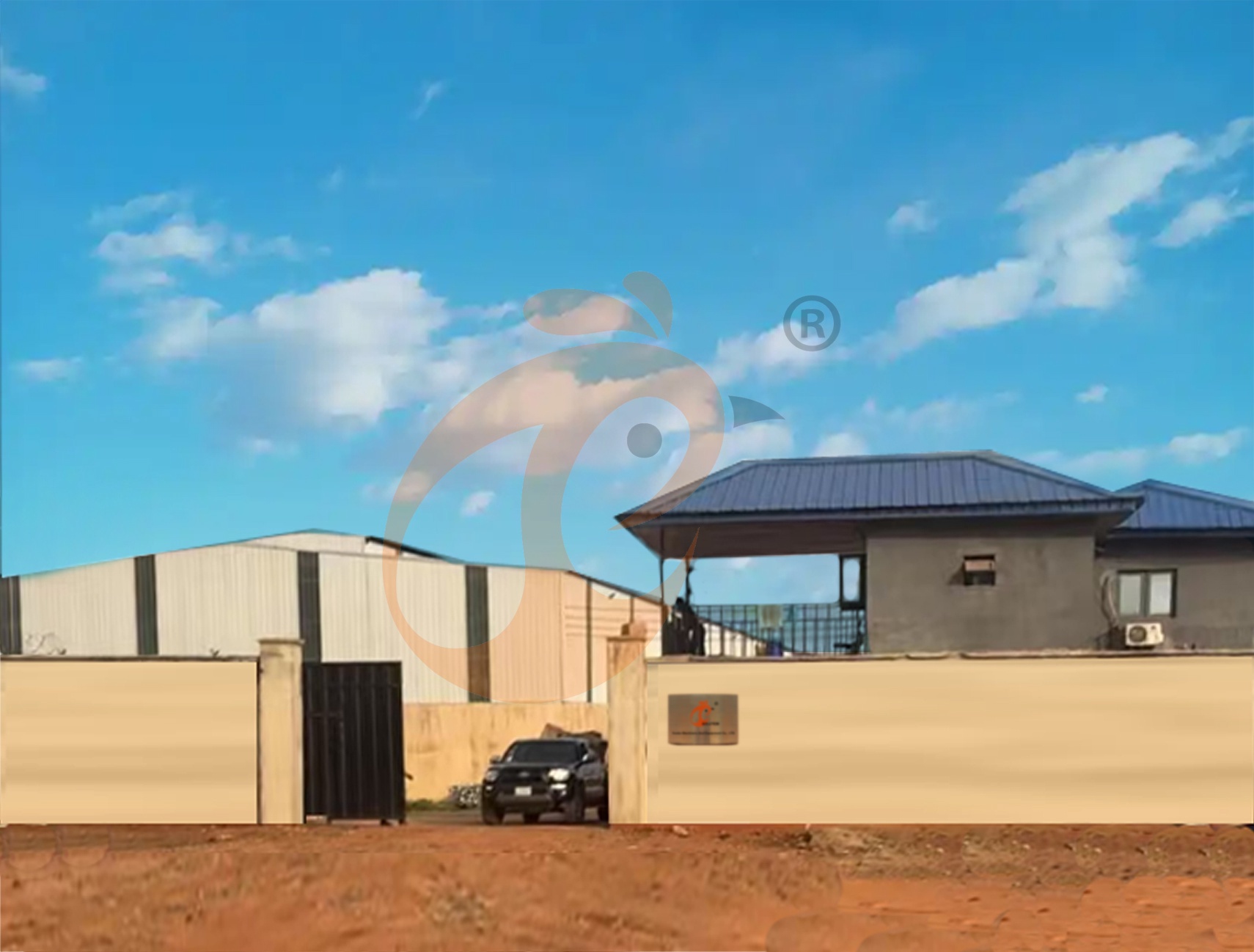
Nigeria Vanke Machinery And Equipment CO., LTD
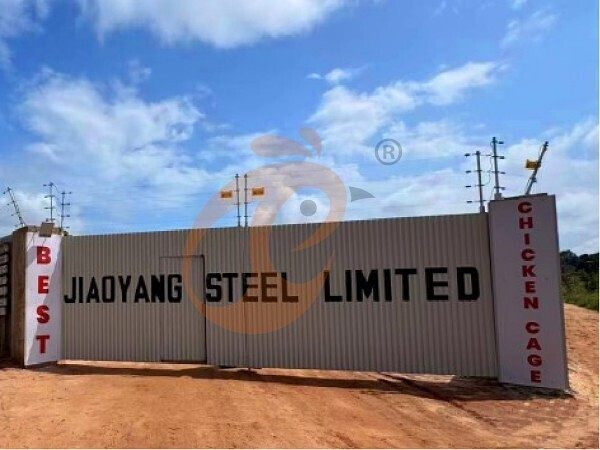
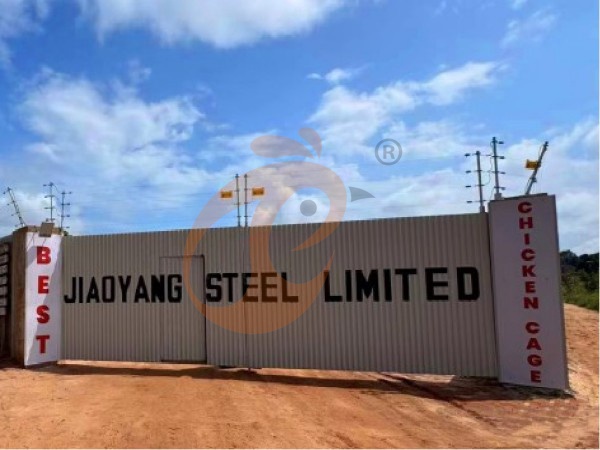
Tanzania Best Machinery And Equipment CO., LTD
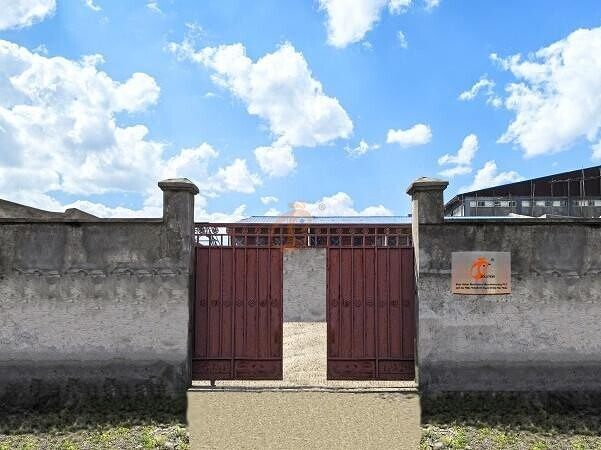
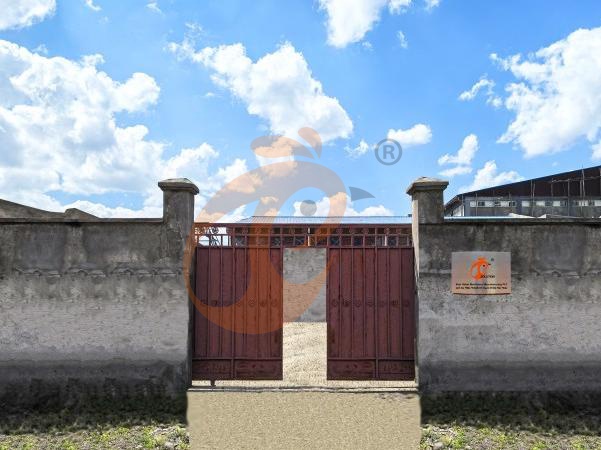
Ethiopia Best Hebei Machinery Manufacturing PLC
Reception /24 WhatsApp NO. : +8618830120193
FAQ
What Water Quality Requirements Are Necessary For Nipple Drinkers In Poultry Chicken Cage Systems?
Water hardness is maintained within 100–150 mg/L CaCO₃ equivalent for valve protection.
Microbial load is controlled under 100 CFU/mL for safe poultry consumption standards.
What Is The Recommended Stocking Ratio For Nipple Drinkers In Poultry Chicken Cage Systems?
Drinker spacing is typically set at 25–30 cm to reduce competition stress.
Water demand allocation is calculated at 180–220 ml per bird daily in intensive production.
How Is Water Flow Regulated In Nipple Drinkers For Poultry Chicken Cage Farming Systems?
Pressure stability is maintained within 0.18–0.22 MPa across drinking lines.
Drop formation interval is adjusted at 1–2 seconds per activation for efficient intake.
Message
Products recommended
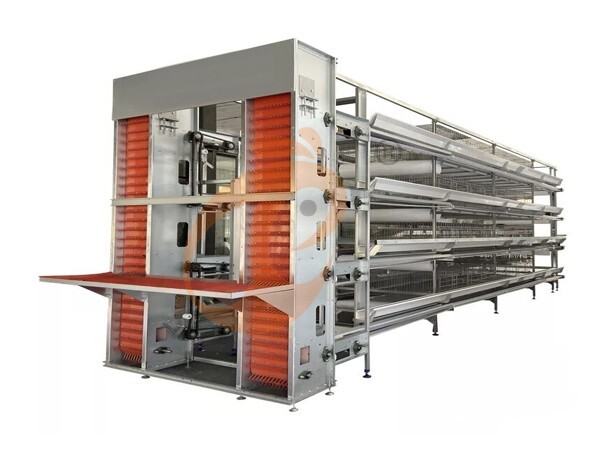
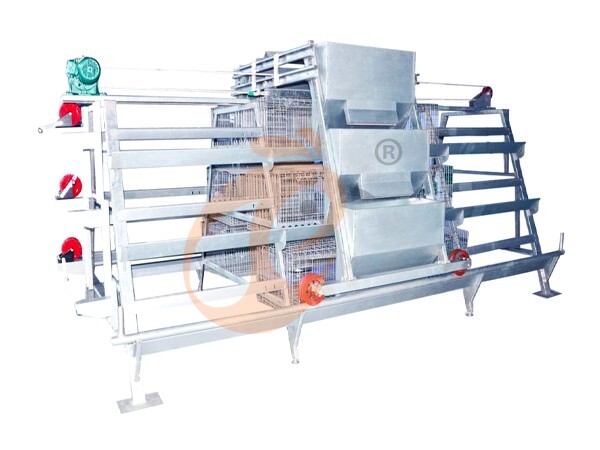
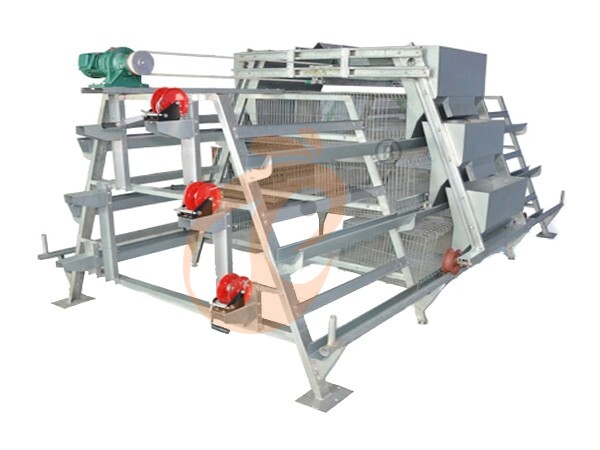
 >30,000 Pullets Automatic H Type Battery Cage1. More than 30,000 pullets a house, choose it.
2. It is designed to rearing older than 1 day old pullets to 12 to 16 weeks old chicken starting laying eggs.
3. Its lifespan is more than 25 years.
4. Its structure are Vcloud artificial intelligent fusion, electric control cabinet, automatic equipment of drinking, feeding, manure clean, manual harvesting.
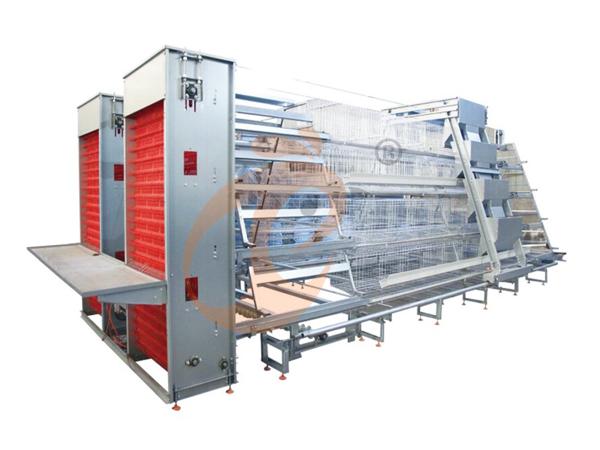
5. Our 24 hour online reception What’sApp NO. is +8618830120193 <30,000 Pullets Automatic A Type Battery Cage1. 10,000 to 30,000 pullets a house, choose it.
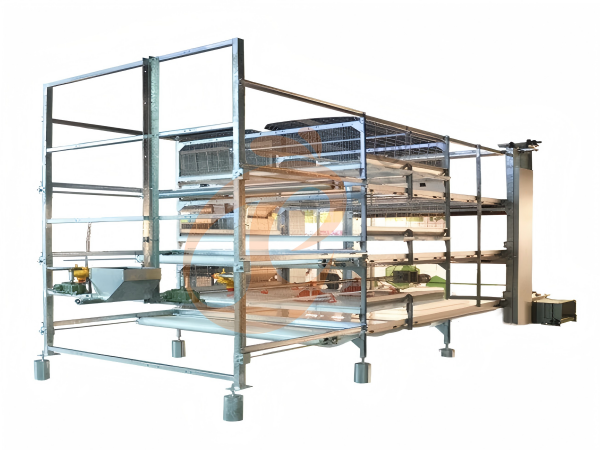
2. It is designed to rearing older than 1 day old pullets to 12 to 16 weeks old chicken starting laying eggs.
3. Its lifespan is more than 25 years.
4. Its structure are Vcloud artificial intelligent fusion, electric control cabinet, automatic equipment of drinking, feeding, manure clean, manual harvesting.
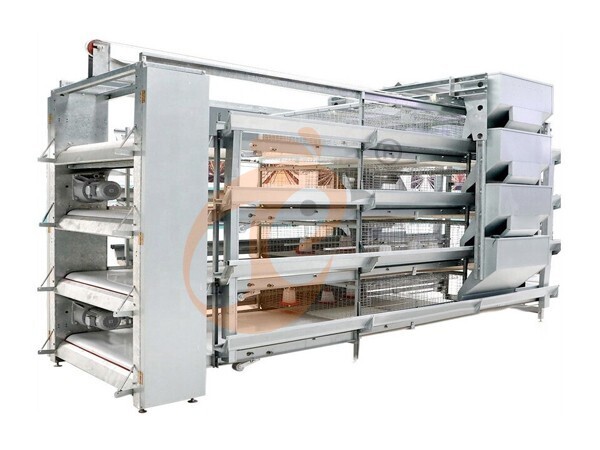
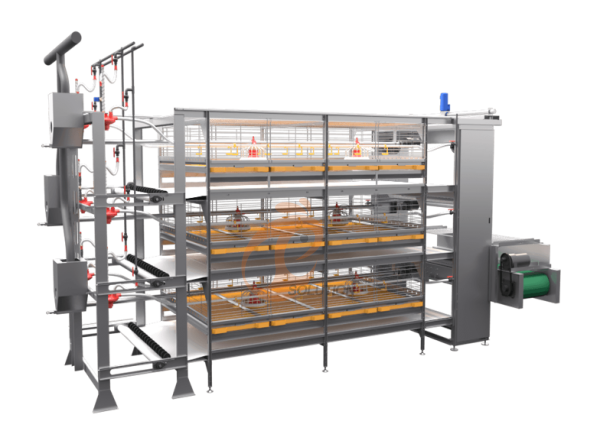
5. Our 24 hour online reception What’sApp NO. is +86 18830120193. >30,000 Broilers Semi-Automatic Harvest H Type Battery Cage1. More than 30,000 broilers a house, choose it.
2. It is designed to rearing 1 to 45 day old adult broiler ready for market.
3. Its lifespan is more than 20 years.
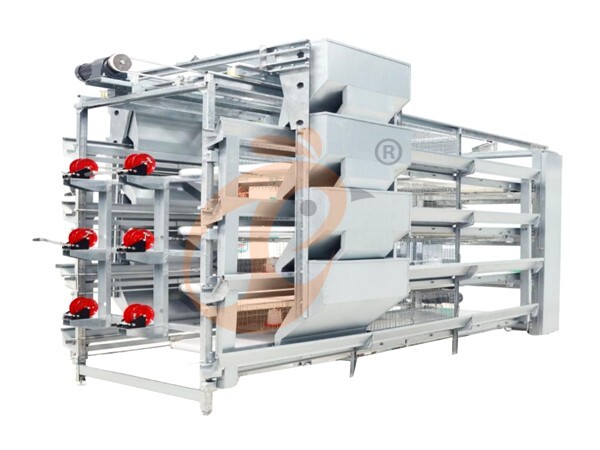
4. Our 24 hour online reception What’sApp NO. is +8618830120193, +234 8111199996. >30,000 Broilers Manual Harvest H Type Battery Cage1. More than 30,000 broilers a house, choose it.
2. It is designed to rearing 1 to 45 day old adult broiler ready for market.
3. Its lifespan is more than 20 years.
4. Its structure are Vcloud artificial intelligent fusion, electric control cabinet, automatic equipment of drinking, feeding and manure clean, manual harvesting.
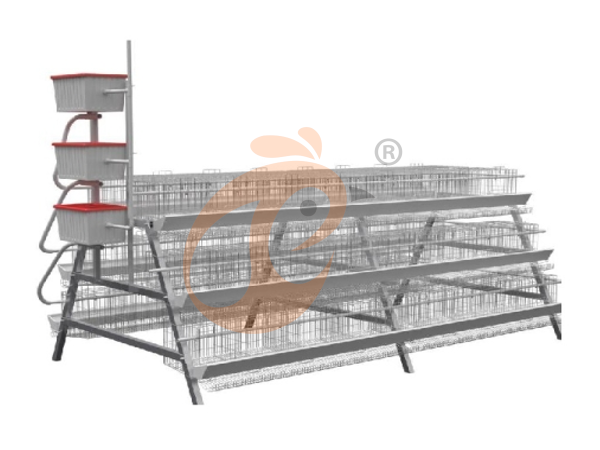
5. Our 24 hour online reception What’sApp NO. is +8618830120193, +234 8111199996. <30,000 Broilers Manual Harvest A Type Battery Cage1. Less 30,000 broilers a house, choose it.
2. It is designed to rearing 1 to 45 day old adult broiler ready for market.
3. Its lifespan is more than 20 years.
4. Its structure are Vcloud artificial intelligent fusion, electric control cabinet, automatic equipment of drinking, feeding and manure clean, manual harvesting.
5. Our 24 hour online reception What’sApp NO. is +8618830120193, +234 8111199996. HK Headquarter Offers EU-standard Poultry Farm Solutions, Manufacture Poultry Farm Equipment1. Continuous communication with the EU and the US
2. China, Nigeria, Ethiopia, Tanzania branch companies and factories
3. The products’ quality is customized for local poultry farms
4. Poultry cage and poultry farm equipment stock for sale
5. 24 online reception Whatsapp NO. : +8618830120193,contact us to get full information China Branch Offer Poultry Farm Business Plan, Manufacture Poultry Farm Equipment1. Address: Flat/RM 2416, 24/F, Runxing Building, Youyi Nan Street, Shijiazhuang City, Hebei Province, China
2. Poultry cage and poultry farm equipment factory and stock for sale
3. Customized for local poultry farms
4. Quality and design are based on Euro
5. 24 online reception Whatsapp NO. : +8618830120193 Nigeria Branch Offer Poultry Farm Business Plan, Manufacture Poultry Farm Equipment1. Address: After Sinoma Office, 200 Meters Near Danco Filling Station, Lagos/Ibadan Expressway, Lagos State, Nigeria
2. Poultry cage and poultry farm equipment factory and stock for sale
3. Customized for Nigerian poultry farms
4. Quality and design are based on Euro
5. 24 online reception Whatsapp NO. : +8618830120193 Ethiopia Branch Offer Poultry Farm Business Plan, Manufacture Poultry Farm Equipment1. Address: Gelan Gura, Akaki-kaliti Sub City, Addis Ababa, Ethiopia
2. Poultry cage and poultry farm equipment stock for sale
3. Customized for Ethiopian poultry farms
4. Quality and design are based on Euro
5. 24 online reception Whatsapp NO. : +8618830120193, contact us to get price list Tanzania Branch Offer Poultry Farm Business Plan, Manufacture Poultry Farm Equipment1. Address: No.8, Sova Road, Msufini, Mlandizi, Kibaha, Pwani, Tanzania
2. Poultry cage and poultry farm equipment factory and stock for sale
3. Customized for Tanzanian poultry farms
4. Quality and design are based on Euro
5. 24 online reception Whatsapp NO. : +8618830120193


Contact