


Blog
Free range poultry feed efficiency improvement focuses on nutrition, environment, genetics, and management integration across production systems
Explains how diet formulation influences nutrient absorption and growth performance stability in variable farming conditions
Evaluates feeding schedule optimization strategies that reduce waste and improve flock-level feed utilization efficiency
Range management practices are analyzed to show how pasture quality affects energy balance and natural nutrient intake
Gut health, breed selection, and performance monitoring are reviewed to support sustainable productivity improvement systems
Get professional poultry farm construction guidance, equipment selection solutions, and the latest price lists, whatsApp to +8618830120193, click to learn more:
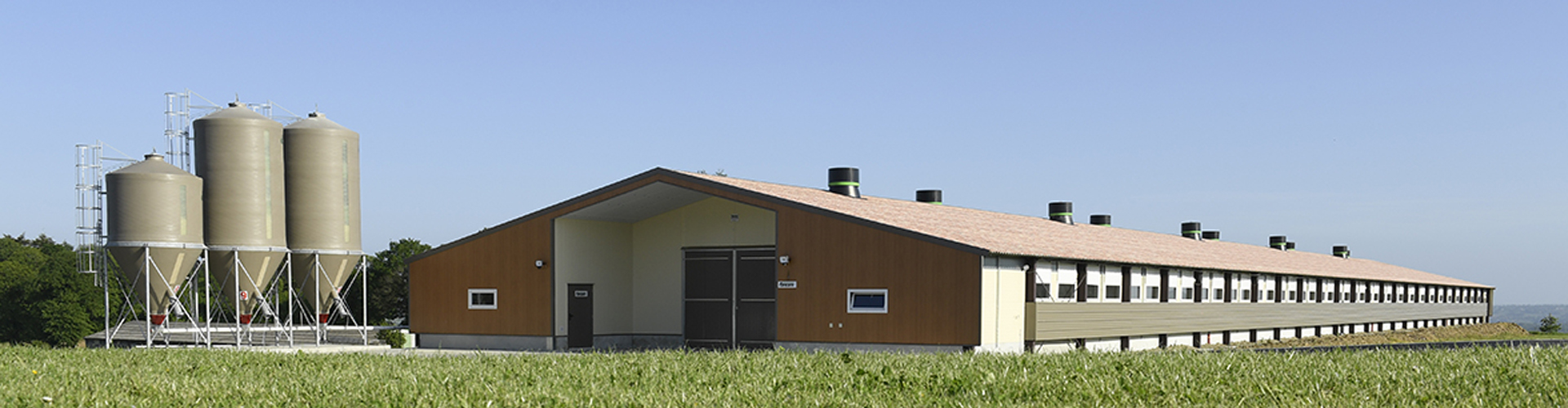
Nutritionally Balanced Diet Formulation
In modern poultry production, Feed Conversion Ratio Improvement is strongly linked to precise diet formulation in free range systems.
Free range poultry often consume inconsistent nutrients from foraging, making structured feed formulation essential for performance stability.
A scientifically balanced diet reduces feed waste and improves digestion efficiency under variable environmental conditions.
Protein quality, amino acid balance, and energy density must align with growth stages to maintain optimal productivity.
European union standard reference only.
Data is for reference only.Swipe horizontally to view full table.
Enzyme supplementation improves nutrient digestibility coefficients in free range poultry systems.
Proper formulation reduces nitrogen excretion and improves nutrient retention efficiency.
Feeding Schedule And Accessibility Optimization
Free range poultry productivity is strongly influenced by structured feeding schedules and feeder design efficiency.
Irregular feeding leads to competition, uneven growth, and poor feed utilization across flocks.
Multiple feeding sessions improve digestion efficiency and reduce stress-related energy loss.
Feeder distribution must ensure equal access to minimize dominance behavior among birds.
European union standard reference only.
Data is for reference only.Swipe horizontally to view full table.
Consistent feeding timing improves metabolic stability and reduces feed wastage.
Proper feeder design directly improves poultry feed efficiency management outcomes.
Range Management And Forage Optimization
Effective range control significantly enhances free range poultry nutrition efficiency through better forage utilization.
Poor pasture quality increases energy expenditure without providing meaningful nutrient returns.
Vegetation management directly affects insect availability and protein supplementation from natural sources.
Rotational grazing improves soil health and maintains consistent forage quality across cycles.
European union standard reference only.
Data is for reference only.Swipe horizontally to view full table.
Proper range design reduces unnecessary movement and improves energy utilization efficiency.
Balanced forage systems reduce dependency on external feed input.
Gut Health And Microbiome Stability
Digestive efficiency is a core determinant of Poultry Feed Efficiency Management in free range systems.
Exposure to environmental microbes can either enhance immunity or increase disease risk.
Stable gut microbiota improves nutrient absorption and reduces metabolic stress.
Probiotics and organic acids support intestinal balance and pathogen control.
European union standard reference only.
Data is for reference only.Swipe horizontally to view full table.
Healthy gut function improves feed conversion ratio stability across production cycles.
Reduced pathogen load improves overall flock productivity and survival rate.
Breed Selection And Performance Monitoring
Genetic selection determines baseline efficiency potential in free range poultry systems.
High-performance breeds must balance growth rate with foraging adaptability.
Dual-purpose breeds often perform better under environmental variability conditions.
Continuous monitoring ensures early detection of inefficiencies in production systems.
European union standard reference only.
Data is for reference only.Swipe horizontally to view full table.
Data is for reference only.Swipe horizontally to view full table.
Data-driven monitoring improves long-term poultry feed efficiency management outcomes.
Integrated analytics support decision-making in free range poultry production systems.
Environmental Control And Energy Balance Optimization
Free range poultry performance is strongly affected by microclimate control and metabolic energy balance.
Maintaining housing temperature between 18–24°C improves nutrient utilization efficiency and stabilizes feed intake behavior.
Relative humidity control at 55–68% reduces respiratory stress and improves digestion enzyme activity.
Air exchange rate of 6–10 m³/kg/hour supports ammonia reduction and improves flock comfort levels.
Controlled environmental stability reduces maintenance energy expenditure and supports consistent production output across cycles.
Efficiency Loss Factors In Free Range Systems
Operational inefficiencies in free range poultry are caused by multiple environmental and management variables.
Excess movement significantly increases energy expenditure and reduces feed conversion efficiency.
Weather stress affects feed intake behavior and metabolic stability.
Feed access inequality creates uneven growth within flocks.
European union standard reference only.
Data is for reference only.Swipe horizontally to view full table.
System optimization reduces cumulative losses and improves overall production efficiency.
Frequently Asked Questions
Q1: How does feed efficiency improve in free range poultry systems?
Feed efficiency improves through balanced nutrition, controlled feeding schedules, and optimized range management.
Reducing energy waste and improving digestion are key contributors to performance stability.
Q2: What is the biggest factor affecting feed conversion ratio in free range poultry?
The largest factor is uncontrolled energy expenditure due to movement and environmental stress.
This directly increases feed intake requirements without proportional weight gain.
Q3: Can pasture quality significantly affect poultry feed efficiency?
Yes, high-quality pasture reduces dependency on commercial feed and improves nutrient intake.
Poor pasture increases energy loss and reduces overall production efficiency.
Taiyu (HK) Group - One Of China Biggest Poultry Cage Manufacturer
Free range poultry feed efficiency system is core product focusing on automated feeding integration design.
Global factory direct supply ensures stable pricing and scalable poultry farm equipment solutions worldwide.
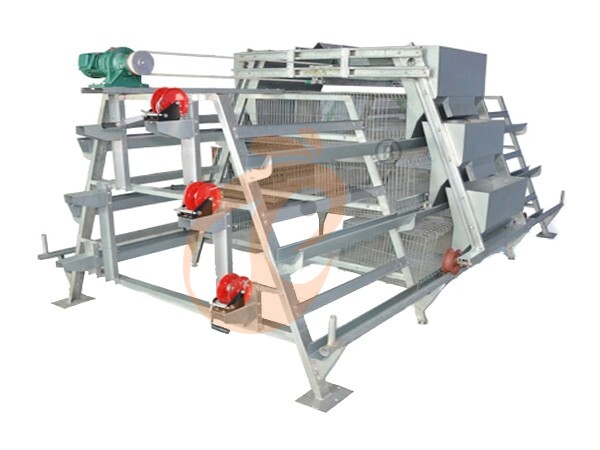
Advanced poultry cage systems support efficient management, ventilation control, and feeding optimization structures.
Turn-key engineering projects include farm design, installation, and full operational system deployment.
Parameter range includes capacity 12000–480000 birds, feeding line length 85–420 meters, and automatic control precision ±2.1%.
Contact Us To Received Your Customized Poultry Farm Plan
Headquarters And Branchs
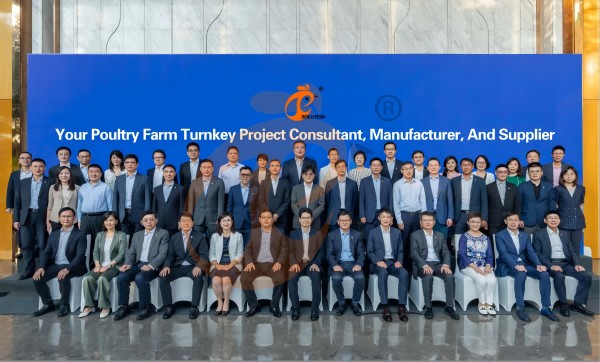
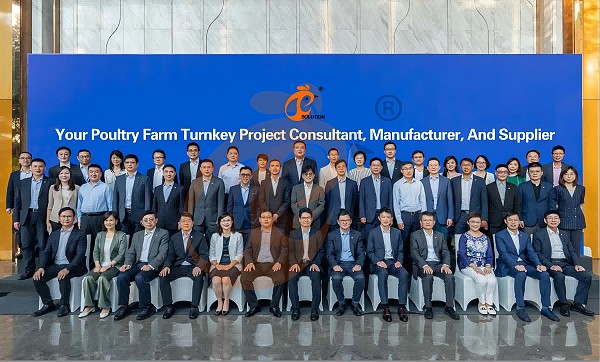
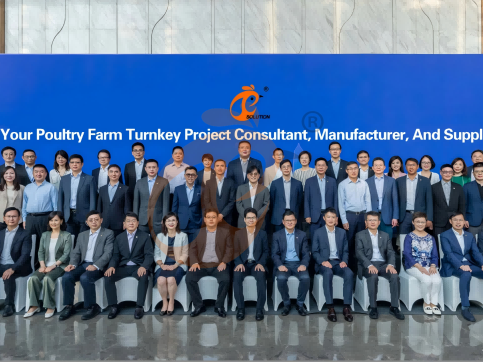
Hong Kong Headquarter Management Team
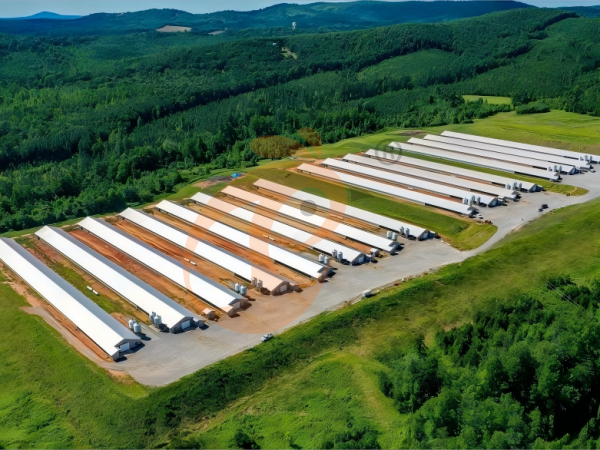
Hong Kong Headquarter Taiyu Industrial Group CO., LTD
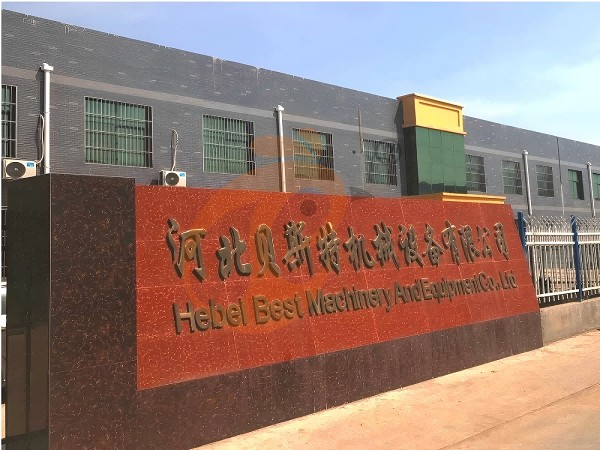
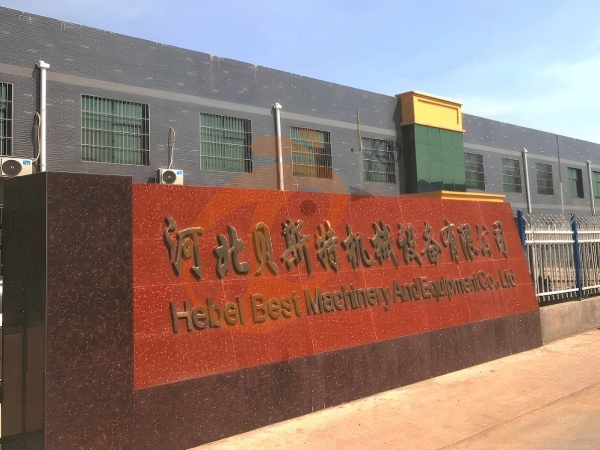
China Hebei Best Machinery And Equipment CO., LTD
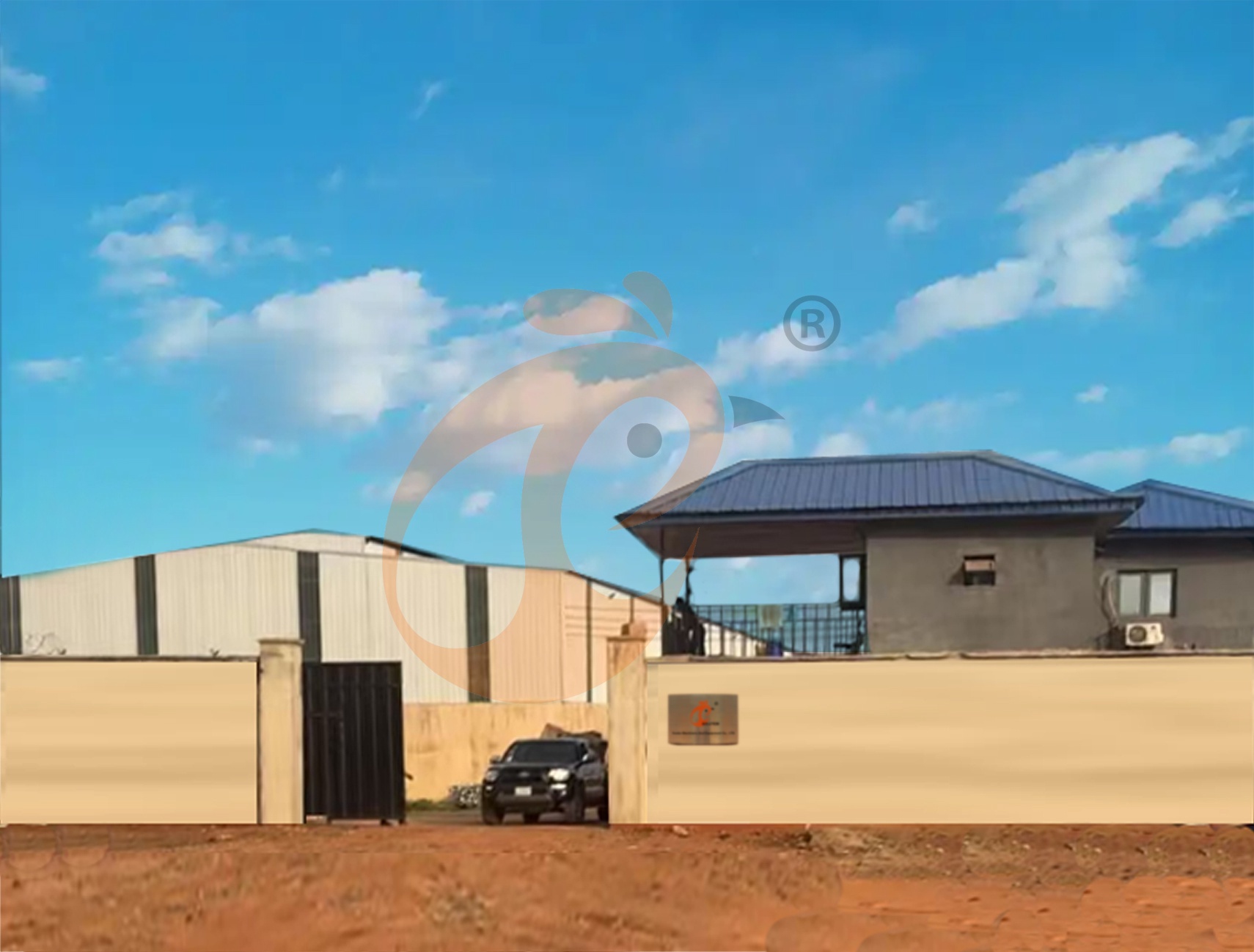
Nigeria Vanke Machinery And Equipment CO., LTD
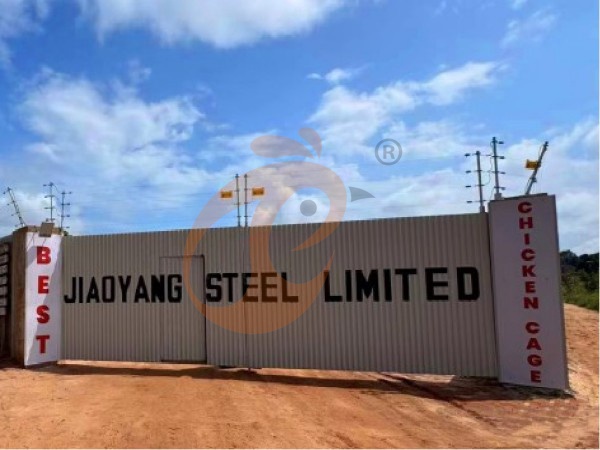
Tanzania Best Machinery And Equipment CO., LTD
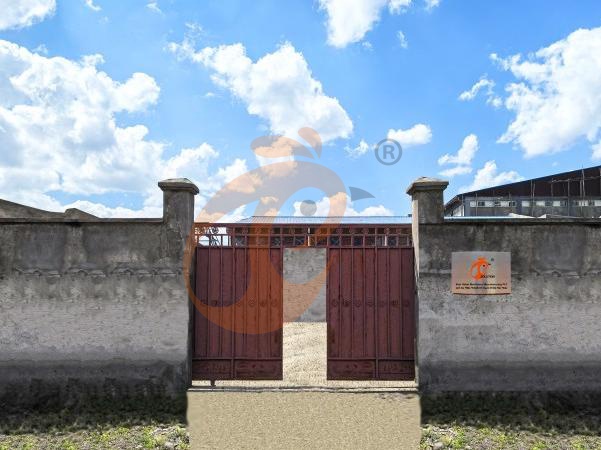
Ethiopia Best Hebei Machinery Manufacturing PLC
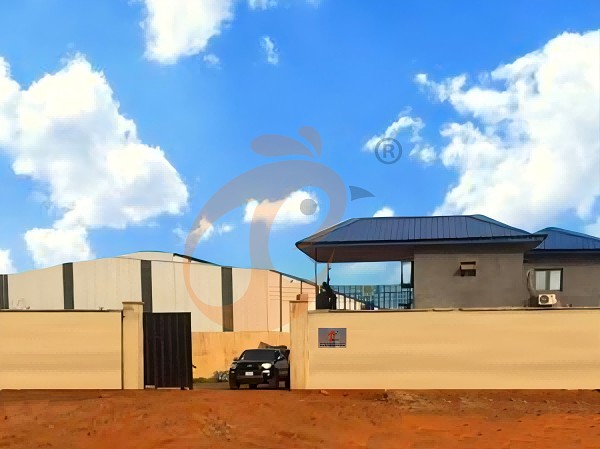
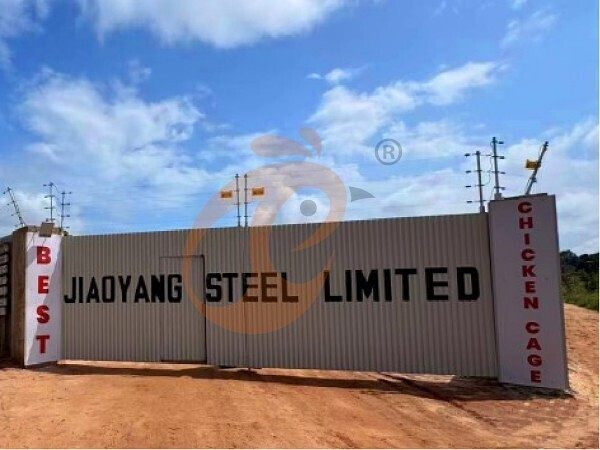
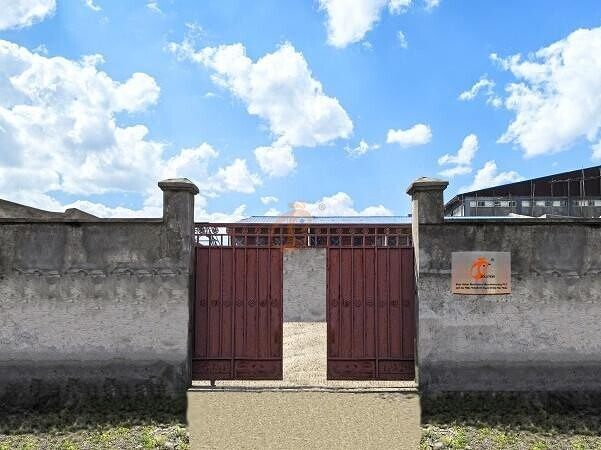
Reception /24 WhatsApp NO. : +8618830120193
FAQ
How Does Free Range System Affect Feed Consumption?
Energy expenditure increases daily intake variation by 15%–22% across seasons.
Feed conversion efficiency ranges from 1.9–2.3 depending on grazing intensity.
What Are The Housing Transition Management Standards In Free Range Poultry System?
Indoor-outdoor transition time is controlled within 10–15 minutes per flock movement cycle.
Lighting guidance systems operate at 5–8 lux to direct flock movement behavior.
What Are The Seasonal Adaptation Strategies In Free Range Poultry System?
Summer shade coverage is increased to 60%–80% of grazing area for heat stress reduction.
Rainfall drainage capacity handles 25–40 mm per hour precipitation levels for land usability.
- poultry farm
- poultry cage
- cage
- poultry farm equipment
- poultry farm construction
- poultry cage manufacturer
- poultry cage system
- poultry cage manufacturer supplier
- chickencage
- bestchickencage
- cage system
- cage systems
- Nigeria
- poultry cage systems
- cage manufacturer
- poultry farm plan
- poultry feed
- Ethiopia
Message
Products recommended
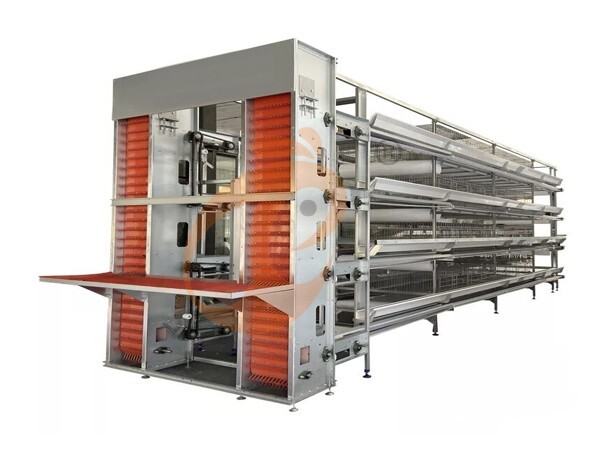
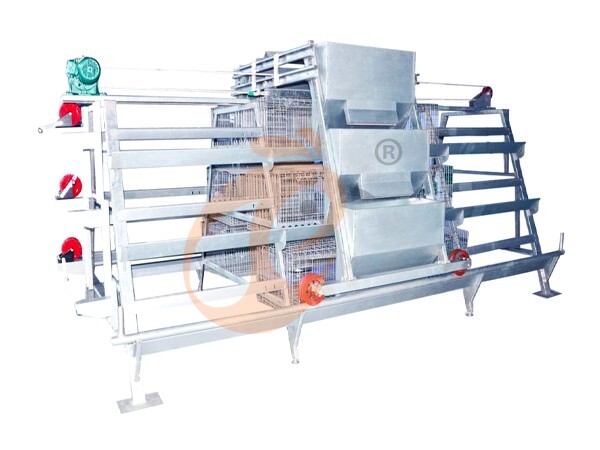
 >30,000 Pullets Automatic H Type Battery Cage1. More than 30,000 pullets a house, choose it.
2. It is designed to rearing older than 1 day old pullets to 12 to 16 weeks old chicken starting laying eggs.
3. Its lifespan is more than 25 years.
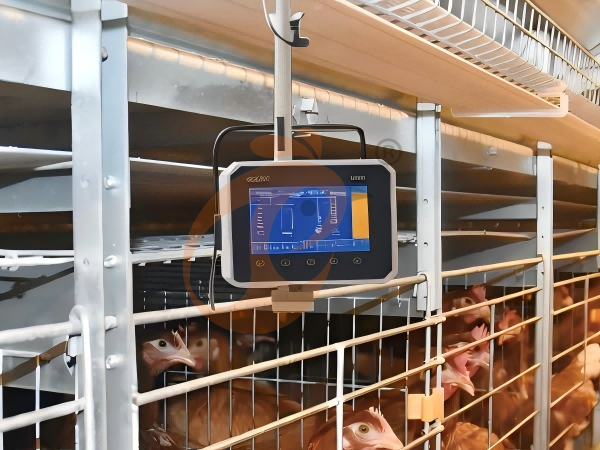
4. Its structure are Vcloud artificial intelligent fusion, electric control cabinet, automatic equipment of drinking, feeding, manure clean, manual harvesting.
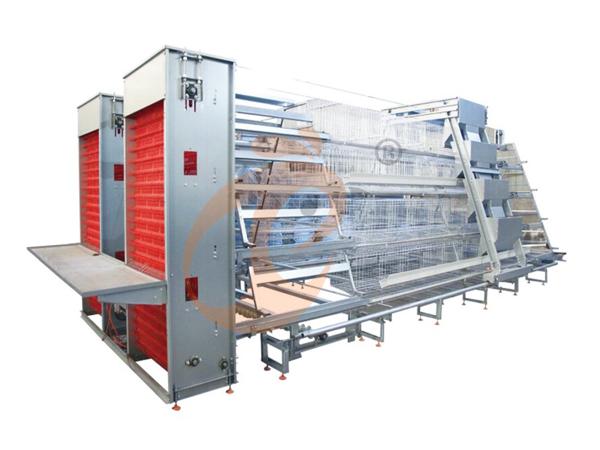
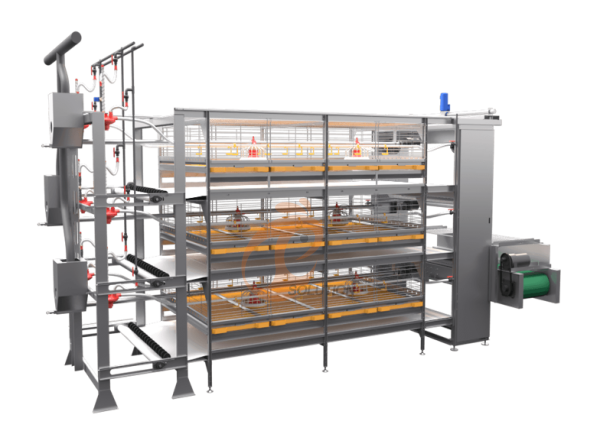
5. Our 24 hour online reception What’sApp NO. is +8618830120193 <30,000 Pullets Automatic A Type Battery Cage1. 10,000 to 30,000 pullets a house, choose it.
2. It is designed to rearing older than 1 day old pullets to 12 to 16 weeks old chicken starting laying eggs.
3. Its lifespan is more than 25 years.
4. Its structure are Vcloud artificial intelligent fusion, electric control cabinet, automatic equipment of drinking, feeding, manure clean, manual harvesting.
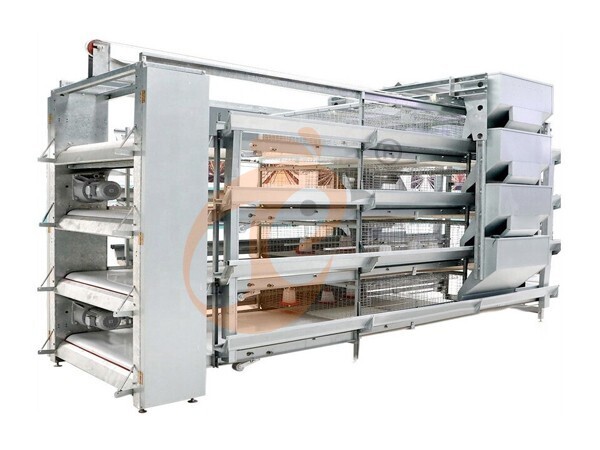
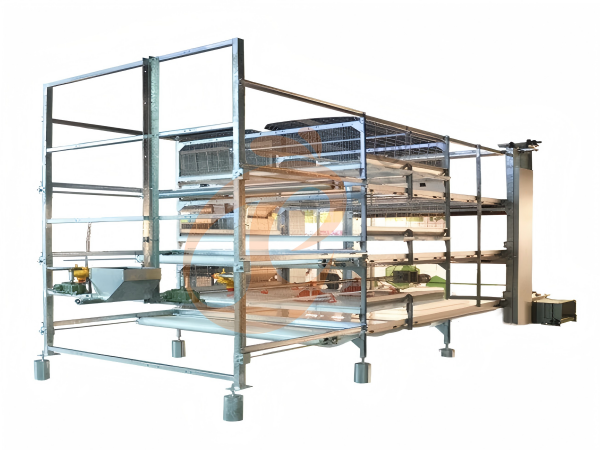
5. Our 24 hour online reception What’sApp NO. is +86 18830120193. >30,000 Broilers Semi-Automatic Harvest H Type Battery Cage1. More than 30,000 broilers a house, choose it.
2. It is designed to rearing 1 to 45 day old adult broiler ready for market.
3. Its lifespan is more than 20 years.
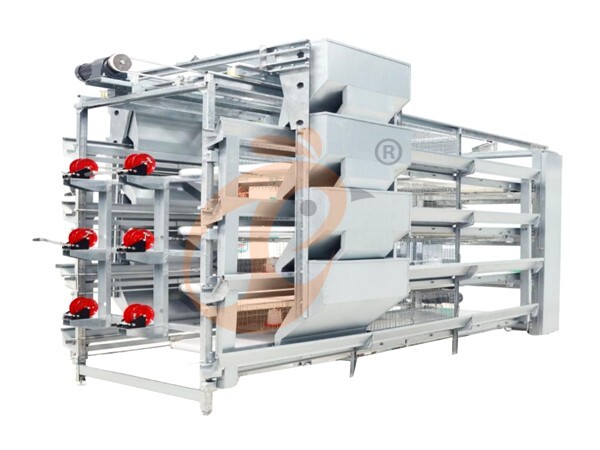
4. Our 24 hour online reception What’sApp NO. is +8618830120193, +234 8111199996. >30,000 Broilers Manual Harvest H Type Battery Cage1. More than 30,000 broilers a house, choose it.
2. It is designed to rearing 1 to 45 day old adult broiler ready for market.
3. Its lifespan is more than 20 years.
4. Its structure are Vcloud artificial intelligent fusion, electric control cabinet, automatic equipment of drinking, feeding and manure clean, manual harvesting.
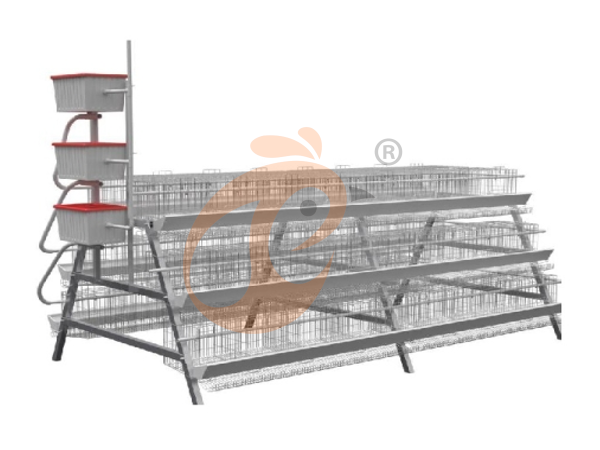
5. Our 24 hour online reception What’sApp NO. is +8618830120193, +234 8111199996. <30,000 Broilers Manual Harvest A Type Battery Cage1. Less 30,000 broilers a house, choose it.
2. It is designed to rearing 1 to 45 day old adult broiler ready for market.
3. Its lifespan is more than 20 years.
4. Its structure are Vcloud artificial intelligent fusion, electric control cabinet, automatic equipment of drinking, feeding and manure clean, manual harvesting.
5. Our 24 hour online reception What’sApp NO. is +8618830120193, +234 8111199996. HK Headquarter Offers EU-standard Poultry Farm Solutions, Manufacture Poultry Farm Equipment1. Continuous communication with the EU and the US
2. China, Nigeria, Ethiopia, Tanzania branch companies and factories
3. The products’ quality is customized for local poultry farms
4. Poultry cage and poultry farm equipment stock for sale
5. 24 online reception Whatsapp NO. : +8618830120193,contact us to get full information China Branch Offer Poultry Farm Business Plan, Manufacture Poultry Farm Equipment1. Address: Flat/RM 2416, 24/F, Runxing Building, Youyi Nan Street, Shijiazhuang City, Hebei Province, China
2. Poultry cage and poultry farm equipment factory and stock for sale
3. Customized for local poultry farms
4. Quality and design are based on Euro
5. 24 online reception Whatsapp NO. : +8618830120193 Nigeria Branch Offer Poultry Farm Business Plan, Manufacture Poultry Farm Equipment1. Address: After Sinoma Office, 200 Meters Near Danco Filling Station, Lagos/Ibadan Expressway, Lagos State, Nigeria
2. Poultry cage and poultry farm equipment factory and stock for sale
3. Customized for Nigerian poultry farms
4. Quality and design are based on Euro
5. 24 online reception Whatsapp NO. : +8618830120193 Ethiopia Branch Offer Poultry Farm Business Plan, Manufacture Poultry Farm Equipment1. Address: Gelan Gura, Akaki-kaliti Sub City, Addis Ababa, Ethiopia
2. Poultry cage and poultry farm equipment stock for sale
3. Customized for Ethiopian poultry farms
4. Quality and design are based on Euro
5. 24 online reception Whatsapp NO. : +8618830120193, contact us to get price list Tanzania Branch Offer Poultry Farm Business Plan, Manufacture Poultry Farm Equipment1. Address: No.8, Sova Road, Msufini, Mlandizi, Kibaha, Pwani, Tanzania
2. Poultry cage and poultry farm equipment factory and stock for sale
3. Customized for Tanzanian poultry farms
4. Quality and design are based on Euro
5. 24 online reception Whatsapp NO. : +8618830120193
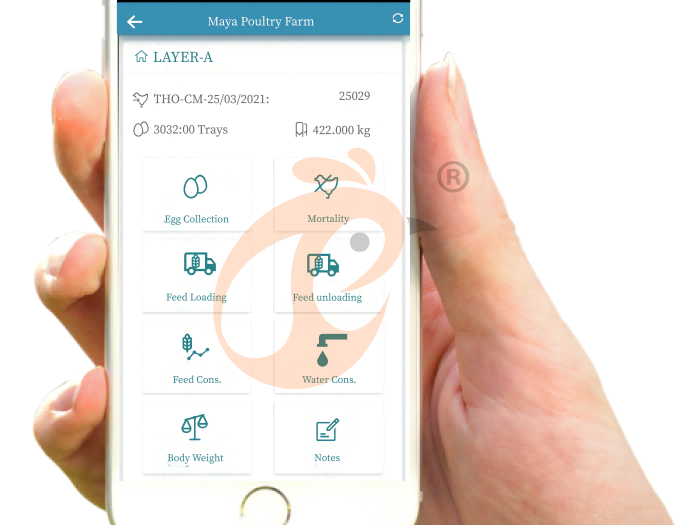



Contact