


Blog
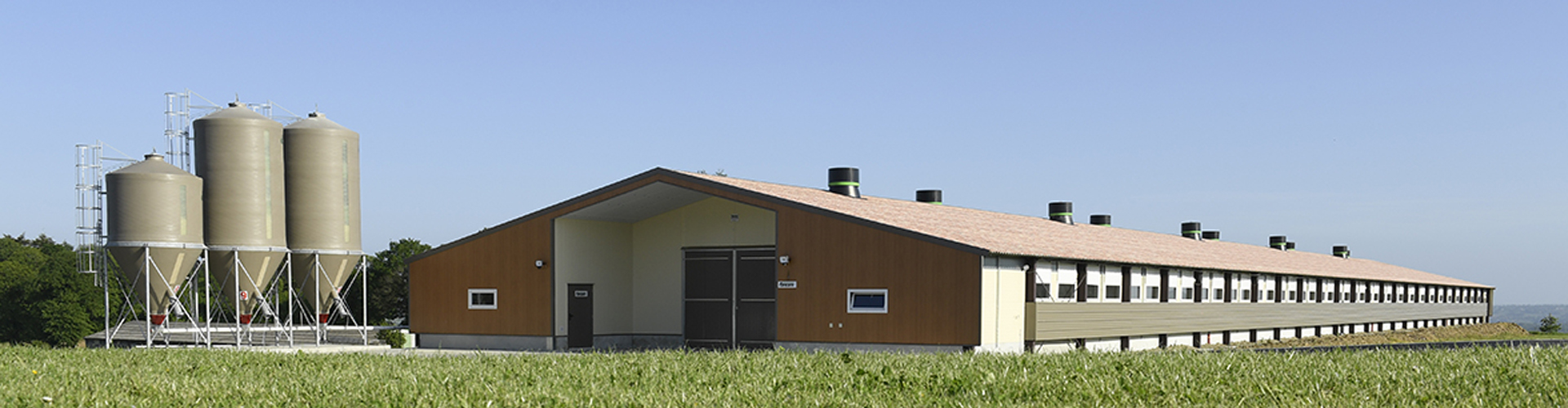
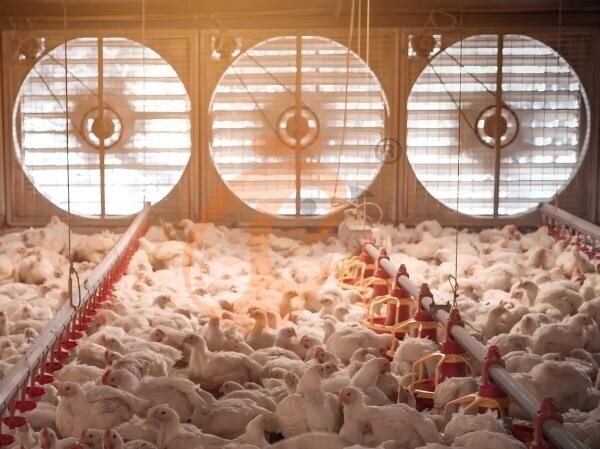
Deep litter system integrates biological decomposition, bedding management, and environmental control into a unified livestock housing approach.
Odor regulation depends on moisture balance, ventilation efficiency, and microbial activity stability inside litter layers.
System performance reflects ammonia reduction capacity, temperature control behavior, and organic waste conversion efficiency across production cycles.
Bedding structure selection influences oxygen diffusion, compaction resistance, and long-term composting effectiveness in livestock facilities.
Environmental monitoring supports early detection of imbalance conditions, ensuring stable operational outcomes and consistent animal housing performance.
Get professional poultry farm construction guidance, equipment selection solutions, and the latest price lists, whatsApp to +8618830120193, click to learn more:
Odor Formation Mechanism In Deep Litter System
Odor development is closely related to nitrogen conversion inside litter layers.
Uric acid in poultry manure converts into ammonia under microbial enzymatic activity.
Moist conditions accelerate gas release and reduce oxygen penetration capacity.
Temperature fluctuations influence microbial metabolism speed and emission intensity.
Data is for reference only. Swipe horizontally to view full table.
Method One Moisture Regulation Strategy
Moisture control defines the stability of litter microbial systems.
Excess water reduces oxygen diffusion and increases anaerobic bacterial dominance.
Water leakage from drinkers significantly accelerates litter saturation levels.
Stable dryness supports continuous aerobic decomposition and reduces gas accumulation.
Data is for reference only. Swipe horizontally to view full table.
Method Two Ventilation Optimization
Chicken house odor control strongly depends on air exchange efficiency and humidity removal capacity.
Ventilation stabilizes carbon dioxide concentration and reduces ammonia accumulation inside housing structures.
Airflow consistency supports microbial oxygen supply across litter layers.
Poor air circulation results in moisture retention and gas concentration buildup.
Data is for reference only. Swipe horizontally to view full table.
Method Three Bedding Selection Engineering
Bedding material selection determines absorption efficiency and microbial colonization rate.
Fibrous materials enhance moisture retention balance and oxygen diffusion stability.
Particle structure affects compaction behavior and decomposition speed inside litter beds.
Carbon-rich bedding supports microbial energy conversion processes during composting cycles.
Data is for reference only. Swipe horizontally to view full table.
Method Four Litter Aeration Control
Mechanical turning restores oxygen penetration and improves microbial distribution uniformity.
Compaction reduction prevents anaerobic pockets from forming within lower bedding layers.
Aeration enhances heat distribution generated during decomposition processes.
Regular turning stabilizes moisture redistribution across litter profiles.
Data is for reference only. Swipe horizontally to view full table.
Method Five Biological Enhancement Support
Microbial inoculant application rate typically ranges from 0.5 to 1.2 L per 100 m² bedding surface area under commercial housing conditions.
Enzyme activity units often measured between 800 to 1500 U/g supporting accelerated urea-to-ammonia conversion control balance.
Probiotic colony forming units commonly reach 10⁸ to 10⁹ CFU/g improving organic matter breakdown efficiency.
Stable pH response range maintained around 6.8 to 7.6 enhancing microbial competition against odor-producing bacteria.
Scientific Explanation Of Microbial Ecosystem
Microbial communities inside litter consist of bacteria, fungi, and actinomycetes.
Aerobic bacteria dominate under oxygen-rich conditions and produce minimal gas emissions.
Anaerobic bacteria generate methane and ammonia under oxygen-deficient environments.
Temperature elevation indicates active decomposition and microbial metabolism intensity
Stocking Density Influence On System Stability
Animal density directly affects manure load and moisture accumulation rates.
Higher density increases metabolic heat and waste production per square meter.
Space allocation determines litter pressure distribution and airflow efficiency.
Data is for reference only. Swipe horizontally to view full table.
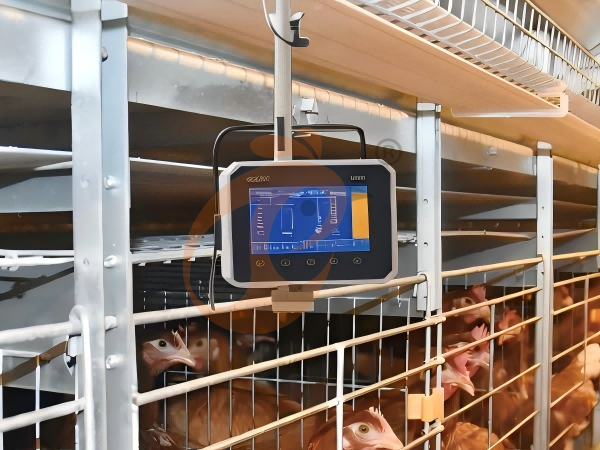
Poultry Litter Management Monitoring System
Moisture gradient tracking helps detect localized wet zones forming above 32% surface saturation in high-density housing areas
Ammonia spot measurement typically flags concern when readings exceed 8 to 12 ppm near drinker lines during peak activity
Infrared surface scanning identifies heat variation zones ranging from 24°C to 31°C indicating uneven decomposition activity
Routine sampling of litter depth at 5 cm intervals improves early detection of anaerobic pockets before gas accumulation spreads
Frequently Asked Questions
Q1: What moisture level is ideal for stable litter conditions?
Moisture between 20 and 30 percent supports aerobic microbial activity and reduces ammonia formation risk.
Levels above 35 percent significantly increase anaerobic activity and gas emissions inside housing environments.
Q2: How often should litter be turned in production houses?
Turning frequency usually ranges from 7 to 14 days depending on stocking density and humidity conditions.
Higher density systems may require more frequent aeration to maintain oxygen balance.
Q3: Can additives replace physical management practices?
Additives support microbial activity but cannot replace ventilation, moisture control, or bedding management.
Their effectiveness depends on stable environmental conditions and proper operational routines.
Taiyu (HK) Group - One Of China Largest Deep Litter System Manufacturer
Deep Litter System equipment designed for stable manure decomposition, optimized bedding depth control, and long-term odor reduction performance in modern poultry housing environments
Global factory direct supply ensuring standardized production capacity, consistent engineering quality, and scalable manufacturing for international livestock projects
Full range poultry equipment integration including ventilation units, feeding systems, and environmental control technologies for intensive farming operations
Turn-key project service covering system design, installation guidance, and operational optimization for commercial poultry house construction
Export-focused manufacturing structure supporting global agricultural markets with stable delivery schedules and professional technical support
Contact Us To Received Your Customized Poultry Farm Plan
Headquarters And Branchs
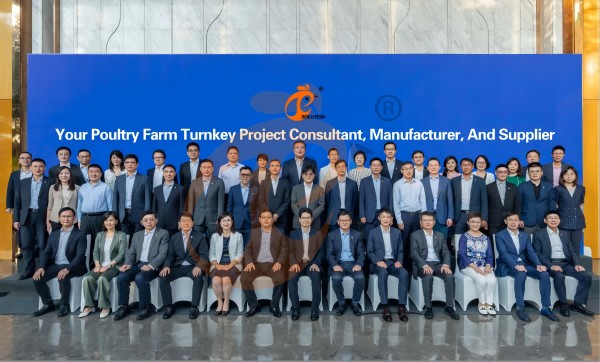
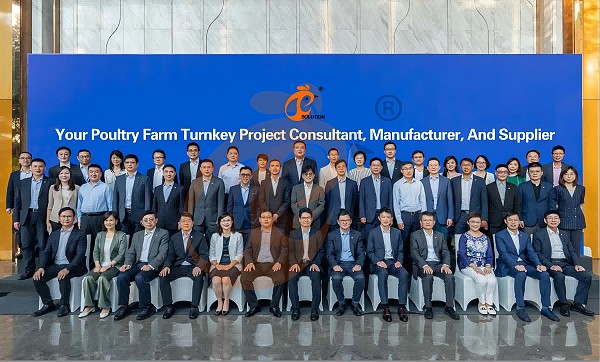
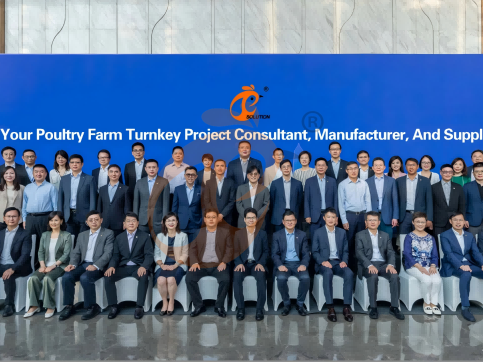
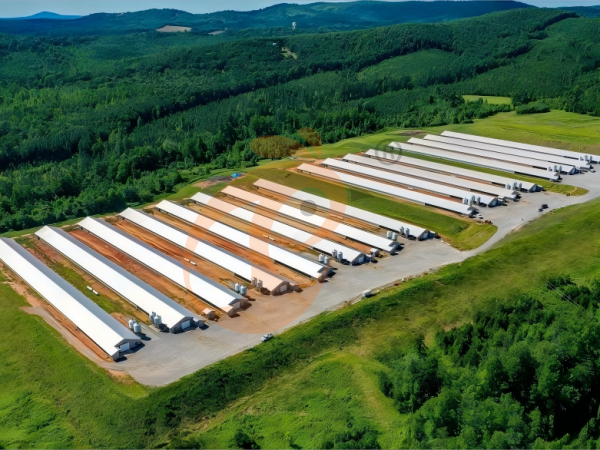
Hong Kong Headquarter Management Team
Hong Kong Headquarter Taiyu Industrial Group CO., LTD
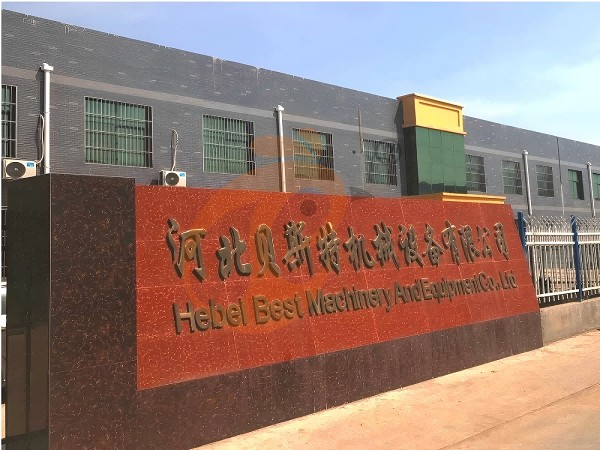
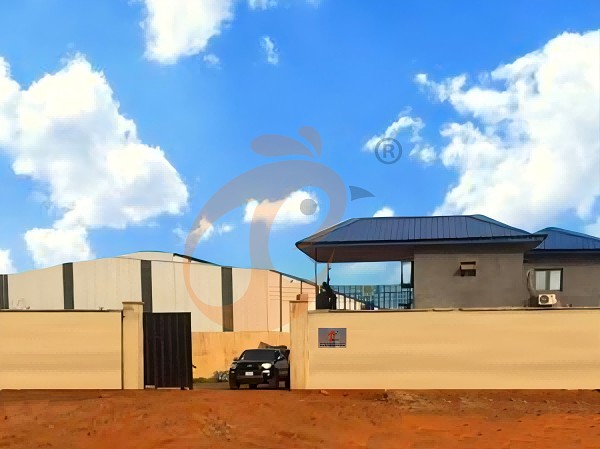
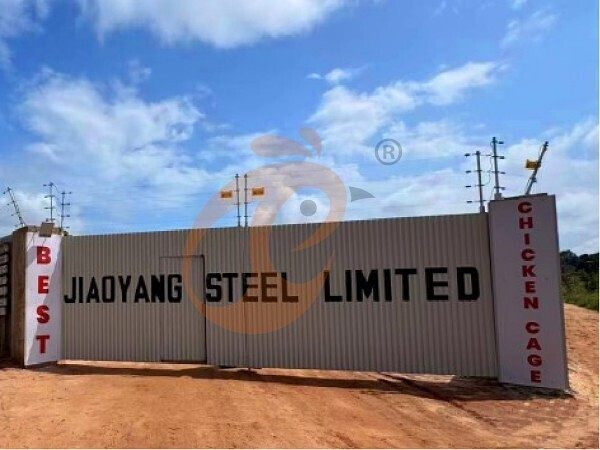
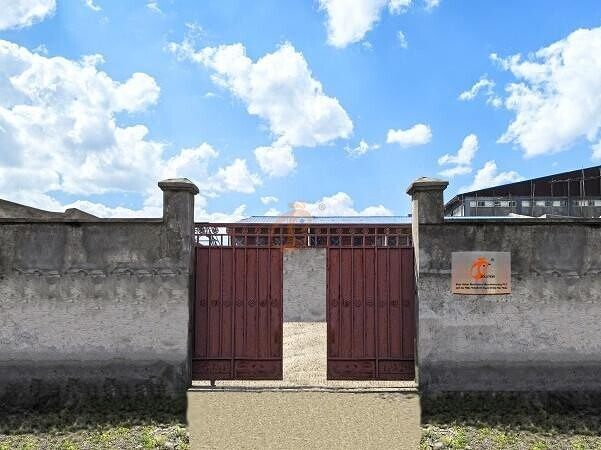
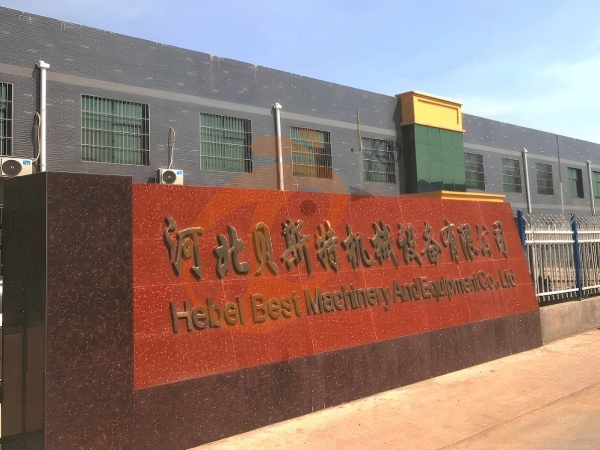
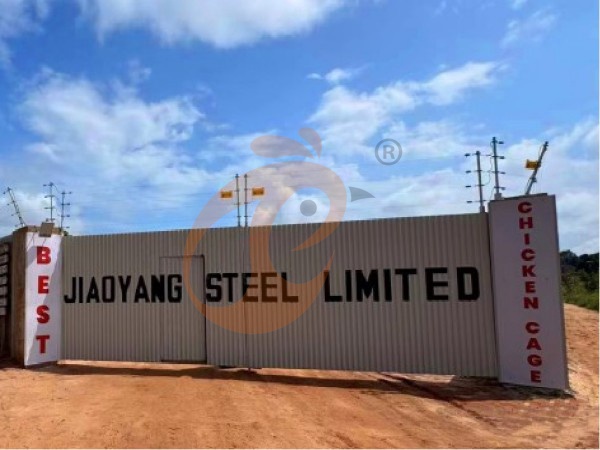
China Hebei Best Machinery And Equipment CO., LTD
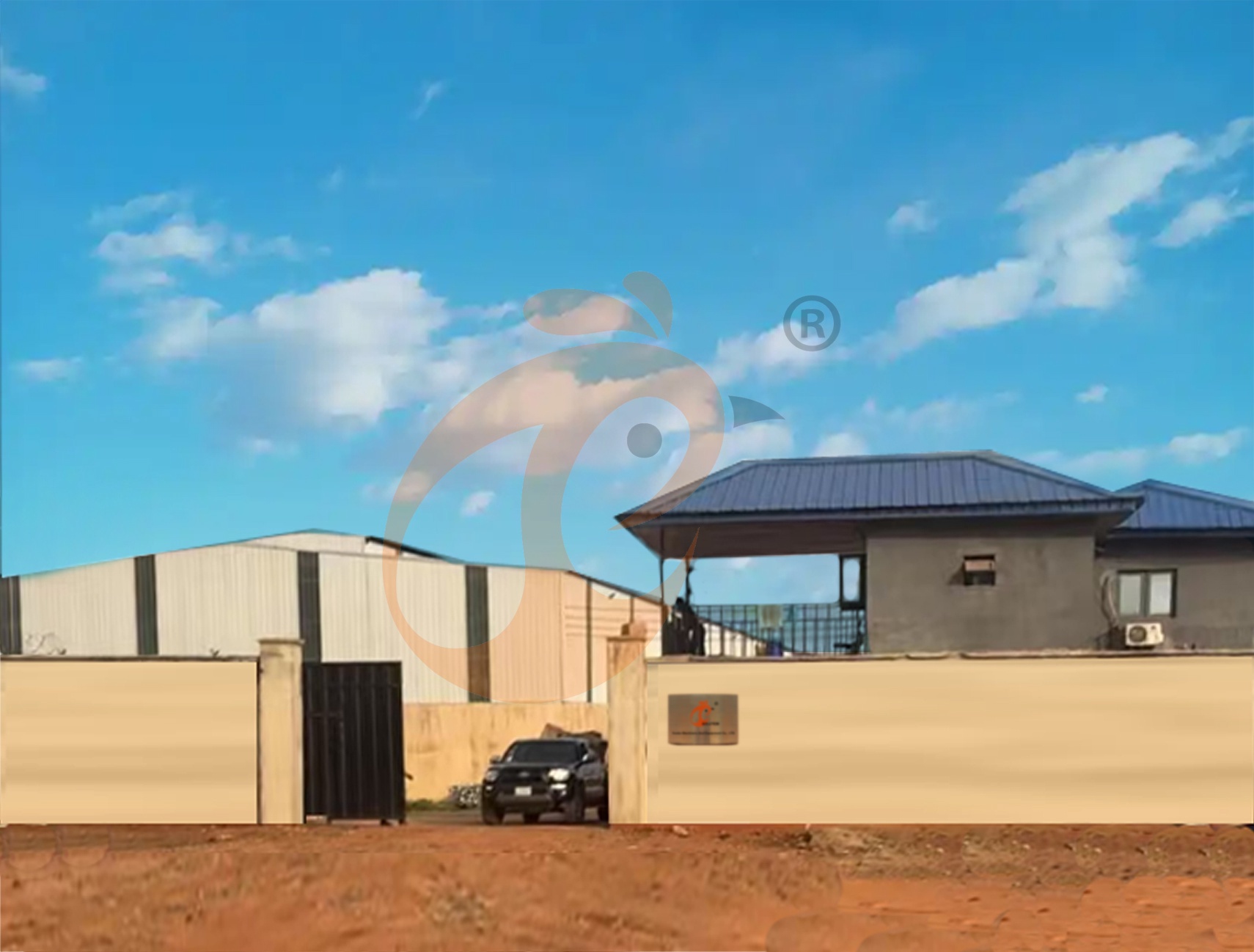
Nigeria Vanke Machinery And Equipment CO., LTD
Tanzania Best Machinery And Equipment CO., LTD
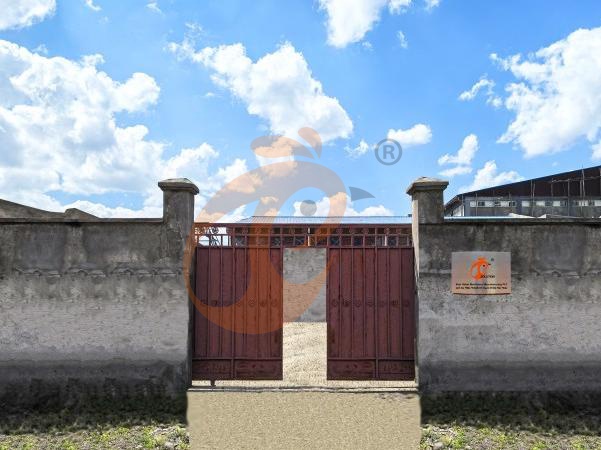
Ethiopia Best Hebei Machinery Manufacturing PLC
Reception /24 WhatsApp NO. : +8618830120193
FAQ
What Are The Ventilation Design Standards In Deep Litter Poultry System For Poultry Chicken Houses?
Airflow speed at bird level is controlled at 0.25–0.45 m/s to prevent litter drying imbalance.
Exhaust fan capacity is typically designed at 18,000–22,000 m³ per hour per unit for large houses.
What Are The Litter Fermentation Performance Requirements In Deep Litter Poultry System For Poultry Chicken Production?
Microbial decomposition efficiency converts 60%–75% of manure into stabilized organic matter.
Carbon to nitrogen ratio is maintained at 25–30:1 for optimal fermentation balance.
What Are The Moisture Management Standards In Deep Litter Poultry System For Poultry Chicken Farming?
Water absorption turnover rate reaches 1.2–1.8 liters per square meter daily under normal stocking conditions.
Evaporation efficiency is enhanced by 30%–40% through proper ventilation and litter turning.
- poultry farm
- chicken house
- poultry house
- cage
- poultry farm construction
- poultry house construction
- deep litter system
- poultry equipment
- chickencage
- bestchickencage
- Nigeria
- deep litter system manufacturer
- modern poultry housing
- chicken house odor control
- deep litter system equipment
- poultry farm plan
- Ethiopia
Message
Products recommended
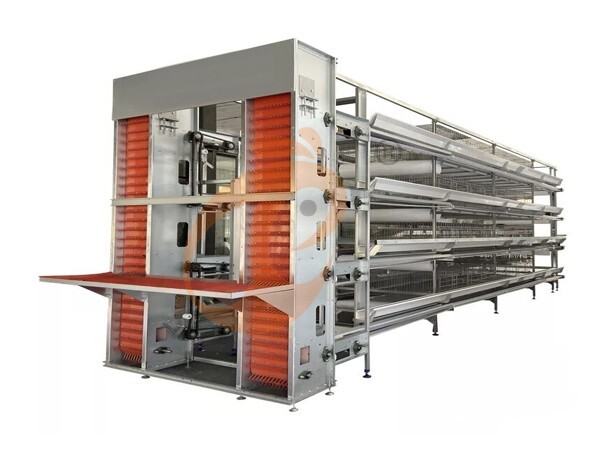
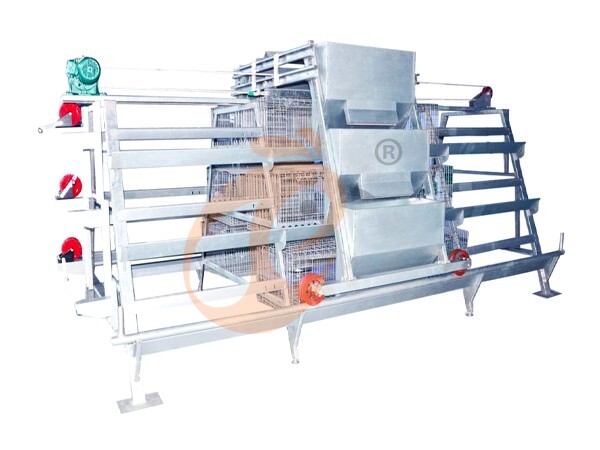
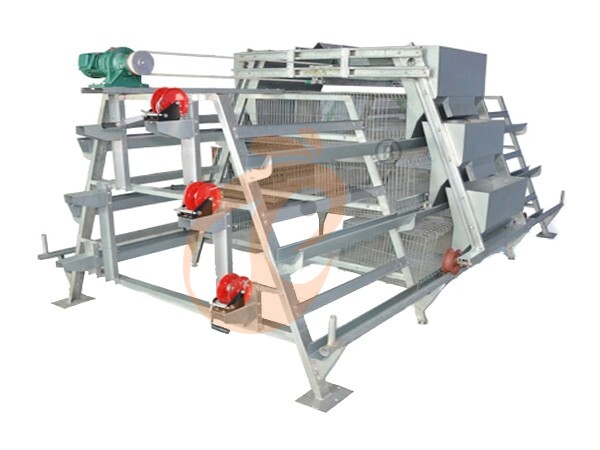
 >30,000 Pullets Automatic H Type Battery Cage1. More than 30,000 pullets a house, choose it.
2. It is designed to rearing older than 1 day old pullets to 12 to 16 weeks old chicken starting laying eggs.
3. Its lifespan is more than 25 years.
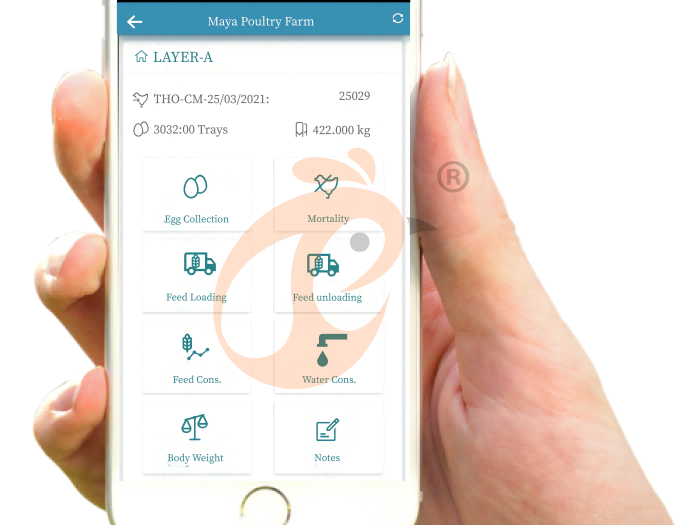
4. Its structure are Vcloud artificial intelligent fusion, electric control cabinet, automatic equipment of drinking, feeding, manure clean, manual harvesting.
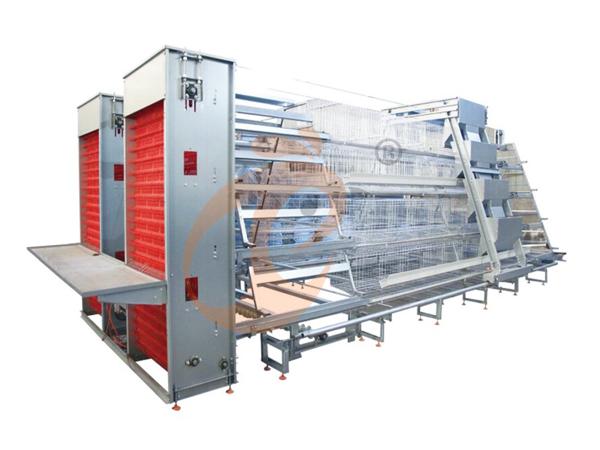
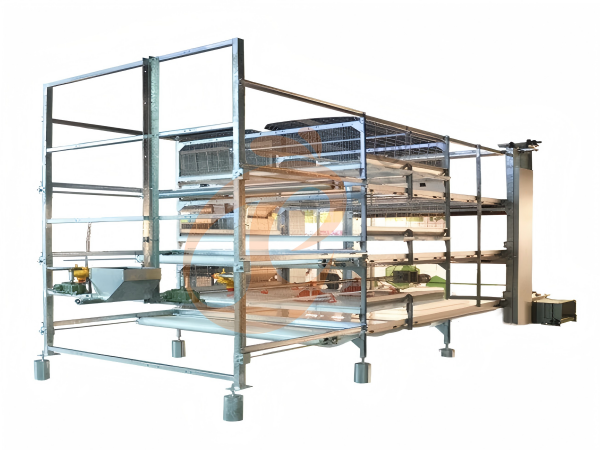
5. Our 24 hour online reception What’sApp NO. is +8618830120193 <30,000 Pullets Automatic A Type Battery Cage1. 10,000 to 30,000 pullets a house, choose it.
2. It is designed to rearing older than 1 day old pullets to 12 to 16 weeks old chicken starting laying eggs.
3. Its lifespan is more than 25 years.
4. Its structure are Vcloud artificial intelligent fusion, electric control cabinet, automatic equipment of drinking, feeding, manure clean, manual harvesting.
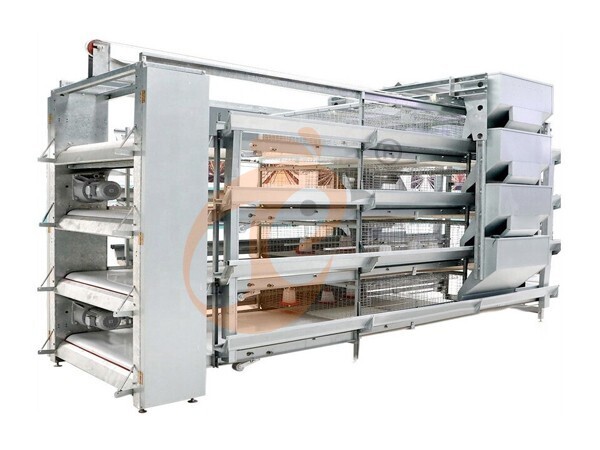
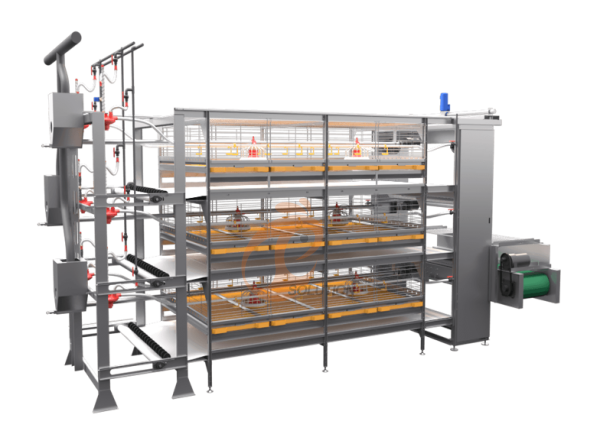
5. Our 24 hour online reception What’sApp NO. is +86 18830120193. >30,000 Broilers Semi-Automatic Harvest H Type Battery Cage1. More than 30,000 broilers a house, choose it.
2. It is designed to rearing 1 to 45 day old adult broiler ready for market.
3. Its lifespan is more than 20 years.
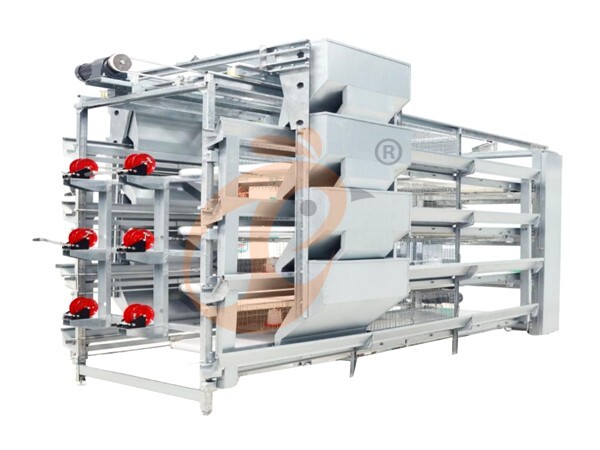
4. Our 24 hour online reception What’sApp NO. is +8618830120193, +234 8111199996. >30,000 Broilers Manual Harvest H Type Battery Cage1. More than 30,000 broilers a house, choose it.
2. It is designed to rearing 1 to 45 day old adult broiler ready for market.
3. Its lifespan is more than 20 years.
4. Its structure are Vcloud artificial intelligent fusion, electric control cabinet, automatic equipment of drinking, feeding and manure clean, manual harvesting.
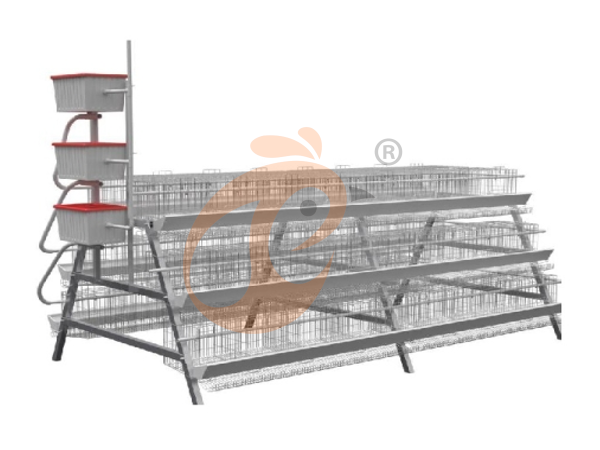
5. Our 24 hour online reception What’sApp NO. is +8618830120193, +234 8111199996. <30,000 Broilers Manual Harvest A Type Battery Cage1. Less 30,000 broilers a house, choose it.
2. It is designed to rearing 1 to 45 day old adult broiler ready for market.
3. Its lifespan is more than 20 years.
4. Its structure are Vcloud artificial intelligent fusion, electric control cabinet, automatic equipment of drinking, feeding and manure clean, manual harvesting.
5. Our 24 hour online reception What’sApp NO. is +8618830120193, +234 8111199996. HK Headquarter Offers EU-standard Poultry Farm Solutions, Manufacture Poultry Farm Equipment1. Continuous communication with the EU and the US
2. China, Nigeria, Ethiopia, Tanzania branch companies and factories
3. The products’ quality is customized for local poultry farms
4. Poultry cage and poultry farm equipment stock for sale
5. 24 online reception Whatsapp NO. : +8618830120193,contact us to get full information China Branch Offer Poultry Farm Business Plan, Manufacture Poultry Farm Equipment1. Address: Flat/RM 2416, 24/F, Runxing Building, Youyi Nan Street, Shijiazhuang City, Hebei Province, China
2. Poultry cage and poultry farm equipment factory and stock for sale
3. Customized for local poultry farms
4. Quality and design are based on Euro
5. 24 online reception Whatsapp NO. : +8618830120193 Nigeria Branch Offer Poultry Farm Business Plan, Manufacture Poultry Farm Equipment1. Address: After Sinoma Office, 200 Meters Near Danco Filling Station, Lagos/Ibadan Expressway, Lagos State, Nigeria
2. Poultry cage and poultry farm equipment factory and stock for sale
3. Customized for Nigerian poultry farms
4. Quality and design are based on Euro
5. 24 online reception Whatsapp NO. : +8618830120193 Ethiopia Branch Offer Poultry Farm Business Plan, Manufacture Poultry Farm Equipment1. Address: Gelan Gura, Akaki-kaliti Sub City, Addis Ababa, Ethiopia
2. Poultry cage and poultry farm equipment stock for sale
3. Customized for Ethiopian poultry farms
4. Quality and design are based on Euro
5. 24 online reception Whatsapp NO. : +8618830120193, contact us to get price list Tanzania Branch Offer Poultry Farm Business Plan, Manufacture Poultry Farm Equipment1. Address: No.8, Sova Road, Msufini, Mlandizi, Kibaha, Pwani, Tanzania
2. Poultry cage and poultry farm equipment factory and stock for sale
3. Customized for Tanzanian poultry farms
4. Quality and design are based on Euro
5. 24 online reception Whatsapp NO. : +8618830120193



Contact