


Blog
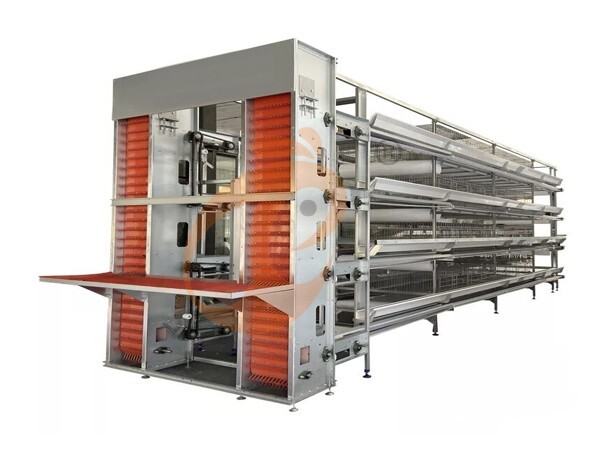
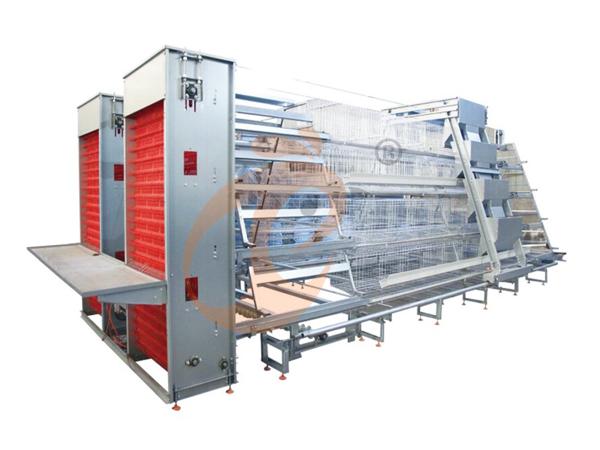
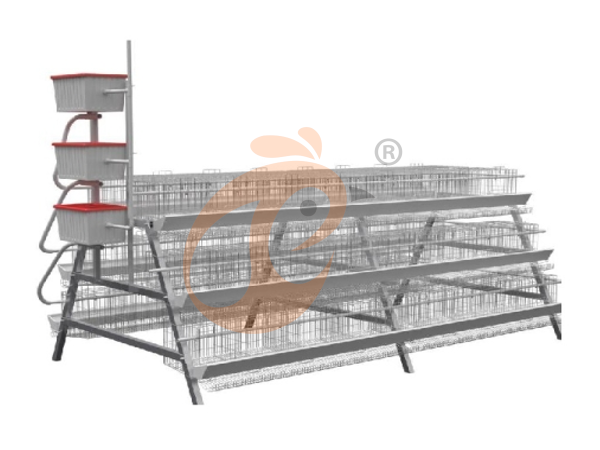
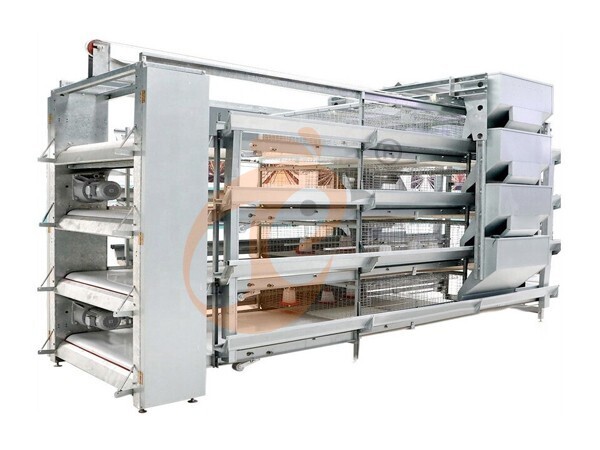
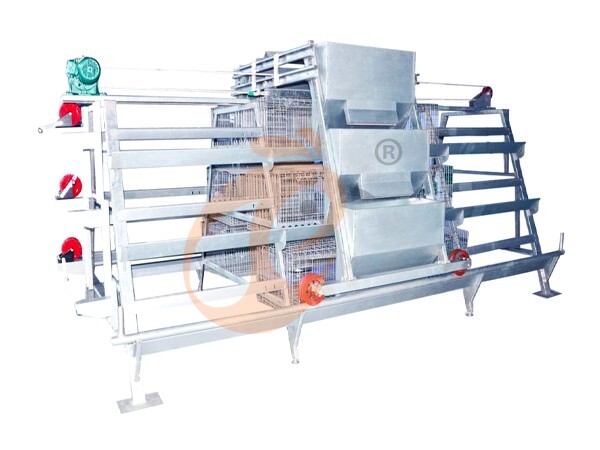
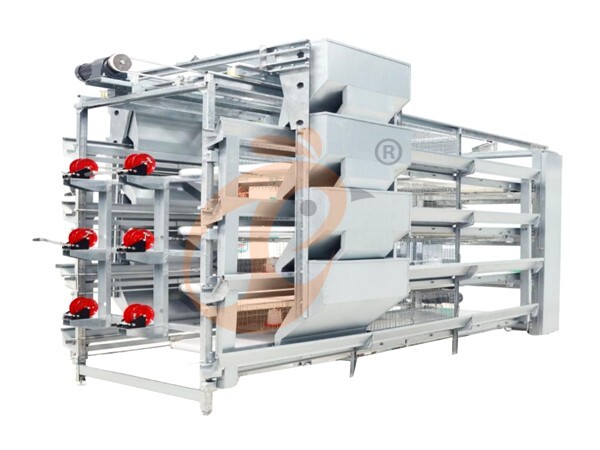
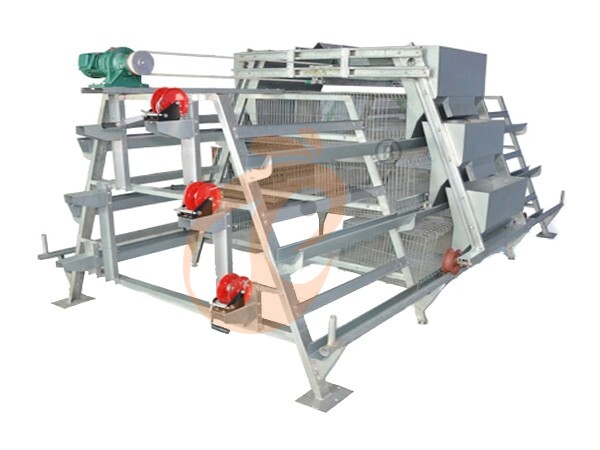
The A type battery cage system supports intensive poultry production with multi-tier steel frameworks and controlled mechanical feeding integration.
Feed distribution performance directly affects flock weight uniformity, metabolic consistency, and production cycle stability under continuous operation.
Engineering selection of feeding systems determines transport efficiency, energy conversion ratio, and mechanical synchronization across cage rows.
Industrial poultry farms require quantified system evaluation based on throughput stability, wear rate, and spatial adaptation constraints.
Compares five feeding systems using measurable engineering indicators and real operational poultry facility parameters.
Get professional poultry farm construction guidance, equipment selection solutions, and the latest price lists, whatsApp to +8618830120193, click to learn more:
Feeding System Overview In A Type Battery Cage Integration
A feeding system in A type cage housing functions as a controlled material transport network distributing feed across stacked cage tiers.
System architecture affects timing deviation between upper and lower cage levels during synchronized feeding cycles.
Data is for reference only.Swipe horizontally to view full table.
Chain-driven systems typically show linear force transmission with measurable tension loss of 6–9% across 100 m runs.
Auger and belt configurations maintain more stable feed distribution due to reduced mechanical backflow resistance.
Chain Feeding System Performance In Cage Structures
Chain feeding systems rely on a closed-loop metal chain operating inside a U-shaped trough for continuous feed movement.
This structure is commonly deployed in longitudinal poultry houses with uniform cage spacing geometry.
Data is for reference only.Swipe horizontally to view full table.
Field measurements in commercial farms show chain elongation rates of 0.8–1.2 mm per 100 operating hours.
Lubrication intervals of 72–96 hours reduce friction-induced energy loss by approximately 11–14%.
Auger Feeding System Engineering Characteristics
Auger systems transport feed using a helically wound steel screw rotating inside a calibrated PVC or galvanized tube.
This configuration reduces open exposure and stabilizes particle movement under variable load conditions.
Data is for reference only.Swipe horizontally to view full table.
Industrial installations report torque variation of 0.6–1.3 Nm depending on feed density fluctuations.
This system maintains consistent discharge timing across multiple branch outlets in tiered cage systems.
Pan Feeding System For Layer And Broiler Optimization
Pan feeding systems utilize distributed circular containers connected to a pressurized feed line for synchronized filling cycles.
Each pan operates as an independent feeding micro-unit within a centralized distribution network.
Data is for reference only.Swipe horizontally to view full table.
Operational studies indicate refill cycle deviation of 1.5–2.2 seconds between first and last pan in a 60 m line.
This improves uniform intake distribution especially in high-density stocking environments exceeding 12 birds/m².
Trough Feeding System In Traditional Cage Operations
Trough systems use open-channel steel or plastic structures where feed moves via gravity slope or manual push mechanism.
The system has minimal mechanical components but relies heavily on operator consistency for uniform distribution.
Data is for reference only.Swipe horizontally to view full table.
Field observations show feed stratification up to 14–18 mm particle segregation in non-agitated trough systems.
This affects nutrient uniformity when feed is not mechanically rebalanced during distribution cycles.
Belt Feeding System Efficiency In High Density Poultry Houses
Belt systems use continuous polymer-reinforced conveyor belts driven by synchronized electric motors for horizontal feed transport.
This reduces friction contact area and improves linear transport stability over long cage corridors.
Data is for reference only.Swipe horizontally to view full table.
Polymer belt systems exhibit wear rate of 0.03–0.05 mm per 1000 operating hours under standard loading conditions.
This contributes to extended replacement cycles compared with rigid metal chain systems.
Comparative Efficiency Analysis Of All Feeding Systems
System performance comparison is based on measurable transport dynamics, energy conversion efficiency, and mechanical degradation rate.
Each configuration demonstrates different suitability thresholds for A type cage integration depending on farm scale and automation density.
Data is for reference only.Swipe horizontally to view full table.
System variance analysis shows belt and pan systems maintain lower dispersion values under continuous 24-hour feeding cycles.
Auger systems demonstrate stable mid-range efficiency under fluctuating feed density conditions.
Scientific Understanding Of Feed Distribution Behavior
Feed movement in cage systems follows granular flow mechanics influenced by friction coefficient, particle geometry, and conduit surface roughness.
In long pipelines, pressure gradient loss increases proportionally with distance and feed moisture content variation.
Optimal particle diameter between 2–4 mm reduces arching probability and improves discharge continuity in mechanical transport systems.
These physical constraints directly influence feed uniformity index across multi-tier poultry installations.
Operational Efficiency And Maintenance Requirements
Maintenance performance is determined by wear rate distribution, load cycling frequency, and mechanical stress accumulation.
Predictive inspection intervals reduce unscheduled downtime and improve system reliability in commercial poultry production environments.
Data is for reference only.Swipe horizontally to view full table.
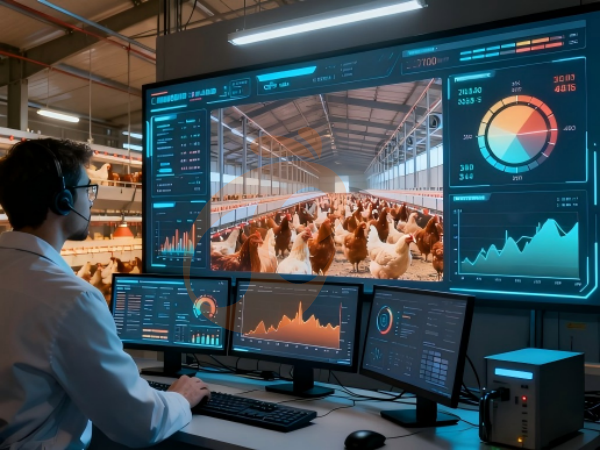
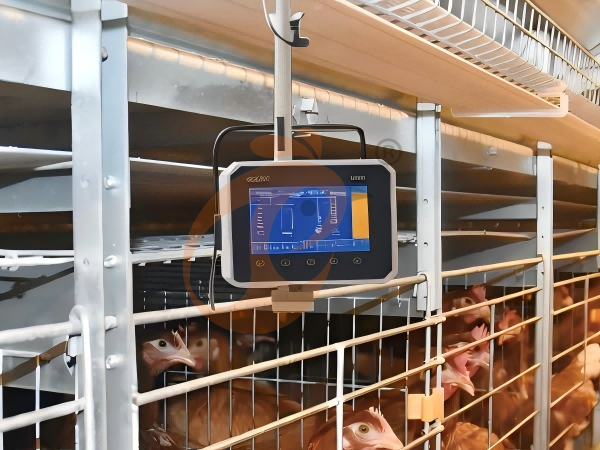
Digital monitoring integration reduces manual inspection frequency by 18–25% in fully automated feeding lines.
System reliability improves significantly when load sensors are calibrated at 30-day intervals.
Final Recommendation For A Type Battery Cage Systems
System selection is determined by mechanical efficiency thresholds, energy consumption balance, and structural compatibility with cage geometry.
No single configuration satisfies all production scales under industrial poultry engineering constraints.
Pan feeding system and belt feeding system deliver the highest throughput stability in automated environments.
Auger feeding system provides balanced performance for medium-density production layouts.
Chain feeding system remains applicable for linear house designs with moderate automation investment.
Trough feeding system is limited to low-capital transitional poultry farming systems.
Frequently Asked Questions
Q1: What feeding system provides the most stable output in long cage houses?
Belt feeding system maintains stable output at 22 M/Min with minimal deviation across long corridors.
It is effective in installations exceeding 100 m in continuous poultry housing structures.
Mechanical wear remains lower due to reduced sliding friction interfaces.
Q2: Which system has the lowest mechanical degradation rate?
Auger feeding system demonstrates reduced wear due to enclosed screw transport design.
Measured torque fluctuation remains within 0.6–1.3 Nm during standard operation cycles.
This improves long-term structural consistency under continuous feeding loads.
Q3: How does particle size affect feeding performance?
Feed particles between 2–4 mm reduce blockage probability in screw and belt systems.
Oversized particles increase flow resistance and cause uneven discharge timing.
Consistent granulation improves overall feed distribution uniformity index.
Taiyu (HK) Group - One Of China Largest A Battery Cage Manufacturer
A battery cage system engineered with Q235 steel framework improves structural load tolerance up to 275 kg/m² in intensive poultry housing environments.
Global factory direct supply ensures annual production capacity exceeding 5000 cage sets for industrial poultry farming projects.
Integrated poultry equipment solutions include automated feeding, drinking, ventilation, and manure removal systems for complete farm engineering.
Turn-key engineering services provide CAD layout design, on-site installation support, and commissioning validation for commercial poultry facilities.
Export capability supports over 30 countries with customized cage dimensions and logistics coordination for large-scale production farms.
Contact Us To Received Your Customized Poultry Farm Plan
Headquarters And Branchs
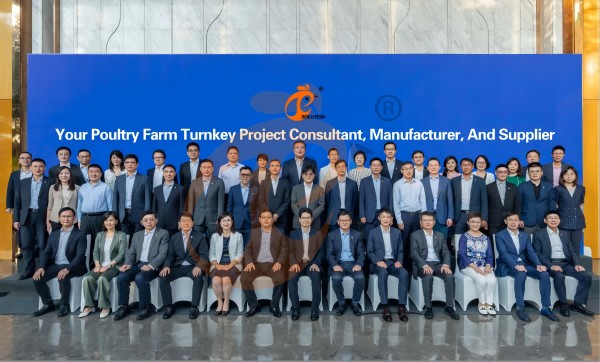
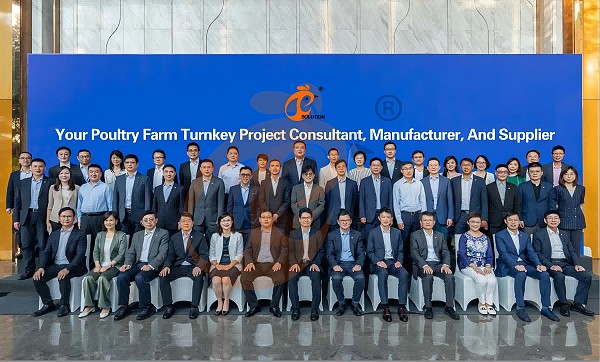
Hong Kong Headquarter Management Team
Hong Kong Headquarter Taiyu Industrial Group CO., LTD
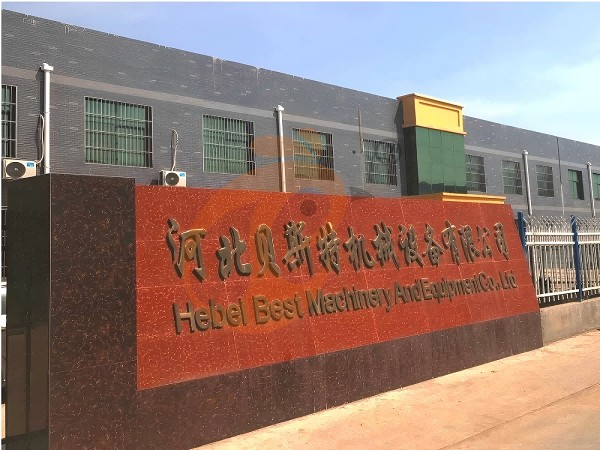
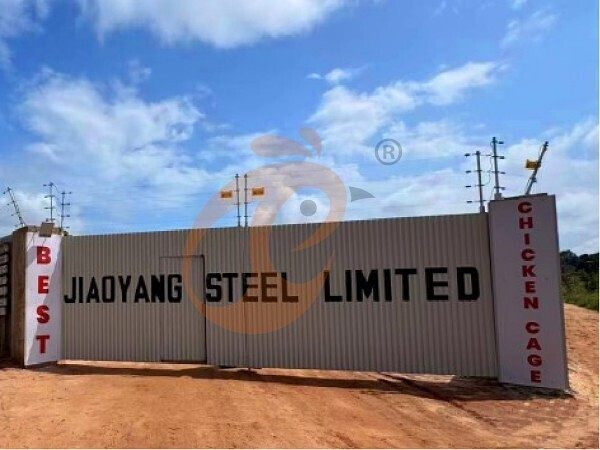
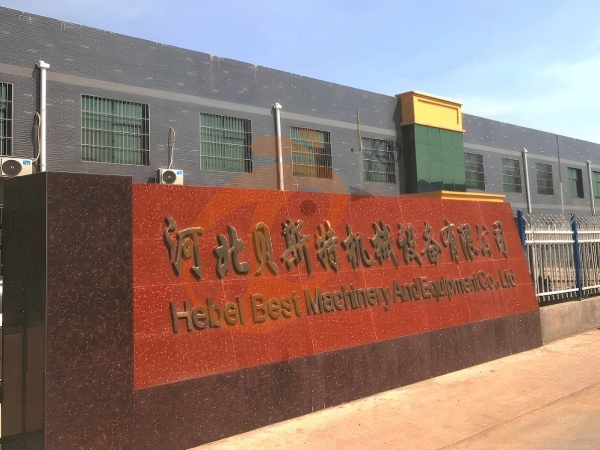
China Hebei Best Machinery And Equipment CO., LTD
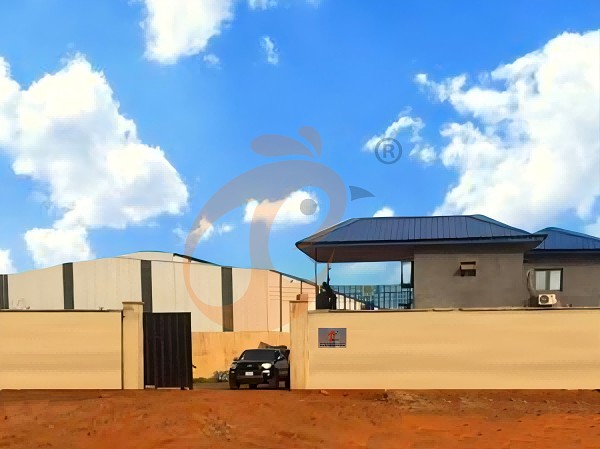
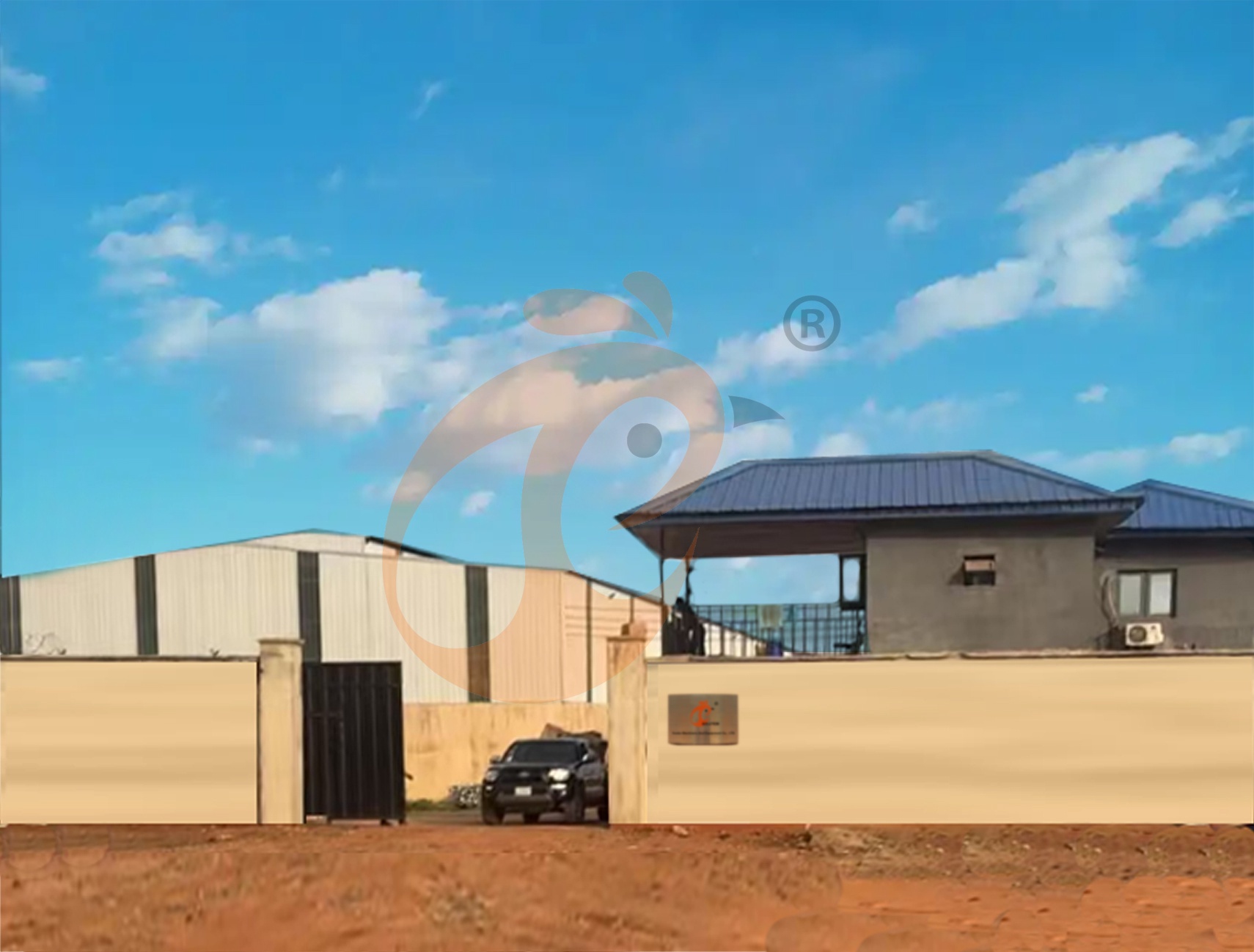
Nigeria Vanke Machinery And Equipment CO., LTD
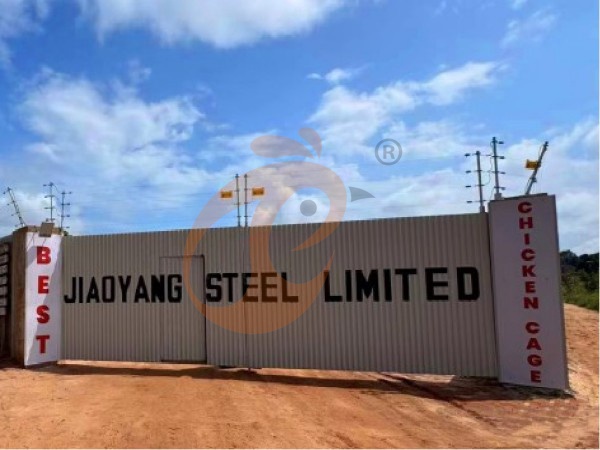
Tanzania Best Machinery And Equipment CO., LTD
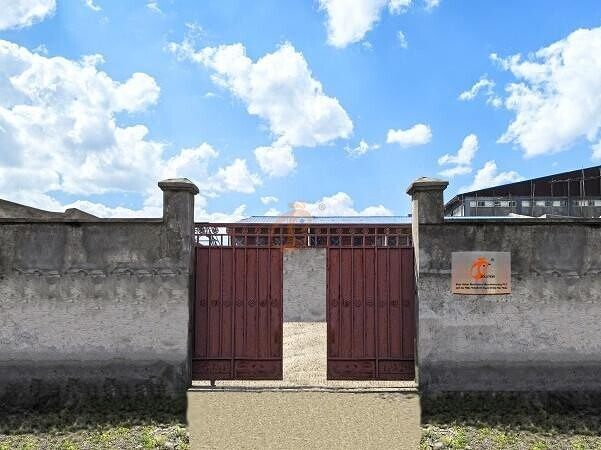
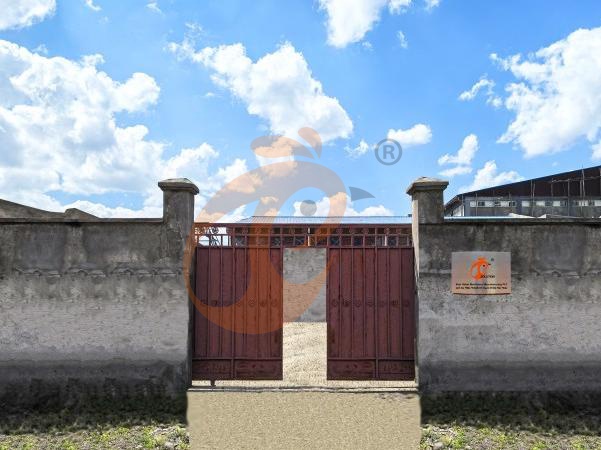
Ethiopia Best Hebei Machinery Manufacturing PLC
Reception /24 WhatsApp NO. : +8618830120193
FAQ
What Are The Advantages Of A-Type Poultry Cage For Medium-Sized Farms?
Farm capacity per house: 10,000–50,000 birds
Egg production rate: 90–96%
FCR: 1.9–2.2
Labor savings: 50–70%
How To Reduce Egg Breakage Rate In A-Type Layer Cage Farms?
Control conveyor speed
Egg breakage rate <1%
Daily egg yield: 900–960 eggs/1,000 birds
Egg production rate: 90–96%
How To Improve Egg Production Stability In A-Type Layer Cage System?
Scheduled feeding and drinking
Temperature 20–25°C, humidity 50–60%
Egg production rate: 90–96%
FCR: 1.9–2.2
- battery cage
- battery cage system
- poultry farm
- poultry farms
- poultry house
- cage
- poultry farm construction
- battery cage manufacturer
- poultry equipment
- manure removal system
- a type battery cage
- chickencage
- bestchickencage
- cage system
- cage systems
- h cage
- Nigeria
- poultry farming
- cage manufacturer
- poultry farm plan
- poultry farming system
- Ethiopia
Message
Products recommended
 >30,000 Pullets Automatic H Type Battery Cage1. More than 30,000 pullets a house, choose it.
2. It is designed to rearing older than 1 day old pullets to 12 to 16 weeks old chicken starting laying eggs.
3. Its lifespan is more than 25 years.
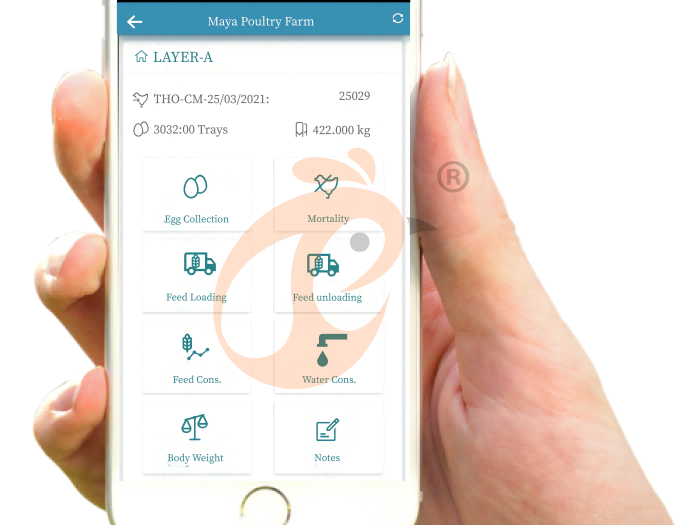
4. Its structure are Vcloud artificial intelligent fusion, electric control cabinet, automatic equipment of drinking, feeding, manure clean, manual harvesting.
5. Our 24 hour online reception What’sApp NO. is +8618830120193 <30,000 Pullets Automatic A Type Battery Cage1. 10,000 to 30,000 pullets a house, choose it.
2. It is designed to rearing older than 1 day old pullets to 12 to 16 weeks old chicken starting laying eggs.
3. Its lifespan is more than 25 years.
4. Its structure are Vcloud artificial intelligent fusion, electric control cabinet, automatic equipment of drinking, feeding, manure clean, manual harvesting.
5. Our 24 hour online reception What’sApp NO. is +86 18830120193. >30,000 Broilers Semi-Automatic Harvest H Type Battery Cage1. More than 30,000 broilers a house, choose it.
2. It is designed to rearing 1 to 45 day old adult broiler ready for market.
3. Its lifespan is more than 20 years.
4. Our 24 hour online reception What’sApp NO. is +8618830120193, +234 8111199996. >30,000 Broilers Manual Harvest H Type Battery Cage1. More than 30,000 broilers a house, choose it.
2. It is designed to rearing 1 to 45 day old adult broiler ready for market.
3. Its lifespan is more than 20 years.
4. Its structure are Vcloud artificial intelligent fusion, electric control cabinet, automatic equipment of drinking, feeding and manure clean, manual harvesting.
5. Our 24 hour online reception What’sApp NO. is +8618830120193, +234 8111199996. <30,000 Broilers Manual Harvest A Type Battery Cage1. Less 30,000 broilers a house, choose it.
2. It is designed to rearing 1 to 45 day old adult broiler ready for market.
3. Its lifespan is more than 20 years.
4. Its structure are Vcloud artificial intelligent fusion, electric control cabinet, automatic equipment of drinking, feeding and manure clean, manual harvesting.
5. Our 24 hour online reception What’sApp NO. is +8618830120193, +234 8111199996. HK Headquarter Offers EU-standard Poultry Farm Solutions, Manufacture Poultry Farm Equipment1. Continuous communication with the EU and the US
2. China, Nigeria, Ethiopia, Tanzania branch companies and factories
3. The products’ quality is customized for local poultry farms
4. Poultry cage and poultry farm equipment stock for sale
5. 24 online reception Whatsapp NO. : +8618830120193,contact us to get full information China Branch Offer Poultry Farm Business Plan, Manufacture Poultry Farm Equipment1. Address: Flat/RM 2416, 24/F, Runxing Building, Youyi Nan Street, Shijiazhuang City, Hebei Province, China
2. Poultry cage and poultry farm equipment factory and stock for sale
3. Customized for local poultry farms
4. Quality and design are based on Euro
5. 24 online reception Whatsapp NO. : +8618830120193 Nigeria Branch Offer Poultry Farm Business Plan, Manufacture Poultry Farm Equipment1. Address: After Sinoma Office, 200 Meters Near Danco Filling Station, Lagos/Ibadan Expressway, Lagos State, Nigeria
2. Poultry cage and poultry farm equipment factory and stock for sale
3. Customized for Nigerian poultry farms
4. Quality and design are based on Euro
5. 24 online reception Whatsapp NO. : +8618830120193 Ethiopia Branch Offer Poultry Farm Business Plan, Manufacture Poultry Farm Equipment1. Address: Gelan Gura, Akaki-kaliti Sub City, Addis Ababa, Ethiopia
2. Poultry cage and poultry farm equipment stock for sale
3. Customized for Ethiopian poultry farms
4. Quality and design are based on Euro
5. 24 online reception Whatsapp NO. : +8618830120193, contact us to get price list Tanzania Branch Offer Poultry Farm Business Plan, Manufacture Poultry Farm Equipment1. Address: No.8, Sova Road, Msufini, Mlandizi, Kibaha, Pwani, Tanzania
2. Poultry cage and poultry farm equipment factory and stock for sale
3. Customized for Tanzanian poultry farms
4. Quality and design are based on Euro
5. 24 online reception Whatsapp NO. : +8618830120193


Contact