


Blog
Smart H type chicken cage systems integrate vertical poultry housing engineering, automated feeding control, and environmental monitoring systems to improve large-scale egg production efficiency.
Advanced layer chicken cage system configurations support scalable structural design from H1 to H4 models for different farm capacities.
Intelligent poultry farming equipment improves production stability through automated data acquisition, climate regulation, and operational synchronization.
Automated egg layer cage systems reduce labor dependency while increasing egg collection efficiency and biosecurity control levels.
Modern poultry engineering design focuses on maximizing space utilization, improving feed conversion efficiency, and supporting sustainable commercial farming operations.
Get professional poultry farm construction guidance, equipment selection solutions, and the latest price lists, whatsApp to +8618830120193, click to learn more:
Understanding Smart H Type Chicken Cage Systems
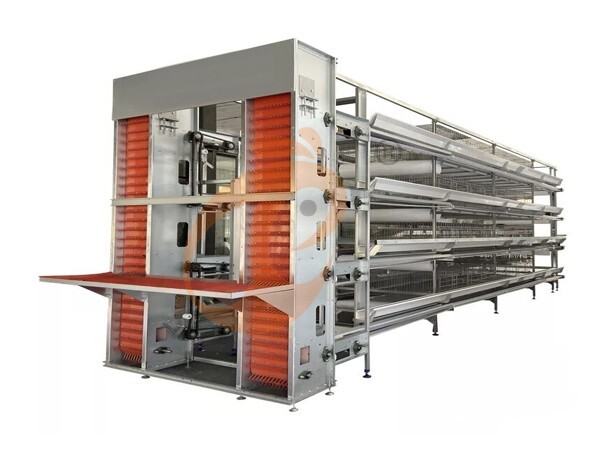
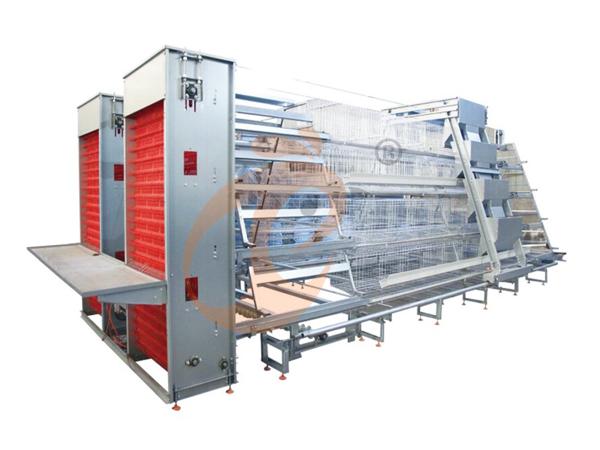
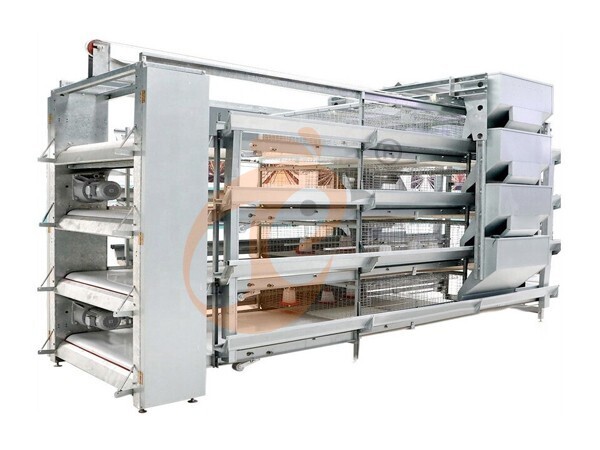
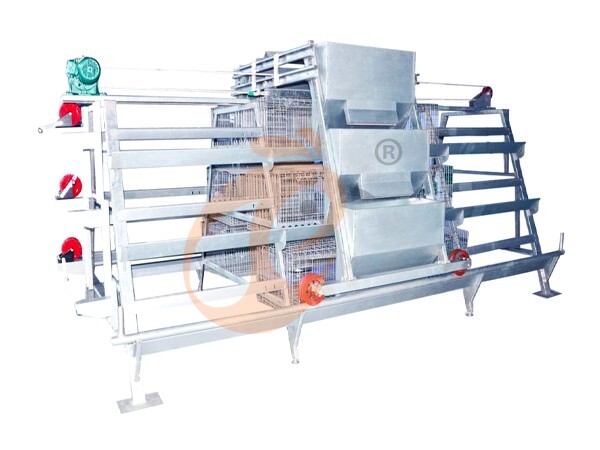
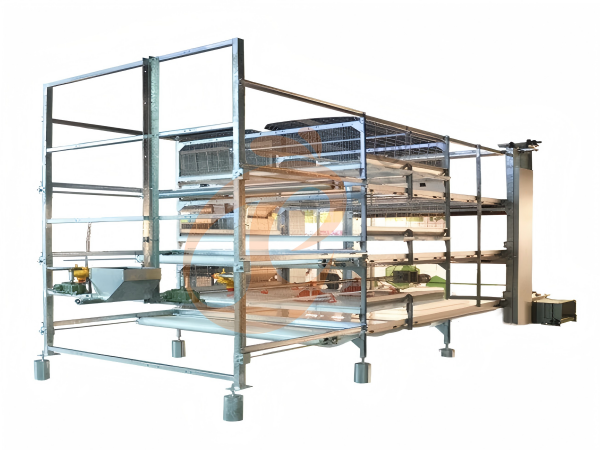
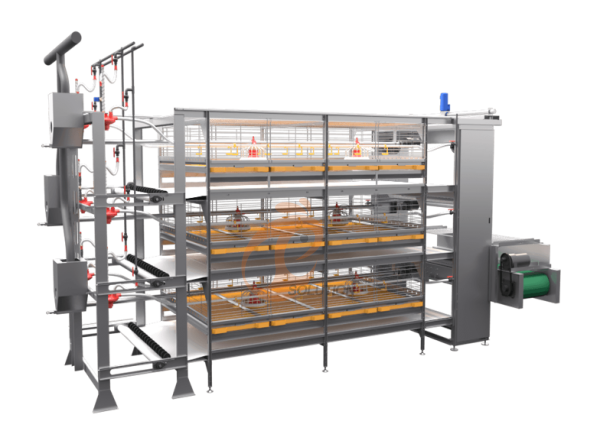
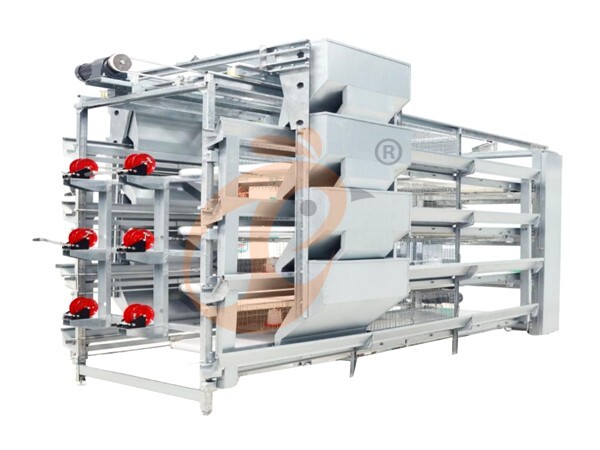
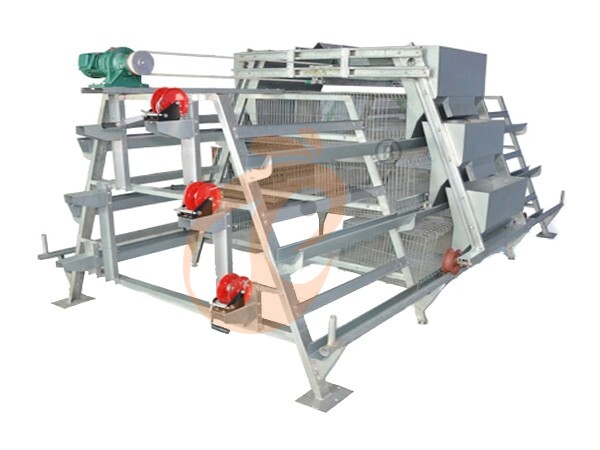
The H type cage system is a vertically stacked poultry housing structure designed to accommodate high-density production within limited land resources.
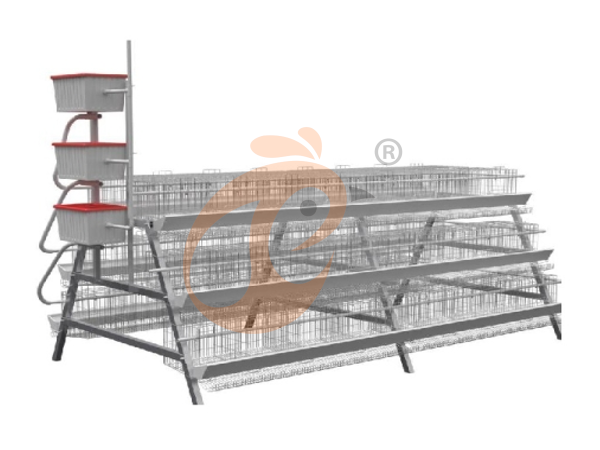
Unlike traditional A-type cages, H type systems adopt multi-tier vertical stacking combined with automated management equipment.
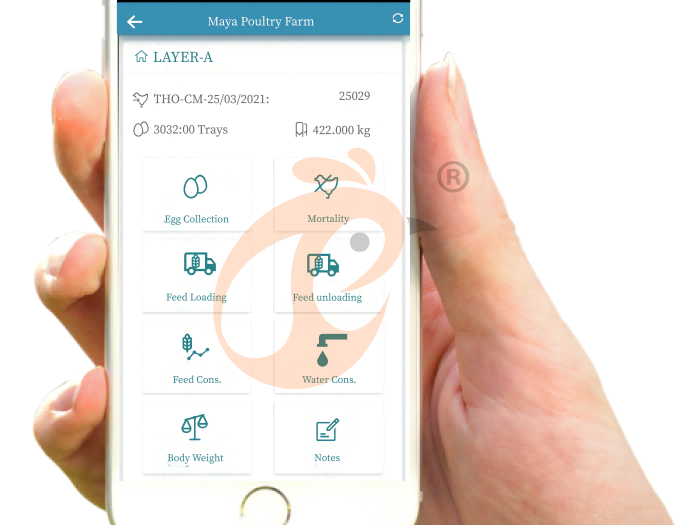
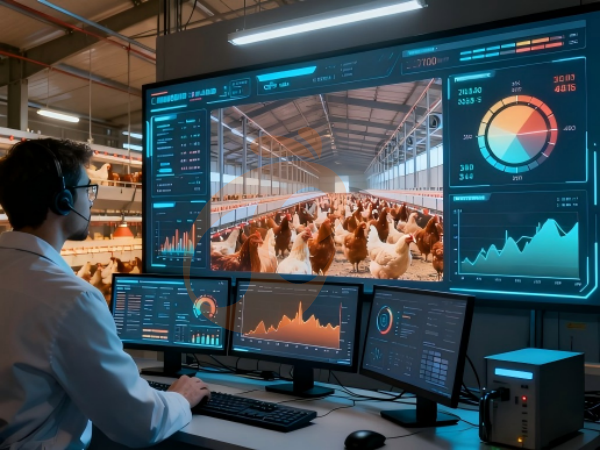
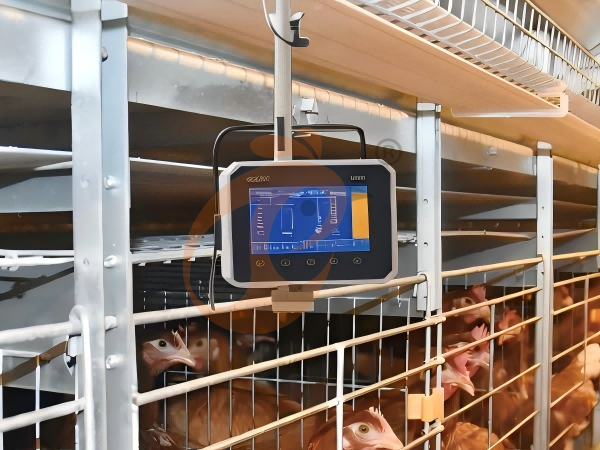
Smart versions integrate sensors, controllers, and digital management platforms for real-time production monitoring.
Data is for reference only.Swipe horizontally to view full table.
These integrated systems reduce manual labor while improving operational precision and consistency.
Increasing Housing Capacity And Space Utilization
H type cage systems maximize bird density per unit building area through vertical expansion design.
The system is engineered into H1 to H4 scalable configurations based on farm size and production requirements.
Data is for reference only.Swipe horizontally to view full table.
This confirms that modern H type systems can reach up to 16-tier structural design, significantly increasing production density compared
with standard poultry systems.
Higher utilization efficiency reduces construction cost per bird and improves farm return on investment.
Improving Feeding Management Efficiency
Feed cost is the largest operational expense in poultry production systems.
Smart feeding technology ensures uniform distribution and precise ration control across all cage tiers.
Modern Layer Chicken Cage System feeding automation improves consistency across large-scale flocks.
Data is for reference only.Swipe horizontally to view full table.
Improved feed precision reduces waste and enhances production efficiency.
Enhancing Egg Collection Management
Egg collection efficiency directly affects production profitability and product quality.
Automated systems significantly reduce breakage and labor intensity.
Automated egg layer cage systems enable continuous egg transport and centralized collection.
Data is for reference only.Swipe horizontally to view full table.
Automation ensures stable egg quality and improves traceability systems.
Optimizing Environmental Control
Environmental stability is essential for bird health and production consistency.
Smart monitoring systems regulate temperature, humidity, and gas concentration automatically.
Intelligent poultry farming equipment ensures real-time environmental adjustment and stability.
Data is for reference only.Swipe horizontally to view full table.
Stable environmental control improves feed conversion efficiency and reduces disease risk.
Strengthening Manure Management And Biosecurity
Manure management is critical for maintaining hygiene and disease prevention in poultry farms.
Automatic manure belt systems continuously remove waste from cages.
Data is for reference only.Swipe horizontally to view full table.
Improved hygiene reduces pathogen risks and enhances production safety.
Supporting Data-Driven Farm Management
Modern poultry farms rely on real-time data systems for operational control.
Smart cage systems integrate sensors and software platforms for continuous monitoring.
Data is for reference only.Swipe horizontally to view full table.
Data-driven management improves decision accuracy and operational response speed.
Reducing Labor Costs Through Automation
Labor shortage issues accelerate the adoption of automated poultry systems globally.
Smart H type cages reduce manual workload through integrated automation systems.
Data is for reference only.Swipe horizontally to view full table.
Reduced labor dependency improves long-term operational sustainability.
Improving Equipment Integration And Production Stability
Integrated automation systems ensure synchronized operation of all poultry equipment.
Feeding, egg collection, ventilation, and manure removal systems operate under unified control platforms.
Data is for reference only.Swipe horizontally to view full table.
System integration improves production stability and reduces operational errors.
Supporting Sustainable Poultry Production
Sustainability is a key objective in modern poultry engineering development.
Smart systems optimize feed, water, and energy consumption efficiency.
Data is for reference only.Swipe horizontally to view full table.
Typical project investment ranges from $180,000 to $350,000 depending on configuration scale and automation level.
European union standard reference only.
Frequently Asked Questions
Q1: What is the maximum tier level in H type cage systems?
H type cage systems can reach up to H4 configuration with 16-tier vertical structure design.
This improves space utilization significantly compared with lower-tier systems.
Q2: How does H1 differ from H4 systems?
H1 systems use 4-tier structure with 128 birds per unit set.
H4 systems expand to 16 tiers with 512 birds per set, increasing density and output capacity.
Q3: Why is vertical expansion important in poultry farming?
Vertical expansion maximizes production per building footprint.
It reduces land cost while improving large-scale commercial farming efficiency.
Taiyu (HK) Group - One Of China Largest Smart H Type Chicken Cage Systems Manufacturer
Smart H type chicken cage systems engineered from H1 to H4 configurations supporting up to 16-tier vertical poultry housing design for commercial farms.
Global factory direct supply covers poultry equipment production, installation, and international logistics services across multiple regions.
Complete poultry equipment solutions include feeding systems, ventilation systems, manure removal systems, and Automated Egg Layer Cage technology.
Turn-key engineering services provide farm design, installation guidance, commissioning, and production optimization support.
Professional manufacturing ensures customized solutions, long-term technical support, and stable global supply capability.
Contact Us To Received Your Customized Poultry Farm Plan
Headquarters And Branchs
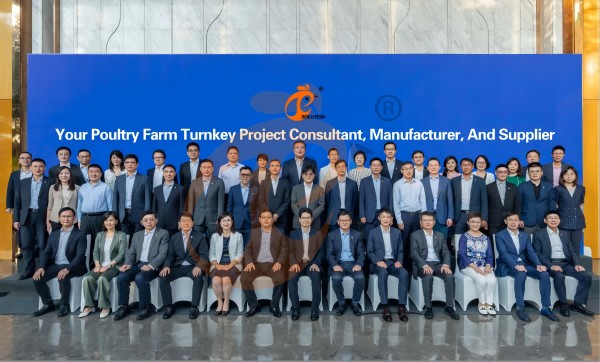
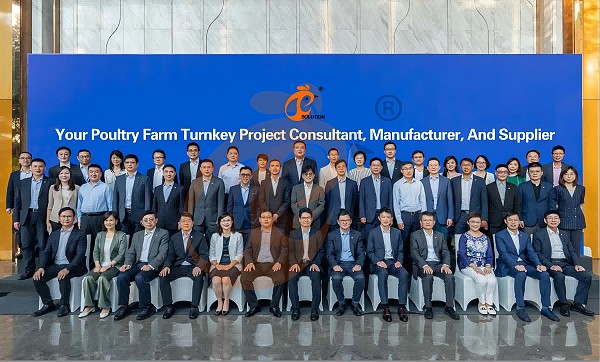
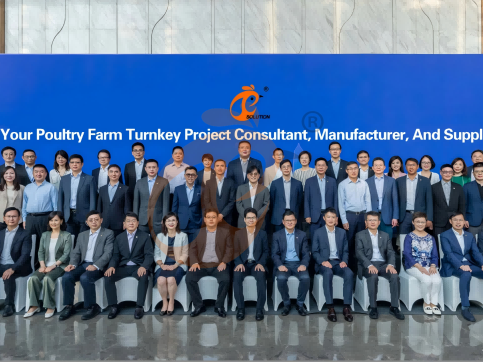
Hong Kong Headquarter Management Team
Hong Kong Headquarter Taiyu Industrial Group CO., LTD
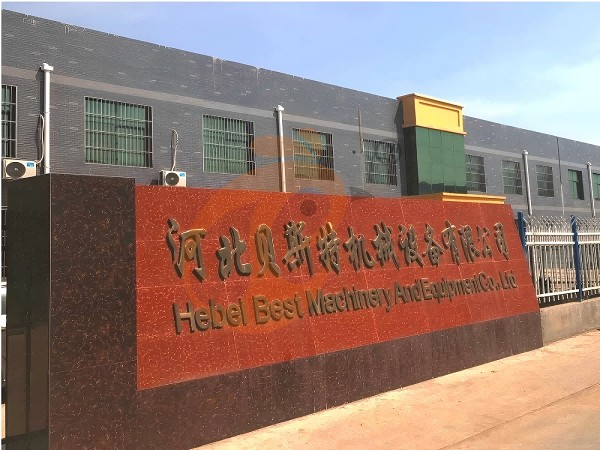
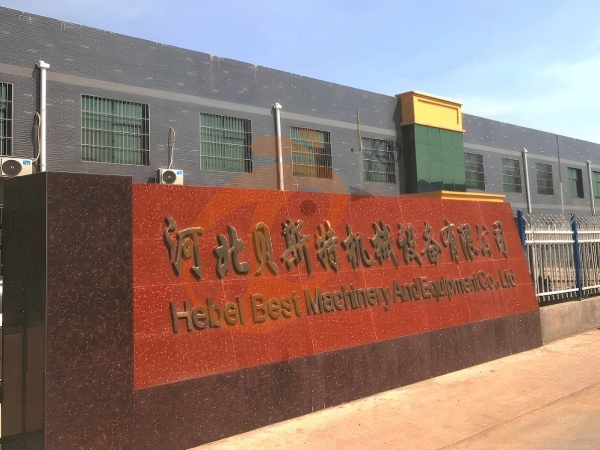
China Hebei Best Machinery And Equipment CO., LTD
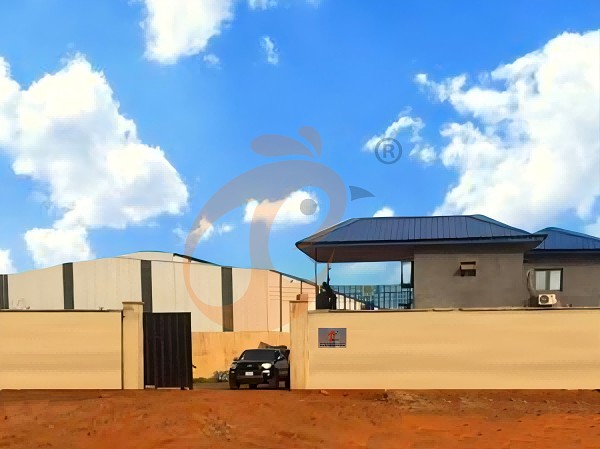
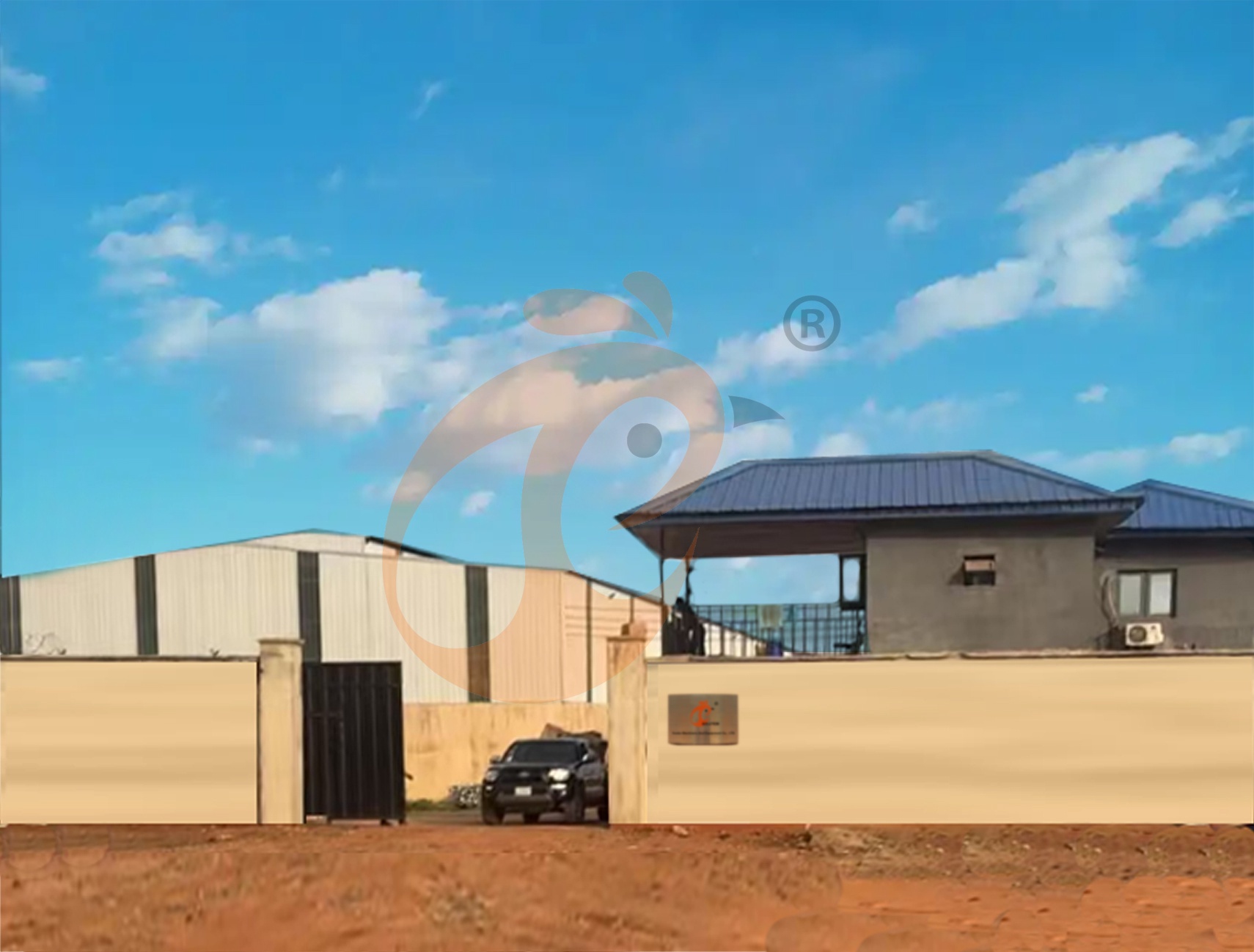
Nigeria Vanke Machinery And Equipment CO., LTD
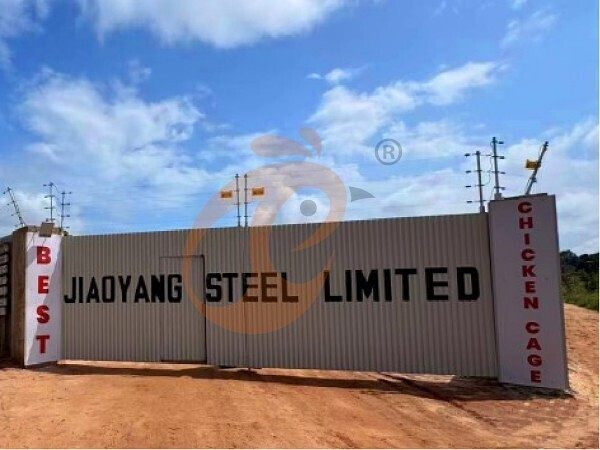
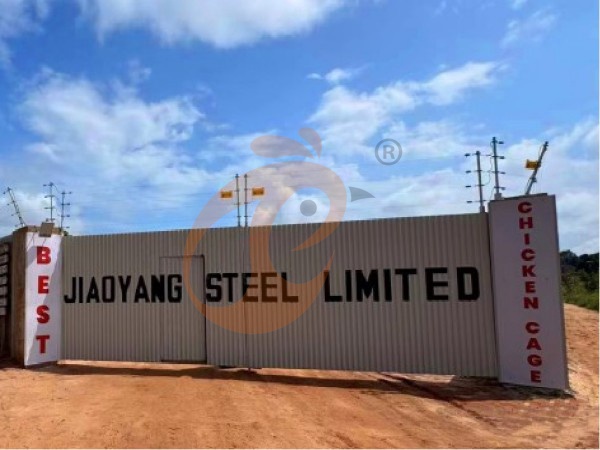
Tanzania Best Machinery And Equipment CO., LTD
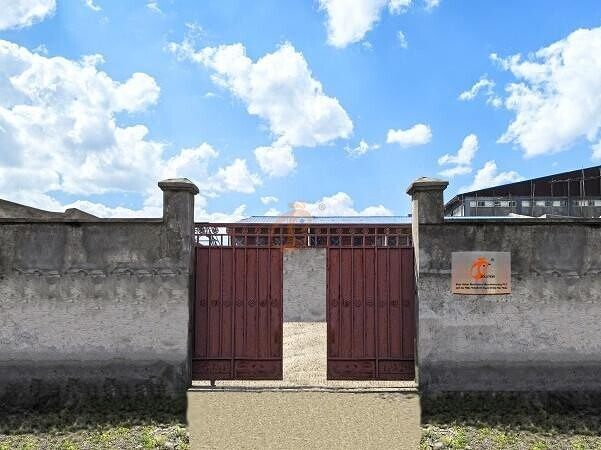
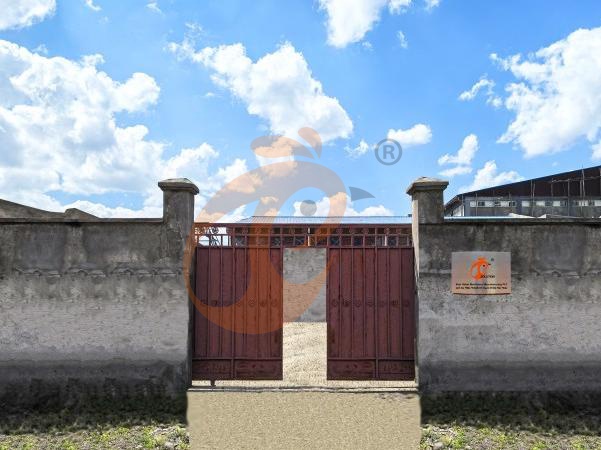
Ethiopia Best Hebei Machinery Manufacturing PLC
Reception /24 WhatsApp NO. : +8618830120193
FAQ
What Are The Recommended Cleaning Frequency For H-Type Layer Cage Equipment?
Flush cages weekly
Disinfect fully monthly
Reduce pathogen accumulation
How To Select The Best H-Type Poultry Cage For High-Density Layer Farm?
Birds per tier: 100–120
Automatic feeding and drinking system
Equipment lifespan: more than 25 years
What Are The Key Layout Considerations For H-Type Chicken Cage House Design?
Ensure good air circulation between tiers
Uniform lighting
Multi-tier layout: 5–7 levels
Farm capacity per house: 30,000 - 100,000+0 birds
- poultry farm
- chicken cage
- poultry farms
- layer cage
- cage
- poultry farm construction
- layer cage system
- poultry farming equipment
- chicken cage system
- poultry housing design
- poultry equipment
- manure removal system
- egg collection system
- h type chicken cage
- chickencage
- h type cage
- bestchickencage
- cage system
- h type
- cage systems
- h type cages
- layer chicken cage
- Nigeria
- layer chicken cage system
- modern poultry farms
- poultry farming
- poultry housing design for commercial
- modern poultry farm
- poultry farm plan
- Ethiopia
Message
Products recommended
 >30,000 Pullets Automatic H Type Battery Cage1. More than 30,000 pullets a house, choose it.
2. It is designed to rearing older than 1 day old pullets to 12 to 16 weeks old chicken starting laying eggs.
3. Its lifespan is more than 25 years.
4. Its structure are Vcloud artificial intelligent fusion, electric control cabinet, automatic equipment of drinking, feeding, manure clean, manual harvesting.
5. Our 24 hour online reception What’sApp NO. is +8618830120193 <30,000 Pullets Automatic A Type Battery Cage1. 10,000 to 30,000 pullets a house, choose it.
2. It is designed to rearing older than 1 day old pullets to 12 to 16 weeks old chicken starting laying eggs.
3. Its lifespan is more than 25 years.
4. Its structure are Vcloud artificial intelligent fusion, electric control cabinet, automatic equipment of drinking, feeding, manure clean, manual harvesting.
5. Our 24 hour online reception What’sApp NO. is +86 18830120193. >30,000 Broilers Semi-Automatic Harvest H Type Battery Cage1. More than 30,000 broilers a house, choose it.
2. It is designed to rearing 1 to 45 day old adult broiler ready for market.
3. Its lifespan is more than 20 years.
4. Our 24 hour online reception What’sApp NO. is +8618830120193, +234 8111199996. >30,000 Broilers Manual Harvest H Type Battery Cage1. More than 30,000 broilers a house, choose it.
2. It is designed to rearing 1 to 45 day old adult broiler ready for market.
3. Its lifespan is more than 20 years.
4. Its structure are Vcloud artificial intelligent fusion, electric control cabinet, automatic equipment of drinking, feeding and manure clean, manual harvesting.
5. Our 24 hour online reception What’sApp NO. is +8618830120193, +234 8111199996. <30,000 Broilers Manual Harvest A Type Battery Cage1. Less 30,000 broilers a house, choose it.
2. It is designed to rearing 1 to 45 day old adult broiler ready for market.
3. Its lifespan is more than 20 years.
4. Its structure are Vcloud artificial intelligent fusion, electric control cabinet, automatic equipment of drinking, feeding and manure clean, manual harvesting.
5. Our 24 hour online reception What’sApp NO. is +8618830120193, +234 8111199996. HK Headquarter Offers EU-standard Poultry Farm Solutions, Manufacture Poultry Farm Equipment1. Continuous communication with the EU and the US
2. China, Nigeria, Ethiopia, Tanzania branch companies and factories
3. The products’ quality is customized for local poultry farms
4. Poultry cage and poultry farm equipment stock for sale
5. 24 online reception Whatsapp NO. : +8618830120193,contact us to get full information China Branch Offer Poultry Farm Business Plan, Manufacture Poultry Farm Equipment1. Address: Flat/RM 2416, 24/F, Runxing Building, Youyi Nan Street, Shijiazhuang City, Hebei Province, China
2. Poultry cage and poultry farm equipment factory and stock for sale
3. Customized for local poultry farms
4. Quality and design are based on Euro
5. 24 online reception Whatsapp NO. : +8618830120193 Nigeria Branch Offer Poultry Farm Business Plan, Manufacture Poultry Farm Equipment1. Address: After Sinoma Office, 200 Meters Near Danco Filling Station, Lagos/Ibadan Expressway, Lagos State, Nigeria
2. Poultry cage and poultry farm equipment factory and stock for sale
3. Customized for Nigerian poultry farms
4. Quality and design are based on Euro
5. 24 online reception Whatsapp NO. : +8618830120193 Ethiopia Branch Offer Poultry Farm Business Plan, Manufacture Poultry Farm Equipment1. Address: Gelan Gura, Akaki-kaliti Sub City, Addis Ababa, Ethiopia
2. Poultry cage and poultry farm equipment stock for sale
3. Customized for Ethiopian poultry farms
4. Quality and design are based on Euro
5. 24 online reception Whatsapp NO. : +8618830120193, contact us to get price list Tanzania Branch Offer Poultry Farm Business Plan, Manufacture Poultry Farm Equipment1. Address: No.8, Sova Road, Msufini, Mlandizi, Kibaha, Pwani, Tanzania
2. Poultry cage and poultry farm equipment factory and stock for sale
3. Customized for Tanzanian poultry farms
4. Quality and design are based on Euro
5. 24 online reception Whatsapp NO. : +8618830120193


Contact