


Blog
Feed mill hygiene directly influences poultry production stability across commercial farms and automated cage systems.
Contaminated feed reduces flock performance and increases operational losses in intensive poultry environments.
Modern layer cage installations depend on consistent nutrient delivery from well maintained feed processing systems.
Dust control and sanitation procedures improve feed safety and equipment service life significantly.
Integrated poultry farming requires synchronized management between feed mills and cage production systems.
Get professional poultry farm construction guidance, equipment selection solutions, and the latest price lists, whatsApp to +8618830120193, click to learn more:
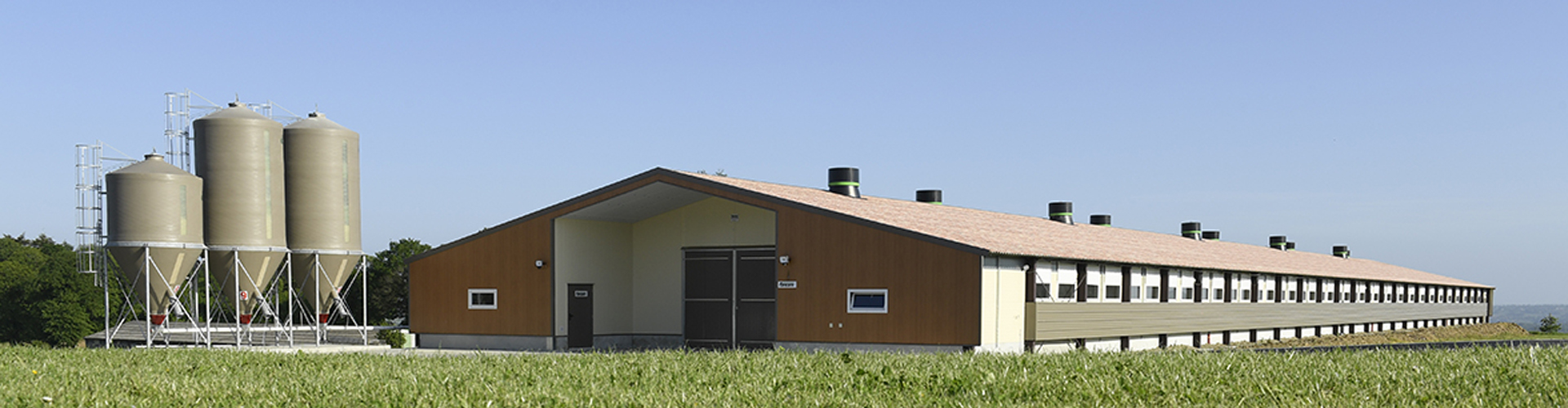
Why Feed Mill Cleaning Matters
Before discussing the cleaning process, it is important to understand the impact of feed mill hygiene on poultry production.
Data is for reference only.Swipe horizontally to view full table.
A clean feed mill contributes directly to healthier birds housed in poultry cages and supports consistent production results.
Relationship Between Feed Mills And Poultry Cage Systems
Modern poultry farms rely on integrated production systems where feed handling and housing equipment work together.
Data is for reference only.Swipe horizontally to view full table.
When feed quality is compromised, even the most advanced poultry cage systems cannot achieve optimal performance.
Step 1: Remove Feed Residues And Dust
The first step in feed mill cleaning involves removing all remaining feed particles, dust, and debris from equipment surfaces.
Feed residues often remain inside mixers, conveyors, elevators, and storage bins.
Over time, these residues become breeding grounds for mold, bacteria, and insects.
Recommended Cleaning Areas
Data is for reference only.Swipe horizontally to view full table.
Using industrial vacuums and compressed air systems helps remove accumulated dust effectively.
Step 2: Clean And Sanitize Equipment
After debris removal, equipment should be thoroughly cleaned and sanitized.
Cleaning eliminates visible dirt, while sanitizing reduces harmful microorganisms that may affect poultry health.
Common Sanitation Methods
Data is for reference only.Swipe horizontally to view full table.
Step 3: Inspect Feed Storage And Distribution Systems
Many contamination problems originate after feed leaves the mill.
Therefore, storage and distribution equipment should be inspected regularly.
Feed bins exposed to moisture create ideal conditions for mold development.
Damaged feeding lines can also allow pests and contaminants to enter the system.
Inspection Checklist
Data is for reference only.Swipe horizontally to view full table.
Step 4: Establish A Preventive Cleaning Schedule
The most successful poultry farms do not clean only when problems occur.
Instead, they implement preventive maintenance programs.
A structured cleaning schedule minimizes downtime and ensures compliance with biosecurity standards.
Sample Feed Mill Cleaning Schedule
Data is for reference only.Swipe horizontally to view full table.
Preventive cleaning supports continuous operation and reduces unexpected equipment failures.
How Clean Feed Mills Support Poultry Cage Production
Poultry cage manufacturers focus on creating efficient housing systems that maximize bird welfare and productivity.
However, cage performance depends heavily on feed quality.
Benefits Of Clean Feed Systems For Cage Farms
Data is for reference only.Swipe horizontally to view full table.
When feed quality remains consistent, poultry cages can achieve their intended production efficiency.
Best Practices For Integrated Poultry Farm Management
Feed mill cleaning should be part of a larger farm management strategy.
Recommended Management Areas
Data is for reference only.Swipe horizontally to view full table.
Modern poultry farms increasingly adopt automated cage systems that integrate feeding, drinking, egg collection, and manure removal.
These technologies perform best when supported by clean feed production practices.
Frequently Asked Questions
Q1: What is the optimal feed residue level in a clean feed mill?
Residual feed should be maintained below 0.5 kg per processing cycle to prevent microbial growth.
Studies show contamination risk increases by 22% when residue exceeds 1.8 kg.
Regular vacuum cleaning reduces bacterial load within 24 hours.
Q2: How often should sanitation chemicals be rotated?
Sanitation agents should be alternated every 30–45 days to prevent microbial resistance.
Common rotation includes chlorine, quaternary ammonium, and organic acids.
This reduces pathogen adaptation probability by approximately 35%.
Q3: What is the relationship between feed moisture and cage productivity?
Feed moisture above 13% increases fungal growth probability significantly.
Egg production may drop by 5–9% under prolonged high-moisture feed conditions.
Controlled drying improves nutrient retention and flock uniformity.
Taiyu (HK) Group - One Of China Largest Feed Mills Manufacturer
Feed mills equipment designed for poultry cage integration and feed safety optimization.
Global factory direct supply with advanced poultry equipment manufacturing capabilities and engineering support.
Turn key poultry farm projects covering cages, feeding systems, and automated cleaning solutions.
Strict quality control with European union standard reference only for export oriented production systems.
Large scale production base supporting customized poultry house equipment and installation services.
Contact Us To Received Your Customized Poultry Farm Plan
Headquarters And Branchs
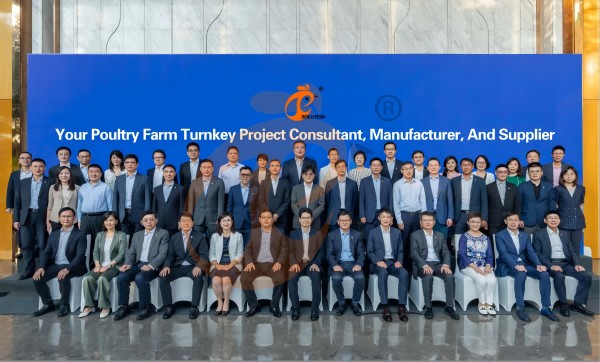
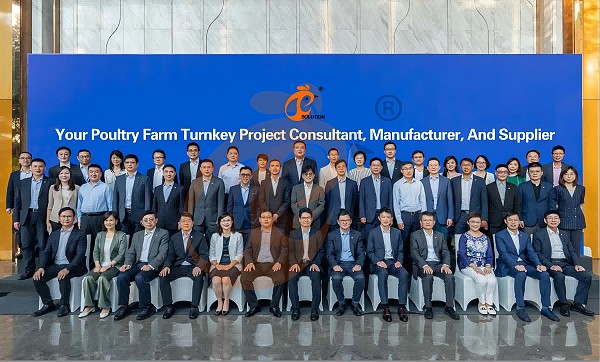
Hong Kong Headquarter Management Team
Hong Kong Headquarter Taiyu Industrial Group CO., LTD
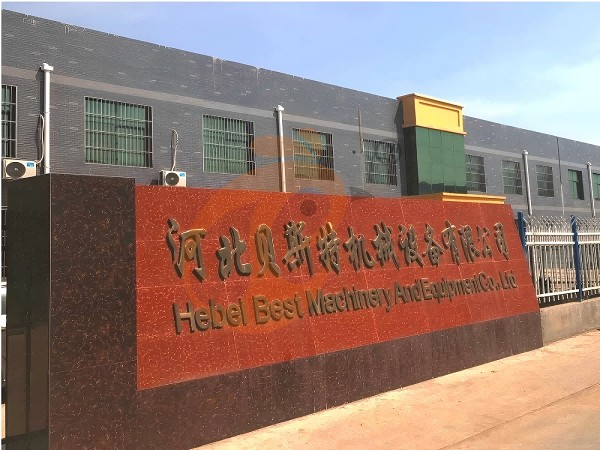
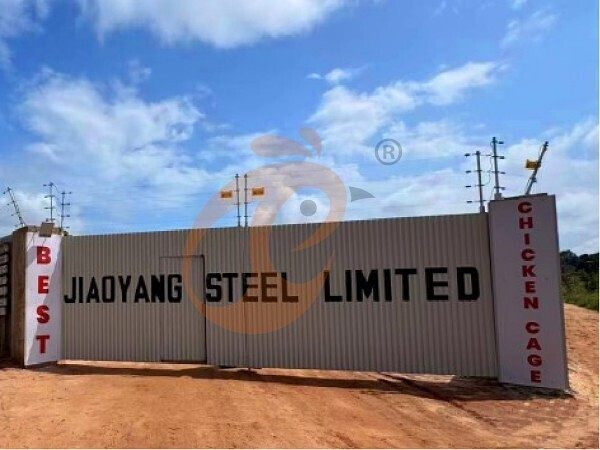
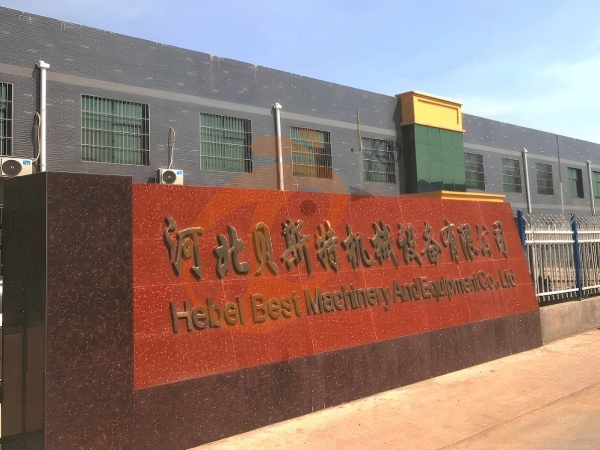
China Hebei Best Machinery And Equipment CO., LTD
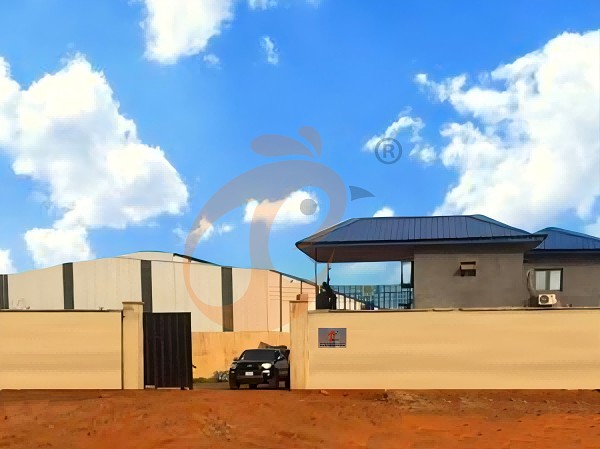
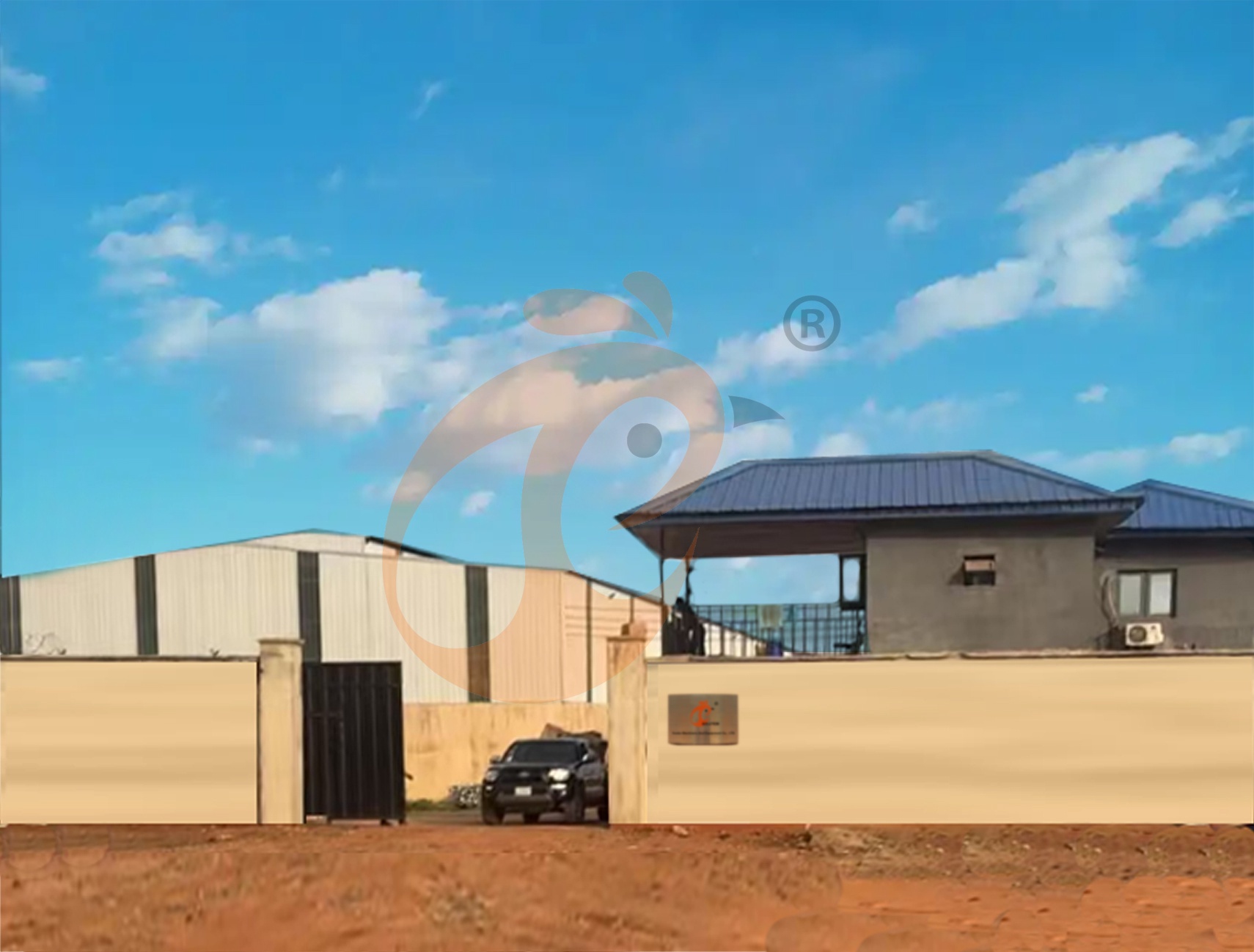
Nigeria Vanke Machinery And Equipment CO., LTD
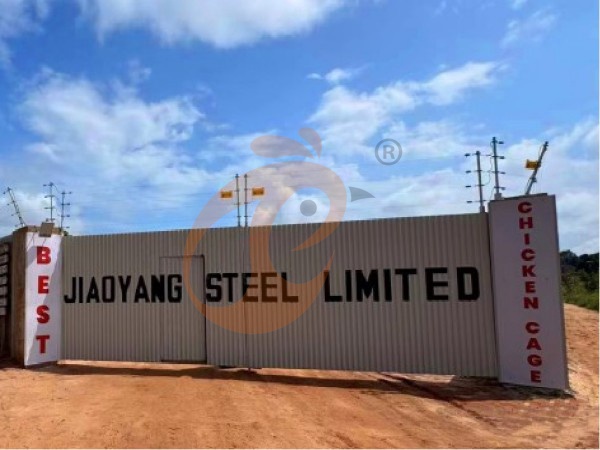
Tanzania Best Machinery And Equipment CO., LTD
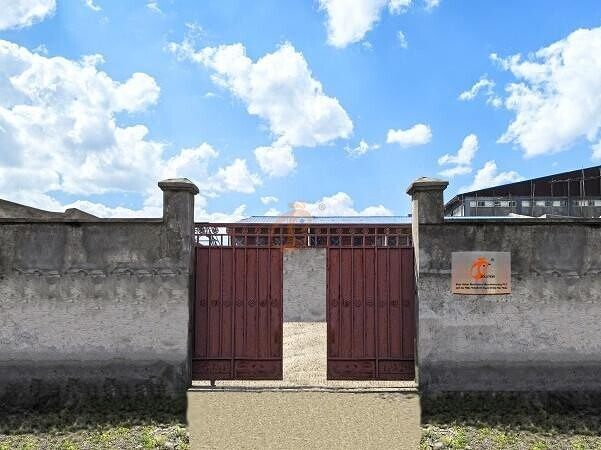
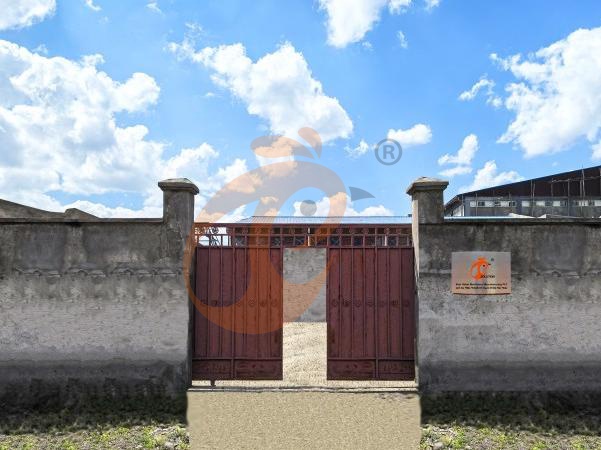
Ethiopia Best Hebei Machinery Manufacturing PLC
Reception /24 WhatsApp NO. : +8618830120193
FAQ
What Are The Main Equipment Components In Feed Mill And Feed Mixer Systems For Poultry Chicken Production?
Hammer mill units operate with rotor speeds of 2800–3600 rpm for efficient grain size reduction.
Twin-shaft mixers achieve batch capacities of 500–2000 kg per cycle for uniform poultry feed blending.
What Dust Control Requirements Are Needed In Feed Mill Operations For Poultry Chicken Farms?
Cyclone separators remove 85%–92% of airborne particles during grinding and conveying processes.
Negative pressure systems maintain airflow velocity between 0.8–1.2 m/s to prevent dust leakage.
What Temperature Parameters Are Used In Feed Mill Processing For Poultry Chicken Feed?
Conditioning temperature reaches 75–85°C to improve pellet durability and pathogen reduction.
Cooling stage reduces pellet temperature to within 5°C of ambient conditions for safe storage.
- poultry farm
- layer cages
- poultry farms
- broiler cage
- layer cage
- poultry house
- poultry cage
- cage
- poultry farm construction
- poultry farm management
- poultry cage manufacturer
- poultry cage system
- modern poultry cage
- poultry farm project
- poultry cage production
- poultry house equipment
- automatic feeding system
- poultry equipment
- poultry cages
- broiler cages
- chickencage
- bestchickencage
- cage system
- cage systems
- Nigeria
- modern poultry farms
- poultry farming
- poultry cage systems
- cage design
- cage manufacturer
- layer cage installation
- modern poultry farm
- poultry farm plan
- poultry cage manufacturers
- poultry feed
- feed bin
- Ethiopia
Message
Products recommended
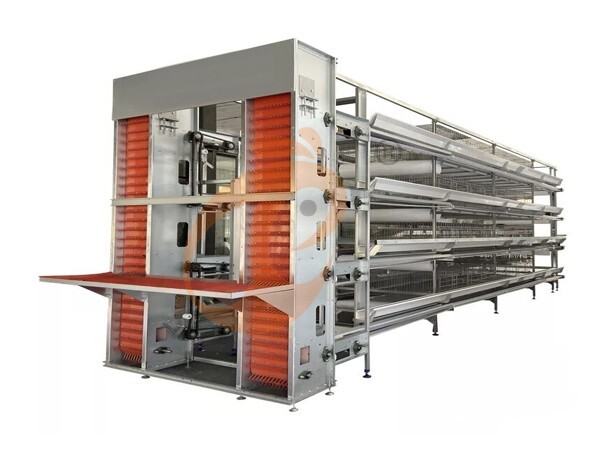
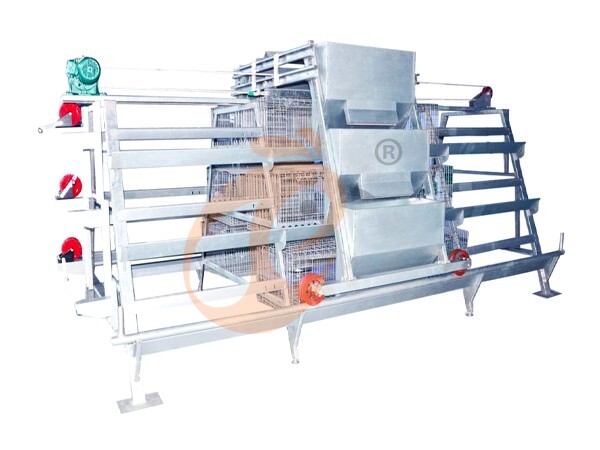
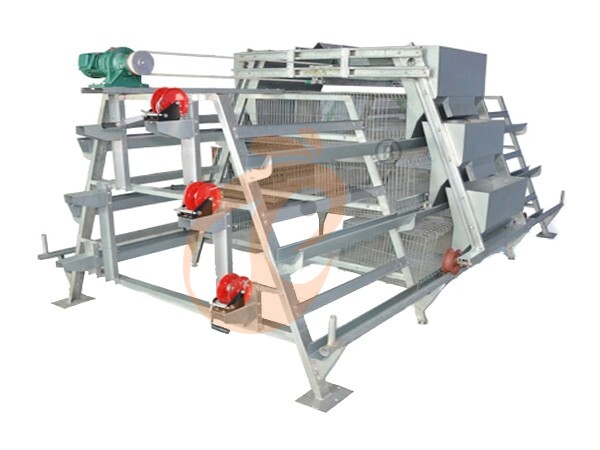
 >30,000 Pullets Automatic H Type Battery Cage1. More than 30,000 pullets a house, choose it.
2. It is designed to rearing older than 1 day old pullets to 12 to 16 weeks old chicken starting laying eggs.
3. Its lifespan is more than 25 years.
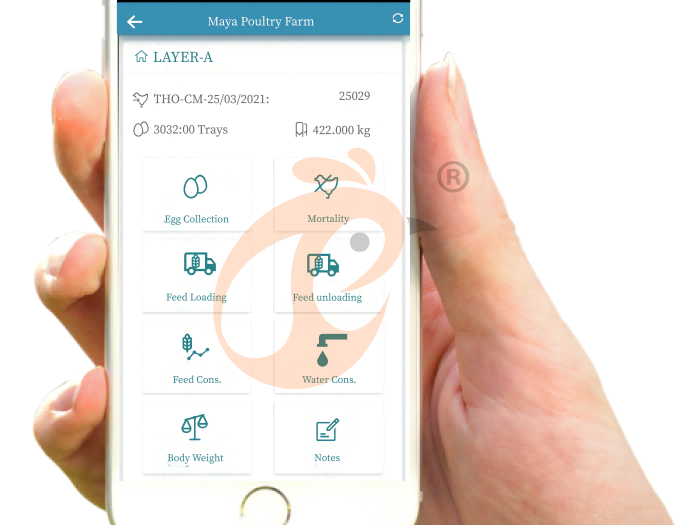
4. Its structure are Vcloud artificial intelligent fusion, electric control cabinet, automatic equipment of drinking, feeding, manure clean, manual harvesting.
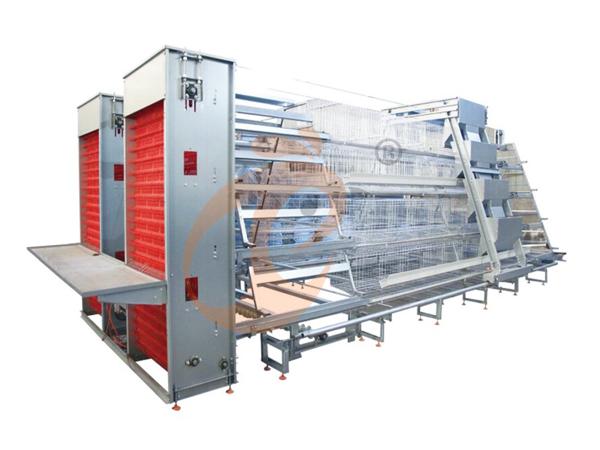
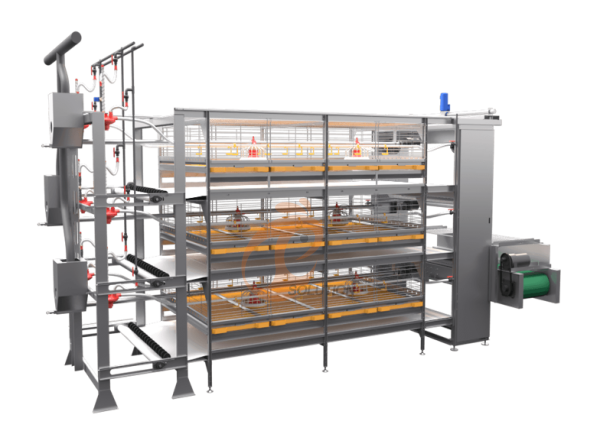
5. Our 24 hour online reception What’sApp NO. is +8618830120193 <30,000 Pullets Automatic A Type Battery Cage1. 10,000 to 30,000 pullets a house, choose it.
2. It is designed to rearing older than 1 day old pullets to 12 to 16 weeks old chicken starting laying eggs.
3. Its lifespan is more than 25 years.
4. Its structure are Vcloud artificial intelligent fusion, electric control cabinet, automatic equipment of drinking, feeding, manure clean, manual harvesting.
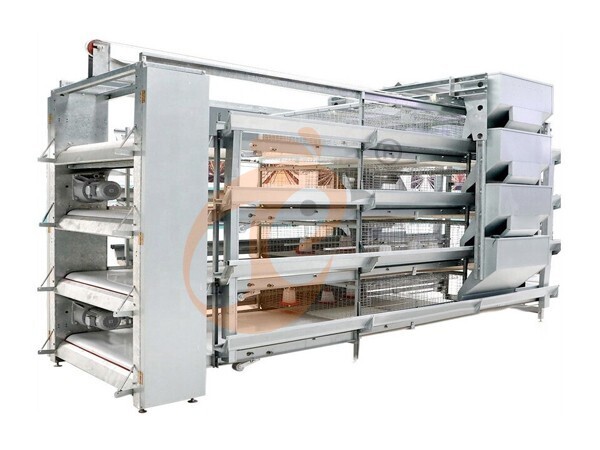
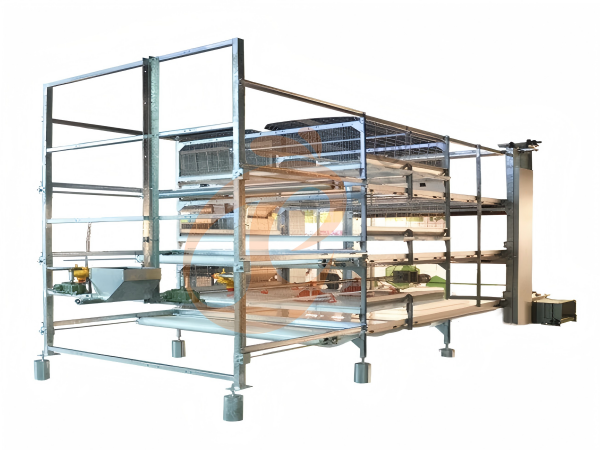
5. Our 24 hour online reception What’sApp NO. is +86 18830120193. >30,000 Broilers Semi-Automatic Harvest H Type Battery Cage1. More than 30,000 broilers a house, choose it.
2. It is designed to rearing 1 to 45 day old adult broiler ready for market.
3. Its lifespan is more than 20 years.
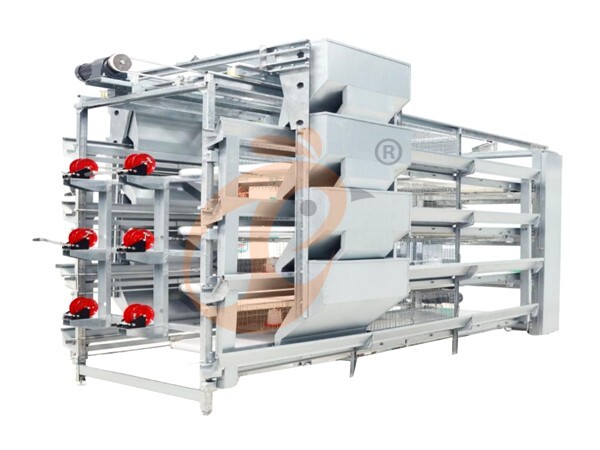
4. Our 24 hour online reception What’sApp NO. is +8618830120193, +234 8111199996. >30,000 Broilers Manual Harvest H Type Battery Cage1. More than 30,000 broilers a house, choose it.
2. It is designed to rearing 1 to 45 day old adult broiler ready for market.
3. Its lifespan is more than 20 years.
4. Its structure are Vcloud artificial intelligent fusion, electric control cabinet, automatic equipment of drinking, feeding and manure clean, manual harvesting.
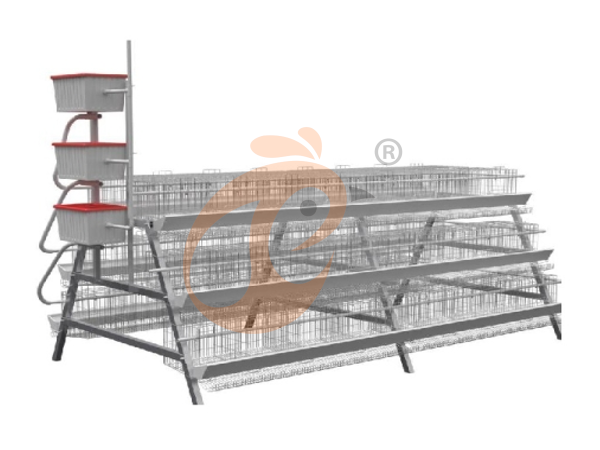
5. Our 24 hour online reception What’sApp NO. is +8618830120193, +234 8111199996. <30,000 Broilers Manual Harvest A Type Battery Cage1. Less 30,000 broilers a house, choose it.
2. It is designed to rearing 1 to 45 day old adult broiler ready for market.
3. Its lifespan is more than 20 years.
4. Its structure are Vcloud artificial intelligent fusion, electric control cabinet, automatic equipment of drinking, feeding and manure clean, manual harvesting.
5. Our 24 hour online reception What’sApp NO. is +8618830120193, +234 8111199996. HK Headquarter Offers EU-standard Poultry Farm Solutions, Manufacture Poultry Farm Equipment1. Continuous communication with the EU and the US
2. China, Nigeria, Ethiopia, Tanzania branch companies and factories
3. The products’ quality is customized for local poultry farms
4. Poultry cage and poultry farm equipment stock for sale
5. 24 online reception Whatsapp NO. : +8618830120193,contact us to get full information China Branch Offer Poultry Farm Business Plan, Manufacture Poultry Farm Equipment1. Address: Flat/RM 2416, 24/F, Runxing Building, Youyi Nan Street, Shijiazhuang City, Hebei Province, China
2. Poultry cage and poultry farm equipment factory and stock for sale
3. Customized for local poultry farms
4. Quality and design are based on Euro
5. 24 online reception Whatsapp NO. : +8618830120193 Nigeria Branch Offer Poultry Farm Business Plan, Manufacture Poultry Farm Equipment1. Address: After Sinoma Office, 200 Meters Near Danco Filling Station, Lagos/Ibadan Expressway, Lagos State, Nigeria
2. Poultry cage and poultry farm equipment factory and stock for sale
3. Customized for Nigerian poultry farms
4. Quality and design are based on Euro
5. 24 online reception Whatsapp NO. : +8618830120193 Ethiopia Branch Offer Poultry Farm Business Plan, Manufacture Poultry Farm Equipment1. Address: Gelan Gura, Akaki-kaliti Sub City, Addis Ababa, Ethiopia
2. Poultry cage and poultry farm equipment stock for sale
3. Customized for Ethiopian poultry farms
4. Quality and design are based on Euro
5. 24 online reception Whatsapp NO. : +8618830120193, contact us to get price list Tanzania Branch Offer Poultry Farm Business Plan, Manufacture Poultry Farm Equipment1. Address: No.8, Sova Road, Msufini, Mlandizi, Kibaha, Pwani, Tanzania
2. Poultry cage and poultry farm equipment factory and stock for sale
3. Customized for Tanzanian poultry farms
4. Quality and design are based on Euro
5. 24 online reception Whatsapp NO. : +8618830120193


Contact