


Blog
Pellet machine safety systems ensure stable poultry feed production environments across industrial farms, supporting continuous automation stability.
Chicken cage production systems depend on coordinated feed delivery, mechanical reliability, and structured environmental control across multiple tiers.
Industrial pellet machines operate under compressive force, thermal conditioning, and particulate airflow conditions requiring controlled engineering management.
Operational risks include torque fluctuation, dust accumulation density, and electrical load instability affecting production continuity.
Integrated poultry automation improves feed uniformity across cage systems through synchronized mechanical and digital control networks.
Get professional poultry farm construction guidance, equipment selection solutions, and the latest price lists, whatsApp to +8618830120193, click to learn more:
Mechanical Load And Operational Stress Analysis
Pellet machines operate under continuous compressive force between rollers and die surfaces in industrial poultry systems.
Chicken cage production efficiency depends on stable torque distribution and consistent feed compression behavior across mechanical cycles.
The keyword pellet machine safety for poultry farms is widely used in industrial engineering documentation for system optimization and risk reduction design.
Data is for reference only.Swipe horizontally to view full table.
Mechanical imbalance directly affects feed density consistency across cage feeding pipelines.
Feed distribution uniformity determines production stability in multi-tier poultry systems.
Machine Guarding And Physical Isolation Design
Physical isolation systems reduce operator exposure to rotating shafts and high-pressure pellet formation zones.
Chicken cage production layouts require coordinated separation between feed processing areas and livestock housing corridors.
The term Industrial pellet machine safety standards is commonly referenced in compliance engineering documentation.
Data is for reference only.Swipe horizontally to view full table.
Guarding systems must be aligned with conveyor feed routing used in cage production integration networks.
Structural mismatch increases downtime frequency in automated poultry environments.
Dust Concentration And Explosion Risk Control
Fine particulate accumulation increases ignition probability in enclosed feed processing systems.
Chicken cage systems amplify airflow complexity due to vertical density housing configurations.
The concept feed pellet machine explosion prevention system is widely applied in industrial safety assessment frameworks.
Data is for reference only.Swipe horizontally to view full table.
Dust dispersion also impacts respiratory stability in cage-housed poultry environments.
Ventilation design determines both machine safety and livestock health conditions.
Standard Operating Procedure Timing And Cycle Control
Operational timing synchronization ensures stable pellet output feeding into cage distribution pipelines.
Chicken cage production systems require precise cycle alignment across feeding and mechanical control stages.
The term automated pellet machine safety protocol system is used in industrial automation control planning.
Data is for reference only.Swipe horizontally to view full table.
Timing deviation disrupts feed synchronization across automated cage feeding systems.
Stable cycle regulation improves long-term production efficiency in poultry operations.
Feed Distribution Integration With Cage Systems
Pellet production systems are integrated with conveyors, silos, and automated feeders in modern poultry farms.
Chicken cage production depends on synchronized feed transfer across multiple mechanical distribution stages.
The keyword smart pellet machine safety integration system is widely used in automation engineering design documentation.
Data is for reference only.Swipe horizontally to view full table.
System mismatch leads to uneven feed allocation across cage rows and tiers.
Stable integration improves production uniformity in poultry housing networks.
Maintenance Scheduling And Component Lifecycle
Preventive maintenance reduces failure probability in continuous poultry production environments.
Chicken cage systems require aligned downtime coordination with feed processing equipment servicing.
The concept preventive pellet machine safety maintenance program is widely adopted in industrial engineering systems.
Data is for reference only.Swipe horizontally to view full table.
Maintenance synchronization ensures stable feed continuity across cage production systems.
Component wear control improves long-term mechanical reliability.
Worker Training And Operational Competency Metrics
Operator competency determines stability in pellet machine and cage system integration environments.
Chicken cage production systems require standardized operational certification and skill validation frameworks.
The term pellet machine safety training certification program is widely referenced in industrial workforce management systems.
Data is for reference only.Swipe horizontally to view full table.
Standardized training improves operational consistency across poultry production shifts.
Skill accuracy directly impacts overall system safety stability.
Emergency Response And System Isolation Protocols
Emergency isolation systems protect pellet machines and cage feeding networks from cascading system failure.
Chicken cage production environments require segmented shutdown architecture to maintain operational stability.
The phrase rapid pellet machine safety shutdown system is widely applied in industrial automation safety design.
Data is for reference only.Swipe horizontally to view full table.
Fast response reduces secondary system damage in integrated poultry operations.
Segmentation ensures continuity in cage feeding pipelines during emergencies.
Environmental Control In Cage-Integrated Feed Plants
Environmental parameters influence pellet formation stability and poultry housing conditions.
Chicken cage production systems require controlled temperature and airflow regulation across facility zones.
The term controlled environment pellet machine safety system is commonly used in engineering design standards.
Data is for reference only.Swipe horizontally to view full table.
Environmental instability affects pellet formation quality and cage production efficiency.
Stable conditions improve poultry performance consistency across housing systems.
Digital Monitoring And Predictive Control Systems
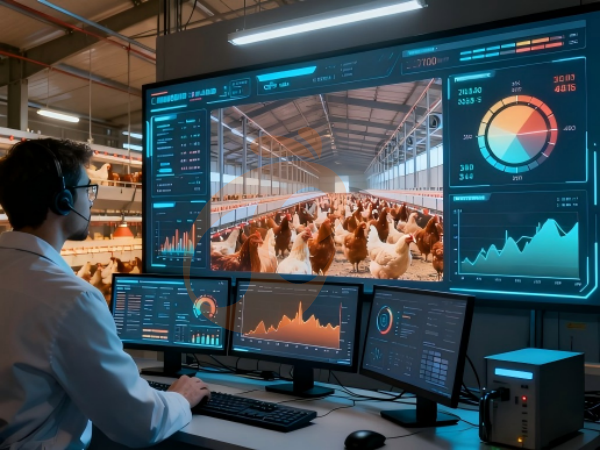
Digital monitoring enables real-time coordination between pellet machines and cage feeding automation.
Chicken cage production systems benefit from predictive analytics and continuous equipment diagnostics.
The concept intelligent pellet machine safety monitoring platform is widely implemented in smart poultry farms.
Data is for reference only.Swipe horizontally to view full table.
Predictive control reduces unexpected downtime in feed production systems.
Stable monitoring improves synchronization across cage feeding networks.
Frequently Asked Questions
Q1: What causes instability in pellet machine operation in poultry farms?
Mechanical torque fluctuation and dust accumulation are primary instability factors.
When torque exceeds 1850 N·m or dust density rises beyond 12.4 mg/m³, feed consistency may decrease and cage distribution imbalance may occur across poultry systems.
Q2: How does maintenance improve chicken cage production stability?
Regular maintenance such as 2600-hour bearing replacement and 120-hour lubrication cycles ensures mechanical continuity.
This prevents feed interruption and maintains stable distribution across multi-tier cage production environments.
Q3: Why is environmental regulation important for pellet machine safety?
Stable environmental conditions such as 24.5 °C temperature midpoint and 52 % humidity reduce feed deformation risks.
Uncontrolled ammonia levels above 18 ppm may reduce both machine efficiency and poultry health stability.
Taiyu (HK) Group - One Of China Biggest Pellet Machine Manufacturer
Pellet machine safety for poultry farms advanced engineering solution for automated feed production systems.
Global factory direct supply of poultry equipment and integrated cage production machinery.
Turn-key project engineering for modern poultry farms and feed processing plants.
Smart automation systems supporting pellet machines and cage feeding synchronization.
Export-oriented manufacturing with standardized industrial safety compliance frameworks.
Contact Us To Received Your Customized Poultry Farm Plan
Headquarters And Branchs
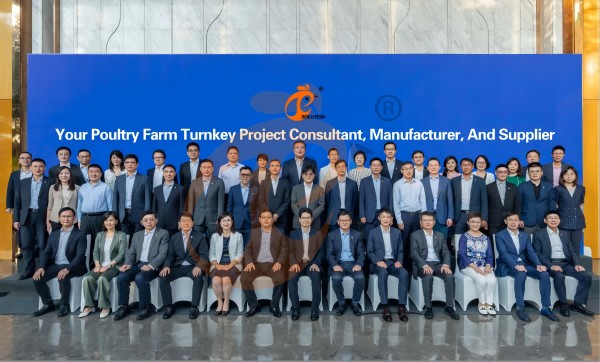
Hong Kong Headquarter Management Team
Hong Kong Headquarter Taiyu Industrial Group CO., LTD
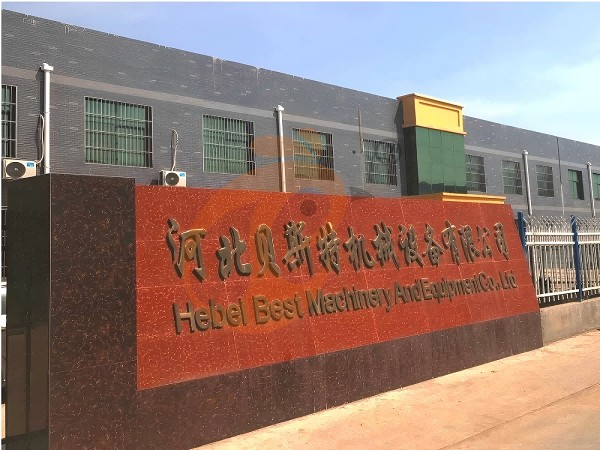
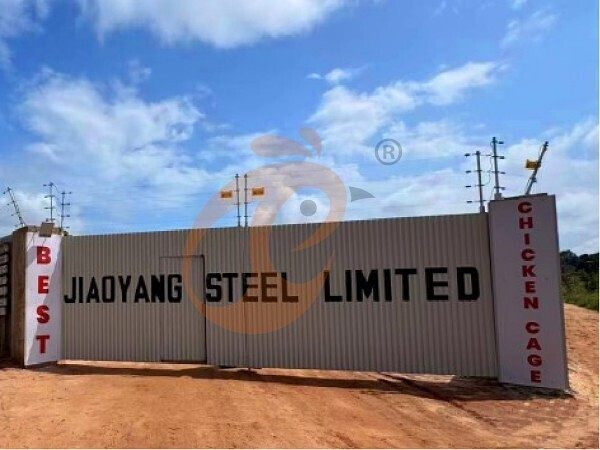
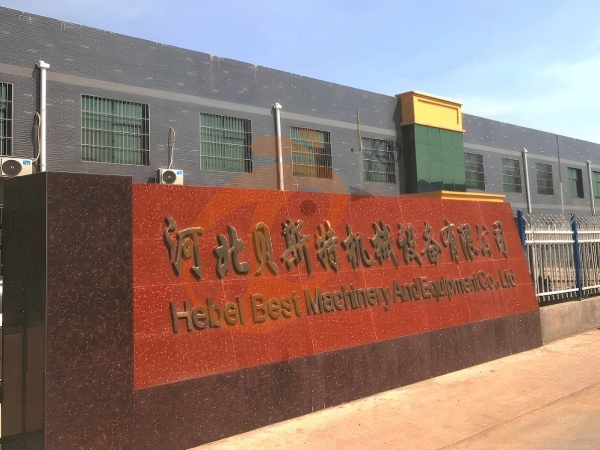
China Hebei Best Machinery And Equipment CO., LTD
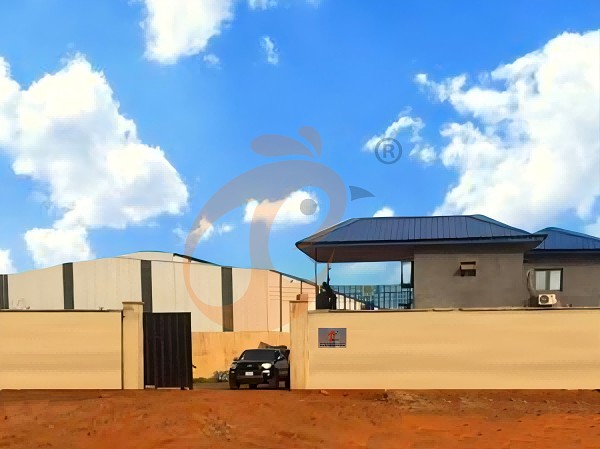
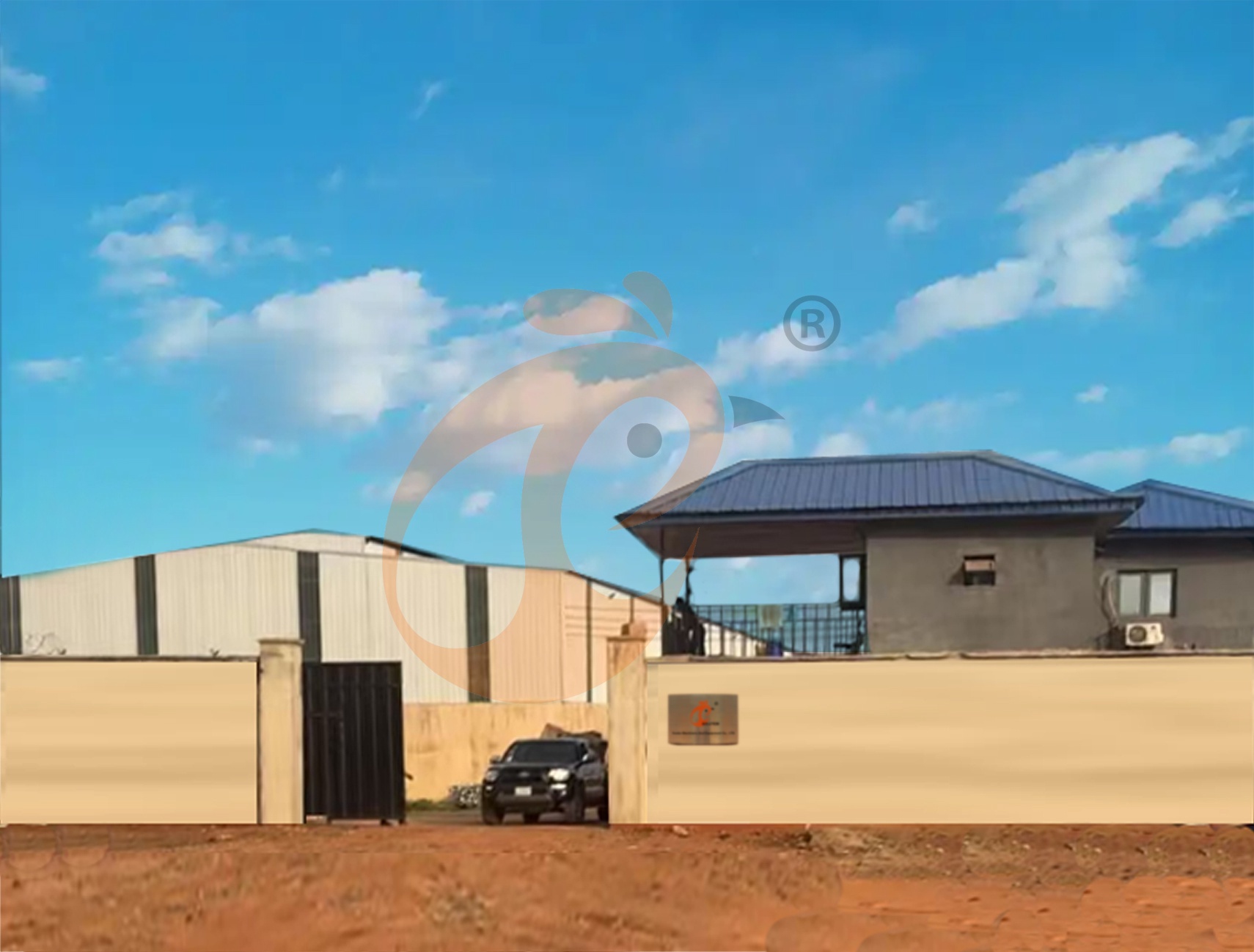
Nigeria Vanke Machinery And Equipment CO., LTD
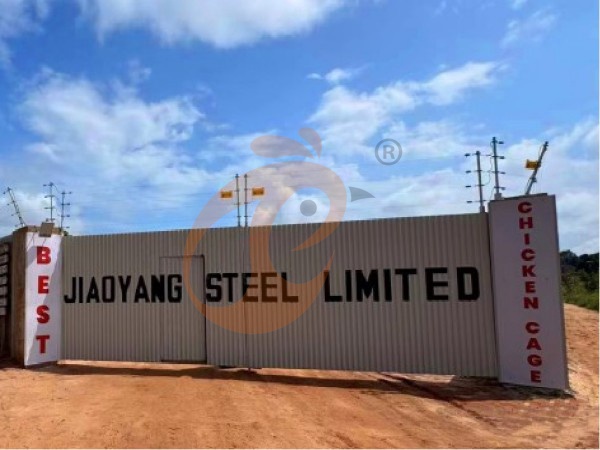
Tanzania Best Machinery And Equipment CO., LTD
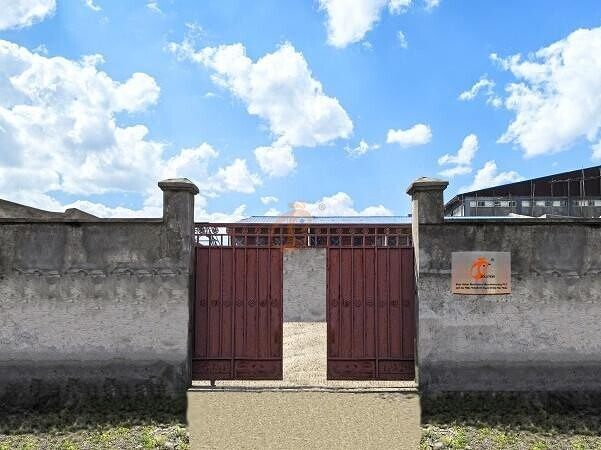
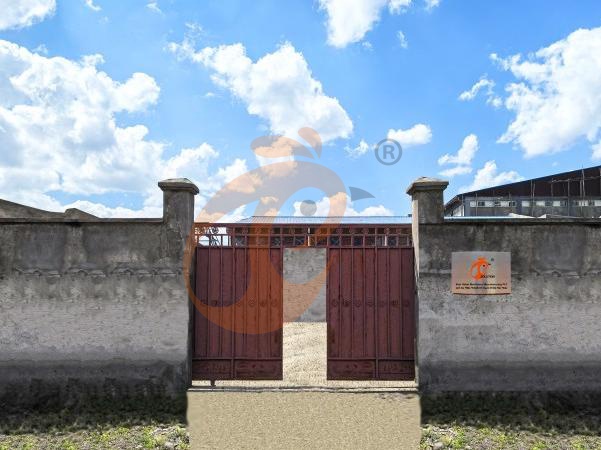
Ethiopia Best Hebei Machinery Manufacturing PLC
Reception /24 WhatsApp NO. : +8618830120193
FAQ
What Feeding System Standards Are Required For Pellet Machine In Poultry Chicken Feed Production Lines?
Feeder capacity is designed at 1.2–2.5 tons per hour depending on raw material density.
Flow consistency deviation is maintained within ±2% for uniform pellet quality output.
What Maintenance And Wear Part Replacement Standards Apply To Pellet Machine?
Bearing replacement intervals typically occur every 12–18 months under continuous operation.
Gearbox oil change frequency is maintained at 1000–1500 operating hours for system reliability.
What Safety Protection Systems Are Integrated In Pellet Machine For Poultry Chicken Feed Production?
Emergency stop response time is maintained within 0.5–1.0 seconds for operational safety.
Vibration monitoring limits are set at 4.5–6.0 mm/s to prevent mechanical failure.
- poultry farm
- chicken cage
- poultry farms
- pellet machine
- cage
- poultry farm construction
- chicken cage system
- poultry equipment
- chickencage
- bestchickencage
- cage system
- cage systems
- h cage
- Nigeria
- smart poultry farm
- modern poultry farms
- industrial pellet machine
- modern poultry farm
- poultry farm plan
- poultry feed
- poultry feed production
- Ethiopia
Message
Products recommended
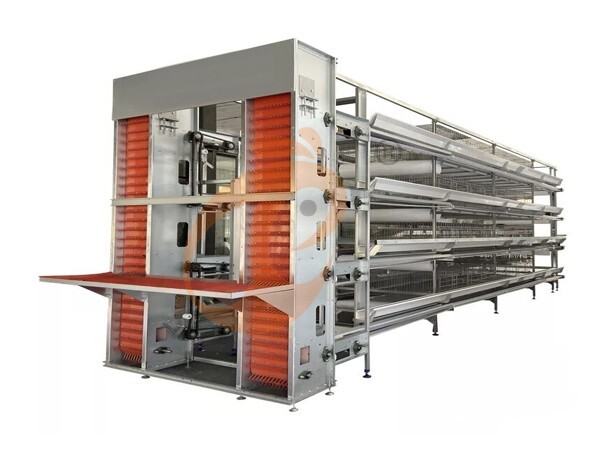
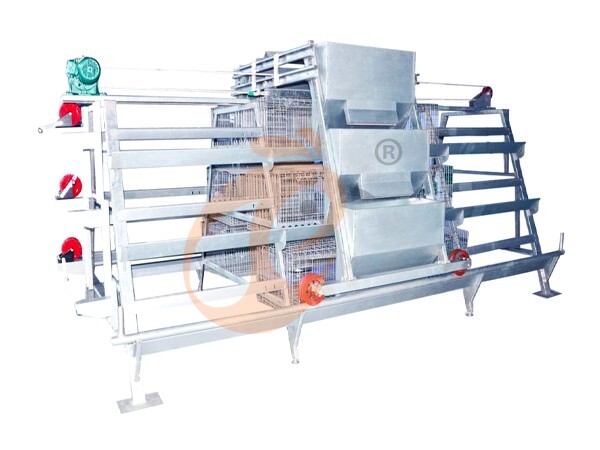
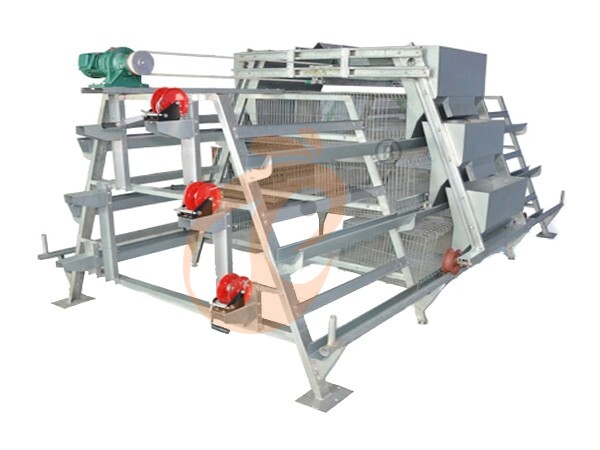
 >30,000 Pullets Automatic H Type Battery Cage1. More than 30,000 pullets a house, choose it.
2. It is designed to rearing older than 1 day old pullets to 12 to 16 weeks old chicken starting laying eggs.
3. Its lifespan is more than 25 years.
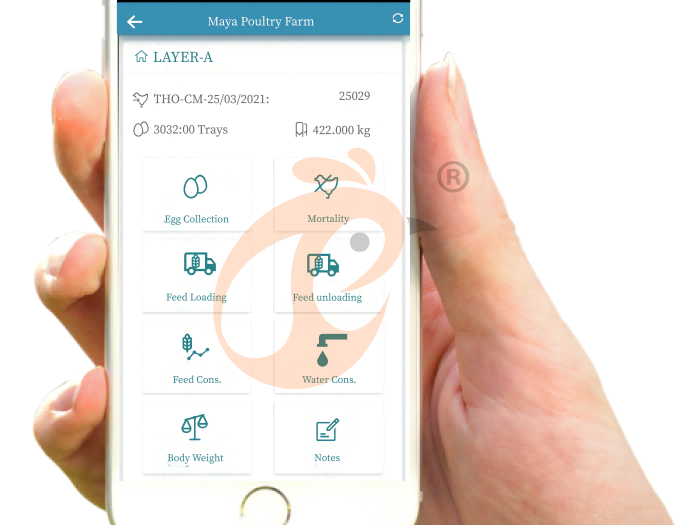
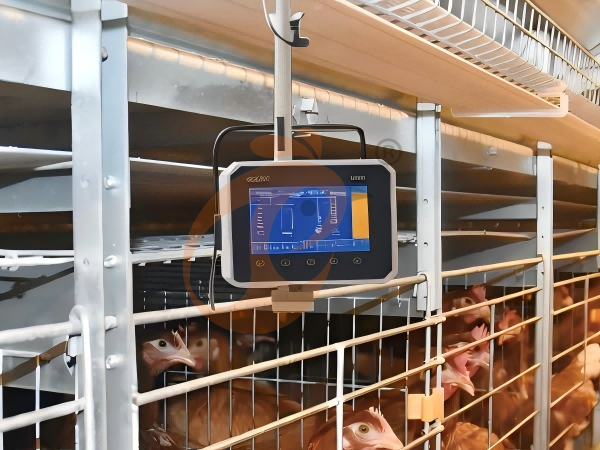
4. Its structure are Vcloud artificial intelligent fusion, electric control cabinet, automatic equipment of drinking, feeding, manure clean, manual harvesting.
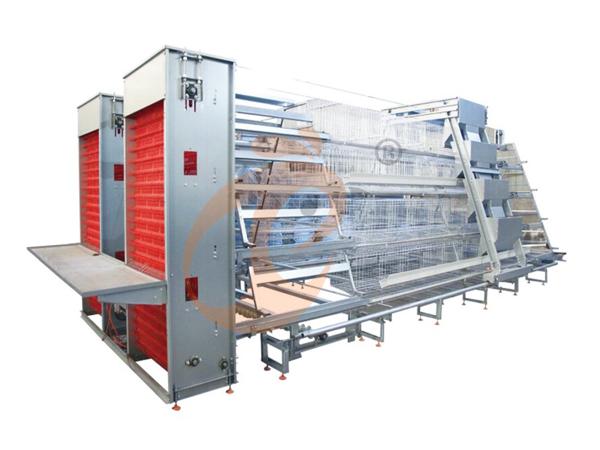
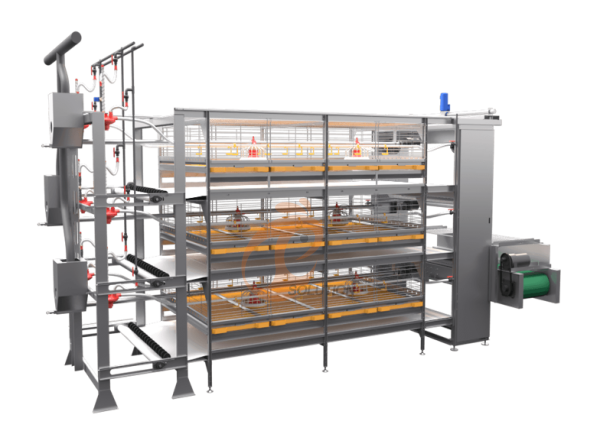
5. Our 24 hour online reception What’sApp NO. is +8618830120193 <30,000 Pullets Automatic A Type Battery Cage1. 10,000 to 30,000 pullets a house, choose it.
2. It is designed to rearing older than 1 day old pullets to 12 to 16 weeks old chicken starting laying eggs.
3. Its lifespan is more than 25 years.
4. Its structure are Vcloud artificial intelligent fusion, electric control cabinet, automatic equipment of drinking, feeding, manure clean, manual harvesting.
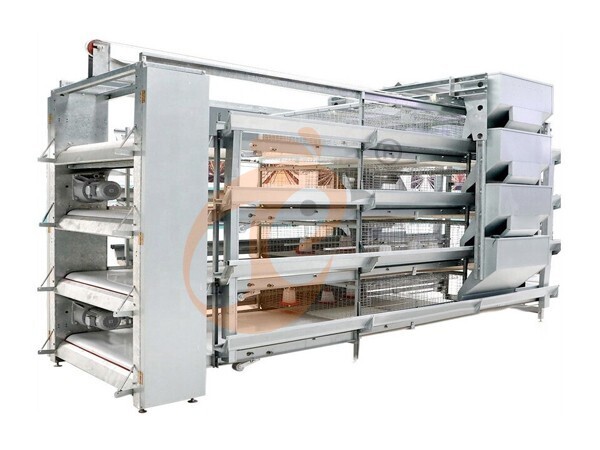
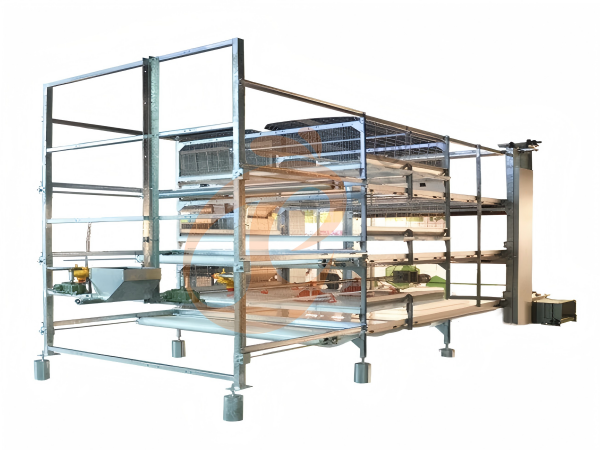
5. Our 24 hour online reception What’sApp NO. is +86 18830120193. >30,000 Broilers Semi-Automatic Harvest H Type Battery Cage1. More than 30,000 broilers a house, choose it.
2. It is designed to rearing 1 to 45 day old adult broiler ready for market.
3. Its lifespan is more than 20 years.
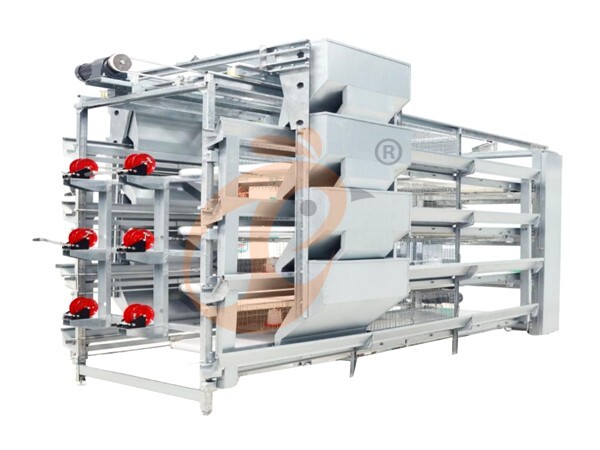
4. Our 24 hour online reception What’sApp NO. is +8618830120193, +234 8111199996. >30,000 Broilers Manual Harvest H Type Battery Cage1. More than 30,000 broilers a house, choose it.
2. It is designed to rearing 1 to 45 day old adult broiler ready for market.
3. Its lifespan is more than 20 years.
4. Its structure are Vcloud artificial intelligent fusion, electric control cabinet, automatic equipment of drinking, feeding and manure clean, manual harvesting.
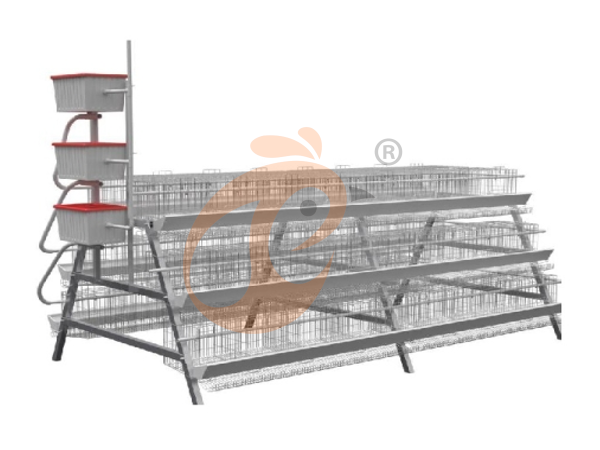
5. Our 24 hour online reception What’sApp NO. is +8618830120193, +234 8111199996. <30,000 Broilers Manual Harvest A Type Battery Cage1. Less 30,000 broilers a house, choose it.
2. It is designed to rearing 1 to 45 day old adult broiler ready for market.
3. Its lifespan is more than 20 years.
4. Its structure are Vcloud artificial intelligent fusion, electric control cabinet, automatic equipment of drinking, feeding and manure clean, manual harvesting.
5. Our 24 hour online reception What’sApp NO. is +8618830120193, +234 8111199996. HK Headquarter Offers EU-standard Poultry Farm Solutions, Manufacture Poultry Farm Equipment1. Continuous communication with the EU and the US
2. China, Nigeria, Ethiopia, Tanzania branch companies and factories
3. The products’ quality is customized for local poultry farms
4. Poultry cage and poultry farm equipment stock for sale
5. 24 online reception Whatsapp NO. : +8618830120193,contact us to get full information China Branch Offer Poultry Farm Business Plan, Manufacture Poultry Farm Equipment1. Address: Flat/RM 2416, 24/F, Runxing Building, Youyi Nan Street, Shijiazhuang City, Hebei Province, China
2. Poultry cage and poultry farm equipment factory and stock for sale
3. Customized for local poultry farms
4. Quality and design are based on Euro
5. 24 online reception Whatsapp NO. : +8618830120193 Nigeria Branch Offer Poultry Farm Business Plan, Manufacture Poultry Farm Equipment1. Address: After Sinoma Office, 200 Meters Near Danco Filling Station, Lagos/Ibadan Expressway, Lagos State, Nigeria
2. Poultry cage and poultry farm equipment factory and stock for sale
3. Customized for Nigerian poultry farms
4. Quality and design are based on Euro
5. 24 online reception Whatsapp NO. : +8618830120193 Ethiopia Branch Offer Poultry Farm Business Plan, Manufacture Poultry Farm Equipment1. Address: Gelan Gura, Akaki-kaliti Sub City, Addis Ababa, Ethiopia
2. Poultry cage and poultry farm equipment stock for sale
3. Customized for Ethiopian poultry farms
4. Quality and design are based on Euro
5. 24 online reception Whatsapp NO. : +8618830120193, contact us to get price list Tanzania Branch Offer Poultry Farm Business Plan, Manufacture Poultry Farm Equipment1. Address: No.8, Sova Road, Msufini, Mlandizi, Kibaha, Pwani, Tanzania
2. Poultry cage and poultry farm equipment factory and stock for sale
3. Customized for Tanzanian poultry farms
4. Quality and design are based on Euro
5. 24 online reception Whatsapp NO. : +8618830120193


Contact