


Blog
Pralson feeders feed volume adjustment defines production stability across automated material handling systems in industrial environments.
Calibration accuracy influences throughput consistency, mechanical efficiency, and long-term equipment reliability.
Operational settings connect motor control behavior with material flow dynamics under variable density conditions.
Structured adjustment procedures reduce output deviation across continuous manufacturing cycles in processing facilities.
Pralson feeder calibration guide principles support repeatable performance optimization across multi-material feeding systems.
Get professional poultry farm construction guidance, equipment selection solutions, and the latest price lists, whatsApp to +8618830120193, click to learn more:
System Overview And Configuration Baseline
Data is for reference only.Swipe horizontally to view full table.
This baseline defines structural limits within which feed volume adjustments operate.
Feed system architecture determines stability range under continuous duty cycles in production environments.
Industrial feed volume control system configuration ensures synchronized mechanical and electrical response behavior.
European union standard reference only applies to control voltage calibration consistency in regulated industrial deployments.
Calibration Sequence Metrics
Data is for reference only.Swipe horizontally to view full table.
Calibration ensures mechanical movement aligns precisely with digital instruction sets before feed volume tuning begins.
Encoder feedback defines positional accuracy across repetitive motion cycles in automated feeding systems.
Pralson feeders feed volume adjustment precision depends on stable pulse-to-displacement conversion stability.
Material Physical Behavior Profile
Data is for reference only.Swipe horizontally to view full table.
Material characteristics determine internal friction behavior during gravity-assisted flow.
Particle geometry influences hopper discharge consistency under vibration-assisted feeding conditions.
Feed volume stability in pralson feeders depends heavily on compressibility index variation.
Motor Drive Control Parameters
Data is for reference only.Swipe horizontally to view full table.
Motor synchronization defines discharge rhythm under variable load conditions.
Torque response curve affects screw stability during continuous feeding operations.
Industrial feed volume control system performance depends on frequency stability consistency.
Vibration Stabilization Metrics
Data is for reference only.Swipe horizontally to view full table.
Vibration alignment prevents bridging formation inside hopper chambers.
Waveform stability directly influences material continuity during discharge cycles.
Pralson feeders feed volume adjustment requires phase synchronization across vibration modules.
Throughput Output Performance Dataset
Data is for reference only.Swipe horizontally to view full table.
Throughput efficiency reflects synchronization between mechanical feed and motor response.
Batch stability indicates system consistency under repetitive production cycles.
European union standard reference only applies to throughput measurement validation protocols.
Maintenance Condition Index
Data is for reference only.Swipe horizontally to view full table.
Mechanical degradation directly impacts long-term feed volume stability.
Wear progression affects screw efficiency during continuous material transport cycles.
Industrial feed volume control system maintenance scheduling improves operational lifespan consistency.
Step By Step Adjustment Workflow
Feed volume adjustment follows a structured operational sequence.
System baseline verification ensures structural readiness before calibration initiation.
Mechanical alignment supports accurate transition into digital control execution layers.
Material behavior profiling enables parameter adaptation across density variations.
Motor synchronization stabilizes rotational consistency under variable load conditions.
Vibration activation enhances discharge flow uniformity inside hopper systems.
Output validation confirms throughput stability under continuous operation cycles.
Maintenance tracking preserves long-term performance integrity across repeated usage cycles.
Pralson feeders feed volume adjustment workflow ensures repeatable industrial precision control.
Five Practical Optimization Tips
Tip 1
Emphasizes mechanical calibration alignment prior to electrical parameter tuning.
Tip 2
Integrates material compressibility index variations into feed volume logic adjustment.
Tip 3
synchronizes motor torque curves with screw geometry constraints for stability.
Tip 4
Applies vibration phase control to eliminate intermittent material arch formation.
Tip 5
Evaluates efficiency ratio drift within Industrial Feed Volume Control System monitoring cycles.
Frequently Asked Questions
Q1: How often should pralson feeders feed volume adjustment be calibrated?
Calibration frequency depends on operating load intensity and material variability.
In continuous production environments running above 210 kg/h mass flow, recalibration every 180 hours is recommended.
Encoder systems typically drift around 0.2–0.5 mm gate displacement after extended cycles.
Regular calibration maintains output stability within ±2% variance and protects screw torque balance near 7.2 Nm.
This ensures long-term consistency in Industrial Feed Volume Control System performance under real operating conditions.
Q2: What is the ideal motor setting for stable feed volume output?
Stable output is achieved when rotational speed is maintained between 1050–1250 rpm with frequency around 35–42 Hz.
At this range, current consumption remains near 3.1–3.8 A and torque stays within 7.2–9.4 Nm.
These parameters reduce vibration instability and improve batch consistency around 10–12 kg per cycle.
Exceeding 1450 rpm may increase wear rate by 18 µm on bearing surfaces over time.
Balanced motor tuning ensures smooth pralson feeders feed volume adjustment performance.
Q3: How does material density affect feed volume accuracy?
Material density directly changes hopper resistance and screw discharge efficiency.
At 620–780 kg/m³, flow remains stable with minimal vibration demand.
Above 920 kg/m³, compressibility index increases to around 22–26, causing uneven discharge patterns.
This requires vibration amplitude adjustment between 2.3–3.4 mm/s to maintain uniform flow.
Without correction, output deviation may exceed 3.8 L/min in Industrial feed volume control system operations.
Taiyu (HK) Group - One Of China Biggest Pralson Feeders Exporter
Pralson feeders feed volume adjustment equipment provides precision control for industrial material handling systems.
Global factory direct supply ensures competitive pricing and stable production consistency for bulk procurement.
Poultry equipment integration supports automated feeding system expansion across agricultural applications.
Turn-key engineering solutions deliver complete installation and commissioning services for industrial production lines.
Advanced manufacturing capacity ensures scalable output for international distribution networks.
Contact Us To Received Your Customized Poultry Farm Plan
Headquarters And Branchs

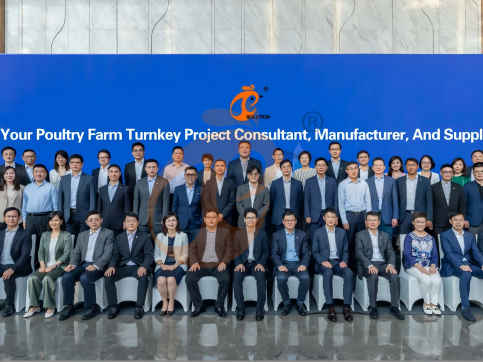
Hong Kong Headquarter Management Team
Hong Kong Headquarter Taiyu Industrial Group CO., LTD
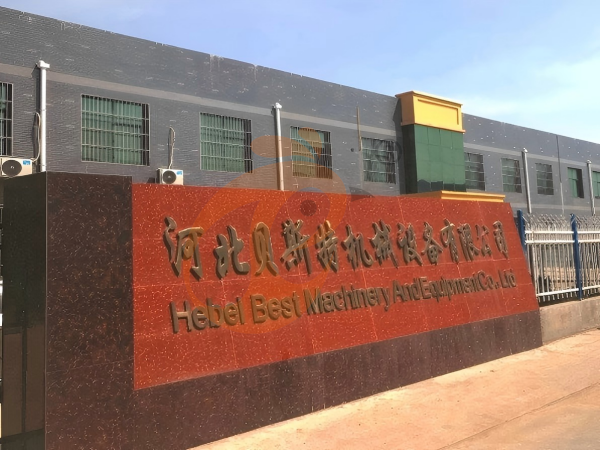
China Hebei Best Machinery And Equipment CO., LTD
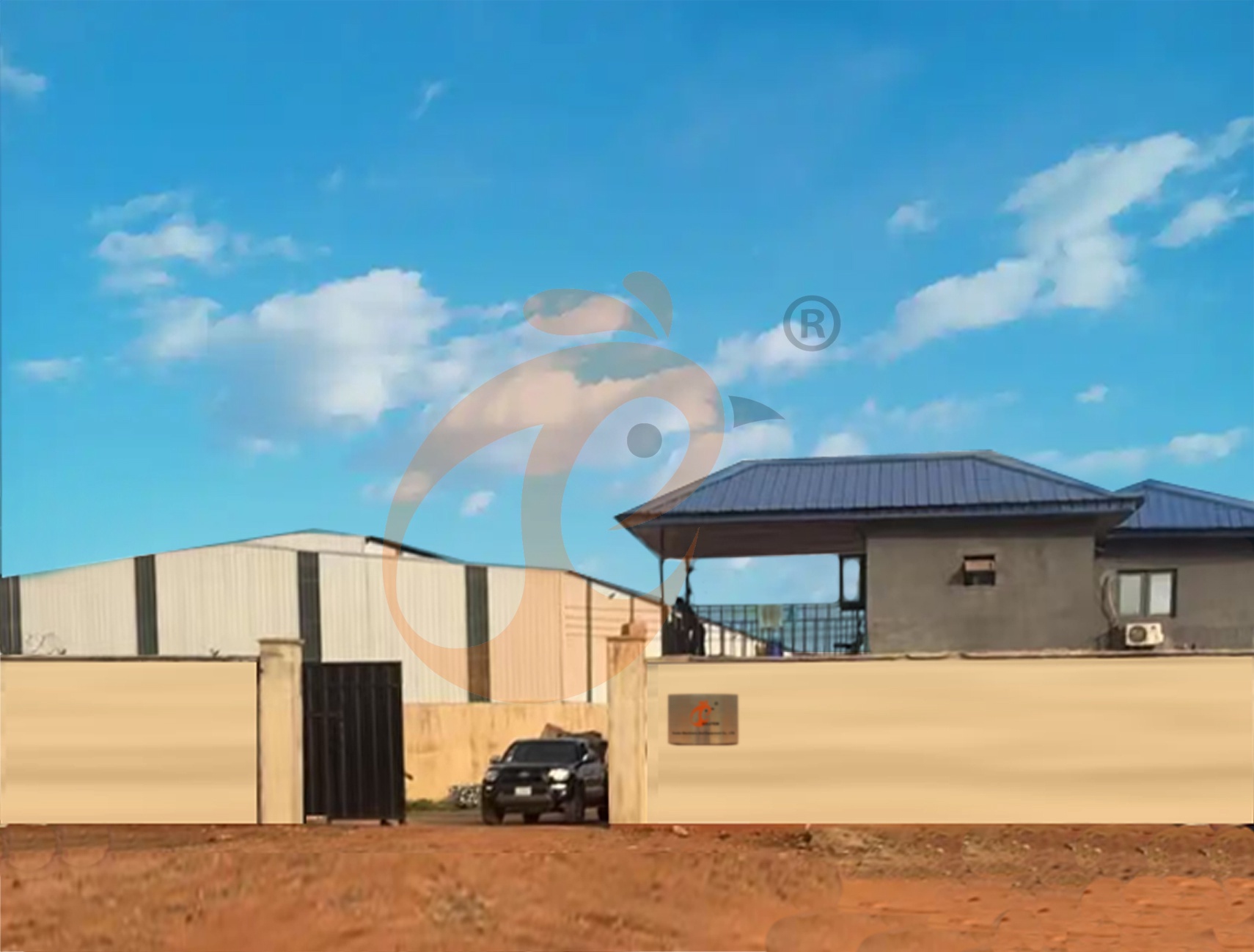
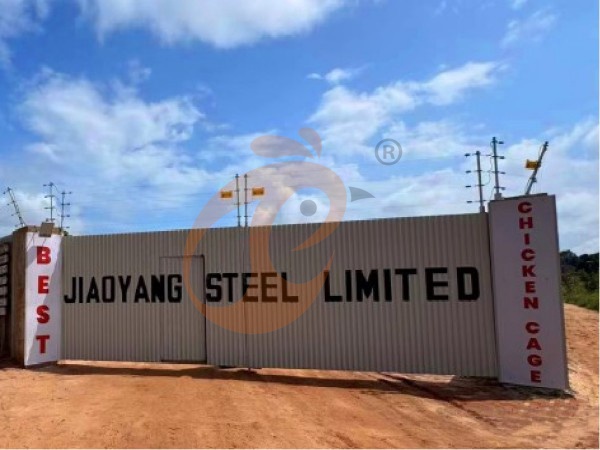
Nigeria Vanke Machinery And Equipment CO., LTD
Tanzania Best Machinery And Equipment CO., LTD
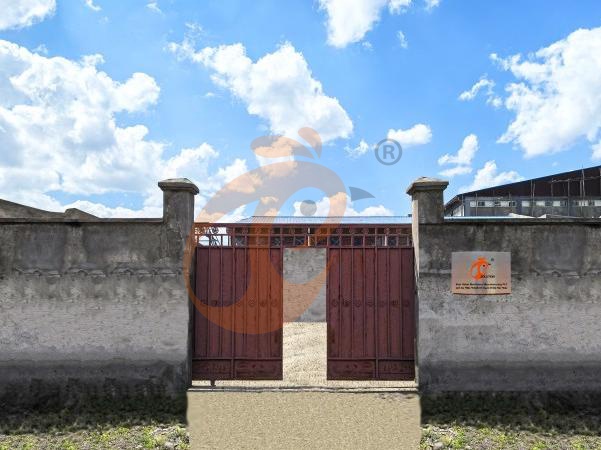
Ethiopia Best Hebei Machinery Manufacturing PLC




Reception /24 WhatsApp NO. : +8618830120193
FAQ
What Are The Water Filtration Requirements For Plasson Poultry Equipment?
Suspended solid concentration is controlled below 40 mg per liter for system stability.
Backwash flow rate reaches 1.5–2.0 m³ per hour for effective filter regeneration.
What Are The Pipeline Dimension Standards In Plasson Poultry Equipment?
Branch lines operate with 16–20 mm diameter for balanced pressure across drinking points.
Maximum pipeline length per zone reaches 80–120 meters without pressure loss impact.
What Are The Bird Age Adaptation Settings In Plasson Poultry Equipment
Water flow sensitivity is adjusted to 60–100 ml per minute for different age groups.
Bird access spacing is optimized at 8–15 birds per nipple depending on growth phase.
Message
Products recommended
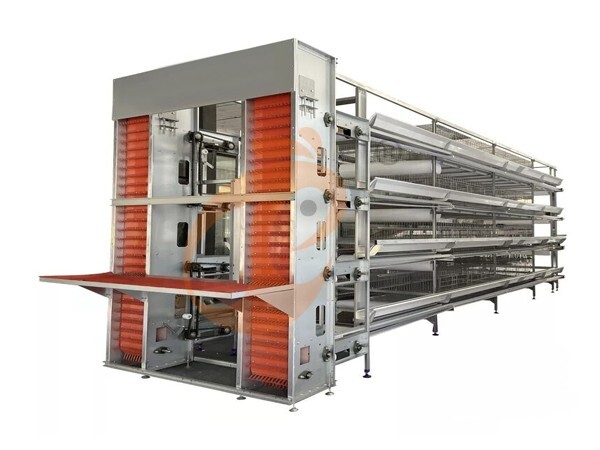
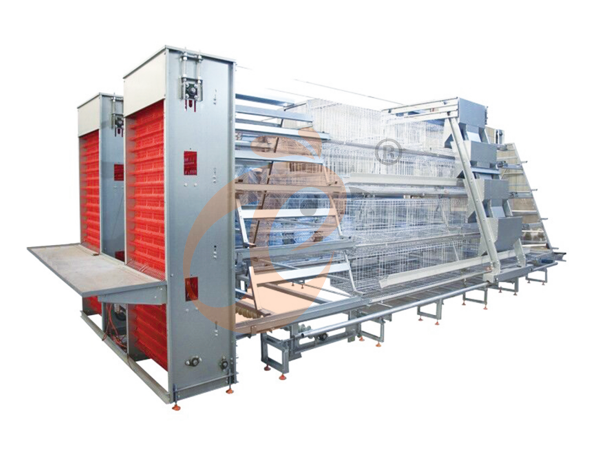
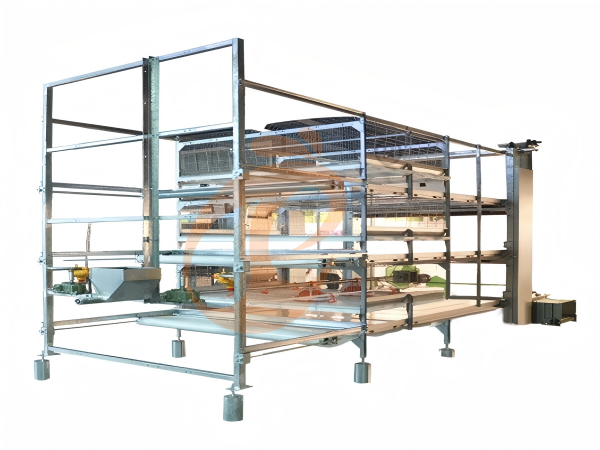
 >30,000 Pullets Automatic H Type Battery Cage1. More than 30,000 pullets a house, choose it.
2. It is designed to rearing older than 1 day old pullets to 12 to 16 weeks old chicken starting laying eggs.
3. Its lifespan is more than 25 years.
4. Its structure are Vcloud artificial intelligent fusion, electric control cabinet, automatic equipment of drinking, feeding, manure clean, manual harvesting.
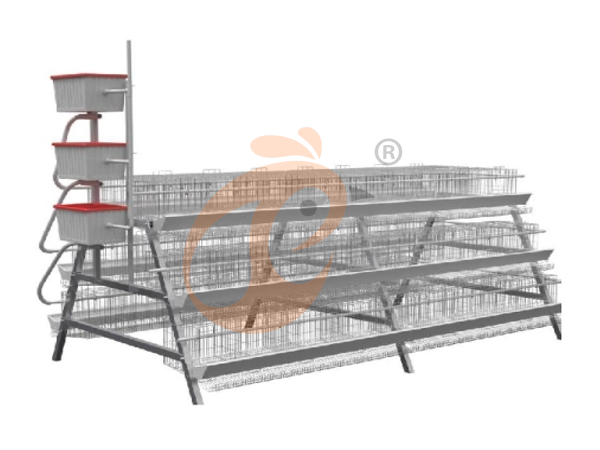
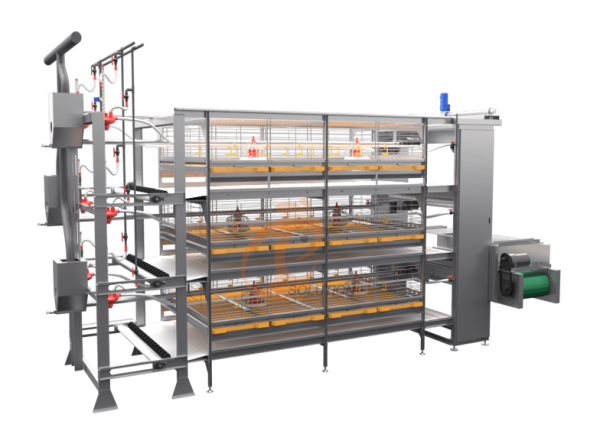
5. Our 24 hour online reception What’sApp NO. is +8618830120193 <30,000 Pullets Automatic A Type Battery Cage1. 10,000 to 30,000 pullets a house, choose it.
2. It is designed to rearing older than 1 day old pullets to 12 to 16 weeks old chicken starting laying eggs.
3. Its lifespan is more than 25 years.
4. Its structure are Vcloud artificial intelligent fusion, electric control cabinet, automatic equipment of drinking, feeding, manure clean, manual harvesting.
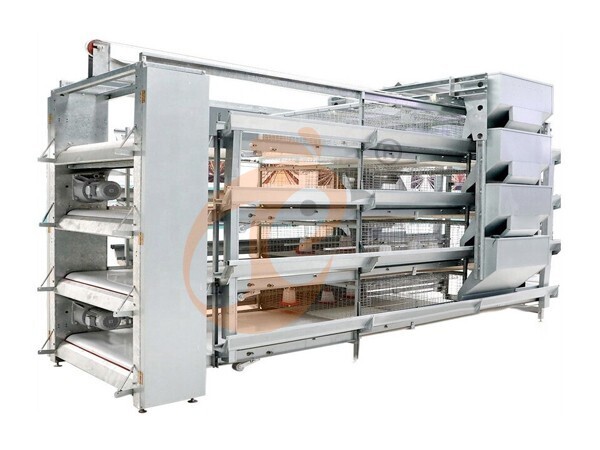
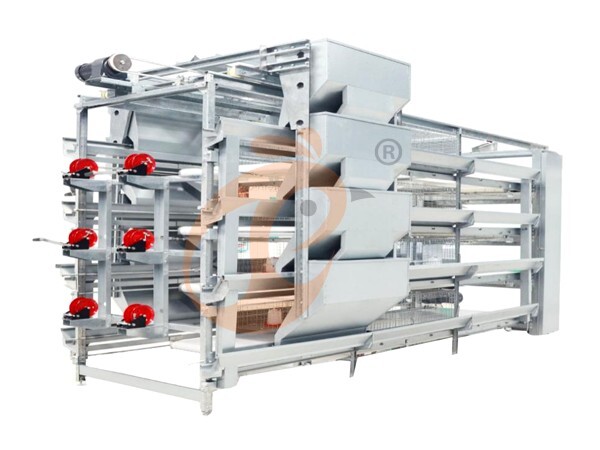
5. Our 24 hour online reception What’sApp NO. is +86 18830120193. >30,000 Broilers Semi-Automatic Harvest H Type Battery Cage1. More than 30,000 broilers a house, choose it.
2. It is designed to rearing 1 to 45 day old adult broiler ready for market.
3. Its lifespan is more than 20 years.
4. Our 24 hour online reception What’sApp NO. is +8618830120193, +234 8111199996. >30,000 Broilers Manual Harvest H Type Battery Cage1. More than 30,000 broilers a house, choose it.
2. It is designed to rearing 1 to 45 day old adult broiler ready for market.
3. Its lifespan is more than 20 years.
4. Its structure are Vcloud artificial intelligent fusion, electric control cabinet, automatic equipment of drinking, feeding and manure clean, manual harvesting.
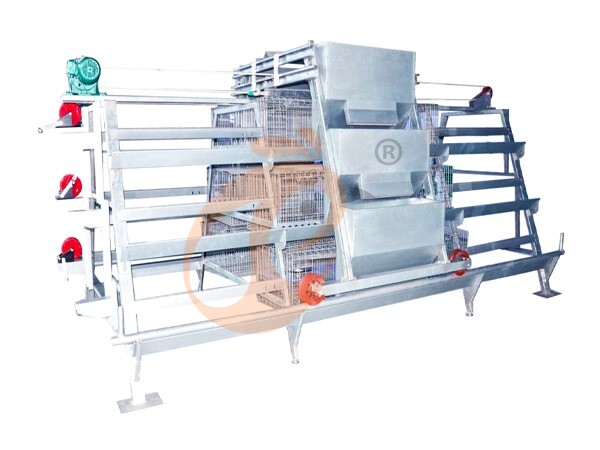
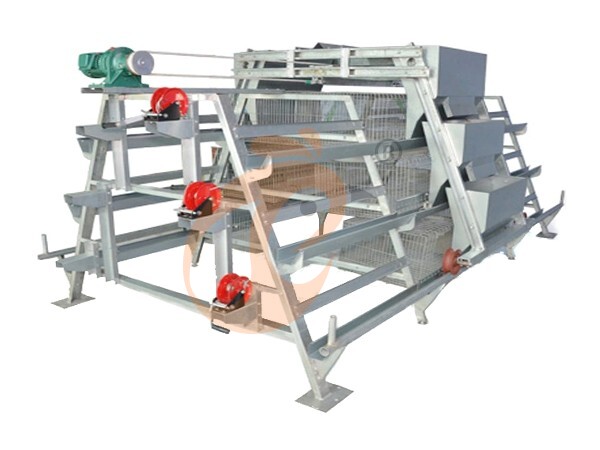
5. Our 24 hour online reception What’sApp NO. is +8618830120193, +234 8111199996. <30,000 Broilers Manual Harvest A Type Battery Cage1. Less 30,000 broilers a house, choose it.
2. It is designed to rearing 1 to 45 day old adult broiler ready for market.
3. Its lifespan is more than 20 years.
4. Its structure are Vcloud artificial intelligent fusion, electric control cabinet, automatic equipment of drinking, feeding and manure clean, manual harvesting.
5. Our 24 hour online reception What’sApp NO. is +8618830120193, +234 8111199996. HK Headquarter Offers EU-standard Poultry Farm Solutions, Manufacture Poultry Farm Equipment1. Continuous communication with the EU and the US
2. China, Nigeria, Ethiopia, Tanzania branch companies and factories
3. The products’ quality is customized for local poultry farms
4. Poultry cage and poultry farm equipment stock for sale
5. 24 online reception Whatsapp NO. : +8618830120193,contact us to get full information China Branch Offer Poultry Farm Business Plan, Manufacture Poultry Farm Equipment1. Address: Flat/RM 2416, 24/F, Runxing Building, Youyi Nan Street, Shijiazhuang City, Hebei Province, China
2. Poultry cage and poultry farm equipment factory and stock for sale
3. Customized for local poultry farms
4. Quality and design are based on Euro
5. 24 online reception Whatsapp NO. : +8618830120193 Nigeria Branch Offer Poultry Farm Business Plan, Manufacture Poultry Farm Equipment1. Address: After Sinoma Office, 200 Meters Near Danco Filling Station, Lagos/Ibadan Expressway, Lagos State, Nigeria
2. Poultry cage and poultry farm equipment factory and stock for sale
3. Customized for Nigerian poultry farms
4. Quality and design are based on Euro
5. 24 online reception Whatsapp NO. : +8618830120193 Ethiopia Branch Offer Poultry Farm Business Plan, Manufacture Poultry Farm Equipment1. Address: Gelan Gura, Akaki-kaliti Sub City, Addis Ababa, Ethiopia
2. Poultry cage and poultry farm equipment stock for sale
3. Customized for Ethiopian poultry farms
4. Quality and design are based on Euro
5. 24 online reception Whatsapp NO. : +8618830120193, contact us to get price list Tanzania Branch Offer Poultry Farm Business Plan, Manufacture Poultry Farm Equipment1. Address: No.8, Sova Road, Msufini, Mlandizi, Kibaha, Pwani, Tanzania
2. Poultry cage and poultry farm equipment factory and stock for sale
3. Customized for Tanzanian poultry farms
4. Quality and design are based on Euro
5. 24 online reception Whatsapp NO. : +8618830120193



Contact