


Blog
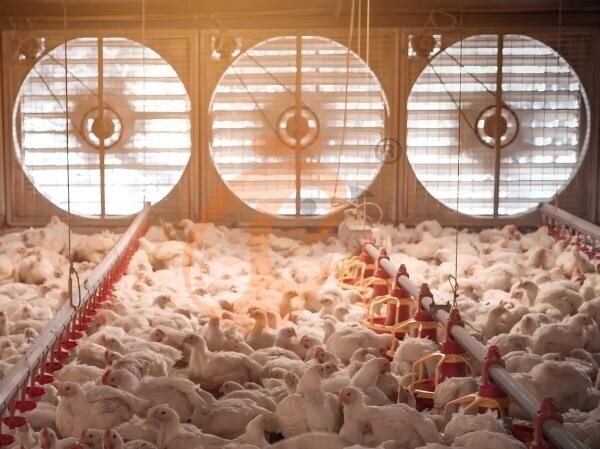
Nipple drinker systems regulate poultry water distribution through controlled hydraulic pressure and precision valve mechanisms.
Stable flow performance depends on filtration accuracy, pipeline geometry, and maintenance scheduling across production cycles.
Hydraulic balancing ensures uniform discharge rates across long poultry housing layouts with multiple drinking lines.
Water quality management reduces mineral scaling and microbial accumulation inside nipple components and pipelines.
Integrated system design improves operational reliability in commercial poultry production environments with automated feeding structures.
Get professional poultry farm construction guidance, equipment selection solutions, and the latest price lists, whatsApp to +8618830120193, click to learn more:
Hydraulic Pressure Calibration Across Drinking Lines
Hydraulic pressure regulation determines volumetric discharge stability at each nipple point.
Pressure must be adjusted according to pipeline elevation, bird growth stage, and drinker type specification.
Improper calibration leads to inconsistent discharge rates along longitudinal pipelines.
Commercial poultry drinking system equipment improves stability in automated water supply networks under variable load conditions.
Data is for reference only.Swipe horizontally to view full table.
Hydraulic balancing valves are typically installed at 15–20 meter intervals to stabilize pressure drop gradients.
Multi Stage Water Filtration Configuration
Suspended solids in water supply systems directly influence nipple valve clogging probability.
Filtration design must be layered according to particle diameter distribution in raw water sources.
Industrial poultry systems often combine multiple filtration stages for pipeline protection.
Automatic poultry nipple drinking line system supports continuous filtration integration in large-scale poultry farms.
Data is for reference only.Swipe horizontally to view full table.
Sequential filtration reduces particulate load entering nipple valves and stabilizes internal hydraulic resistance.
Controlled Pipeline Flushing Cycle
Flushing removes mineral deposition and microbial biofilm accumulation inside drinker lines.
Flow velocity during flushing must exceed sediment suspension threshold to achieve full pipeline cleaning efficiency.
Flushing cycles are scheduled according to production stage and system contamination level.
Poultry farm water line nipple drinking system ensures stable cleaning performance across multi-zone poultry houses.
Data is for reference only.Swipe horizontally to view full table.
Flushing is typically executed using chlorinated water or hydrogen peroxide solutions depending on sanitation protocol.
Structural Optimization Of Drinking Line Geometry
Pipeline geometry influences hydraulic equilibrium and pressure gradient distribution across long poultry houses.
Elevation difference and pipe diameter selection determine flow uniformity at terminal nipples.
Engineering design must minimize dead zones and air entrapment points.
Data is for reference only.Swipe horizontally to view full table.
Proper diameter selection reduces friction loss coefficient and stabilizes downstream pressure distribution.
Scheduled Mechanical Inspection And Component Replacement
Mechanical wear of nipple valves, seals, and connectors affects volumetric discharge accuracy.
Preventive inspection schedules ensure early detection of flow deviation and leakage risk.
Replacement intervals depend on operational cycle intensity and water quality conditions.
Data is for reference only.Swipe horizontally to view full table.
Maintenance tracking systems are often integrated with automated poultry farm monitoring platforms.
Water Quality Control In Nipple Systems
Water chemistry parameters directly influence internal scaling formation and microbial activity.
Stable water composition prevents mineral precipitation inside nipple valves.
Nipple drinking system for poultry farm automation improves water stability under controlled farming environments.
Data is for reference only.Swipe horizontally to view full table.
Balanced mineral composition reduces valve scaling rate and stabilizes hydraulic flow resistance.
Air Management In Drinking Pipeline Systems
Air accumulation inside pipelines creates pressure discontinuity and flow interruption points.
Air release valves must be installed at hydraulic peak points along the system.
Data is for reference only.Swipe horizontally to view full table.
Air elimination improves volumetric stability and prevents intermittent flow disruption.
Environmental Influence On Water Flow Stability
Ambient temperature and particulate concentration influence hydraulic performance inside poultry houses.
Thermal expansion affects pipe diameter tolerance and internal pressure balance.
Data is for reference only.Swipe horizontally to view full table.
Environmental stabilization ensures long-term hydraulic consistency across production cycles.
Frequently Asked Questions
Q1: Why does nipple flow rate drop in long pipeline systems?
Flow reduction often occurs due to pressure loss exceeding 5–8 Kpa across extended pipeline lengths above 60 meters.
Air accumulation and sediment blockage inside 10–25 µm filtration layers also contribute to reduced discharge consistency.
Correct pressure zoning and periodic flushing restore hydraulic balance.
Q2: How often should nipple drinkers be flushed in poultry houses?
Flushing frequency depends on production stage and water quality load conditions.
Typical systems operate flushing cycles every 3–7 days using 25–60 L/Min water volume flow.
High contamination environments may require daily short-cycle flushing for stability.
Q3: What causes uneven water distribution between cage rows?
Uneven distribution is commonly linked to slope variation above 2.5% or pipe diameter mismatch below 25 mm in main lines.
Hydraulic imbalance can also result from clogged disc filters operating beyond 0.3 Bar differential pressure.
System recalibration restores uniform delivery across all nipple points.
Taiyu (HK) Group - One Of China Biggest Nipple Drinkers Manufacturer
Nipple drinker system provides controlled poultry water delivery with calibrated hydraulic pressure between 12–35 Kpa range for stable farm operation.
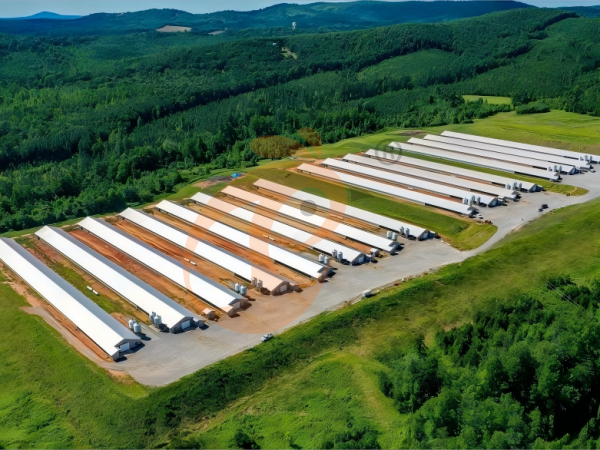
Global factory direct supply covering poultry equipment production lines and integrated cage system engineering for commercial farms.
Turn-key poultry drinking system projects include installation, debugging, and hydraulic balancing service packages for large-scale poultry houses.
Advanced manufacturing standards support automated poultry water systems with multi-stage filtration and pipeline optimization technology integration.
Export network covers Asia, Africa, and Middle East poultry farming projects with standardized equipment configuration solutions.
Contact Us To Received Your Customized Poultry Farm Plan
Headquarters And Branchs
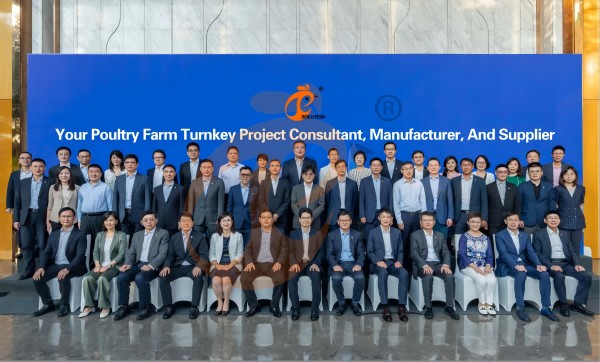
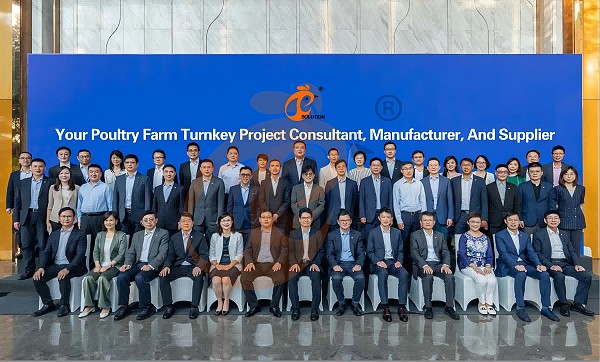
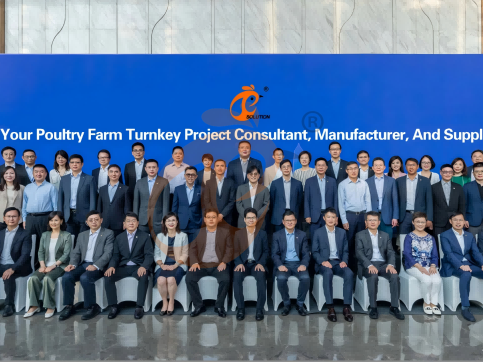
Hong Kong Headquarter Management Team
Hong Kong Headquarter Taiyu Industrial Group CO., LTD
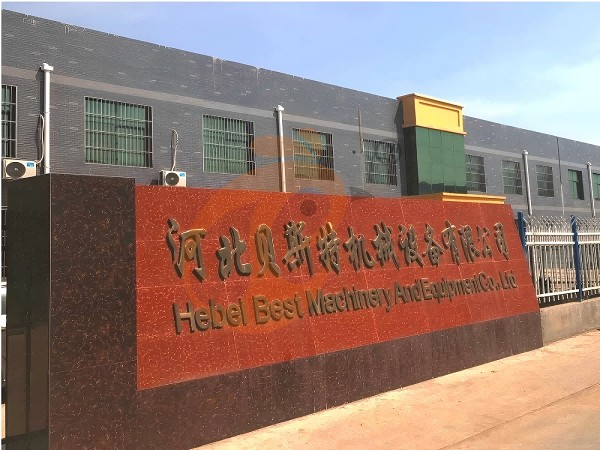
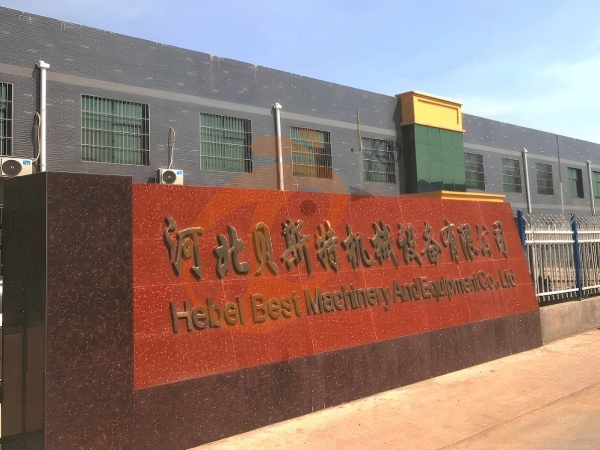
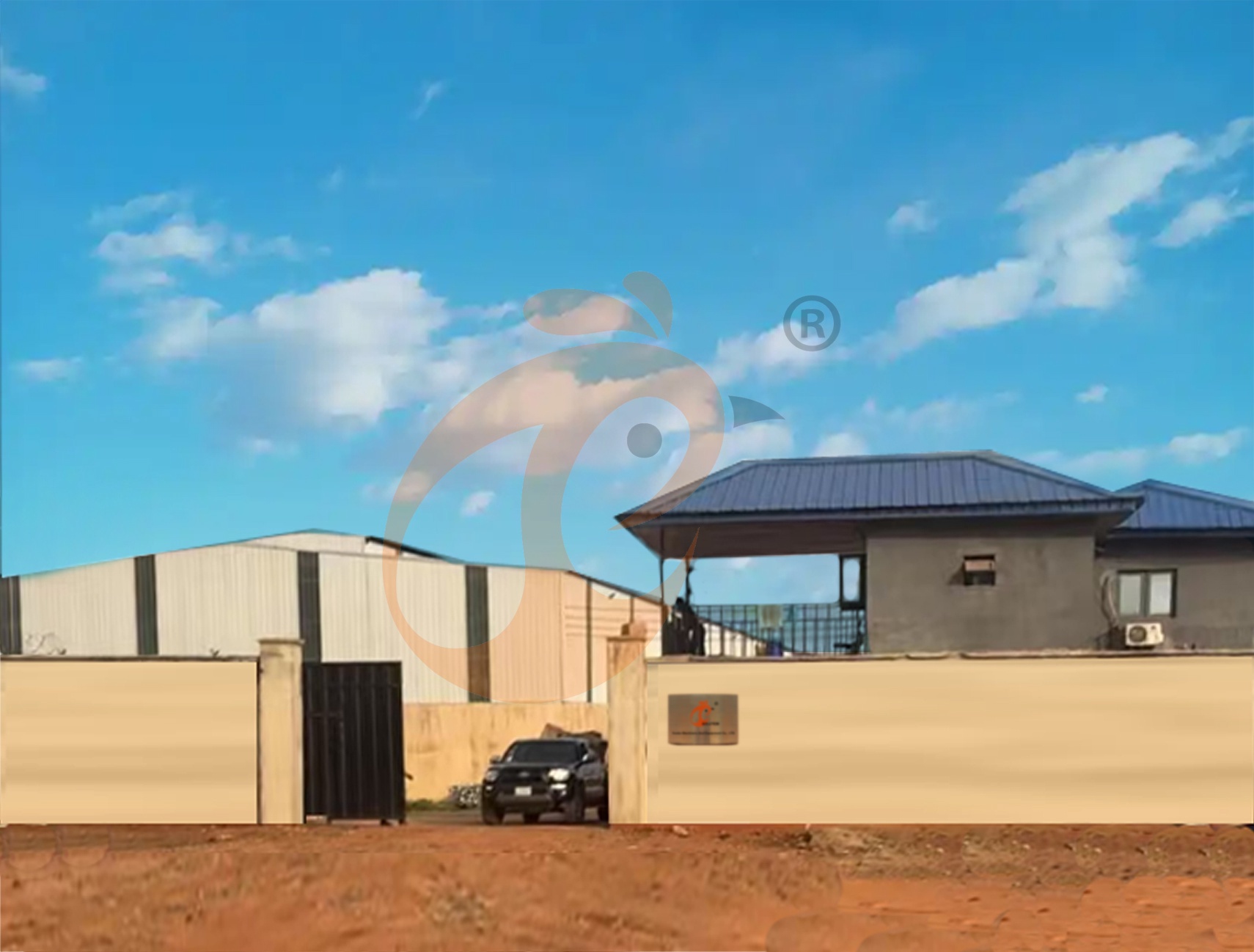
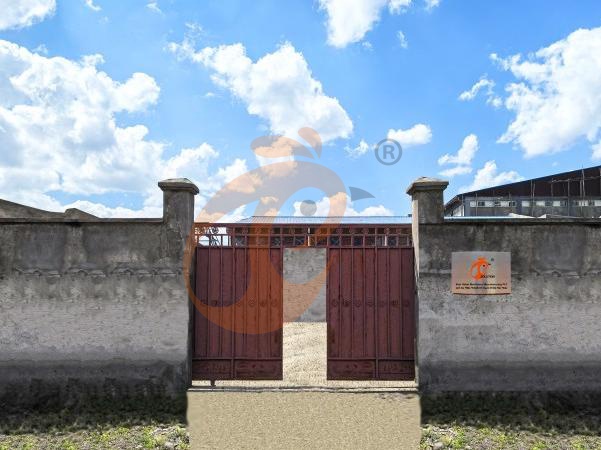
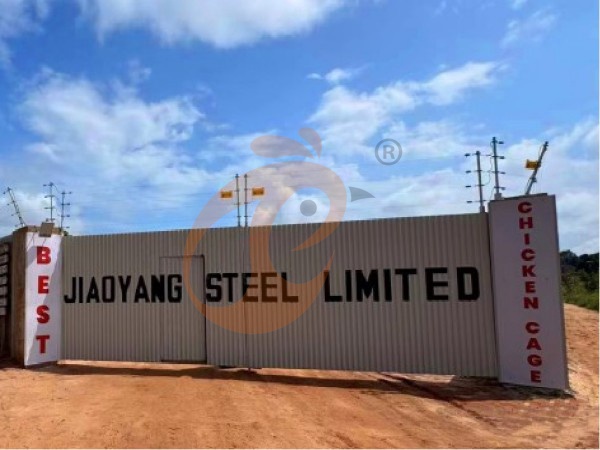
China Hebei Best Machinery And Equipment CO., LTD
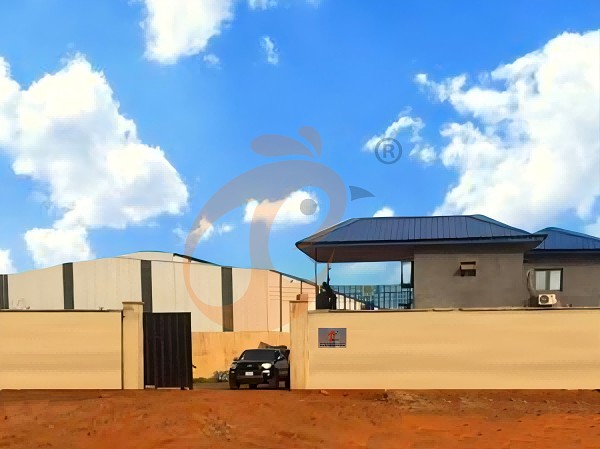
Nigeria Vanke Machinery And Equipment CO., LTD
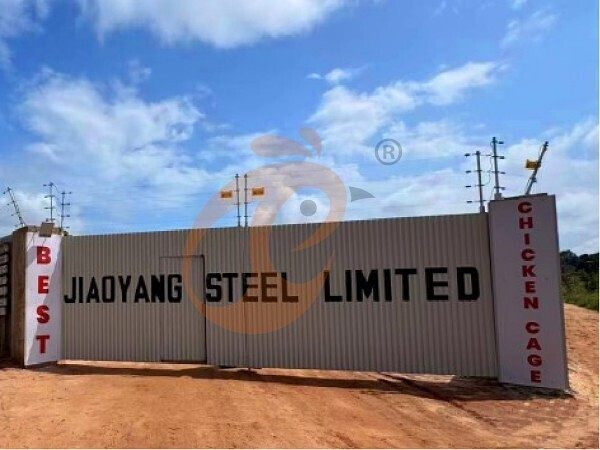
Tanzania Best Machinery And Equipment CO., LTD
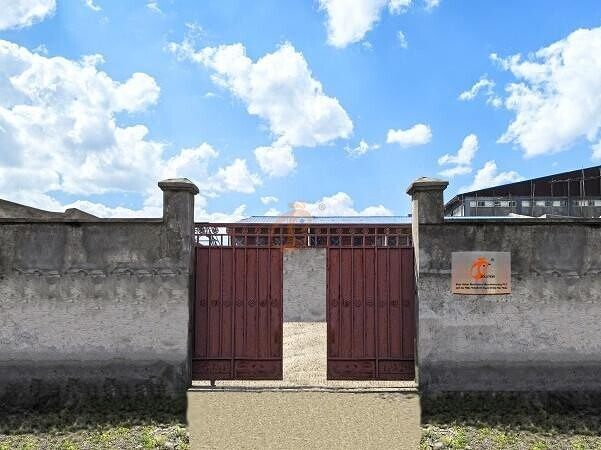
Ethiopia Best Hebei Machinery Manufacturing PLC
Reception /24 WhatsApp NO. : +8618830120193
FAQ
What Water Quality Requirements Are Necessary For Nipple Drinkers In Poultry Chicken Cage Systems?
Water hardness is maintained within 100–150 mg/L CaCO₃ equivalent for valve protection.
Microbial load is controlled under 100 CFU/mL for safe poultry consumption standards.
What Is The Recommended Stocking Ratio For Nipple Drinkers In Poultry Chicken Cage Systems?
Drinker spacing is typically set at 25–30 cm to reduce competition stress.
Water demand allocation is calculated at 180–220 ml per bird daily in intensive production.
How Is Water Flow Regulated In Nipple Drinkers For Poultry Chicken Cage Farming Systems?
Pressure stability is maintained within 0.18–0.22 MPa across drinking lines.
Drop formation interval is adjusted at 1–2 seconds per activation for efficient intake.
- poultry farm
- poultry farms
- poultry house
- cage
- poultry farm construction
- poultry farm automation
- poultry drinking system
- poultry equipment
- chickencage
- bestchickencage
- cage system
- Nigeria
- automated poultry farm
- automated poultry water system
- poultry housing layout
- poultry farming
- poultry water system
- poultry farm plan
- poultry farm monitoring
- Ethiopia
Message
Products recommended
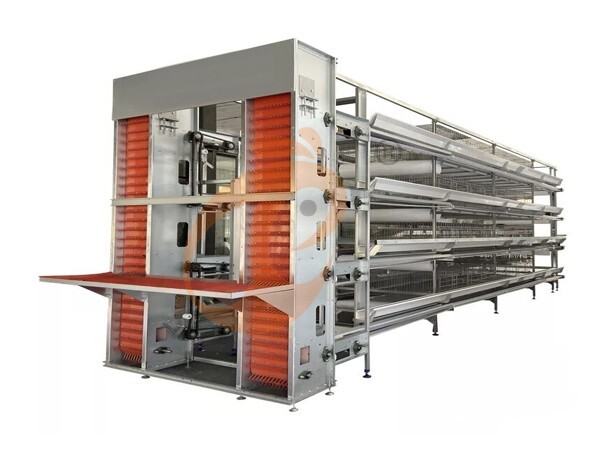
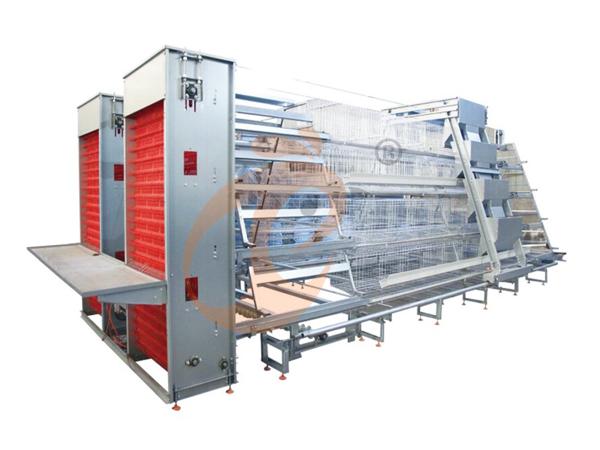
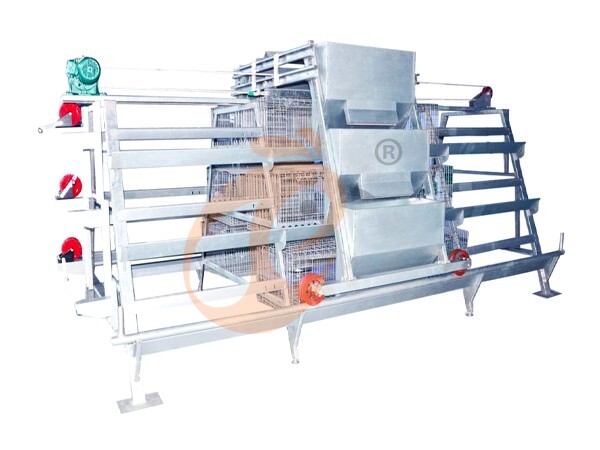
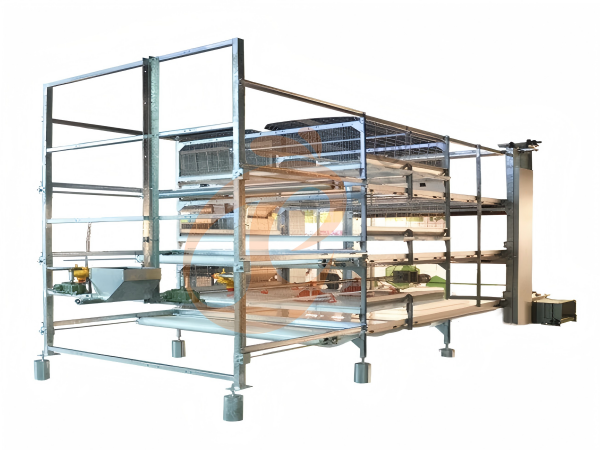
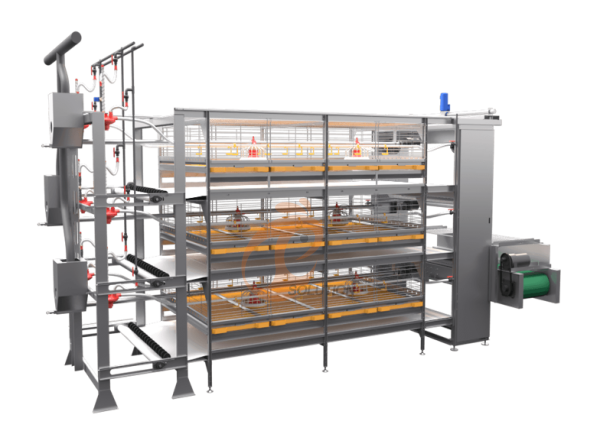
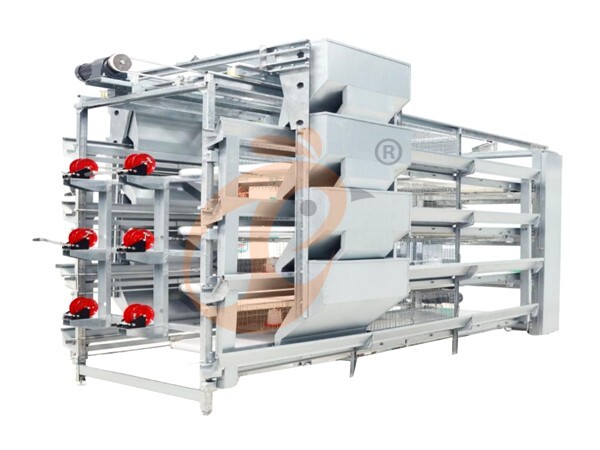
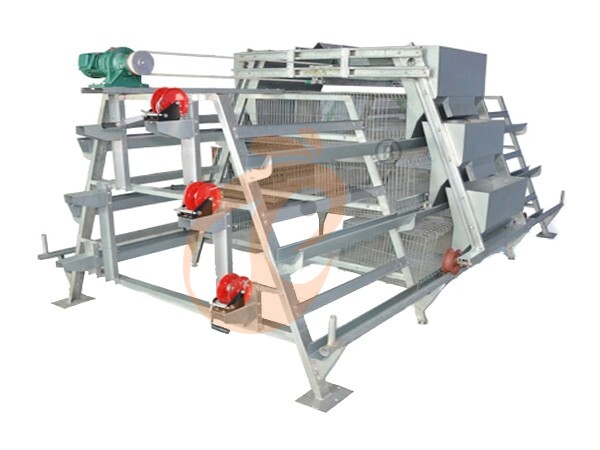
 >30,000 Pullets Automatic H Type Battery Cage1. More than 30,000 pullets a house, choose it.
2. It is designed to rearing older than 1 day old pullets to 12 to 16 weeks old chicken starting laying eggs.
3. Its lifespan is more than 25 years.
4. Its structure are Vcloud artificial intelligent fusion, electric control cabinet, automatic equipment of drinking, feeding, manure clean, manual harvesting.
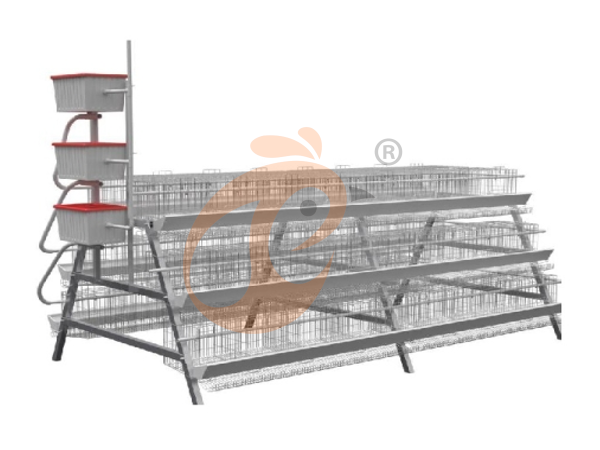
5. Our 24 hour online reception What’sApp NO. is +8618830120193 <30,000 Pullets Automatic A Type Battery Cage1. 10,000 to 30,000 pullets a house, choose it.
2. It is designed to rearing older than 1 day old pullets to 12 to 16 weeks old chicken starting laying eggs.
3. Its lifespan is more than 25 years.
4. Its structure are Vcloud artificial intelligent fusion, electric control cabinet, automatic equipment of drinking, feeding, manure clean, manual harvesting.
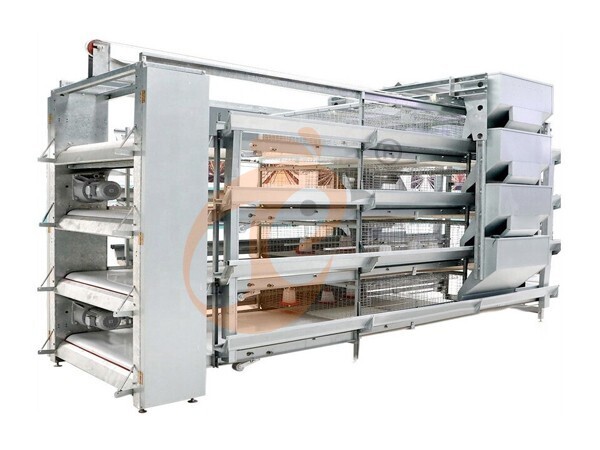
5. Our 24 hour online reception What’sApp NO. is +86 18830120193. >30,000 Broilers Semi-Automatic Harvest H Type Battery Cage1. More than 30,000 broilers a house, choose it.
2. It is designed to rearing 1 to 45 day old adult broiler ready for market.
3. Its lifespan is more than 20 years.
4. Our 24 hour online reception What’sApp NO. is +8618830120193, +234 8111199996. >30,000 Broilers Manual Harvest H Type Battery Cage1. More than 30,000 broilers a house, choose it.
2. It is designed to rearing 1 to 45 day old adult broiler ready for market.
3. Its lifespan is more than 20 years.
4. Its structure are Vcloud artificial intelligent fusion, electric control cabinet, automatic equipment of drinking, feeding and manure clean, manual harvesting.
5. Our 24 hour online reception What’sApp NO. is +8618830120193, +234 8111199996. <30,000 Broilers Manual Harvest A Type Battery Cage1. Less 30,000 broilers a house, choose it.
2. It is designed to rearing 1 to 45 day old adult broiler ready for market.
3. Its lifespan is more than 20 years.
4. Its structure are Vcloud artificial intelligent fusion, electric control cabinet, automatic equipment of drinking, feeding and manure clean, manual harvesting.
5. Our 24 hour online reception What’sApp NO. is +8618830120193, +234 8111199996. HK Headquarter Offers EU-standard Poultry Farm Solutions, Manufacture Poultry Farm Equipment1. Continuous communication with the EU and the US
2. China, Nigeria, Ethiopia, Tanzania branch companies and factories
3. The products’ quality is customized for local poultry farms
4. Poultry cage and poultry farm equipment stock for sale
5. 24 online reception Whatsapp NO. : +8618830120193,contact us to get full information China Branch Offer Poultry Farm Business Plan, Manufacture Poultry Farm Equipment1. Address: Flat/RM 2416, 24/F, Runxing Building, Youyi Nan Street, Shijiazhuang City, Hebei Province, China
2. Poultry cage and poultry farm equipment factory and stock for sale
3. Customized for local poultry farms
4. Quality and design are based on Euro
5. 24 online reception Whatsapp NO. : +8618830120193 Nigeria Branch Offer Poultry Farm Business Plan, Manufacture Poultry Farm Equipment1. Address: After Sinoma Office, 200 Meters Near Danco Filling Station, Lagos/Ibadan Expressway, Lagos State, Nigeria
2. Poultry cage and poultry farm equipment factory and stock for sale
3. Customized for Nigerian poultry farms
4. Quality and design are based on Euro
5. 24 online reception Whatsapp NO. : +8618830120193 Ethiopia Branch Offer Poultry Farm Business Plan, Manufacture Poultry Farm Equipment1. Address: Gelan Gura, Akaki-kaliti Sub City, Addis Ababa, Ethiopia
2. Poultry cage and poultry farm equipment stock for sale
3. Customized for Ethiopian poultry farms
4. Quality and design are based on Euro
5. 24 online reception Whatsapp NO. : +8618830120193, contact us to get price list Tanzania Branch Offer Poultry Farm Business Plan, Manufacture Poultry Farm Equipment1. Address: No.8, Sova Road, Msufini, Mlandizi, Kibaha, Pwani, Tanzania
2. Poultry cage and poultry farm equipment factory and stock for sale
3. Customized for Tanzanian poultry farms
4. Quality and design are based on Euro
5. 24 online reception Whatsapp NO. : +8618830120193



Contact