


Blog
Modern poultry production depends heavily on reliable housing equipment that can operate efficiently throughout many production cycles.
Proper maintenance planning improves structural durability, supports flock management efficiency, and reduces unexpected operational interruptions.
Engineering-based inspection procedures help identify early signs of wear before equipment performance begins to decline.
Environmental control, corrosion protection, feed distribution accuracy, and water delivery reliability all influence long-term equipment value.
Comprehensive maintenance programs contribute to lower operating costs, improved production consistency, and better utilization of poultry housing assets.
Get professional poultry farm construction guidance, equipment selection solutions, and the latest price lists, whatsApp to +8618830120193, click to learn more:
Structural Inspection And Load Stability
The structural framework is the backbone of every broiler chicken cage installation.
Daily bird activity, feed loading, manure accumulation, and routine cleaning create continuous stress on cage components.
Regular inspections allow farm managers to identify small defects before they become costly structural failures.
Support columns, wire mesh floors, connection brackets, and cage doors should be inspected according to a documented schedule.
Any deformation, loose fastening point, cracked weld, or damaged wire should be corrected immediately.
Preventive structural maintenance often extends equipment lifespan by several years compared with systems receiving only reactive repairs.
Data is for reference only.Swipe horizontally to view full table.
A detailed maintenance record should accompany every inspection.
Historical records help identify recurring issues and improve maintenance decision-making.
Cleaning Procedures For Long-Term Durability
Clean equipment lasts longer and performs more consistently.
Organic material accumulation increases moisture retention and accelerates microbial activity throughout the poultry house.
Regular cleaning also improves air quality and supports healthier production conditions.
Feed troughs, cage floors, support frames, and water systems should all be included in cleaning procedures.
Pressure washing should be followed by sufficient drying time to prevent unnecessary moisture exposure.
Cleaning schedules should be adjusted according to stocking density, climate conditions, and manure removal efficiency.
Data is for reference only.Swipe horizontally to view full table.
Consistent cleaning reduces contamination risks and improves equipment reliability over extended operating periods.
Corrosion Prevention And Galvanized Surface Protection
Corrosion is one of the most significant threats to poultry cage longevity.
High humidity, ammonia emissions, cleaning chemicals, and environmental contaminants gradually affect galvanized steel surfaces.
Routine corrosion monitoring should be incorporated into every maintenance plan.
Areas showing coating deterioration should receive immediate attention before corrosion spreads to adjacent components.
Ventilation performance plays a major role in controlling corrosion rates.
Proper air circulation reduces moisture accumulation and protects structural steel components.
Data is for reference only.Swipe horizontally to view full table.
Maintaining proper humidity levels significantly reduces corrosion-related maintenance expenses.
Feeding System Maintenance
Efficient feed distribution is essential for achieving uniform broiler growth.
Mechanical wear within feeding systems may cause feed segregation, uneven delivery, and increased feed wastage.
Regular maintenance ensures feed reaches every section of the poultry house consistently.
Drive motors, feed chains, gear reducers, and distribution units should be inspected according to operating hours rather than waiting for visible failure.
Lubrication procedures should follow manufacturer recommendations.
Misalignment and excessive vibration often indicate developing mechanical issues.
Data is for reference only.Swipe horizontally to view full table.
Proper feed system maintenance improves operational efficiency and helps reduce feed loss throughout the production cycle.
Drinking Line Management
Reliable water supply systems are essential for flock performance and equipment protection.
Water leaks not only waste resources but also increase environmental humidity and accelerate equipment deterioration.
Regular flushing removes mineral deposits, sediment, and biofilm accumulation.
Pressure regulators should be calibrated periodically to maintain consistent water delivery.
Water quality monitoring should also be incorporated into maintenance planning.
Filtration systems require routine servicing to ensure optimal performance.
Data is for reference only.Swipe horizontally to view full table.
Routine water system maintenance supports both bird welfare and equipment longevity.
Manure Removal Equipment Inspection
Effective manure removal contributes to environmental control and facility sanitation.
Poorly maintained manure systems can increase ammonia concentration, moisture levels, and equipment wear.
Daily observation helps identify belt tracking issues, excessive wear, and mechanical abnormalities.
Drive components should be inspected for alignment and operational stability.
Routine servicing minimizes downtime and improves system reliability.
Data is for reference only.Swipe horizontally to view full table.
Efficient manure management improves environmental quality and supports overall facility performance.
Preventive Maintenance Planning
Preventive maintenance focuses on avoiding failures before they occur.
Compared with emergency repairs, planned maintenance generally requires fewer resources and less operational disruption.
Maintenance schedules should clearly define responsibilities, procedures, and inspection intervals.
European union standard reference only.
Many poultry farms allocate between $0.30 and $0.90 per bird annually for routine equipment maintenance.
These expenses are often substantially lower than replacement costs associated with major equipment failures.
Data is for reference only.Swipe horizontally to view full table.
A disciplined preventive maintenance strategy improves asset utilization and operational reliability.
Spare Parts Management
Strategic spare parts inventory management reduces repair delays and improves response times during unexpected equipment issues.
Critical replacement components should always be available on-site.
Inventory levels should be reviewed regularly according to equipment age and operational intensity.
Data is for reference only.Swipe horizontally to view full table.
Adequate inventory planning minimizes operational interruptions and helps maintain production continuity.
Environmental Factors Affecting Equipment Lifespan
Environmental conditions have a direct impact on broiler chicken cage durability.
Humidity, temperature fluctuations, dust concentration, and ammonia levels continuously influence equipment wear.
Facilities maintaining humidity below 70% and ammonia concentration below 20 ppm generally experience lower corrosion rates.
Data is for reference only.Swipe horizontally to view full table.
Environmental management and maintenance should operate together as part of a complete poultry equipment protection strategy.
Frequently Asked Questions
Q1: How often should broiler chicken cages be inspected?
Weekly inspections should focus on wire mesh floors, drinking lines, and manure removal systems.
Monthly inspections should evaluate structural supports, motors, and fastening assemblies.
Q2: What humidity level is recommended for cage protection?
Most poultry engineering recommendations suggest maintaining relative humidity between 60% and 70%.
This range helps reduce moisture accumulation and slows corrosion development.
Q3: How long can a well-maintained broiler cage system last?
High-quality galvanized systems receiving regular maintenance commonly achieve service lives between 12 and 20 years depending on operating conditions and environmental management practices.
Taiyu (HK) Group - One Of China Largest Broiler Chicken Cage Manufacturer
Professional broiler chicken cage systems designed for commercial poultry farms with integrated feeding, drinking, manure removal, and environmental control functions.
Global factory direct supply providing competitive solutions for poultry projects in more than 80 countries and regions.
Comprehensive poultry equipment portfolio including broiler cages, layer cages, breeder systems, ventilation equipment, and feeding machinery.
Turn-key engineering services covering farm planning, equipment manufacturing, installation guidance, commissioning, and technical training.
Experienced international support teams delivering project consultation, spare parts services, operational optimization, and long-term customer cooperation.
Contact Us To Received Your Customized Poultry Farm Plan
Headquarters And Branchs

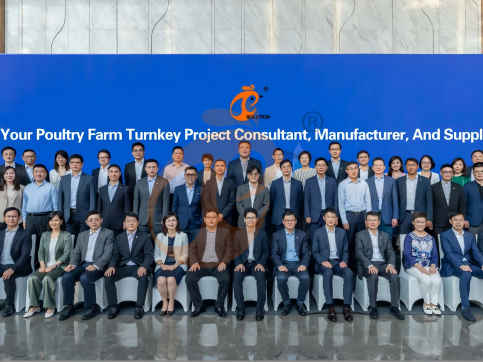
Hong Kong Headquarter Management Team
Hong Kong Headquarter Taiyu Industrial Group CO., LTD
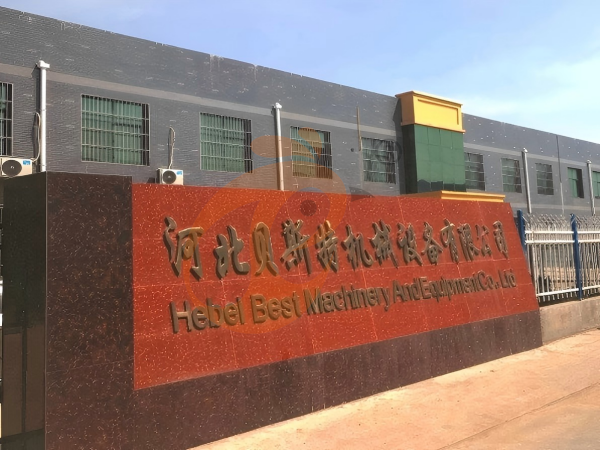
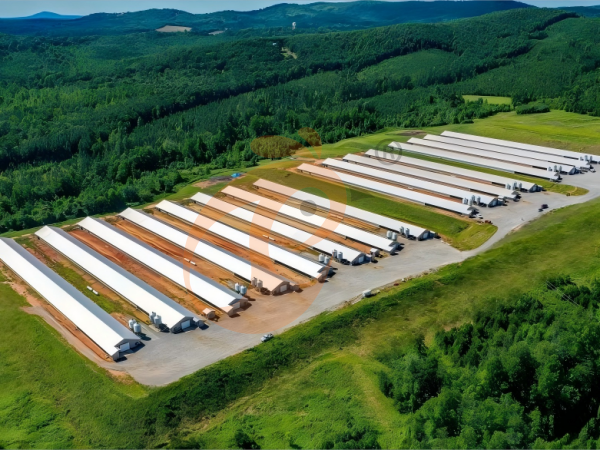
China Hebei Best Machinery And Equipment CO., LTD
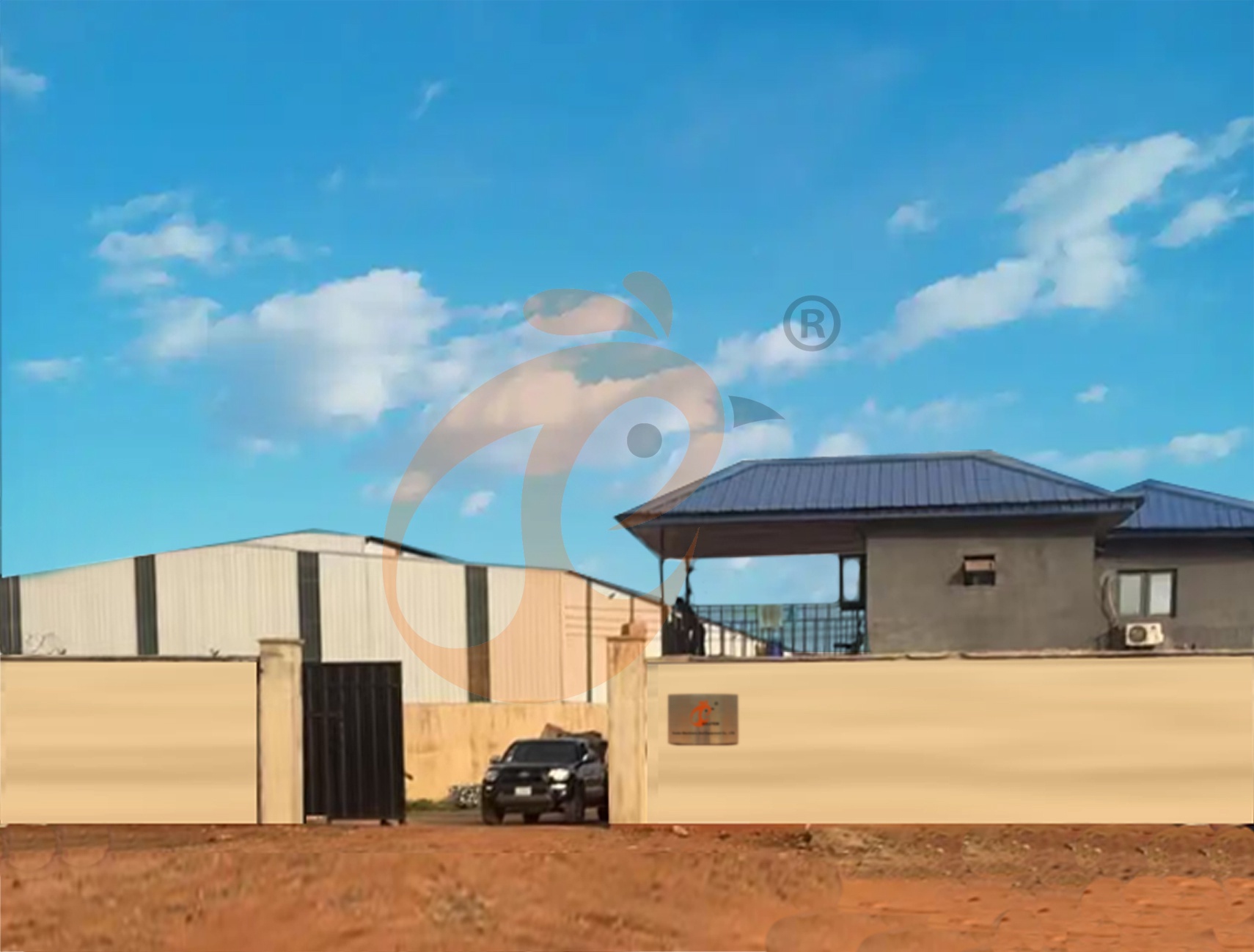
Nigeria Vanke Machinery And Equipment CO., LTD
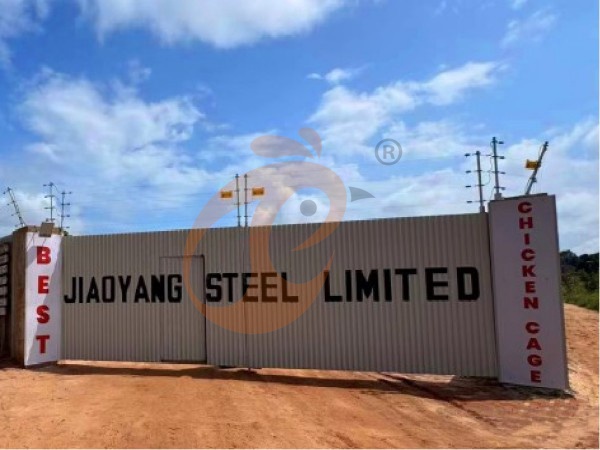
Tanzania Best Machinery And Equipment CO., LTD
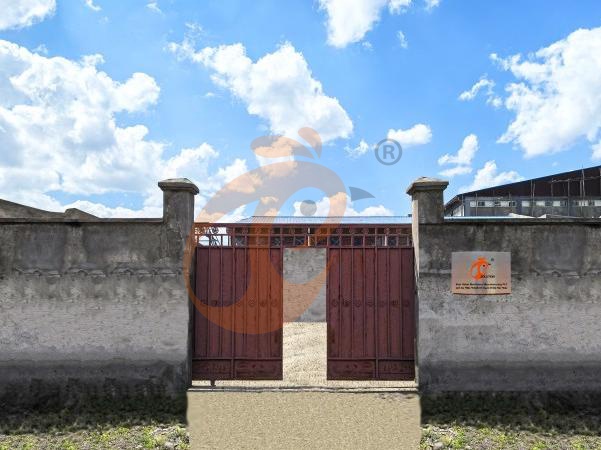
Ethiopia Best Hebei Machinery Manufacturing PLC




Reception /24 WhatsApp NO. : +8618830120193
FAQ
What Cage Structure Options Are Available For Broiler Chicken Cage Systems?
H-type cage systems are configured in 3–12 tiers accommodating 360–1440 birds per set for intensive farming operations.
Structural height ranges from 1.75–10.11 meters maximizing vertical space utilization and housing efficiency.
How Does Stocking Density Affect Broiler Chicken Cage Performance?
H-type systems maintain 500 cm² allocation per bird optimizing housing density and production output.
Bird distribution is balanced at 8 birds per compartment in partitioned cage configurations reducing competition.
Which Cage Dimensions Are Commonly Used In Broiler Chicken Cage Systems?
H-type cage modules measure 3.3 × 1.82 meters providing larger continuous housing sections.
Internal compartment height varies from 40–55 cm ensuring adequate bird activity and ventilation circulation.
- poultry farm
- layer cages
- chicken cage
- poultry farms
- broiler cage
- layer cage
- poultry house
- poultry cage
- cage
- poultry farm construction
- broiler cage system
- chicken cage manufacturer
- chicken cage system
- poultry equipment
- manure removal system
- manure removal equipment
- chicken cages
- broiler chicken cage
- broiler cages
- chickencage
- bestchickencage
- broiler chicken cages
- cage system
- cage systems
- broiler chicken cage system
- Nigeria
- chicken cage installation
- commercial poultry farms
- cage manufacturer
- poultry farm plan
- Ethiopia
Message
Products recommended
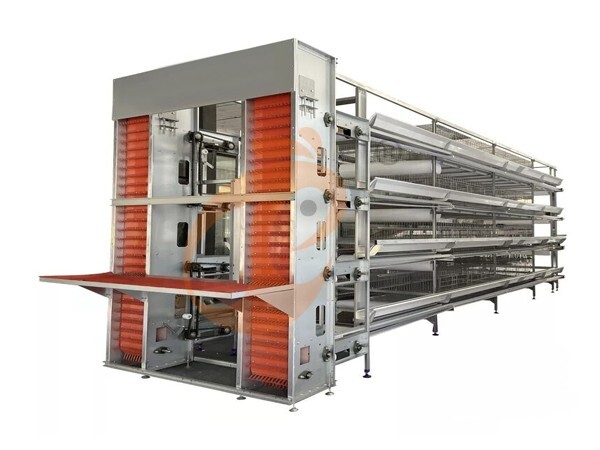
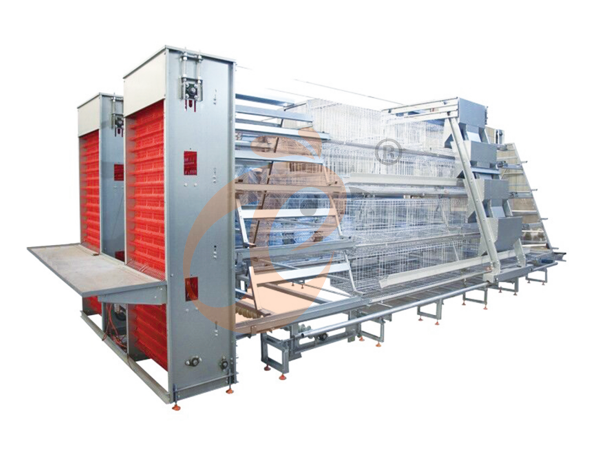
 >30,000 Pullets Automatic H Type Battery Cage1. More than 30,000 pullets a house, choose it.
2. It is designed to rearing older than 1 day old pullets to 12 to 16 weeks old chicken starting laying eggs.
3. Its lifespan is more than 25 years.
4. Its structure are Vcloud artificial intelligent fusion, electric control cabinet, automatic equipment of drinking, feeding, manure clean, manual harvesting.
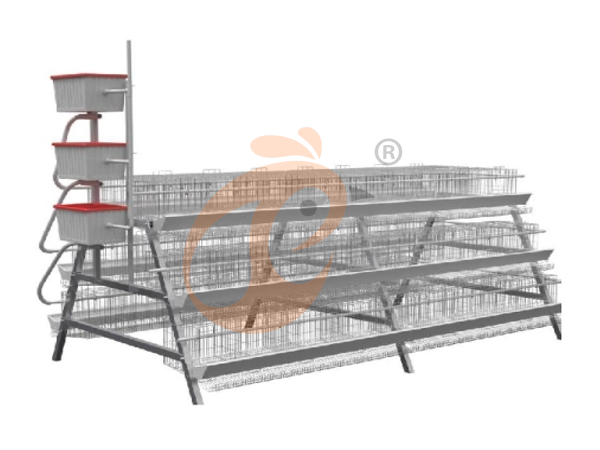
5. Our 24 hour online reception What’sApp NO. is +8618830120193 <30,000 Pullets Automatic A Type Battery Cage1. 10,000 to 30,000 pullets a house, choose it.
2. It is designed to rearing older than 1 day old pullets to 12 to 16 weeks old chicken starting laying eggs.
3. Its lifespan is more than 25 years.
4. Its structure are Vcloud artificial intelligent fusion, electric control cabinet, automatic equipment of drinking, feeding, manure clean, manual harvesting.
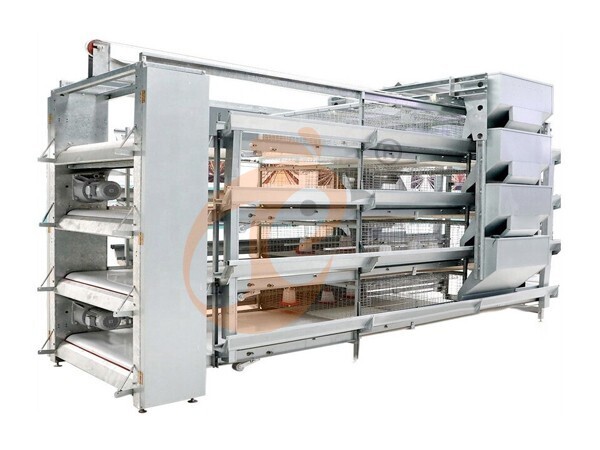
5. Our 24 hour online reception What’sApp NO. is +86 18830120193. >30,000 Broilers Semi-Automatic Harvest H Type Battery Cage1. More than 30,000 broilers a house, choose it.
2. It is designed to rearing 1 to 45 day old adult broiler ready for market.
3. Its lifespan is more than 20 years.
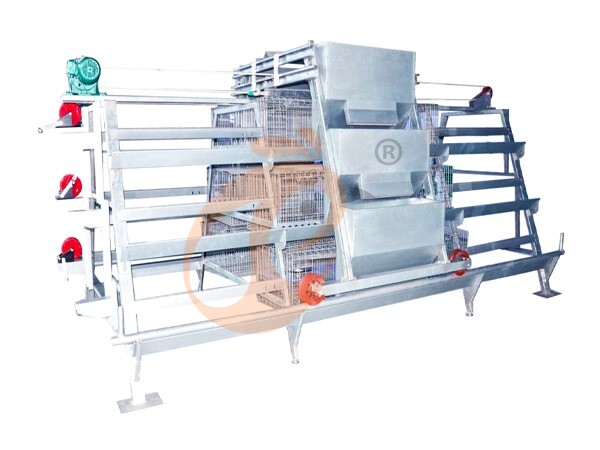
4. Our 24 hour online reception What’sApp NO. is +8618830120193, +234 8111199996. >30,000 Broilers Manual Harvest H Type Battery Cage1. More than 30,000 broilers a house, choose it.
2. It is designed to rearing 1 to 45 day old adult broiler ready for market.
3. Its lifespan is more than 20 years.
4. Its structure are Vcloud artificial intelligent fusion, electric control cabinet, automatic equipment of drinking, feeding and manure clean, manual harvesting.
5. Our 24 hour online reception What’sApp NO. is +8618830120193, +234 8111199996. <30,000 Broilers Manual Harvest A Type Battery Cage1. Less 30,000 broilers a house, choose it.
2. It is designed to rearing 1 to 45 day old adult broiler ready for market.
3. Its lifespan is more than 20 years.
4. Its structure are Vcloud artificial intelligent fusion, electric control cabinet, automatic equipment of drinking, feeding and manure clean, manual harvesting.
5. Our 24 hour online reception What’sApp NO. is +8618830120193, +234 8111199996. HK Headquarter Offers EU-standard Poultry Farm Solutions, Manufacture Poultry Farm Equipment1. Continuous communication with the EU and the US
2. China, Nigeria, Ethiopia, Tanzania branch companies and factories
3. The products’ quality is customized for local poultry farms
4. Poultry cage and poultry farm equipment stock for sale
5. 24 online reception Whatsapp NO. : +8618830120193,contact us to get full information China Branch Offer Poultry Farm Business Plan, Manufacture Poultry Farm Equipment1. Address: Flat/RM 2416, 24/F, Runxing Building, Youyi Nan Street, Shijiazhuang City, Hebei Province, China
2. Poultry cage and poultry farm equipment factory and stock for sale
3. Customized for local poultry farms
4. Quality and design are based on Euro
5. 24 online reception Whatsapp NO. : +8618830120193 Nigeria Branch Offer Poultry Farm Business Plan, Manufacture Poultry Farm Equipment1. Address: After Sinoma Office, 200 Meters Near Danco Filling Station, Lagos/Ibadan Expressway, Lagos State, Nigeria
2. Poultry cage and poultry farm equipment factory and stock for sale
3. Customized for Nigerian poultry farms
4. Quality and design are based on Euro
5. 24 online reception Whatsapp NO. : +8618830120193 Ethiopia Branch Offer Poultry Farm Business Plan, Manufacture Poultry Farm Equipment1. Address: Gelan Gura, Akaki-kaliti Sub City, Addis Ababa, Ethiopia
2. Poultry cage and poultry farm equipment stock for sale
3. Customized for Ethiopian poultry farms
4. Quality and design are based on Euro
5. 24 online reception Whatsapp NO. : +8618830120193, contact us to get price list Tanzania Branch Offer Poultry Farm Business Plan, Manufacture Poultry Farm Equipment1. Address: No.8, Sova Road, Msufini, Mlandizi, Kibaha, Pwani, Tanzania
2. Poultry cage and poultry farm equipment factory and stock for sale
3. Customized for Tanzanian poultry farms
4. Quality and design are based on Euro
5. 24 online reception Whatsapp NO. : +8618830120193


Contact