


Blog
Modern poultry farming relies heavily on layer chicken cages to maximize egg production, optimize space, and maintain flock health.
These systems are engineered for long-term industrial use, but their performance depends on continuous mechanical stability, environmental control, and preventive maintenance cycles.
Even small structural or mechanical deviations can accumulate into production losses across thousands of hens.
Industry engineering references indicate that preventive maintenance can extend cage system service life beyond 18–22 years under controlled conditions.
This article expands the seven core maintenance strategies with deeper engineering detail, operational logic, and measurable performance indicators.
Get professional poultry farm construction guidance, equipment selection solutions, and the latest price lists, whatsApp to +8618830120193, click to learn more:
Why Maintenance Matters
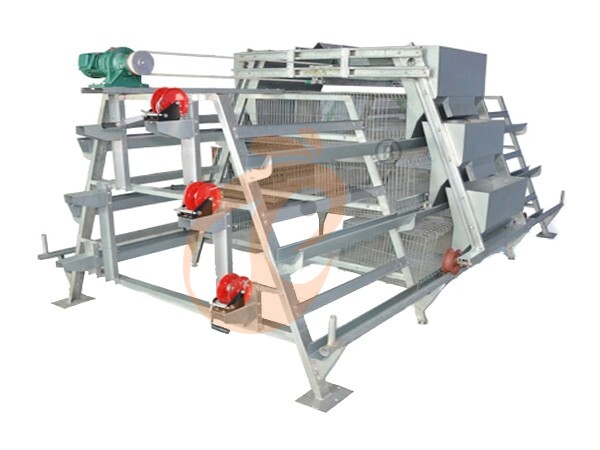
Layer cage systems operate as integrated mechanical ecosystems combining steel structures, feeding lines, watering networks, and manure removal systems.
Failure in one subsystem directly affects biological performance parameters such as feed intake, egg shell formation, and mortality stability.
Economic modeling in commercial farms shows that maintenance efficiency correlates strongly with egg output consistency across production cycles.
A structured maintenance program reduces unplanned downtime and stabilizes feed conversion performance across flocks.
Data is for reference only.Swipe horizontally to view full table.
Tip Wire Mesh Structural Integrity Analysis
Wire mesh integrity determines both bird safety and egg integrity performance.
Steel fatigue is primarily caused by cyclic load stress, ammonia exposure, and vibration transfer from feeding lines.
Mechanical failure typically begins at welded joint intersections before propagating through longitudinal wire segments.
Engineering inspection should focus on deformation measurement and corrosion penetration depth rather than visual rust alone.
Data is for reference only.Swipe horizontally to view full table.
Additional diagnostic method involves tapping wire intersections and analyzing resonance frequency changes caused by loosened weld points.
Field data shows that early-stage micro-cracks typically propagate within 6–10 production weeks if not corrected.
Tip Manure Belt Mechanical Load Calibration
Manure belts operate under continuous cyclic tension loads, often exceeding 18–22 hours daily operation cycles.
Misalignment creates asymmetric stress distribution, accelerating polymer fatigue in belt fibers.
Proper calibration requires synchronized adjustment of drive roller torque and return roller alignment geometry.
Data is for reference only.Swipe horizontally to view full table.
Operational testing should include full-load manure simulation cycles to validate belt stability under maximum weight conditions.
Extended misalignment beyond 3 mm typically increases energy consumption of drive motors by 6–11 percent.
Tip Watering System Hydraulic Efficiency Optimization
Water delivery systems influence electrolyte balance and calcium absorption in laying hens.
Even minor reductions in nipple flow rate can alter daily water intake curves and reduce shell density formation efficiency.
Biofilm accumulation is the primary cause of hydraulic resistance inside nipple channels.
Data is for reference only.Swipe horizontally to view full table.
Maintenance procedures should include pressure pulse flushing to remove micro-scale sediment accumulation inside pipelines.
Chemical cleaning cycles using citric acid solutions between 1.5–2.5 percent concentration are commonly used in industrial systems.
Tip Feed Distribution Mechanical Balance Control
Feed distribution uniformity directly affects flock weight homogeneity and egg production synchronization.
Mechanical imbalance often originates from chain elongation or auger spiral wear deformation.
Calibration must be based on weight-per-section measurement rather than visual estimation.
Data is for reference only.Swipe horizontally to view full table.
Testing should be conducted using synchronized 60-second feed release sampling across multiple cage rows.
Deviation above 9 grams between sections indicates mechanical wear in drive transmission components.
Tip Egg Collection Kinetic Impact Control
Egg transportation systems operate under gravity-assisted rolling dynamics combined with belt-driven movement.
Impact velocity increases significantly when slope angles exceed optimal engineering thresholds.
Surface friction coefficient of egg belts plays a critical role in controlling acceleration rates.
Data is for reference only.Swipe horizontally to view full table.
Egg cracking probability increases exponentially when kinetic impact energy exceeds 0.42 joules per contact event.
Controlled system balancing reduces micro-fracture occurrence in shell membranes during transfer stages.
Tip Structural Corrosion Progression Control
Corrosion development follows electrochemical oxidation cycles accelerated by ammonia concentration and humidity levels.
Zinc coating depletion typically begins at weld edges due to uneven coating thickness distribution.
Preventive reinforcement strategies focus on sacrificial metal behavior and surface passivation layers.
Data is for reference only.Swipe horizontally to view full table.
Preventive structural reinforcement can reduce corrosion propagation speed by up to 38–52 percent under controlled ventilation conditions.
Tip Environmental Mechanical Interaction Monitoring
Ventilation and lighting systems generate continuous mechanical vibration frequencies across cage structures.
Resonance amplification may occur when fan rotational frequency aligns with cage structural harmonics.
This can lead to progressive bolt loosening and micro-frame deformation over long cycles.
Data is for reference only.Swipe horizontally to view full table.
Regular torque re-calibration reduces cumulative structural fatigue and prevents resonance-based deformation propagation.
Failure Case Analysis Industrial Farm Simulation
A 24,000-layer system was evaluated under reduced maintenance frequency conditions.
After 14 months, manure belt misalignment increased energy consumption by 9.6 percent.
Egg breakage rate increased from 1.8 percent to 8.9 percent due to slope deformation.
Wire fatigue failures appeared in 17 percent of cage sections without scheduled inspection cycles.
Data is for reference only.Swipe horizontally to view full table.
Economic Impact of Maintenance Optimization
Maintenance optimization directly affects production profitability through reduced feed waste and improved egg grading efficiency.
Industrial models indicate that a 1 percent reduction in egg breakage yields measurable revenue improvement across large-scale farms.
Long-term structural maintenance reduces replacement capital expenditure cycles significantly.
This section follows European union standard reference only.
Data is for reference only.Swipe horizontally to view full table.
Integrated Maintenance Scheduling Strategy
A synchronized maintenance cycle improves system stability by distributing mechanical load corrections evenly across production months.
Preventive scheduling reduces peak failure clustering events in high-stress operational seasons.
Data is for reference only.Swipe horizontally to view full table.
Frequently Asked Questions
Q1: How often should layer chicken cage systems be inspected for structural safety?
Inspection is recommended weekly for mesh and monthly for mechanical systems.
Field operation data shows that inspection intervals beyond 30 days increase failure probability by approximately 12–18 percent in high-density farms.
Q2: What is the main cause of manure belt misalignment in layer cage systems?
The primary cause is uneven tension distribution combined with roller wear.
When deviation exceeds 4 mm, energy consumption and wear rate increase significantly across drive components.
Q3: How does water nipple flow rate affect egg production efficiency?
When flow drops below 42 ml/min, daily intake decreases and shell quality weakens.
Production efficiency can decline by up to 10–15 percent under sustained low-pressure conditions.
Taiyu (HK) Group - One Of China Largest Layer Chicken Cage Manufacturer
Layer chicken cage systems are engineered for high-density poultry production environments requiring stable mechanical performance and long service life.
Global factory direct supply model ensures cost efficiency and standardized production quality control across equipment lines.
Poultry equipment engineering covers cage systems, feeding systems, ventilation systems, and integrated automation units.
Turn-key poultry farm project solutions include planning, installation, commissioning, and full lifecycle technical support.
International export operations support large-scale commercial poultry projects across multiple climate zones and housing structures.
Contact Us To Received Your Customized Poultry Farm Plan
Headquarters And Branchs
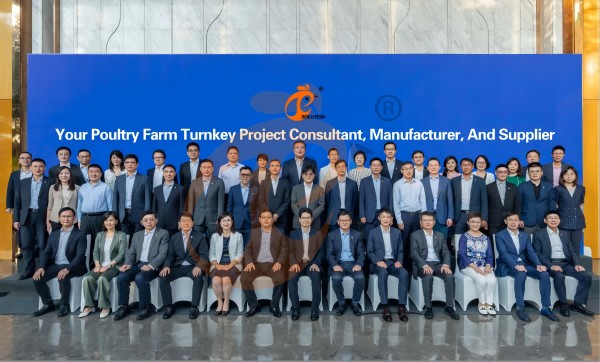
Hong Kong Headquarter Management Team
Hong Kong Headquarter Taiyu Industrial Group CO., LTD
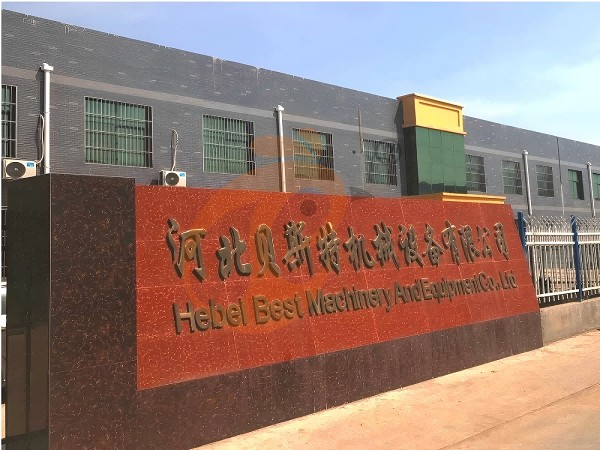
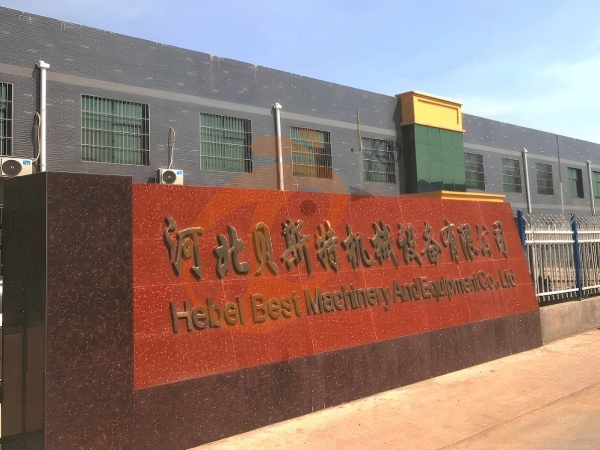
China Hebei Best Machinery And Equipment CO., LTD
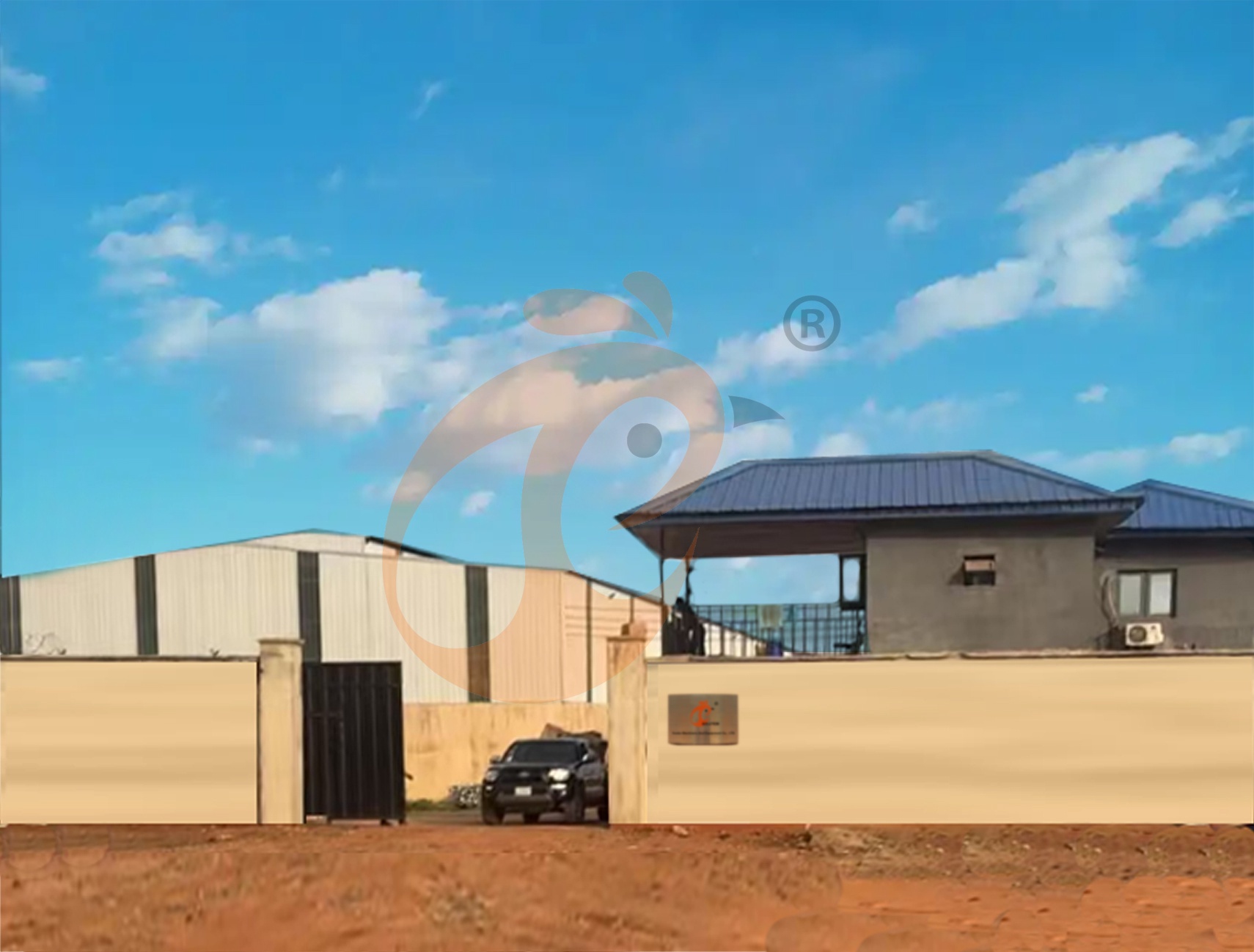
Nigeria Vanke Machinery And Equipment CO., LTD
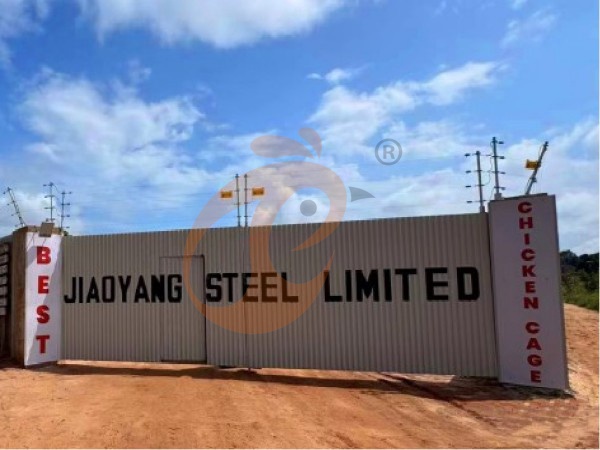
Tanzania Best Machinery And Equipment CO., LTD
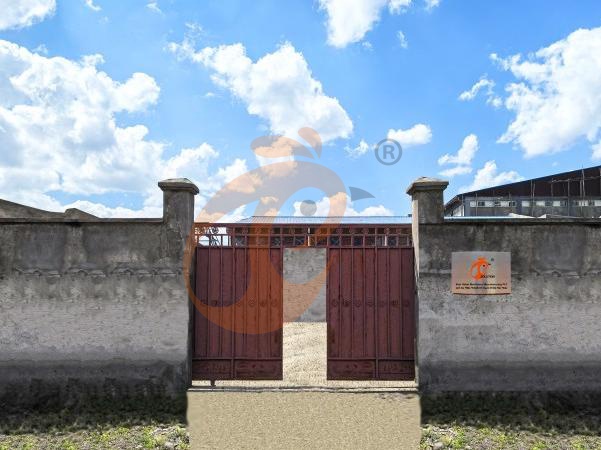
Ethiopia Best Hebei Machinery Manufacturing PLC
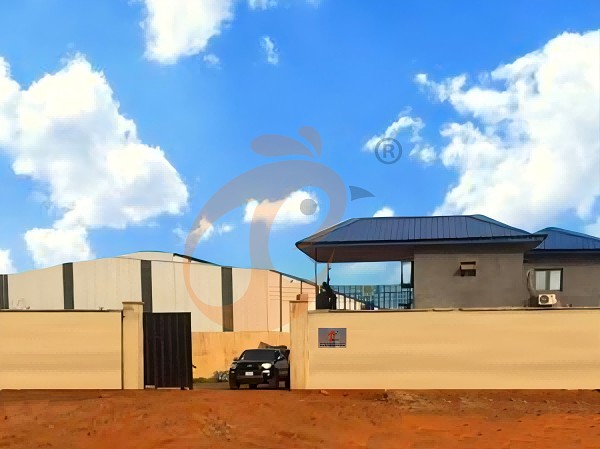
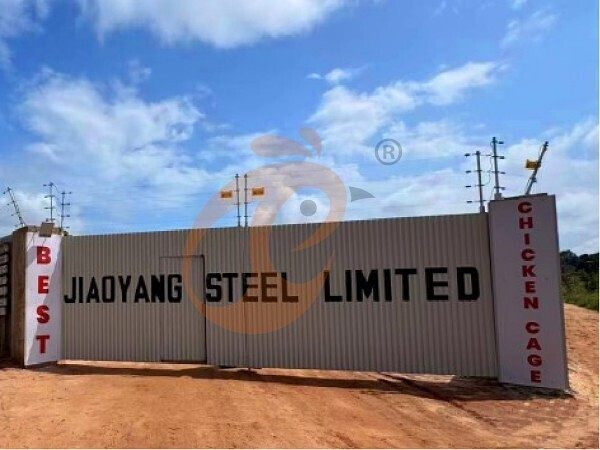
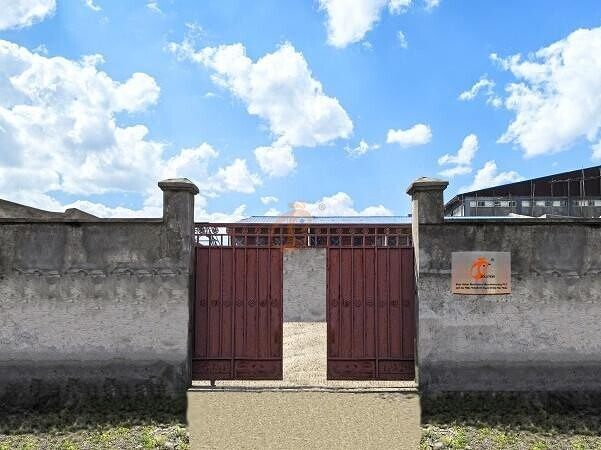
Reception /24 WhatsApp NO. : +8618830120193
FAQ
What Are The Professional Recommendations For Reducing Breakage Rate In Battery Cage Systems?
Regularly clean belts and avoid sharp edges.
Egg production: 90–98%, breakage rate: 2–3%.
How To Implement Automatic Feeding Systems To Maximize FCR Efficiency?
Reducing feed waste by 5–10% keeps FCR at 1.9–2.1.
Combined with lighting management, egg production rate can reach 90–98%.
What Are The Ultimate Tips For Minimizing Mortality In Poultry Cage Farms?
Ensure good ventilation, temperature 18–25℃, humidity 50–70%.
Regular health checks and vaccinations reduce mortality to 2–3%.
- poultry farm
- chicken cage
- layer cage
- poultry cage
- cage
- poultry farm construction
- layer cage system
- poultry cage equipment
- chicken cage manufacturer
- chicken cage system
- poultry farm project
- poultry equipment
- manure removal system
- chicken cages
- chickencage
- bestchickencage
- cage system
- cage systems
- h cage
- layer chicken cage
- Nigeria
- layer chicken cages
- layer chicken cage system
- poultry farming
- layer chicken cage manufacturer
- cage manufacturer
- modern poultry farm
- modern poultry farming
- poultry farm plan
- Ethiopia
Message
Products recommended
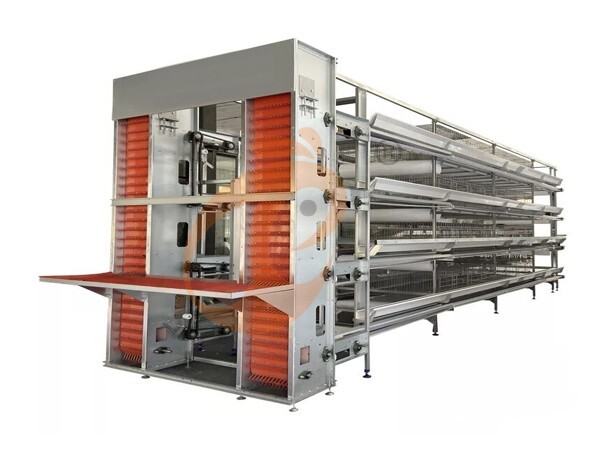
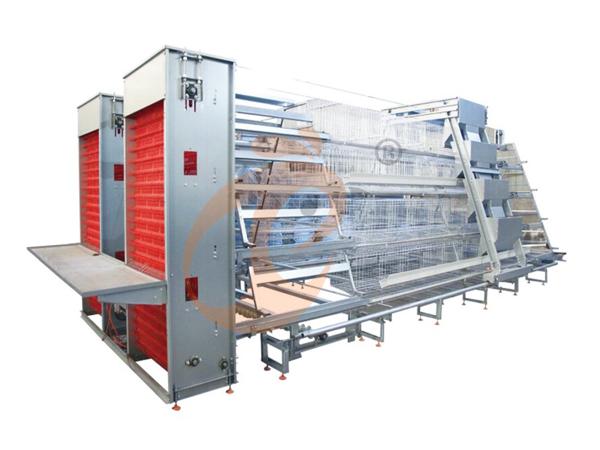
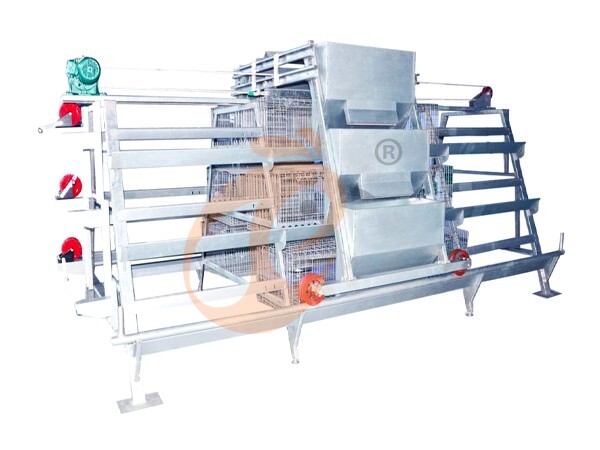
 >30,000 Pullets Automatic H Type Battery Cage1. More than 30,000 pullets a house, choose it.
2. It is designed to rearing older than 1 day old pullets to 12 to 16 weeks old chicken starting laying eggs.
3. Its lifespan is more than 25 years.
4. Its structure are Vcloud artificial intelligent fusion, electric control cabinet, automatic equipment of drinking, feeding, manure clean, manual harvesting.
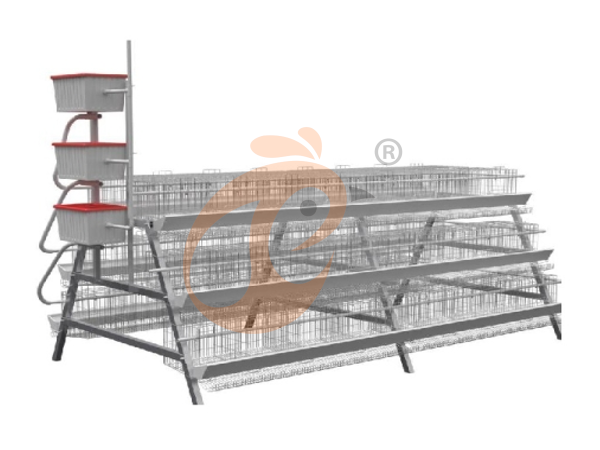
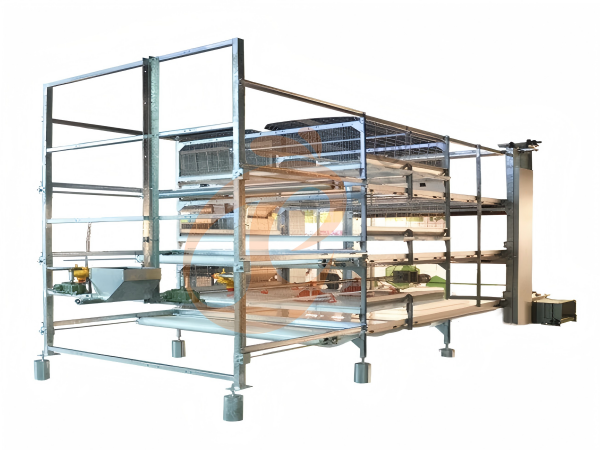
5. Our 24 hour online reception What’sApp NO. is +8618830120193 <30,000 Pullets Automatic A Type Battery Cage1. 10,000 to 30,000 pullets a house, choose it.
2. It is designed to rearing older than 1 day old pullets to 12 to 16 weeks old chicken starting laying eggs.
3. Its lifespan is more than 25 years.
4. Its structure are Vcloud artificial intelligent fusion, electric control cabinet, automatic equipment of drinking, feeding, manure clean, manual harvesting.
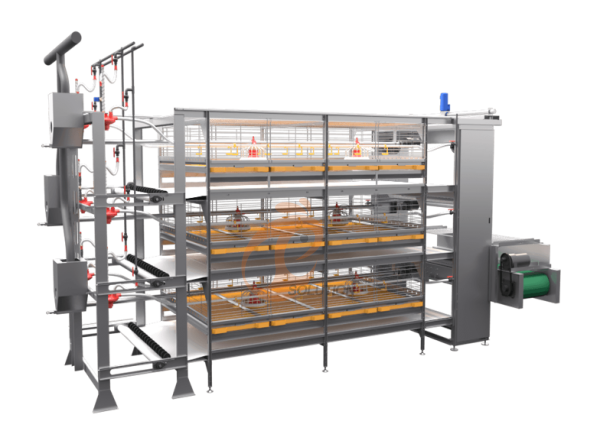
5. Our 24 hour online reception What’sApp NO. is +86 18830120193. >30,000 Broilers Semi-Automatic Harvest H Type Battery Cage1. More than 30,000 broilers a house, choose it.
2. It is designed to rearing 1 to 45 day old adult broiler ready for market.
3. Its lifespan is more than 20 years.
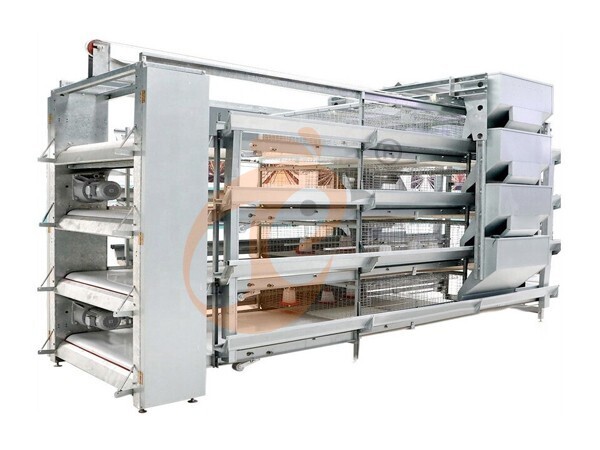
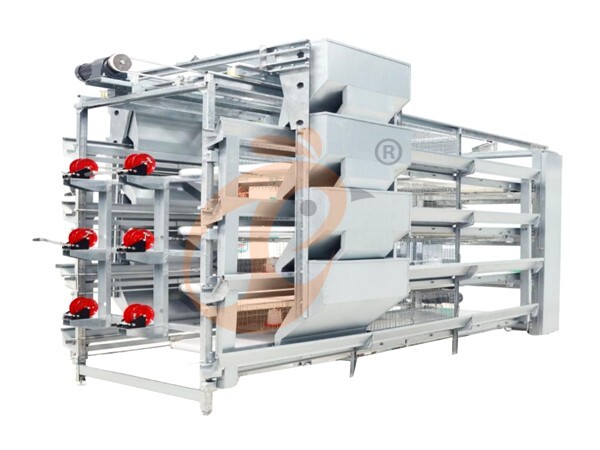
4. Our 24 hour online reception What’sApp NO. is +8618830120193, +234 8111199996. >30,000 Broilers Manual Harvest H Type Battery Cage1. More than 30,000 broilers a house, choose it.
2. It is designed to rearing 1 to 45 day old adult broiler ready for market.
3. Its lifespan is more than 20 years.
4. Its structure are Vcloud artificial intelligent fusion, electric control cabinet, automatic equipment of drinking, feeding and manure clean, manual harvesting.
5. Our 24 hour online reception What’sApp NO. is +8618830120193, +234 8111199996. <30,000 Broilers Manual Harvest A Type Battery Cage1. Less 30,000 broilers a house, choose it.
2. It is designed to rearing 1 to 45 day old adult broiler ready for market.
3. Its lifespan is more than 20 years.
4. Its structure are Vcloud artificial intelligent fusion, electric control cabinet, automatic equipment of drinking, feeding and manure clean, manual harvesting.
5. Our 24 hour online reception What’sApp NO. is +8618830120193, +234 8111199996. HK Headquarter Offers EU-standard Poultry Farm Solutions, Manufacture Poultry Farm Equipment1. Continuous communication with the EU and the US
2. China, Nigeria, Ethiopia, Tanzania branch companies and factories
3. The products’ quality is customized for local poultry farms
4. Poultry cage and poultry farm equipment stock for sale
5. 24 online reception Whatsapp NO. : +8618830120193,contact us to get full information China Branch Offer Poultry Farm Business Plan, Manufacture Poultry Farm Equipment1. Address: Flat/RM 2416, 24/F, Runxing Building, Youyi Nan Street, Shijiazhuang City, Hebei Province, China
2. Poultry cage and poultry farm equipment factory and stock for sale
3. Customized for local poultry farms
4. Quality and design are based on Euro
5. 24 online reception Whatsapp NO. : +8618830120193 Nigeria Branch Offer Poultry Farm Business Plan, Manufacture Poultry Farm Equipment1. Address: After Sinoma Office, 200 Meters Near Danco Filling Station, Lagos/Ibadan Expressway, Lagos State, Nigeria
2. Poultry cage and poultry farm equipment factory and stock for sale
3. Customized for Nigerian poultry farms
4. Quality and design are based on Euro
5. 24 online reception Whatsapp NO. : +8618830120193 Ethiopia Branch Offer Poultry Farm Business Plan, Manufacture Poultry Farm Equipment1. Address: Gelan Gura, Akaki-kaliti Sub City, Addis Ababa, Ethiopia
2. Poultry cage and poultry farm equipment stock for sale
3. Customized for Ethiopian poultry farms
4. Quality and design are based on Euro
5. 24 online reception Whatsapp NO. : +8618830120193, contact us to get price list Tanzania Branch Offer Poultry Farm Business Plan, Manufacture Poultry Farm Equipment1. Address: No.8, Sova Road, Msufini, Mlandizi, Kibaha, Pwani, Tanzania
2. Poultry cage and poultry farm equipment factory and stock for sale
3. Customized for Tanzanian poultry farms
4. Quality and design are based on Euro
5. 24 online reception Whatsapp NO. : +8618830120193
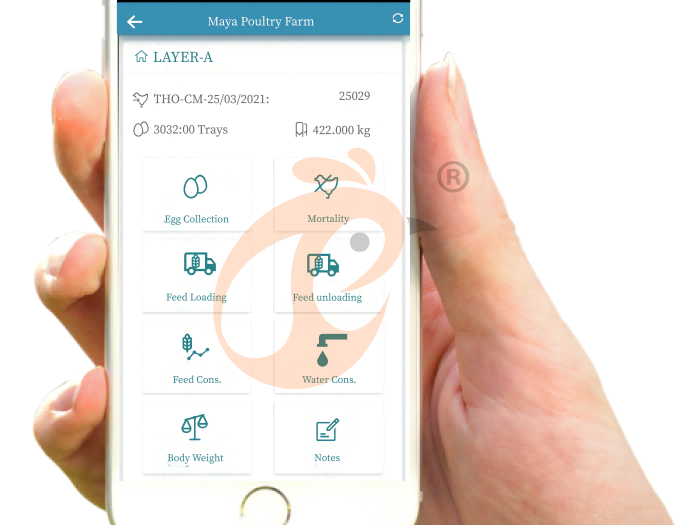


Contact