


Blog
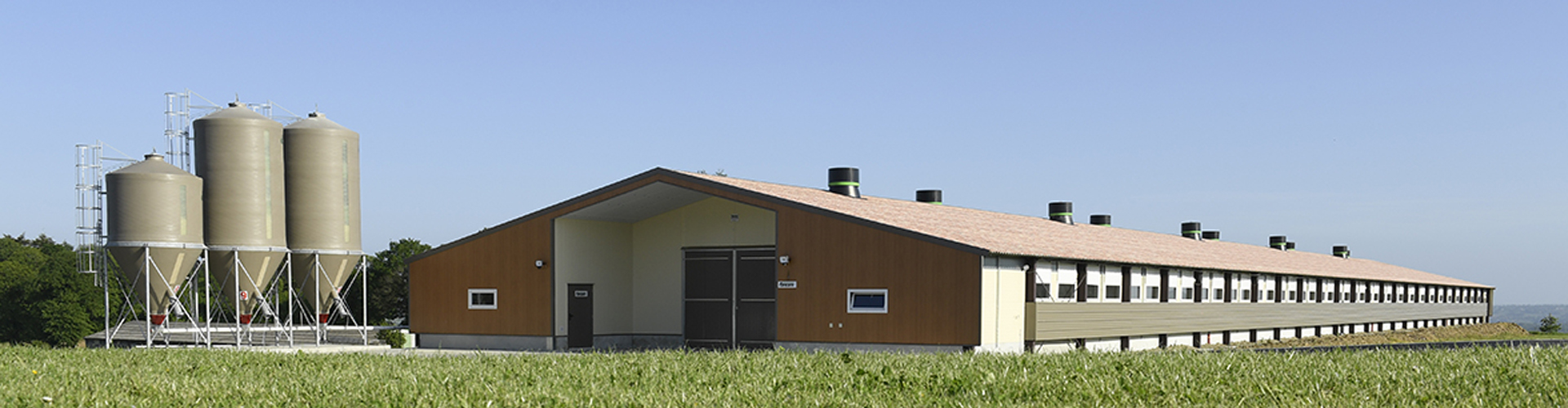
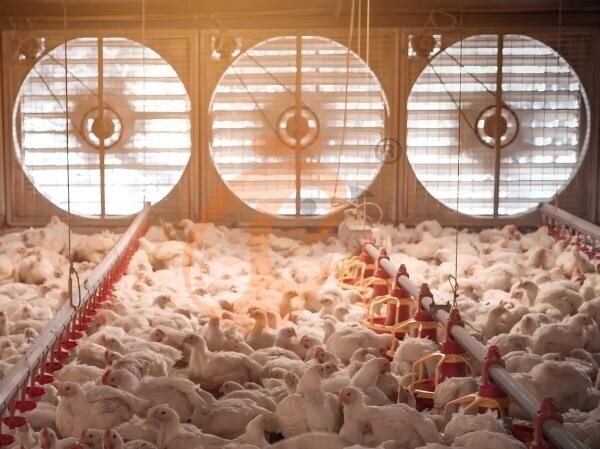
Modern poultry facilities require precise spatial engineering to balance animal welfare, production efficiency, and operational cost control.
Equipment layout design directly influences airflow distribution, biosecurity stability, and daily labor workflow efficiency.
Proper arrangement of feeders, drinkers, and manure systems improves flock uniformity and reduces system stress.
Integrated farm planning supports scalable production models across different housing capacities and climate conditions.
This article explains six engineering-based layout strategies supported by measurable poultry production parameters.
Get professional poultry farm construction guidance, equipment selection solutions, and the latest price lists, whatsApp to +8618830120193, click to learn more:
Macro Environmental Zoning Engineering Design
Before installing any mechanical system, farms must implement structured zoning architecture to prevent cross contamination.
This separation improves disease control efficiency and stabilizes internal air quality gradients.
Zoning also reduces ammonia migration from waste areas into production corridors.
Data is for reference only.Swipe horizontally to view full table.
Zoning efficiency increases when pressure differentials remain between 15–22 Pa across compartments.
Airflow must always move from clean zones toward waste zones without reversal.
Ventilation Aligned Feeding System Design
Feed distribution lines must be aligned with airflow to control dust dispersion and thermal load accumulation.
Improper feeder placement increases particulate concentration and reduces respiratory efficiency of birds.
Silo placement at inlet zones improves feed preservation stability and reduces moisture absorption risk.
Data is for reference only.Swipe horizontally to view full table.
Proper airflow synchronization improves daily weight gain consistency by up to 6–9%.
Hydraulic Drinker Distribution Engineering
Water delivery systems must compensate for pressure loss across long pipeline distances.
Gradient pressure adjustment ensures uniform water intake across all bird positions.
Hydraulic imbalance leads to uneven growth performance and dehydration sensitivity in high-density systems.
Data is for reference only.Swipe horizontally to view full table.
Stable water distribution improves flock uniformity index by approximately 12–15%.
Linear Manure Transport System Design
Manure removal systems must follow straight-axis engineering to minimize mechanical stress accumulation.
Curved conveyor designs increase energy consumption and reduce system lifespan.
Straight discharge systems improve maintenance efficiency and reduce blockage frequency.
Data is for reference only.Swipe horizontally to view full table.
Straight layouts reduce motor overload frequency and extend mechanical lifespan by 25–30%.
Mobile Buffer Zone Equipment Strategy
Dynamic poultry systems require flexible equipment positioning based on flock age and thermal load changes.
Buffer zoning improves adaptability while maintaining structural discipline across operational cycles.
Mobile equipment reduces downtime during environmental adjustment phases.
Data is for reference only.Swipe horizontally to view full table.
Structured buffer zoning improves spatial utilization efficiency by up to 20–26%.
Labor Pathway Engineering System
Worker movement is a measurable efficiency factor in poultry farm operations.
Excess walking distance increases fatigue and reduces inspection precision across production cycles.
Optimized pathways reduce response time for equipment adjustments and flock monitoring tasks.
Data is for reference only.Swipe horizontally to view full table.
Labor optimization directly enhances system stability and reduces operational variability.
Additional Engineering Design Considerations For Poultry Layout Systems
Evaporative cooling pad efficiency ranges between 75–85% temperature reduction capacity under 35°C ambient conditions, improving thermal stability during peak heat stress periods.
Recommended ridge ventilation opening width is 0.45–0.60 meters per 12-meter house span, ensuring stable vertical air exhaust without pressure backflow.
Feed auger rotation speed should be maintained at 450–550 rpm, reducing pellet breakage rate below 2.8% during transport cycles.
Lighting uniformity in poultry houses should be controlled within 20–30 lux variance across 90% floor area coverage, supporting synchronized feeding behavior patterns.
Structural steel frame spacing is commonly optimized at 3.0–3.5 meters column intervals, improving load distribution and reducing vibration resonance under full stocking density conditions.
Frequently Asked Questions
Q1: What is the ideal airflow speed for poultry houses?
Recommended airflow velocity ranges between 2.5–3.5 m/s in tunnel systems.
This range supports dust removal and thermal balance without creating stress drafts.
Q2: How often should manure conveyors be maintained?
Straight conveyor systems typically require inspection every 7–10 production days.
Maintenance intervals depend on load density and belt material thickness around 3–5 mm abrasion tolerance.
Q3: What is the recommended water pressure range for layer systems?
Layer systems operate optimally between 0.04–0.06 MPa depending on house length.
Uniform pressure reduces intake variation below 4% in well-balanced systems.
Taiyu (HK) Group - One Of China Largest Poultry Equipment Manufacturer
Integrates poultry house layout design with automated feeding capacity reaching 50,000–120,000 birds per unit.
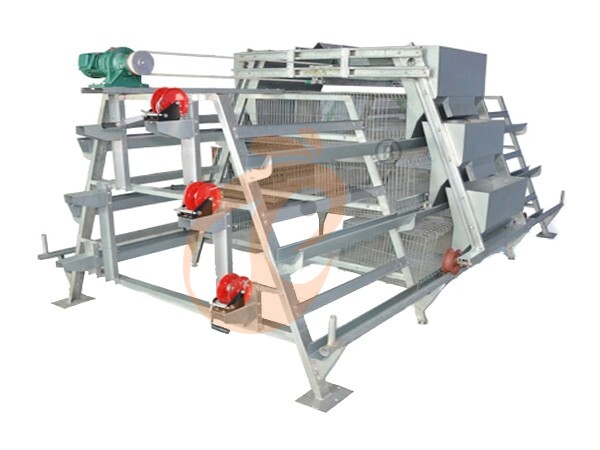
Engineering solutions include cage system layout, ventilation synchronization, and manure removal optimization modules.
Global factory direct supply ensures standardized poultry equipment production with consistent mechanical tolerance control.
Turn-key engineering services cover farm design, installation, commissioning, and operational training support.
International poultry production projects are supported across Asia, Africa, and South America markets under industrial specification frameworks.
Contact Us To Received Your Customized Poultry Farm Plan
Headquarters And Branchs
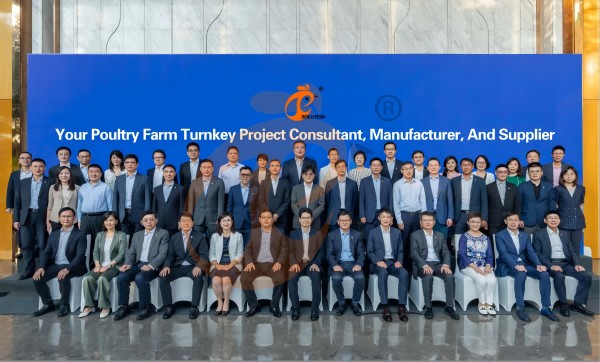
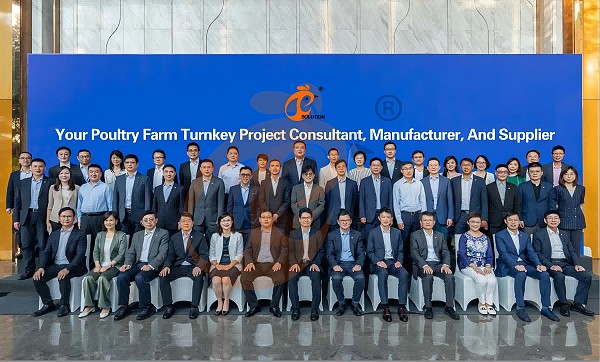
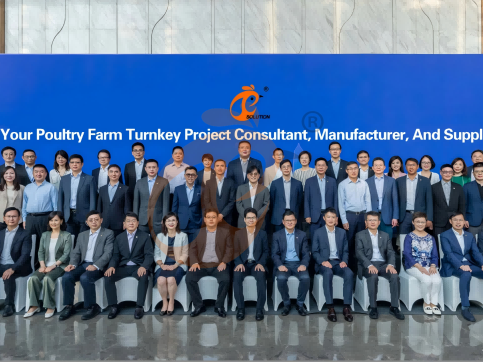
Hong Kong Headquarter Management Team
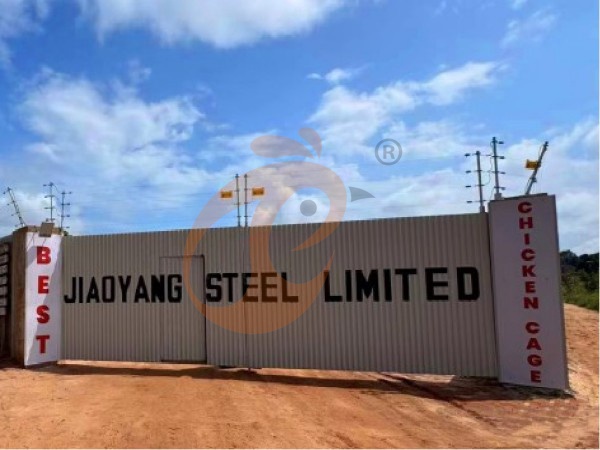
Hong Kong Headquarter Taiyu Industrial Group CO., LTD
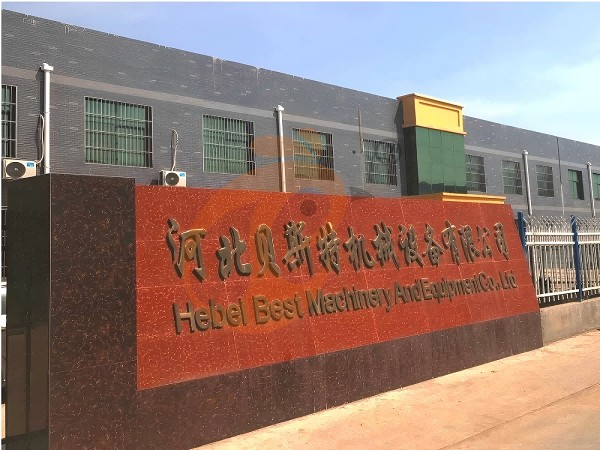
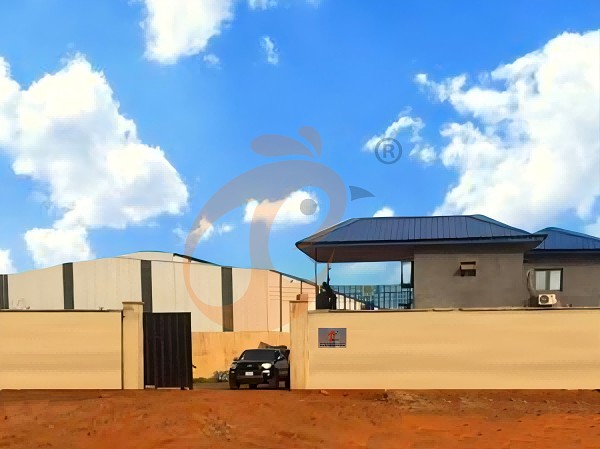
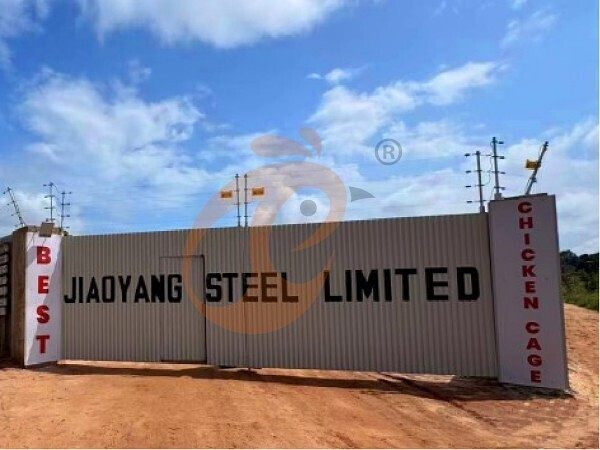
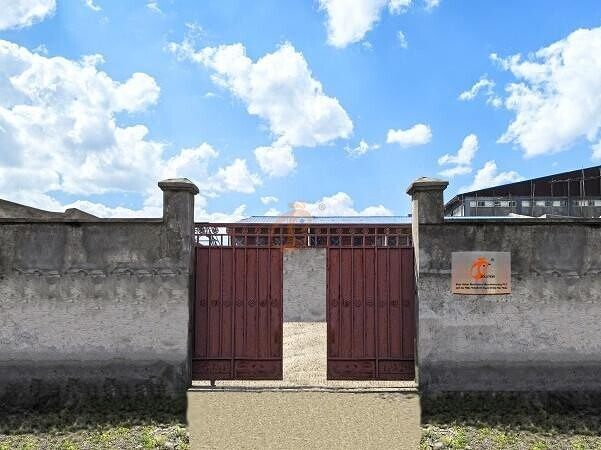
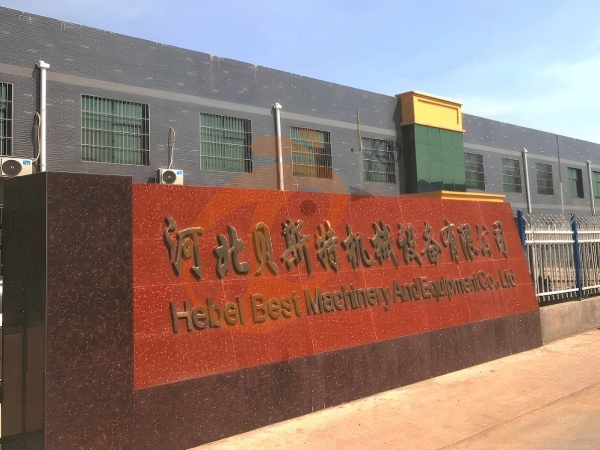
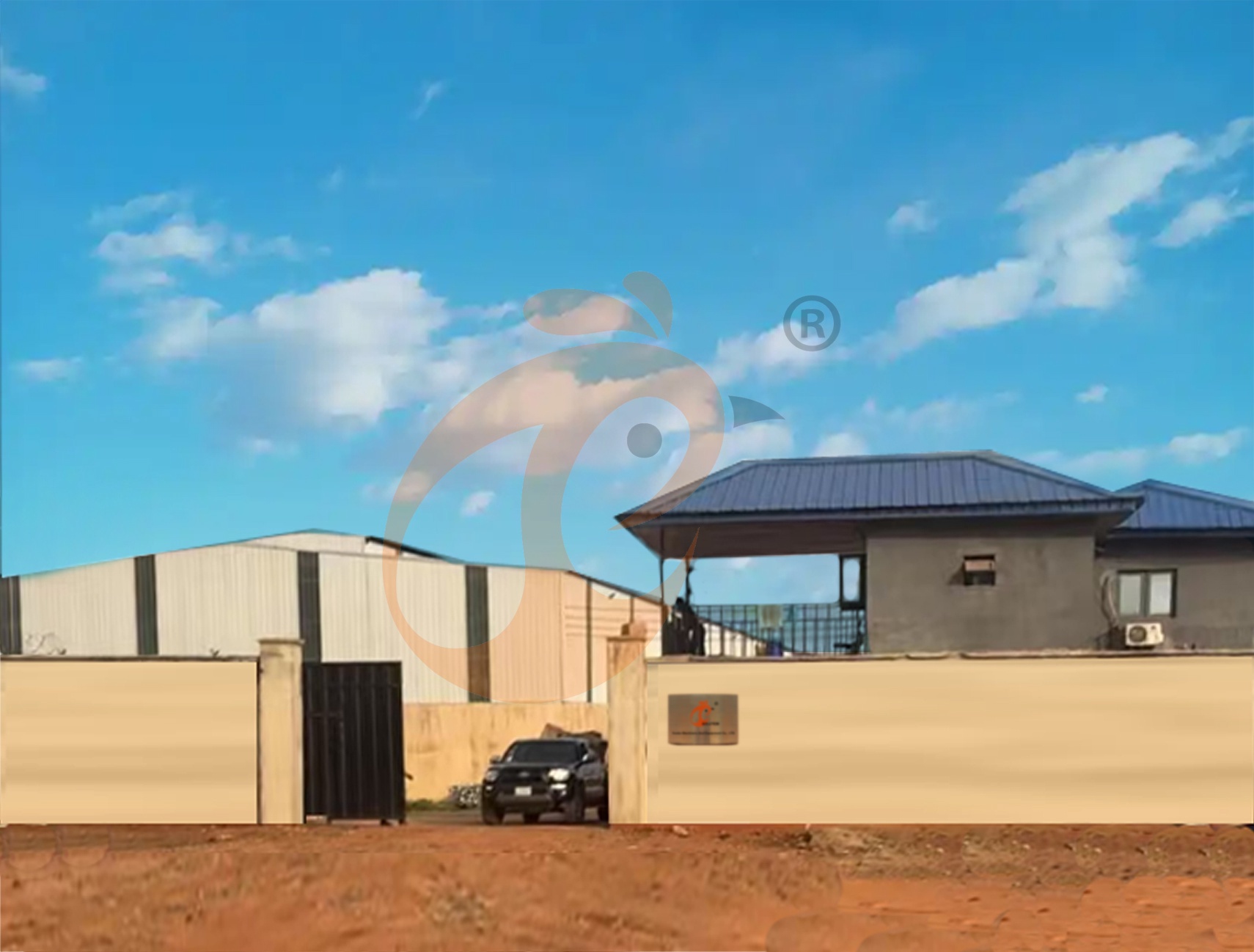
China Hebei Best Machinery And Equipment CO., LTD
Nigeria Vanke Machinery And Equipment CO., LTD
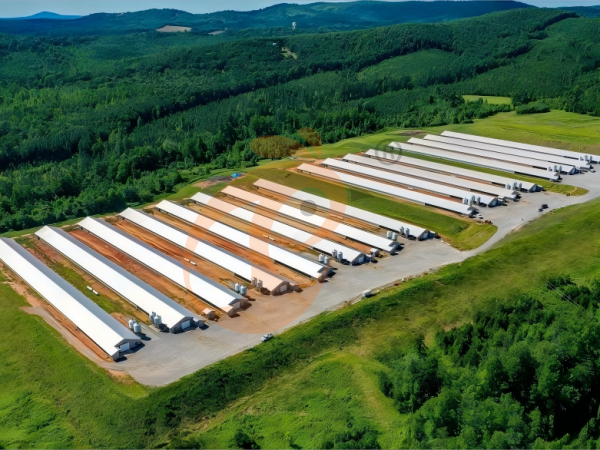
Tanzania Best Machinery And Equipment CO., LTD
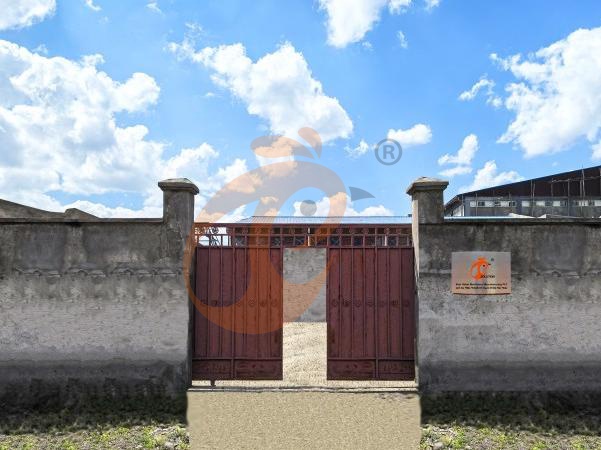
Ethiopia Best Hebei Machinery Manufacturing PLC
Reception /24 WhatsApp NO. : +8618830120193
FAQ
- poultry farm
- layer cage
- poultry house
- cage
- poultry farm construction
- poultry farm automation
- layer cage system
- poultry house layout
- poultry equipment
- manure removal system
- chickencage
- bestchickencage
- cage system
- Nigeria
- poultry farm automation system
- poultry equipment layout
- poultry equipment manufacturer
- broiler house equipment
- poultry house layout design
- poultry farm plan
- Ethiopia
Message
Products recommended
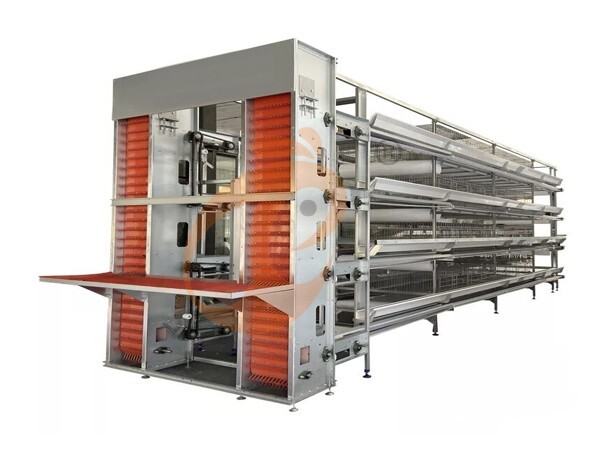
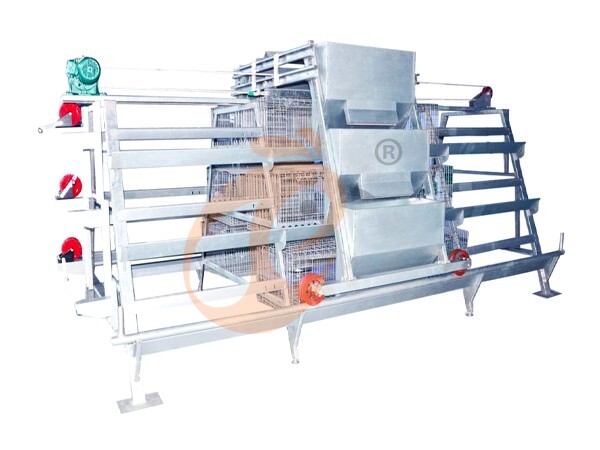
 >30,000 Pullets Automatic H Type Battery Cage1. More than 30,000 pullets a house, choose it.
2. It is designed to rearing older than 1 day old pullets to 12 to 16 weeks old chicken starting laying eggs.
3. Its lifespan is more than 25 years.
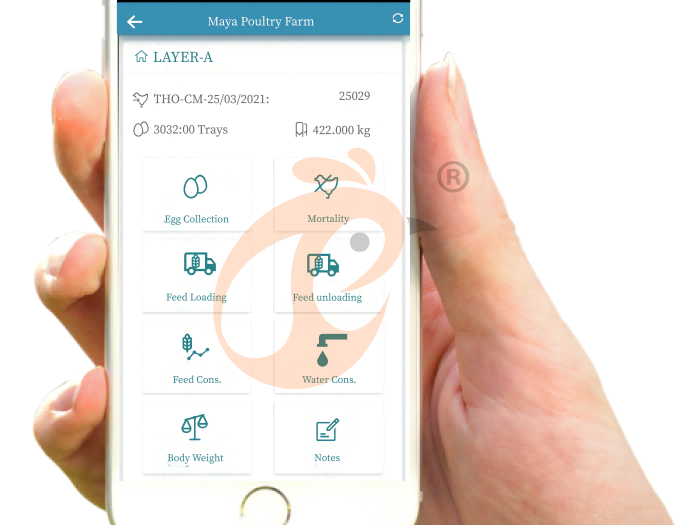
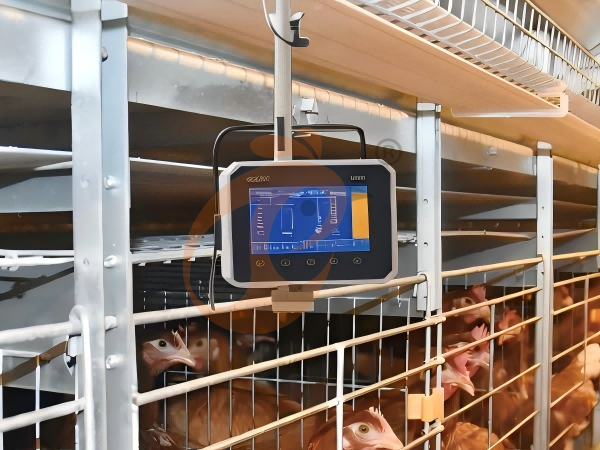
4. Its structure are Vcloud artificial intelligent fusion, electric control cabinet, automatic equipment of drinking, feeding, manure clean, manual harvesting.
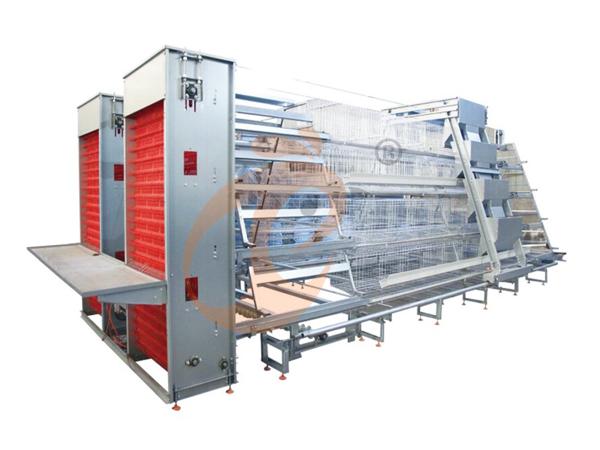
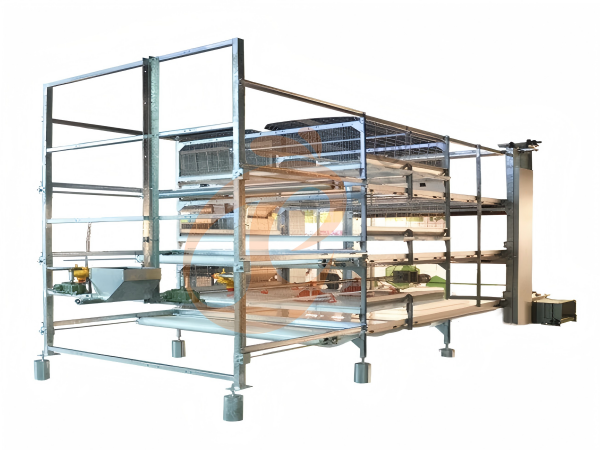
5. Our 24 hour online reception What’sApp NO. is +8618830120193 <30,000 Pullets Automatic A Type Battery Cage1. 10,000 to 30,000 pullets a house, choose it.
2. It is designed to rearing older than 1 day old pullets to 12 to 16 weeks old chicken starting laying eggs.
3. Its lifespan is more than 25 years.
4. Its structure are Vcloud artificial intelligent fusion, electric control cabinet, automatic equipment of drinking, feeding, manure clean, manual harvesting.
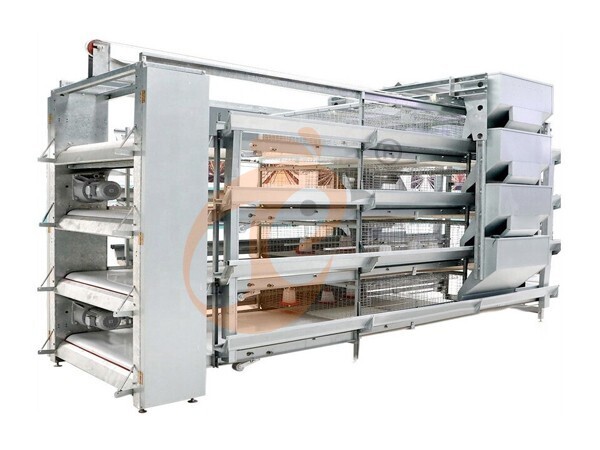
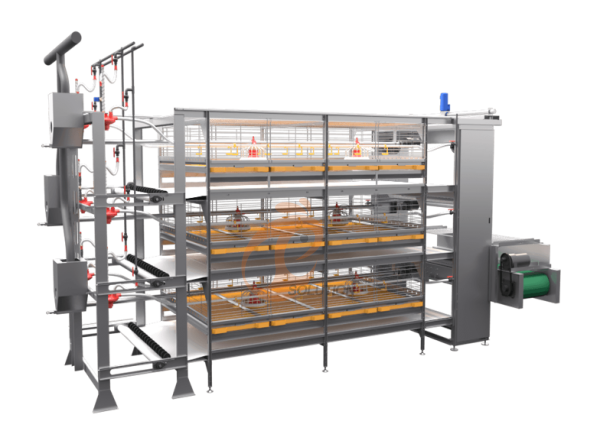
5. Our 24 hour online reception What’sApp NO. is +86 18830120193. >30,000 Broilers Semi-Automatic Harvest H Type Battery Cage1. More than 30,000 broilers a house, choose it.
2. It is designed to rearing 1 to 45 day old adult broiler ready for market.
3. Its lifespan is more than 20 years.
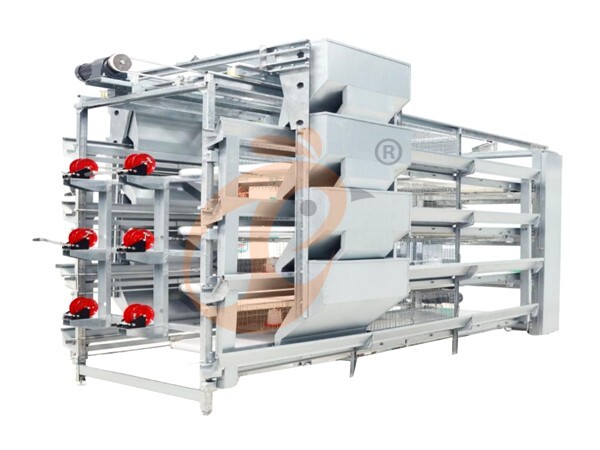
4. Our 24 hour online reception What’sApp NO. is +8618830120193, +234 8111199996. >30,000 Broilers Manual Harvest H Type Battery Cage1. More than 30,000 broilers a house, choose it.
2. It is designed to rearing 1 to 45 day old adult broiler ready for market.
3. Its lifespan is more than 20 years.
4. Its structure are Vcloud artificial intelligent fusion, electric control cabinet, automatic equipment of drinking, feeding and manure clean, manual harvesting.
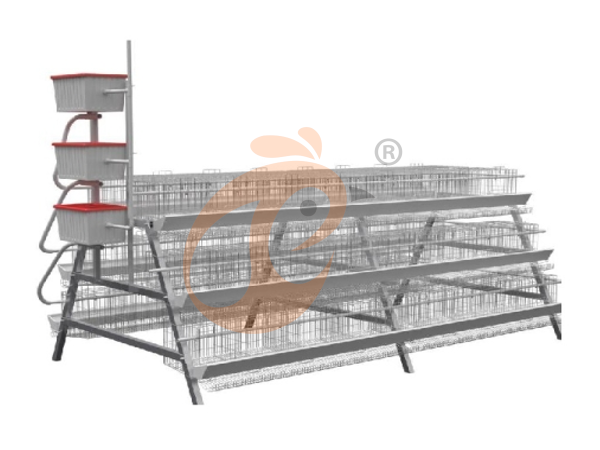
5. Our 24 hour online reception What’sApp NO. is +8618830120193, +234 8111199996. <30,000 Broilers Manual Harvest A Type Battery Cage1. Less 30,000 broilers a house, choose it.
2. It is designed to rearing 1 to 45 day old adult broiler ready for market.
3. Its lifespan is more than 20 years.
4. Its structure are Vcloud artificial intelligent fusion, electric control cabinet, automatic equipment of drinking, feeding and manure clean, manual harvesting.
5. Our 24 hour online reception What’sApp NO. is +8618830120193, +234 8111199996. HK Headquarter Offers EU-standard Poultry Farm Solutions, Manufacture Poultry Farm Equipment1. Continuous communication with the EU and the US
2. China, Nigeria, Ethiopia, Tanzania branch companies and factories
3. The products’ quality is customized for local poultry farms
4. Poultry cage and poultry farm equipment stock for sale
5. 24 online reception Whatsapp NO. : +8618830120193,contact us to get full information China Branch Offer Poultry Farm Business Plan, Manufacture Poultry Farm Equipment1. Address: Flat/RM 2416, 24/F, Runxing Building, Youyi Nan Street, Shijiazhuang City, Hebei Province, China
2. Poultry cage and poultry farm equipment factory and stock for sale
3. Customized for local poultry farms
4. Quality and design are based on Euro
5. 24 online reception Whatsapp NO. : +8618830120193 Nigeria Branch Offer Poultry Farm Business Plan, Manufacture Poultry Farm Equipment1. Address: After Sinoma Office, 200 Meters Near Danco Filling Station, Lagos/Ibadan Expressway, Lagos State, Nigeria
2. Poultry cage and poultry farm equipment factory and stock for sale
3. Customized for Nigerian poultry farms
4. Quality and design are based on Euro
5. 24 online reception Whatsapp NO. : +8618830120193 Ethiopia Branch Offer Poultry Farm Business Plan, Manufacture Poultry Farm Equipment1. Address: Gelan Gura, Akaki-kaliti Sub City, Addis Ababa, Ethiopia
2. Poultry cage and poultry farm equipment stock for sale
3. Customized for Ethiopian poultry farms
4. Quality and design are based on Euro
5. 24 online reception Whatsapp NO. : +8618830120193, contact us to get price list Tanzania Branch Offer Poultry Farm Business Plan, Manufacture Poultry Farm Equipment1. Address: No.8, Sova Road, Msufini, Mlandizi, Kibaha, Pwani, Tanzania
2. Poultry cage and poultry farm equipment factory and stock for sale
3. Customized for Tanzanian poultry farms
4. Quality and design are based on Euro
5. 24 online reception Whatsapp NO. : +8618830120193



Contact