


Blog
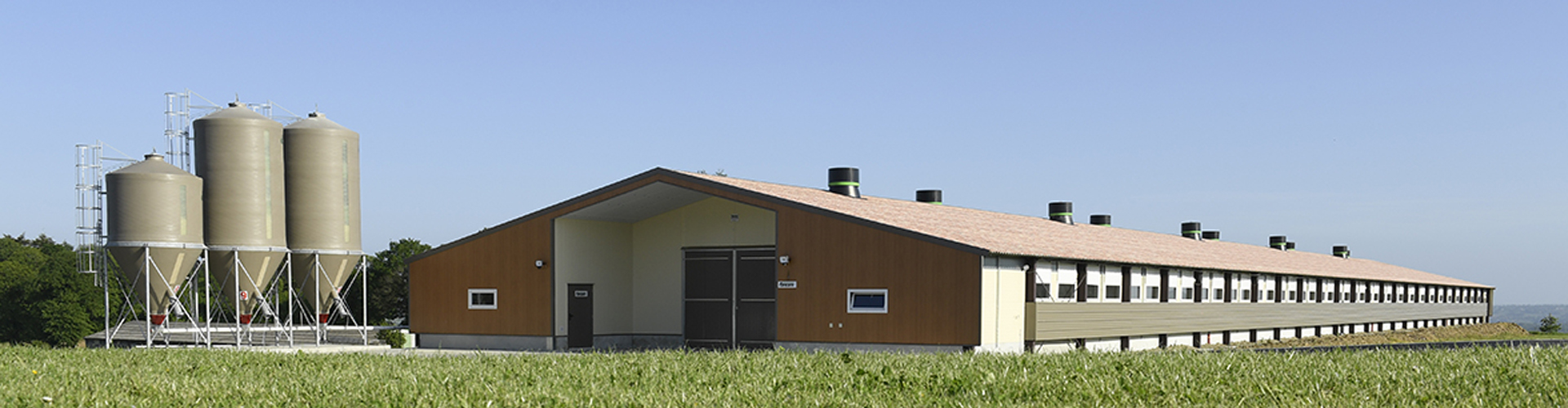
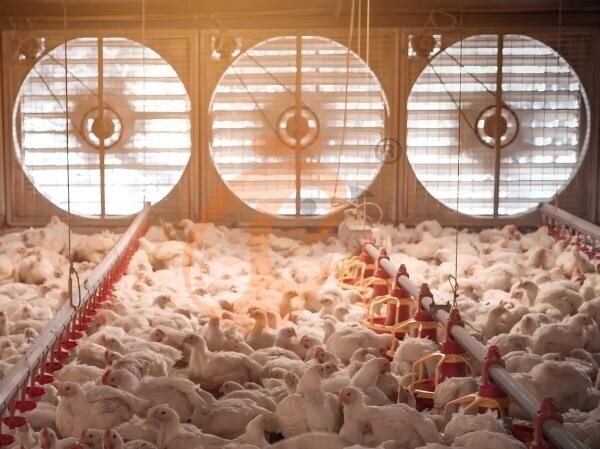
Floor rearing poultry house design is a structured approach for commercial poultry production systems.
It integrates building orientation, ventilation engineering, and internal space planning for stable flock performance.
Proper design improves feed utilization, mortality control, and environmental consistency inside housing units.
Operational efficiency depends on airflow balance, stocking control, and equipment layout coordination.
This article explains engineering layout logic, system parameters, and practical construction configuration methods.
Get professional poultry farm construction guidance, equipment selection solutions, and the latest price lists, whatsApp to +8618830120193, click to learn more:
Poultry House Structural Planning And Environmental Design Framework
Data is for reference only.Swipe horizontally to view full table.
Structural geometry directly influences airflow movement patterns inside poultry housing systems.
Wide-span buildings improve internal air exchange consistency during production cycles.
Roof height regulation supports thermal stratification reduction and gas dispersion efficiency.
Floor slope ensures moisture discharge and litter dryness maintenance throughout flock cycles.
Sidewall openings must be calculated according to regional climate wind patterns.
Airflow Engineering System And Ventilation Distribution Design
Advanced Poultry House Ventilation Layout improves oxygen distribution and heat balance stability.
Ventilation system design requires coordination between inlet velocity and exhaust capacity.
Negative pressure systems maintain directional airflow from inlet to exhaust zones.
Fan placement spacing affects air velocity uniformity across poultry floor regions.
Data is for reference only.Swipe horizontally to view full table.
Air exchange rate determines ammonia removal efficiency inside closed poultry houses.
Tunnel ventilation systems are commonly applied in high-density broiler production units.
Static pressure regulation ensures balanced airflow distribution across long-span buildings.
Stocking Density Allocation And Floor Space Utilization Model
Precision poultry floor design system improves uniform growth distribution across flocks.
Stocking density must be aligned with feed line access and drinking point distribution.
Bird movement space affects leg health development and weight gain consistency.
Uneven density distribution increases stress behavior and reduces production uniformity.
Data is for reference only.Swipe horizontally to view full table.
Space allocation increases progressively with bird body mass growth stages.
Adequate spacing reduces feed competition and improves uniform weight distribution.
Final stage allocation directly impacts slaughter weight consistency and processing yield.
Flooring System Engineering And Material Performance Selection
Data is for reference only.Swipe horizontally to view full table.
Flooring material selection influences moisture control and microbial development rate.
Higher absorption capacity reduces ammonia emission from decomposing litter layers.
Replacement cycles depend on humidity level and flock density pressure conditions.
Organic bedding materials require regular aeration to maintain structural integrity.
Feed Distribution System Engineering And Equipment Layout
Feed line positioning determines accessibility uniformity across entire poultry house width.
Mechanical auger systems distribute feed through controlled rotational transport mechanisms.
Feed wastage rates depend on trough height calibration and bird age adaptation.
Data is for reference only.Swipe horizontally to view full table.
Feed line synchronization improves uniform intake across flock distribution zones.
Pan feeding systems reduce feed competition intensity during rapid growth stages.
Tube systems are commonly used in automated mid-scale poultry operations.
Water Supply Engineering And Hydration Control Layout
Water system design affects metabolic stability and growth rate regulation.
Pressure-regulated drinking systems maintain consistent water delivery across long pipelines.
Sediment filtration reduces bacterial contamination risk in closed poultry environments.
Data is for reference only.Swipe horizontally to view full table.
Pressure stability ensures uniform hydration across all poultry zones.
Nipple systems reduce contamination by limiting external water exposure.
Cup systems improve accessibility for early-stage chick development.
Biosecurity Engineering And Controlled Movement Architecture
Controlled zoning reduces pathogen transfer between poultry operational areas.
Entry protocols include sanitation barriers and restricted access transition points.
Waste removal pathways must remain separated from feed storage corridors.
Data is for reference only.Swipe horizontally to view full table.
Biosecurity design reduces cross-contamination probability across production cycles.
Controlled movement pathways improve hygiene consistency across farm operations.
Disinfection scheduling supports microbial load reduction inside housing systems.
Environmental Control Systems And Monitoring Technology
Environmental control systems regulate internal poultry house stability conditions.
Sensor networks monitor temperature gradients and humidity fluctuations continuously.
Automated controllers adjust ventilation output based on real-time data inputs.
Data is for reference only.Swipe horizontally to view full table.
Sensor precision improves response accuracy of ventilation and heating systems.
Carbon dioxide accumulation directly impacts respiratory efficiency in poultry flocks.
Lighting control influences feeding rhythm and behavioral stability patterns.
Frequently Asked Questions
Q1: What is the most important design factor in floor rearing poultry houses?
Ventilation balance is the primary factor affecting internal environment stability.
Incorrect airflow design increases humidity and gas concentration levels significantly.
Proper fan capacity selection stabilizes long-term production efficiency.
Q2: How much space does each broiler require during final growth stage?
Each broiler requires approximately 0.110 m² during pre-market phase.
This space ensures uniform weight distribution and reduces movement stress.
Overcrowding reduces feed efficiency and increases mortality risk.
Q3: Which ventilation system is more suitable for large poultry houses?
Tunnel ventilation systems are commonly used for large-scale production units.
They provide consistent airflow velocity across long building structures.
System efficiency depends on correct fan spacing and inlet sizing.
Taiyu (HK) Group - One Of China Largest Floor Rearing System Exporter
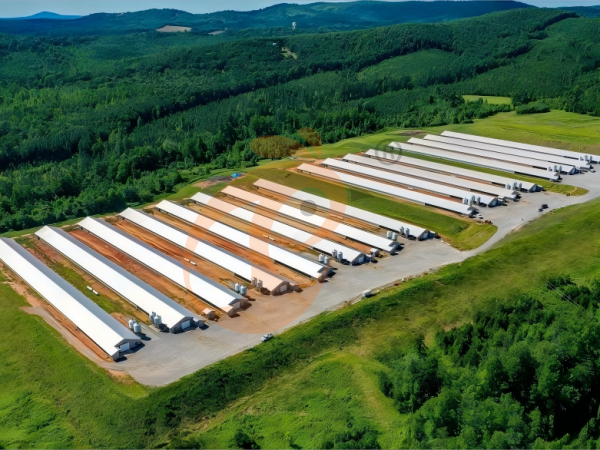
Floor rearing poultry house project supports 20,000–120,000 bird capacity per building unit with modular expansion engineering layout.
Factory integrates poultry equipment manufacturing including ventilation fan systems, feed lines, and environmental control automation units.
Global direct supply chain supports turnkey EPC delivery covering civil construction, installation, and commissioning phases.
Production facilities operate with standardized industrial poultry engineering specifications and digital layout design systems.
Export projects include commercial poultry farms, integrated breeding systems, and automated housing infrastructure solutions worldwide.
Contact Us To Received Your Customized Poultry Farm Plan
Headquarters And Branchs
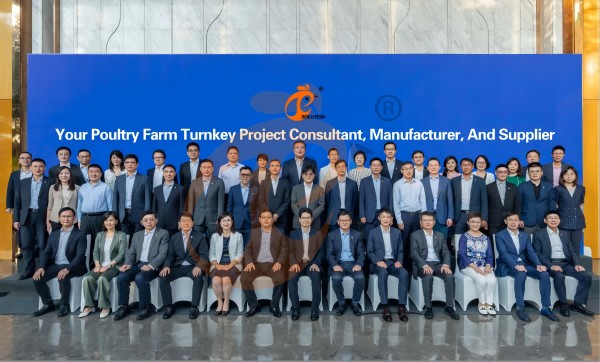
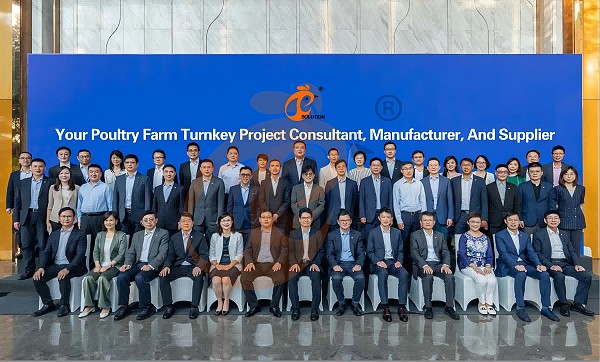
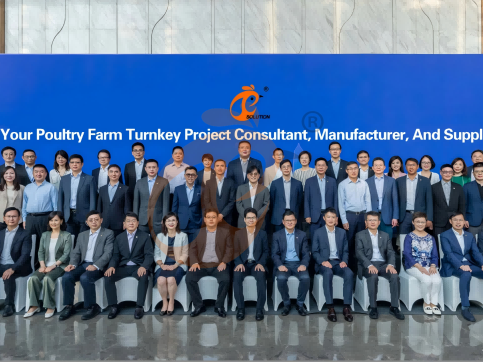
Hong Kong Headquarter Management Team
Hong Kong Headquarter Taiyu Industrial Group CO., LTD
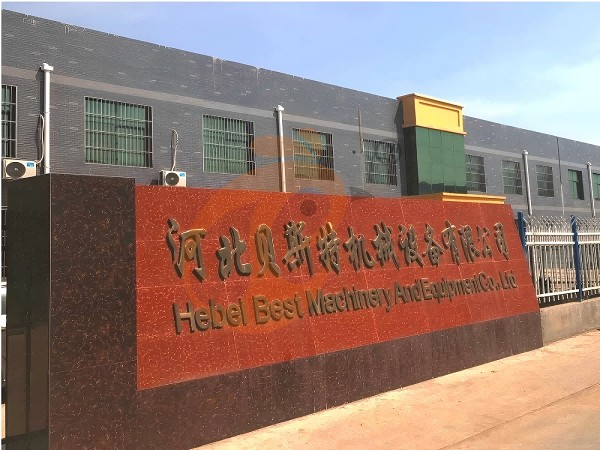
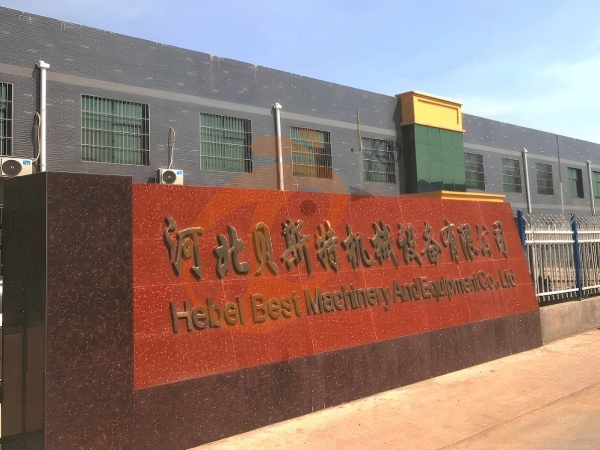
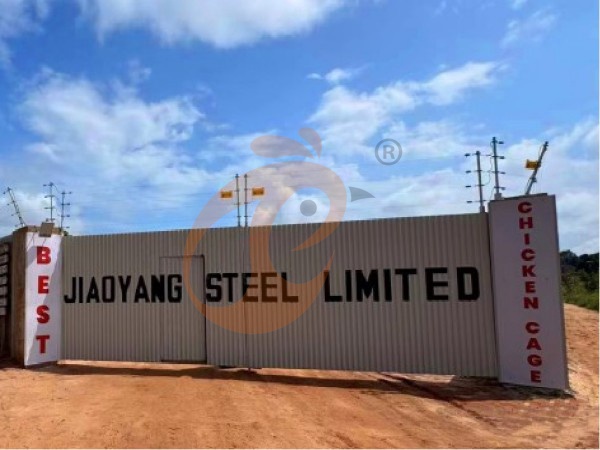
China Hebei Best Machinery And Equipment CO., LTD
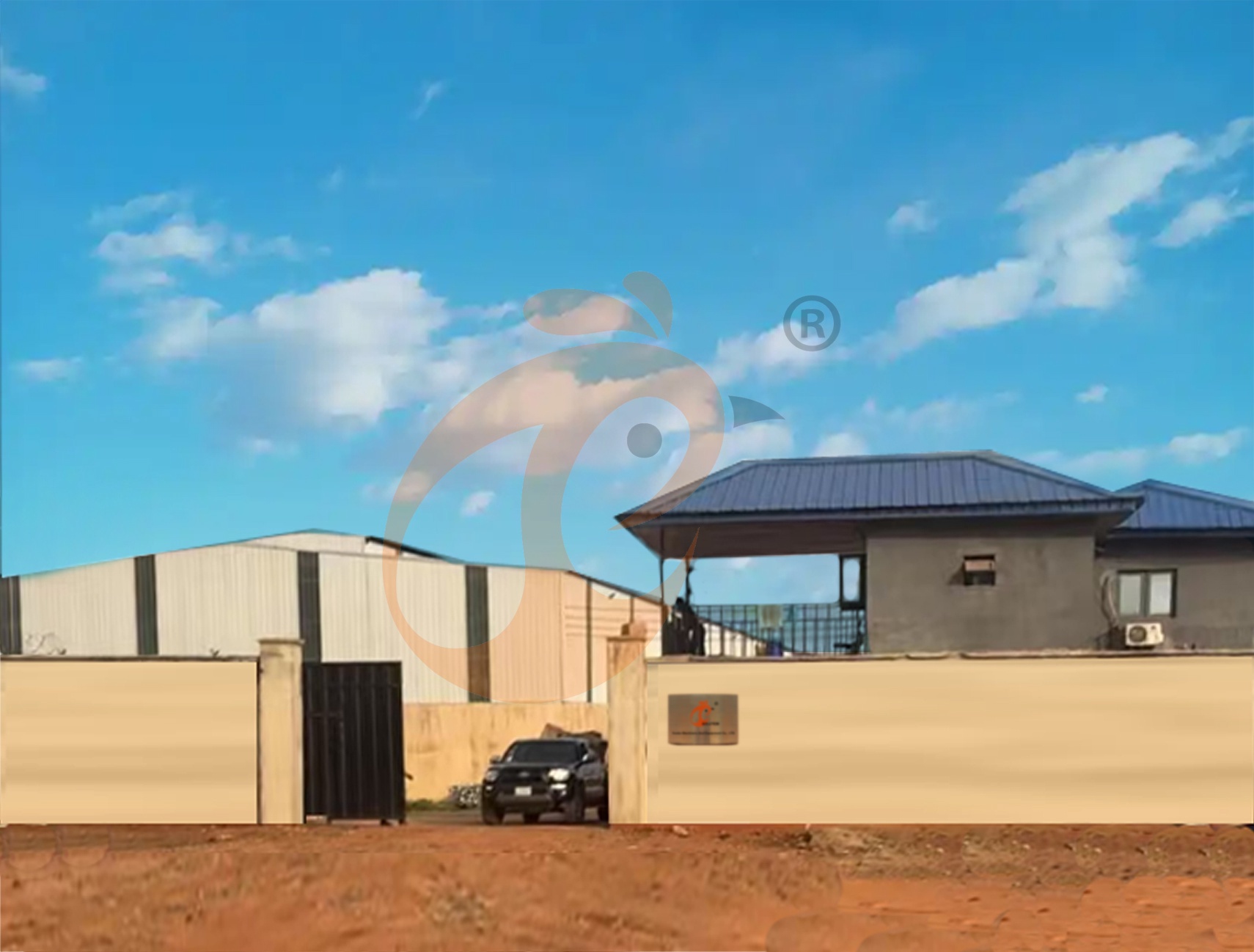
Nigeria Vanke Machinery And Equipment CO., LTD
Tanzania Best Machinery And Equipment CO., LTD
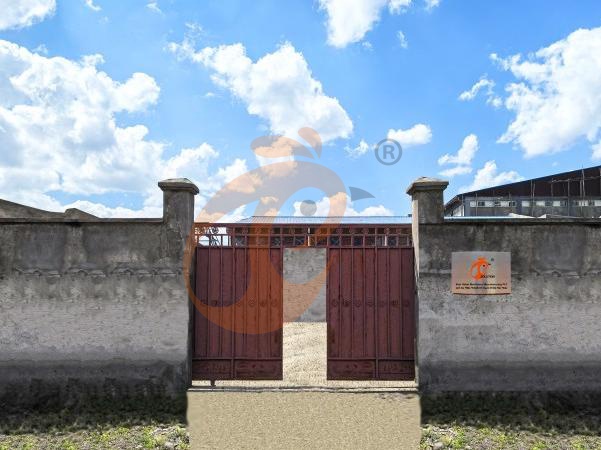
Ethiopia Best Hebei Machinery Manufacturing PLC
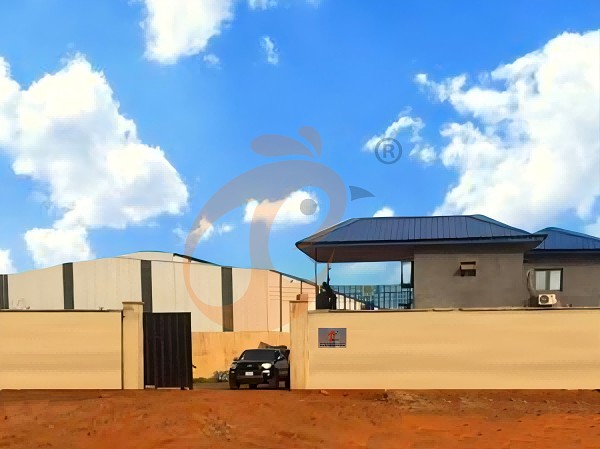
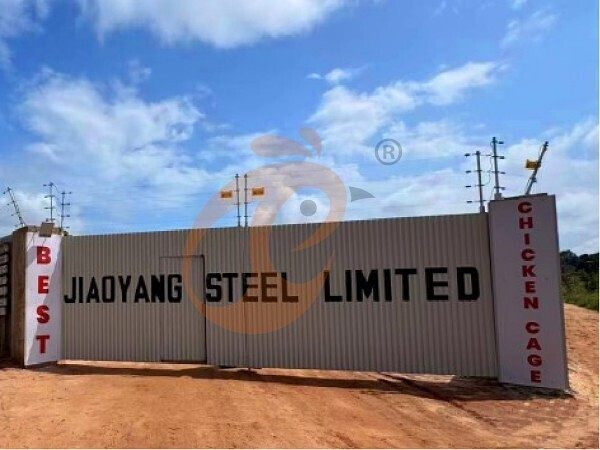
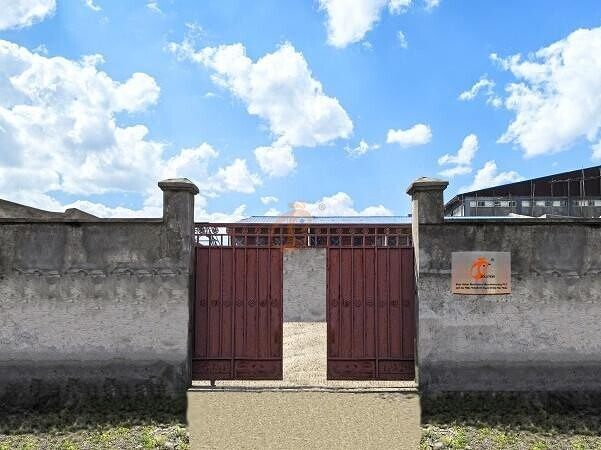
Reception /24 WhatsApp NO. : +8618830120193
FAQ
What Growth Performance Indicators Are Expected In Floor Rearing Poultry System?
Feed conversion ratio is maintained at 1.65–1.85 for commercial broilers.
Market slaughter age ranges from 38–45 days depending on breed selection.
What Disease Control Standards Apply In Floor Rearing Poultry System?
Flock vaccination coverage reaches 90%–98% depending on disease prevention program.
Pathogen reduction targets aim for 80%–90% decrease in bacterial load.
What Are The Manure Management Requirements In Floor Rearing Poultry System?
Ammonia emission control targets remain below 15 ppm through regular cleaning cycles.
Dry matter content is maintained above 65% to improve composting efficiency.
- poultry farm
- poultry farms
- poultry house
- cage
- poultry farm construction
- poultry house design
- poultry house ventilation
- poultry housing system
- poultry equipment
- chickencage
- bestchickencage
- Nigeria
- commercial poultry farms
- poultry housing systems
- poultry farm plan
- automated poultry feeding
- poultry feed
- Ethiopia
Message
Products recommended
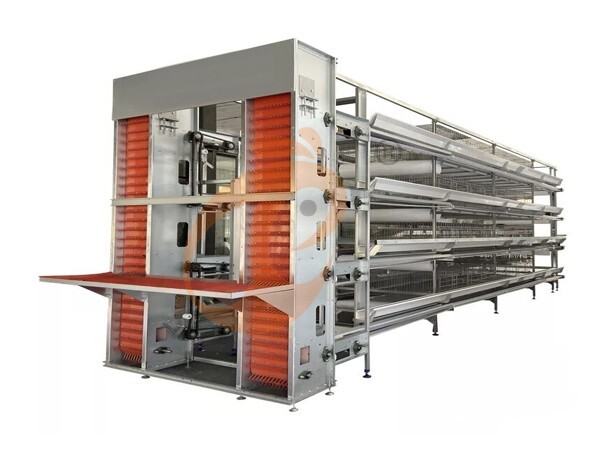
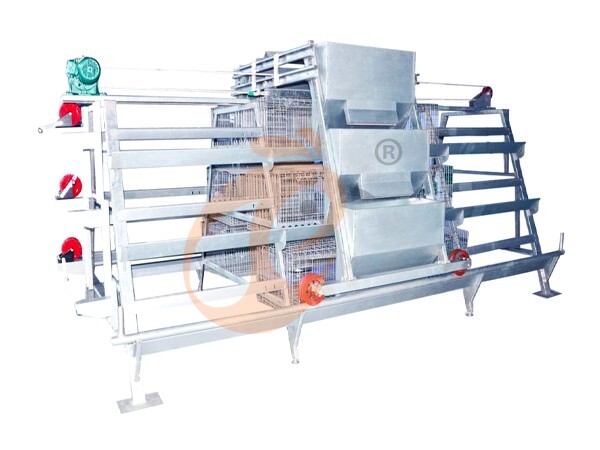
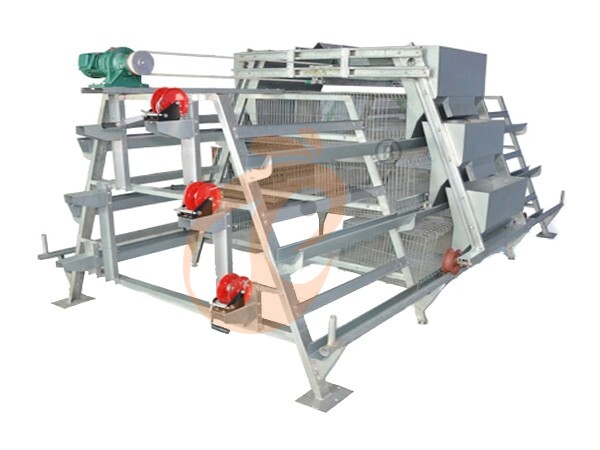
 >30,000 Pullets Automatic H Type Battery Cage1. More than 30,000 pullets a house, choose it.
2. It is designed to rearing older than 1 day old pullets to 12 to 16 weeks old chicken starting laying eggs.
3. Its lifespan is more than 25 years.
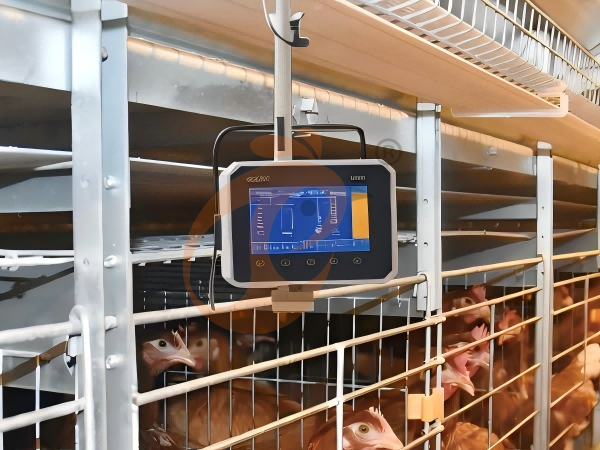
4. Its structure are Vcloud artificial intelligent fusion, electric control cabinet, automatic equipment of drinking, feeding, manure clean, manual harvesting.
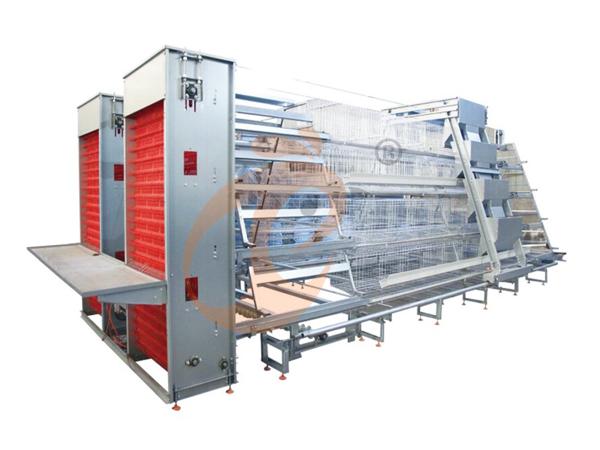
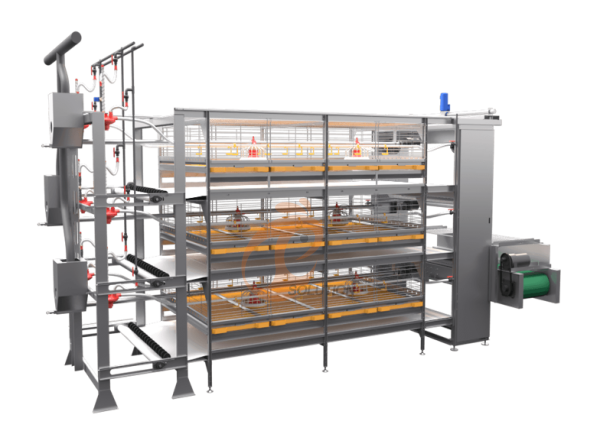
5. Our 24 hour online reception What’sApp NO. is +8618830120193 <30,000 Pullets Automatic A Type Battery Cage1. 10,000 to 30,000 pullets a house, choose it.
2. It is designed to rearing older than 1 day old pullets to 12 to 16 weeks old chicken starting laying eggs.
3. Its lifespan is more than 25 years.
4. Its structure are Vcloud artificial intelligent fusion, electric control cabinet, automatic equipment of drinking, feeding, manure clean, manual harvesting.
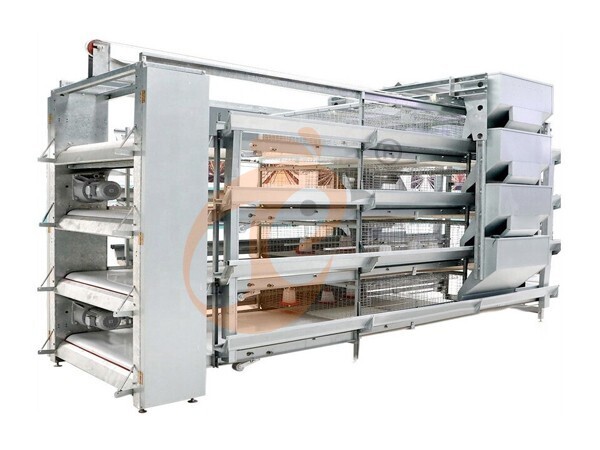
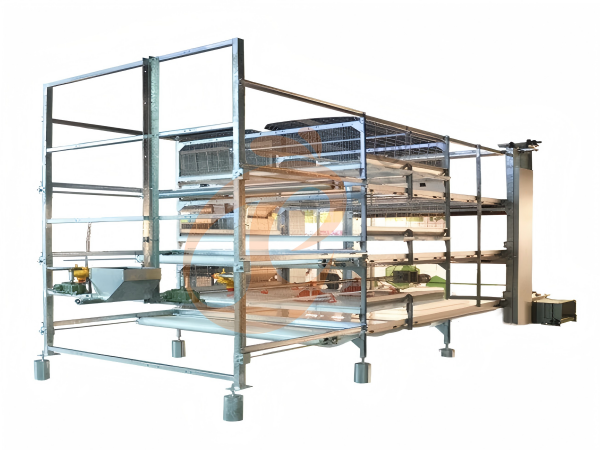
5. Our 24 hour online reception What’sApp NO. is +86 18830120193. >30,000 Broilers Semi-Automatic Harvest H Type Battery Cage1. More than 30,000 broilers a house, choose it.
2. It is designed to rearing 1 to 45 day old adult broiler ready for market.
3. Its lifespan is more than 20 years.
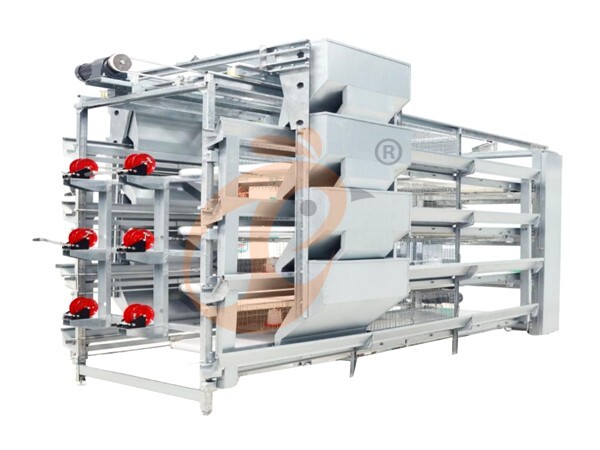
4. Our 24 hour online reception What’sApp NO. is +8618830120193, +234 8111199996. >30,000 Broilers Manual Harvest H Type Battery Cage1. More than 30,000 broilers a house, choose it.
2. It is designed to rearing 1 to 45 day old adult broiler ready for market.
3. Its lifespan is more than 20 years.
4. Its structure are Vcloud artificial intelligent fusion, electric control cabinet, automatic equipment of drinking, feeding and manure clean, manual harvesting.
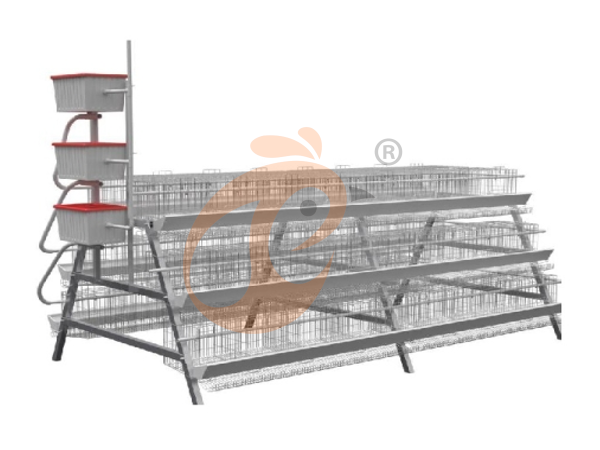
5. Our 24 hour online reception What’sApp NO. is +8618830120193, +234 8111199996. <30,000 Broilers Manual Harvest A Type Battery Cage1. Less 30,000 broilers a house, choose it.
2. It is designed to rearing 1 to 45 day old adult broiler ready for market.
3. Its lifespan is more than 20 years.
4. Its structure are Vcloud artificial intelligent fusion, electric control cabinet, automatic equipment of drinking, feeding and manure clean, manual harvesting.
5. Our 24 hour online reception What’sApp NO. is +8618830120193, +234 8111199996. HK Headquarter Offers EU-standard Poultry Farm Solutions, Manufacture Poultry Farm Equipment1. Continuous communication with the EU and the US
2. China, Nigeria, Ethiopia, Tanzania branch companies and factories
3. The products’ quality is customized for local poultry farms
4. Poultry cage and poultry farm equipment stock for sale
5. 24 online reception Whatsapp NO. : +8618830120193,contact us to get full information China Branch Offer Poultry Farm Business Plan, Manufacture Poultry Farm Equipment1. Address: Flat/RM 2416, 24/F, Runxing Building, Youyi Nan Street, Shijiazhuang City, Hebei Province, China
2. Poultry cage and poultry farm equipment factory and stock for sale
3. Customized for local poultry farms
4. Quality and design are based on Euro
5. 24 online reception Whatsapp NO. : +8618830120193 Nigeria Branch Offer Poultry Farm Business Plan, Manufacture Poultry Farm Equipment1. Address: After Sinoma Office, 200 Meters Near Danco Filling Station, Lagos/Ibadan Expressway, Lagos State, Nigeria
2. Poultry cage and poultry farm equipment factory and stock for sale
3. Customized for Nigerian poultry farms
4. Quality and design are based on Euro
5. 24 online reception Whatsapp NO. : +8618830120193 Ethiopia Branch Offer Poultry Farm Business Plan, Manufacture Poultry Farm Equipment1. Address: Gelan Gura, Akaki-kaliti Sub City, Addis Ababa, Ethiopia
2. Poultry cage and poultry farm equipment stock for sale
3. Customized for Ethiopian poultry farms
4. Quality and design are based on Euro
5. 24 online reception Whatsapp NO. : +8618830120193, contact us to get price list Tanzania Branch Offer Poultry Farm Business Plan, Manufacture Poultry Farm Equipment1. Address: No.8, Sova Road, Msufini, Mlandizi, Kibaha, Pwani, Tanzania
2. Poultry cage and poultry farm equipment factory and stock for sale
3. Customized for Tanzanian poultry farms
4. Quality and design are based on Euro
5. 24 online reception Whatsapp NO. : +8618830120193



Contact