


Blog
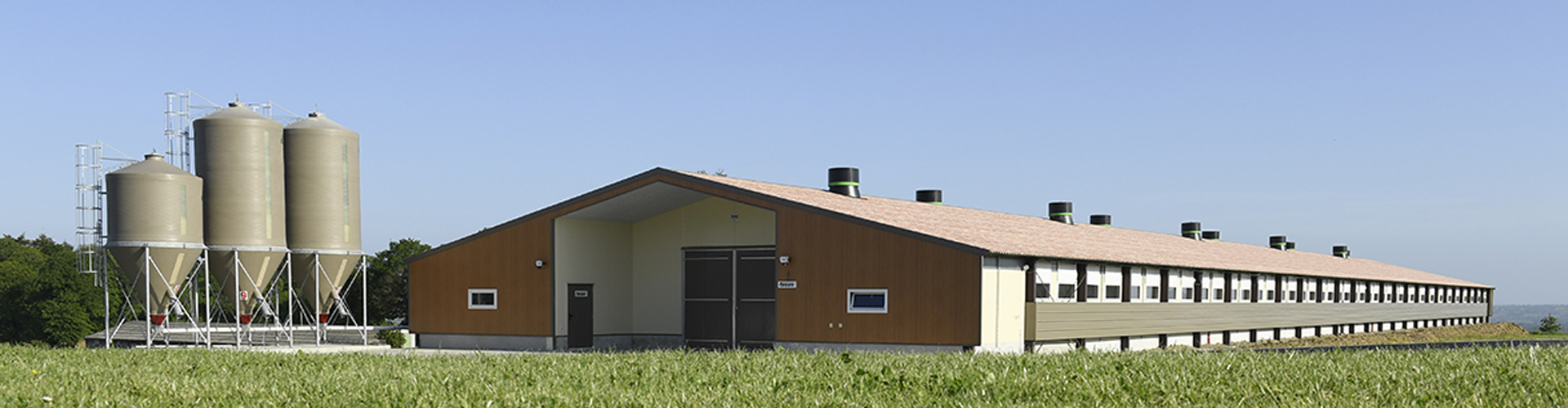
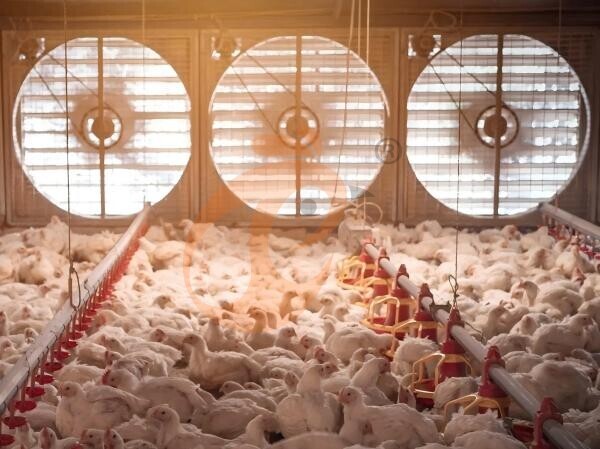
Free range poultry systems integrate controlled housing with outdoor ecological exposure to support natural behavior patterns.
Management structure depends on continuous monitoring of feed, water, environment, and production flow.
Bird physiology reacts rapidly to mineral imbalance, temperature fluctuation, and microbial load variation.
Operational stability is maintained through structured inspection routines across multiple functional zones.
Daily data tracking supports long-term efficiency improvement and system reliability across production cycles.
Get professional poultry farm construction guidance, equipment selection solutions, and the latest price lists, whatsApp to +8618830120193, click to learn more:
Water Supply Verification And Flow Diagnostics
Water distribution systems regulate metabolic balance and egg formation consistency in poultry production environments.
Pipeline pressure stability, storage hygiene, and endpoint delivery must be monitored through continuous inspection cycles.
Microbial sediment accumulation influences flow resistance and internal pipe contamination dynamics.
Data is for reference only.Swipe horizontally to view full table.
Pipeline flushing routines reduce biofilm formation within narrow distribution channels.
Valve calibration ensures equal hydraulic output across multiple housing zones.
Sensor integration improves early detection of flow deviation in supply networks.
Feed Storage Integrity And Nutrient Distribution Control
Feed composition stability directly affects amino acid absorption and metabolic efficiency in poultry systems.
Storage humidity levels influence lipid oxidation rates and vitamin degradation across extended storage periods.
Mechanical feeding systems regulate particle uniformity and nutrient dispersion across feeding lines.
Data is for reference only.Swipe horizontally to view full table.
Silo aeration systems regulate internal condensation and temperature fluctuation.
Auger synchronization ensures balanced delivery across distributed feeding points.
Rodent-proof structural sealing reduces contamination probability in storage facilities.
Behavioral Health Observation And Physiological Indicators
Bird behavioral patterns reflect neurological stability and metabolic regulation efficiency.
Postural deviation often correlates with skeletal stress or nutritional imbalance conditions.
Feather condition changes provide indirect indicators of mineral metabolism variation.
Data is for reference only.Swipe horizontally to view full table.
Locomotion symmetry tracking supports early detection of musculoskeletal strain.
Eye clarity evaluation reflects hydration and systemic circulation efficiency.
Dropping texture analysis assists intestinal microbial stability assessment.
Outdoor Range Environment And Soil Composition Analysis
Outdoor range ecosystems regulate nutrient cycling, microbial diversity, and vegetation regeneration patterns.
Soil composition directly affects plant recovery cycles and parasite distribution behavior.
Vegetation density influences flock movement patterns and grazing distribution efficiency.
Data is for reference only.Swipe horizontally to view full table.
Drainage structure design prevents water pooling in shaded field areas.
Fence conductivity supports predator exclusion system stability.
Rotational grazing mapping improves vegetation recovery efficiency across zones.
Biosecurity Protocols And Decontamination Cycles
Biosecurity frameworks regulate pathogen transmission risk across production environments.
Entry point sterilization reduces external microbial contamination probability.
Waste handling procedures maintain sanitary separation between clean and contaminated zones.
Data is for reference only.Swipe horizontally to view full table.
Footbath chemical concentration must be maintained through daily replenishment cycles.
Equipment segregation reduces cross-contamination between production zones.
Transport crate sanitation ensures microbial control during logistics handling.
Egg Collection System And Structural Integrity Control
Egg production stability depends on nesting environment control and handling precision.
Collection timing frequency affects shell cleanliness and breakage probability.
Transport systems regulate vibration exposure during mechanical movement cycles.
Data is for reference only.Swipe horizontally to view full table.
Conveyor tension calibration reduces microfracture formation during transport cycles.
Humidity stabilization prevents excessive shell dehydration during storage phases.
Grading systems classify output based on dimensional uniformity metrics.
Digital Record Systems And Performance Analytics
Operational datasets enable predictive modeling and long-term production optimization strategies.
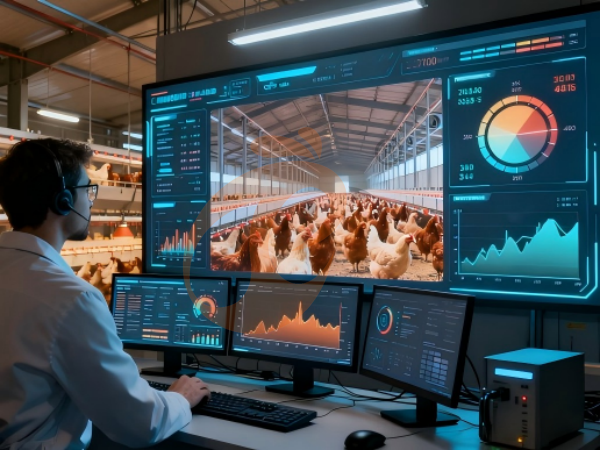
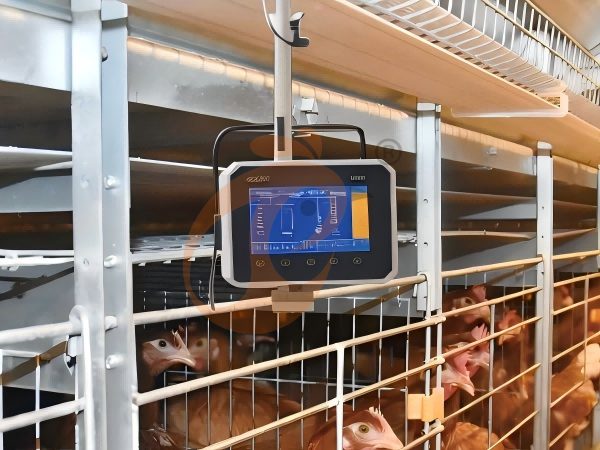
Environmental monitoring integrates temperature, humidity, and gas concentration tracking systems.
Data synchronization improves comparative performance analysis across production cycles.
Data is for reference only.Swipe horizontally to view full table.
Cloud-based integration supports multi-site performance comparison and historical analysis.
Automated alert systems detect deviations from baseline operational patterns.
Predictive maintenance scheduling improves equipment lifecycle management efficiency.
System Integration And Operational Synergy Layer
System interaction between biological and mechanical components determines overall production stability.
Feed intake behavior correlates with hydration consumption dynamics.
Environmental gas concentration affects flock spatial distribution patterns.
Cross-variable mapping improves detection of hidden inefficiencies in production systems.
Sensor fusion integrates environmental and biological datasets into unified models.
Calibration cycles maintain operational consistency across multi-zone systems.
Frequently Asked Questions
Q1: What water quality range is required for stable poultry production?
Water stability depends on mineral balance and microbial control across distribution systems.
A practical operational range includes electrical conductivity between 650–900 μS/cm and calcium concentration around 50–80 mg/L.
These parameters support hydration efficiency and reduce physiological stress during metabolic cycles.
Q2: How often should feed system calibration be performed in daily operations?
Feed system calibration is typically evaluated every 24 hours in commercial free range operations.
Auger speed consistency is maintained around 1.8–2.4 meters per second depending on house length and feeder density.
This ensures uniform nutrient delivery across all feeding zones without particle segregation.
Q3: What environmental gas levels indicate stable house conditions?
Stable internal environment is generally maintained when ammonia remains below approximately 15 ppm and carbon dioxide stays near 1200–1600 ppm.
These values support respiratory efficiency and behavioral comfort during active production periods.
Continuous monitoring ensures early detection of ventilation imbalance or manure accumulation effects.
Taiyu (HK) Group - One Of China Largest Free Range Poultry System Manufacturer
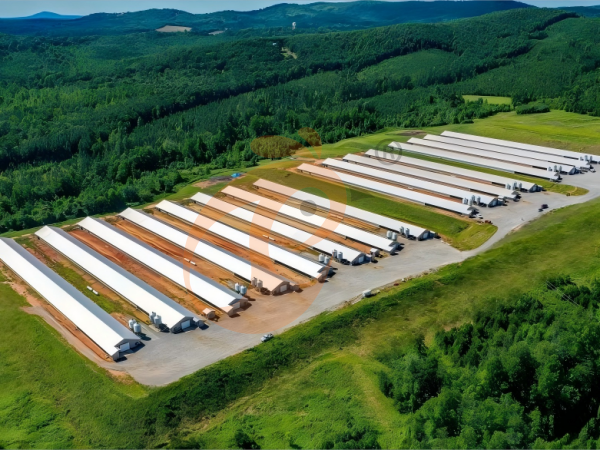
Free range poultry housing system supports 5000–120000 bird capacity integration with automated drinking and feeding infrastructure.
Global factory direct manufacturing includes stainless steel drinker lines, nesting modules, and ventilation assemblies.
Poultry equipment engineering covers silo systems, egg collection conveyors, and climate control integration units.
Turn-key engineering services include design, installation, commissioning, and operational training delivery programs.
Export supply chain supports modular packaging and multi-region technical service coordination systems.
Contact Us To Received Your Customized Poultry Farm Plan
Headquarters And Branchs

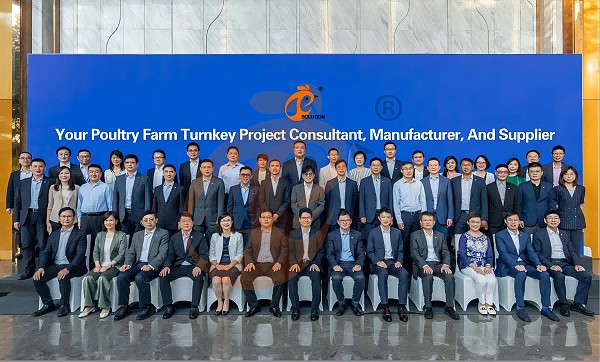
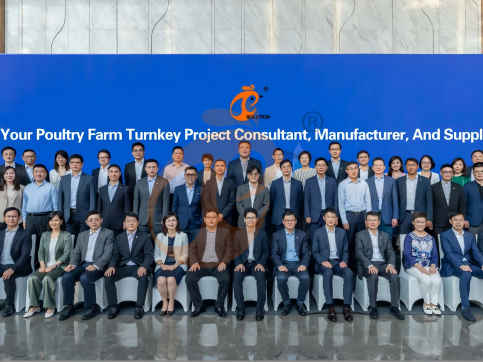
Hong Kong Headquarter Management Team
Hong Kong Headquarter Taiyu Industrial Group CO., LTD
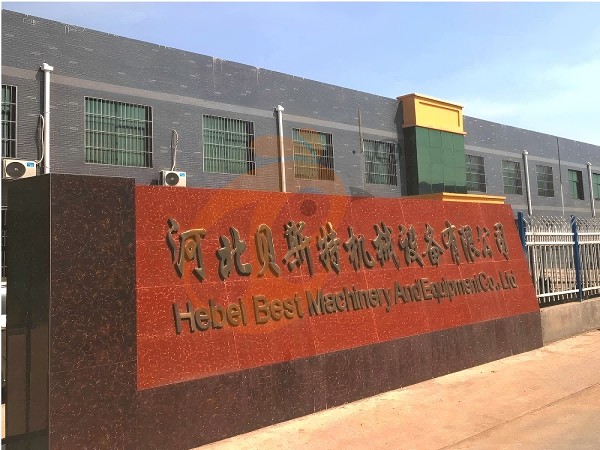
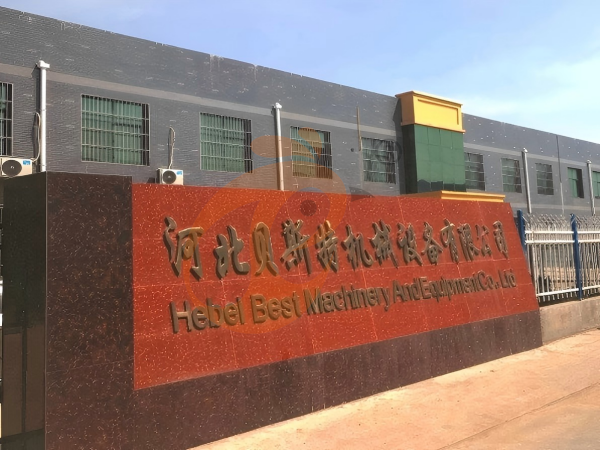
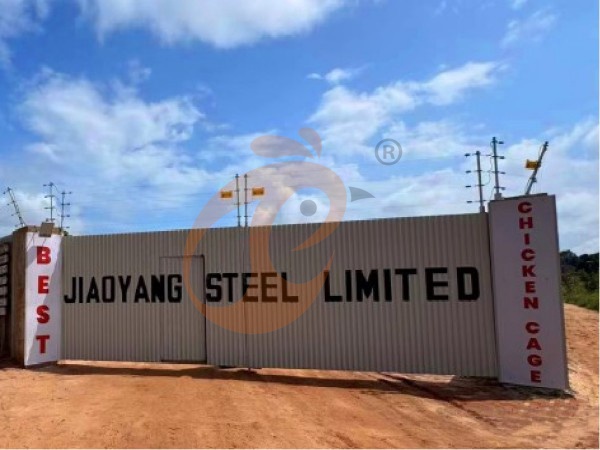
China Hebei Best Machinery And Equipment CO., LTD
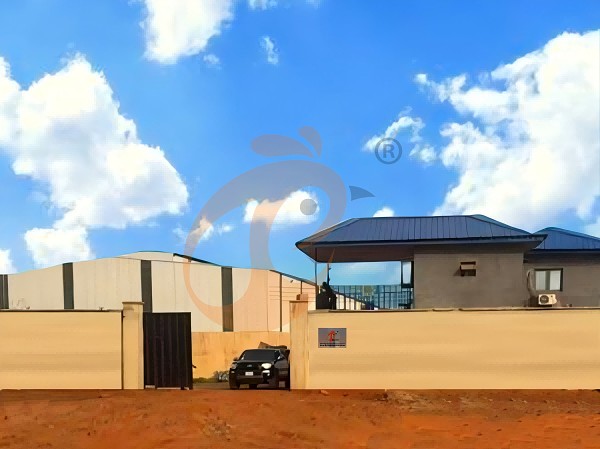
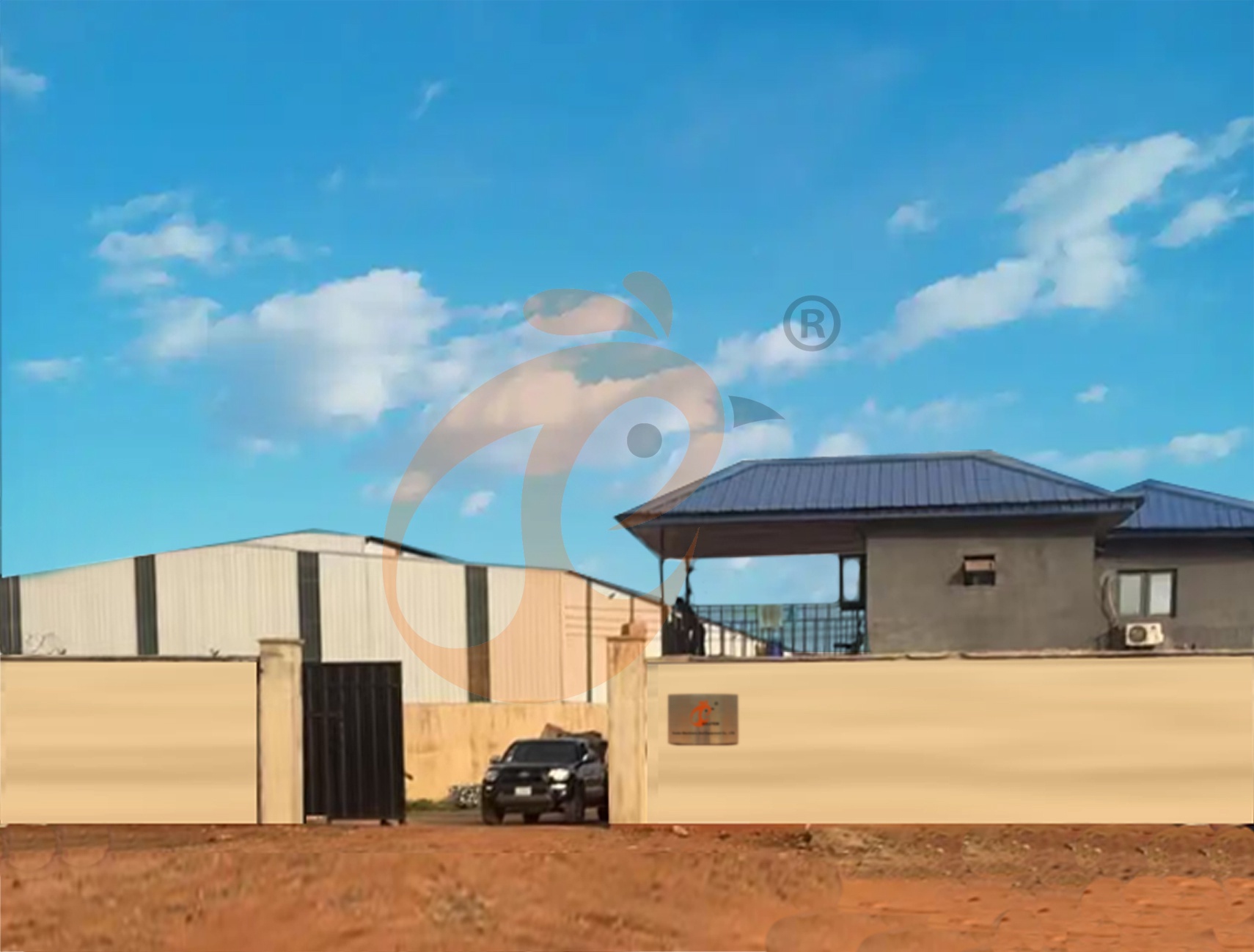
Nigeria Vanke Machinery And Equipment CO., LTD
Tanzania Best Machinery And Equipment CO., LTD
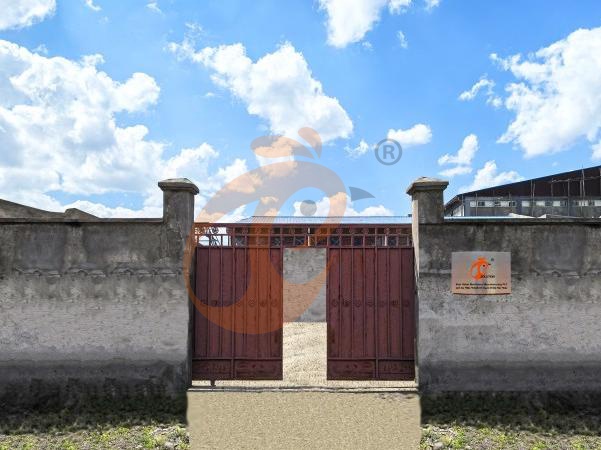
Ethiopia Best Hebei Machinery Manufacturing PLC
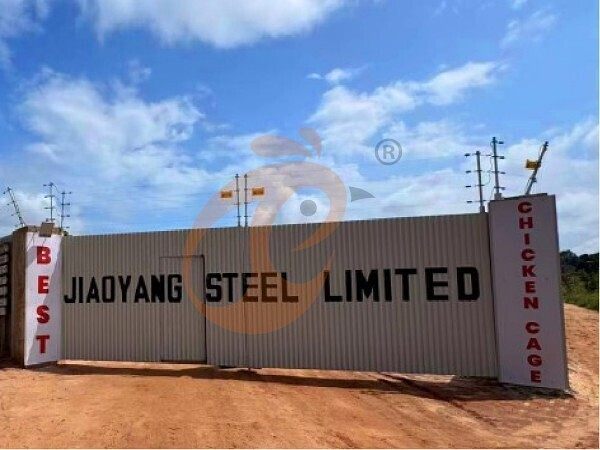
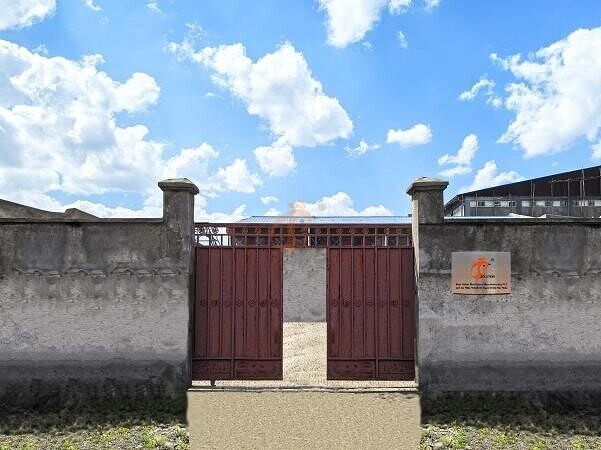
Reception /24 WhatsApp NO. : +8618830120193
FAQ
How Does Free Range System Affect Feed Consumption?
Energy expenditure increases daily intake variation by 15%–22% across seasons.
Feed conversion efficiency ranges from 1.9–2.3 depending on grazing intensity.
What Are The Housing Transition Management Standards In Free Range Poultry System?
Indoor-outdoor transition time is controlled within 10–15 minutes per flock movement cycle.
Lighting guidance systems operate at 5–8 lux to direct flock movement behavior.
What Are The Seasonal Adaptation Strategies In Free Range Poultry System?
Summer shade coverage is increased to 60%–80% of grazing area for heat stress reduction.
Rainfall drainage capacity handles 25–40 mm per hour precipitation levels for land usability.
Message
Products recommended
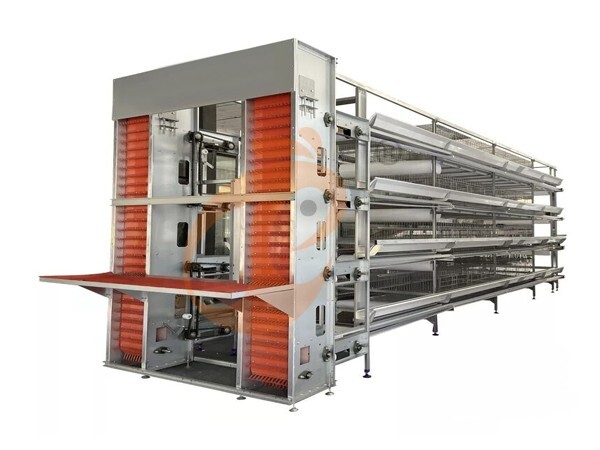
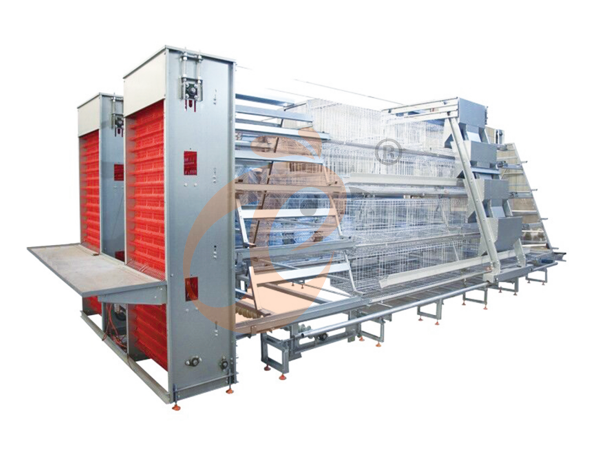
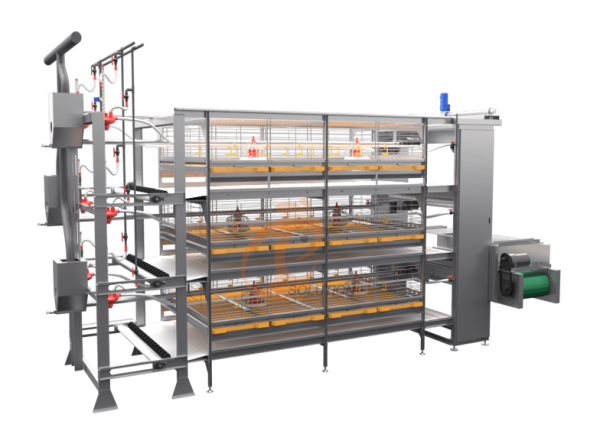
 >30,000 Pullets Automatic H Type Battery Cage1. More than 30,000 pullets a house, choose it.
2. It is designed to rearing older than 1 day old pullets to 12 to 16 weeks old chicken starting laying eggs.
3. Its lifespan is more than 25 years.
4. Its structure are Vcloud artificial intelligent fusion, electric control cabinet, automatic equipment of drinking, feeding, manure clean, manual harvesting.
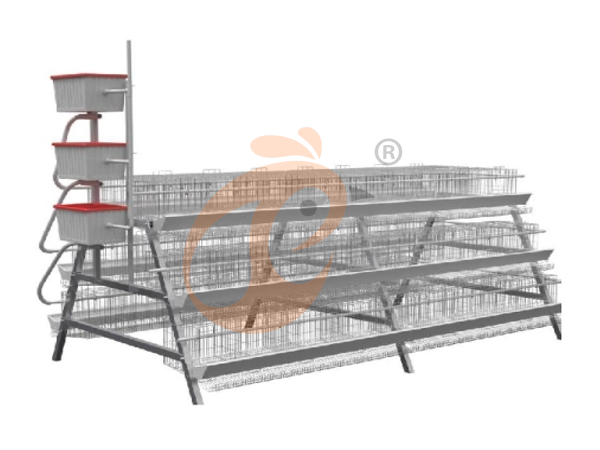
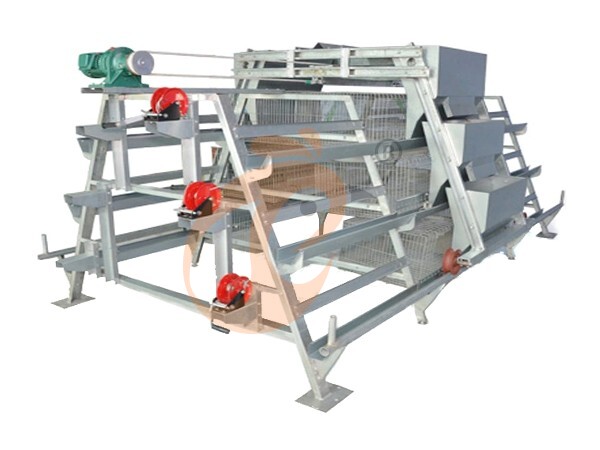
5. Our 24 hour online reception What’sApp NO. is +8618830120193 <30,000 Pullets Automatic A Type Battery Cage1. 10,000 to 30,000 pullets a house, choose it.
2. It is designed to rearing older than 1 day old pullets to 12 to 16 weeks old chicken starting laying eggs.
3. Its lifespan is more than 25 years.
4. Its structure are Vcloud artificial intelligent fusion, electric control cabinet, automatic equipment of drinking, feeding, manure clean, manual harvesting.
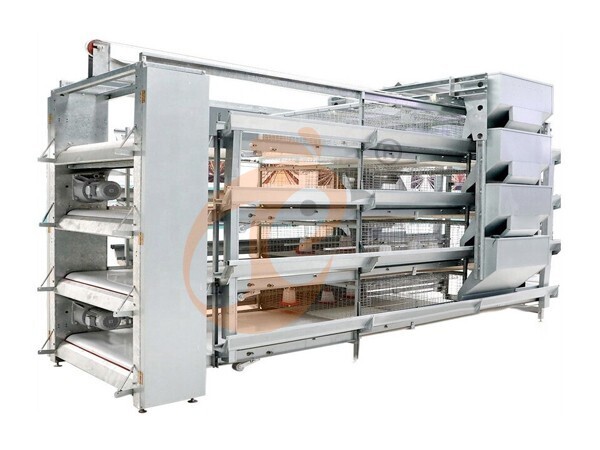
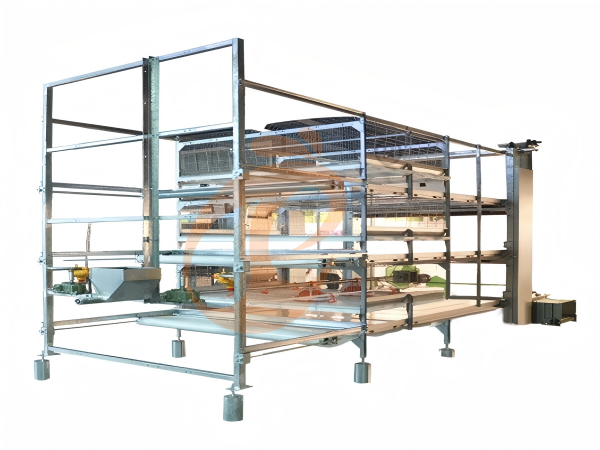
5. Our 24 hour online reception What’sApp NO. is +86 18830120193. >30,000 Broilers Semi-Automatic Harvest H Type Battery Cage1. More than 30,000 broilers a house, choose it.
2. It is designed to rearing 1 to 45 day old adult broiler ready for market.
3. Its lifespan is more than 20 years.
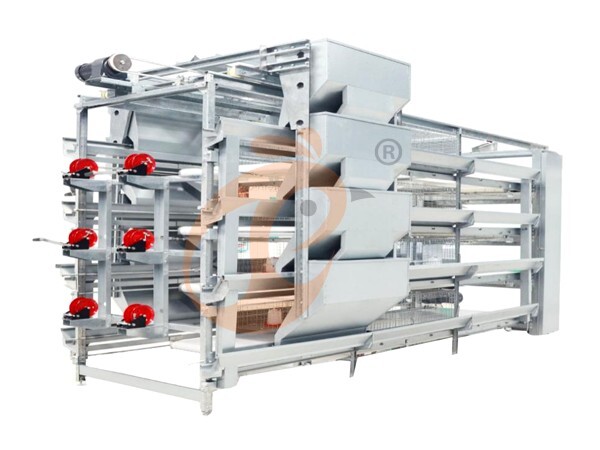
4. Our 24 hour online reception What’sApp NO. is +8618830120193, +234 8111199996. >30,000 Broilers Manual Harvest H Type Battery Cage1. More than 30,000 broilers a house, choose it.
2. It is designed to rearing 1 to 45 day old adult broiler ready for market.
3. Its lifespan is more than 20 years.
4. Its structure are Vcloud artificial intelligent fusion, electric control cabinet, automatic equipment of drinking, feeding and manure clean, manual harvesting.
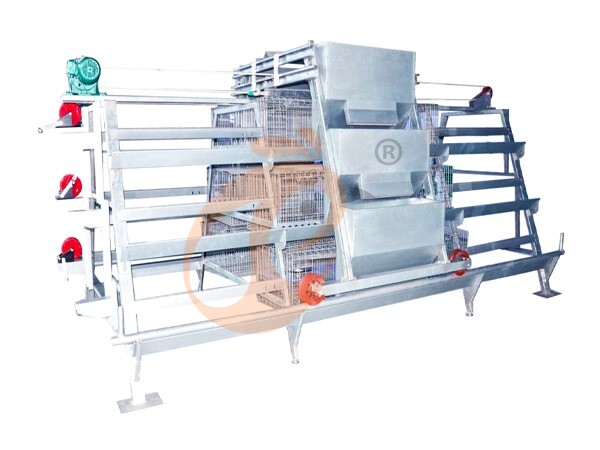
5. Our 24 hour online reception What’sApp NO. is +8618830120193, +234 8111199996. <30,000 Broilers Manual Harvest A Type Battery Cage1. Less 30,000 broilers a house, choose it.
2. It is designed to rearing 1 to 45 day old adult broiler ready for market.
3. Its lifespan is more than 20 years.
4. Its structure are Vcloud artificial intelligent fusion, electric control cabinet, automatic equipment of drinking, feeding and manure clean, manual harvesting.
5. Our 24 hour online reception What’sApp NO. is +8618830120193, +234 8111199996. HK Headquarter Offers EU-standard Poultry Farm Solutions, Manufacture Poultry Farm Equipment1. Continuous communication with the EU and the US
2. China, Nigeria, Ethiopia, Tanzania branch companies and factories
3. The products’ quality is customized for local poultry farms
4. Poultry cage and poultry farm equipment stock for sale
5. 24 online reception Whatsapp NO. : +8618830120193,contact us to get full information China Branch Offer Poultry Farm Business Plan, Manufacture Poultry Farm Equipment1. Address: Flat/RM 2416, 24/F, Runxing Building, Youyi Nan Street, Shijiazhuang City, Hebei Province, China
2. Poultry cage and poultry farm equipment factory and stock for sale
3. Customized for local poultry farms
4. Quality and design are based on Euro
5. 24 online reception Whatsapp NO. : +8618830120193 Nigeria Branch Offer Poultry Farm Business Plan, Manufacture Poultry Farm Equipment1. Address: After Sinoma Office, 200 Meters Near Danco Filling Station, Lagos/Ibadan Expressway, Lagos State, Nigeria
2. Poultry cage and poultry farm equipment factory and stock for sale
3. Customized for Nigerian poultry farms
4. Quality and design are based on Euro
5. 24 online reception Whatsapp NO. : +8618830120193 Ethiopia Branch Offer Poultry Farm Business Plan, Manufacture Poultry Farm Equipment1. Address: Gelan Gura, Akaki-kaliti Sub City, Addis Ababa, Ethiopia
2. Poultry cage and poultry farm equipment stock for sale
3. Customized for Ethiopian poultry farms
4. Quality and design are based on Euro
5. 24 online reception Whatsapp NO. : +8618830120193, contact us to get price list Tanzania Branch Offer Poultry Farm Business Plan, Manufacture Poultry Farm Equipment1. Address: No.8, Sova Road, Msufini, Mlandizi, Kibaha, Pwani, Tanzania
2. Poultry cage and poultry farm equipment factory and stock for sale
3. Customized for Tanzanian poultry farms
4. Quality and design are based on Euro
5. 24 online reception Whatsapp NO. : +8618830120193
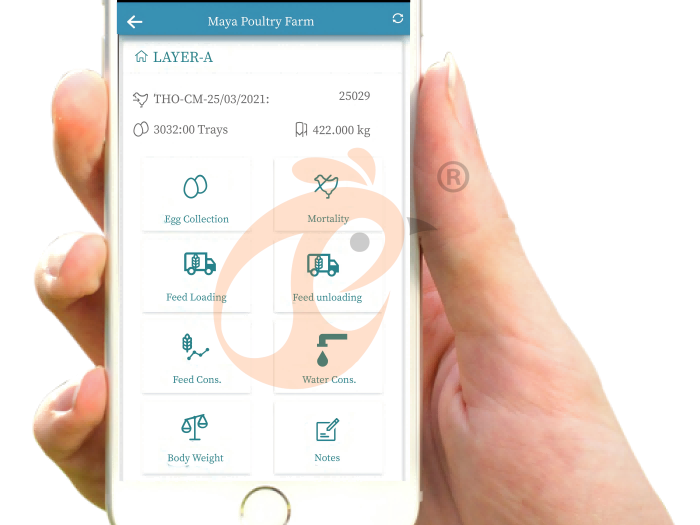


Contact