


Blog
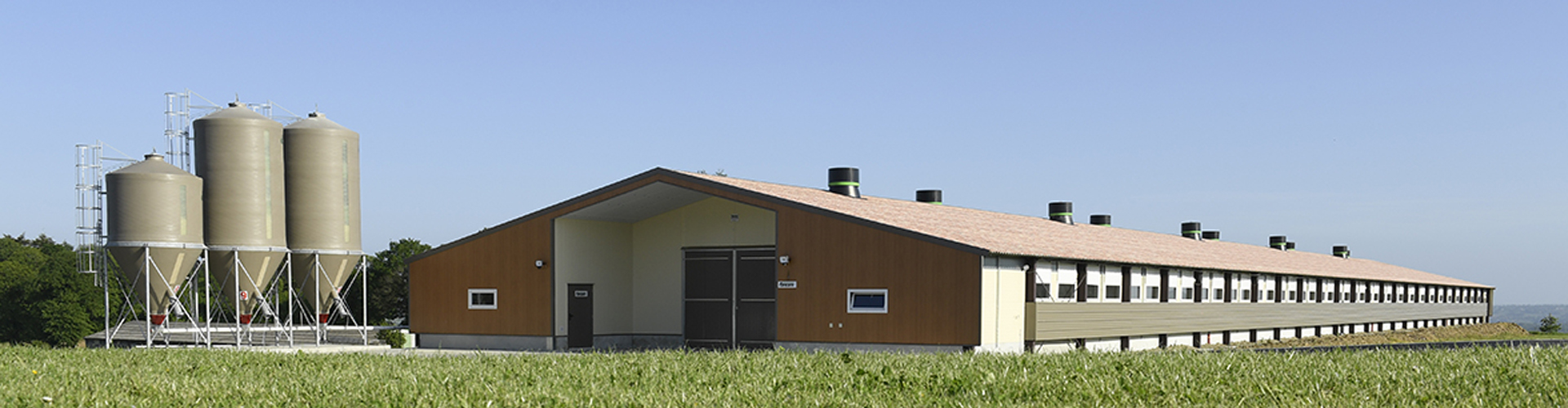
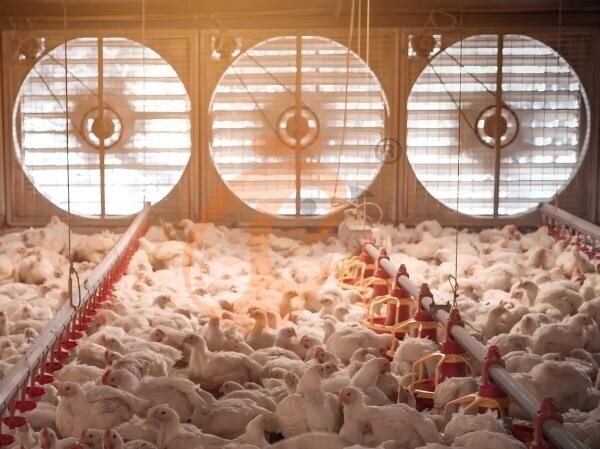
Deep litter system management is a controlled poultry housing method based on engineered bedding layers, airflow regulation, and microbial decomposition balance.
Integrates ventilation control, litter moisture regulation, and environmental stability monitoring into a continuous production cycle.
Modern poultry farms widely apply deep litter system management solutions to improve flock performance consistency and reduce environmental fluctuation risks.
The system relies on structured daily inspection routines that convert environmental conditions into measurable operational indicators.
Continuous monitoring of gas levels, thermal distribution, and feed-water balance ensures stable production efficiency across housing systems.
Get professional poultry farm construction guidance, equipment selection solutions, and the latest price lists, whatsApp to +8618830120193, click to learn more:
Housing Design Baseline And System Variables
Housing structure defines the foundation of deep litter system performance and directly influences airflow behavior and decomposition efficiency.
Stable engineering parameters ensure predictable microbial activity within bedding layers.
Data is for reference only. Swipe horizontally to view full table.
Stable baseline conditions reduce ammonia volatility and improve microbial decomposition consistency inside litter layers.
Even small deviations in airflow or density can significantly alter biological reaction speed.
Daily Check Airflow Distribution Mapping
Airflow must be evaluated spatially to ensure uniform environmental control across the poultry house.
Balanced ventilation prevents localized humidity accumulation and improves litter drying performance.
Data is for reference only. Swipe horizontally to view full table.
Uniform airflow improves oxygen penetration into litter layers and reduces anaerobic microbial pockets.
Advanced deep litter poultry equipment systems enhance airflow consistency through zonal control technology.
Daily Check Litter Physicochemical Stability
Litter condition depends on chemical composition, microbial activity, and particle structure stability.
Moisture and acidity levels directly influence ammonia release and bacterial distribution.
Data is for reference only. Swipe horizontally to view full table.
Balanced litter chemistry ensures controlled microbial fermentation and stable nitrogen cycling.
Excess moisture accelerates anaerobic reactions and reduces oxygen diffusion efficiency.
Daily Check Water System Hydraulic Stability
Water system stability directly influences litter moisture formation and bacterial growth zones.
Leakage or pressure imbalance quickly leads to localized wet bedding conditions.
Data is for reference only. Swipe horizontally to view full table.
Stable hydraulic distribution ensures equal drinking access across all bird zones.
Pressure inconsistency is one of the most common causes of wet litter formation.
Daily Check Thermal Gradient Profiling
Temperature distribution inside poultry houses varies across vertical and horizontal layers.
Thermal gradients influence metabolism rate and litter microbial activity.
Data is for reference only. Swipe horizontally to view full table.
Thermal consistency improves feed intake stability and reduces stress-induced behavioral changes.
Controlled airflow circulation reduces vertical temperature stratification inside poultry houses.
Daily Check Gas Concentration Dynamics
Gas concentration reflects microbial decomposition status and ventilation efficiency.
Ammonia is the most sensitive indicator of litter imbalance.
Data is for reference only. Swipe horizontally to view full table.
Gas accumulation is directly correlated with moisture increase and airflow reduction efficiency.
Early detection prevents respiratory stress in poultry flocks.
Daily Check Feed Distribution Uniformity Index
Feed distribution uniformity strongly affects flock growth consistency and behavioral stability.
Uneven feed flow increases competition intensity across housing zones.
Data is for reference only. Swipe horizontally to view full table.
Stable feed distribution improves uniform growth curve development across poultry populations.
Automated feeding systems reduce manual inconsistency in large-scale production environments.
Daily Check Structural Load And Mechanical Integrity
Structural integrity ensures long-term system stability under continuous operational stress.
Mechanical deformation directly affects airflow and thermal distribution patterns.
Data is for reference only. Swipe horizontally to view full table.
Structural fatigue increases risk of ventilation imbalance and environmental instability.
Regular mechanical inspection ensures long-term operational safety.
Behavioral Pattern Index Monitoring
Bird behavior reflects real-time environmental conditions inside deep litter systems.
Movement and feeding patterns provide early system warning signals.
Data is for reference only. Swipe horizontally to view full table.
Behavioral analytics integrates biological responses into environmental management systems.
Early detection improves system correction speed before visible symptoms occur.
Frequently Asked Questions
Q1: What is the optimal litter moisture range in deep litter systems?
The stable range is 18–32% depending on ventilation capacity and bedding material type.
Exceeding this range increases anaerobic microbial activity and ammonia release.
Q2: How often should gas levels be monitored in poultry housing?
Gas levels should be continuously monitored with data intervals of 10–15 minutes.
Ammonia exceeding 25 ppm requires immediate ventilation adjustment.
Q3: Why is airflow mapping necessary in daily operation checks?
Airflow mapping ensures uniform environmental distribution across all poultry house zones.
It prevents localized humidity buildup and improves litter drying efficiency.
Taiyu (HK) Group - One Of China Biggest Deep Litter System Manufacturer
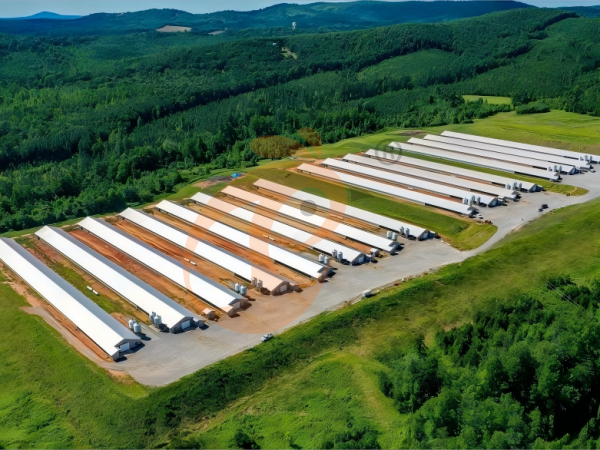
Deep litter poultry systems are designed for commercial farms ranging from 5,000 to 120,000 birds per unit with integrated environmental automation control systems.
Global factory direct supply ensures consistent engineering standards and optimized production cost structure across international projects.
Core product systems include poultry equipment solutions, ventilation control modules, feeding automation lines, and environmental regulation systems.
Turn-key engineering service covers design, manufacturing, installation, commissioning, and operator training for full poultry farm projects.
International project delivery ensures stable system performance across multiple climate conditions with modular scalability design.
Contact Us To Received Your Customized Poultry Farm Plan
Headquarters And Branchs
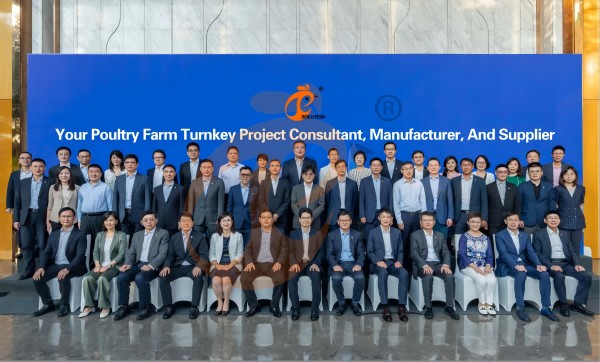
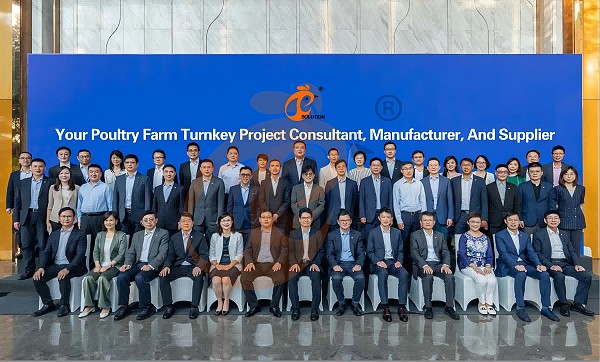
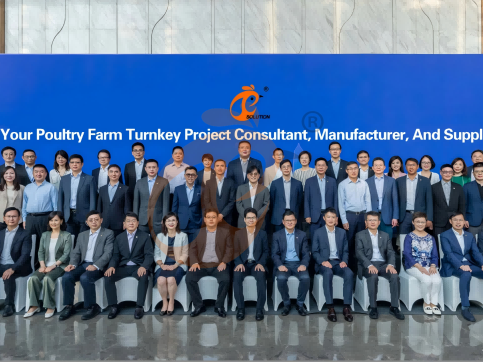
Hong Kong Headquarter Management Team
Hong Kong Headquarter Taiyu Industrial Group CO., LTD
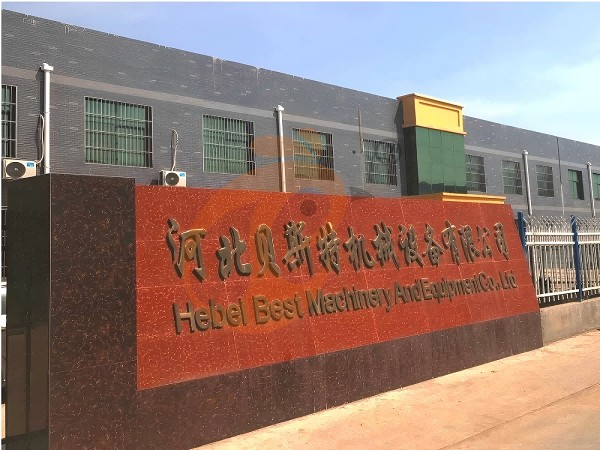
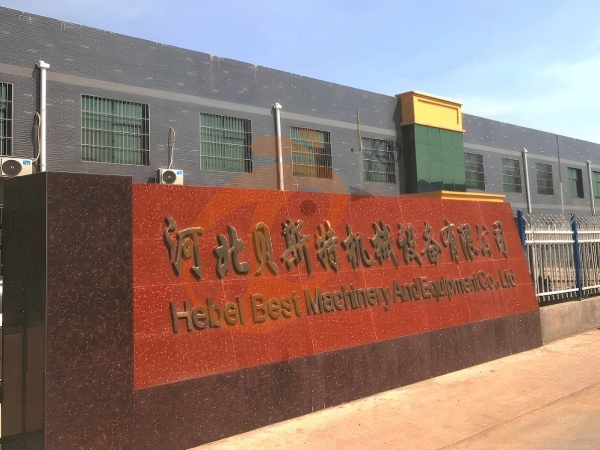
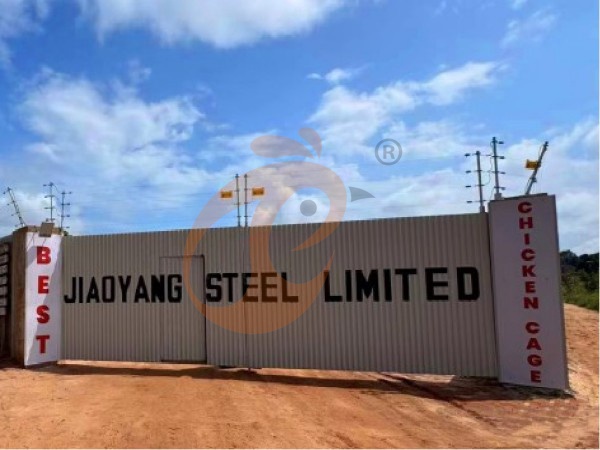
China Hebei Best Machinery And Equipment CO., LTD
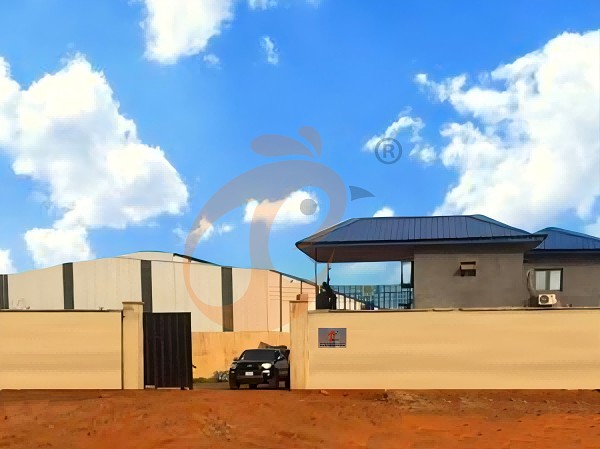
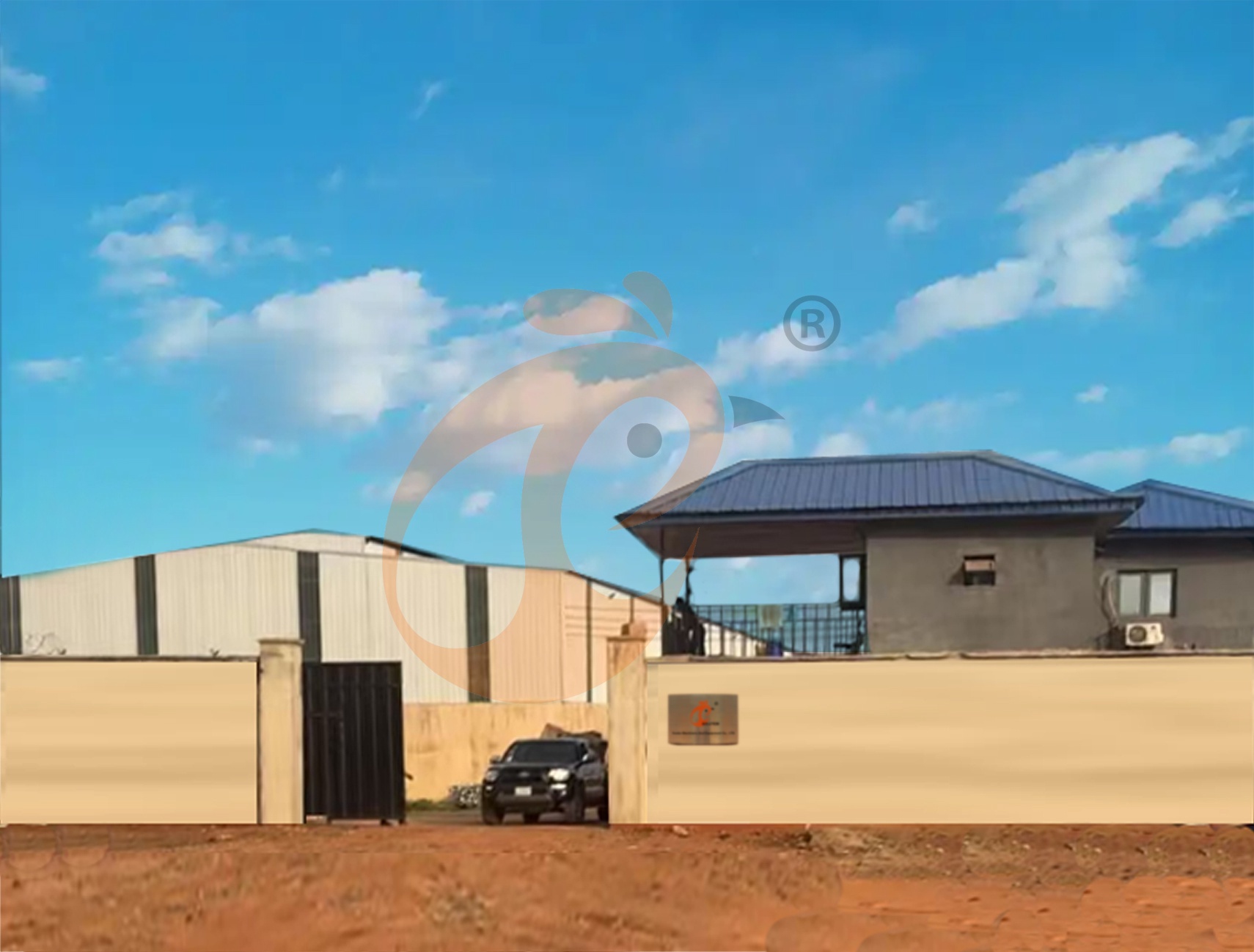
Nigeria Vanke Machinery And Equipment CO., LTD
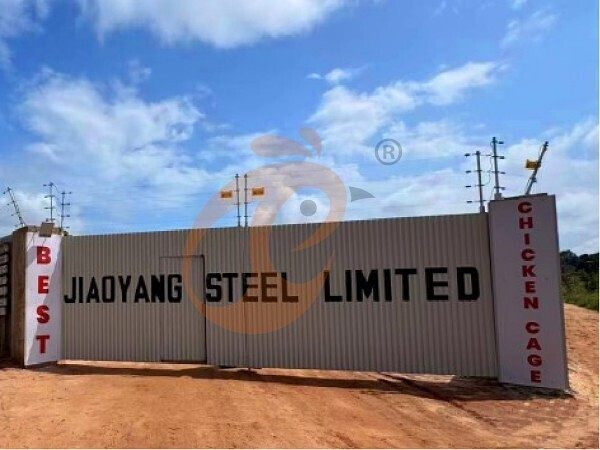
Tanzania Best Machinery And Equipment CO., LTD
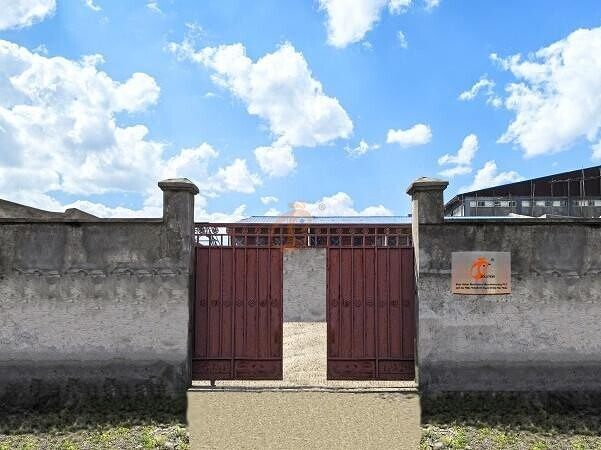
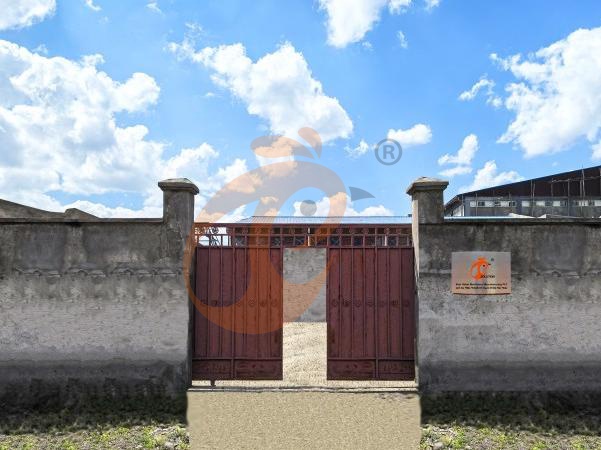
Ethiopia Best Hebei Machinery Manufacturing PLC
Reception /24 WhatsApp NO. : +8618830120193
FAQ
What Are The Growth Performance Benefits In Deep Litter Poultry System?
Feed conversion ratio improves to 1.55–1.78 due to thermal comfort and reduced stress.
Market uniformity rate exceeds 85%–92% within target slaughter weight range.
What Are The Litter Turning And Management Frequency Standards In Deep Litter Poultry System?
Surface leveling is maintained every 3–5 days to prevent compaction zones.
Full litter replacement cycle occurs every 2–3 production batches depending on load intensity.
What Are The Energy Efficiency And Cost Advantages In Deep Litter Poultry System?
Construction cost savings reach 25%–40% compared with fully caged housing systems.
Operational labor demand decreases by 30%–50% through simplified floor-based management.
Message
Products recommended
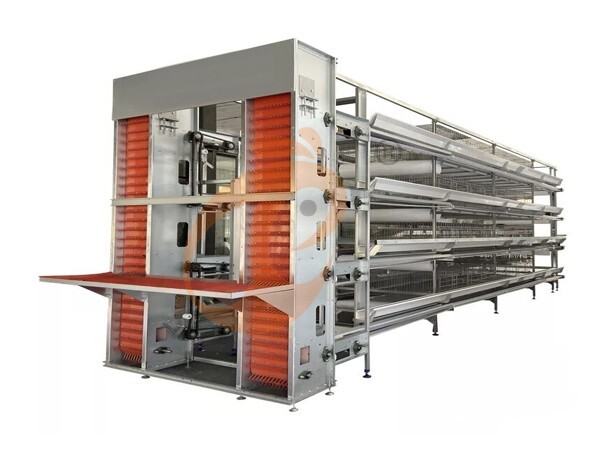
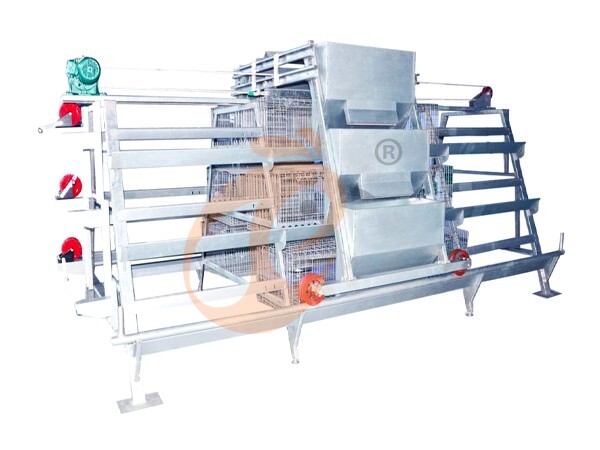
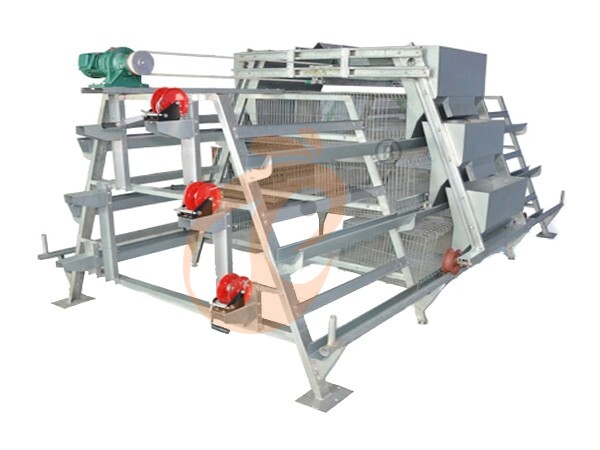
 >30,000 Pullets Automatic H Type Battery Cage1. More than 30,000 pullets a house, choose it.
2. It is designed to rearing older than 1 day old pullets to 12 to 16 weeks old chicken starting laying eggs.
3. Its lifespan is more than 25 years.
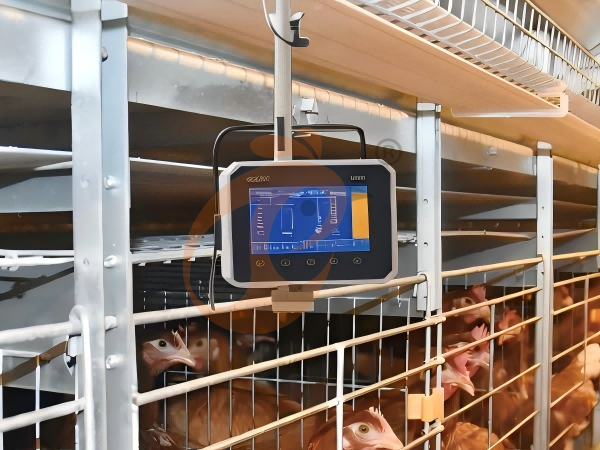
4. Its structure are Vcloud artificial intelligent fusion, electric control cabinet, automatic equipment of drinking, feeding, manure clean, manual harvesting.
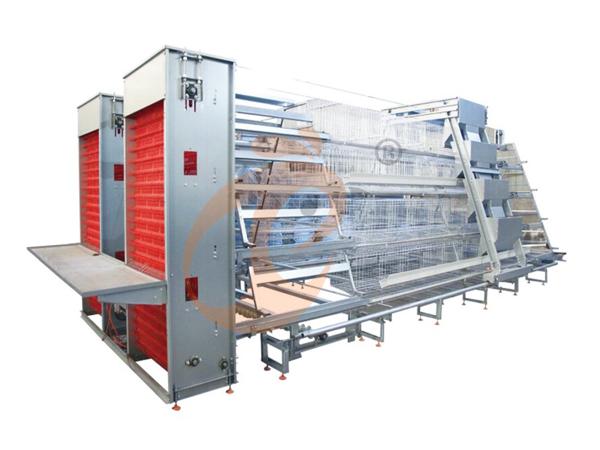
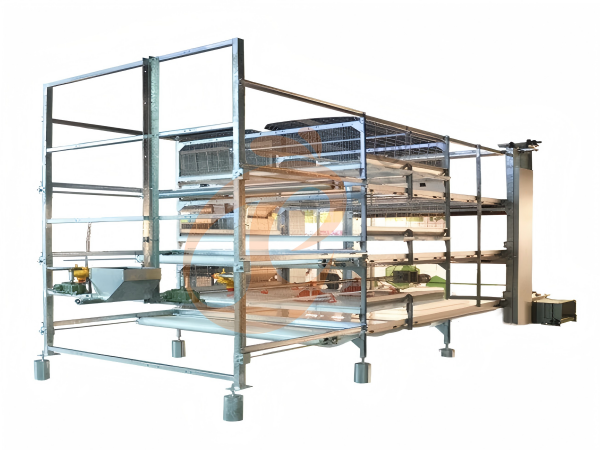
5. Our 24 hour online reception What’sApp NO. is +8618830120193 <30,000 Pullets Automatic A Type Battery Cage1. 10,000 to 30,000 pullets a house, choose it.
2. It is designed to rearing older than 1 day old pullets to 12 to 16 weeks old chicken starting laying eggs.
3. Its lifespan is more than 25 years.
4. Its structure are Vcloud artificial intelligent fusion, electric control cabinet, automatic equipment of drinking, feeding, manure clean, manual harvesting.
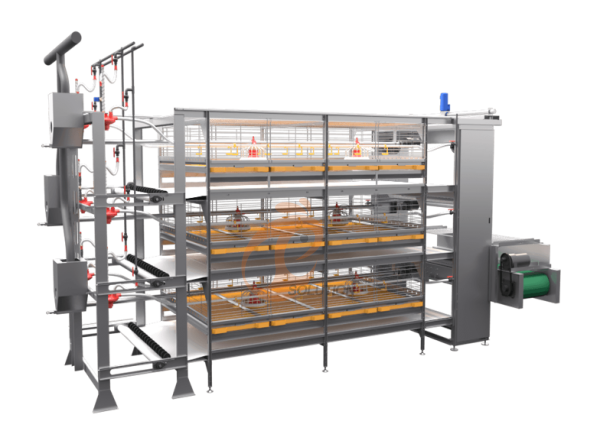
5. Our 24 hour online reception What’sApp NO. is +86 18830120193. >30,000 Broilers Semi-Automatic Harvest H Type Battery Cage1. More than 30,000 broilers a house, choose it.
2. It is designed to rearing 1 to 45 day old adult broiler ready for market.
3. Its lifespan is more than 20 years.
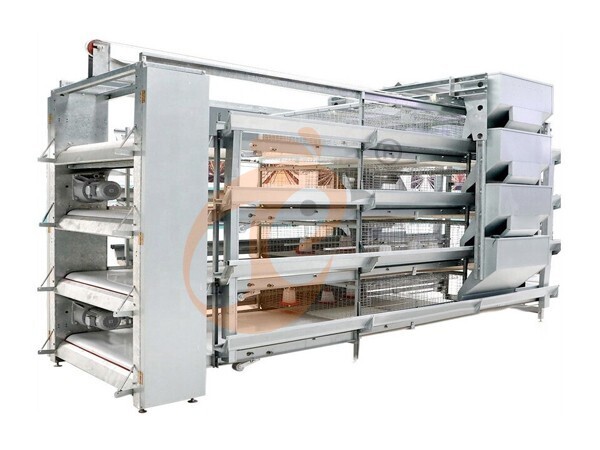
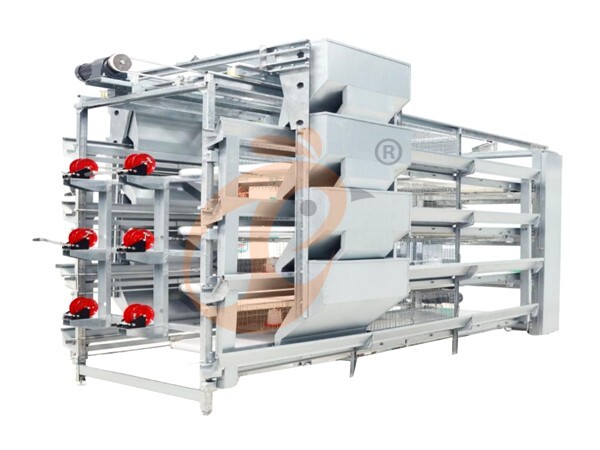
4. Our 24 hour online reception What’sApp NO. is +8618830120193, +234 8111199996. >30,000 Broilers Manual Harvest H Type Battery Cage1. More than 30,000 broilers a house, choose it.
2. It is designed to rearing 1 to 45 day old adult broiler ready for market.
3. Its lifespan is more than 20 years.
4. Its structure are Vcloud artificial intelligent fusion, electric control cabinet, automatic equipment of drinking, feeding and manure clean, manual harvesting.
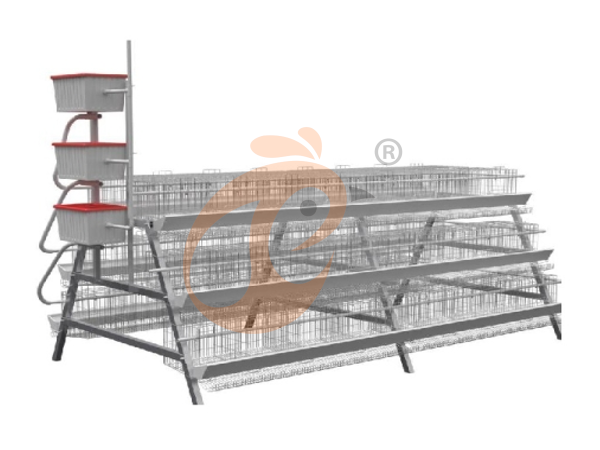
5. Our 24 hour online reception What’sApp NO. is +8618830120193, +234 8111199996. <30,000 Broilers Manual Harvest A Type Battery Cage1. Less 30,000 broilers a house, choose it.
2. It is designed to rearing 1 to 45 day old adult broiler ready for market.
3. Its lifespan is more than 20 years.
4. Its structure are Vcloud artificial intelligent fusion, electric control cabinet, automatic equipment of drinking, feeding and manure clean, manual harvesting.
5. Our 24 hour online reception What’sApp NO. is +8618830120193, +234 8111199996. HK Headquarter Offers EU-standard Poultry Farm Solutions, Manufacture Poultry Farm Equipment1. Continuous communication with the EU and the US
2. China, Nigeria, Ethiopia, Tanzania branch companies and factories
3. The products’ quality is customized for local poultry farms
4. Poultry cage and poultry farm equipment stock for sale
5. 24 online reception Whatsapp NO. : +8618830120193,contact us to get full information China Branch Offer Poultry Farm Business Plan, Manufacture Poultry Farm Equipment1. Address: Flat/RM 2416, 24/F, Runxing Building, Youyi Nan Street, Shijiazhuang City, Hebei Province, China
2. Poultry cage and poultry farm equipment factory and stock for sale
3. Customized for local poultry farms
4. Quality and design are based on Euro
5. 24 online reception Whatsapp NO. : +8618830120193 Nigeria Branch Offer Poultry Farm Business Plan, Manufacture Poultry Farm Equipment1. Address: After Sinoma Office, 200 Meters Near Danco Filling Station, Lagos/Ibadan Expressway, Lagos State, Nigeria
2. Poultry cage and poultry farm equipment factory and stock for sale
3. Customized for Nigerian poultry farms
4. Quality and design are based on Euro
5. 24 online reception Whatsapp NO. : +8618830120193 Ethiopia Branch Offer Poultry Farm Business Plan, Manufacture Poultry Farm Equipment1. Address: Gelan Gura, Akaki-kaliti Sub City, Addis Ababa, Ethiopia
2. Poultry cage and poultry farm equipment stock for sale
3. Customized for Ethiopian poultry farms
4. Quality and design are based on Euro
5. 24 online reception Whatsapp NO. : +8618830120193, contact us to get price list Tanzania Branch Offer Poultry Farm Business Plan, Manufacture Poultry Farm Equipment1. Address: No.8, Sova Road, Msufini, Mlandizi, Kibaha, Pwani, Tanzania
2. Poultry cage and poultry farm equipment factory and stock for sale
3. Customized for Tanzanian poultry farms
4. Quality and design are based on Euro
5. 24 online reception Whatsapp NO. : +8618830120193



Contact