


Blog
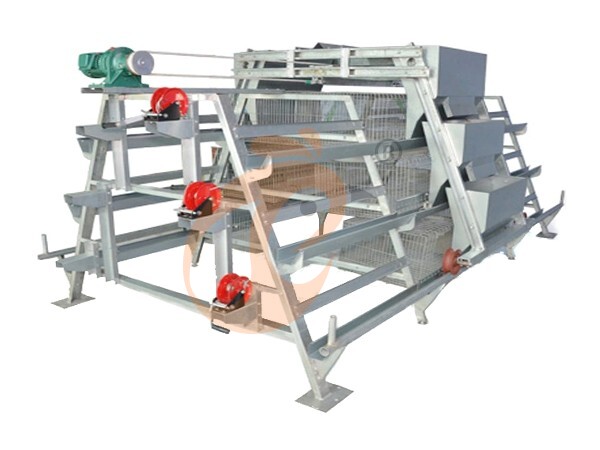
Egg breakage in A-type layer cage systems is a measurable production loss factor in commercial egg efficiency.
Mechanical design stability directly affects egg rolling speed and impact frequency inside cage structures.
Shell strength variability driven by nutrition and calcium metabolism determines resistance to micro fracture formation.
Environmental stability including airflow temperature and humidity affects laying behavior consistency and vibration levels.
This article explains structural control feed optimization conveyor adjustment environmental regulation and handling improvement.
Get professional poultry farm construction guidance, equipment selection solutions, and the latest price lists, whatsApp to +8618830120193, click to learn more:
Cage Geometry Calibration And Energy Transfer Control
Structural precision determines egg motion stability during rolling transition across cage floors.
Data is for reference only.Swipe horizontally to view full table.
Cage deformation tolerance directly affects kinetic energy dispersion during egg descent.
Egg rolling trajectory becomes unstable when wire spacing exceeds uniform distribution thresholds.
A key industry term frequently associated with structural optimization is poultry cage egg breakage prevention system.
Micro vibration accumulation increases when slope inconsistency exceeds engineering tolerance limits.
Feed Distribution Synchronization And Behavioral Load Reduction
Feeding system timing directly influences hen movement intensity and cage vibration amplitude.
Data is for reference only.Swipe horizontally to view full table.
Behavioral synchronization improves laying stability and reduces sudden structural load variation.
Feed dispersion uniformity prevents clustering activity near cage front sections.
Another commonly referenced term in technical farming systems is automatic egg collection cage system efficiency.
Particle size consistency supports digestive stability and reduces abrupt movement patterns.
Egg Collection Cycle Engineering And Time Exposure Minimization
Egg retention time inside cage systems directly correlates with surface impact exposure probability.
Data is for reference only.Swipe horizontally to view full table.
Shorter exposure duration reduces cumulative collision probability across cage tiers.
Egg flow continuity improves when collection intervals maintain fixed synchronization patterns.
A widely searched engineering phrase in poultry systems is layer cage egg transport conveyor optimization.
Time variance reduction stabilizes downstream packaging efficiency and reduces break frequency.
Conveyor Dynamics And Mechanical Transition Stability
Conveyor transfer stability determines impact energy distribution during egg movement phases.
Data is for reference only.Swipe horizontally to view full table.
Velocity synchronization between belt segments reduces shear force accumulation.
Mechanical discontinuity at transfer joints increases localized stress concentration.
The phrase poultry farm egg breakage reduction equipment solution is often associated with conveyor optimization systems.
Stable torque distribution ensures continuous egg flow without rebound motion.
Calcium Metabolism Optimization And Shell Microstructure Reinforcement
Eggshell structural integrity depends on mineral absorption efficiency and biochemical balance.
Data is for reference only.Swipe horizontally to view full table.
Shell microstructure density improves when calcium deposition is evenly distributed during formation cycle.
Biochemical stability reduces micro fracture propagation under mechanical pressure.
A frequently indexed technical term is commercial poultry layer cage egg shell strengthening program.
Absorption efficiency during late laying stages significantly influences final shell hardness.
Environmental Microclimate Stabilization In Layer Houses
Environmental stability regulates hen activity level and shell formation consistency.
Data is for reference only.Swipe horizontally to view full table.
Vertical airflow imbalance increases tier to tier behavioral inconsistency.
Temperature layering effect influences laying distribution across cage stacks.
Another frequently referenced phrase is industrial poultry ventilation system egg production stability.
Stable microclimate reduces stress induced movement inside cage compartments.
Egg Impact Mitigation During Post Collection Handling
Post collection handling introduces additional mechanical stress through acceleration transitions.
Data is for reference only.Swipe horizontally to view full table.
Controlled drop transition minimizes shell micro crack formation during sorting.
Mechanical cushioning systems reduce energy transfer during stacking phases.
A commonly referenced technical term is automated egg grading and packaging line system.
Impact reduction efficiency depends on multi stage buffer design precision.
Egg Handling Impact Reduction In Transfer Junction Zones
Egg transfer junction zones between cage outlet and primary conveyor represent a critical stress concentration area in A-type systems.
Impact formation is influenced by transition velocity gradient and micro drop acceleration during directional change points.
Industry engineering references indicate that short distance transfer sections below 22 cm reduce shell micro-crack probability significantly in high density layouts.
Roller alignment precision within 0.6 mm tolerance improves egg trajectory stability across segmented belt interfaces.
Energy absorption pads with deformation range between 3.2 mm and 4.6 mm further stabilize contact force during initial egg landing phases.
Sensor Based Monitoring And Continuous Performance Mapping
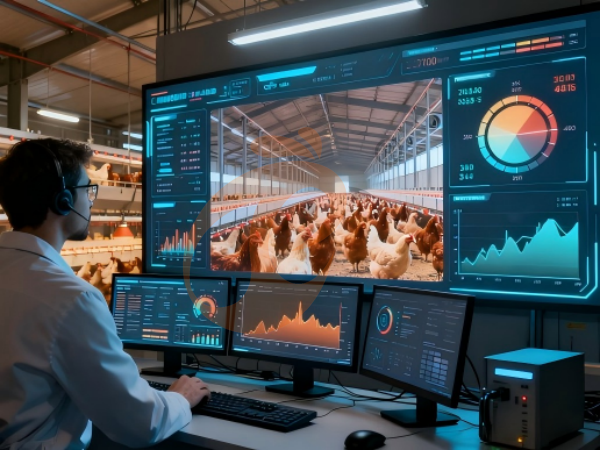
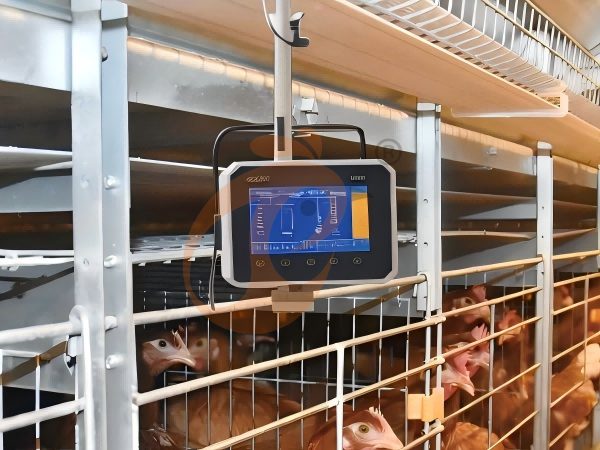
Real time monitoring systems capture vibration and flow variability across cage structures
Data is for reference only.Swipe horizontally to view full table.
Predictive adjustment systems improve operational consistency across production cycles.
Data mapping enables early detection of mechanical imbalance zones.
Another technical phrase frequently used is smart poultry farm egg monitoring system integration.
Sensor density distribution affects response accuracy in automated correction systems.
Frequently Asked Questions
Q1: Why does egg breakage increase in A-type cage systems?
Egg breakage increases due to combined effects of slope variation, conveyor mismatch, and shell density inconsistency
Field data shows breakage rates often rise above 3.2 percent when belt synchronization is unstable
Q2: What is the optimal cage slope for reducing egg damage?
Most engineered systems operate within 6.5 to 7.8 degrees depending on wire spacing design
Deviation beyond this range increases rolling velocity irregularity and collision probability
Q3: How does nutrition affect egg shell strength?
Calcium absorption efficiency and vitamin D3 activity directly affect shell microstructure density
Balanced formulation can reduce shell fracture incidence by approximately 18 to 26 percent
Taiyu (HK) Group - One Of China Toppest A Cage System Manufacturer
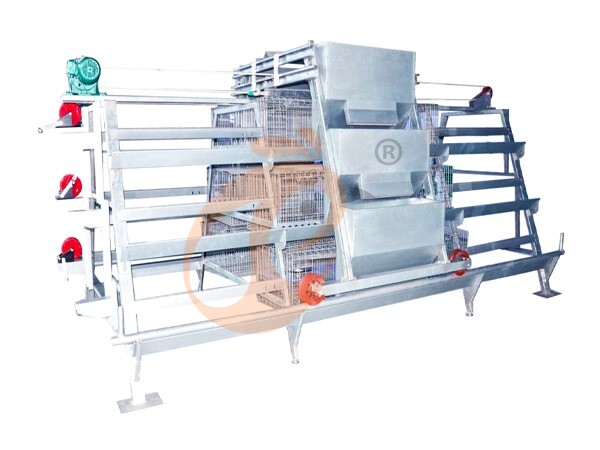
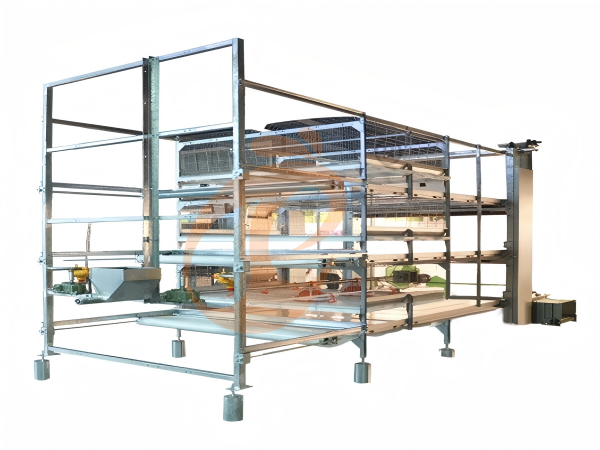
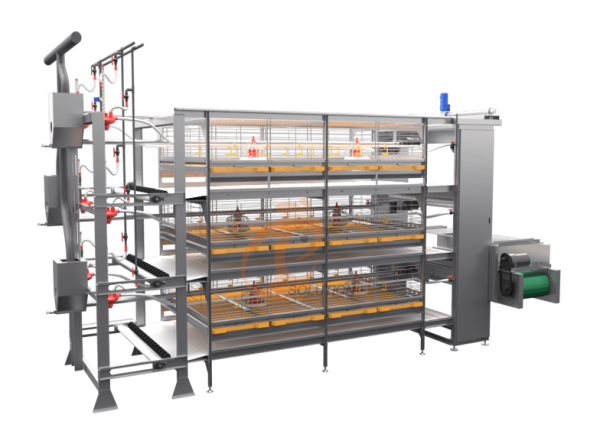
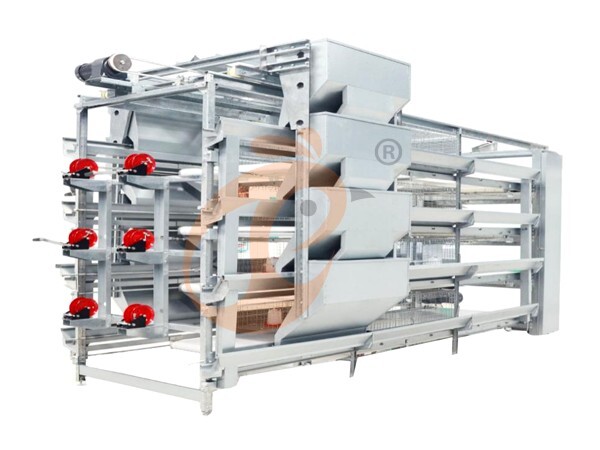
Project application covers A-type layer cage farms ranging from 60,000 to 420,000 hens per installation with integrated cage conveyor and feeding automation systems operating under controlled mechanical parameters
Global factory direct supply enables standardized poultry equipment manufacturing with consistent wire diameter tolerance and modular cage frame compatibility across international projects
Turn-key engineering delivery includes farm design steel structure installation electrical control integration and automated egg collection system commissioning for industrial poultry production sites
Export project execution supports multi region deployment with documentation driven engineering spare parts coordination and system level technical support
Technical commercial structure ensures scalable implementation of A-type cage systems across commercial layer production environments
Contact Us To Received Your Customized Poultry Farm Plan
Headquarters And Branchs
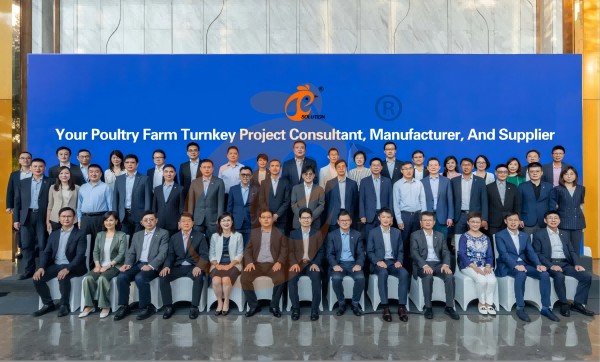
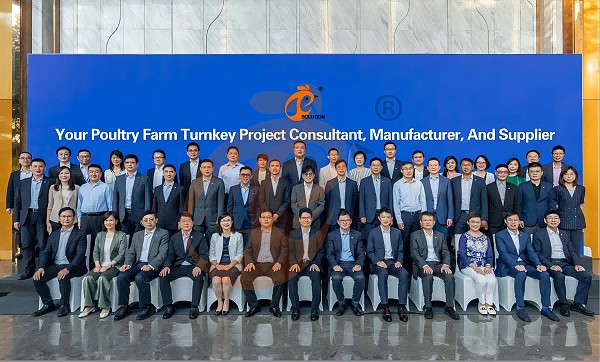
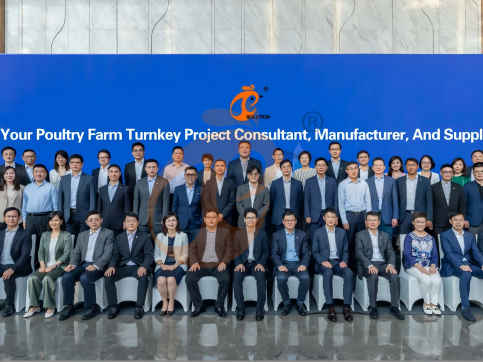
Hong Kong Headquarter Management Team
Hong Kong Headquarter Taiyu Industrial Group CO., LTD
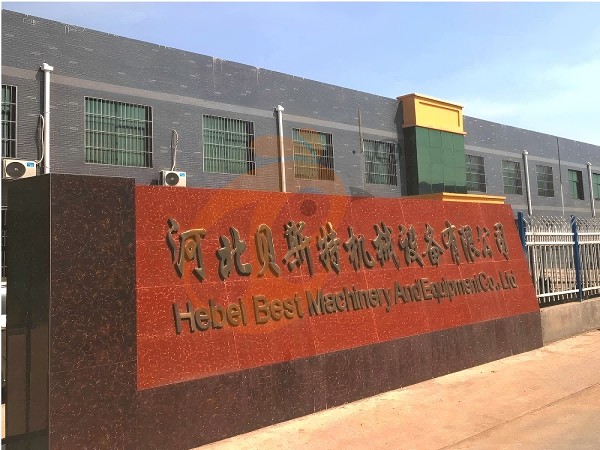
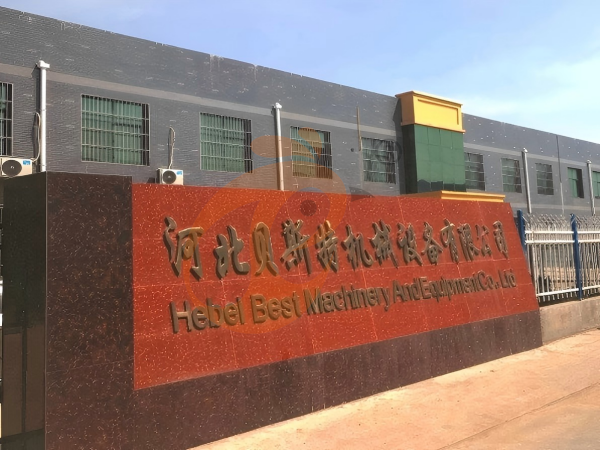
China Hebei Best Machinery And Equipment CO., LTD
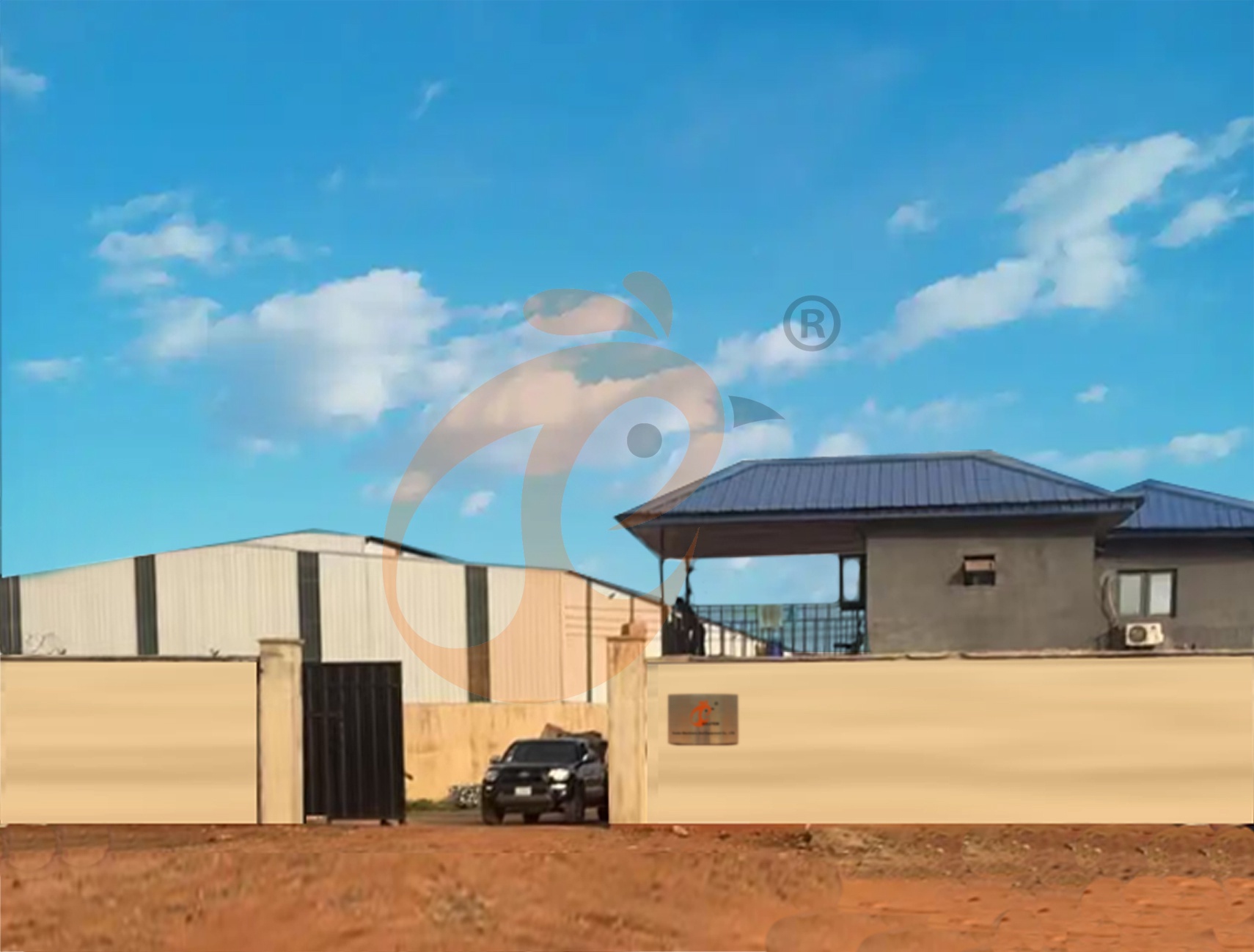
Nigeria Vanke Machinery And Equipment CO., LTD
Tanzania Best Machinery And Equipment CO., LTD
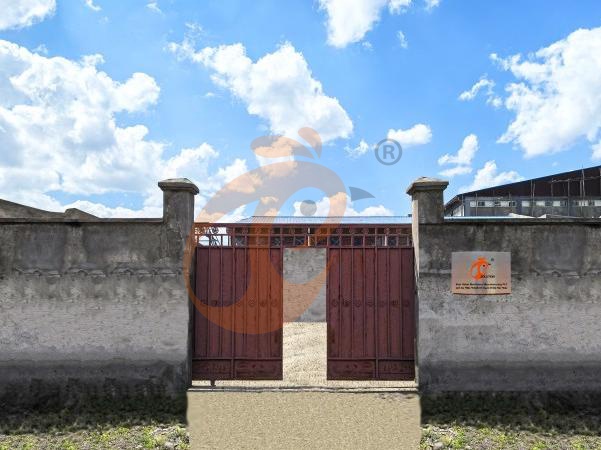
Ethiopia Best Hebei Machinery Manufacturing PLC
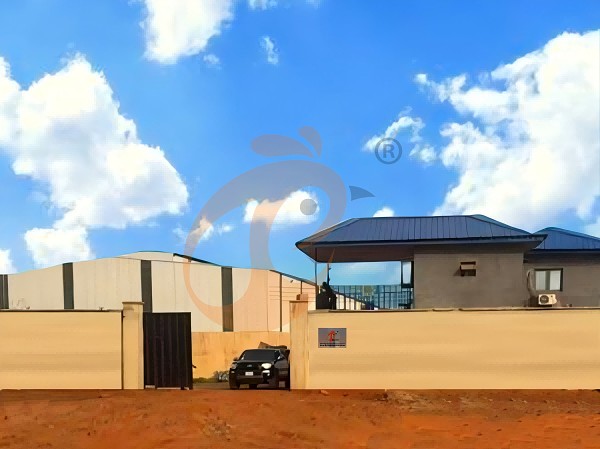
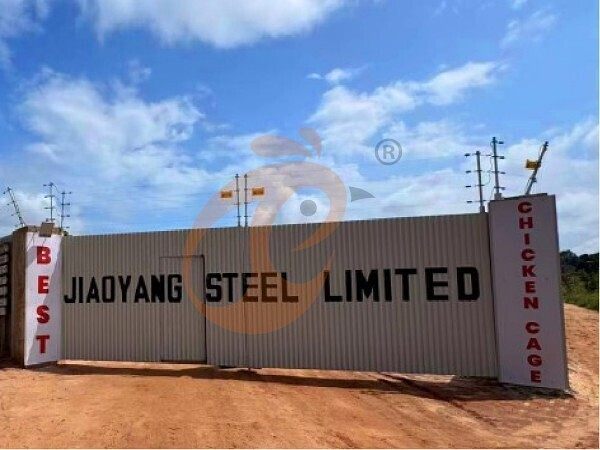
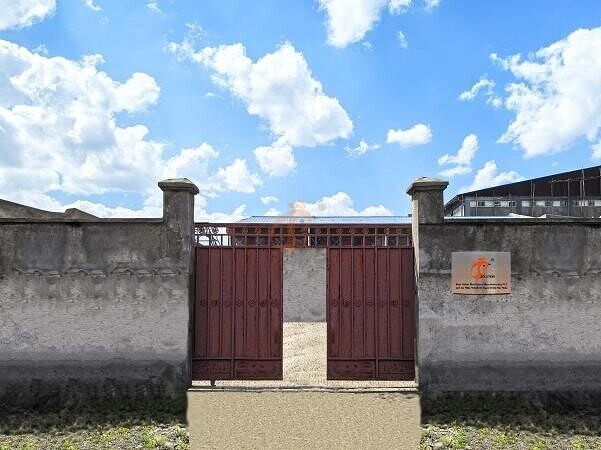
Reception /24 WhatsApp NO. : +8618830120193
FAQ
What Are The Recommended Tier Numbers For A-Type Chicken Cage Houses?
Birds per set: 120-200
Farm capacity per house: 10,000–50,000 birds
Egg production rate: 90–96%
FCR: 1.9–2.2
How To Maintain Optimal Temperature In A-Type Layer Cage Farm?
Use fans or heating systems
Egg production rate: 90–96%
FCR: 1.9–2.2
Mortality rate: 2–3%
How To Optimize Labor Efficiency In A-Type Poultry Cage Farms?
One worker manages 5,000–10,000 birds
Labor savings: 50–70%
Egg production rate: 90–96%
FCR: 1.9–2.2
- poultry farm
- layer cage
- poultry layer cage
- poultry cage
- cage
- poultry farm construction
- layer cage system
- poultry equipment
- egg collection system
- chickencage
- bestchickencage
- cage system
- cage systems
- Nigeria
- automated egg collection
- smart poultry farm
- poultry ventilation system
- automatic egg collection
- poultry farm plan
- Ethiopia
Message
Products recommended
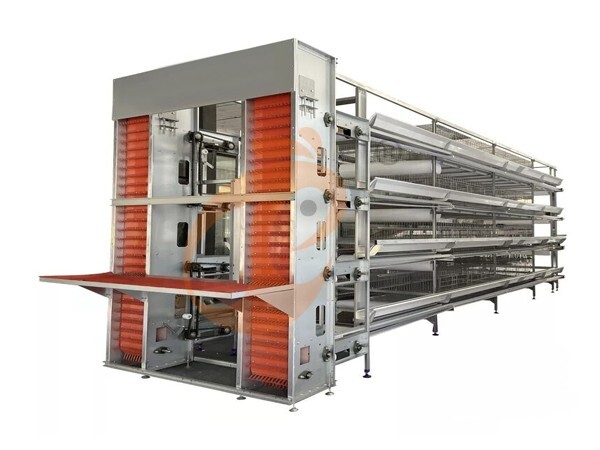
 >30,000 Pullets Automatic H Type Battery Cage1. More than 30,000 pullets a house, choose it.
2. It is designed to rearing older than 1 day old pullets to 12 to 16 weeks old chicken starting laying eggs.
3. Its lifespan is more than 25 years.
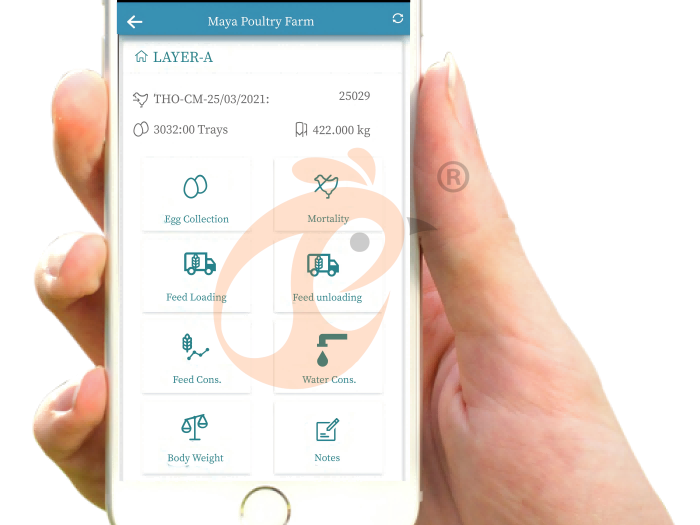
4. Its structure are Vcloud artificial intelligent fusion, electric control cabinet, automatic equipment of drinking, feeding, manure clean, manual harvesting.
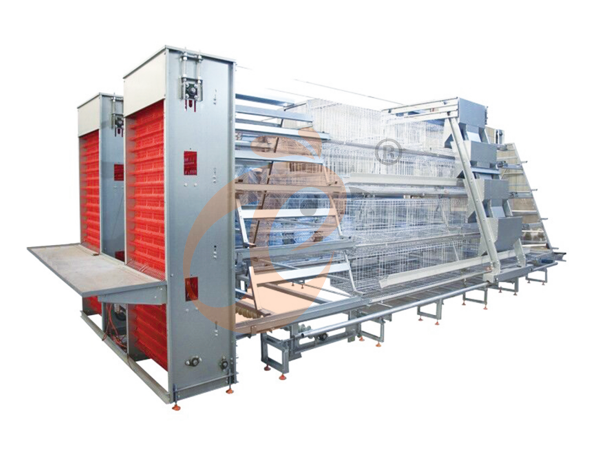
5. Our 24 hour online reception What’sApp NO. is +8618830120193 <30,000 Pullets Automatic A Type Battery Cage1. 10,000 to 30,000 pullets a house, choose it.
2. It is designed to rearing older than 1 day old pullets to 12 to 16 weeks old chicken starting laying eggs.
3. Its lifespan is more than 25 years.
4. Its structure are Vcloud artificial intelligent fusion, electric control cabinet, automatic equipment of drinking, feeding, manure clean, manual harvesting.
5. Our 24 hour online reception What’sApp NO. is +86 18830120193. >30,000 Broilers Semi-Automatic Harvest H Type Battery Cage1. More than 30,000 broilers a house, choose it.
2. It is designed to rearing 1 to 45 day old adult broiler ready for market.
3. Its lifespan is more than 20 years.
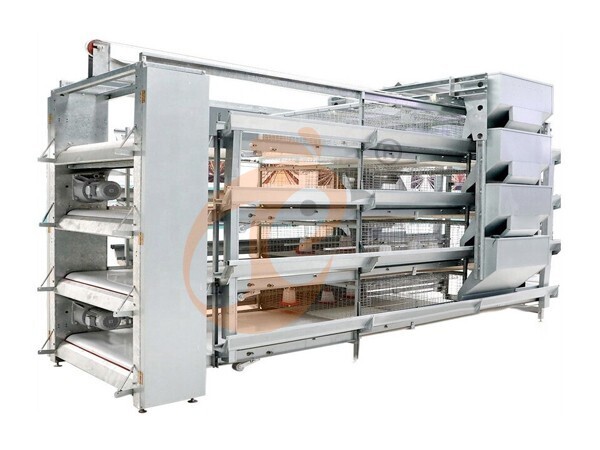
4. Our 24 hour online reception What’sApp NO. is +8618830120193, +234 8111199996. >30,000 Broilers Manual Harvest H Type Battery Cage1. More than 30,000 broilers a house, choose it.
2. It is designed to rearing 1 to 45 day old adult broiler ready for market.
3. Its lifespan is more than 20 years.
4. Its structure are Vcloud artificial intelligent fusion, electric control cabinet, automatic equipment of drinking, feeding and manure clean, manual harvesting.
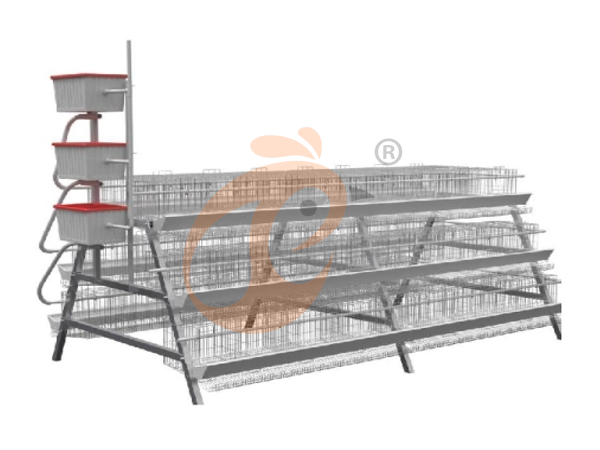
5. Our 24 hour online reception What’sApp NO. is +8618830120193, +234 8111199996. <30,000 Broilers Manual Harvest A Type Battery Cage1. Less 30,000 broilers a house, choose it.
2. It is designed to rearing 1 to 45 day old adult broiler ready for market.
3. Its lifespan is more than 20 years.
4. Its structure are Vcloud artificial intelligent fusion, electric control cabinet, automatic equipment of drinking, feeding and manure clean, manual harvesting.
5. Our 24 hour online reception What’sApp NO. is +8618830120193, +234 8111199996. HK Headquarter Offers EU-standard Poultry Farm Solutions, Manufacture Poultry Farm Equipment1. Continuous communication with the EU and the US
2. China, Nigeria, Ethiopia, Tanzania branch companies and factories
3. The products’ quality is customized for local poultry farms
4. Poultry cage and poultry farm equipment stock for sale
5. 24 online reception Whatsapp NO. : +8618830120193,contact us to get full information China Branch Offer Poultry Farm Business Plan, Manufacture Poultry Farm Equipment1. Address: Flat/RM 2416, 24/F, Runxing Building, Youyi Nan Street, Shijiazhuang City, Hebei Province, China
2. Poultry cage and poultry farm equipment factory and stock for sale
3. Customized for local poultry farms
4. Quality and design are based on Euro
5. 24 online reception Whatsapp NO. : +8618830120193 Nigeria Branch Offer Poultry Farm Business Plan, Manufacture Poultry Farm Equipment1. Address: After Sinoma Office, 200 Meters Near Danco Filling Station, Lagos/Ibadan Expressway, Lagos State, Nigeria
2. Poultry cage and poultry farm equipment factory and stock for sale
3. Customized for Nigerian poultry farms
4. Quality and design are based on Euro
5. 24 online reception Whatsapp NO. : +8618830120193 Ethiopia Branch Offer Poultry Farm Business Plan, Manufacture Poultry Farm Equipment1. Address: Gelan Gura, Akaki-kaliti Sub City, Addis Ababa, Ethiopia
2. Poultry cage and poultry farm equipment stock for sale
3. Customized for Ethiopian poultry farms
4. Quality and design are based on Euro
5. 24 online reception Whatsapp NO. : +8618830120193, contact us to get price list Tanzania Branch Offer Poultry Farm Business Plan, Manufacture Poultry Farm Equipment1. Address: No.8, Sova Road, Msufini, Mlandizi, Kibaha, Pwani, Tanzania
2. Poultry cage and poultry farm equipment factory and stock for sale
3. Customized for Tanzanian poultry farms
4. Quality and design are based on Euro
5. 24 online reception Whatsapp NO. : +8618830120193


Contact