


Blog
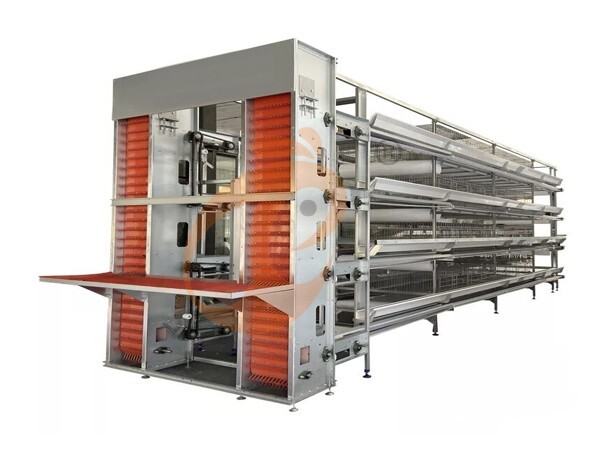
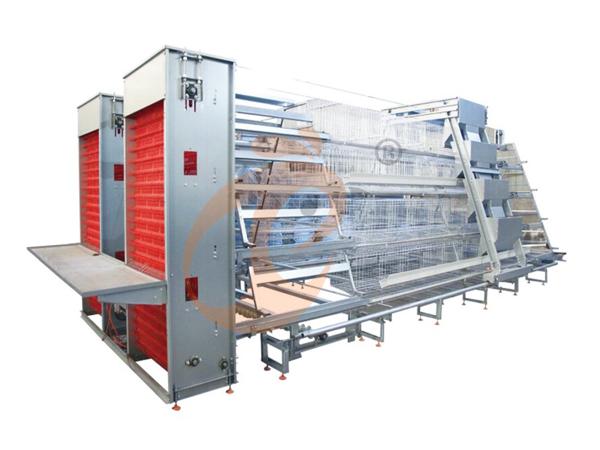
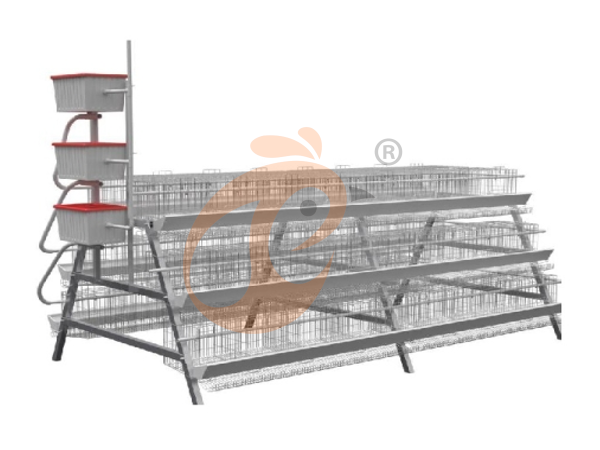
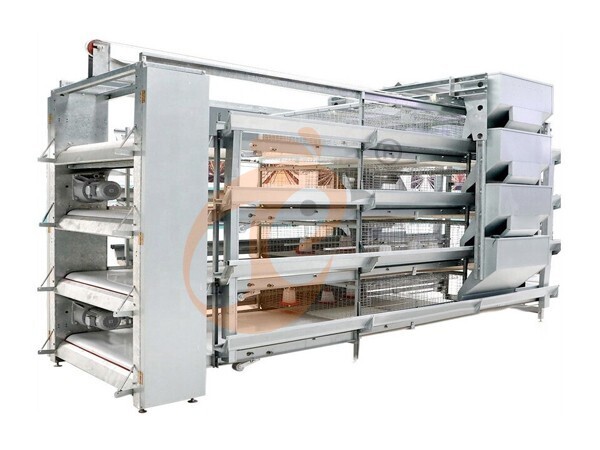
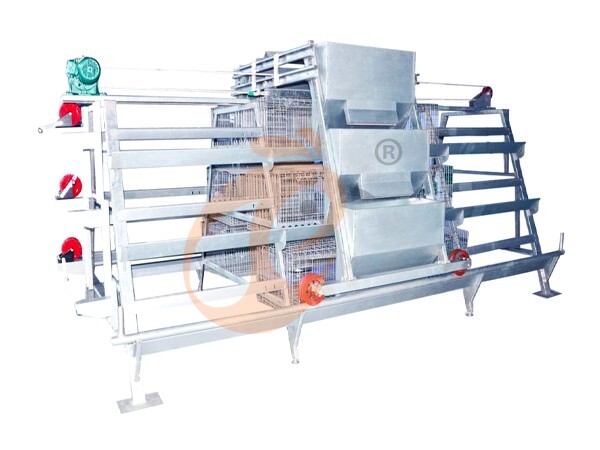
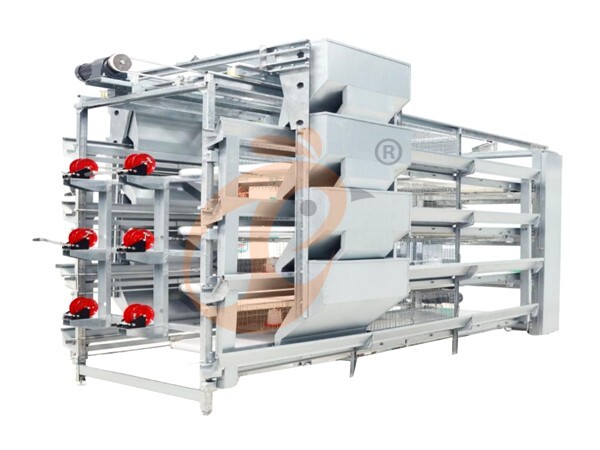
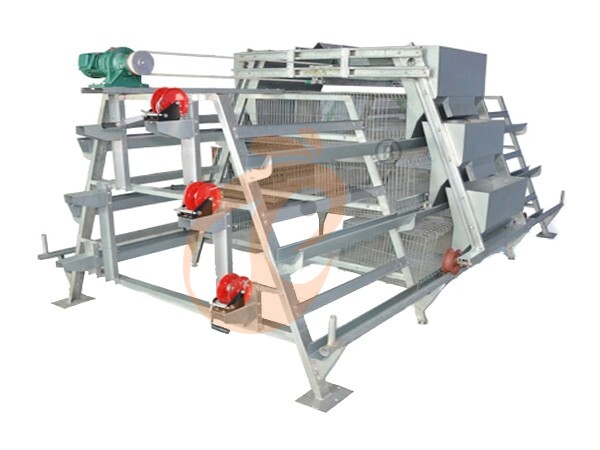
H type chicken cage systems integrate multi-tier housing structures to support high-density commercial egg production with stable mechanical organization.
Installation procedures influence structural alignment accuracy, ensuring consistent load distribution across steel frameworks and cage layers.
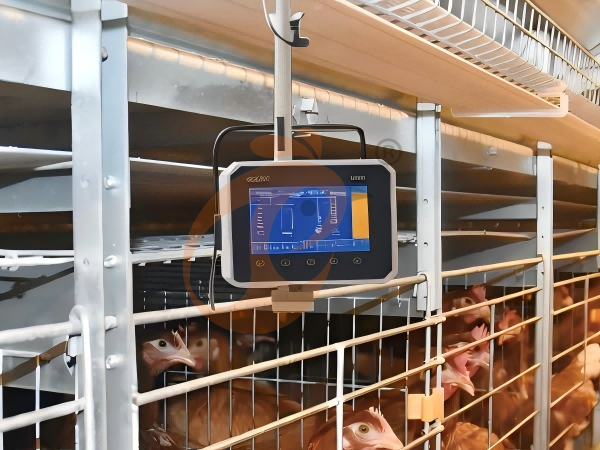
Automation components coordinate feed delivery, water supply, and egg collection for continuous operational flow in poultry environments.
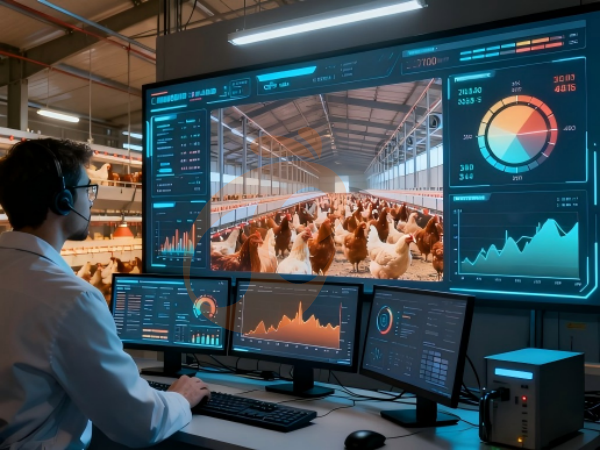
Environmental control systems regulate airflow, humidity, and gas concentration to maintain balanced internal house conditions.
Engineering-based installation planning improves system reliability, production efficiency, and long-term operational stability across poultry farms.
Get professional poultry farm construction guidance, equipment selection solutions, and the latest price lists, whatsApp to +8618830120193, click to learn more:
Step Farm Layout Design And Production Planning
Before installation begins, the poultry house must be designed to match cage system capacity, airflow direction, and equipment logistics pathways.
Data is for reference only.Swipe horizontally to view full table.
A correct layout design ensures stable workflow integration between feeding systems, egg collection lines, and manure removal units.
Step Foundation Construction And Load Stabilization
A strong foundation is the core requirement for long-term stability of H type cage systems.
Data is for reference only.Swipe horizontally to view full table.
A properly engineered base reduces vibration transmission and ensures structural balance across multi-tier cage stacks.
Step Steel Structure Assembly And Frame Installation
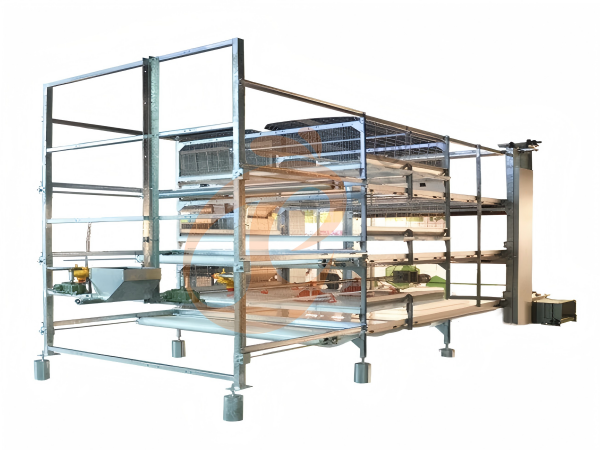
The H type cage frame must be assembled in a strict sequence to ensure geometric accuracy and load balance.
Data is for reference only.Swipe horizontally to view full table.
Correct assembly improves structural rigidity and extends the service life of poultry cage systems under continuous operation.
Step Automation System Integration And Feeding Control
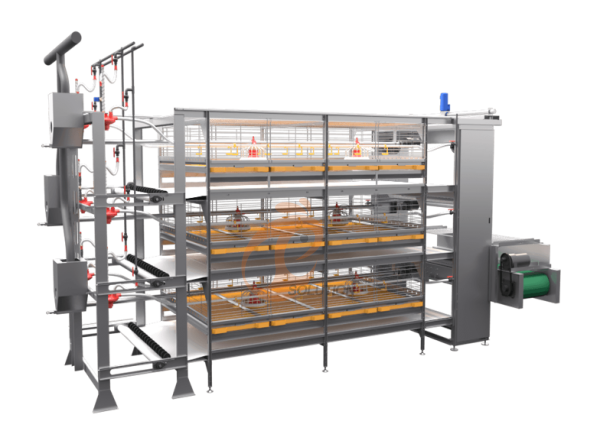
Modern poultry farms rely on automated feeding and drinking systems integrated directly into cage structures.
SEO Term: H Type Chicken Cage System Price
Data is for reference only.Swipe horizontally to view full table.
This automation structure reduces labor dependency while maintaining consistent nutrition delivery across all tiers.
Step Ventilation System Optimization And Climate Balance
Ventilation design directly impacts egg production stability and bird health conditions.
Data is for reference only.Swipe horizontally to view full table.
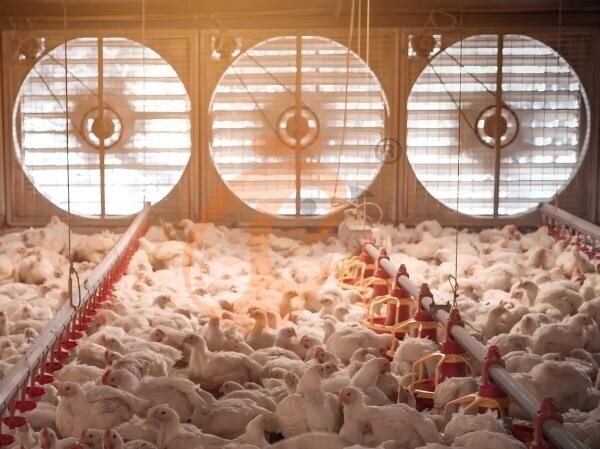
Proper airflow management ensures stable internal temperature distribution and reduces environmental stress on poultry flocks.
Step System Testing And Operational Commissioning
Before placing birds into production, all systems must be tested under full-load simulation.
Data is for reference only.Swipe horizontally to view full table.
This commissioning phase ensures full synchronization between mechanical and electrical systems.
Step Alignment Correction And Precision Calibration
Even minor installation deviation can affect long-term production efficiency.
Data is for reference only.Swipe horizontally to view full table.
Precision calibration ensures stable operation and reduces maintenance frequency during long production cycles.
Step Waste Management System Configuration And Manure Handling Efficiency
Efficient manure handling improves hygiene stability in H type cage poultry systems.
Proper design reduces ammonia buildup and supports cleaner house conditions.
System Configuration Parameters
Data is for reference only.Swipe horizontally to view full table.
Technical Application Notes
Independent drive structure ensures stable manure transport across long house spans
- Inclined conveyor design improves gravity-assisted discharge efficiency
- Stainless steel contact surfaces reduce long-term abrasion in humid environments
Cycle-based operation supports consistent waste clearance without system overload
Step Maintenance Strategy And Lifecycle Optimization
Routine maintenance supports stable performance and extends equipment lifecycle.
Data is for reference only.Swipe horizontally to view full table.
Structured maintenance ensures continuous operational stability and predictable production output.
Frequently Asked Questions
Q1: What capacity can H type chicken cages support in a commercial farm?
Standard installations support 30,000 to 100,000 birds depending on building size and tier configuration, with optimized density across 4–16 layers.
Q2: How much installation accuracy is required for cage alignment?
Recommended deviation control is within 3–4 mm across structural columns and cage rows to maintain system stability.
Q3: What is the recommended airflow capacity for large poultry houses?
Typical systems operate around 38,000 m³/h airflow with controlled ammonia levels below 18 ppm for stable conditions.
Taiyu (HK) Group - One Of China Largest H Type Chicken Cages Manufacturer
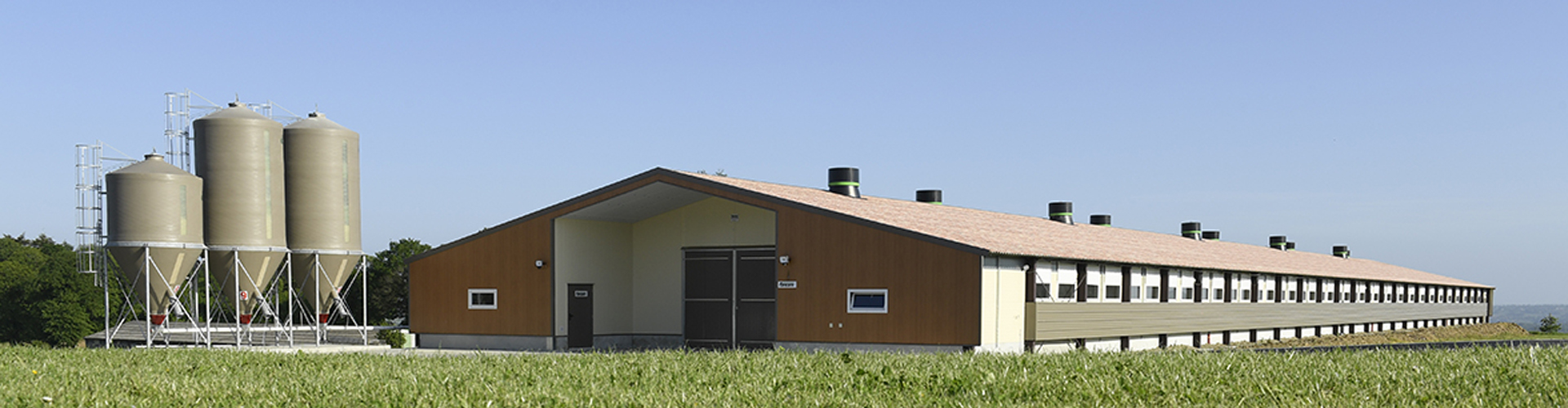
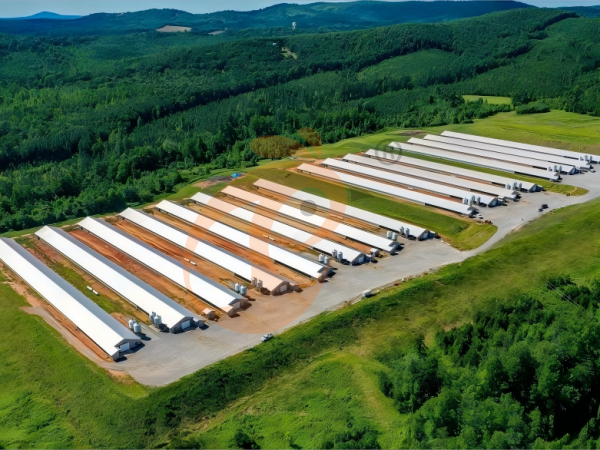
H type chicken cage systems are applied in 30,000–100,000 bird capacity poultry farms with integrated automation feeding and egg collection systems supporting industrial-scale production.
Global factory direct supply enables standardized poultry equipment manufacturing, ensuring consistent engineering quality across international installation projects.
Poultry equipment engineering includes cage systems, ventilation units, manure removal systems, and fully integrated environmental control solutions.
Turn-key engineering service covers design, production, installation guidance, and commissioning for complete poultry farm construction projects.
Export-oriented manufacturing structure supports commercial poultry farm development across Asia, Africa, Middle East, and South America regions.
Contact Us To Received Your Customized Poultry Farm Plan
Headquarters And Branchs
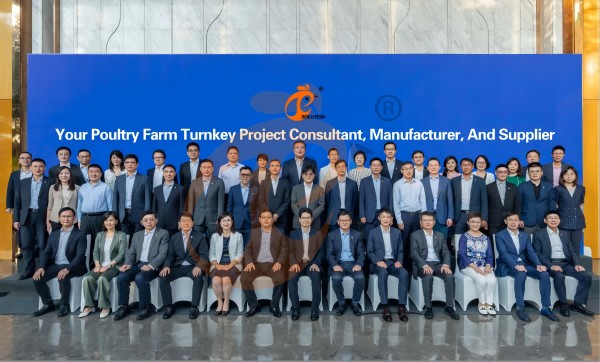
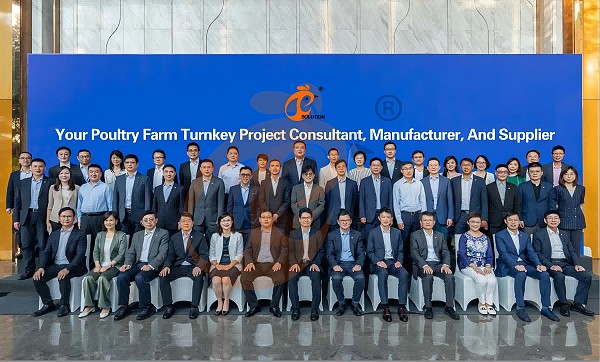
Hong Kong Headquarter Management Team
Hong Kong Headquarter Taiyu Industrial Group CO., LTD
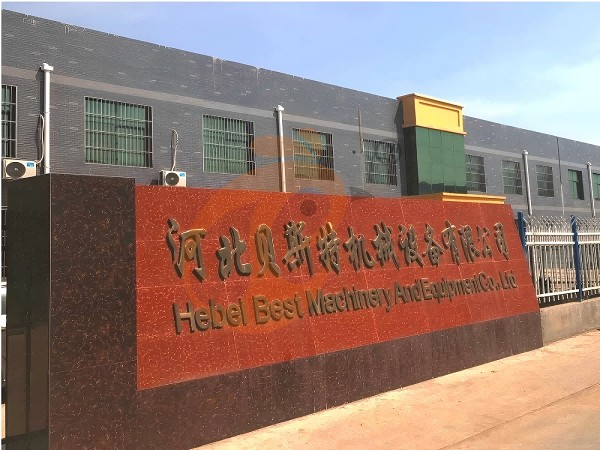
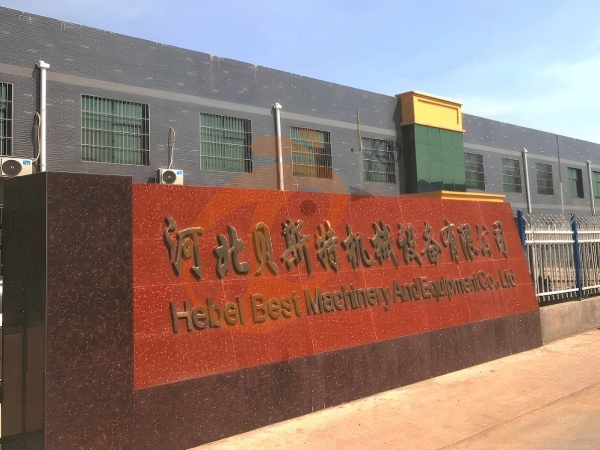
China Hebei Best Machinery And Equipment CO., LTD
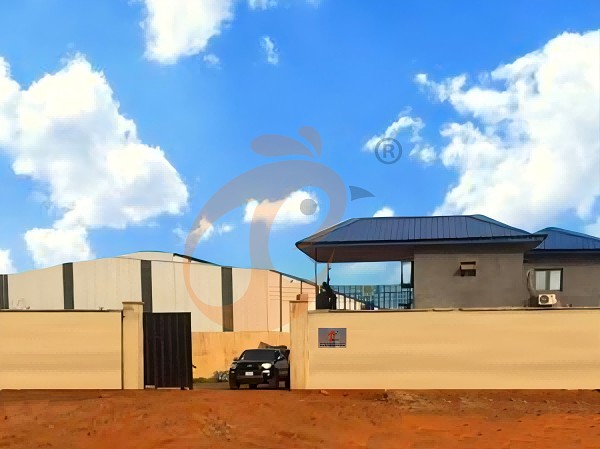
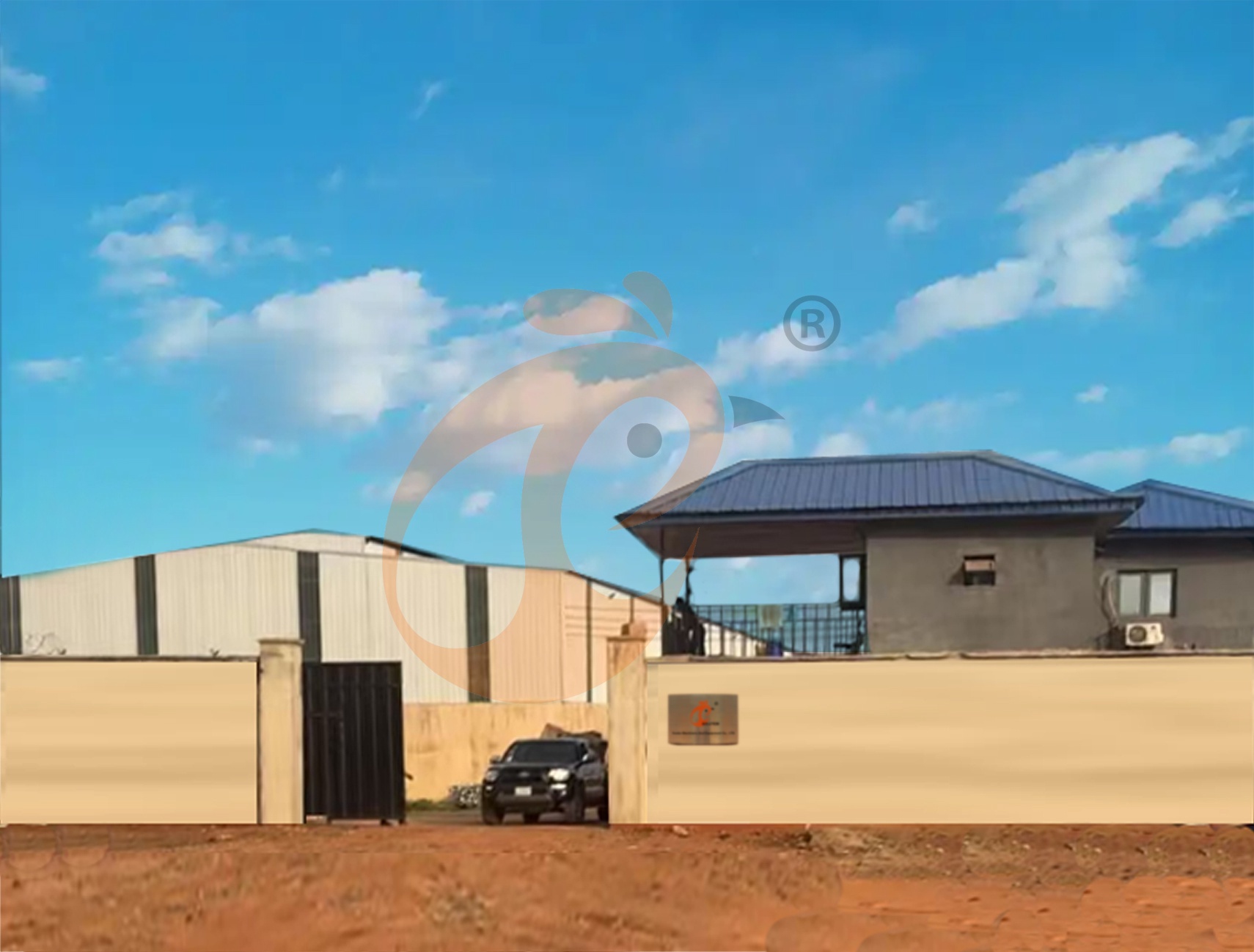
Nigeria Vanke Machinery And Equipment CO., LTD
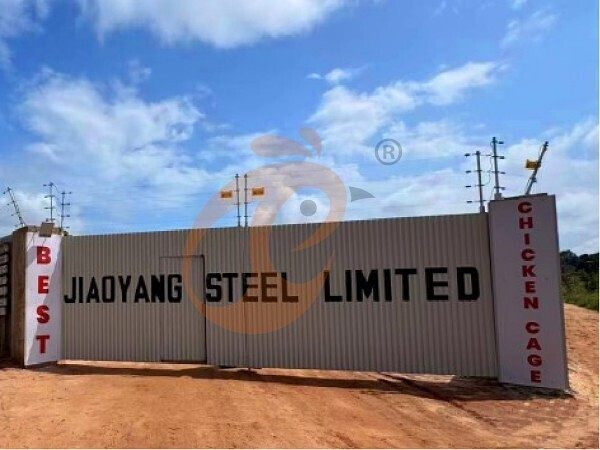
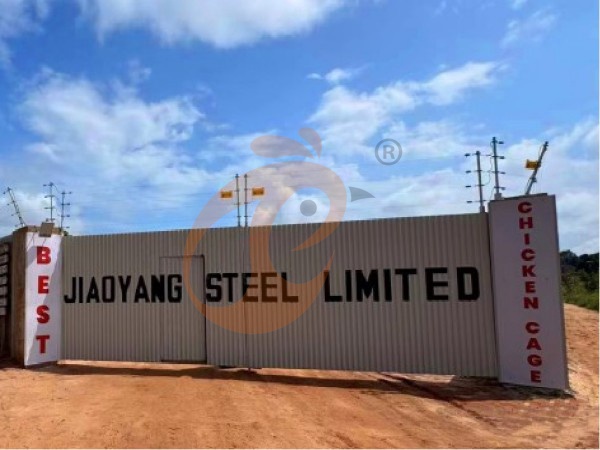
Tanzania Best Machinery And Equipment CO., LTD
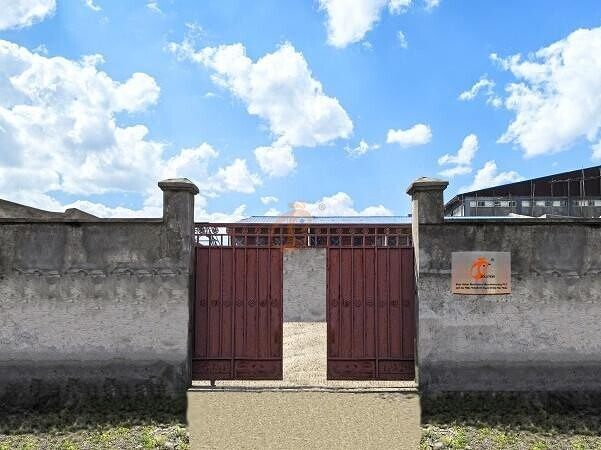
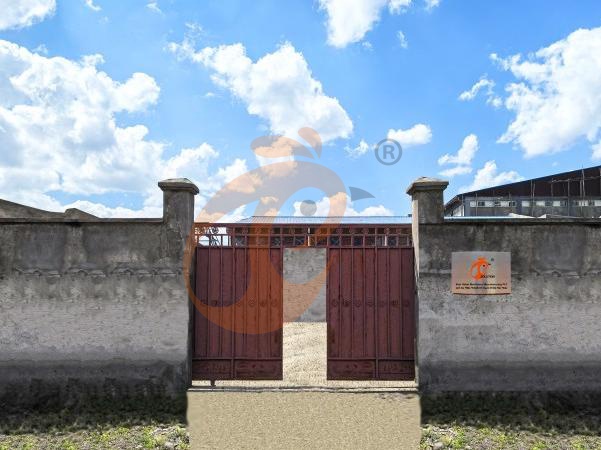
Ethiopia Best Hebei Machinery Manufacturing PLC
Reception /24 WhatsApp NO. : +8618830120193
FAQ
How To Manage Lighting Programs In H-Type Layer Cage Houses?
Ensure even light distribution
Promotes laying rhythm
Egg production rate: 90-98%
FCR 1.9–2.1
What Are The Cleaning Procedures For H-Type Battery Cage System?
Use environmentally safe disinfectants
Clean manure troughs
Reduce pathogen spread
Egg production rate: 90-98%
How To Expand H-Type Chicken Cage Farm Without Reducing Efficiency?
Maintain automated feeding and drinking systems
Ensure uniform ventilation and lighting
Farm capacity per house: 30,000 - 100,000+0 birds
Labor savings: 70-90%
- poultry farm
- chicken cage
- poultry farms
- poultry house
- poultry cage
- cage
- poultry farm construction
- poultry cage system
- chicken cage system
- poultry equipment
- manure removal system
- egg collection system
- chicken cages
- h type chicken cage
- chickencage
- h type cage
- bestchickencage
- cage system
- cage layer
- cage poultry
- h type
- cage systems
- h cage
- Nigeria
- modern poultry farms
- poultry cage systems
- modern poultry farm
- poultry farm development
- poultry farm plan
- Ethiopia
Message
Products recommended
 >30,000 Pullets Automatic H Type Battery Cage1. More than 30,000 pullets a house, choose it.
2. It is designed to rearing older than 1 day old pullets to 12 to 16 weeks old chicken starting laying eggs.
3. Its lifespan is more than 25 years.
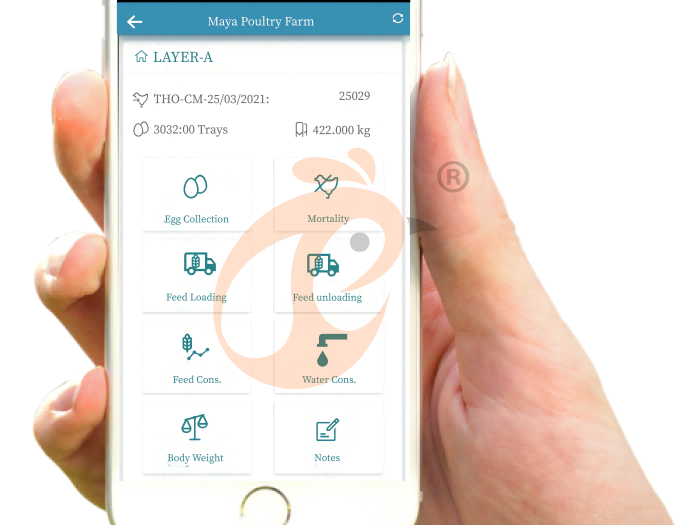
4. Its structure are Vcloud artificial intelligent fusion, electric control cabinet, automatic equipment of drinking, feeding, manure clean, manual harvesting.
5. Our 24 hour online reception What’sApp NO. is +8618830120193 <30,000 Pullets Automatic A Type Battery Cage1. 10,000 to 30,000 pullets a house, choose it.
2. It is designed to rearing older than 1 day old pullets to 12 to 16 weeks old chicken starting laying eggs.
3. Its lifespan is more than 25 years.
4. Its structure are Vcloud artificial intelligent fusion, electric control cabinet, automatic equipment of drinking, feeding, manure clean, manual harvesting.
5. Our 24 hour online reception What’sApp NO. is +86 18830120193. >30,000 Broilers Semi-Automatic Harvest H Type Battery Cage1. More than 30,000 broilers a house, choose it.
2. It is designed to rearing 1 to 45 day old adult broiler ready for market.
3. Its lifespan is more than 20 years.
4. Our 24 hour online reception What’sApp NO. is +8618830120193, +234 8111199996. >30,000 Broilers Manual Harvest H Type Battery Cage1. More than 30,000 broilers a house, choose it.
2. It is designed to rearing 1 to 45 day old adult broiler ready for market.
3. Its lifespan is more than 20 years.
4. Its structure are Vcloud artificial intelligent fusion, electric control cabinet, automatic equipment of drinking, feeding and manure clean, manual harvesting.
5. Our 24 hour online reception What’sApp NO. is +8618830120193, +234 8111199996. <30,000 Broilers Manual Harvest A Type Battery Cage1. Less 30,000 broilers a house, choose it.
2. It is designed to rearing 1 to 45 day old adult broiler ready for market.
3. Its lifespan is more than 20 years.
4. Its structure are Vcloud artificial intelligent fusion, electric control cabinet, automatic equipment of drinking, feeding and manure clean, manual harvesting.
5. Our 24 hour online reception What’sApp NO. is +8618830120193, +234 8111199996. HK Headquarter Offers EU-standard Poultry Farm Solutions, Manufacture Poultry Farm Equipment1. Continuous communication with the EU and the US
2. China, Nigeria, Ethiopia, Tanzania branch companies and factories
3. The products’ quality is customized for local poultry farms
4. Poultry cage and poultry farm equipment stock for sale
5. 24 online reception Whatsapp NO. : +8618830120193,contact us to get full information China Branch Offer Poultry Farm Business Plan, Manufacture Poultry Farm Equipment1. Address: Flat/RM 2416, 24/F, Runxing Building, Youyi Nan Street, Shijiazhuang City, Hebei Province, China
2. Poultry cage and poultry farm equipment factory and stock for sale
3. Customized for local poultry farms
4. Quality and design are based on Euro
5. 24 online reception Whatsapp NO. : +8618830120193 Nigeria Branch Offer Poultry Farm Business Plan, Manufacture Poultry Farm Equipment1. Address: After Sinoma Office, 200 Meters Near Danco Filling Station, Lagos/Ibadan Expressway, Lagos State, Nigeria
2. Poultry cage and poultry farm equipment factory and stock for sale
3. Customized for Nigerian poultry farms
4. Quality and design are based on Euro
5. 24 online reception Whatsapp NO. : +8618830120193 Ethiopia Branch Offer Poultry Farm Business Plan, Manufacture Poultry Farm Equipment1. Address: Gelan Gura, Akaki-kaliti Sub City, Addis Ababa, Ethiopia
2. Poultry cage and poultry farm equipment stock for sale
3. Customized for Ethiopian poultry farms
4. Quality and design are based on Euro
5. 24 online reception Whatsapp NO. : +8618830120193, contact us to get price list Tanzania Branch Offer Poultry Farm Business Plan, Manufacture Poultry Farm Equipment1. Address: No.8, Sova Road, Msufini, Mlandizi, Kibaha, Pwani, Tanzania
2. Poultry cage and poultry farm equipment factory and stock for sale
3. Customized for Tanzanian poultry farms
4. Quality and design are based on Euro
5. 24 online reception Whatsapp NO. : +8618830120193


Contact