


Blog
Feed mixer systems sit at the center of modern poultry production efficiency, where mechanical precision, nutrient uniformity, and operational stability determine overall farm profitability.
Industrial poultry operations increasingly rely on engineered feed blending systems to stabilize nutrient distribution and reduce production variability.
Feed consistency directly impacts feed conversion efficiency, flock uniformity, and mortality control across large-scale chicken farms.
Modern feed mixer technology integrates mechanical, digital, and biological feedback systems to ensure continuous production optimization.
Get professional poultry farm construction guidance, equipment selection solutions, and the latest price lists, whatsApp to +8618830120193, click to learn more:
Ingredient Control And Feed Mixer Input Standardization
Feed mixer performance begins at the ingredient loading stage, where consistency determines downstream blending accuracy.
Standardized raw material input reduces variability inside the mixing chamber and stabilizes nutrient distribution patterns.
Data is for reference only.Swipe horizontally to view full table.
Feed mixer efficiency increases when ingredient variance is controlled before entering batching systems.
Consistent input composition improves blending homogeneity across repeated production cycles.
Feed Mixer Mechanical Structure And Blending Efficiency
Mechanical configuration determines how energy is transferred inside the feed mixer chamber.
Rotor geometry and shaft arrangement influence particle dispersion and mixing uniformity outcomes.
Data is for reference only.Swipe horizontally to view full table.
Industrial feed mixer systems with dual-shaft structures achieve improved dispersion stability in high-capacity operations.
Energy-efficient designs reduce mechanical load while maintaining nutrient blending precision.
Particle Size Engineering Inside Feed Mixer Systems
Feed mixer performance is strongly influenced by particle size distribution entering the blending chamber.
Grinding uniformity improves nutrient accessibility and reduces selective feeding behavior in poultry flocks.
Data is for reference only.Swipe horizontally to view full table.
Feed mixer systems perform best when particle distribution remains within controlled engineering ranges.
Uniform particle structure enhances enzymatic breakdown efficiency during digestion cycles.
Moisture Stability And Feed Mixer Output Integrity
Moisture balance directly affects feed stability and mixing performance inside industrial feed mixer systems.
Excess humidity leads to nutrient degradation and microbial contamination risks during storage.
Data is for reference only.Swipe horizontally to view full table.
Feed mixer output stability depends heavily on controlled moisture equilibrium during ingredient preparation stages.
Proper environmental regulation extends nutrient retention and feed quality consistency.
Automation Systems In Modern Feed Mixer Technology
Automation enhances feed mixer accuracy by synchronizing ingredient dosing and mixing cycles.
Digital control systems reduce manual error and improve repeatability in large-scale poultry feed production.
Data is for reference only.Swipe horizontally to view full table.
Feed mixer automation improves production traceability and reduces batch-to-batch variation.
Integrated control architecture enhances operational stability across continuous production cycles.
Feed Mixer Sampling And Nutrient Distribution Validation
Sampling validation ensures that feed mixer output meets formulation design standards.
Spatial testing verifies nutrient distribution consistency across discharge zones.
Data is for reference only.Swipe horizontally to view full table.
Feed mixer validation systems ensure nutrient dispersion accuracy across production outputs.
Uniform blending reduces biological performance fluctuations in poultry flocks.
Economic Efficiency Of Feed Mixer Operations
Feed mixer efficiency influences overall production cost and resource utilization in poultry farming systems.
Energy consumption and ingredient loss rates directly impact operational profitability.
Data is for reference only.Swipe horizontally to view full table.
Optimized feed mixer systems reduce marginal production costs across scaling operations.
Energy-efficient blending systems improve long-term economic sustainability.
Maintenance And Calibration Strategy For Feed Mixer Systems
Regular calibration ensures mechanical stability and precision consistency in feed mixer operation.
Wear monitoring prevents performance drift and unexpected downtime in production cycles.
Data is for reference only.Swipe horizontally to view full table.
Preventive maintenance ensures continuous feed mixer reliability in industrial environments.
System calibration reduces mechanical variability across long production cycles.
Biological Performance Impact Of Feed Mixer Accuracy
Feed mixer precision directly affects poultry growth performance and feed conversion efficiency.
Biological response indicators validate the effectiveness of mixing system optimization.
Data is for reference only.Swipe horizontally to view full table.
Feed mixer optimization improves biological efficiency across poultry production cycles.
Stable nutrient distribution supports consistent flock development outcomes.
Frequently Asked Questions
Q1: How does feed mixer uniformity affect poultry production results?
Feed mixer uniformity ensures even nutrient distribution across all feed batches.
When CV values remain near 7.8%, growth variation between flocks decreases significantly.
Q2: What is the optimal particle size for feed mixer processing?
A particle range between 0.6–1.8 mm supports balanced digestion and energy release.
This range improves enzyme activity and nutrient absorption efficiency.
Q3: How often should feed mixer systems be maintained?
Maintenance cycles vary between 480 and 1200 operating hours depending on component type.
Sensors typically require earlier calibration due to drift thresholds near 2.5%.
Taiyu (HK) Group - One Of China Largest Feed Mixer Manufacturer
Industrial feed mixer applied in 50 tons/day poultry feed production line supporting controlled batching accuracy within 3.6 g deviation under automated dosing and mixing synchronization system architecture
Global factory direct supply structure covering poultry equipment fabrication, mixer chamber engineering, conveyor integration, and industrial feed mill installation across multiple international markets
Turn-key project delivery including silo systems, feed mixer installation, PLC automation integration, electrical control wiring, and commissioning support for full poultry farm feed production line
Poultry equipment manufacturing base producing horizontal, paddle, and double-shaft feed mixer systems designed for industrial-scale livestock feed processing environments
Technical service network providing remote diagnostics, maintenance scheduling, and lifecycle optimization support for continuous feed production operations
Contact Us To Received Your Customized Poultry Farm Plan
Headquarters And Branchs
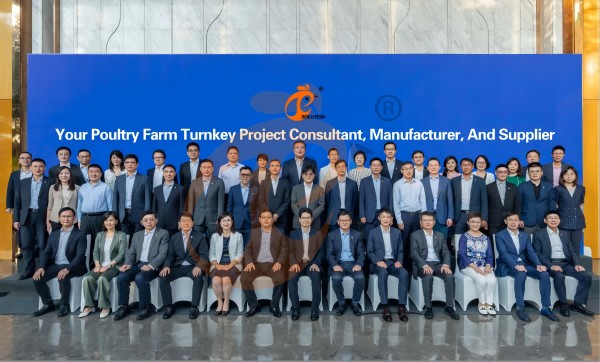
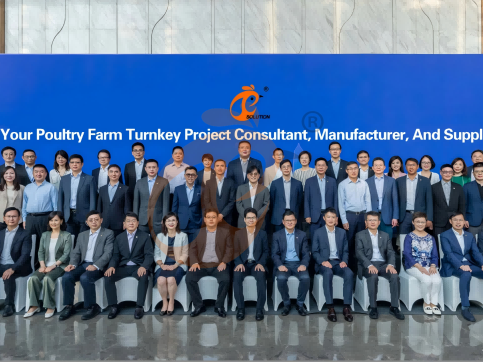
Hong Kong Headquarter Management Team
Hong Kong Headquarter Taiyu Industrial Group CO., LTD
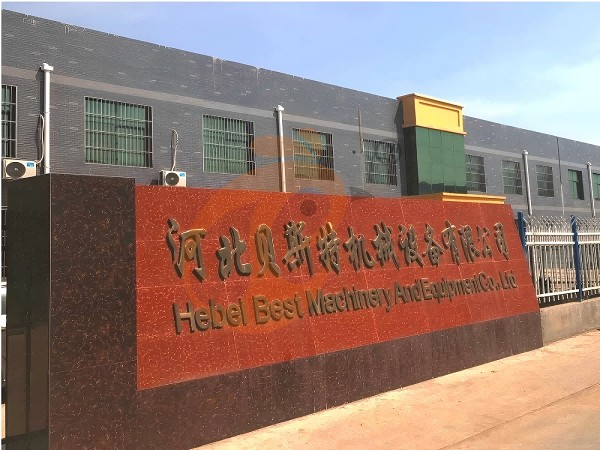
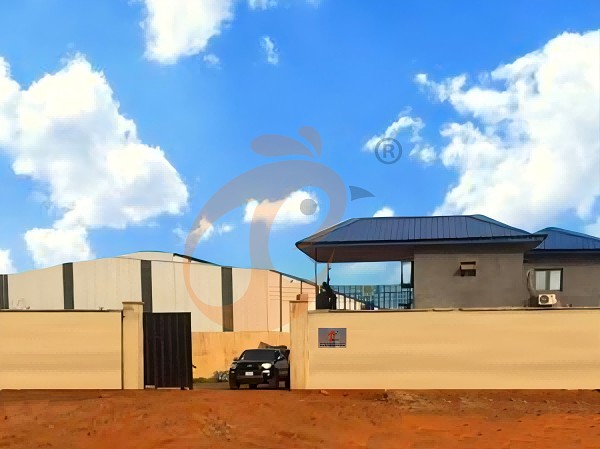
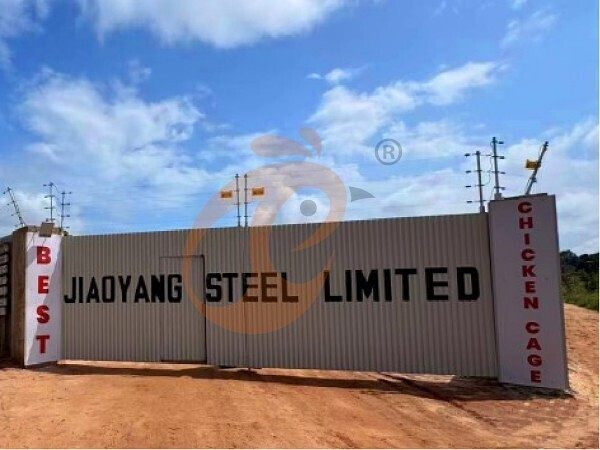
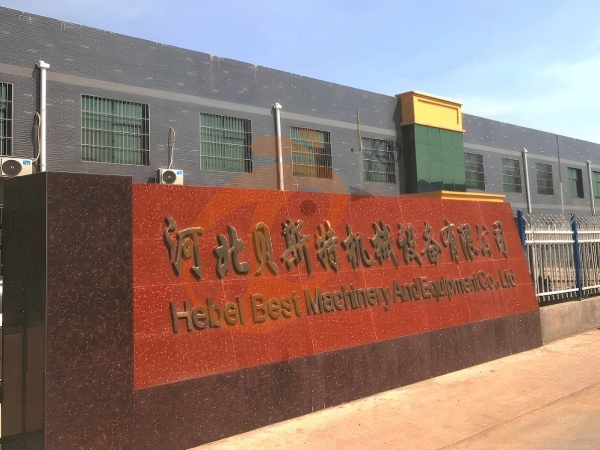
China Hebei Best Machinery And Equipment CO., LTD
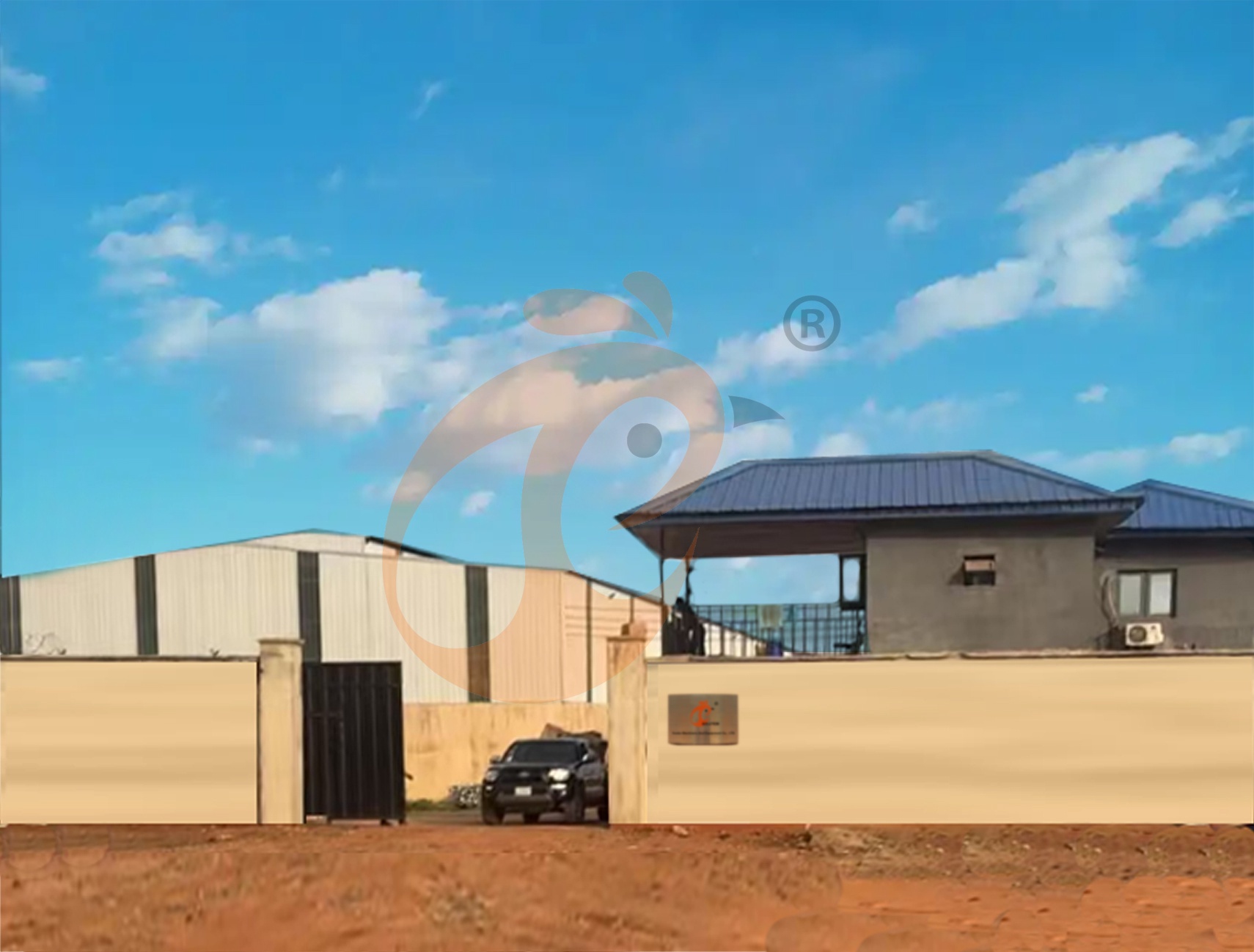
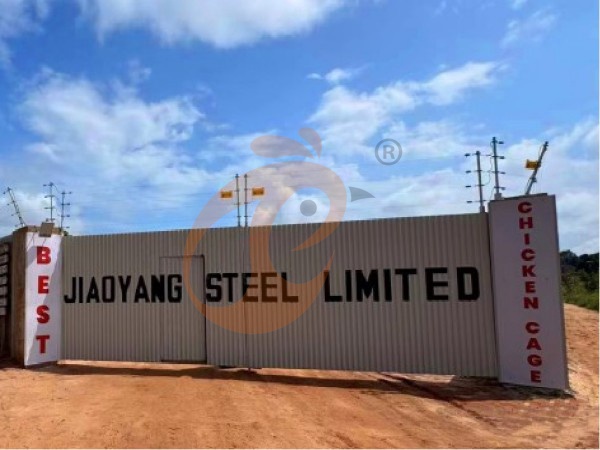
Nigeria Vanke Machinery And Equipment CO., LTD
Tanzania Best Machinery And Equipment CO., LTD
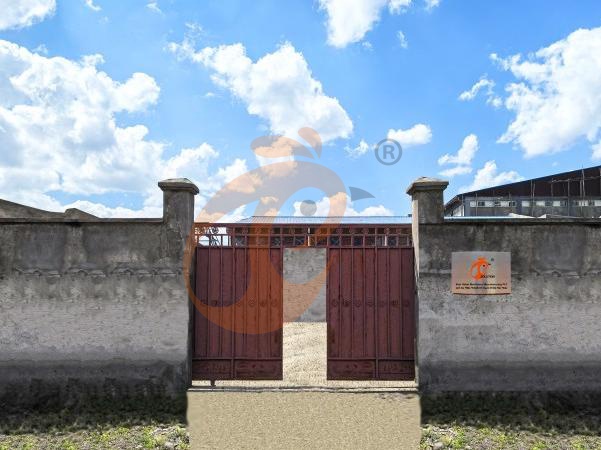
Ethiopia Best Hebei Machinery Manufacturing PLC

Reception /24 WhatsApp NO. : +8618830120193
FAQ
What Are The Main Equipment Components In Feed Mill And Feed Mixer Systems For Poultry Chicken Production?
Hammer mill units operate with rotor speeds of 2800–3600 rpm for efficient grain size reduction.
Twin-shaft mixers achieve batch capacities of 500–2000 kg per cycle for uniform poultry feed blending.
What Dust Control Requirements Are Needed In Feed Mill Operations For Poultry Chicken Farms?
Cyclone separators remove 85%–92% of airborne particles during grinding and conveying processes.
Negative pressure systems maintain airflow velocity between 0.8–1.2 m/s to prevent dust leakage.
What Temperature Parameters Are Used In Feed Mill Processing For Poultry Chicken Feed?
Conditioning temperature reaches 75–85°C to improve pellet durability and pathogen reduction.
Cooling stage reduces pellet temperature to within 5°C of ambient conditions for safe storage.
Message
Products recommended
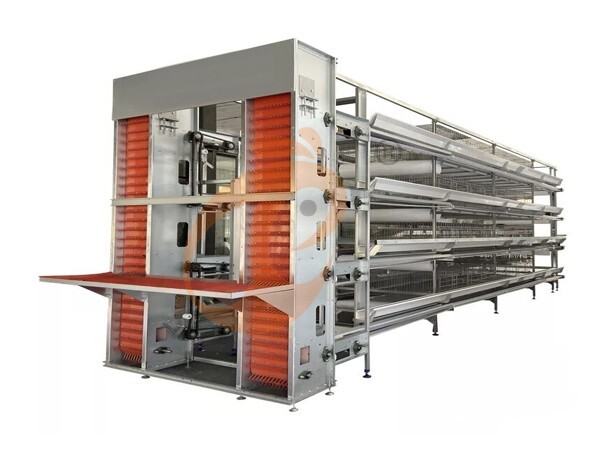
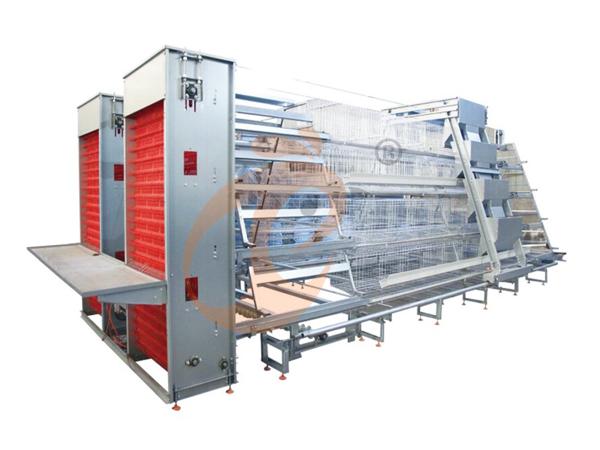
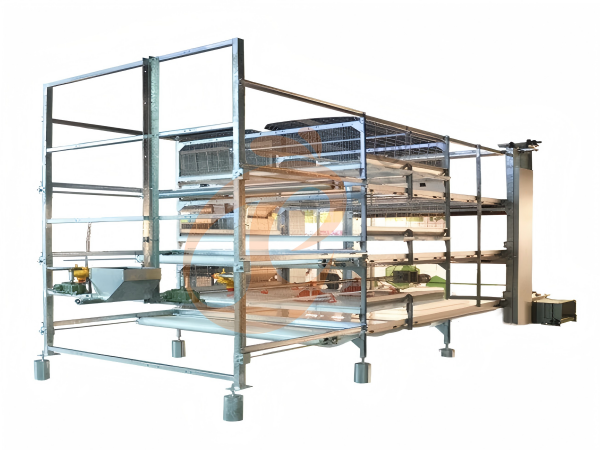
 >30,000 Pullets Automatic H Type Battery Cage1. More than 30,000 pullets a house, choose it.
2. It is designed to rearing older than 1 day old pullets to 12 to 16 weeks old chicken starting laying eggs.
3. Its lifespan is more than 25 years.
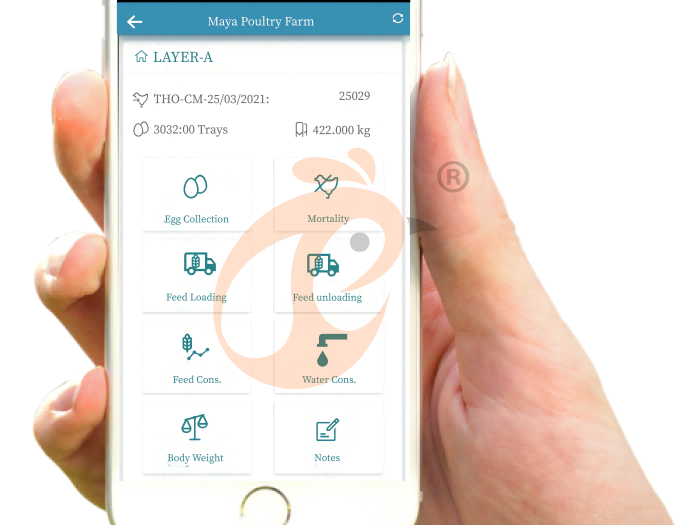
4. Its structure are Vcloud artificial intelligent fusion, electric control cabinet, automatic equipment of drinking, feeding, manure clean, manual harvesting.
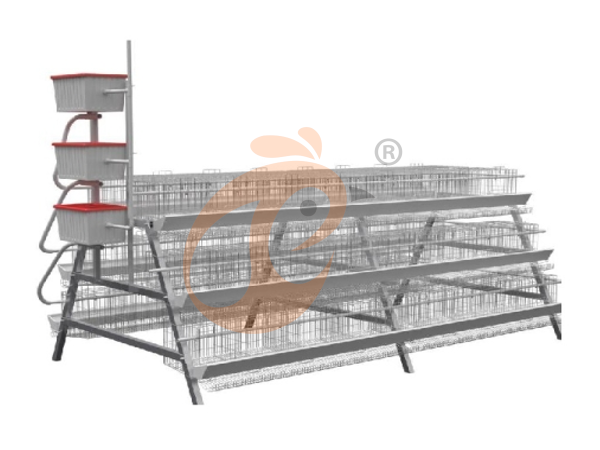
5. Our 24 hour online reception What’sApp NO. is +8618830120193 <30,000 Pullets Automatic A Type Battery Cage1. 10,000 to 30,000 pullets a house, choose it.
2. It is designed to rearing older than 1 day old pullets to 12 to 16 weeks old chicken starting laying eggs.
3. Its lifespan is more than 25 years.
4. Its structure are Vcloud artificial intelligent fusion, electric control cabinet, automatic equipment of drinking, feeding, manure clean, manual harvesting.
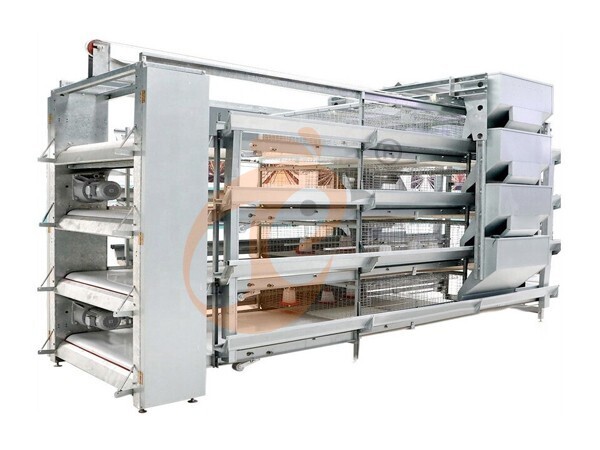
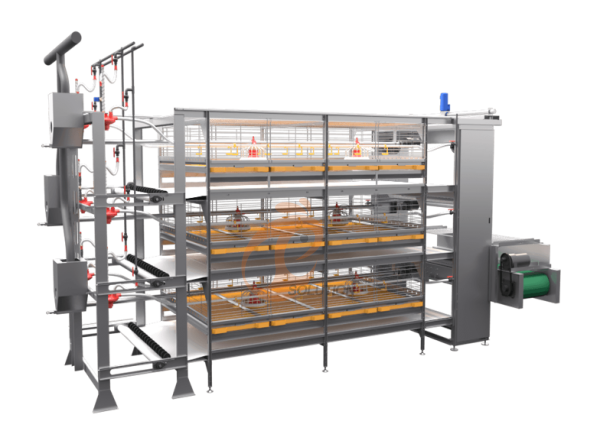
5. Our 24 hour online reception What’sApp NO. is +86 18830120193. >30,000 Broilers Semi-Automatic Harvest H Type Battery Cage1. More than 30,000 broilers a house, choose it.
2. It is designed to rearing 1 to 45 day old adult broiler ready for market.
3. Its lifespan is more than 20 years.
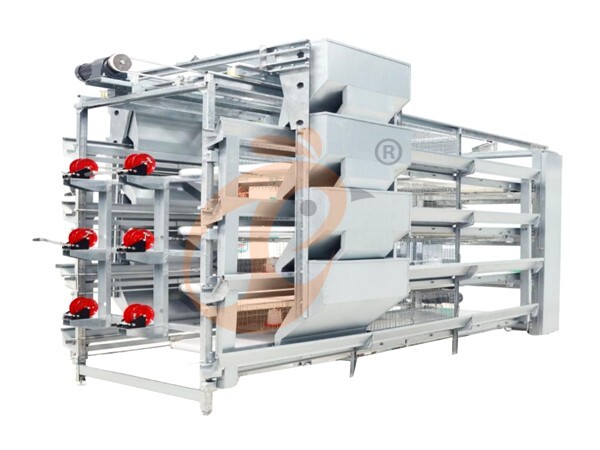
4. Our 24 hour online reception What’sApp NO. is +8618830120193, +234 8111199996. >30,000 Broilers Manual Harvest H Type Battery Cage1. More than 30,000 broilers a house, choose it.
2. It is designed to rearing 1 to 45 day old adult broiler ready for market.
3. Its lifespan is more than 20 years.
4. Its structure are Vcloud artificial intelligent fusion, electric control cabinet, automatic equipment of drinking, feeding and manure clean, manual harvesting.
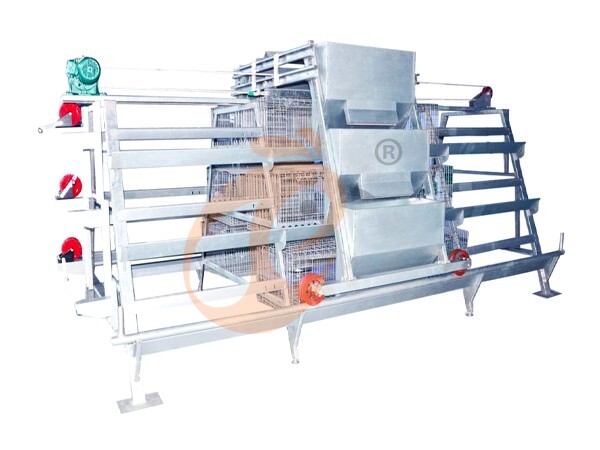
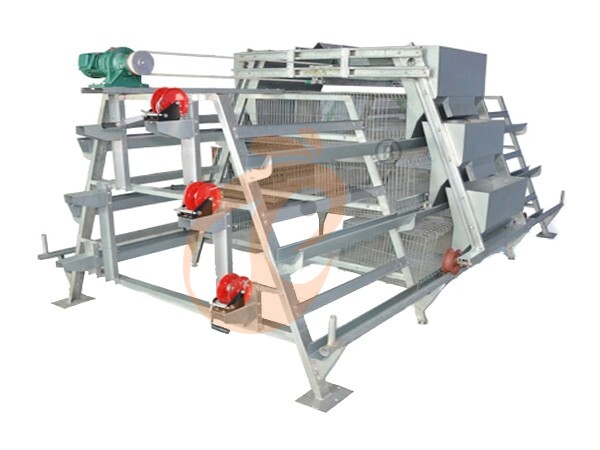
5. Our 24 hour online reception What’sApp NO. is +8618830120193, +234 8111199996. <30,000 Broilers Manual Harvest A Type Battery Cage1. Less 30,000 broilers a house, choose it.
2. It is designed to rearing 1 to 45 day old adult broiler ready for market.
3. Its lifespan is more than 20 years.
4. Its structure are Vcloud artificial intelligent fusion, electric control cabinet, automatic equipment of drinking, feeding and manure clean, manual harvesting.
5. Our 24 hour online reception What’sApp NO. is +8618830120193, +234 8111199996. HK Headquarter Offers EU-standard Poultry Farm Solutions, Manufacture Poultry Farm Equipment1. Continuous communication with the EU and the US
2. China, Nigeria, Ethiopia, Tanzania branch companies and factories
3. The products’ quality is customized for local poultry farms
4. Poultry cage and poultry farm equipment stock for sale
5. 24 online reception Whatsapp NO. : +8618830120193,contact us to get full information China Branch Offer Poultry Farm Business Plan, Manufacture Poultry Farm Equipment1. Address: Flat/RM 2416, 24/F, Runxing Building, Youyi Nan Street, Shijiazhuang City, Hebei Province, China
2. Poultry cage and poultry farm equipment factory and stock for sale
3. Customized for local poultry farms
4. Quality and design are based on Euro
5. 24 online reception Whatsapp NO. : +8618830120193 Nigeria Branch Offer Poultry Farm Business Plan, Manufacture Poultry Farm Equipment1. Address: After Sinoma Office, 200 Meters Near Danco Filling Station, Lagos/Ibadan Expressway, Lagos State, Nigeria
2. Poultry cage and poultry farm equipment factory and stock for sale
3. Customized for Nigerian poultry farms
4. Quality and design are based on Euro
5. 24 online reception Whatsapp NO. : +8618830120193 Ethiopia Branch Offer Poultry Farm Business Plan, Manufacture Poultry Farm Equipment1. Address: Gelan Gura, Akaki-kaliti Sub City, Addis Ababa, Ethiopia
2. Poultry cage and poultry farm equipment stock for sale
3. Customized for Ethiopian poultry farms
4. Quality and design are based on Euro
5. 24 online reception Whatsapp NO. : +8618830120193, contact us to get price list Tanzania Branch Offer Poultry Farm Business Plan, Manufacture Poultry Farm Equipment1. Address: No.8, Sova Road, Msufini, Mlandizi, Kibaha, Pwani, Tanzania
2. Poultry cage and poultry farm equipment factory and stock for sale
3. Customized for Tanzanian poultry farms
4. Quality and design are based on Euro
5. 24 online reception Whatsapp NO. : +8618830120193



Contact