


Blog
Reliable pellet production depends on consistent equipment performance, stable operating conditions, and structured maintenance planning throughout the production cycle.
Mechanical durability influences operating efficiency, component replacement frequency, energy consumption, and long-term production profitability across multiple industries.
Proper management practices help reduce unexpected downtime while supporting continuous output quality in Feed Pellet Machine and industrial processing applications.
Material preparation, lubrication control, operator training, and wear monitoring collectively contribute to sustainable machine operation and improved productivity.
Practical maintenance strategies provide measurable benefits for wood pellet machine, biomass pellet machine, and feed manufacturing facilities seeking extended equipment service life.
Get professional poultry farm construction guidance, equipment selection solutions, and the latest price lists, whatsApp to +8618830120193, click to learn more:
Why Pellet Machine Lifespan Matters
The lifespan of a pellet machine influences production stability and overall return on investment.
Machines operating under proper conditions can serve for many years while maintaining high production efficiency.
Conversely, poor maintenance and improper operation can significantly shorten component life.
Typical Economic Impact
Data is for reference only.Swipe horizontally to view full table.
Operational efficiency improvements often generate significant annual savings exceeding $5,000 to $20,000 depending on production scale.
European union standard reference only.
Follow A Preventive Maintenance Schedule
Preventive maintenance is the foundation of equipment longevity.
Waiting until a machine fails often causes secondary damage to bearings, shafts, gears, and transmission systems.
Operators should establish a maintenance calendar covering daily, weekly, monthly, and annual inspections.
Recommended Maintenance Intervals
Data is for reference only.Swipe horizontally to view full table.
Regular maintenance helps identify wear before it becomes a costly repair.
Use High-Quality Raw Materials
Raw material quality directly affects pellet machine wear rates.
Materials containing excessive stones, metal fragments, sand, or other contaminants accelerate abrasion on dies and rollers.
Installing screening and magnetic separation systems before pelleting significantly reduces mechanical stress.
Common Raw Material Risks
Data is for reference only.Swipe horizontally to view full table.
Using clean and uniform materials can extend die life considerably.
Maintain Proper Lubrication
Lubrication minimizes friction between moving components.
Insufficient lubrication often leads to overheating, bearing failure, and premature mechanical wear.
Operators should always use lubricants recommended by equipment manufacturers.
Lubrication Monitoring Checklist
Data is for reference only.Swipe horizontally to view full table.
Signs Of Poor Lubrication
Unusual vibration.
- Increased operating temperature.
- Abnormal noise.
- Bearing discoloration.
- Reduced production efficiency.
Ignoring these warning signs can shorten machine lifespan dramatically.
Control Raw Material Moisture Content
Moisture content plays a critical role in pellet production.
Materials that are too dry create excessive friction.
Materials that are too wet increase die blockage and pressure fluctuations.
Recommended Moisture Levels
Data is for reference only.Swipe horizontally to view full table.
Proper moisture management reduces strain on the compression chamber and improves pellet quality.
Monitor Die And Roller Wear Regularly
The die and roller assembly is the most critical wear area of any pellet machine.
As wear progresses, pellet quality declines while energy consumption increases.
Routine inspection allows operators to replace components before severe damage occurs.
Die Wear Inspection Standards
Data is for reference only.Swipe horizontally to view full table.
Roller Maintenance Indicators
Data is for reference only.Swipe horizontally to view full table.
Timely replacement prevents cascading failures throughout the pelleting system.
Train Operators Properly
Even advanced pellet machines depend heavily on operator skill.
Incorrect startup procedures, sudden load changes, and improper shutdown practices can significantly increase equipment stress.
A structured training program improves operational consistency and reduces avoidable failures.
Essential Operator Training Topics
Data is for reference only.Swipe horizontally to view full table.
Key Operational Guidelines
Start equipment without excessive material load.
- Monitor amperage continuously.
- Avoid sudden feed rate changes.
- Follow scheduled inspections.
- Record abnormal operating conditions.
Well-trained operators often contribute more to equipment longevity than any single maintenance activity.
Maintain Stable Operating Conditions
Consistent operating conditions help reduce long-term mechanical fatigue.
Frequent overloads create excessive pressure on bearings, motors, gears, and dies.
Monitoring critical production parameters ensures optimal machine performance.
Recommended Operating Parameters
Data is for reference only.Swipe horizontally to view full table.
Benefits Of Stable Operation
Data is for reference only.Swipe horizontally to view full table.
Stable operation is one of the simplest yet most effective methods for extending pellet machine lifespan.
Additional Best Practices For Long-Term Reliability
Beyond the seven core strategies discussed above, several supplementary practices can further improve equipment reliability.
Long-Term Performance Improvement Measures
Install vibration monitoring systems.
Use predictive maintenance software.
Maintain spare parts inventory.
Analyze historical maintenance records.
Perform annual alignment inspections.
Conduct thermal imaging assessments.
Standardize maintenance documentation.
Facilities implementing these measures often experience fewer unexpected breakdowns and improved production consistency.
Reliability Improvement Comparison
Data is for reference only.Swipe horizontally to view full table.
Frequently Asked Questions
Q1: How often should pellet machine dies be inspected?
Routine visual inspection is recommended every month.
Production facilities operating above 8 hours daily may perform inspections every 300 to 500 operating hours for improved reliability.
Q2: What moisture level produces better pellet quality?
Most biomass materials perform efficiently within a moisture range of 10% to 16%.
Maintaining stable moisture content helps reduce die wear and improve pellet density.
Q3: Can operator training really extend equipment lifespan?
Yes.
Facilities implementing structured operator training programs commonly reduce maintenance incidents by 10% to 20% and improve equipment stability throughout the production cycle.
Taiyu (HK) Group - One Of China Largest Pellet Machine Manufacturer
Pellet machine solutions are widely applied in biomass fuel processing, animal feed manufacturing, organic fertilizer production, and wood residue recycling projects with capacities ranging from 1 to 20 tons per hour.
Global factory-direct supply supports equipment manufacturing, quality control management, spare parts integration, and long-term technical service coordination.
Complete poultry equipment and feed processing engineering systems can be integrated according to project capacity, site layout, and utility requirements.
Turn-key engineering services include design consultation, equipment configuration, production line planning, installation guidance, commissioning, and operator training support.
Technical specifications emphasize production efficiency, mechanical durability, energy utilization performance, and lifecycle operating cost optimization for international industrial projects.
Contact Us To Received Your Customized Poultry Farm Plan
Headquarters And Branchs
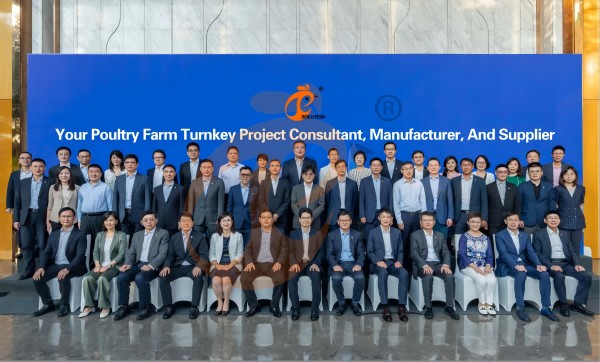
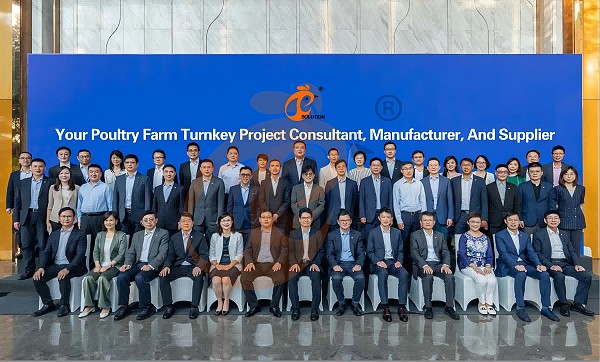
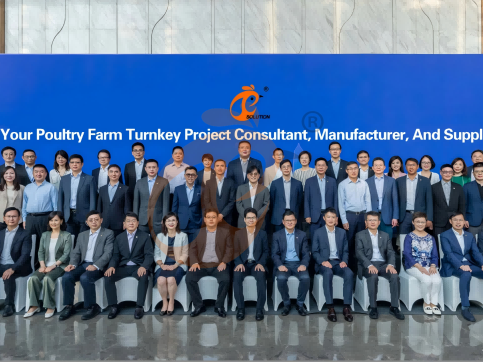
Hong Kong Headquarter Management Team
Hong Kong Headquarter Taiyu Industrial Group CO., LTD
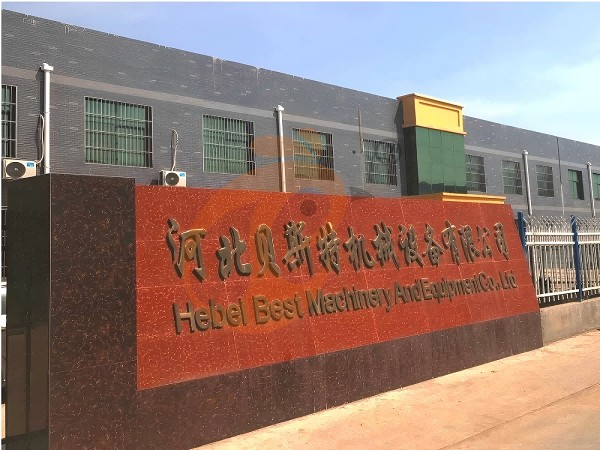
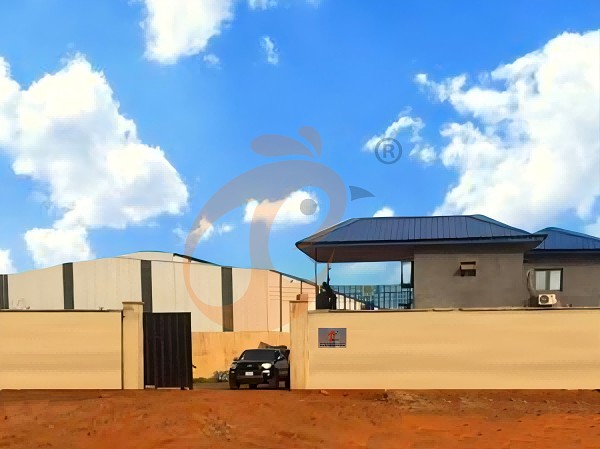
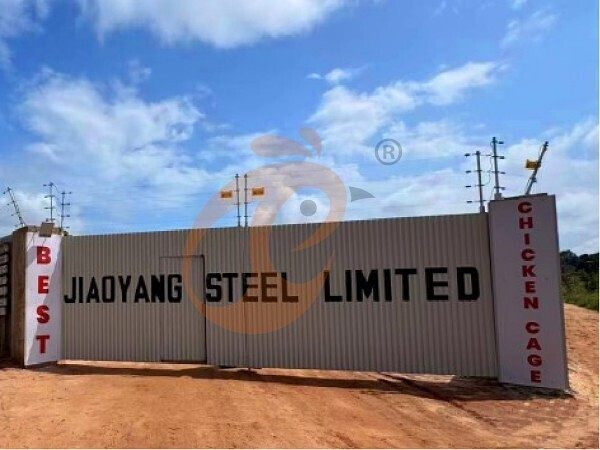
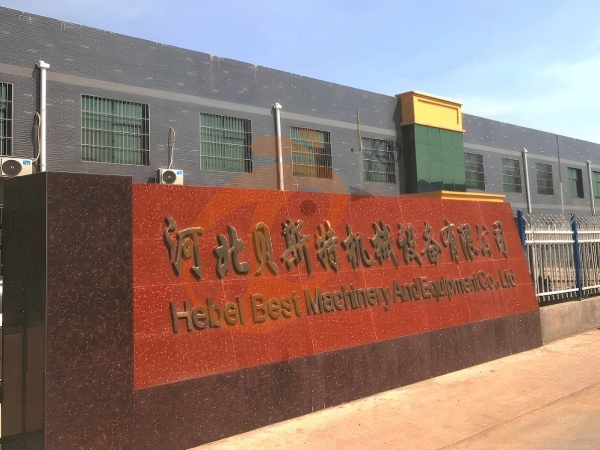
China Hebei Best Machinery And Equipment CO., LTD
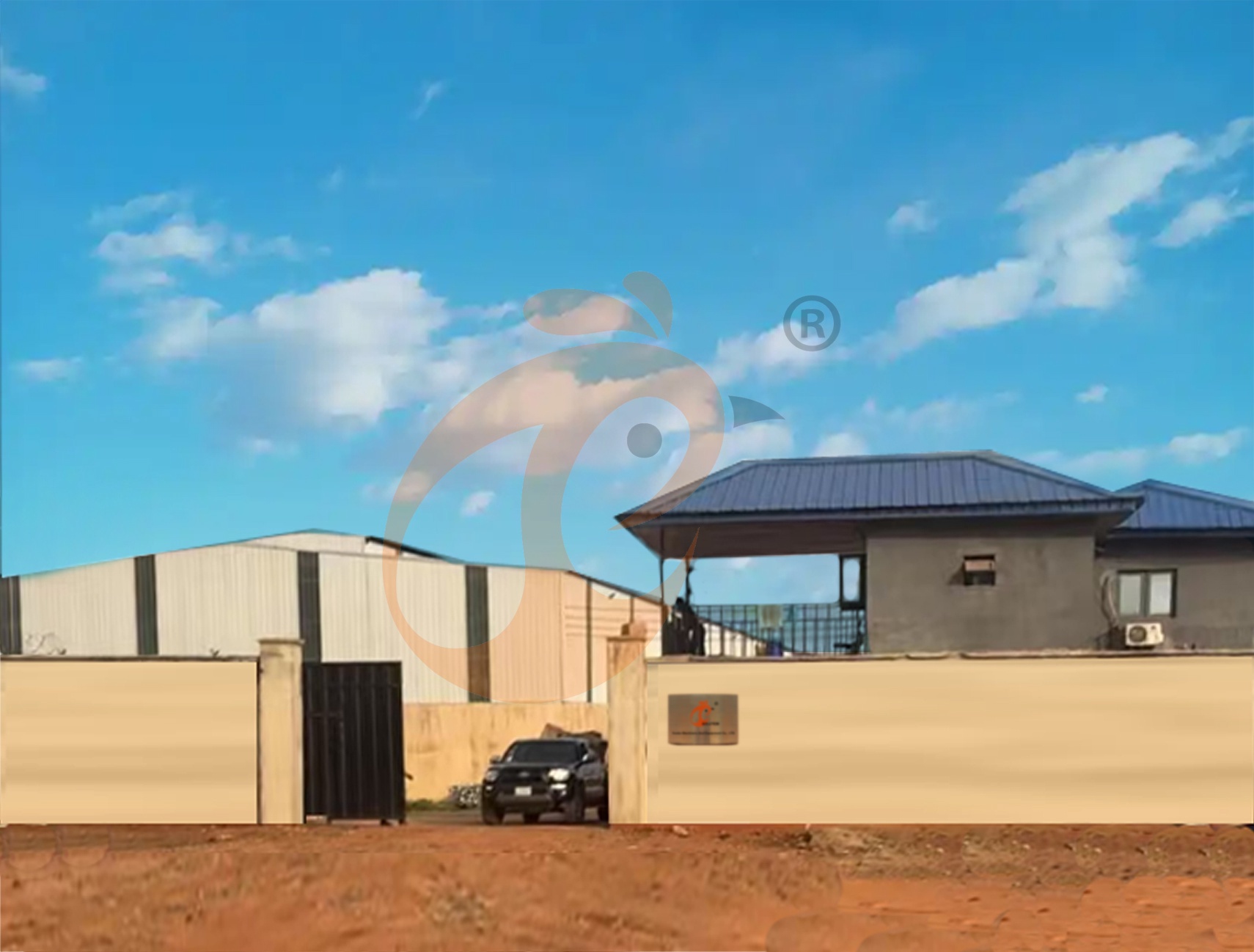
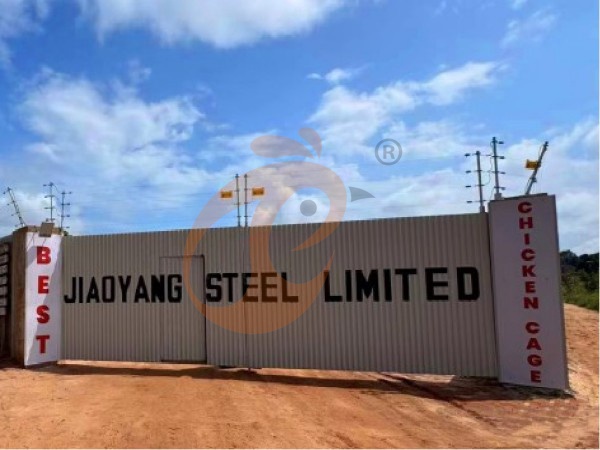
Nigeria Vanke Machinery And Equipment CO., LTD
Tanzania Best Machinery And Equipment CO., LTD
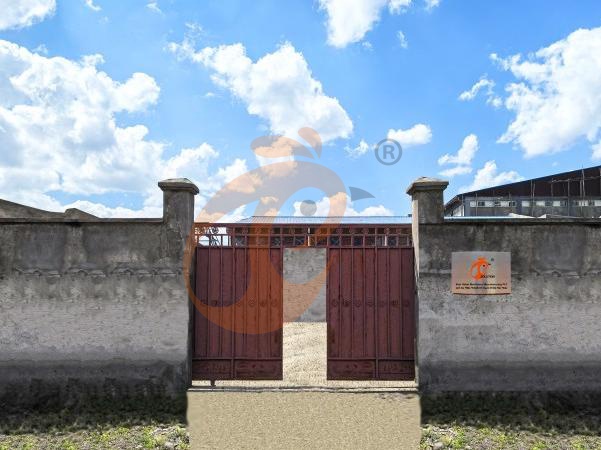
Ethiopia Best Hebei Machinery Manufacturing PLC

Reception /24 WhatsApp NO. : +8618830120193
FAQ
What Feeding System Standards Are Required For Pellet Machine In Poultry Chicken Feed Production Lines?
Feeder capacity is designed at 1.2–2.5 tons per hour depending on raw material density.
Flow consistency deviation is maintained within ±2% for uniform pellet quality output.
What Maintenance And Wear Part Replacement Standards Apply To Pellet Machine?
Bearing replacement intervals typically occur every 12–18 months under continuous operation.
Gearbox oil change frequency is maintained at 1000–1500 operating hours for system reliability.
What Safety Protection Systems Are Integrated In Pellet Machine For Poultry Chicken Feed Production?
Emergency stop response time is maintained within 0.5–1.0 seconds for operational safety.
Vibration monitoring limits are set at 4.5–6.0 mm/s to prevent mechanical failure.
Message
Products recommended
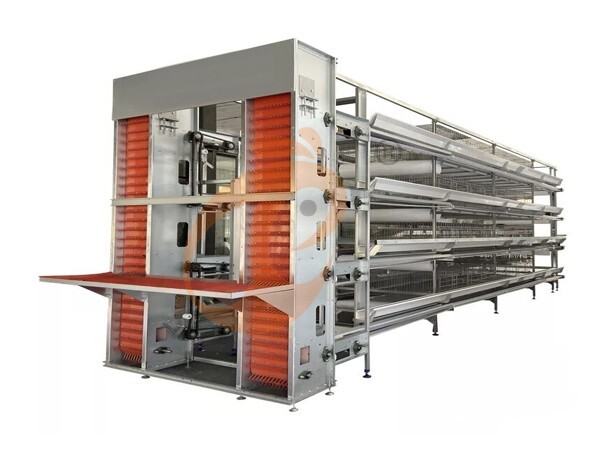
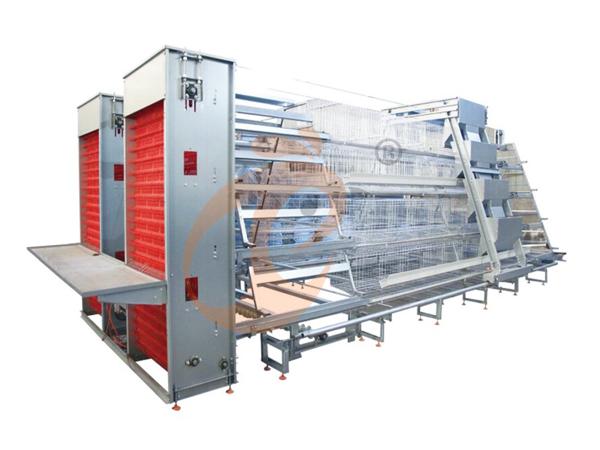
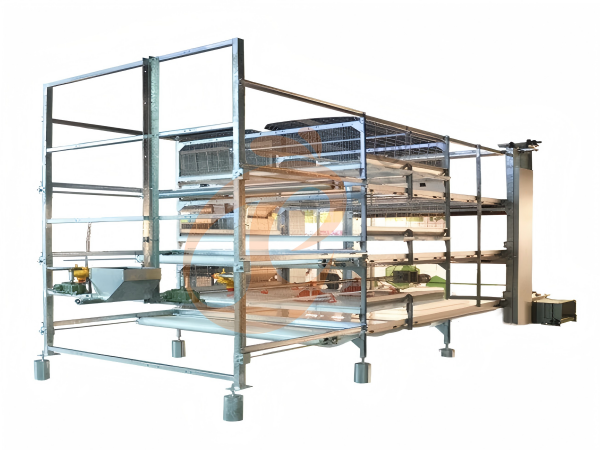
 >30,000 Pullets Automatic H Type Battery Cage1. More than 30,000 pullets a house, choose it.
2. It is designed to rearing older than 1 day old pullets to 12 to 16 weeks old chicken starting laying eggs.
3. Its lifespan is more than 25 years.
4. Its structure are Vcloud artificial intelligent fusion, electric control cabinet, automatic equipment of drinking, feeding, manure clean, manual harvesting.
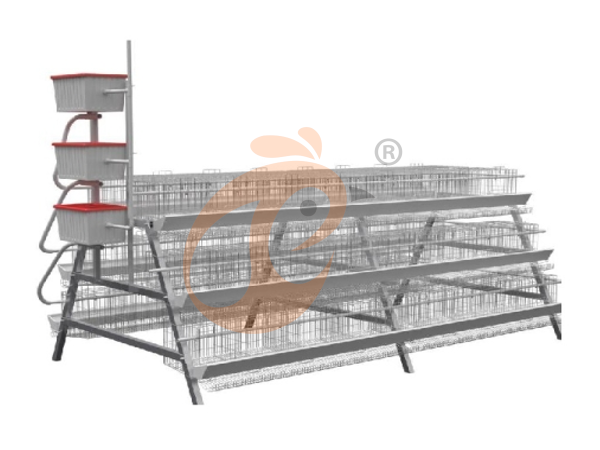
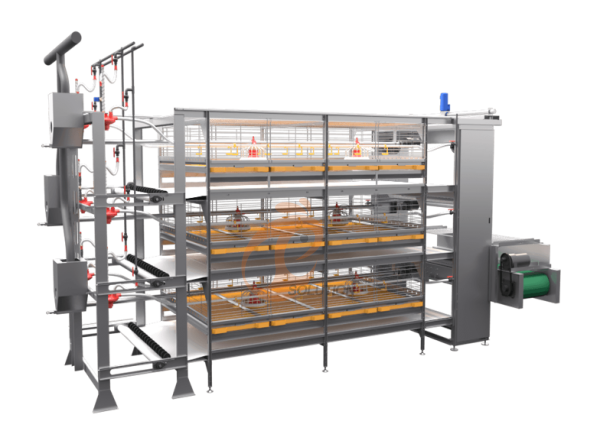
5. Our 24 hour online reception What’sApp NO. is +8618830120193 <30,000 Pullets Automatic A Type Battery Cage1. 10,000 to 30,000 pullets a house, choose it.
2. It is designed to rearing older than 1 day old pullets to 12 to 16 weeks old chicken starting laying eggs.
3. Its lifespan is more than 25 years.
4. Its structure are Vcloud artificial intelligent fusion, electric control cabinet, automatic equipment of drinking, feeding, manure clean, manual harvesting.
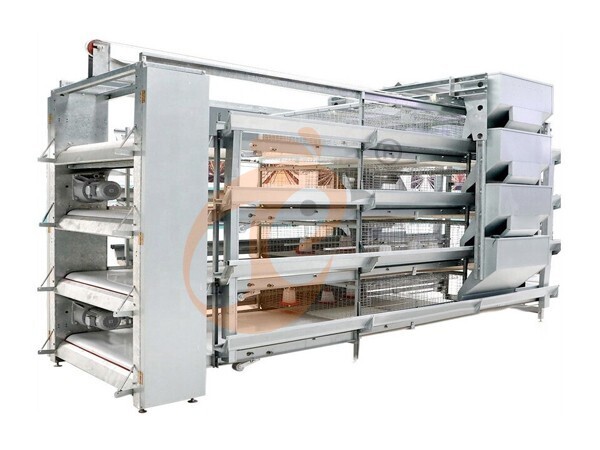
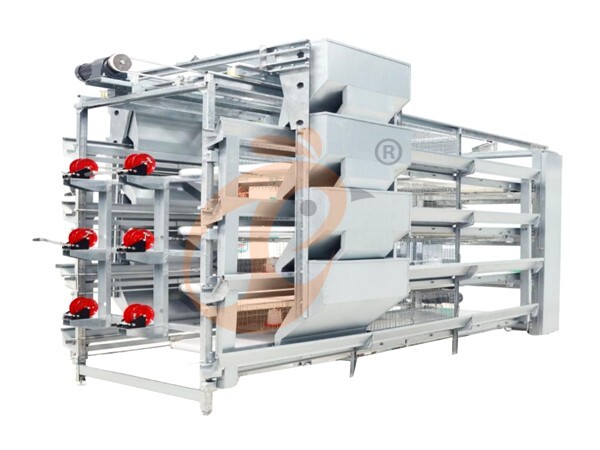
5. Our 24 hour online reception What’sApp NO. is +86 18830120193. >30,000 Broilers Semi-Automatic Harvest H Type Battery Cage1. More than 30,000 broilers a house, choose it.
2. It is designed to rearing 1 to 45 day old adult broiler ready for market.
3. Its lifespan is more than 20 years.
4. Our 24 hour online reception What’sApp NO. is +8618830120193, +234 8111199996. >30,000 Broilers Manual Harvest H Type Battery Cage1. More than 30,000 broilers a house, choose it.
2. It is designed to rearing 1 to 45 day old adult broiler ready for market.
3. Its lifespan is more than 20 years.
4. Its structure are Vcloud artificial intelligent fusion, electric control cabinet, automatic equipment of drinking, feeding and manure clean, manual harvesting.
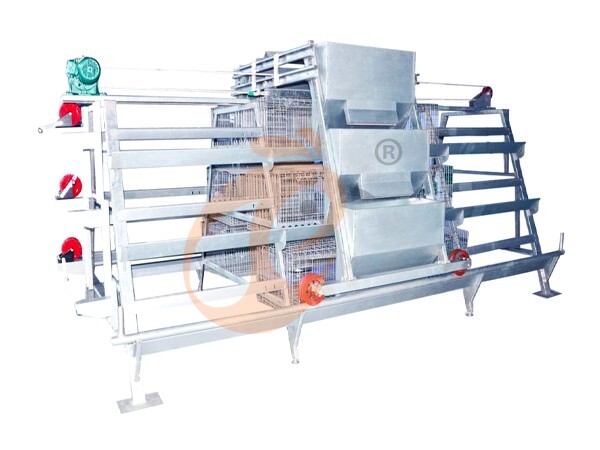
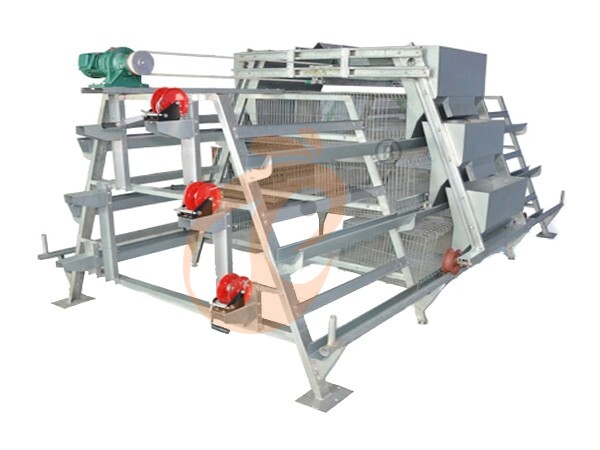
5. Our 24 hour online reception What’sApp NO. is +8618830120193, +234 8111199996. <30,000 Broilers Manual Harvest A Type Battery Cage1. Less 30,000 broilers a house, choose it.
2. It is designed to rearing 1 to 45 day old adult broiler ready for market.
3. Its lifespan is more than 20 years.
4. Its structure are Vcloud artificial intelligent fusion, electric control cabinet, automatic equipment of drinking, feeding and manure clean, manual harvesting.
5. Our 24 hour online reception What’sApp NO. is +8618830120193, +234 8111199996. HK Headquarter Offers EU-standard Poultry Farm Solutions, Manufacture Poultry Farm Equipment1. Continuous communication with the EU and the US
2. China, Nigeria, Ethiopia, Tanzania branch companies and factories
3. The products’ quality is customized for local poultry farms
4. Poultry cage and poultry farm equipment stock for sale
5. 24 online reception Whatsapp NO. : +8618830120193,contact us to get full information China Branch Offer Poultry Farm Business Plan, Manufacture Poultry Farm Equipment1. Address: Flat/RM 2416, 24/F, Runxing Building, Youyi Nan Street, Shijiazhuang City, Hebei Province, China
2. Poultry cage and poultry farm equipment factory and stock for sale
3. Customized for local poultry farms
4. Quality and design are based on Euro
5. 24 online reception Whatsapp NO. : +8618830120193 Nigeria Branch Offer Poultry Farm Business Plan, Manufacture Poultry Farm Equipment1. Address: After Sinoma Office, 200 Meters Near Danco Filling Station, Lagos/Ibadan Expressway, Lagos State, Nigeria
2. Poultry cage and poultry farm equipment factory and stock for sale
3. Customized for Nigerian poultry farms
4. Quality and design are based on Euro
5. 24 online reception Whatsapp NO. : +8618830120193 Ethiopia Branch Offer Poultry Farm Business Plan, Manufacture Poultry Farm Equipment1. Address: Gelan Gura, Akaki-kaliti Sub City, Addis Ababa, Ethiopia
2. Poultry cage and poultry farm equipment stock for sale
3. Customized for Ethiopian poultry farms
4. Quality and design are based on Euro
5. 24 online reception Whatsapp NO. : +8618830120193, contact us to get price list Tanzania Branch Offer Poultry Farm Business Plan, Manufacture Poultry Farm Equipment1. Address: No.8, Sova Road, Msufini, Mlandizi, Kibaha, Pwani, Tanzania
2. Poultry cage and poultry farm equipment factory and stock for sale
3. Customized for Tanzanian poultry farms
4. Quality and design are based on Euro
5. 24 online reception Whatsapp NO. : +8618830120193



Contact