


Blog
Reliable feeding infrastructure directly influences flock growth consistency, feed utilization efficiency, and long-term equipment stability in modern poultry operations.
Safe operating procedures help reduce mechanical failures, improve production continuity, and support effective management of Automatic poultry feeding system installations.
Technical inspection standards, environmental control measures, and preventive maintenance planning contribute to dependable Poultry feeding equipment performance throughout the production cycle.
Proper monitoring of electrical systems, feed transportation components, and cleaning procedures minimizes operational risks and extends service life.
Get professional poultry farm construction guidance, equipment selection solutions, and the latest price lists, whatsApp to +8618830120193, click to learn more:
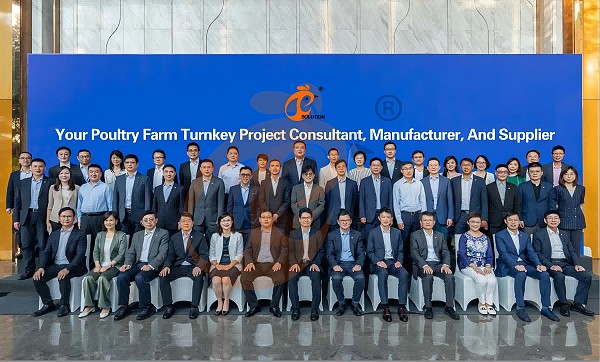
Understanding The Importance Of Pralson Feeder Safety
Modern poultry facilities depend on continuous feed availability to maintain production targets and flock uniformity.
A properly managed Pralson feeding system supports consistent feed delivery while reducing the likelihood of equipment interruptions.
Mechanical failures, feed blockages, and electrical problems can negatively affect production efficiency if safety procedures are not implemented correctly.
Data is for reference only.Swipe horizontally to view full table.
These technical specifications represent common operating characteristics observed in commercial feeding installations.
Routine verification of these parameters supports stable feeder operation and predictable equipment performance.
Verify Installation Accuracy Before Operation
Installation quality establishes the foundation for long-term equipment reliability.
Improper alignment, inadequate suspension support, or incorrect electrical connections may create operating issues that become more severe over time.
Every feeder line should be inspected before birds enter the poultry house.
Data is for reference only.Swipe horizontally to view full table.
Electrical testing helps verify that motors, control panels, and safety devices function according to design requirements.
Early correction of installation deficiencies can significantly reduce future maintenance requirements.
Monitor Feed Transportation Performance
Feed transportation efficiency directly affects feeding consistency and equipment workload.
Operators should monitor feed movement characteristics to identify developing restrictions before they affect flock performance.
Maintaining stable feed flow is particularly important in large-scale automatic poultry feeding system projects.
Data is for reference only.Swipe horizontally to view full table.
Feed transport monitoring helps identify irregular operating conditions and supports more accurate maintenance scheduling.
Consistent feed distribution contributes to improved flock access and operational efficiency.
Inspect Mechanical Components Regularly
Mechanical wear occurs naturally as equipment operates over extended periods.
Routine inspections allow maintenance personnel to identify developing issues before component failure occurs.
Particular attention should be given to bearings, shafts, chains, fasteners, and drive mechanisms.
Data is for reference only.Swipe horizontally to view full table.
Documenting wear measurements helps establish maintenance trends and supports more effective replacement planning.
Preventive maintenance remains significantly more economical than emergency repairs.
Maintain Suitable Environmental Conditions
Environmental conditions influence both poultry welfare and feeder system performance.
Excessive dust accumulation, elevated humidity, and inadequate ventilation can accelerate component deterioration.
Maintaining stable environmental conditions helps protect poultry feeding equipment investments and improve operating reliability.
Data is for reference only.Swipe horizontally to view full table.
Continuous environmental monitoring supports long-term equipment protection and more stable production conditions.
Proper ventilation management also contributes to improved feeder cleanliness.
Establish Effective Cleaning And Sanitation Procedures
Feed residue accumulation can reduce operational efficiency and increase contamination risks.
A structured sanitation program should be integrated into routine farm management activities.
Cleaning schedules should include inspection, washing, drying, and operational verification stages.
Data is for reference only.Swipe horizontally to view full table.
Thorough cleaning practices support feed quality management and reduce opportunities for microbial contamination.
Equipment should always be inspected before returning to service following sanitation activities.
Record Operational Performance Data
Performance records provide valuable information for evaluating system reliability.
Detailed operating data allows farm managers to identify abnormal conditions and improve maintenance planning.
Performance tracking is increasingly important in modern chicken feeding line operations where automation levels continue to increase.
Data is for reference only.Swipe horizontally to view full table.
Historical operating records support predictive maintenance strategies and help reduce unexpected production interruptions.
Performance analysis also contributes to improved equipment utilization.
Evaluate Operating Costs And Maintenance Budget
Long-term feeder safety management requires financial planning as well as technical maintenance.
Replacement components, electrical inspections, lubrication materials, and labor expenses should be included in annual operating budgets.
European union standard reference only.
Data is for reference only.Swipe horizontally to view full table.
Budget planning helps poultry producers maintain feeder reliability while controlling long-term operating expenses.
Well-planned maintenance investments typically generate measurable returns through reduced downtime.
Frequently Asked Questions
Q1: What is the recommended inspection frequency for a pralson feeder?
Most commercial farms perform visual inspections daily and mechanical measurements every 30 to 60 days.
Critical components such as bearings and drive systems should be evaluated whenever operating hours exceed approximately 500 hours.
Q2: How can feed blockages be reduced in a feeding system?
Feed with a particle size near 2.5 to 3.0 mm generally moves more consistently through transport systems.
Regular hopper cleaning and moisture control also help reduce blockage risks.
Q3: What motor load level is typically acceptable during operation?
Most feeder motors operate efficiently when average load remains between 60% and 75%.
Sustained operation above 85% may increase component wear and maintenance frequency.
Taiyu (HK) Group - One Of China Largest Pralson Feeder Manufacturer
Commercial poultry projects ranging from 5,000 to more than 100,000 birds commonly utilize integrated feeding solutions designed for stable feed distribution and efficient house management.
Global factory-direct supply supports procurement of poultry equipment with controlled manufacturing schedules, standardized quality inspection procedures, and documented production specifications.
Turn-key engineering services include farm layout planning, equipment selection, installation guidance, commissioning support, and operational training programs.
Technical product portfolios cover feeding systems, drinking systems, environmental control equipment, cage systems, and manure management solutions for commercial poultry operations.
International project execution emphasizes equipment compatibility, maintenance accessibility, logistics coordination, and long-term operational efficiency across diverse poultry production environments.
Contact Us To Received Your Customized Poultry Farm Plan
Headquarters And Branchs
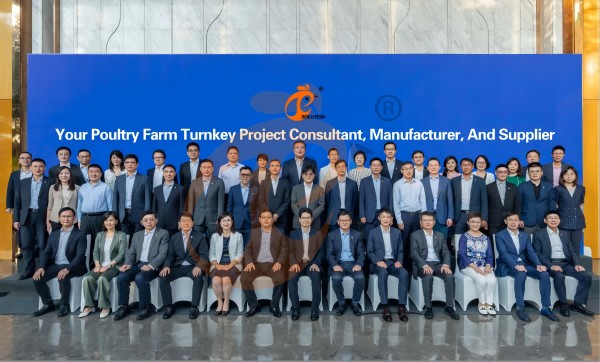
Hong Kong Headquarter Management Team
Hong Kong Headquarter Taiyu Industrial Group CO., LTD
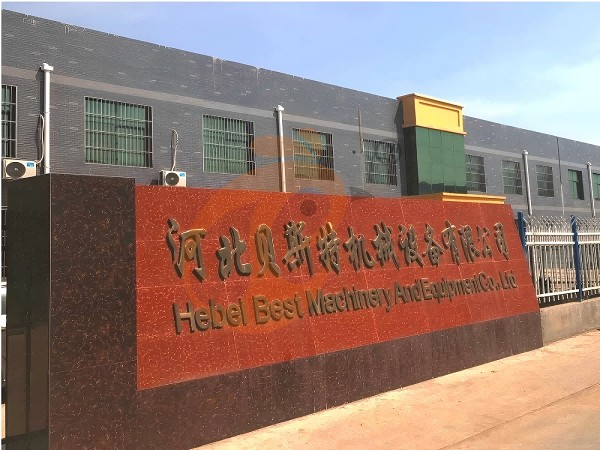
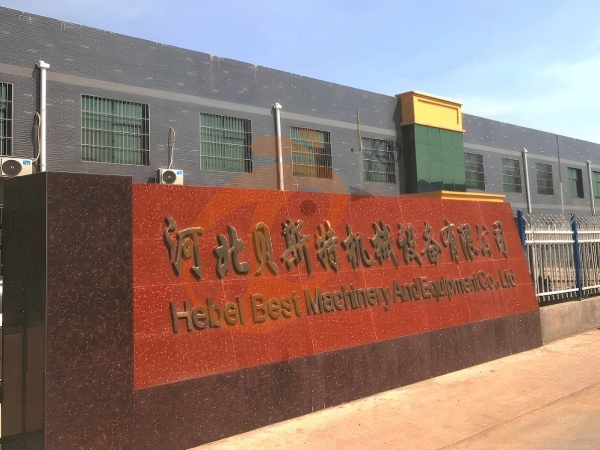
China Hebei Best Machinery And Equipment CO., LTD
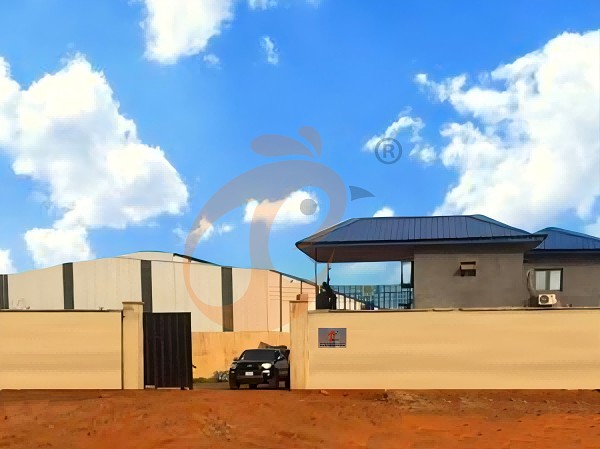
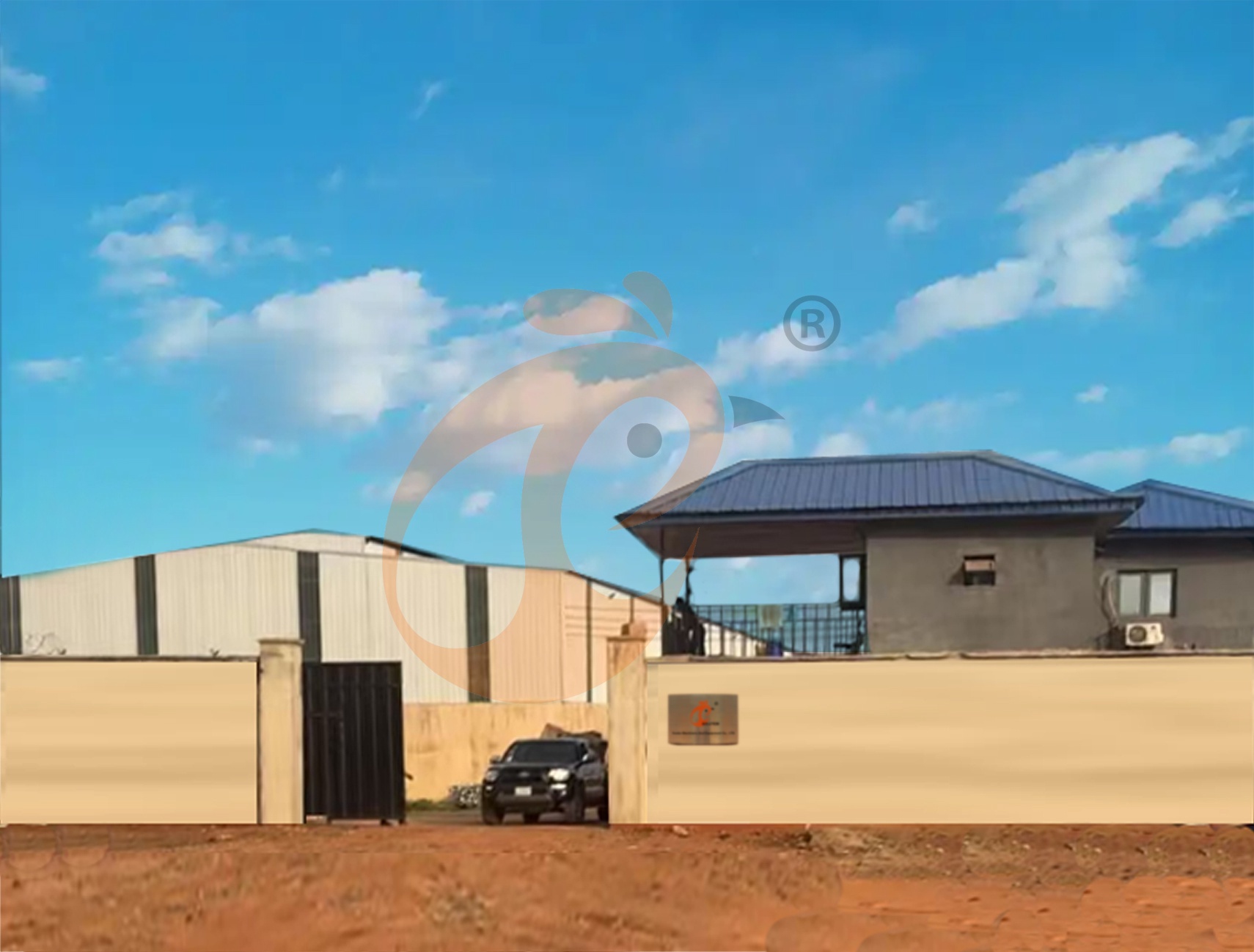
Nigeria Vanke Machinery And Equipment CO., LTD
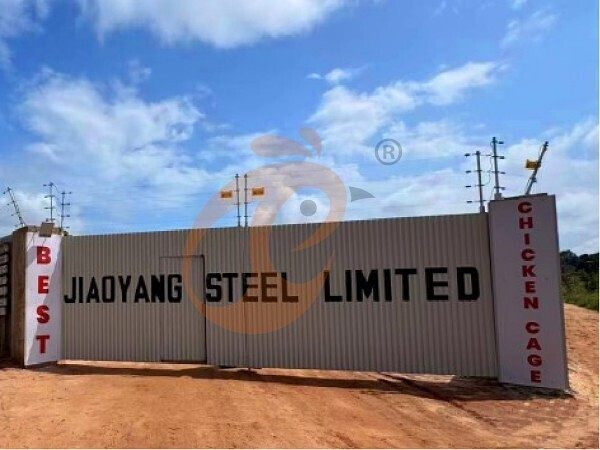
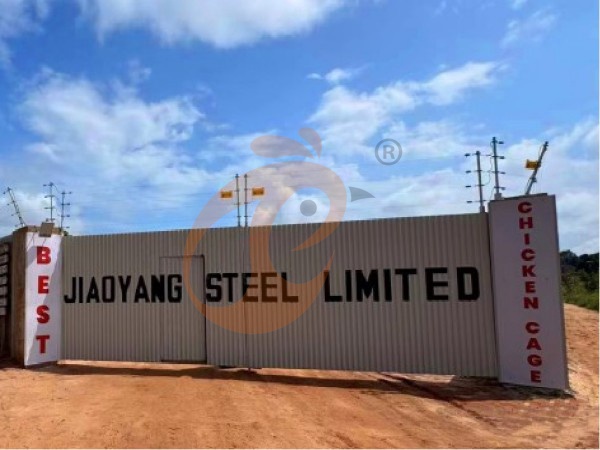
Tanzania Best Machinery And Equipment CO., LTD
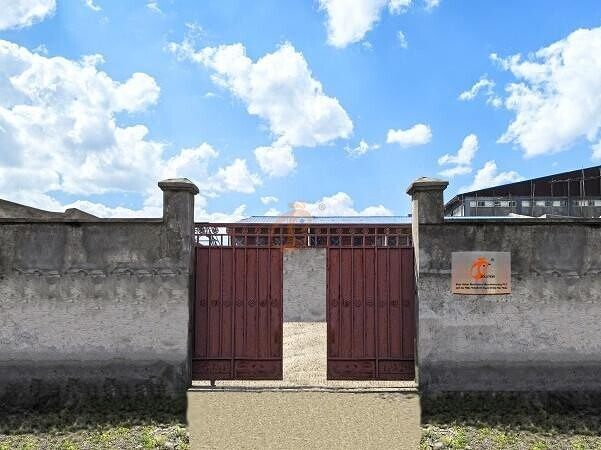
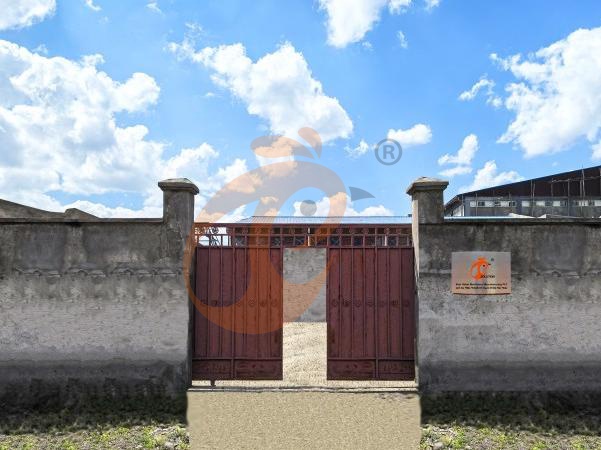
Ethiopia Best Hebei Machinery Manufacturing PLC
Reception /24 WhatsApp NO. : +8618830120193
FAQ
What Are The Water Filtration Requirements For Plasson Poultry Equipment?
Suspended solid concentration is controlled below 40 mg per liter for system stability.
Backwash flow rate reaches 1.5–2.0 m³ per hour for effective filter regeneration.
What Are The Pipeline Dimension Standards In Plasson Poultry Equipment?
Branch lines operate with 16–20 mm diameter for balanced pressure across drinking points.
Maximum pipeline length per zone reaches 80–120 meters without pressure loss impact.
What Are The Bird Age Adaptation Settings In Plasson Poultry Equipment
Water flow sensitivity is adjusted to 60–100 ml per minute for different age groups.
Bird access spacing is optimized at 8–15 birds per nipple depending on growth phase.
Message
Products recommended
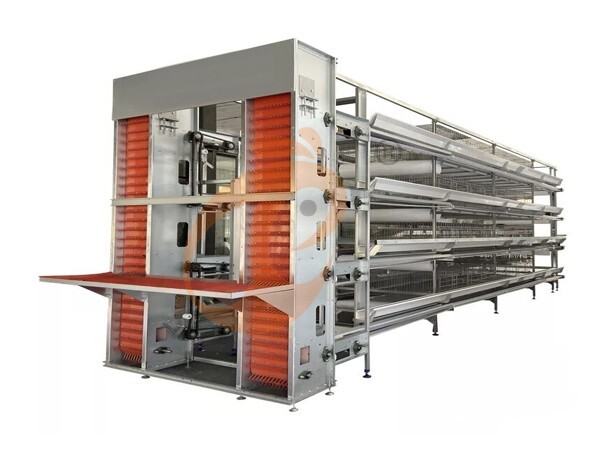
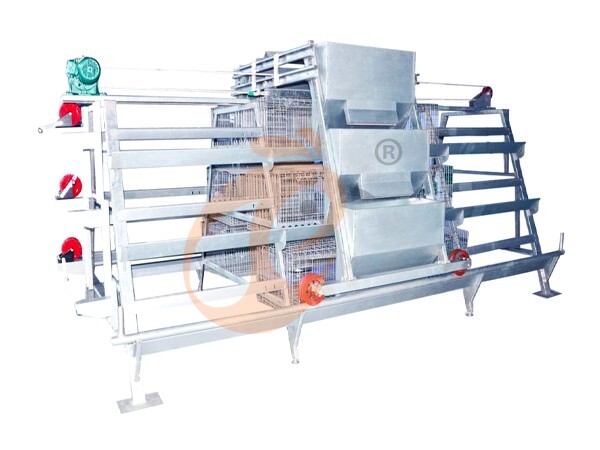
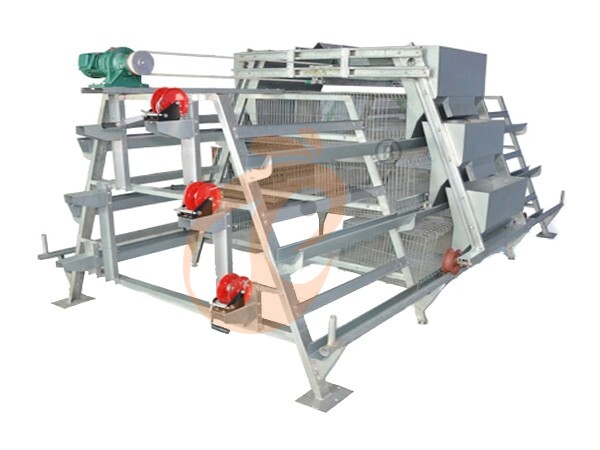
 >30,000 Pullets Automatic H Type Battery Cage1. More than 30,000 pullets a house, choose it.
2. It is designed to rearing older than 1 day old pullets to 12 to 16 weeks old chicken starting laying eggs.
3. Its lifespan is more than 25 years.
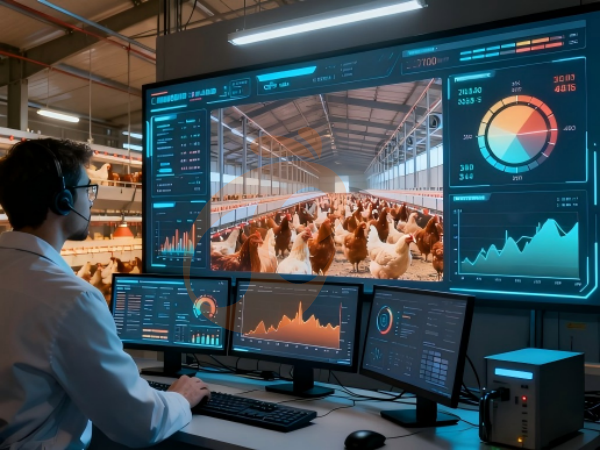
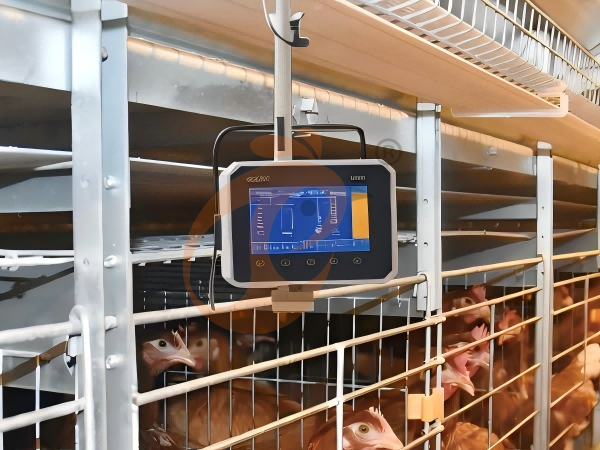
4. Its structure are Vcloud artificial intelligent fusion, electric control cabinet, automatic equipment of drinking, feeding, manure clean, manual harvesting.
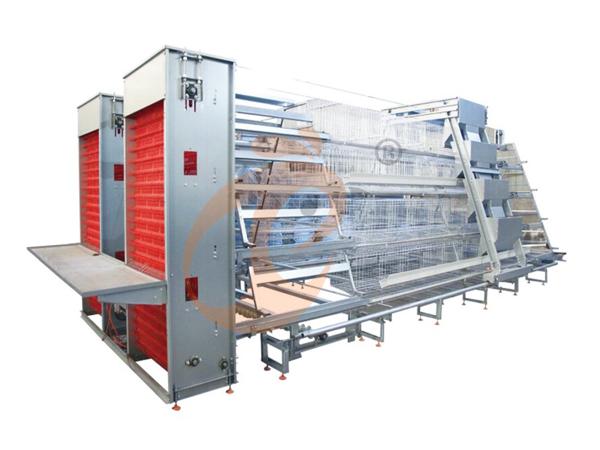
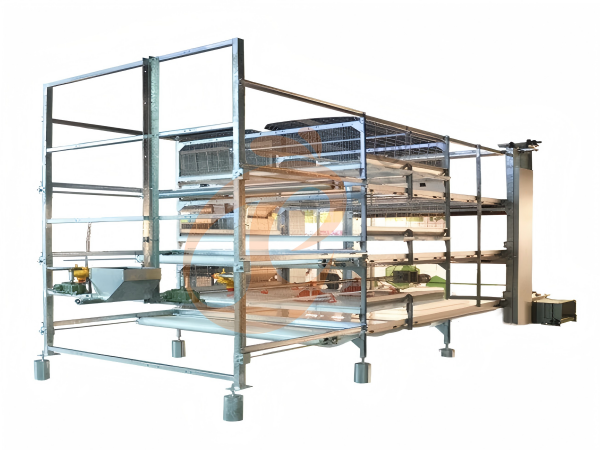
5. Our 24 hour online reception What’sApp NO. is +8618830120193 <30,000 Pullets Automatic A Type Battery Cage1. 10,000 to 30,000 pullets a house, choose it.
2. It is designed to rearing older than 1 day old pullets to 12 to 16 weeks old chicken starting laying eggs.
3. Its lifespan is more than 25 years.
4. Its structure are Vcloud artificial intelligent fusion, electric control cabinet, automatic equipment of drinking, feeding, manure clean, manual harvesting.
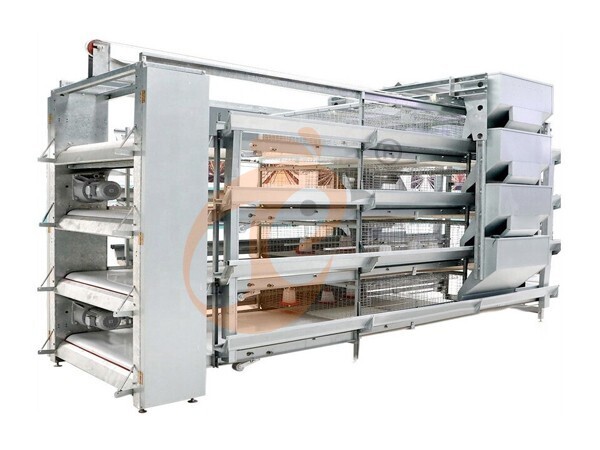
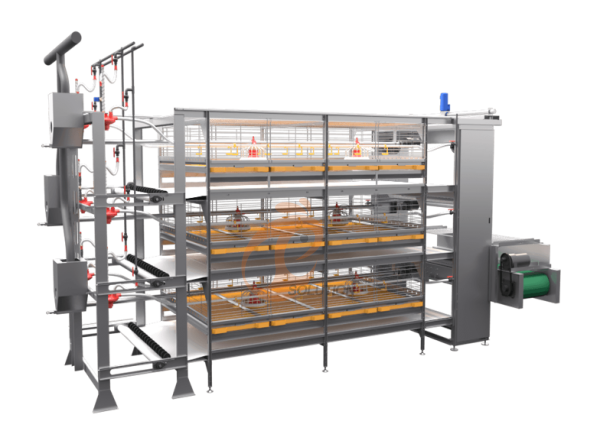
5. Our 24 hour online reception What’sApp NO. is +86 18830120193. >30,000 Broilers Semi-Automatic Harvest H Type Battery Cage1. More than 30,000 broilers a house, choose it.
2. It is designed to rearing 1 to 45 day old adult broiler ready for market.
3. Its lifespan is more than 20 years.
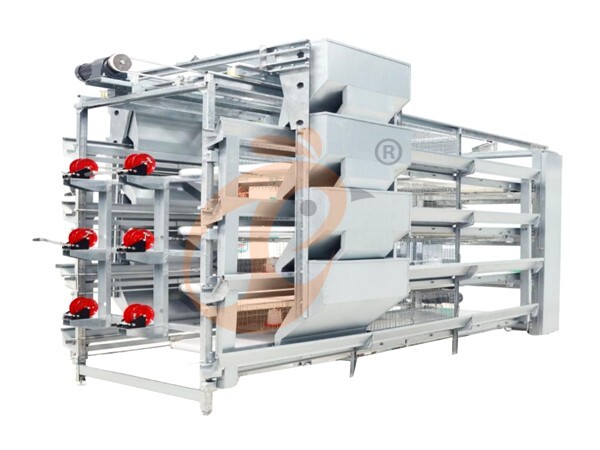
4. Our 24 hour online reception What’sApp NO. is +8618830120193, +234 8111199996. >30,000 Broilers Manual Harvest H Type Battery Cage1. More than 30,000 broilers a house, choose it.
2. It is designed to rearing 1 to 45 day old adult broiler ready for market.
3. Its lifespan is more than 20 years.
4. Its structure are Vcloud artificial intelligent fusion, electric control cabinet, automatic equipment of drinking, feeding and manure clean, manual harvesting.
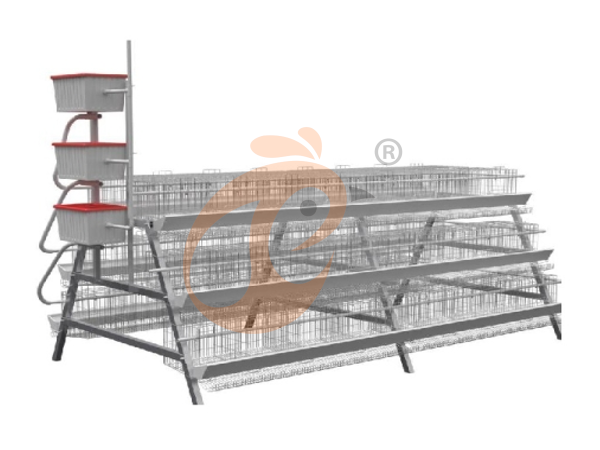
5. Our 24 hour online reception What’sApp NO. is +8618830120193, +234 8111199996. <30,000 Broilers Manual Harvest A Type Battery Cage1. Less 30,000 broilers a house, choose it.
2. It is designed to rearing 1 to 45 day old adult broiler ready for market.
3. Its lifespan is more than 20 years.
4. Its structure are Vcloud artificial intelligent fusion, electric control cabinet, automatic equipment of drinking, feeding and manure clean, manual harvesting.
5. Our 24 hour online reception What’sApp NO. is +8618830120193, +234 8111199996. HK Headquarter Offers EU-standard Poultry Farm Solutions, Manufacture Poultry Farm Equipment1. Continuous communication with the EU and the US
2. China, Nigeria, Ethiopia, Tanzania branch companies and factories
3. The products’ quality is customized for local poultry farms
4. Poultry cage and poultry farm equipment stock for sale
5. 24 online reception Whatsapp NO. : +8618830120193,contact us to get full information China Branch Offer Poultry Farm Business Plan, Manufacture Poultry Farm Equipment1. Address: Flat/RM 2416, 24/F, Runxing Building, Youyi Nan Street, Shijiazhuang City, Hebei Province, China
2. Poultry cage and poultry farm equipment factory and stock for sale
3. Customized for local poultry farms
4. Quality and design are based on Euro
5. 24 online reception Whatsapp NO. : +8618830120193 Nigeria Branch Offer Poultry Farm Business Plan, Manufacture Poultry Farm Equipment1. Address: After Sinoma Office, 200 Meters Near Danco Filling Station, Lagos/Ibadan Expressway, Lagos State, Nigeria
2. Poultry cage and poultry farm equipment factory and stock for sale
3. Customized for Nigerian poultry farms
4. Quality and design are based on Euro
5. 24 online reception Whatsapp NO. : +8618830120193 Ethiopia Branch Offer Poultry Farm Business Plan, Manufacture Poultry Farm Equipment1. Address: Gelan Gura, Akaki-kaliti Sub City, Addis Ababa, Ethiopia
2. Poultry cage and poultry farm equipment stock for sale
3. Customized for Ethiopian poultry farms
4. Quality and design are based on Euro
5. 24 online reception Whatsapp NO. : +8618830120193, contact us to get price list Tanzania Branch Offer Poultry Farm Business Plan, Manufacture Poultry Farm Equipment1. Address: No.8, Sova Road, Msufini, Mlandizi, Kibaha, Pwani, Tanzania
2. Poultry cage and poultry farm equipment factory and stock for sale
3. Customized for Tanzanian poultry farms
4. Quality and design are based on Euro
5. 24 online reception Whatsapp NO. : +8618830120193


Contact