


Blog
Water delivery stability directly influences poultry performance, litter dryness, and house environmental control.
Leakage control in a nipple drinker system reduces unnecessary water loss and supports stable drinking behavior across different growth stages.
Engineering design, pipeline configuration, and valve precision determine how effectively water is delivered under farm conditions.
Modern poultry facilities integrate automatic poultry drinking system layouts to stabilize flow consistency and reduce maintenance frequency.
Get professional poultry farm construction guidance, equipment selection solutions, and the latest price lists, whatsApp to +8618830120193, click to learn more:
Understand Leakage Root Causes
Leakage in a nipple drinker system is typically caused by mechanical wear, water imbalance, or installation deviation.
Early diagnosis helps prevent system-wide water waste and structural deterioration of pipelines.
Data is for reference only.Swipe horizontally to view full table.
Mechanical failure patterns vary across farm environments and water quality conditions.
Control Water Pressure Stability
Water pressure stability directly affects nipple activation response and discharge balance in poultry nipple drinker systems.
Excess fluctuation may trigger unintended water release during non-drinking periods.
Data is for reference only.Swipe horizontally to view full table.
Pressure consistency supports uniform water intake across the entire drinking line.
Inspect Mechanical Components Regularly
Component fatigue directly impacts sealing reliability and valve reset efficiency.
Routine inspection reduces failure probability in high-density poultry houses.
Data is for reference only.Swipe horizontally to view full table.
Component fatigue rate increases under high mineral concentration water conditions.
Maintain Water Quality Stability
Water contamination affects internal valve movement and sealing surface performance in nipple drinker systems.
Stable water quality reduces blockage formation and irregular discharge behavior.
Data is for reference only.Swipe horizontally to view full table.
Water chemistry stability directly influences long-term system performance.
Adjust Installation Height Accurately
Incorrect installation height leads to excessive nipple activation frequency and water loss.
Height adjustment must match bird growth curve for optimal drinking efficiency.
Data is for reference only.Swipe horizontally to view full table.
Proper alignment reduces unnecessary activation force and mechanical stress.
Use Correct Equipment Specifications
Engineering specification differences significantly affect leakage frequency in poultry drinking system installations.
Pipe geometry and valve force calibration determine discharge accuracy.
Data is for reference only.Swipe horizontally to view full table.
Correct specification matching improves hydraulic stability across the system.
Advanced System Calibration Parameters
Proper system calibration improves long-term stability of nipple drinker performance in commercial poultry environments.
Data is for reference only.Swipe horizontally to view full table.
These parameters ensure synchronized hydraulic response across long-distance drinking lines exceeding 200 meters in automated
poultry housing systems.
Hydraulic Stability Optimization Points
Hydraulic stability directly affects long-term performance of nipple drinker systems in large-scale poultry houses.
Water inlet stabilization time: 4.2 seconds under 0.18 MPa supply condition.
Pipeline internal turbulence index: 0.42 measured at 22 mm main line diameter.
Connector sealing compression force: 16 N applied during installation torque control.
Flow equalization distance: 28 meters per pressure regulation zone.
Micro leakage threshold detection sensitivity: 0.06 mL per cycle under static testing.
System pressure recovery time: 6.8 seconds after sudden demand fluctuation.
These parameters help maintain consistent hydraulic distribution across long poultry drinking lines exceeding 150 meters.
Micro Hydraulic Loss Control Points
Nipple drinker systems experience micro-level hydraulic loss that affects long-distance water delivery consistency in poultry houses.
Localized pressure drop rate: 0.006 MPa per 25-meter pipeline segment under continuous flow.
Connector micro-seepage coefficient: 0.018 mL/min measured at sealed joint interface.
Vertical height pressure compensation factor: 0.11 MPa per 1.2-meter elevation difference.
Internal pipe friction index: 0.0032 per meter for 20 mm polyethylene tubing.
Flow rebalancing delay after demand shift: 3.9 seconds in multi-line distribution systems.
Thermal expansion displacement: 0.27 mm at 28°C ambient poultry house temperature.
These parameters improve hydraulic predictability and maintain stable water delivery in large-scale nipple drinker installations.
Frequently Asked Questions
Q1: Why does a nipple drinker start leaking after installation?
Leakage after installation is usually caused by pipe alignment deviation or pressure imbalance during initial operation.
Most systems stabilize after 24–48 hours under 12–18 KPa range.
Q2: How often should sealing parts be replaced?
Seal replacement typically occurs every 6–12 months depending on water quality conditions.
TDS above 300 ppm may reduce service life by 20–30%.
Q3: Can hydraulic instability alone cause leakage?
Yes, unstable pressure above 26 KPa may trigger continuous dripping.
This usually occurs in long pipelines exceeding 100 meters.
Taiyu (HK) Group - One Of China Most Famous Nipple Drinker Manufacturer
Nipple drinker systems are widely used in poultry houses ranging from 10,000 to 100,000 birds with pipeline lengths of 120–300 meters per line and water supply pressure regulated between 0.12–0.25 MPa.
Global factory direct supply supports integrated poultry equipment production including drinking systems, feeding systems, and ventilation infrastructure for commercial farms.
Turn-key engineering projects include layout design, hydraulic balancing, installation supervision, and commissioning for automated poultry drinking systems.
Manufacturing covers precision machining of valve bodies, stainless steel pins, and suspension assemblies for large-scale poultry applications.
Export operations support multi-region livestock projects with standardized technical documentation and system calibration guidance.
Contact Us To Received Your Customized Poultry Farm Plan
Headquarters And Branchs

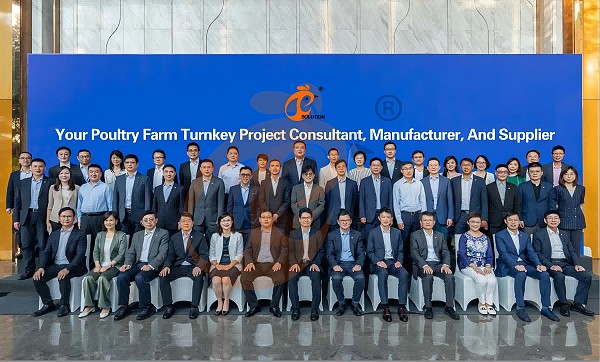
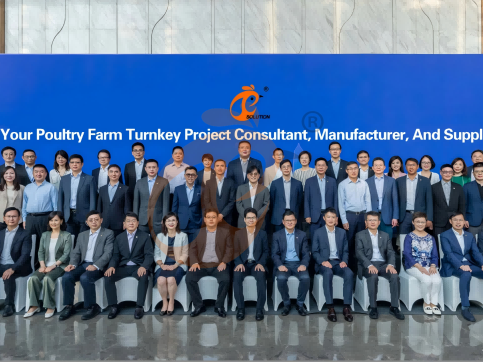
Hong Kong Headquarter Management Team
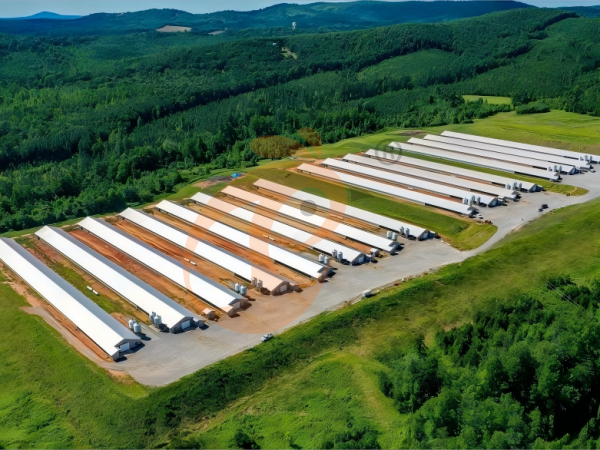
Hong Kong Headquarter Taiyu Industrial Group CO., LTD
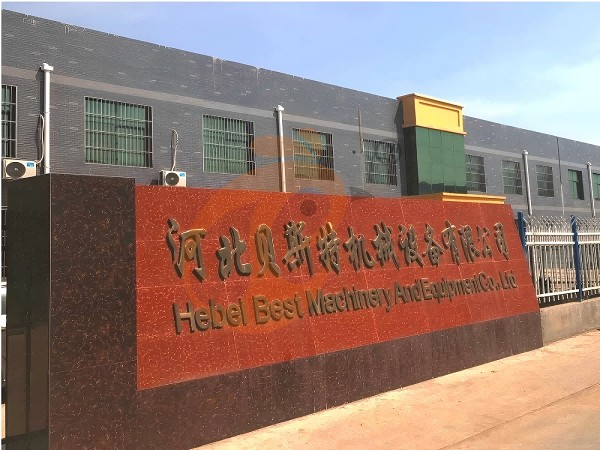
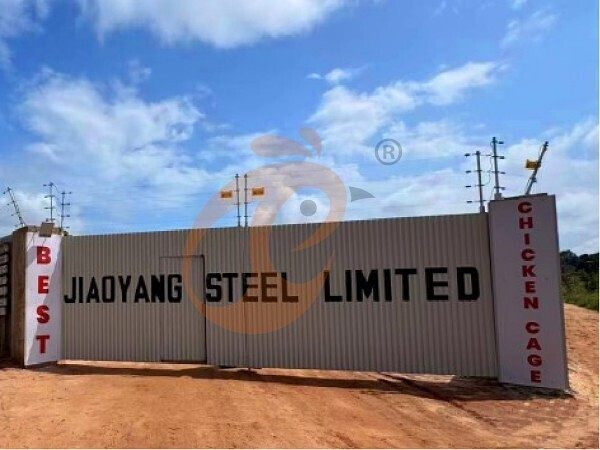
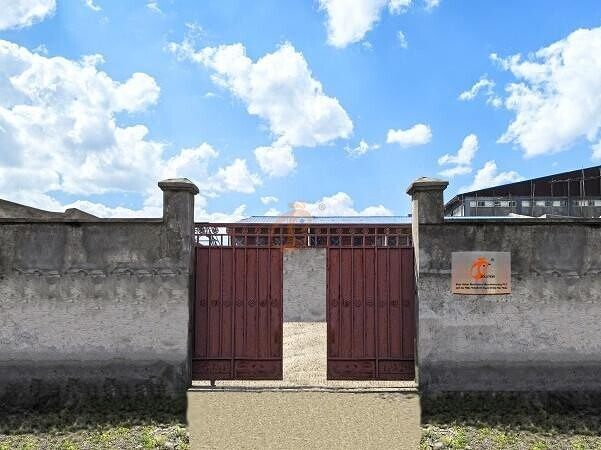
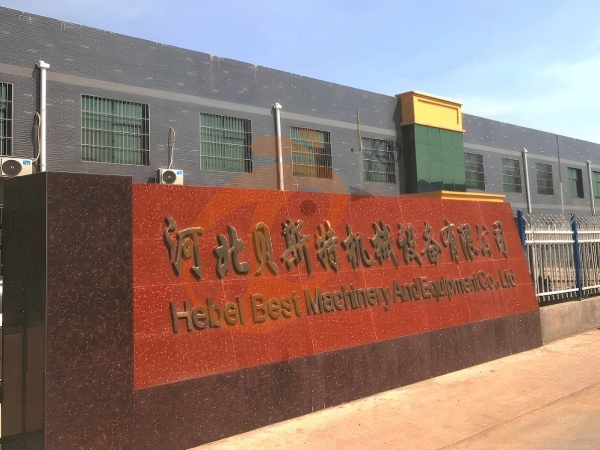
China Hebei Best Machinery And Equipment CO., LTD
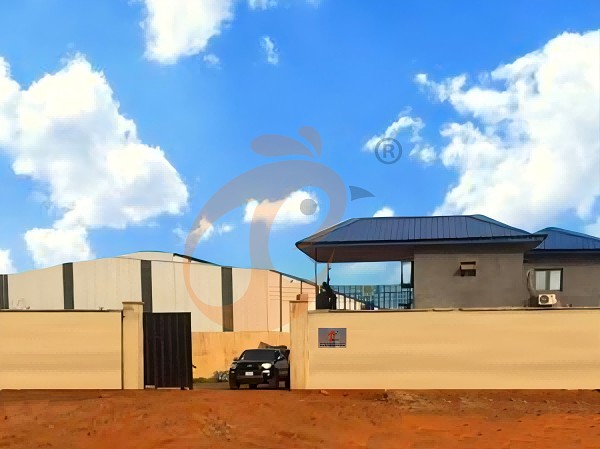
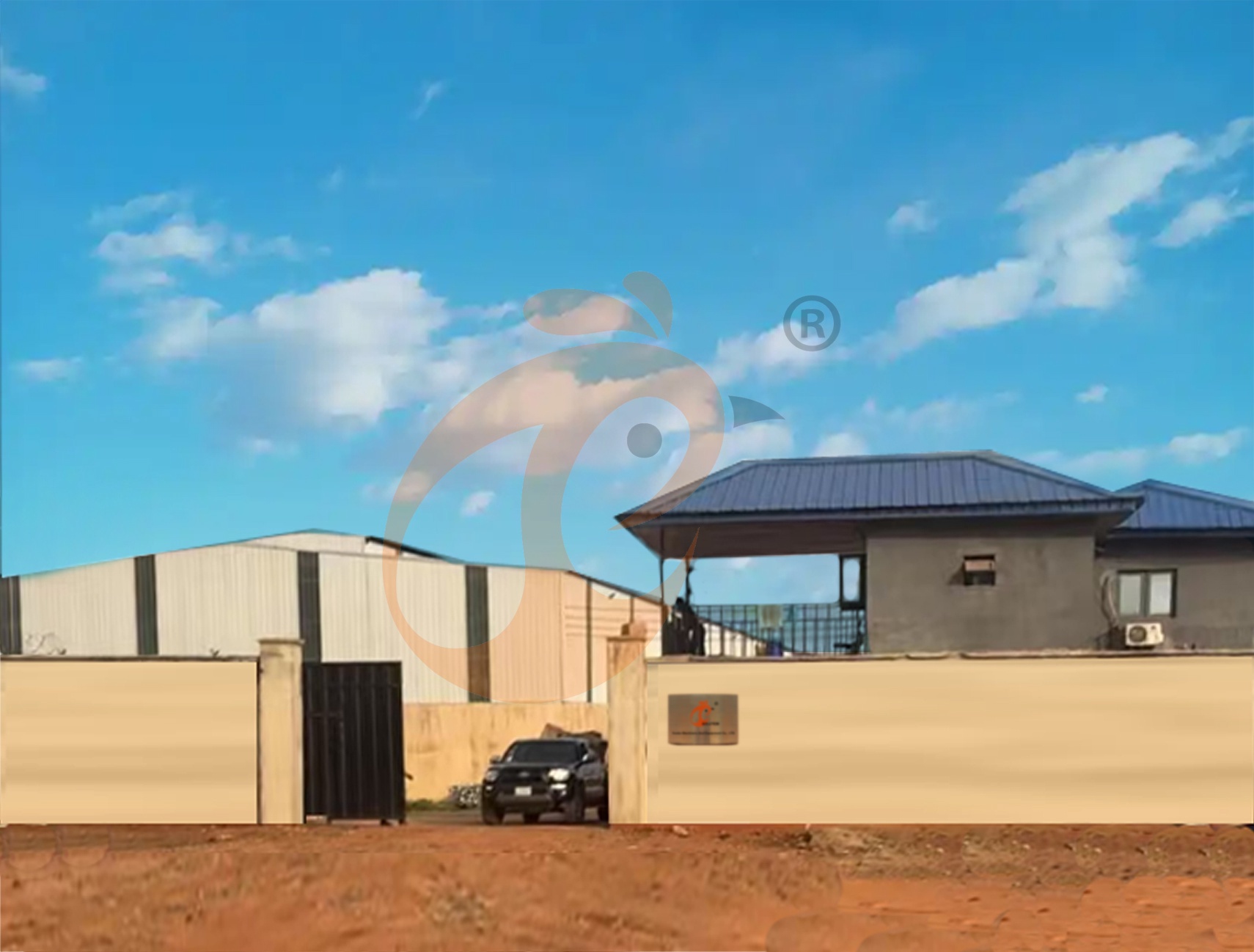
Nigeria Vanke Machinery And Equipment CO., LTD
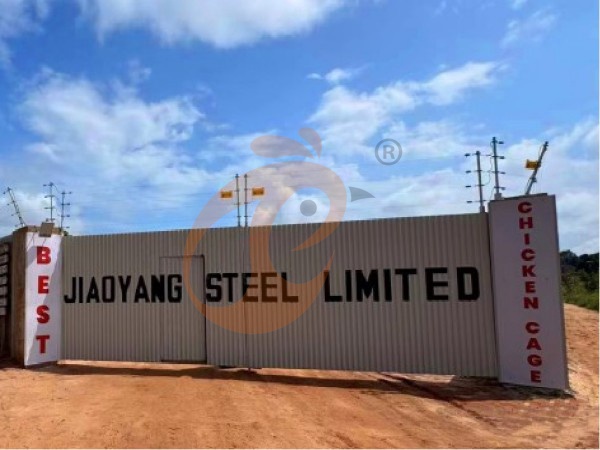
Tanzania Best Machinery And Equipment CO., LTD
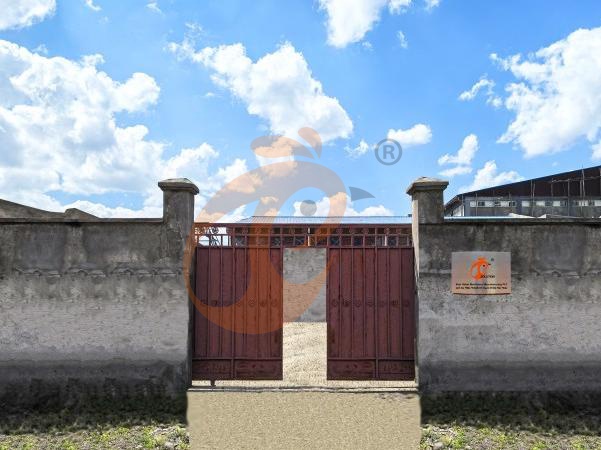
Ethiopia Best Hebei Machinery Manufacturing PLC
Reception /24 WhatsApp NO. : +8618830120193
FAQ
What Water Quality Requirements Are Necessary For Nipple Drinkers In Poultry Chicken Cage Systems?
Water hardness is maintained within 100–150 mg/L CaCO₃ equivalent for valve protection.
Microbial load is controlled under 100 CFU/mL for safe poultry consumption standards.
What Is The Recommended Stocking Ratio For Nipple Drinkers In Poultry Chicken Cage Systems?
Drinker spacing is typically set at 25–30 cm to reduce competition stress.
Water demand allocation is calculated at 180–220 ml per bird daily in intensive production.
How Is Water Flow Regulated In Nipple Drinkers For Poultry Chicken Cage Farming Systems?
Pressure stability is maintained within 0.18–0.22 MPa across drinking lines.
Drop formation interval is adjusted at 1–2 seconds per activation for efficient intake.
- poultry farm
- poultry house
- cage
- poultry farm construction
- poultry housing system
- poultry drinking system
- automatic poultry drinking system
- poultry equipment
- chickencage
- bestchickencage
- Nigeria
- automated poultry housing system
- automated poultry housing
- poultry nipple drinker
- poultry drinking line
- poultry drinking system installation
- poultry housing systems
- poultry farm plan
- Ethiopia
- Spring
Message
Products recommended
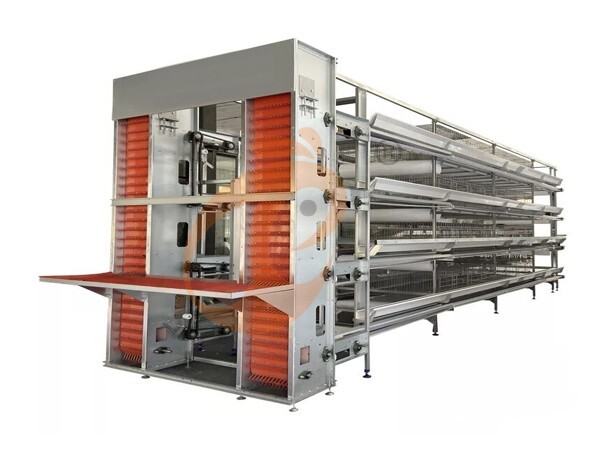
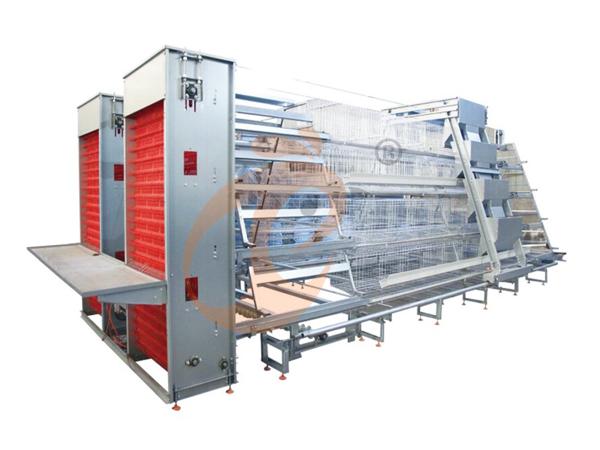
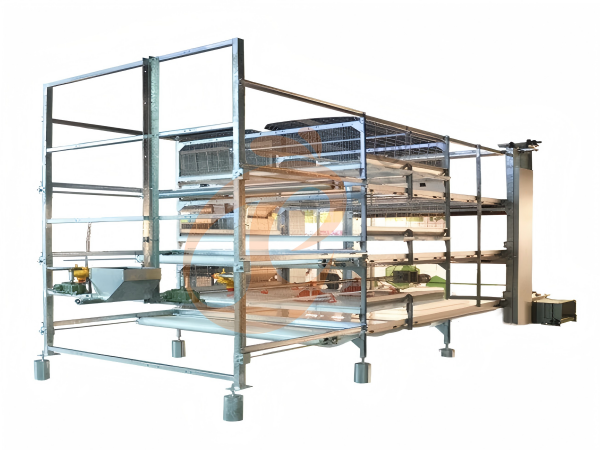
 >30,000 Pullets Automatic H Type Battery Cage1. More than 30,000 pullets a house, choose it.
2. It is designed to rearing older than 1 day old pullets to 12 to 16 weeks old chicken starting laying eggs.
3. Its lifespan is more than 25 years.
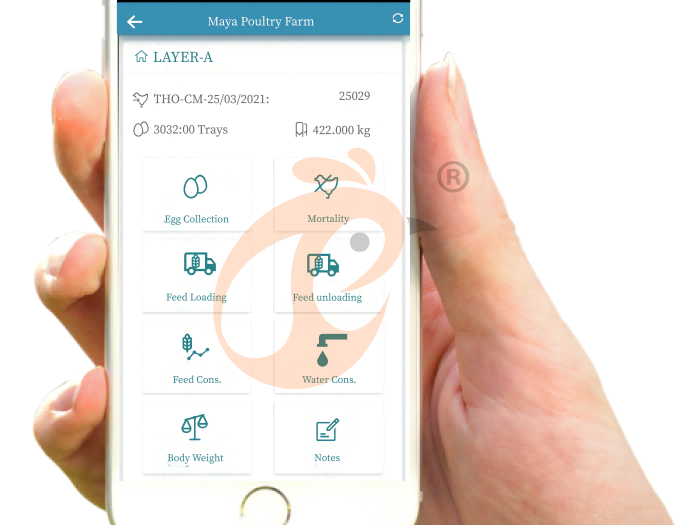
4. Its structure are Vcloud artificial intelligent fusion, electric control cabinet, automatic equipment of drinking, feeding, manure clean, manual harvesting.
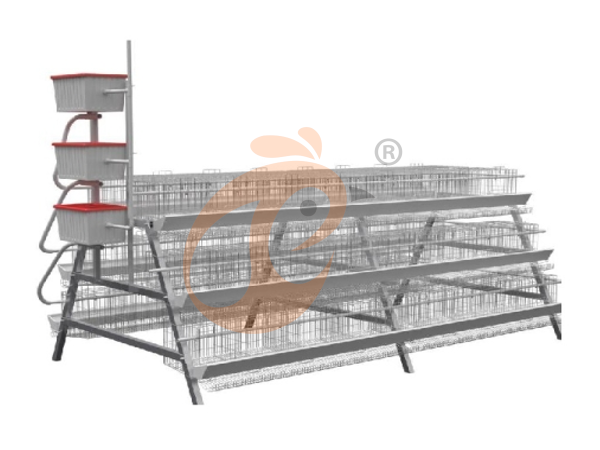
5. Our 24 hour online reception What’sApp NO. is +8618830120193 <30,000 Pullets Automatic A Type Battery Cage1. 10,000 to 30,000 pullets a house, choose it.
2. It is designed to rearing older than 1 day old pullets to 12 to 16 weeks old chicken starting laying eggs.
3. Its lifespan is more than 25 years.
4. Its structure are Vcloud artificial intelligent fusion, electric control cabinet, automatic equipment of drinking, feeding, manure clean, manual harvesting.
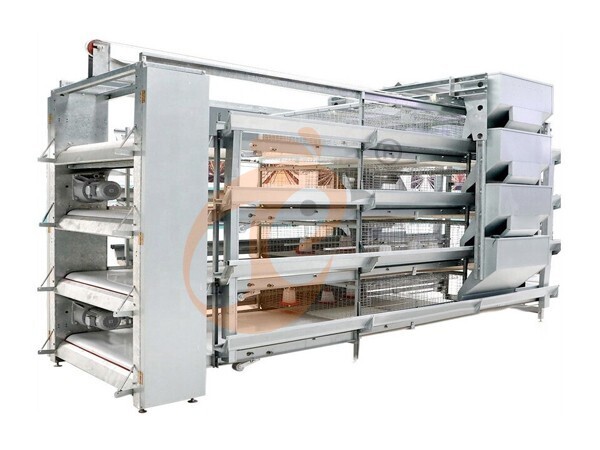
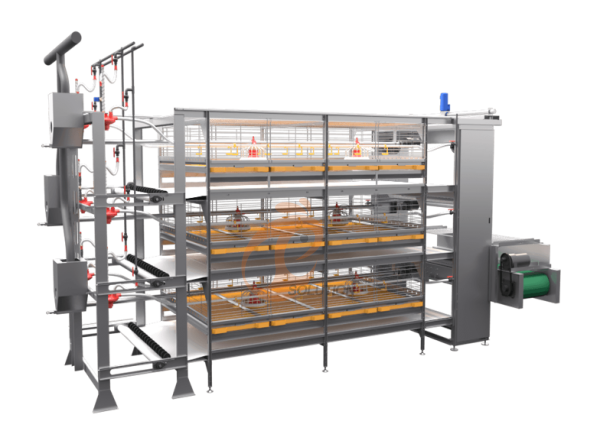
5. Our 24 hour online reception What’sApp NO. is +86 18830120193. >30,000 Broilers Semi-Automatic Harvest H Type Battery Cage1. More than 30,000 broilers a house, choose it.
2. It is designed to rearing 1 to 45 day old adult broiler ready for market.
3. Its lifespan is more than 20 years.
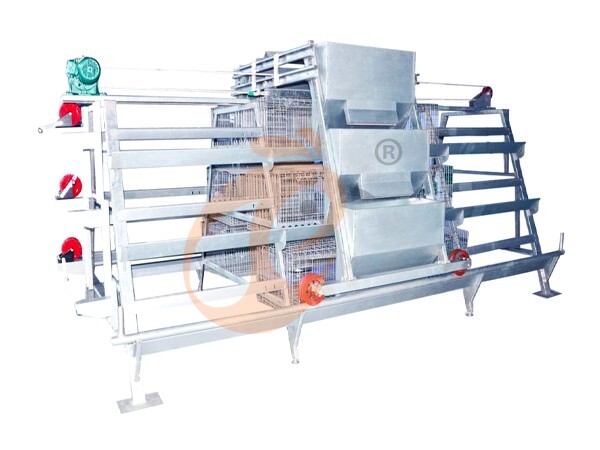
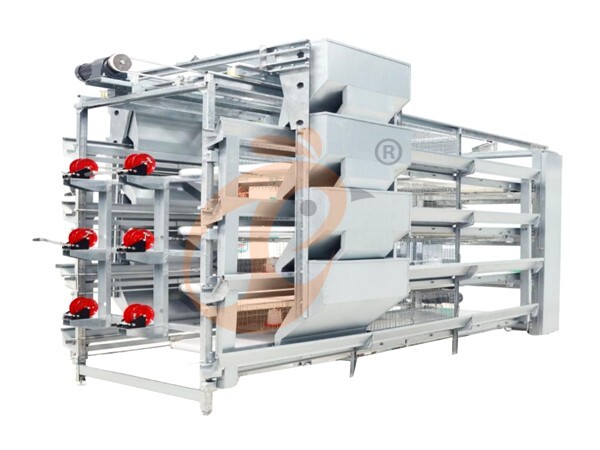
4. Our 24 hour online reception What’sApp NO. is +8618830120193, +234 8111199996. >30,000 Broilers Manual Harvest H Type Battery Cage1. More than 30,000 broilers a house, choose it.
2. It is designed to rearing 1 to 45 day old adult broiler ready for market.
3. Its lifespan is more than 20 years.
4. Its structure are Vcloud artificial intelligent fusion, electric control cabinet, automatic equipment of drinking, feeding and manure clean, manual harvesting.
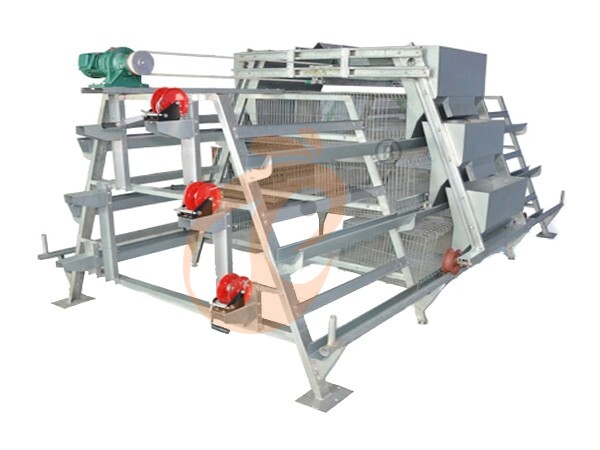
5. Our 24 hour online reception What’sApp NO. is +8618830120193, +234 8111199996. <30,000 Broilers Manual Harvest A Type Battery Cage1. Less 30,000 broilers a house, choose it.
2. It is designed to rearing 1 to 45 day old adult broiler ready for market.
3. Its lifespan is more than 20 years.
4. Its structure are Vcloud artificial intelligent fusion, electric control cabinet, automatic equipment of drinking, feeding and manure clean, manual harvesting.
5. Our 24 hour online reception What’sApp NO. is +8618830120193, +234 8111199996. HK Headquarter Offers EU-standard Poultry Farm Solutions, Manufacture Poultry Farm Equipment1. Continuous communication with the EU and the US
2. China, Nigeria, Ethiopia, Tanzania branch companies and factories
3. The products’ quality is customized for local poultry farms
4. Poultry cage and poultry farm equipment stock for sale
5. 24 online reception Whatsapp NO. : +8618830120193,contact us to get full information China Branch Offer Poultry Farm Business Plan, Manufacture Poultry Farm Equipment1. Address: Flat/RM 2416, 24/F, Runxing Building, Youyi Nan Street, Shijiazhuang City, Hebei Province, China
2. Poultry cage and poultry farm equipment factory and stock for sale
3. Customized for local poultry farms
4. Quality and design are based on Euro
5. 24 online reception Whatsapp NO. : +8618830120193 Nigeria Branch Offer Poultry Farm Business Plan, Manufacture Poultry Farm Equipment1. Address: After Sinoma Office, 200 Meters Near Danco Filling Station, Lagos/Ibadan Expressway, Lagos State, Nigeria
2. Poultry cage and poultry farm equipment factory and stock for sale
3. Customized for Nigerian poultry farms
4. Quality and design are based on Euro
5. 24 online reception Whatsapp NO. : +8618830120193 Ethiopia Branch Offer Poultry Farm Business Plan, Manufacture Poultry Farm Equipment1. Address: Gelan Gura, Akaki-kaliti Sub City, Addis Ababa, Ethiopia
2. Poultry cage and poultry farm equipment stock for sale
3. Customized for Ethiopian poultry farms
4. Quality and design are based on Euro
5. 24 online reception Whatsapp NO. : +8618830120193, contact us to get price list Tanzania Branch Offer Poultry Farm Business Plan, Manufacture Poultry Farm Equipment1. Address: No.8, Sova Road, Msufini, Mlandizi, Kibaha, Pwani, Tanzania
2. Poultry cage and poultry farm equipment factory and stock for sale
3. Customized for Tanzanian poultry farms
4. Quality and design are based on Euro
5. 24 online reception Whatsapp NO. : +8618830120193


Contact