


Blog
Layer chicken cage feeding system optimization improves production efficiency stability across commercial poultry farms.
Feed formulation accuracy increases nutrient utilization efficiency, reduces metabolic waste, and stabilizes egg output cycles.
Cage feeding synchronization controls intake rhythm, improves digestive enzyme activity, and reduces behavioral stress response.
Automated feeding engineering enhances distribution uniformity, minimizes feed loss, and improves feed conversion ratio performance.
Integrated feeding management supports high-density farming conditions with measurable production consistency improvement.
Get professional poultry farm construction guidance, equipment selection solutions, and the latest price lists, whatsApp to +8618830120193, click to learn more:
Precision Feed Formulation For Cage Layers
Accurate nutrient calibration determines how efficiently dietary inputs are converted into albumen, yolk mass, and shell matrix under cage confinement conditions.
Data is for reference only.Swipe horizontally to view full table.
Precision amino acid balancing reduces nitrogen excretion load per bird cycle, improving metabolic retention efficiency under confined housing systems.
Field performance data from Isa Brown and Hy-Line Brown systems shows lysine optimization at 0.82–0.88% increases egg weight by 1.6–2.3 G within 30 days.
Feed cost contribution remains between 61–72% of total production expenditure.
Structured Feeding Frequency System In Cage Production
Controlled feeding intervals regulate digestive hormone secretion patterns and stabilize daily nutrient uptake rhythm in synchronized laying flocks.
Data is for reference only.Swipe horizontally to view full table.
Temporal feed partitioning reduces competitive pecking intensity and stabilizes group-level intake distribution across cage tiers.
Precision feeding schedules reduce intake variability coefficient from 12.8% to 9.3% in controlled cage environments.
Feed Particle Engineering For Digestive Efficiency
Mechanical feed structure determines grinding efficiency in the gizzard and directly influences enzymatic breakdown rate in the intestinal tract.
Data is for reference only.Swipe horizontally to view full table.
Controlled particle homogeneity improves starch gelatinization consistency during digestion, reducing undigested residue output in manure.
Pelletized feed systems reduce feed wastage by 7–11% compared with mash systems.
Water Supply Synchronization with Feed Intake
Hydration consistency directly regulates feed passage rate through the digestive tract and affects nutrient solubility and absorption kinetics.
Data is for reference only.Swipe horizontally to view full table.
Water system pressure stability ensures uniform hydration access across cage levels, preventing intake competition imbalance.
Nipple line distribution ratio improves flock-level intake uniformity index.
Hydration efficiency directly influences digestive enzyme secretion rate stability.
Cage Feeding System Engineering Optimization
Structural feeder design determines spatial access efficiency and mechanical feed loss rate under high-density cage arrangements.
Data is for reference only.Swipe horizontally to view full table.
Mechanical feeding synchronization across tiers reduces nutrient stratification inside trough systems and improves uniform feed availability.
Chain feeding speed stability reduces nutrient segregation rate by 23–28%.
Functional Feed Additives In Layer Nutrition Systems
Bioactive feed components regulate intestinal flora composition and enhance enzymatic digestion efficiency in nutrient absorption pathways.
Data is for reference only.Swipe horizontally to view full table.
Targeted enzyme supplementation improves energy extraction efficiency from fibrous feed components in corn-soybean formulations.
Environmental Temperature Control And Feeding Stability
Thermal regulation directly affects hypothalamic appetite signaling and metabolic heat dissipation load in cage-housed layers.
Data is for reference only.Swipe horizontally to view full table.
Feed intake efficiency reduction is directly linked with endocrine stress response escalation.
Feed Freshness And Storage Management
Nutrient stability depends on oxidative degradation control and moisture equilibrium during feed storage and transport cycles.
Data is for reference only.Swipe horizontally to view full table.
Mold contamination risk increases significantly when moisture exceeds 14.5%.
Digestive System Efficiency In Layers
Avian digestion relies on coordinated enzymatic breakdown and mechanical grinding to convert feed into absorbable nutrients.
In commercial cage systems, proventriculus secretion maintains acidic conditions around pH 2.0–3.5, enabling efficient protein hydrolysis and reducing undigested nitrogen loss by approximately 6–9% in balanced diets.
The gizzard applies repeated contraction cycles generating 2–3 N mechanical force, improving particle fragmentation consistency and supporting better nutrient exposure to intestinal enzymes.
Under optimized feeding management, metabolizable energy utilization can rise from about 2,780 kcal/kg to near 2,940 kcal/kg, improving overall energy extraction efficiency by over 5% in production flocks.
Feeding Behavior Monitoring In Cage Systems
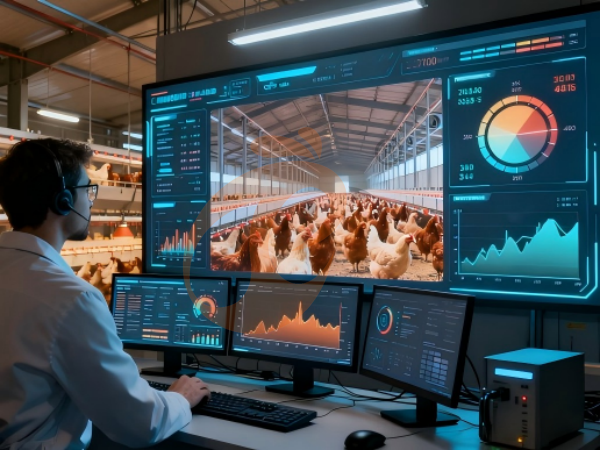
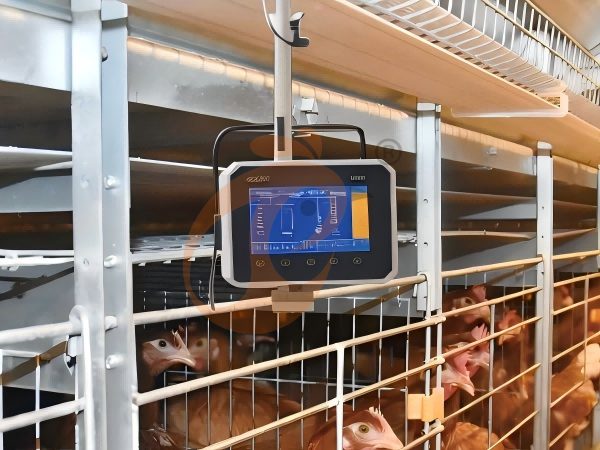
Real-time behavioral tracking systems identify deviations in feeding rhythm patterns and detect early metabolic imbalance signals.
Data is for reference only.Swipe horizontally to view full table.
Sensor-based monitoring systems shorten anomaly detection cycles and improve corrective response efficiency in intensive farming environments.
Feed Conversion Efficiency Optimization Strategy
Integrated control of feed composition, delivery timing, and environmental stability determines system-level feed conversion efficiency outcomes.
Data is for reference only.Swipe horizontally to view full table.
System-level optimization reduces feed input per unit egg output and improves long-cycle production stability in commercial operations.
Common Feeding Errors In Cage Layer Farms
Operational inconsistencies create cumulative inefficiencies that amplify across repeated production cycles in cage environments.
Data is for reference only.Swipe horizontally to view full table.
Standardized operational control reduces variability in daily output performance and stabilizes flock-level productivity indicators.
Frequently Asked Questions
Q1: Why does feed formulation strongly affect egg production in cage systems?
Feed formulation determines amino acid availability and calcium deposition rate.
Balanced formulation improves egg mass stability and reduces metabolic inefficiency across laying cycles.
Q2: How does feeding schedule influence feed conversion ratio?
Structured feeding aligns with circadian digestive enzyme secretion.
This improves nutrient absorption consistency and reduces feed waste accumulation in cage systems.
Q3: What is the role of cage equipment in feeding efficiency?
Cage feeding equipment controls feed accessibility, distribution uniformity, and spillage rate.
Optimized design reduces mechanical loss and improves intake consistency.
Taiyu (HK) Group - One Of China Largest Layer Chicken Cage System Manufacturer
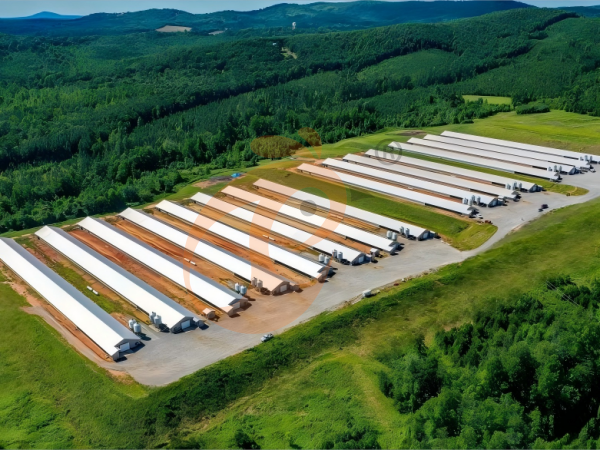
Layer chicken cage system provides industrial-scale feeding precision control and stable production performance under intensive farming conditions.
Global factory direct supply ensures standardized poultry equipment manufacturing and international project delivery capability.
Turn-key poultry engineering solutions cover farm planning, cage installation, and automated feeding system integration.
Poultry cage production lines deliver corrosion-resistant structure design and long-cycle operational stability.
Contact Us To Received Your Customized Poultry Farm Plan
Headquarters And Branchs

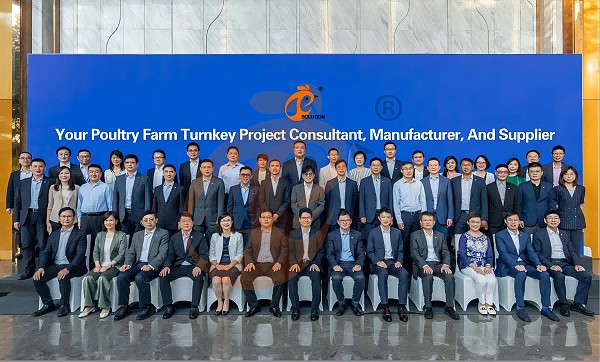
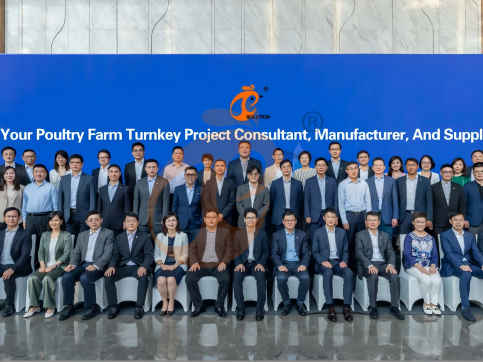
Hong Kong Headquarter Management Team
Hong Kong Headquarter Taiyu Industrial Group CO., LTD
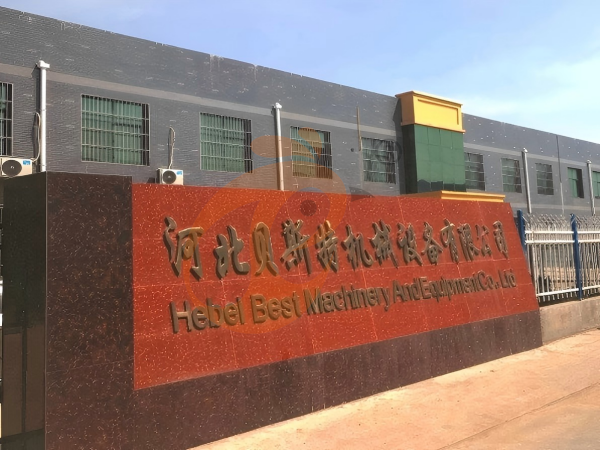
China Hebei Best Machinery And Equipment CO., LTD
Nigeria Vanke Machinery And Equipment CO., LTD
Tanzania Best Machinery And Equipment CO., LTD
Ethiopia Best Hebei Machinery Manufacturing PLC




Reception /24 WhatsApp NO. : +8618830120193
FAQ
How To Choose The Ultimate Layer Cage System For Multi-Tier Farms?
Install automatic feeding, drinking, egg collection, and manure cleaning systems to boost egg production to 90–98%.
Optimized ventilation and temperature/humidity control reduce mortality to 2–3%.
What Are The Professional Guidelines For Optimizing Feed Storage And Usage In Chicken Cage Farms?
Use automatic feeders to allocate feed as needed, reducing waste by 5–10%.
Regularly monitor feed consumption per tier; FCR 1.9–2.1, egg production 90–98%.
What Are The Professional Guidelines For Reducing Labor Costs Using Automation In Chicken Cage Farms?
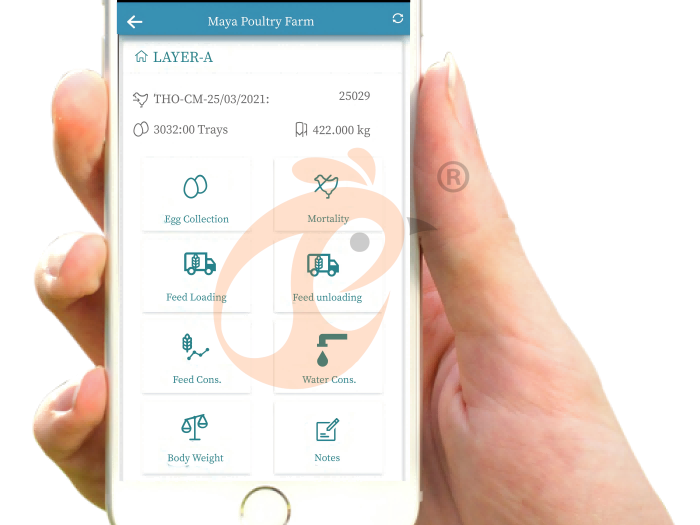
Use real-time monitoring systems to manage flock health and egg production.
ROI can be shortened to 24–36 months, improving overall profitability.
- poultry farm
- chicken cage
- poultry farms
- poultry cage
- cage
- poultry farm equipment
- poultry farm construction
- chicken cage system
- poultry cage production
- chicken cage system manufacturer
- poultry equipment
- chickencage
- bestchickencage
- cage system
- cage layer
- cage layer farm
- cage systems
- layer chicken cage
- Nigeria
- layer farm
- layer chicken cage system
- commercial poultry farms
- layer chicken cage system manufacturer
- poultry farm plan
- Ethiopia
Message
Products recommended
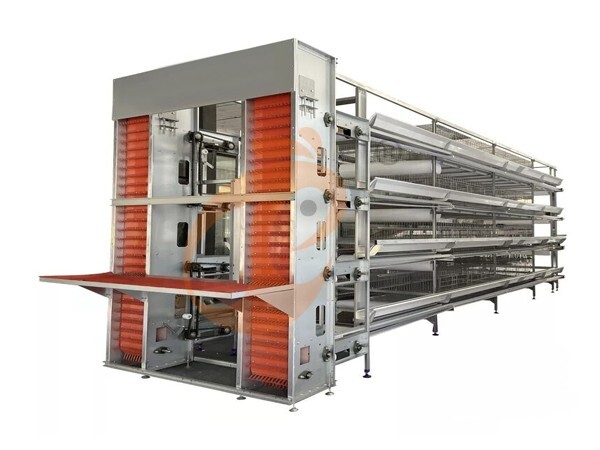
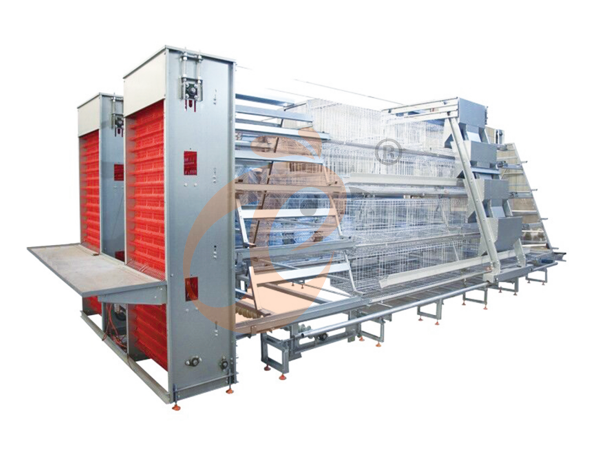
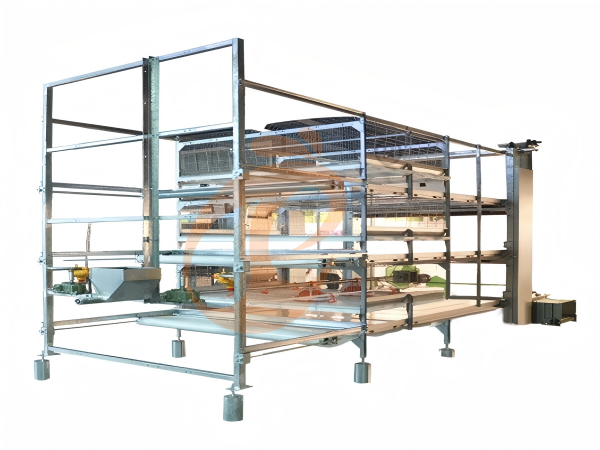
 >30,000 Pullets Automatic H Type Battery Cage1. More than 30,000 pullets a house, choose it.
2. It is designed to rearing older than 1 day old pullets to 12 to 16 weeks old chicken starting laying eggs.
3. Its lifespan is more than 25 years.
4. Its structure are Vcloud artificial intelligent fusion, electric control cabinet, automatic equipment of drinking, feeding, manure clean, manual harvesting.
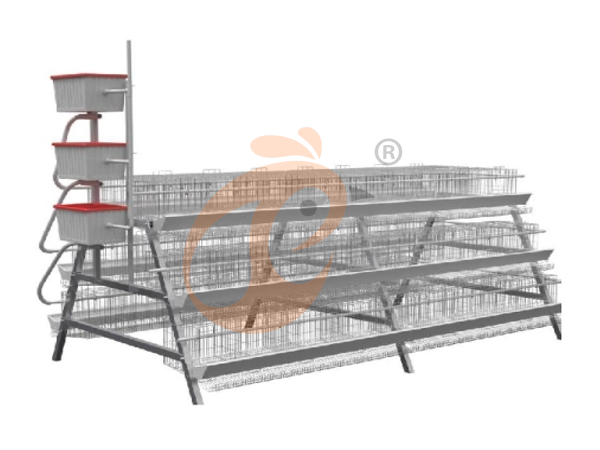
5. Our 24 hour online reception What’sApp NO. is +8618830120193 <30,000 Pullets Automatic A Type Battery Cage1. 10,000 to 30,000 pullets a house, choose it.
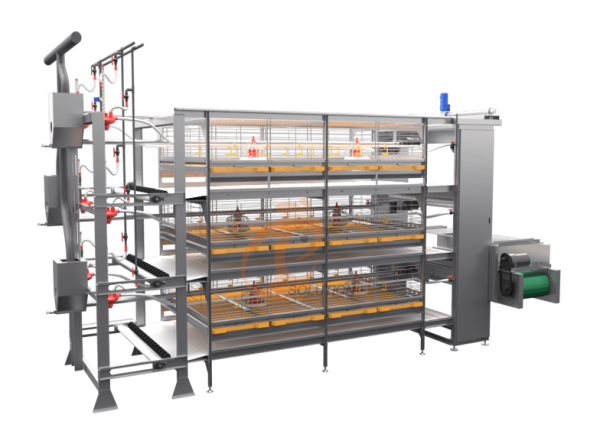
2. It is designed to rearing older than 1 day old pullets to 12 to 16 weeks old chicken starting laying eggs.
3. Its lifespan is more than 25 years.
4. Its structure are Vcloud artificial intelligent fusion, electric control cabinet, automatic equipment of drinking, feeding, manure clean, manual harvesting.
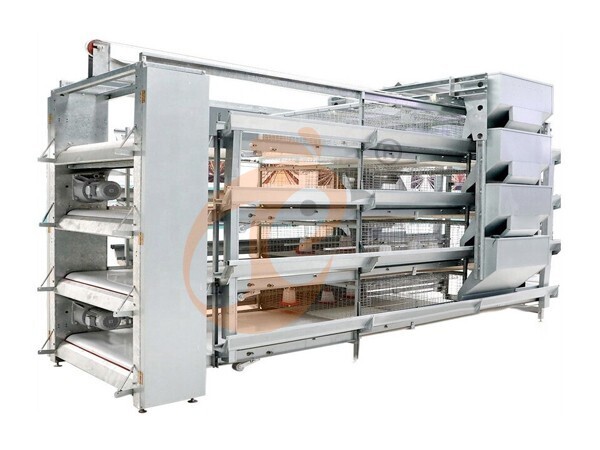
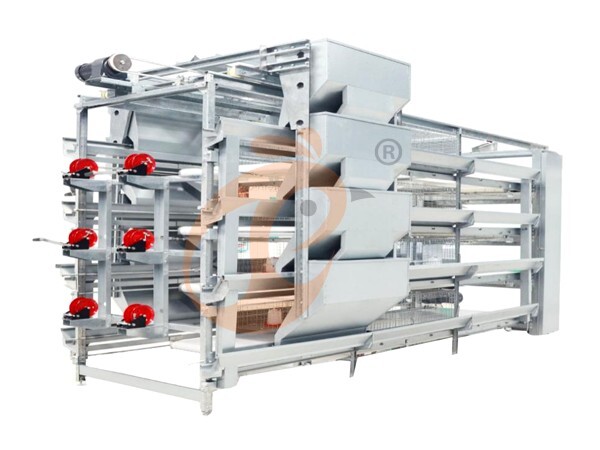
5. Our 24 hour online reception What’sApp NO. is +86 18830120193. >30,000 Broilers Semi-Automatic Harvest H Type Battery Cage1. More than 30,000 broilers a house, choose it.
2. It is designed to rearing 1 to 45 day old adult broiler ready for market.
3. Its lifespan is more than 20 years.
4. Our 24 hour online reception What’sApp NO. is +8618830120193, +234 8111199996. >30,000 Broilers Manual Harvest H Type Battery Cage1. More than 30,000 broilers a house, choose it.
2. It is designed to rearing 1 to 45 day old adult broiler ready for market.
3. Its lifespan is more than 20 years.
4. Its structure are Vcloud artificial intelligent fusion, electric control cabinet, automatic equipment of drinking, feeding and manure clean, manual harvesting.
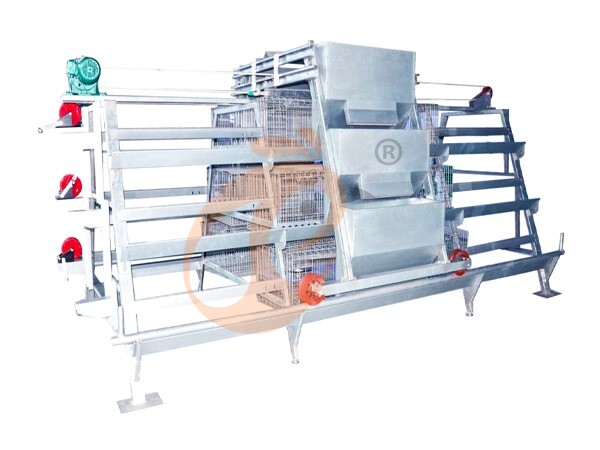
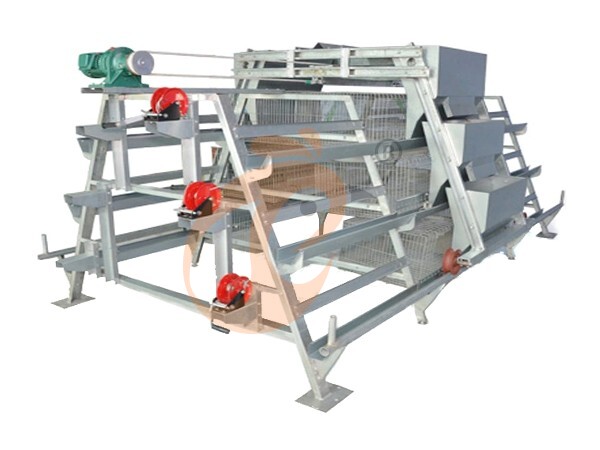
5. Our 24 hour online reception What’sApp NO. is +8618830120193, +234 8111199996. <30,000 Broilers Manual Harvest A Type Battery Cage1. Less 30,000 broilers a house, choose it.
2. It is designed to rearing 1 to 45 day old adult broiler ready for market.
3. Its lifespan is more than 20 years.
4. Its structure are Vcloud artificial intelligent fusion, electric control cabinet, automatic equipment of drinking, feeding and manure clean, manual harvesting.
5. Our 24 hour online reception What’sApp NO. is +8618830120193, +234 8111199996. HK Headquarter Offers EU-standard Poultry Farm Solutions, Manufacture Poultry Farm Equipment1. Continuous communication with the EU and the US
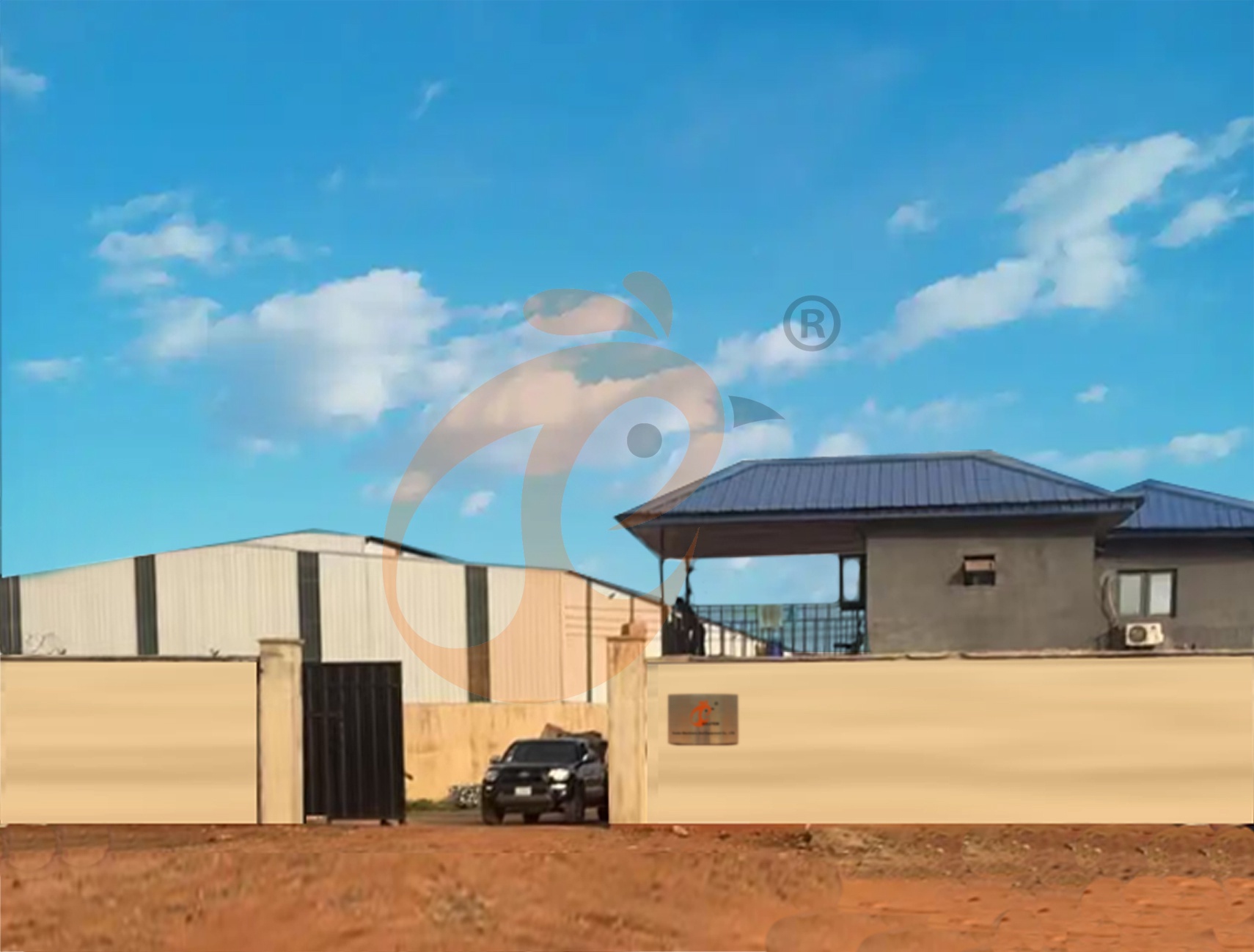
2. China, Nigeria, Ethiopia, Tanzania branch companies and factories
3. The products’ quality is customized for local poultry farms
4. Poultry cage and poultry farm equipment stock for sale
5. 24 online reception Whatsapp NO. : +8618830120193,contact us to get full information China Branch Offer Poultry Farm Business Plan, Manufacture Poultry Farm Equipment1. Address: Flat/RM 2416, 24/F, Runxing Building, Youyi Nan Street, Shijiazhuang City, Hebei Province, China
2. Poultry cage and poultry farm equipment factory and stock for sale
3. Customized for local poultry farms
4. Quality and design are based on Euro
5. 24 online reception Whatsapp NO. : +8618830120193 Nigeria Branch Offer Poultry Farm Business Plan, Manufacture Poultry Farm Equipment1. Address: After Sinoma Office, 200 Meters Near Danco Filling Station, Lagos/Ibadan Expressway, Lagos State, Nigeria
2. Poultry cage and poultry farm equipment factory and stock for sale
3. Customized for Nigerian poultry farms
4. Quality and design are based on Euro
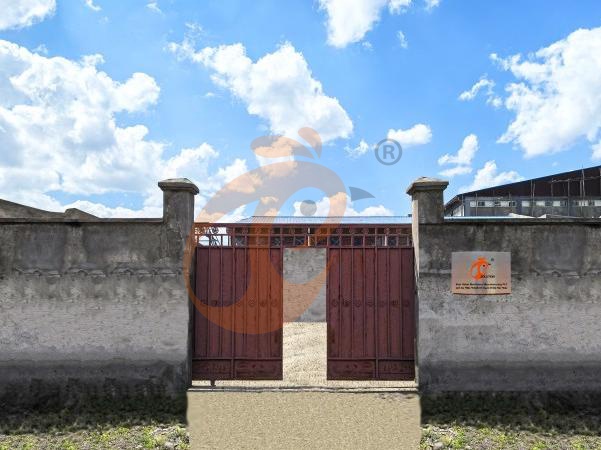
5. 24 online reception Whatsapp NO. : +8618830120193 Ethiopia Branch Offer Poultry Farm Business Plan, Manufacture Poultry Farm Equipment1. Address: WR93+FQ2, Addis Ababa, Ethiopia
2. Poultry cage and poultry farm equipment stock for sale
3. Customized for Ethiopian poultry farms
4. Quality and design are based on Euro
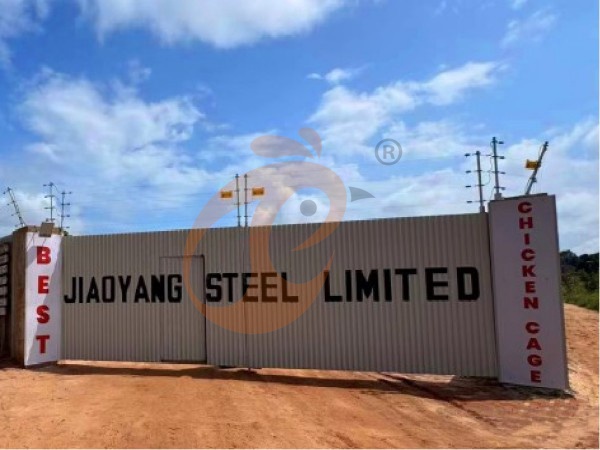
5. 24 online reception Whatsapp NO. : +8618830120193, contact us to get price list Tanzania Branch Offer Poultry Farm Business Plan, Manufacture Poultry Farm Equipment1. Address: No.8, Sova Road, Msufini, Mlandizi, Kibaha, Pwani, Tanzania
2. Poultry cage and poultry farm equipment factory and stock for sale
3. Customized for Tanzanian poultry farms
4. Quality and design are based on Euro
5. 24 online reception Whatsapp NO. : +8618830120193


Contact
By clicking 'Allow All', you agree to the storage of cookies on your device to enhance site navigation, analyze site usage and assist with our marketing efforts.