


Blog
Modern broiler chicken cage systems improve feed conversion efficiency and poultry production stability.
Automatic feeding line equipment reduces labor intensity and improves daily feed distribution precision.
Commercial poultry cage farms require balanced nutrition, environmental control, and scientific water management.
High-capacity poultry farming projects increasingly adopt automated poultry equipment and climate-control technology.
Proper broiler feeding management supports faster weight gain, lower mortality rates, and improved meat production consistency.
Get professional poultry farm construction guidance, equipment selection solutions, and the latest price lists, whatsApp to +8618830120193, click to learn more:
Importance Of Feeding Management In Broiler Chicken Cages
Modern broiler farming depends heavily on efficient feeding systems, balanced nutrition programs, and advanced poultry equipment.
Feed expenses usually account for approximately 65%–70% of total poultry production costs in commercial farms.
Efficient feed utilization directly affects broiler weight gain, flock uniformity, and final farm profitability.
Broiler chicken cage systems provide cleaner feeding conditions compared with floor-rearing poultry houses.
Data is for reference only.Swipe horizontally to view full table.
Commercial poultry operations often target feed conversion ratios between 1.45 and 1.60 to maintain stable production costs and stronger processing margins.
A 100,000-bird poultry farm may save more than $12,000 annually through a 0.1 reduction in feed conversion ratio.
European union standard reference only.
Install Efficient Automatic Feeding Systems
Automatic feeding systems are essential components of modern broiler chicken cage projects.
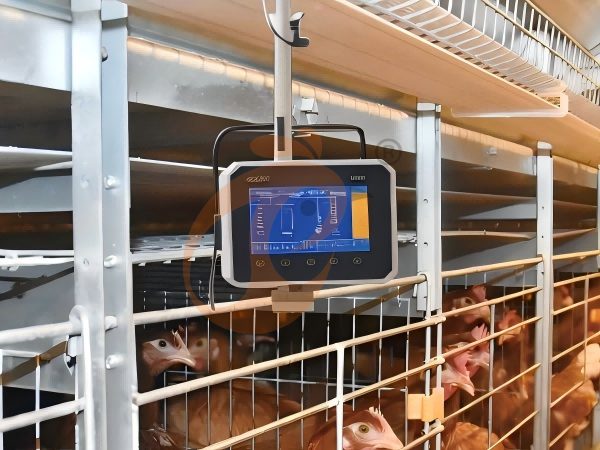
Feed silos, auger conveyors, feeding pans, and feed sensors maintain stable feed delivery throughout the poultry house.
Automatic poultry feeding equipment improves labor efficiency and reduces uneven feed distribution.
Large poultry farms using automated feeding lines may reduce feeding labor requirements by more than 70%.
Data is for reference only.Swipe horizontally to view full table.
Modern feeding pans include anti-spill structures designed to reduce feed scattering during aggressive feeding activity.
Commercial poultry cage manufacturers increasingly use galvanized steel feeding systems because galvanized materials improve corrosion resistance and operational lifespan.
Feeder Space Requirements In Poultry Cage Systems
Proper feeder space supports stable growth performance and reduces aggressive competition between broiler chickens.
Insufficient feeding space may cause uneven body weight distribution during grower and finisher production stages.
Commercial poultry farms calculate feeder space carefully according to bird age and stocking density.
Automatic feeding line systems improve feed accessibility across large poultry houses containing more than 20,000 birds.
Data is for reference only.Swipe horizontally to view full table.
Professional poultry farms usually target harvest uniformity above 85% because higher flock uniformity improves processing efficiency and meat grading consistency.
Poultry Feeding Behavior And Uniform Feed Distribution
Broiler chickens establish feeding hierarchies quickly inside poultry cage systems.
Uneven feed distribution causes stronger birds to consume excessive feed while weaker birds experience slower growth rates.
Uniform feeding conditions support stable breast muscle development and improve final carcass quality.
Balanced feed access also reduces stress-related pecking behavior and unnecessary bird movement inside poultry cages.
Commercial poultry studies indicate that increasing flock uniformity from 70% to 90% may improve processing efficiency by approximately 12% during harvesting operations.
Use Balanced Nutritional Feed Formulas
Modern broiler chickens require scientifically balanced feed formulas to support rapid growth performance.
Commercial broilers commonly achieve 2.5–3.0 kg body weight within 35–42 days under optimized nutrition management conditions.
Protein, energy, lysine, calcium, and vitamin concentrations must remain within precise nutritional ranges.
Feed mills carefully control ingredient quality to maintain stable poultry feed performance.
Data is for reference only.Swipe horizontally to view full table.
Low-quality poultry feed increases feed conversion ratio and reduces daily weight gain.
Premium pellet feed improves feed intake efficiency and reduces dust accumulation inside poultry houses.
Functions Of Common Poultry Feed Ingredients
Different poultry feed ingredients provide specialized nutritional functions for broiler growth and metabolic activity.
Commercial poultry nutrition programs combine energy ingredients, protein sources, mineral additives, and digestive enzymes.
Enzyme additives improve nutrient absorption efficiency and reduce undigested feed residue.
Modern poultry feed mills increasingly adopt enzyme technology to improve feed conversion performance.
Data is for reference only.Swipe horizontally to view full table.
Commercial feed enzyme programs may improve feed conversion efficiency by approximately 3%–5% during full broiler production cycles.
Maintain Proper Feeder Height And Feed Depth
Correct feeder adjustment significantly reduces feed waste inside broiler chicken cage systems.
Improper feeder height encourages feed scattering and decreases feeding comfort during high-density poultry farming operations.
The feeding pan edge should remain aligned with average bird back height during each growth stage.
Commercial poultry farms usually inspect feeder height daily to maintain stable feed access conditions.
Data is for reference only.Swipe horizontally to view full table.
Overfilled feeding pans increase feed wastage because broilers push excessive feed outside cage boundaries during feeding activity.
Feed Waste Caused By Incorrect Feed Levels
Feed waste creates major financial losses in commercial poultry farming projects.
Continuous feed loss reduces production efficiency and increases operational costs throughout the production cycle.
Commercial poultry farms commonly monitor feeding pan fill percentages to reduce unnecessary feed spillage.
Routine feeding line inspection prevents equipment damage and uneven feed delivery.
Data is for reference only.Swipe horizontally to view full table.
A commercial poultry farm containing 100,000 broilers may lose more than $18,000 annually through excessive feed waste caused by poor feeder management.
European union standard reference only.
Control Poultry House Temperature
Environmental temperature strongly influences broiler appetite and feeding behavior.
Heat stress reduces feed intake because digestion generates additional metabolic heat inside the poultry body.
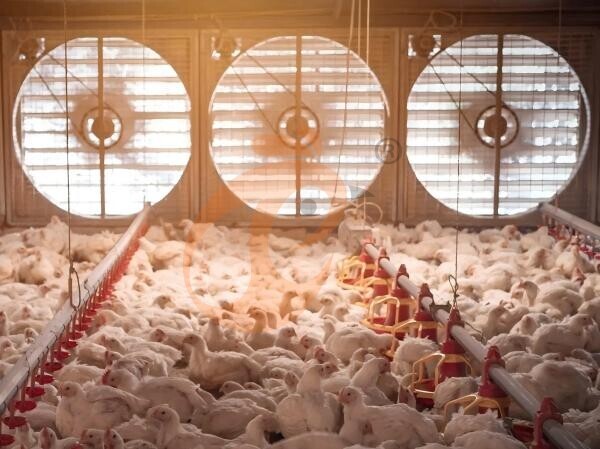
Modern poultry cage systems integrate tunnel ventilation, cooling pads, and exhaust fan technology.
Stable environmental control improves broiler comfort and supports higher daily feed intake.
Data is for reference only.Swipe horizontally to view full table.
Broilers exposed to temperatures above 30°C may experience feed intake reductions between 8% and 15%, directly affecting daily growth performance.
Ensure Continuous Clean Water Supply
Water intake directly affects feed digestion efficiency and nutrient absorption performance.
Modern poultry equipment commonly uses nipple drinking systems because nipple drinkers reduce bacterial contamination and water wastage.
Commercial poultry farms regularly inspect waterline cleanliness and water pressure stability.
Routine waterline flushing reduces microbial buildup inside poultry drinking systems.
Data is for reference only.Swipe horizontally to view full table.
Stable drinking water conditions improve nutrient transport, digestion activity, and metabolic balance during rapid broiler growth stages.
Water Temperature And Drinking Performance
Water temperature influences drinking activity and feed intake stability during commercial poultry production.
Extremely warm water reduces appetite and increases heat stress risks during summer poultry farming operations.
Many commercial poultry farms install insulated pipelines and pressure-regulated nipple systems.
Moderate water temperatures improve digestion efficiency and support stronger metabolic activity.
Data is for reference only.Swipe horizontally to view full table.
Water temperatures between 15°C and 20°C commonly support stronger drinking activity and improved feed utilization efficiency.
Monitor Bird Growth And Feeding Performance Daily
Daily flock monitoring helps poultry farm managers identify feeding problems before major production losses occur.
Professional poultry operations record feed intake, body weight, mortality rates, and water consumption every day.
Early-stage broiler growth strongly affects final market weight and production efficiency.
Modern poultry farms increasingly use smart weighing systems and environmental monitoring sensors.
Data is for reference only.Swipe horizontally to view full table.
Poor early growth performance often cannot be fully corrected during later production stages.
Precision Feeding Technology In Modern Poultry Farms
Precision feeding technology is becoming increasingly important in modern poultry farming projects.
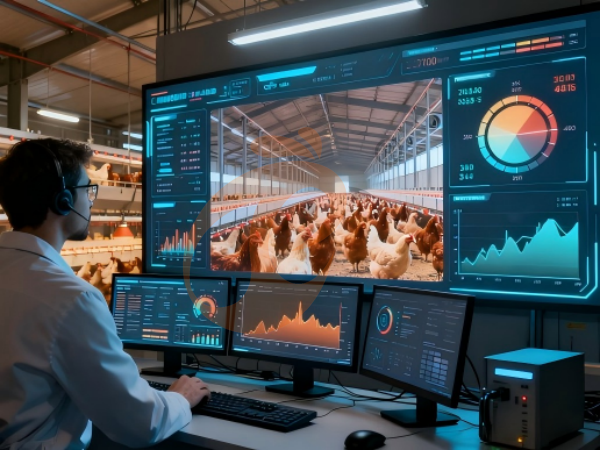
Advanced poultry equipment combines automated feed sensors, climate monitoring systems, and data analysis software.
Smart poultry farming systems monitor feed intake patterns, growth speed, and environmental conditions simultaneously.
Precision feeding technology reduces labor intensity while improving flock management efficiency.
Data is for reference only.Swipe horizontally to view full table.
Advanced precision feeding systems may reduce feed waste by approximately 4%–6% while improving daily weight gain by 3%–5%.
Maintenance Strategy For Long-Term Feeding Equipment Stability
Preventive maintenance management is critical for maintaining stable feeding performance inside commercial broiler chicken cage systems.
Automatic feeding motors, auger conveyors, and feed sensors should undergo technical inspection every 15–20 production days to prevent unexpected operational interruptions.
Commercial poultry farms commonly maintain feed transmission speeds between 28 and 36 meters per minute to ensure uniform feed distribution across long cage rows.
Feed pan vibration exceeding 4 mm during operation may indicate chain wear or motor imbalance requiring immediate adjustment.
Lubrication intervals for feeding line bearings are usually controlled within 300 operational hours to reduce mechanical friction and equipment overheating.
Well-maintained poultry feeding systems may extend operational lifespan from 8 years to more than 12 years under intensive farming conditions.
Frequently Asked Questions
Q1: How often should automatic feeding systems operate daily?
Commercial broiler chicken cage farms commonly operate automatic feeding systems between 4 and 8 times daily depending on flock age, environmental temperature, and feed intake requirements.
Frequent feed distribution improves feeding uniformity and reduces aggressive feeding behavior inside poultry cages.
Q2: Which feed type performs better in broiler chicken cage systems?
Premium pellet feed usually provides stronger feed conversion performance compared with mash feed because pellet feed reduces dust generation and improves nutrient intake efficiency.
Commercial poultry farms commonly adopt pellet feed during grower and finisher production stages.
Q3: Why is water management important in poultry feeding systems?
Stable water supply supports digestion efficiency, nutrient absorption, and body temperature regulation during rapid broiler growth stages.
Poor water quality often reduces feed intake and increases digestive disease risks inside intensive poultry farming systems.
Taiyu (HK) Group - One Of China Biggest Broiler Chicken Cage Manufacturer
Advanced broiler chicken cage systems designed for high-density poultry farming operations
Global factory direct poultry equipment supply supporting lower procurement and installation costs
Automatic poultry feeding systems improving feed efficiency and flock management stability
Professional poultry cage Turn-key engineering solutions for modern commercial poultry farms
Galvanized poultry equipment supporting longer operational lifespan under intensive farming environments
Contact Us To Received Your Customized Poultry Farm Plan
Headquarters And Branchs

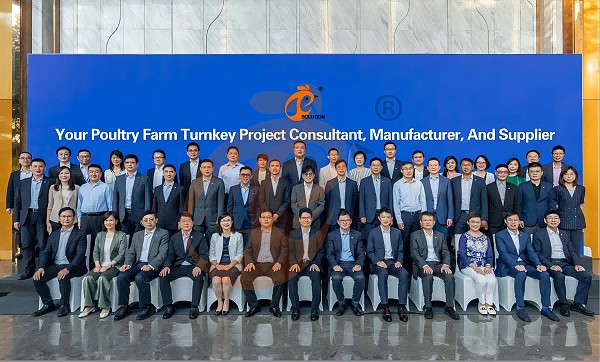
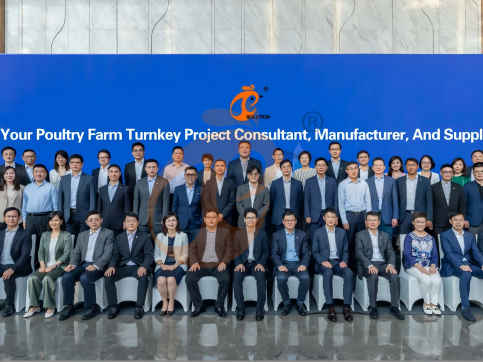
Hong Kong Headquarter Management Team
Hong Kong Headquarter Taiyu Industrial Group CO., LTD
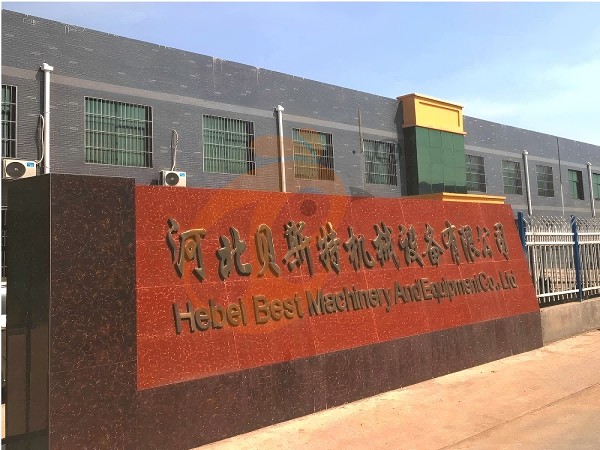
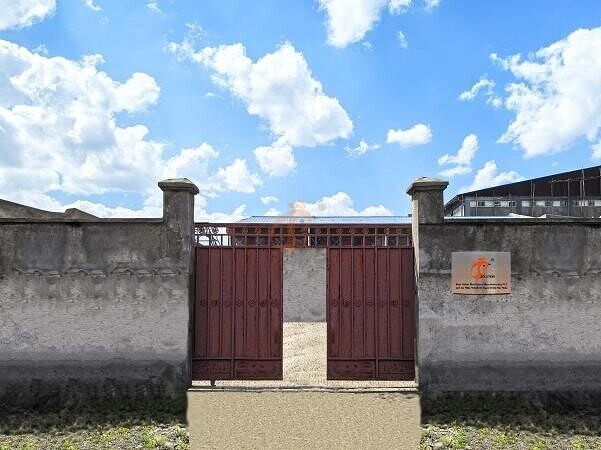
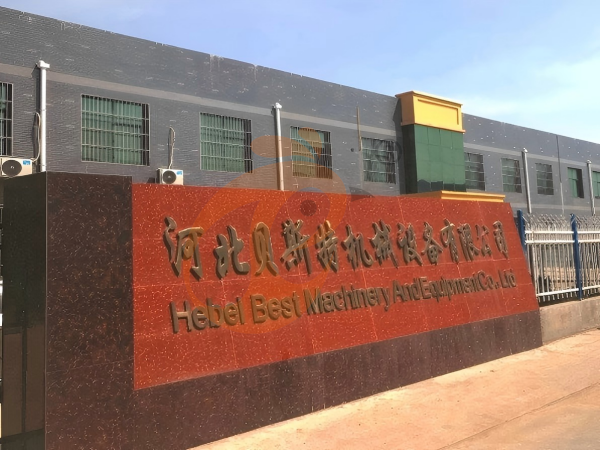
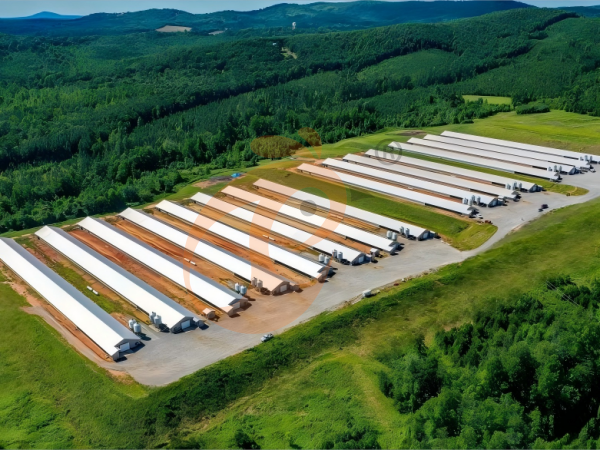
China Hebei Best Machinery And Equipment CO., LTD
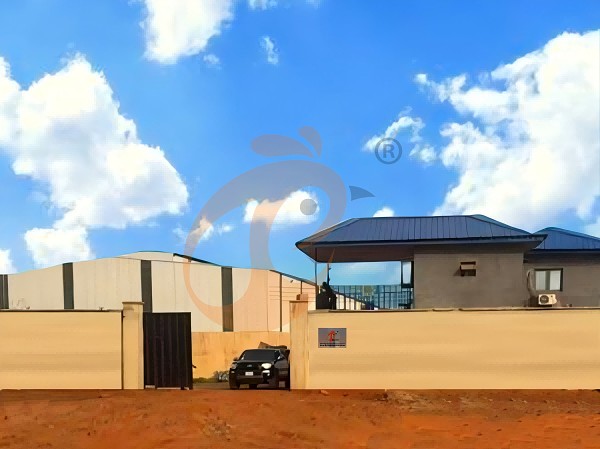
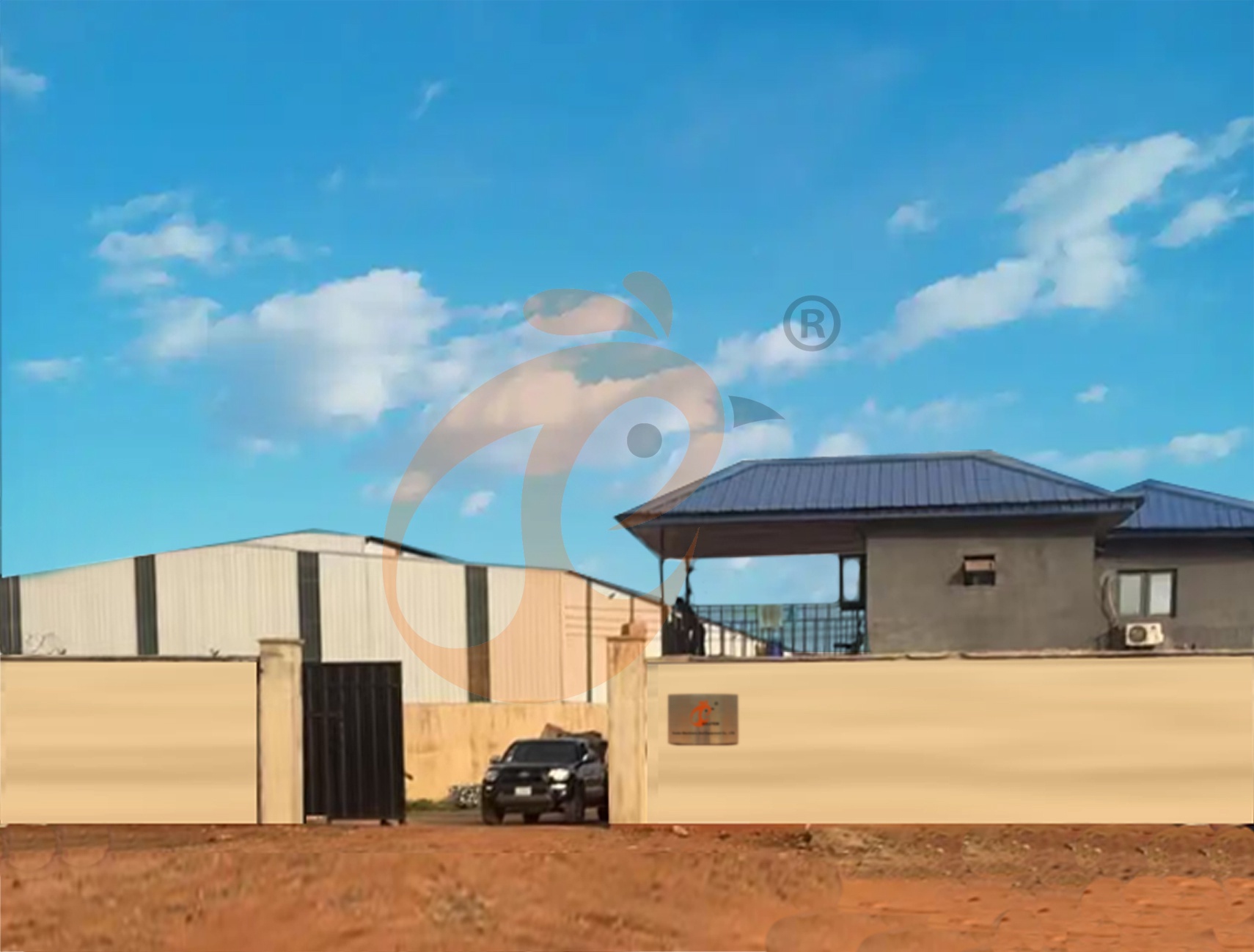
Nigeria Vanke Machinery And Equipment CO., LTD
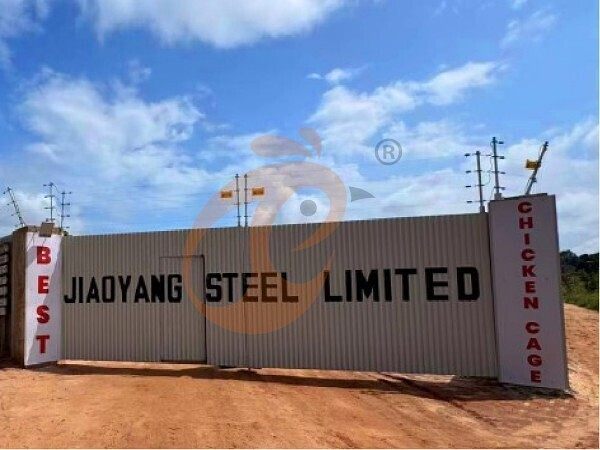
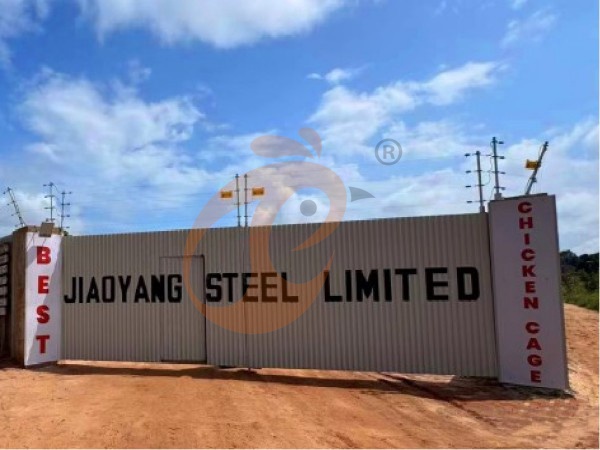
Tanzania Best Machinery And Equipment CO., LTD
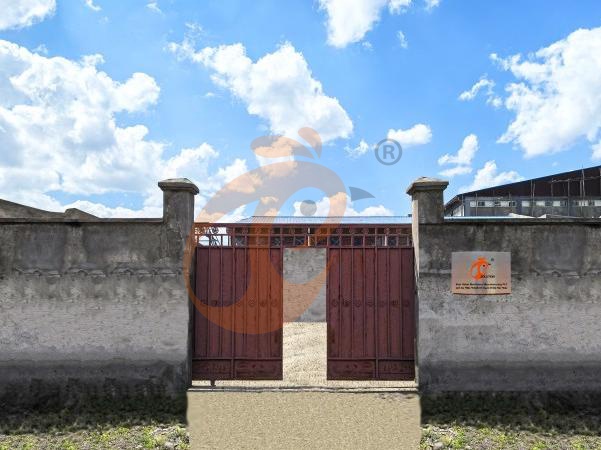
Ethiopia Best Hebei Machinery Manufacturing PLC
Reception /24 WhatsApp NO. : +8618830120193
FAQ
What Are The Ventilation Requirements For Broiler Chicken Cage Houses In Poultry Chicken Production?
Negative pressure levels are controlled between 20–30 Pa for uniform airflow distribution.
Air velocity inside cage rows ranges from 0.3–0.5 m/s to reduce heat stress.
What Is The Stocking Density Standard In Broiler Chicken Cage Systems For Poultry Chicken Production?
Live weight allocation reaches 30–35 kg per square meter at market stage for optimized yield.
Space per bird is controlled within 450–550 cm² for uniform growth performance.
What Are The Material Specifications Of Broiler Chicken Cage Systems Used In Poultry Chicken Farms?
Galvanized coating thickness reaches 80–120 g/m² to prevent corrosion in humid environments.
Frame steel strength is rated above 350 MPa for long-term mechanical stability.
- poultry farm
- chicken cage
- poultry farms
- poultry house
- poultry cage
- cage
- poultry farm equipment
- poultry farm construction
- poultry cage manufacturer
- poultry cage system
- chicken cage manufacturer
- chicken cage system
- modern poultry cage system
- modern poultry cage
- poultry cage farm
- poultry drinking system
- poultry feeding system
- poultry feeding equipment
- automatic feeding system
- automatic poultry feeding system
- automatic poultry feeding equipment
- poultry equipment
- chicken cages
- poultry cages
- broiler chicken cage
- chickencage
- bestchickencage
- broiler chicken cages
- cage system
- cage systems
- broiler chicken cage system
- Nigeria
- smart poultry farming
- broiler farm
- smart poultry farm
- modern poultry farms
- commercial poultry farms
- large poultry farms
- poultry farming
- automated poultry equipment
- poultry cage systems
- cage manufacturer
- modern poultry farm
- poultry feed mill
- modern poultry farming
- poultry feed ingredients
- poultry farm plan
- poultry farming system
- poultry cage manufacturers
- poultry feed
- feed silo
- Chicken Cage Farms
- Ethiopia
Message
Products recommended
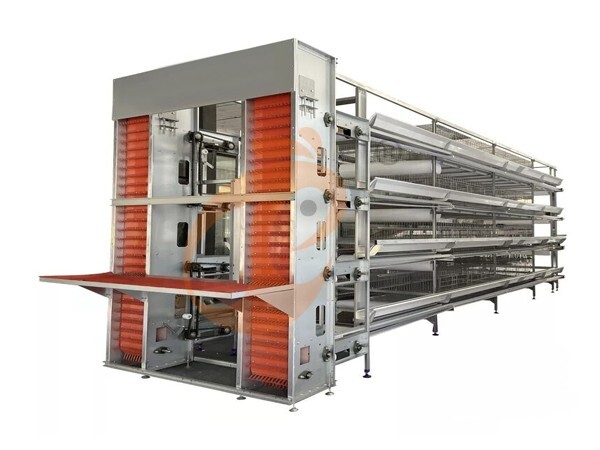
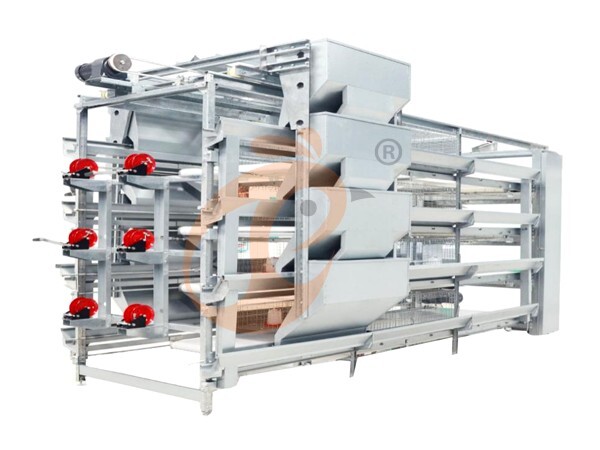
 >30,000 Pullets Automatic H Type Battery Cage1. More than 30,000 pullets a house, choose it.
2. It is designed to rearing older than 1 day old pullets to 12 to 16 weeks old chicken starting laying eggs.
3. Its lifespan is more than 25 years.
4. Its structure are Vcloud artificial intelligent fusion, electric control cabinet, automatic equipment of drinking, feeding, manure clean, manual harvesting.
5. Our 24 hour online reception What’sApp NO. is +8618830120193 <30,000 Pullets Automatic A Type Battery Cage1. 10,000 to 30,000 pullets a house, choose it.
2. It is designed to rearing older than 1 day old pullets to 12 to 16 weeks old chicken starting laying eggs.
3. Its lifespan is more than 25 years.
4. Its structure are Vcloud artificial intelligent fusion, electric control cabinet, automatic equipment of drinking, feeding, manure clean, manual harvesting.
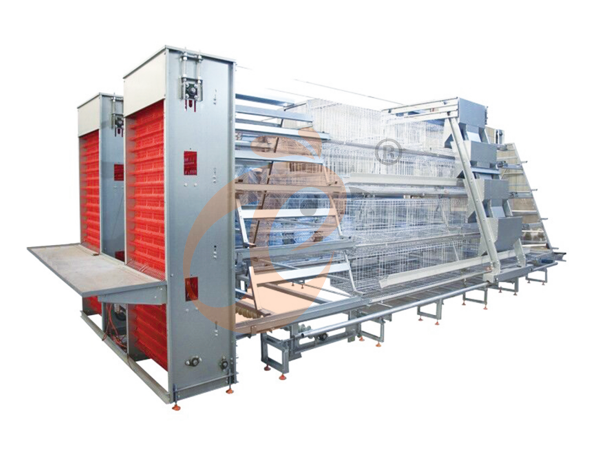
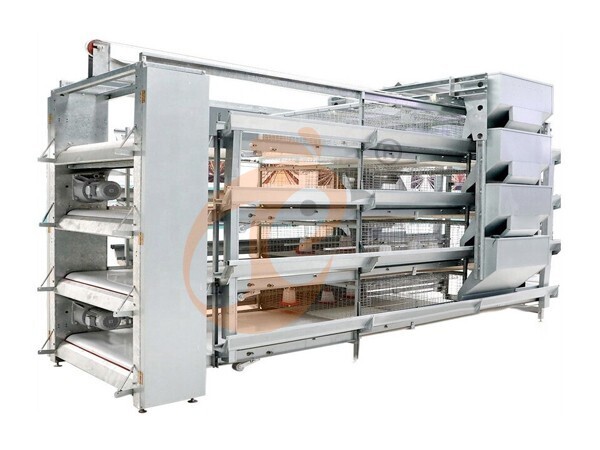
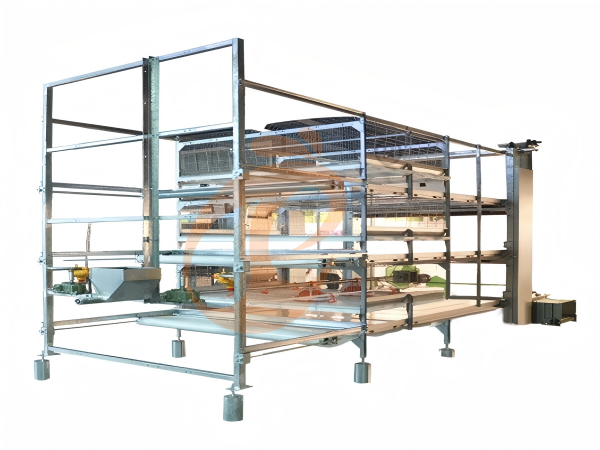
5. Our 24 hour online reception What’sApp NO. is +86 18830120193. >30,000 Broilers Semi-Automatic Harvest H Type Battery Cage1. More than 30,000 broilers a house, choose it.
2. It is designed to rearing 1 to 45 day old adult broiler ready for market.
3. Its lifespan is more than 20 years.
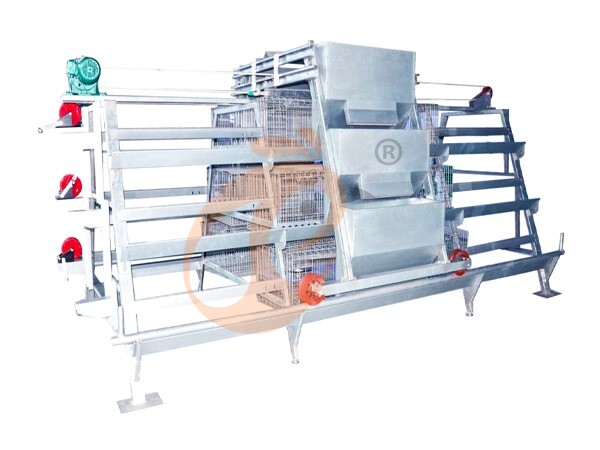
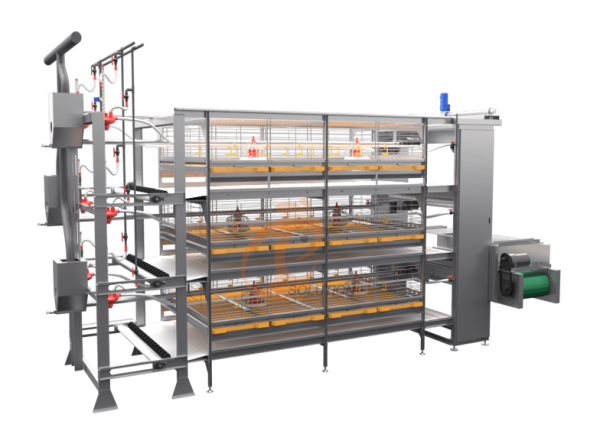
4. Our 24 hour online reception What’sApp NO. is +8618830120193, +234 8111199996. >30,000 Broilers Manual Harvest H Type Battery Cage1. More than 30,000 broilers a house, choose it.
2. It is designed to rearing 1 to 45 day old adult broiler ready for market.
3. Its lifespan is more than 20 years.
4. Its structure are Vcloud artificial intelligent fusion, electric control cabinet, automatic equipment of drinking, feeding and manure clean, manual harvesting.
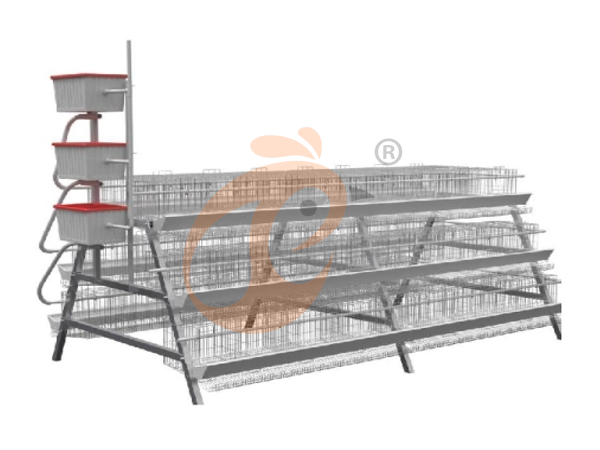
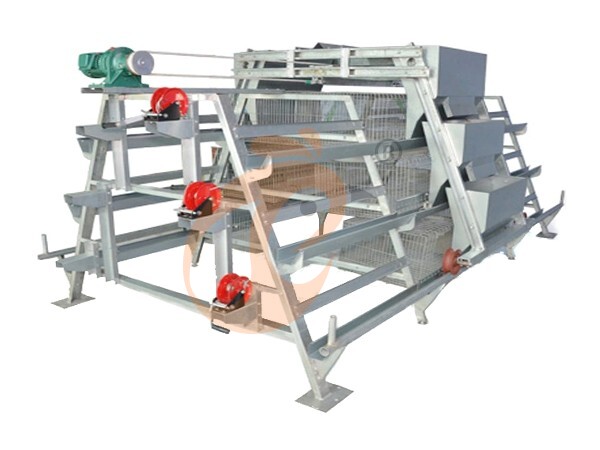
5. Our 24 hour online reception What’sApp NO. is +8618830120193, +234 8111199996. <30,000 Broilers Manual Harvest A Type Battery Cage1. Less 30,000 broilers a house, choose it.
2. It is designed to rearing 1 to 45 day old adult broiler ready for market.
3. Its lifespan is more than 20 years.
4. Its structure are Vcloud artificial intelligent fusion, electric control cabinet, automatic equipment of drinking, feeding and manure clean, manual harvesting.
5. Our 24 hour online reception What’sApp NO. is +8618830120193, +234 8111199996. HK Headquarter Offers EU-standard Poultry Farm Solutions, Manufacture Poultry Farm Equipment1. Continuous communication with the EU and the US
2. China, Nigeria, Ethiopia, Tanzania branch companies and factories
3. The products’ quality is customized for local poultry farms
4. Poultry cage and poultry farm equipment stock for sale
5. 24 online reception Whatsapp NO. : +8618830120193,contact us to get full information China Branch Offer Poultry Farm Business Plan, Manufacture Poultry Farm Equipment1. Address: Flat/RM 2416, 24/F, Runxing Building, Youyi Nan Street, Shijiazhuang City, Hebei Province, China
2. Poultry cage and poultry farm equipment factory and stock for sale
3. Customized for local poultry farms
4. Quality and design are based on Euro
5. 24 online reception Whatsapp NO. : +8618830120193 Nigeria Branch Offer Poultry Farm Business Plan, Manufacture Poultry Farm Equipment1. Address: After Sinoma Office, 200 Meters Near Danco Filling Station, Lagos/Ibadan Expressway, Lagos State, Nigeria
2. Poultry cage and poultry farm equipment factory and stock for sale
3. Customized for Nigerian poultry farms
4. Quality and design are based on Euro
5. 24 online reception Whatsapp NO. : +8618830120193 Ethiopia Branch Offer Poultry Farm Business Plan, Manufacture Poultry Farm Equipment1. Address: WR93+FQ2, Addis Ababa, Ethiopia
2. Poultry cage and poultry farm equipment stock for sale
3. Customized for Ethiopian poultry farms
4. Quality and design are based on Euro
5. 24 online reception Whatsapp NO. : +8618830120193, contact us to get price list Tanzania Branch Offer Poultry Farm Business Plan, Manufacture Poultry Farm Equipment1. Address: No.8, Sova Road, Msufini, Mlandizi, Kibaha, Pwani, Tanzania
2. Poultry cage and poultry farm equipment factory and stock for sale
3. Customized for Tanzanian poultry farms
4. Quality and design are based on Euro
5. 24 online reception Whatsapp NO. : +8618830120193


Contact
By clicking 'Allow All', you agree to the storage of cookies on your device to enhance site navigation, analyze site usage and assist with our marketing efforts.