


Blog
Pellet machine provides stable feed processing with advanced noise control design, supporting poultry farms with efficient production and improved working conditions through reliable engineering solutions.
Modern chicken feed systems combine vibration reduction, optimized components, and intelligent control technologies to maintain smooth operation with lower mechanical stress.
Professional poultry equipment solutions support feed production capacities reaching 3.5 tons per hour while improving automation levels and operational stability.
Advanced pellet processing technology helps reduce maintenance pressure, improve equipment lifespan, and create cleaner production environments.
Complete farm equipment solutions integrate manufacturing expertise, installation service, and technical support for global poultry producers.
Get professional poultry farm construction guidance, equipment selection solutions, and the latest price lists, whatsApp to +8618830120193, click to learn more:
Importance Of Pellet Machine Noise Reduction For Poultry Farms
Pellet machine noise reduction has become an important factor in modern poultry feed production facilities.
Stable equipment operation improves feed consistency, production efficiency, and farm management performance.
A professional poultry feed pellet machine uses optimized transmission structures and precision components to support continuous production with reduced mechanical impact.
For chicken farms operating automated feeding systems, quieter equipment creates a better working environment and helps operators identify abnormal conditions faster.
Taiyu (HK) Group develops advanced feed processing solutions designed for poultry farms requiring dependable performance, customized engineering, and long-term equipment value.
Data is for reference only.Swipe horizontally to view full table.
Understanding Pellet Machine Noise Sources
Pellet machine noise mainly comes from motors, transmission units, rollers, and compression areas.
Professional engineering reduces vibration transfer through balanced structures and accurate component matching.
A well-designed industrial pellet mill equipment system maintains stable performance while supporting large-scale feed production requirements.
Data is for reference only.Swipe horizontally to view full table.
Method One: Improve Regular Maintenance Procedures
Regular maintenance helps reduce friction, vibration, and unexpected equipment noise.
Professional poultry equipment suppliers recommend planned inspections to maintain stable machine performance.
Data is for reference only.Swipe horizontally to view full table.
Method Two: Reduce Mechanical Vibration
Mechanical vibration control directly influences pellet machine noise performance.
Anti-vibration components and reinforced installation systems improve operational stability for commercial poultry production.
Data is for reference only.Swipe horizontally to view full table.
Method Three: Optimize Operating Conditions
Correct operating settings reduce mechanical pressure and improve production consistency.
Smart control systems help operators monitor feed processing conditions more accurately.
Data is for reference only.Swipe horizontally to view full table.
Method Four: Install Soundproofing Systems
Soundproofing solutions reduce noise transmission in high-output feed production areas.
Customized equipment rooms help balance noise control, ventilation, and maintenance access.
Data is for reference only.Swipe horizontally to view full table.
Method Five: Improve Raw Material Preparation
Raw material preparation affects pellet machine stability and production quality.
Uniform materials reduce processing resistance and support smoother pellet formation.
Data is for reference only.Swipe horizontally to view full table.
Method Six: Select High-Quality Pellet Equipment
Equipment quality determines long-term production efficiency and noise performance.
A modern automatic pellet production line integrates feeding, processing, cooling, and control functions for professional poultry farms.
Data is for reference only.Swipe horizontally to view full table.
Commercial Value Of Quiet Pellet Production Systems
Quiet pellet production improves workplace conditions and supports efficient farm operation.
Professional manufacturers provide customized equipment solutions based on production requirements and project budgets.
A complete feed processing project may require approximately $85,000 depending on automation level and factory configuration.
European union standard reference only.
Data is for reference only.Swipe horizontally to view full table.
Future Development Of Low-Noise Pellet Equipment
Future pellet equipment development focuses on automation, energy optimization, and intelligent monitoring.
Advanced technology helps poultry farms achieve more efficient and sustainable production systems.
Data is for reference only.Swipe horizontally to view full table.
Frequently Asked Questions
Q1: Why does a pellet machine create excessive noise during operation?
Excessive noise usually results from vibration, component wear, improper adjustment, or unstable feeding conditions.
Regular maintenance and professional inspection can reduce abnormal sound problems effectively.
Q2: How can poultry farms reduce pellet machine noise effectively?
Combining maintenance programs, vibration control devices, and soundproof systems provides better noise management.
Professional installations can significantly improve operating conditions after technical optimization.
Q3: What should customers consider when purchasing a low-noise pellet machine?
Customers should evaluate machine structure, production capacity, supplier experience, and after-sales service.
A complete solution with engineering support provides better long-term production value.
Taiyu (HK) Group - One Of China Biggest Pellet Machine Manufacturer
Pellet machine provides efficient feed processing through precision manufacturing, stable structures, and advanced engineering technology for poultry production systems.
Global factory direct sales deliver competitive equipment solutions, professional poultry equipment supply, and customized project support worldwide.
Turn-key engineering services include production planning, equipment installation, commissioning, and complete farm system integration.
Technical teams provide project-based solutions with detailed specifications, manufacturing control, and application analysis.
International customers receive reliable equipment supply, professional service support, and long-term cooperation opportunities.
Contact Us To Received Your Customized Poultry Farm Plan
Headquarters And Branchs

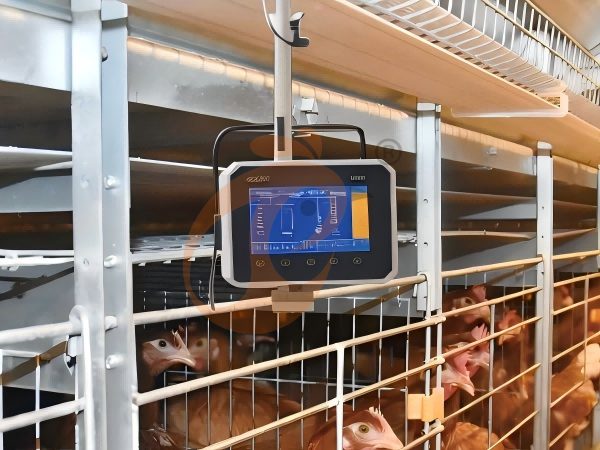
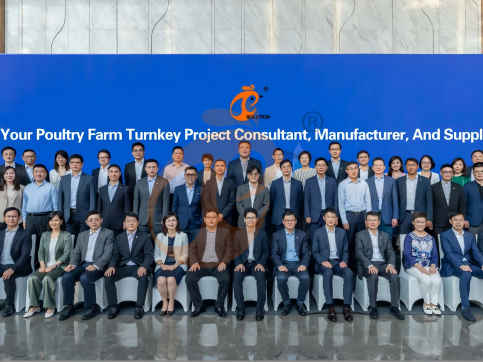
Hong Kong Headquarter Management Team
Hong Kong Headquarter Taiyu Industrial Group CO., LTD
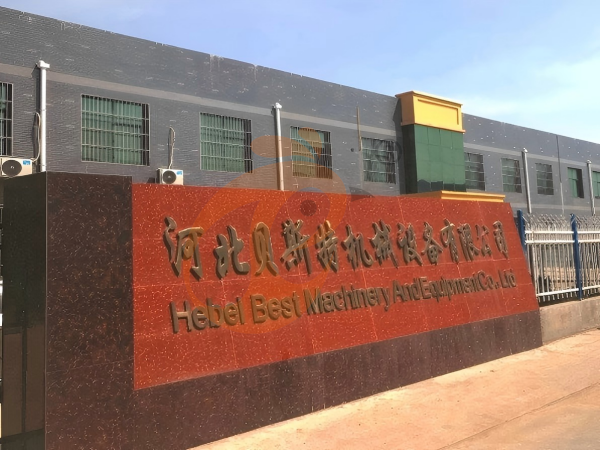
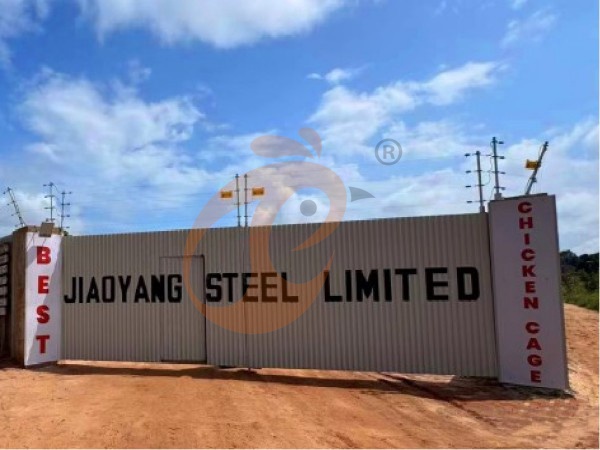
China Hebei Best Machinery And Equipment CO., LTD
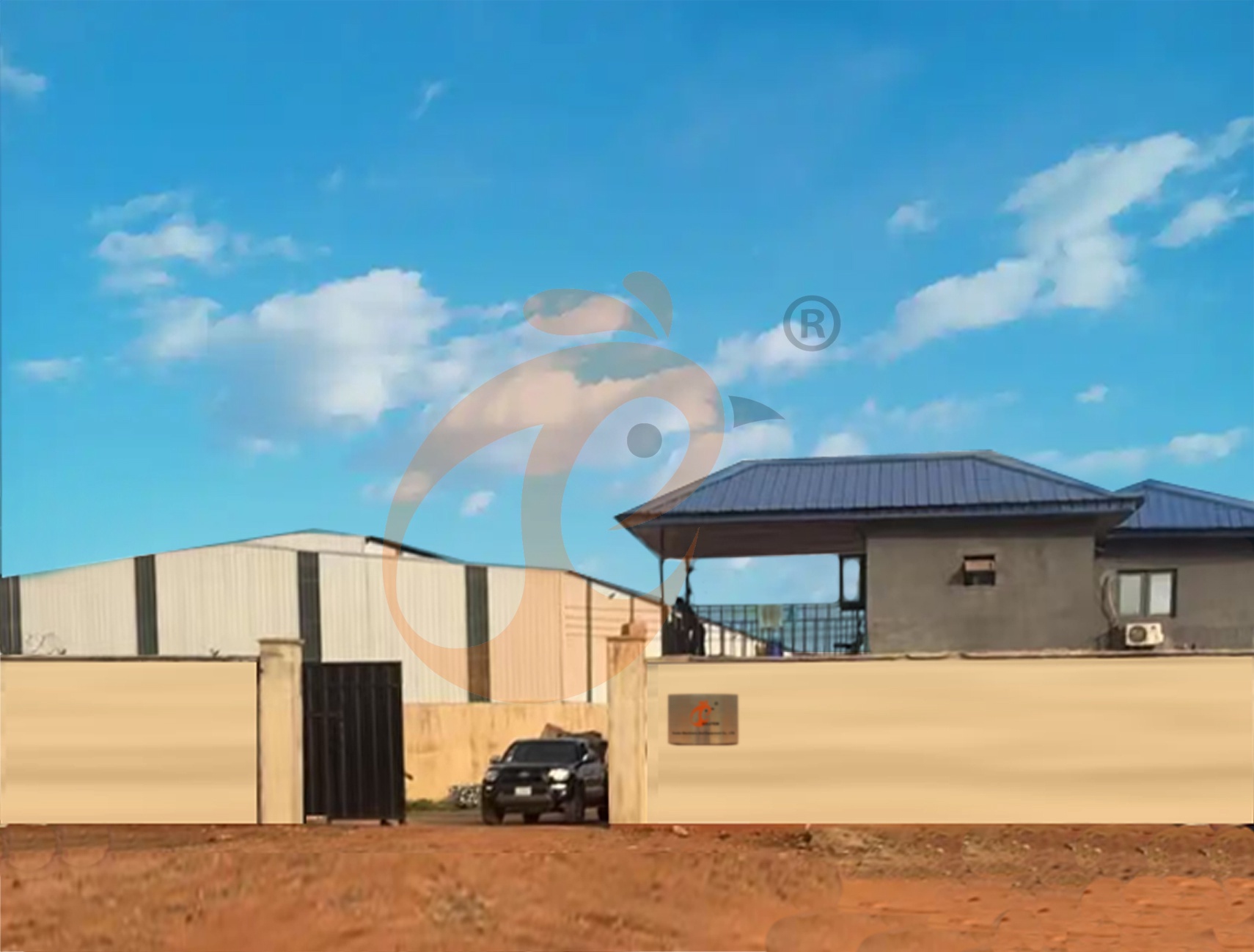
Nigeria Vanke Machinery And Equipment CO., LTD
Tanzania Best Machinery And Equipment CO., LTD
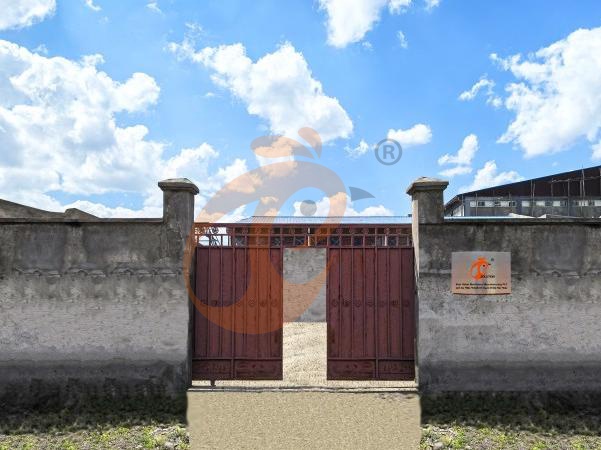
Ethiopia Best Hebei Machinery Manufacturing PLC




Reception /24 WhatsApp NO. : +8618830120193
FAQ
What Feeding System Standards Are Required For Pellet Machine In Poultry Chicken Feed Production Lines?
Feeder capacity is designed at 1.2–2.5 tons per hour depending on raw material density.
Flow consistency deviation is maintained within ±2% for uniform pellet quality output.
What Maintenance And Wear Part Replacement Standards Apply To Pellet Machine?
Bearing replacement intervals typically occur every 12–18 months under continuous operation.
Gearbox oil change frequency is maintained at 1000–1500 operating hours for system reliability.
What Safety Protection Systems Are Integrated In Pellet Machine For Poultry Chicken Feed Production?
Emergency stop response time is maintained within 0.5–1.0 seconds for operational safety.
Vibration monitoring limits are set at 4.5–6.0 mm/s to prevent mechanical failure.
- poultry farm
- poultry farms
- pellet machine
- chicken farm
- cage
- poultry farm construction
- poultry equipment
- chickencage
- bestchickencage
- Nigeria
- poultry equipment supplier
- chicken feed system
- pellet machine manufacturer
- poultry farm plan
- poultry equipment suppliers
- poultry feed
- chicken feed
- poultry feed production
- Ethiopia
- Spring
Message
Products recommended
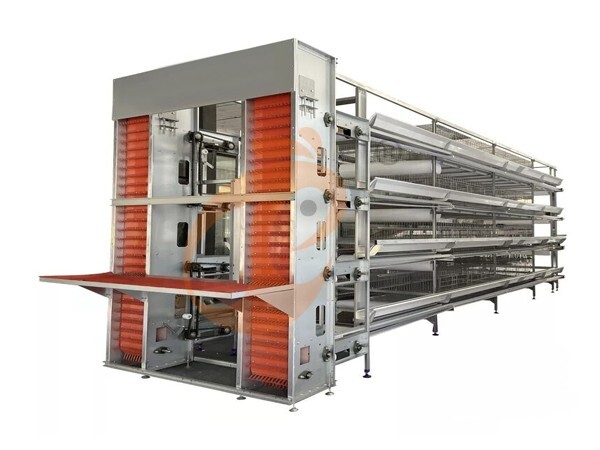
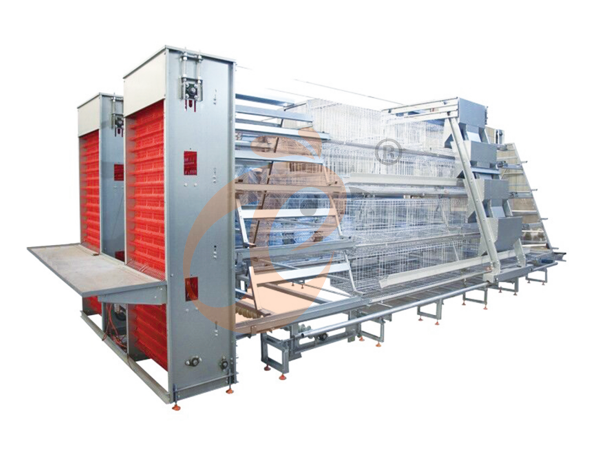
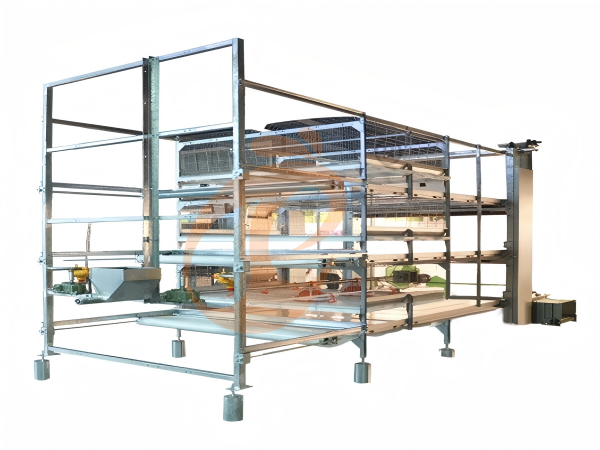
 >30,000 Pullets Automatic H Type Battery Cage1. More than 30,000 pullets a house, choose it.
2. It is designed to rearing older than 1 day old pullets to 12 to 16 weeks old chicken starting laying eggs.
3. Its lifespan is more than 25 years.
4. Its structure are Vcloud artificial intelligent fusion, electric control cabinet, automatic equipment of drinking, feeding, manure clean, manual harvesting.
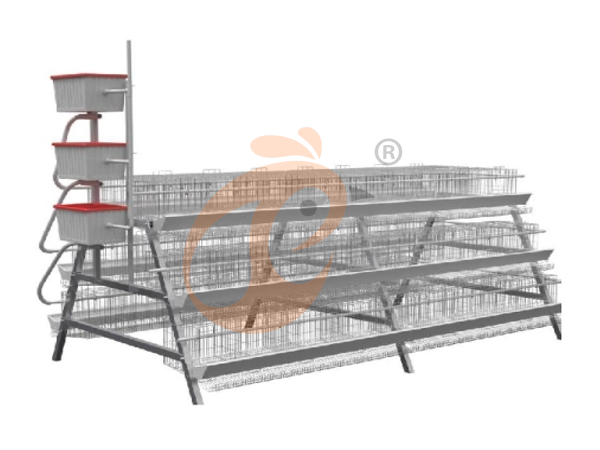
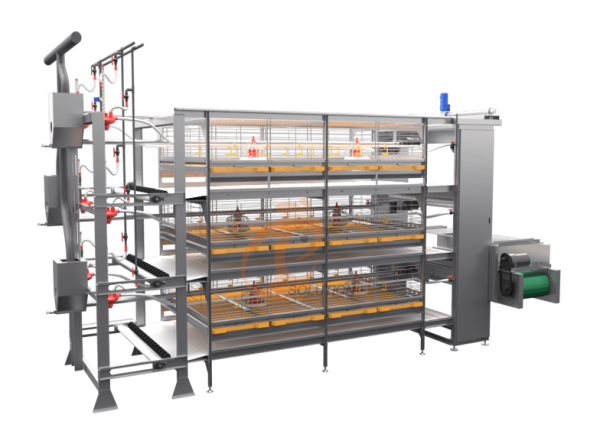
5. Our 24 hour online reception What’sApp NO. is +8618830120193 <30,000 Pullets Automatic A Type Battery Cage1. 10,000 to 30,000 pullets a house, choose it.
2. It is designed to rearing older than 1 day old pullets to 12 to 16 weeks old chicken starting laying eggs.
3. Its lifespan is more than 25 years.
4. Its structure are Vcloud artificial intelligent fusion, electric control cabinet, automatic equipment of drinking, feeding, manure clean, manual harvesting.
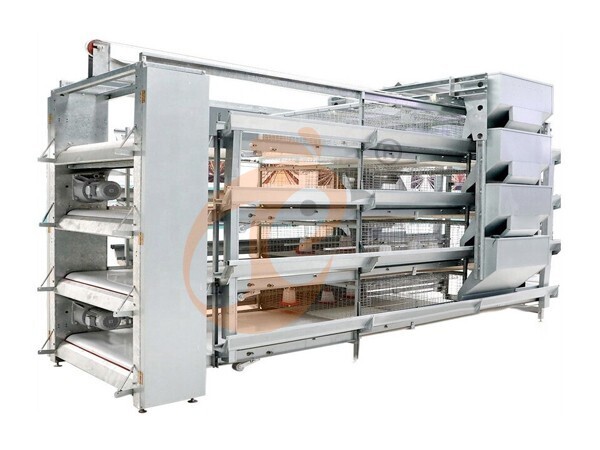
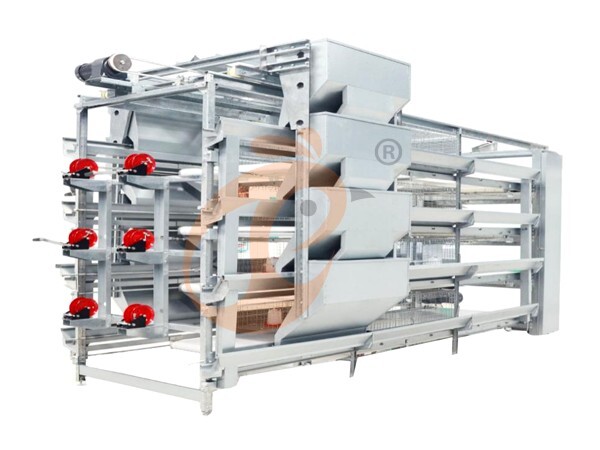
5. Our 24 hour online reception What’sApp NO. is +86 18830120193. >30,000 Broilers Semi-Automatic Harvest H Type Battery Cage1. More than 30,000 broilers a house, choose it.
2. It is designed to rearing 1 to 45 day old adult broiler ready for market.
3. Its lifespan is more than 20 years.
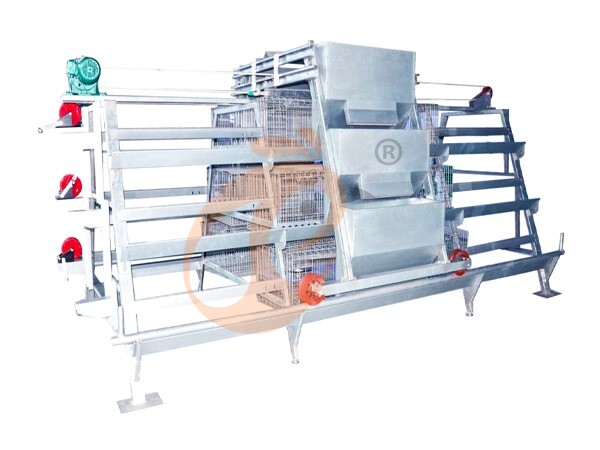
4. Our 24 hour online reception What’sApp NO. is +8618830120193, +234 8111199996. >30,000 Broilers Manual Harvest H Type Battery Cage1. More than 30,000 broilers a house, choose it.
2. It is designed to rearing 1 to 45 day old adult broiler ready for market.
3. Its lifespan is more than 20 years.
4. Its structure are Vcloud artificial intelligent fusion, electric control cabinet, automatic equipment of drinking, feeding and manure clean, manual harvesting.
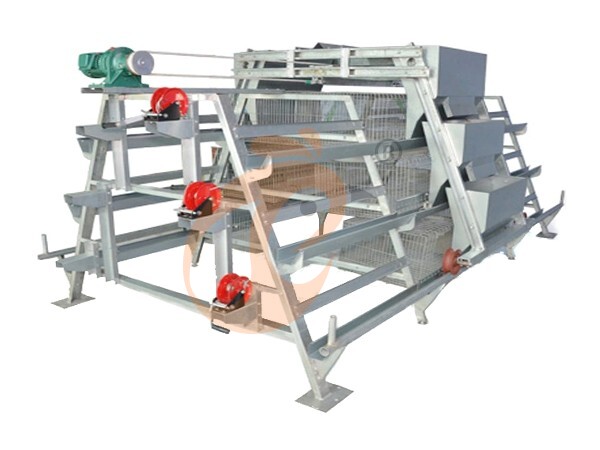
5. Our 24 hour online reception What’sApp NO. is +8618830120193, +234 8111199996. <30,000 Broilers Manual Harvest A Type Battery Cage1. Less 30,000 broilers a house, choose it.
2. It is designed to rearing 1 to 45 day old adult broiler ready for market.
3. Its lifespan is more than 20 years.
4. Its structure are Vcloud artificial intelligent fusion, electric control cabinet, automatic equipment of drinking, feeding and manure clean, manual harvesting.
5. Our 24 hour online reception What’sApp NO. is +8618830120193, +234 8111199996. HK Headquarter Offers EU-standard Poultry Farm Solutions, Manufacture Poultry Farm Equipment1. Continuous communication with the EU and the US
2. China, Nigeria, Ethiopia, Tanzania branch companies and factories
3. The products’ quality is customized for local poultry farms
4. Poultry cage and poultry farm equipment stock for sale
5. 24 online reception Whatsapp NO. : +8618830120193,contact us to get full information China Branch Offer Poultry Farm Business Plan, Manufacture Poultry Farm Equipment1. Address: Flat/RM 2416, 24/F, Runxing Building, Youyi Nan Street, Shijiazhuang City, Hebei Province, China
2. Poultry cage and poultry farm equipment factory and stock for sale
3. Customized for local poultry farms
4. Quality and design are based on Euro
5. 24 online reception Whatsapp NO. : +8618830120193 Nigeria Branch Offer Poultry Farm Business Plan, Manufacture Poultry Farm Equipment1. Address: After Sinoma Office, 200 Meters Near Danco Filling Station, Lagos/Ibadan Expressway, Lagos State, Nigeria
2. Poultry cage and poultry farm equipment factory and stock for sale
3. Customized for Nigerian poultry farms
4. Quality and design are based on Euro
5. 24 online reception Whatsapp NO. : +8618830120193 Ethiopia Branch Offer Poultry Farm Business Plan, Manufacture Poultry Farm Equipment1. Address: WR93+FQ2, Addis Ababa, Ethiopia
2. Poultry cage and poultry farm equipment stock for sale
3. Customized for Ethiopian poultry farms
4. Quality and design are based on Euro
5. 24 online reception Whatsapp NO. : +8618830120193, contact us to get price list Tanzania Branch Offer Poultry Farm Business Plan, Manufacture Poultry Farm Equipment1. Address: No.8, Sova Road, Msufini, Mlandizi, Kibaha, Pwani, Tanzania
2. Poultry cage and poultry farm equipment factory and stock for sale
3. Customized for Tanzanian poultry farms
4. Quality and design are based on Euro
5. 24 online reception Whatsapp NO. : +8618830120193



Contact
By clicking 'Allow All', you agree to the storage of cookies on your device to enhance site navigation, analyze site usage and assist with our marketing efforts.