


Blog
Poultry equipment energy saving tips guide focuses cage systems ventilation lighting feeding integration reducing operational consumption across commercial poultry farms
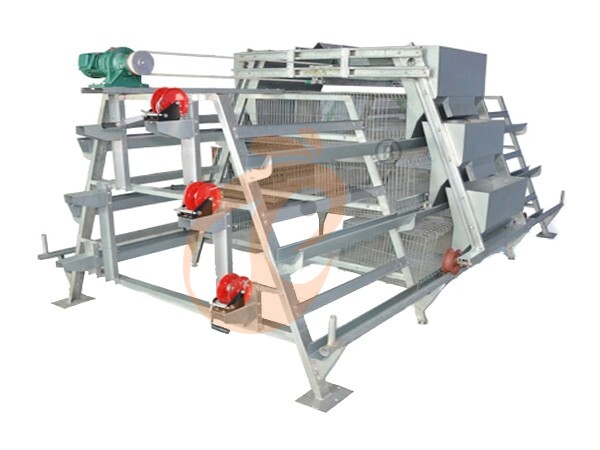
Chicken cage system energy efficiency improves productivity through automated manure removal motors sensors data control reducing electricity waste in houses
Poultry house ventilation optimization balances airflow temperature humidity ensuring bird health lowering fan runtime stabilizing internal environment conditions efficiency systems
Integrated poultry equipment combines feeding lighting watering systems centralized control improving farm automation reducing labor cost and maintenance complexity efficiency
Modern poultry farms adopt modular cage equipment designs supporting scalability durability energy management predictive monitoring enhancing overall production stability results
Get professional poultry farm construction guidance, equipment selection solutions, and the latest price lists, whatsApp to +8618830120193, click to learn more:
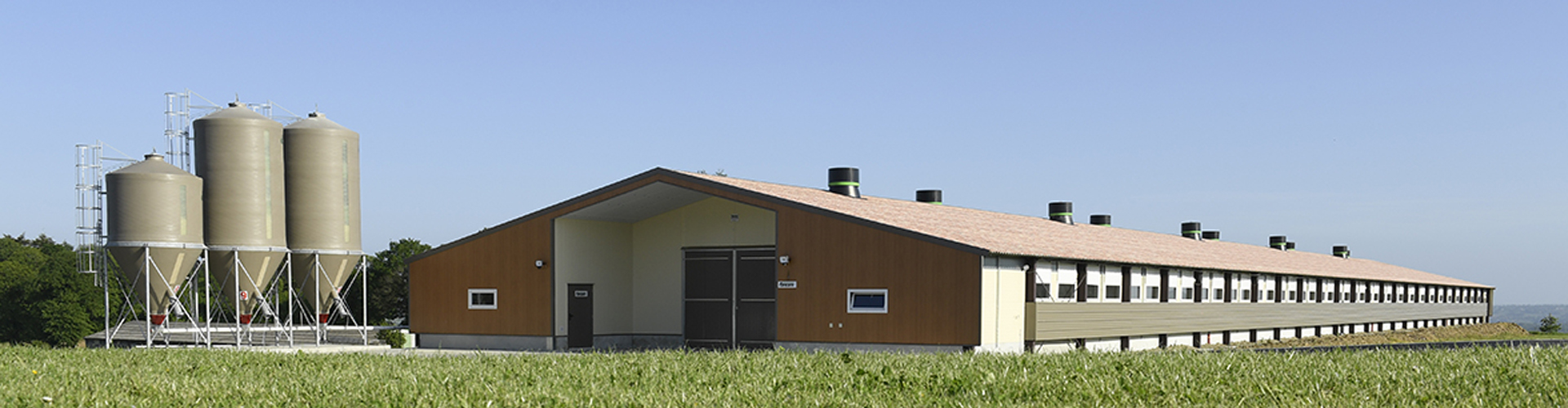
Chicken Cage System Energy Efficiency Baseline Data
This section evaluates core mechanical loads in cage-layer environments where continuous operation drives stable but significant
baseline consumption patterns across systems.
Data is for reference only. Swipe horizontally to view full table.
Energy distribution above reflects how continuous control modules dominate consumption rather than intermittent mechanical units,
especially in fully automated cage houses.
Poultry House Ventilation Optimization In Poultry Houses
Airflow regulation directly influences thermal stability and feed conversion efficiency, making fan system calibration a central engineering
focus in poultry housing design.
Data is for reference only. Swipe horizontally to view full table.
The configuration patterns demonstrate how moderate geometric adjustments in fan systems can significantly reshape airflow efficiency and internal air exchange balance.
Heating System Efficiency In Poultry Houses
Thermal regulation systems determine chick survival rates and early-stage growth uniformity, requiring precise energy-to-heat conversion
management across seasons.
Data is for reference only. Swipe horizontally to view full table.
Stable heat distribution results show that system architecture plays a greater role than raw output in maintaining uniform barn temperature conditions.
Lighting Efficiency In Cage Layer Systems
Lighting control defines circadian rhythm regulation in laying hens, directly influencing egg production consistency and behavioral stability
across production cycles.
Data is for reference only. Swipe horizontally to view full table.
Lighting dispersion patterns illustrate how spatial arrangement influences electrical load distribution more significantly than individual fixture output levels.
Feeding Automation And Energy Control
Feed delivery systems operate under cyclical mechanical stress, where torque balance and speed consistency determine both energy
consumption and distribution accuracy.
Data is for reference only. Swipe horizontally to view full table.
Mechanical synchronization across feed cycles ensures reduced idle torque peaks and smoother motor load distribution in continuous
operation environments.
Water Supply System Efficiency In Poultry Housing
Hydration networks require pressure consistency to ensure uniform nipple activation, directly affecting flock hydration balance and
biosecurity performance.
Data is for reference only. Swipe horizontally to view full table.
Water distribution stability ensures consistent intake behavior across cages, reducing variability in growth patterns caused by uneven supply pressure.
Scientific Explanation Of Energy Flow In Poultry Houses
Energy inside poultry systems transfers through electrical, mechanical, thermal, and photonic conversions.
Cage motors transform electrical input into movement for feeding and manure transport.
Ventilation units regulate heat exchange affecting heating load stability.
Lighting schedules influence behavioral rhythms, indirectly controlling feeding motor cycles.
Environmental feedback loops continuously adjust system demand, creating interdependent energy behavior across poultry house
infrastructure.
Building Insulation And Structural Energy Control
Structural envelope performance determines how effectively internal heat is retained, influencing overall system workload across heating and ventilation components.
Data is for reference only. Swipe horizontally to view full table.
Thermal resistance data highlights how material layering strategy directly reduces energy leakage across large-scale poultry house structures.
Five Practical Energy Saving Steps For Poultry Farms
Variable speed ventilation adjustment reduces unnecessary fan power consumption during partial load conditions
Coordinated lighting and feeding cycles minimize idle mechanical operation across cage layer systems
Multi-layer insulation panels improve internal temperature stability in poultry house structures
Modular heating units allow precise thermal adjustment across different growth stages
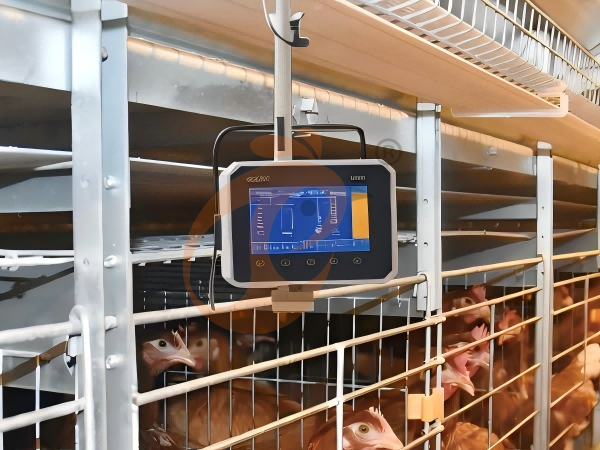
Centralized control cabinets synchronize all poultry equipment for unified energy distribution efficiency
Integrated Poultry Equipment Solutions From Our Company
Our engineering scope covers chicken cage systems, automated feeding lines, ventilation units, and manure removal structures.
System integration ensures stable energy distribution across poultry facilities.
Equipment pricing reference level starts at 18,500 USD per 10,000-bird house configuration European union standard reference only
Global factory direct supply supports standardized poultry equipment manufacturing with consistent output quality control.
Turn-key engineering service includes design, fabrication, installation, and commissioning for poultry house projects worldwide.
Large-scale production capacity enables rapid delivery cycles for commercial poultry cage systems.
Export-oriented manufacturing ensures compliance with international agricultural engineering standards and project scalability.
Frequently Asked Questions
Q1: How does cage system energy consumption distribute across equipment?
Most energy concentrates in control systems and continuous monitoring devices, reaching around 216.0 kilowatt hour monthly in dense installations.
Q2: What ventilation parameter most affects electricity usage?
Fan speed combined with pressure resistance determines load variation, where 1500 rpm setups significantly increase operational demand.
Q3: Can insulation reduce heating system workload effectively?
Yes, lower leakage rates near 12 cubic meter per hour improve thermal retention and reduce heater runtime by noticeable margin.
Taiyu (HK) Group - One Of China Biggest Poultry Equipment Manufacturer
Chicken cage systems engineered for high-density commercial poultry houses with modular automation structure design and stable mechanical operation output
Global factory direct sales network covering Asia Europe Africa poultry equipment projects ensuring standardized production consistency across all markets
Turn-key poultry engineering solutions including planning installation commissioning supporting large scale industrial poultry farm construction worldwide
Integrated ventilation feeding drinking manure removal systems designed for efficiency optimization across modern poultry production environments
Advanced manufacturing capability supporting customized cage systems export projects with strict structural durability and long-term operational stability
Contact Us To Received Your Customized Poultry Farm Plan
Headquarters And Branchs
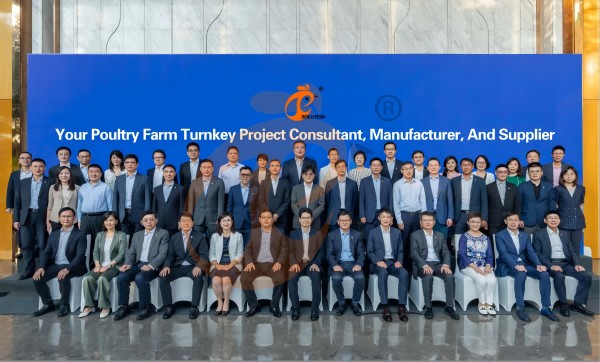
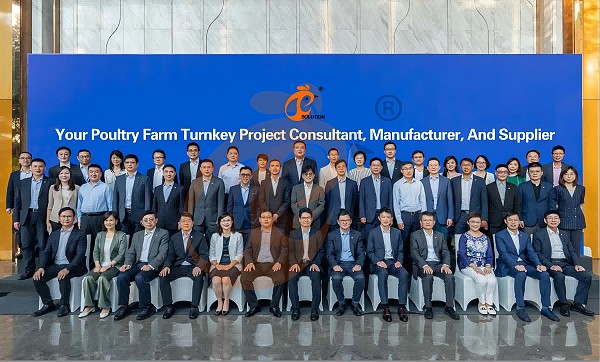
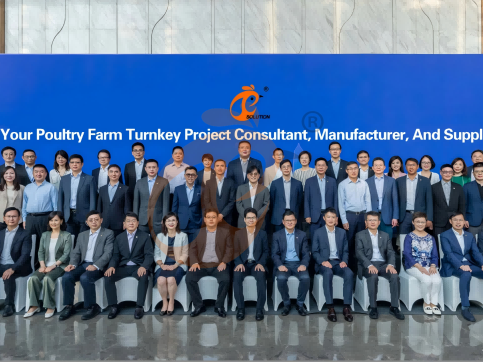
Hong Kong Headquarter Management Team
Hong Kong Headquarter Taiyu Industrial Group CO., LTD
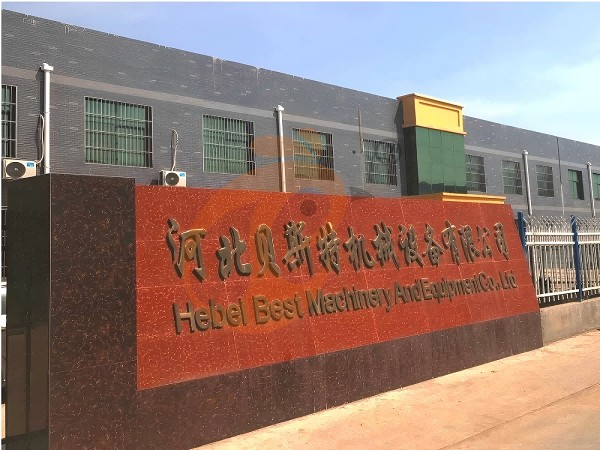
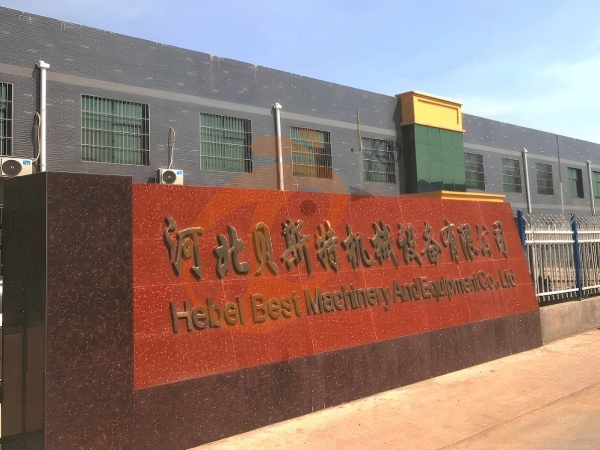
China Hebei Best Machinery And Equipment CO., LTD
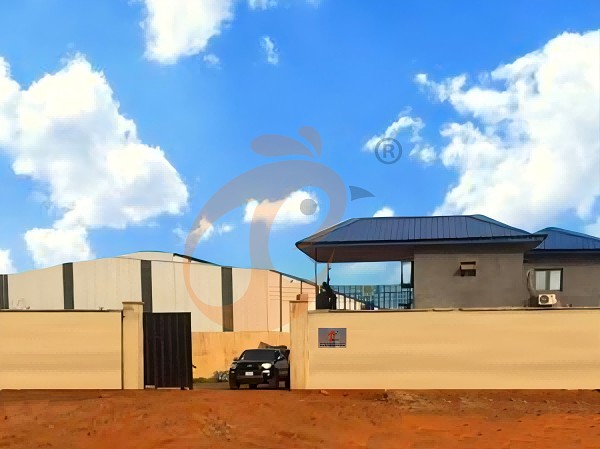
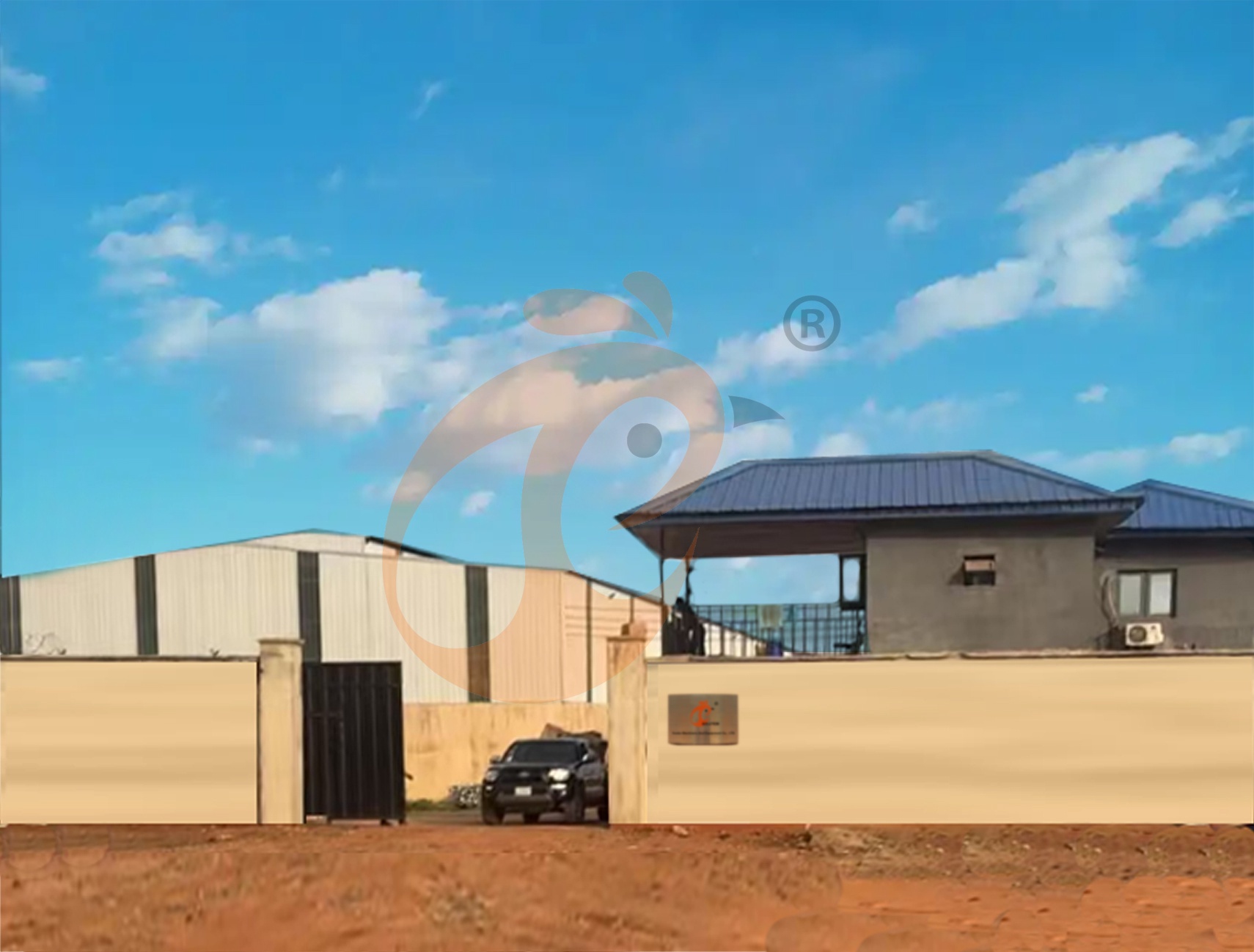
Nigeria Vanke Machinery And Equipment CO., LTD
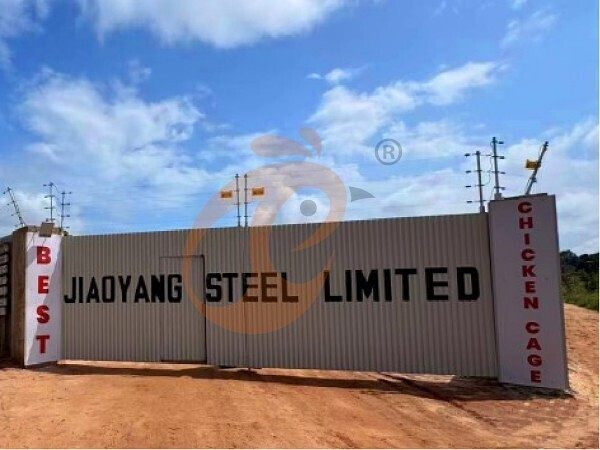
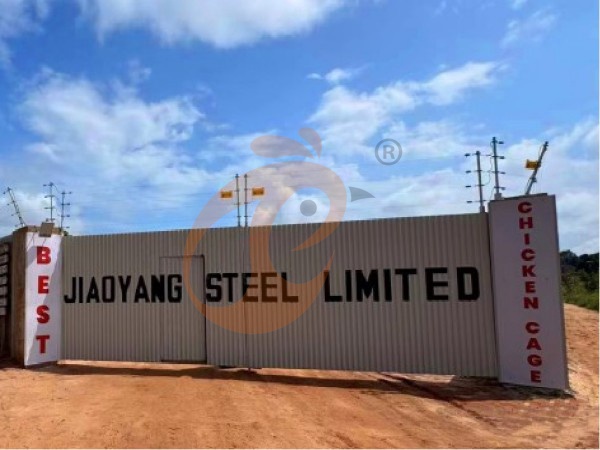
Tanzania Best Machinery And Equipment CO., LTD
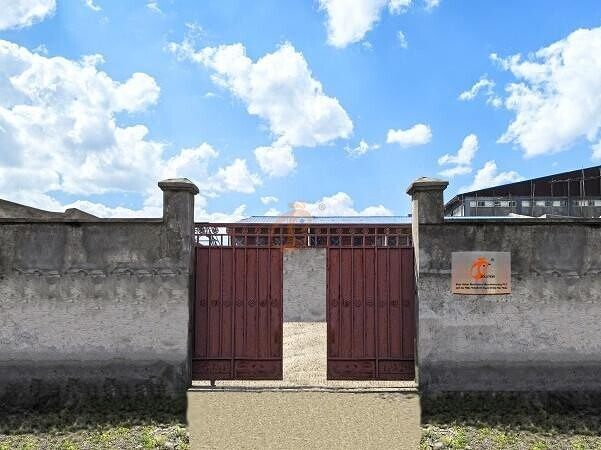
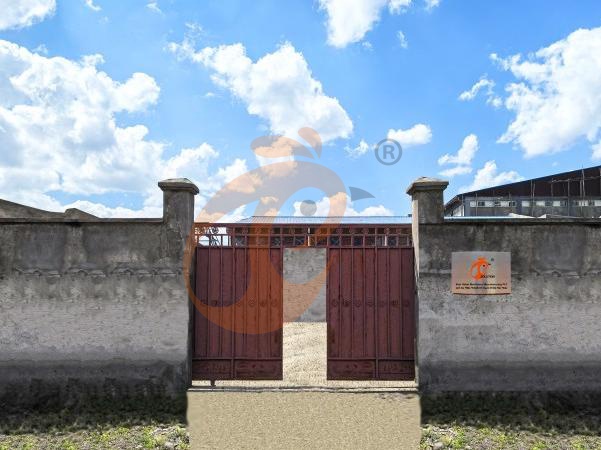
Ethiopia Best Hebei Machinery Manufacturing PLC
Reception /24 WhatsApp NO. : +8618830120193
FAQ
How Is Automation Applied In Complete Poultry Equipment?
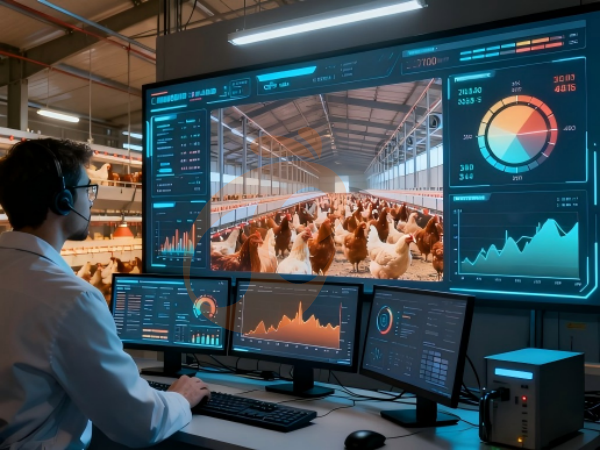
Sensor monitoring networks collect environmental data every 5–20 seconds for continuous management accuracy.
Remote monitoring platforms support 24-hour equipment supervision improving operational reliability and response efficiency.
Which Environmental Control Functions Are Managed By Complete Poultry Equipment?
Temperature regulation equipment controls indoor conditions within 18–30°C for optimized poultry growth.
Humidity management systems stabilize relative humidity between 55%–70% reducing respiratory disease risks.
What Installation And Structural Standards Are Required For Complete Poultry Equipment In Poultry Chicken Farms?
Equipment support structures withstand 500–1200 kg load capacity ensuring long-term operational stability.
System installation precision is controlled within ±10 mm reducing mechanical deviation and operational wear.
- poultry farm
- chicken cage
- poultry farms
- poultry house
- poultry cage
- cage
- poultry farm construction
- poultry cage system
- chicken cage system
- poultry house ventilation
- poultry housing design
- poultry equipment
- manure scraper
- manure removal system
- chickencage
- bestchickencage
- cage system
- cage layer
- cage systems
- Nigeria
- modern poultry farms
- commercial poultry farms
- poultry equipment manufacturer
- poultry cage systems
- modern poultry farm
- automated manure removal
- poultry farm plan
- Ethiopia
Message
Products recommended
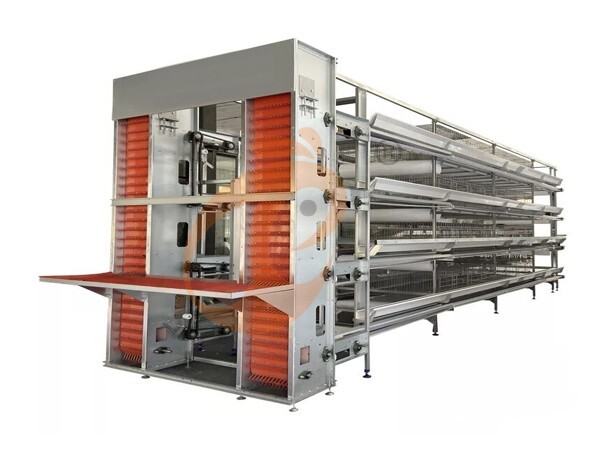
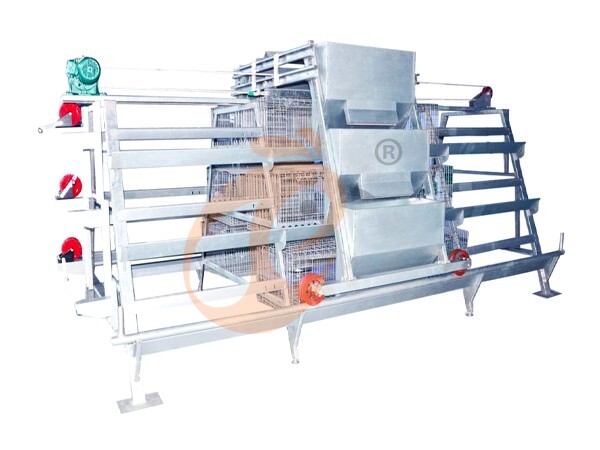
 >30,000 Pullets Automatic H Type Battery Cage1. More than 30,000 pullets a house, choose it.
2. It is designed to rearing older than 1 day old pullets to 12 to 16 weeks old chicken starting laying eggs.
3. Its lifespan is more than 25 years.
4. Its structure are Vcloud artificial intelligent fusion, electric control cabinet, automatic equipment of drinking, feeding, manure clean, manual harvesting.
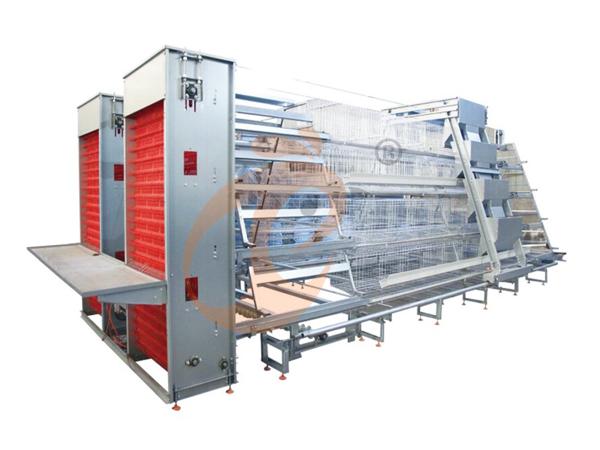
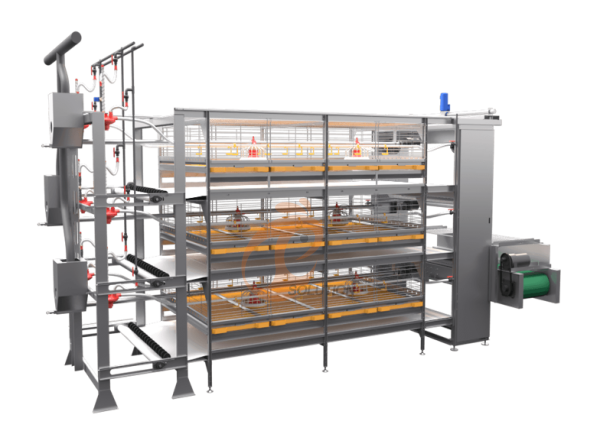
5. Our 24 hour online reception What’sApp NO. is +8618830120193 <30,000 Pullets Automatic A Type Battery Cage1. 10,000 to 30,000 pullets a house, choose it.
2. It is designed to rearing older than 1 day old pullets to 12 to 16 weeks old chicken starting laying eggs.
3. Its lifespan is more than 25 years.
4. Its structure are Vcloud artificial intelligent fusion, electric control cabinet, automatic equipment of drinking, feeding, manure clean, manual harvesting.
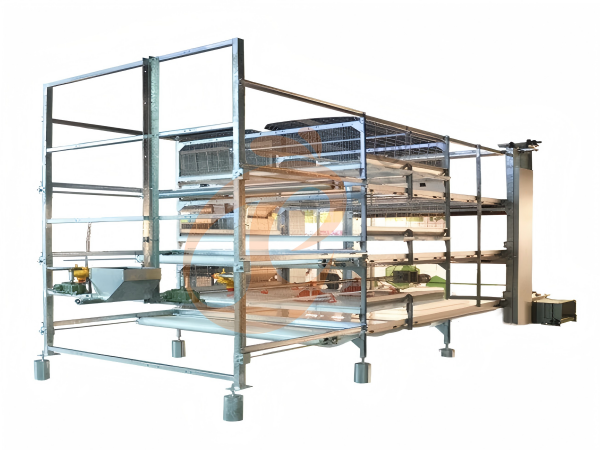
5. Our 24 hour online reception What’sApp NO. is +86 18830120193. >30,000 Broilers Semi-Automatic Harvest H Type Battery Cage1. More than 30,000 broilers a house, choose it.
2. It is designed to rearing 1 to 45 day old adult broiler ready for market.
3. Its lifespan is more than 20 years.
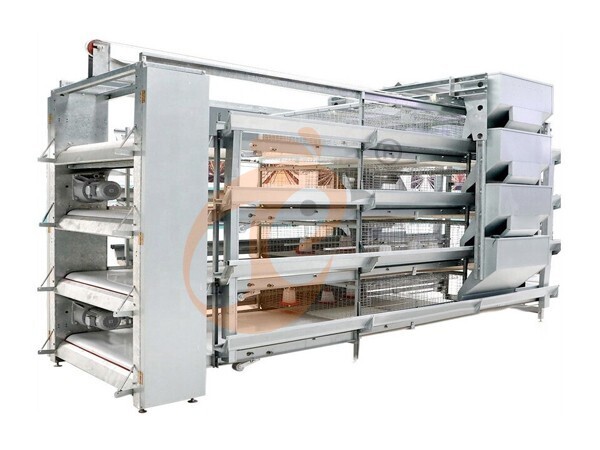
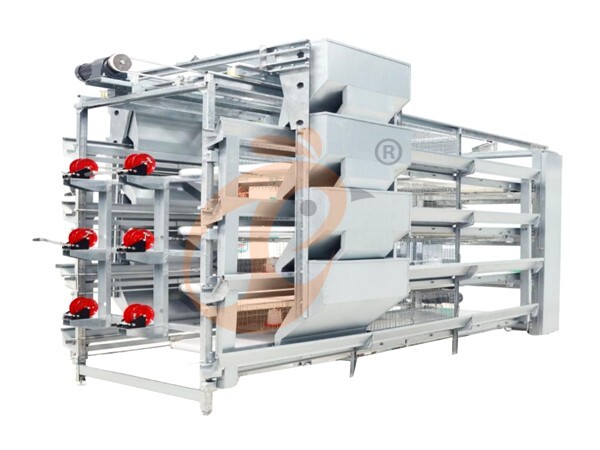
4. Our 24 hour online reception What’sApp NO. is +8618830120193, +234 8111199996. >30,000 Broilers Manual Harvest H Type Battery Cage1. More than 30,000 broilers a house, choose it.
2. It is designed to rearing 1 to 45 day old adult broiler ready for market.
3. Its lifespan is more than 20 years.
4. Its structure are Vcloud artificial intelligent fusion, electric control cabinet, automatic equipment of drinking, feeding and manure clean, manual harvesting.
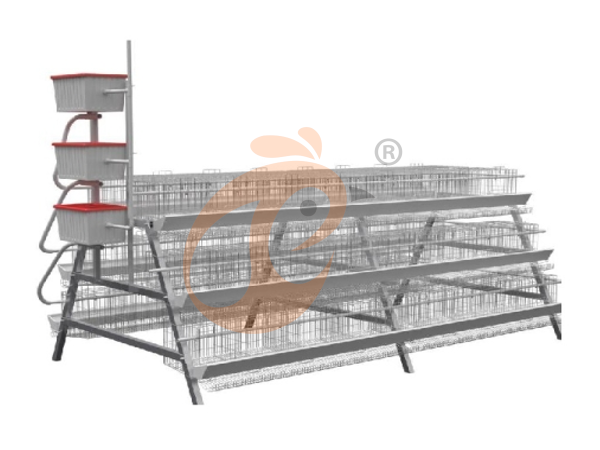
5. Our 24 hour online reception What’sApp NO. is +8618830120193, +234 8111199996. <30,000 Broilers Manual Harvest A Type Battery Cage1. Less 30,000 broilers a house, choose it.
2. It is designed to rearing 1 to 45 day old adult broiler ready for market.
3. Its lifespan is more than 20 years.
4. Its structure are Vcloud artificial intelligent fusion, electric control cabinet, automatic equipment of drinking, feeding and manure clean, manual harvesting.
5. Our 24 hour online reception What’sApp NO. is +8618830120193, +234 8111199996. HK Headquarter Offers EU-standard Poultry Farm Solutions, Manufacture Poultry Farm Equipment1. Continuous communication with the EU and the US
2. China, Nigeria, Ethiopia, Tanzania branch companies and factories
3. The products’ quality is customized for local poultry farms
4. Poultry cage and poultry farm equipment stock for sale
5. 24 online reception Whatsapp NO. : +8618830120193,contact us to get full information China Branch Offer Poultry Farm Business Plan, Manufacture Poultry Farm Equipment1. Address: Flat/RM 2416, 24/F, Runxing Building, Youyi Nan Street, Shijiazhuang City, Hebei Province, China
2. Poultry cage and poultry farm equipment factory and stock for sale
3. Customized for local poultry farms
4. Quality and design are based on Euro
5. 24 online reception Whatsapp NO. : +8618830120193 Nigeria Branch Offer Poultry Farm Business Plan, Manufacture Poultry Farm Equipment1. Address: After Sinoma Office, 200 Meters Near Danco Filling Station, Lagos/Ibadan Expressway, Lagos State, Nigeria
2. Poultry cage and poultry farm equipment factory and stock for sale
3. Customized for Nigerian poultry farms
4. Quality and design are based on Euro
5. 24 online reception Whatsapp NO. : +8618830120193 Ethiopia Branch Offer Poultry Farm Business Plan, Manufacture Poultry Farm Equipment1. Address: Gelan Gura, Akaki-kaliti Sub City, Addis Ababa, Ethiopia
2. Poultry cage and poultry farm equipment stock for sale
3. Customized for Ethiopian poultry farms
4. Quality and design are based on Euro
5. 24 online reception Whatsapp NO. : +8618830120193, contact us to get price list Tanzania Branch Offer Poultry Farm Business Plan, Manufacture Poultry Farm Equipment1. Address: No.8, Sova Road, Msufini, Mlandizi, Kibaha, Pwani, Tanzania
2. Poultry cage and poultry farm equipment factory and stock for sale
3. Customized for Tanzanian poultry farms
4. Quality and design are based on Euro
5. 24 online reception Whatsapp NO. : +8618830120193


Contact