


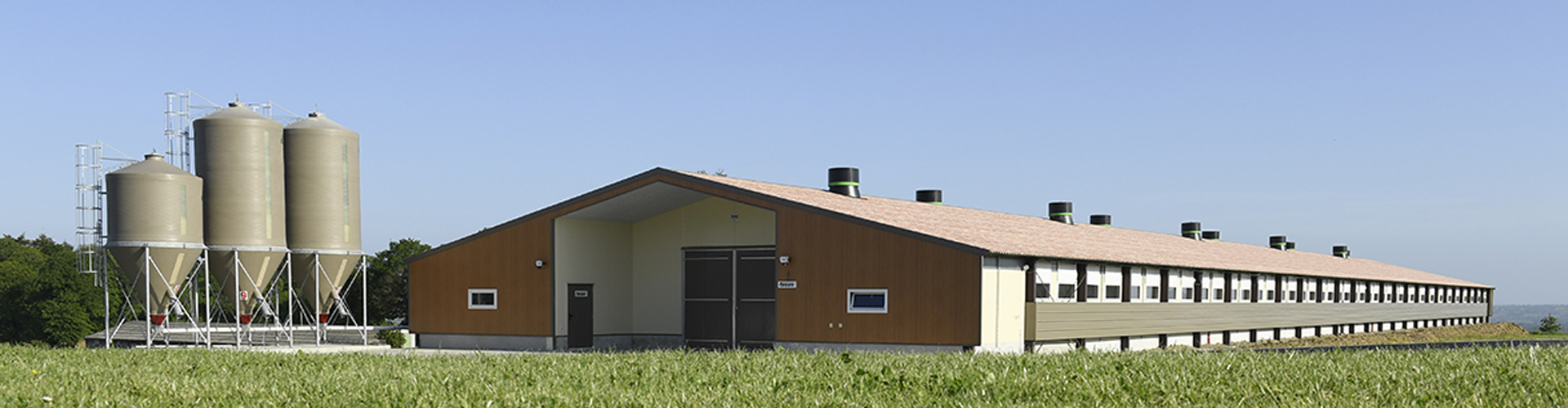
Blog
- Poultry equipment can reduce feed, water, energy, labor, and maintenance expenses across commercial houses operating 16–20 hours daily.
Automatic feeding systems improve resource allocation while supporting production cycles commonly lasting 35–56 days.
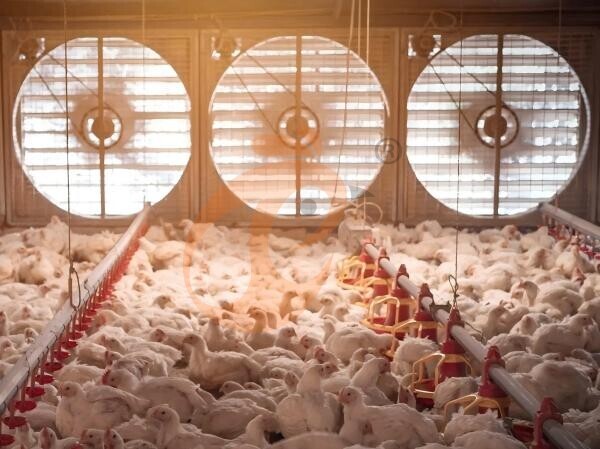
Poultry house equipment combines ventilation, cooling, heating, drinking, lighting, and manure systems for houses containing 10,000–50,000 birds.
Integrated controls coordinate operations across facilities covering approximately 1,000–2,500 m² per house.
- Proper equipment selection connects technical specifications with long-term profitability across standardized poultry projects.
Get professional poultry farm construction guidance, equipment selection solutions, and the latest price lists, whatsApp to +8618830120193, click to learn more:
Operating Cost Control Starts With Equipment Efficiency
A poultry farm does not reduce operating costs simply by purchasing equipment at a lower initial price.
Poultry equipment should reduce feed, water, electricity, labor, and maintenance resources required to produce each kilogram of poultry output, with houses commonly operating 16–20 hours daily.
For poultry equipment manufacturers and commercial farm investors, equipment selection should focus on measurable operating expenditure.
Poultry house equipment can integrate feeding, drinking, ventilation, cooling, heating, lighting, and manure handling for houses containing 10,000–50,000 birds.
The following strategies focus on measurable equipment performance.
Poultry equipment selection should consider house dimensions, stocking density, local climate, electrical infrastructure, and production objectives.
Tip #1: Reduce Feed Loss With An Automated Feeding System
Feed management is one of the first areas where poultry equipment design influences operating expenditure.
Automatic feeding systems transport feed from storage to feeding locations while supporting programmed distribution across 4–8 feeding cycles daily.
The physical layout of the feed line is equally important.
Poultry house equipment installed across houses measuring 100–150 m in length may require multiple feeding circuits depending on bird capacity.
Manufacturers can configure poultry equipment according to house width, storage capacity, and production density.
Data is for reference only.Swipe horizontally to view full table.
Automatic feeding equipment creates a repeatable feed distribution process instead of continuous manual transportation.
A commercial automatic feeding system can support programmed operations lasting 20–60 minutes per feeding session, depending on line length and configuration.
Poultry equipment suppliers can provide different auger lengths, feed pans, sensors, and silo capacities for new and expanding farms.
Tip #2: Control Water Consumption Through Precision Drinking Equipment
Question: Where can a poultry farm lose water without immediately noticing?
The answer is often inside the drinking system itself.
Poultry equipment with leaks, unstable pressure, incorrectly positioned drinker lines, or damaged components can increase water usage throughout production.
A drinking system should therefore function as a controlled distribution network rather than simply a pipe with multiple drinkers.
Poultry house equipment can use pressure settings between 0.5 and 2.5 bar depending on drinking equipment and bird age.
Drinker line height should be adjusted as the flock grows, with adjustment ranges commonly reaching 0.5–1.5 m from floor level.
Data is for reference only.Swipe horizontally to view full table.
By integrating filtration, pressure regulation, flushing components, and automatic line management, poultry equipment manufacturers can provide a complete drinking solution.
A precision drinking system can maintain controlled distribution over lines extending 60–150 m, reducing repeated manual checks during daily operation.
Poultry equipment supports predictable water distribution while reducing routine inspection requirements.
Tip #3: Replace Manual Climate Decisions With Automatic Environmental Control
There are two ways to manage a poultry house environment.
Method A: Workers observe conditions, decide when equipment should operate, and manually switch systems on or off.
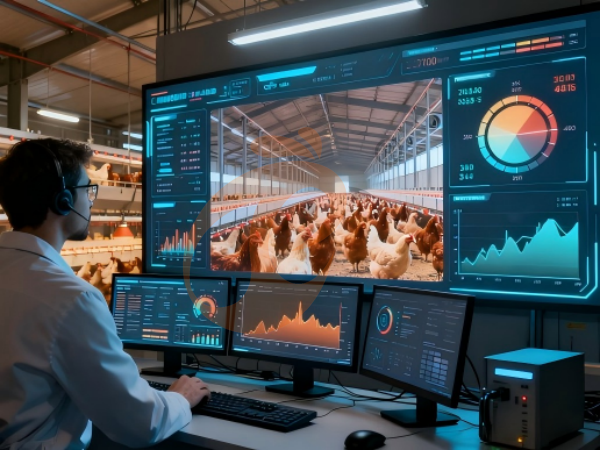
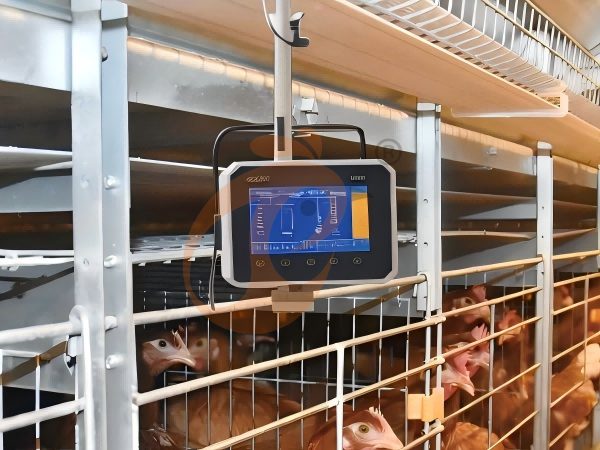
Method B: Poultry equipment sensors transmit environmental data to a controller that activates equipment according to programmed conditions.
Automatic control can respond within approximately 1–5 minutes, while poultry house equipment can distribute sensors across multiple environmental zones.
Temperature sensors can monitor different areas across houses exceeding 1,000–2,500 m².
The objective is not to operate every fan continuously.
Poultry equipment should activate ventilation stages according to actual house conditions, with staged operation commonly involving 4–12 levels.
Data is for reference only.Swipe horizontally to view full table.
A professional poultry equipment manufacturer can combine ventilation fans, cooling pads, air inlets, sensors, and environmental controllers into one management architecture.
Poultry equipment control logic can coordinate seasonal operating changes where outdoor temperature differences exceed 15°C.
Tip #4: Calculate Labor Requirements Before Choosing Automation
Imagine a farm operating six poultry houses.
Workers may inspect feeding equipment, check water lines, adjust ventilation, remove manure, and monitor environmental conditions every morning.
Poultry equipment automation can restructure these activities when each routine requires only 20–40 minutes per house.
Automation changes the structure of the workload.
Poultry house equipment can shift personnel toward flock observation, maintenance scheduling, biosecurity, and production management.
Equipment selection should consider repetitive actions eliminated during 6–10-week production schedules.
Data is for reference only.Swipe horizontally to view full table.
The economic value of automation extends beyond employee numbers.
Poultry equipment can reduce repetitive mechanical procedures throughout a 6–10-week production cycle.
For equipment manufacturers, automation converts daily manual procedures into programmed functions across 5–20 poultry houses.
Tip #5: Invest In Durable Equipment, Not Cheap Equipment
A poultry equipment investment should be evaluated over its operating life.
Consider a ventilation fan installed in a poultry house.
The purchase price represents only one part of the investment.
Poultry equipment operating costs also include electricity consumption, bearing replacement, belt maintenance, motor performance, and downtime.
An electrical motor operating for 8 hours per day over 300 days annually accumulates 2,400 operating hours.
A difference of only 0.2 kW in average power demand can create a measurable annual electricity difference across multiple poultry houses.
Data is for reference only.Swipe horizontally to view full table.
Durability should be supported by material specifications and service data.
Poultry equipment manufacturers can provide information about coatings, motors, bearings, control panels, structural materials, and replacement components.
For projects containing currency calculations, European union standard reference only applies, with all monetary values expressed in USD.
Tip #6: Use Integrated Equipment Instead Of Isolated Machines
A poultry house works best when poultry equipment works together.
Feeding, drinking, ventilation, cooling, heating, lighting, and manure management should operate as one production system.
An integrated poultry equipment solution allows manufacturers to coordinate electrical loads, equipment placement, and control logic before installation.
For a house with 4–12 ventilation stages, centralized programming can coordinate multiple fan groups without separate manual operation.
Data is for reference only.Swipe horizontally to view full table.
Integrated poultry house equipment simplifies project planning.
A complete poultry equipment system can coordinate mechanical systems, electrical distribution, and environmental control across cable routes extending 50–500 m.
The manufacturer can develop one coordinated solution covering mechanical systems, electrical distribution, environmental control, and installation requirements.
A Cost Problem Usually Begins With A Small Operational Problem
Consider this sequence
A small water leak → increased moisture → additional ventilation demand → higher fan operating time → greater electricity consumption.
Poultry equipment operating under continuous conditions can amplify secondary costs during 24-hour flock management periods.
Or:
Uneven feed delivery → inconsistent bird access → repeated manual intervention → additional labor hours.
Automatic poultry equipment can interrupt such operational chains through programmed control, with alarm response intervals commonly configured between 30 seconds and 5 minutes.
These examples demonstrate why poultry equipment should not be evaluated in isolation.
One operational problem can create secondary costs in other systems.
In a house with ventilation equipment totaling 20–60 kW of installed power, unnecessary operating time can influence electricity expenditure throughout the flock cycle.
A maintenance interruption lasting 2–6 hours may require immediate technical intervention depending on the affected equipment.
The most effective cost-reduction strategy is preventive.
Poultry equipment should be selected around measurable operating parameters before recurring problems affect production performance.
Build Your Equipment System Around Return On Investment
A useful investment decision can be broken into four questions:
Poultry equipment return on investment should include installation cost, operating expenditure, maintenance requirements, and replacement intervals rather than purchase price alone.
A system with an installation period of 7–21 days may have different project economics from a solution requiring 30–60 days of modification work.
Commercial poultry equipment projects can use annual operating records covering at least 12 months.
Data is for reference only.Swipe horizontally to view full table.
A professional poultry equipment manufacturer should provide equipment lists, layout drawings, technical specifications, electrical requirements, and estimated operating data.
Such poultry house equipment documentation helps farms evaluate investment decisions using project-specific numbers.
Build The Equipment Plan Around The Poultry House
A 120 m × 15 m poultry house does not require the same equipment configuration as a 150 m × 20 m house.
Poultry equipment selection must account for width, length, ceiling height, stocking density, climate, and bird type.
A ventilation system should consider total internal house volume rather than relying only on the number of fans.
If a house has an average internal height of 3.0–4.5 m, total air volume can differ significantly even when floor area is similar.
Data is for reference only.Swipe horizontally to view full table.
Customization is an important part of poultry equipment engineering.
A manufacturer providing layout engineering, equipment capacity calculations, and project-specific technical documentation can support different farm configurations.
What Should A Poultry Equipment Manufacturer Provide?
The difference between an equipment seller and a complete solution provider can be seen in project deliverables.
A commercial poultry project may require equipment layout drawings prepared according to building dimensions with tolerances of approximately ±50–100 mm.
Poultry equipment installation can involve cable routing distances of 50–500 m, depending on project scale and house quantity.
Data is for reference only.Swipe horizontally to view full table.
A professional poultry equipment manufacturer should support customers before, during, and after installation.
Poultry equipment projects can include pre-installation engineering, commissioning documentation, and technical support structured around project milestones of 7–21 days.
The objective is to provide a poultry house system that operates according to defined technical requirements rather than simply deliver individual products.
Turn Equipment Investment Into Long-Term Savings
Reducing poultry farm operating costs is not achieved by cutting corners.
Poultry equipment creates savings by eliminating waste and improving measurable operating efficiency.
The six key strategies are clear:
- Automate feeding to reduce feed waste.
- Improve drinking systems to control water consumption.
- Optimize environmental control to reduce energy use.
- Automate repetitive work to lower labor costs.
- Invest in durable equipment to reduce long-term maintenance.
- Integrate poultry house systems to improve overall efficiency.
For commercial poultry farms operating multiple houses, poultry equipment standardization can simplify maintenance and spare-parts management.
A project using the same controller architecture across 5–20 poultry houses can reduce the number of different electrical components technicians need to maintain.
For poultry equipment manufacturers, technical specifications provide a stronger commercial basis than general performance claims.
Automatic feeding systems, nipple drinking lines, ventilation fans, cooling pads, environmental controllers, heating equipment, lighting systems, and manure removal equipment can form a complete poultry equipment cost-control solution.
Frequently Asked Questions
Q1: What poultry equipment can reduce farm operating costs most effectively?
Automatic feeding systems, precision drinking systems, ventilation equipment, and environmental controllers address major recurring operating areas.
Poultry equipment can automate daily procedures across 4–12 ventilation stages and multiple feeding cycles.
Q2: How should poultry equipment return on investment be calculated?
Return on investment should include equipment investment, installation, electricity, labor, maintenance, and expected service life.
Poultry equipment projects can use annual operating records and payback calculations based on USD/project and USD/year values.
Q3: Why is integrated poultry equipment important for commercial farms?
Integrated poultry equipment allows feeding, drinking, ventilation, cooling, heating, lighting, and manure systems to operate through coordinated control logic.
Such poultry house equipment architecture is particularly useful when one project contains 5–20 houses with standardized operating requirements.
Taiyu (HK) Group - One Of China Biggest Poultry Equipment Manufacturer
Poultry equipment integrates automatic feeding, drinking, ventilation, cooling, heating, lighting, and manure systems, with configurations supporting houses of 10,000–50,000 birds.
Global factory direct sales provide poultry equipment packages with technical drawings, component specifications, electrical load planning, and production coordination.
Poultry equipment projects follow a Turn-key engineering structure covering manufacturing, layout planning, installation guidance, commissioning, and technical documentation.
International poultry equipment supply supports new construction, farm expansion, equipment replacement, and standardized multi-house production facilities.
Engineering support connects poultry equipment selection with house dimensions, climate conditions, stocking density, electrical capacity, and maintenance planning.
Contact Us To Received Your Customized Poultry Farm Plan
Headquarters And Branchs

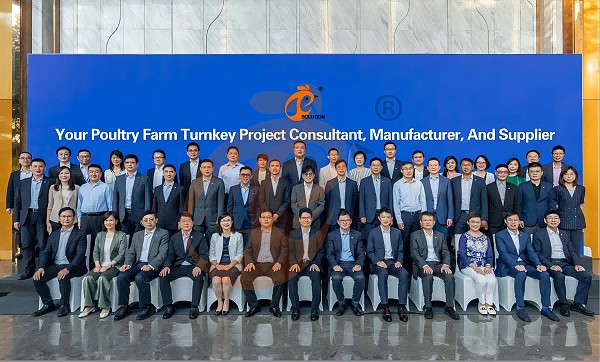
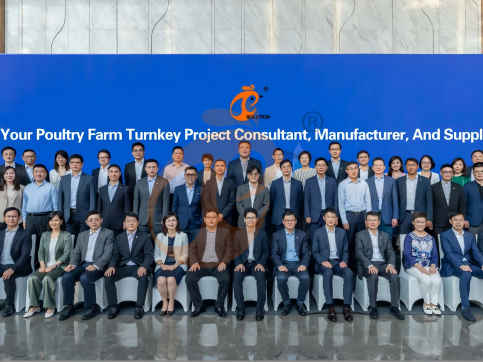
Hong Kong Headquarter Management Team
Hong Kong Headquarter Taiyu Industrial Group CO., LTD
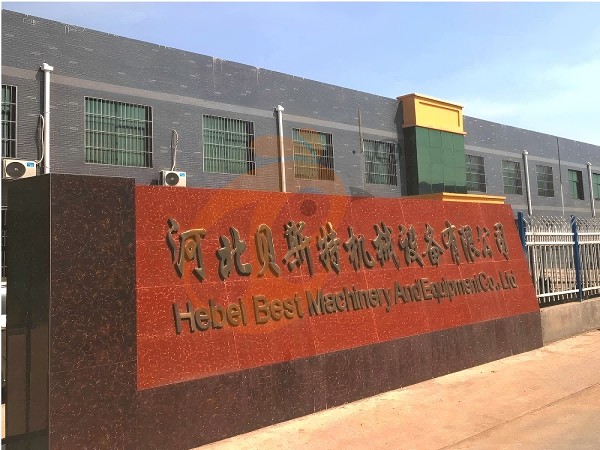
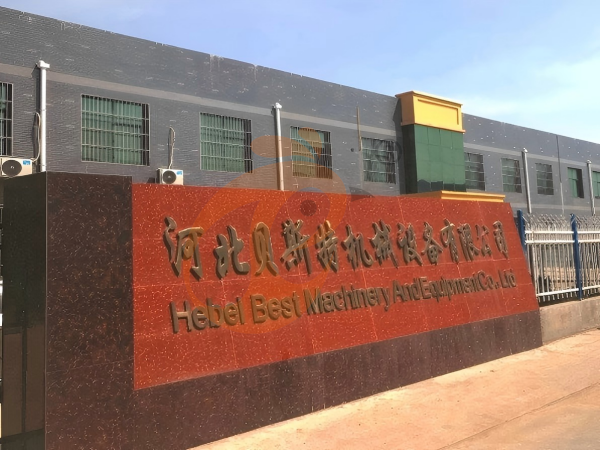
China Hebei Best Machinery And Equipment CO., LTD
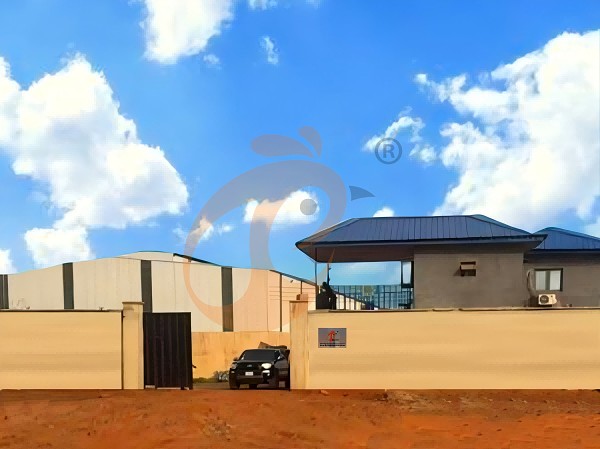
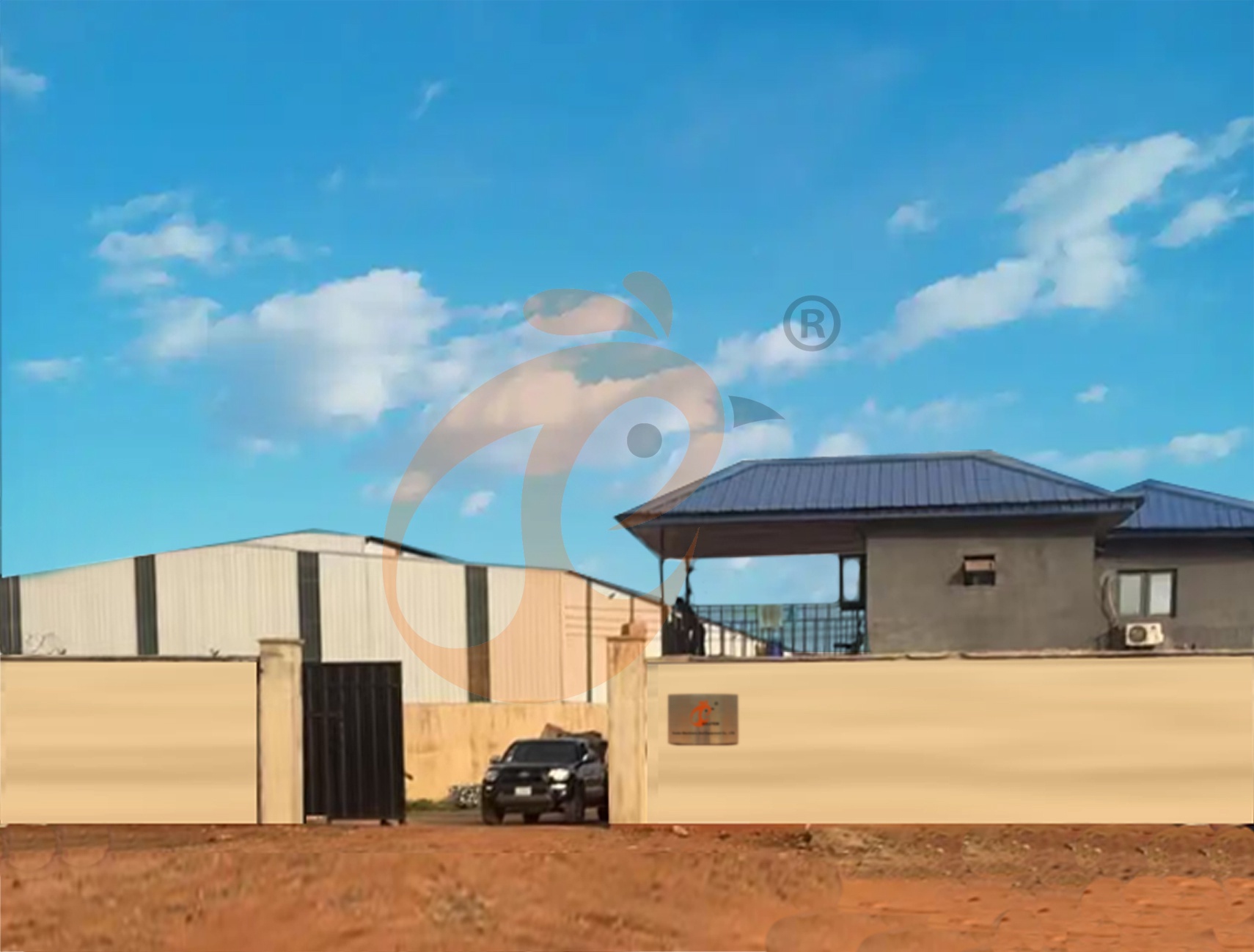
Nigeria Vanke Machinery And Equipment CO., LTD
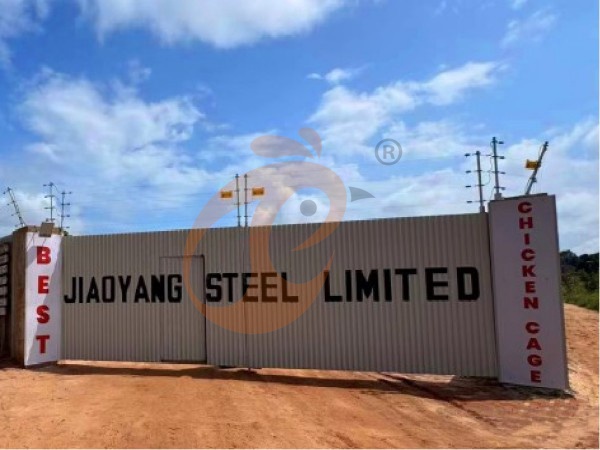
Tanzania Best Machinery And Equipment CO., LTD
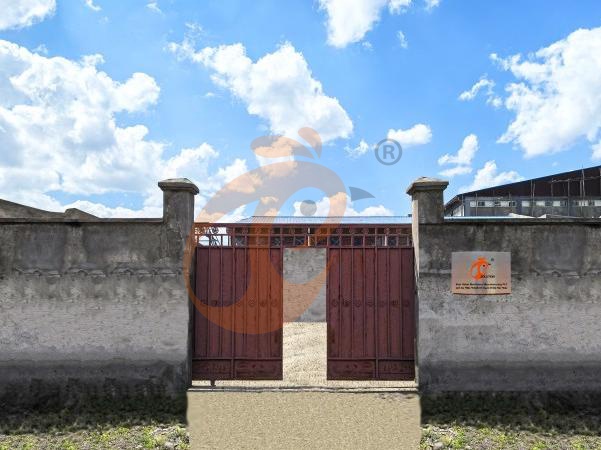
Ethiopia Best Hebei Machinery Manufacturing PLC
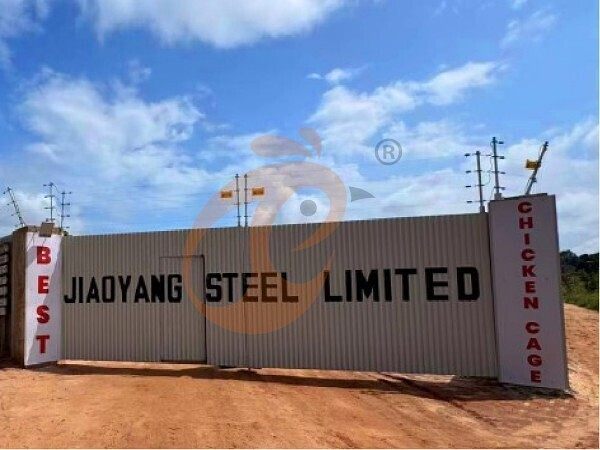
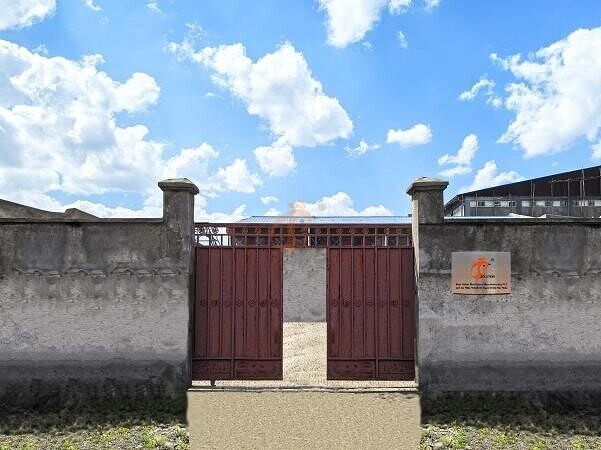
Reception /24 WhatsApp NO. : +8618830120193
FAQ
What Equipment Modules Are Included In Automatic Chicken Cage Poultry Equipment For Poultry Chicken Cage Systems?
Watering modules integrate pipelines rated for 16–20 mm diameter supporting stable distribution.
Manure belts utilize 1.0–1.2 mm thickness materials for continuous waste removal durability.
Which Structural Equipment Specifications Define Automatic Chicken Cage Poultry Equipment In Poultry Chicken Cage Systems?
Wire mesh spacing is maintained at 20–25 mm to support bird stability and waste separation.
Galvanization coating reaches 90–130 g/m² for corrosion resistance in high humidity environments.
What Drive System Equipment Parameters Are Used In Automatic Chicken Cage Poultry Equipment For Poultry Chicken Cage Farms?
Gear reducer ratio is configured between 1:20–1:40 for controlled mechanical output speed.
Transmission efficiency reaches 85%–92% minimizing energy loss during continuous operation.
- poultry farm
- poultry farms
- poultry house
- cage
- poultry farm construction
- poultry house equipment
- automatic feeding system
- poultry equipment
- manure removal equipment
- chickencage
- bestchickencage
- Nigeria
- commercial poultry farms
- poultry equipment supplier
- poultry house system
- poultry equipment manufacturer
- poultry farm plan
- poultry equipment suppliers
- feed silo
- feed silo capacity
- Ethiopia
Message
Products recommended
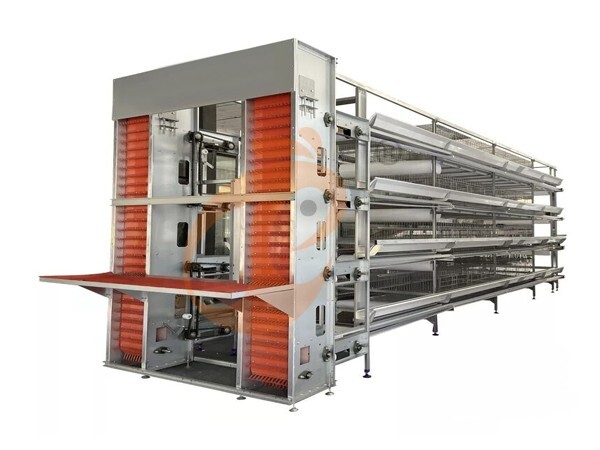
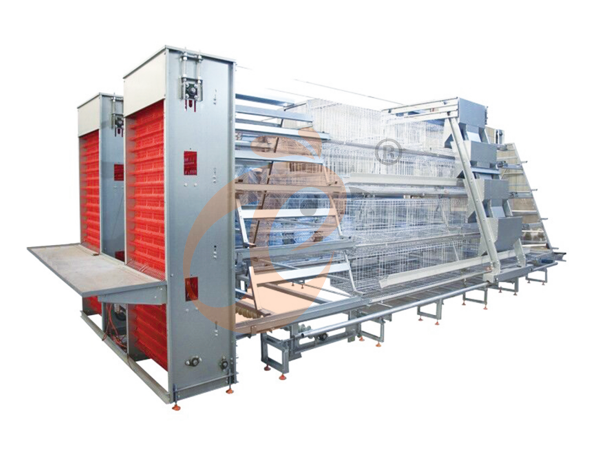
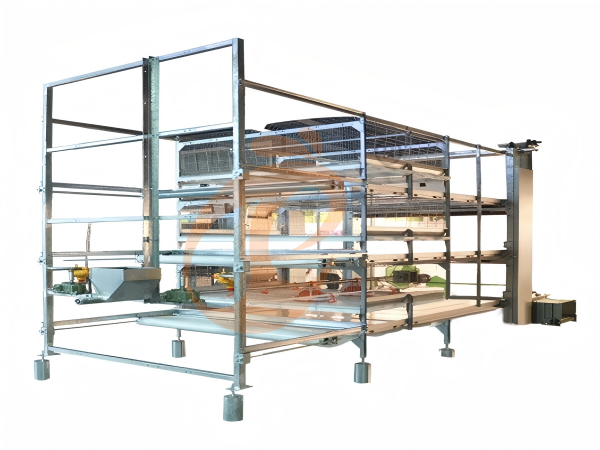
 >30,000 Pullets Automatic H Type Battery Cage1. More than 30,000 pullets a house, choose it.
2. It is designed to rearing older than 1 day old pullets to 12 to 16 weeks old chicken starting laying eggs.
3. Its lifespan is more than 25 years.
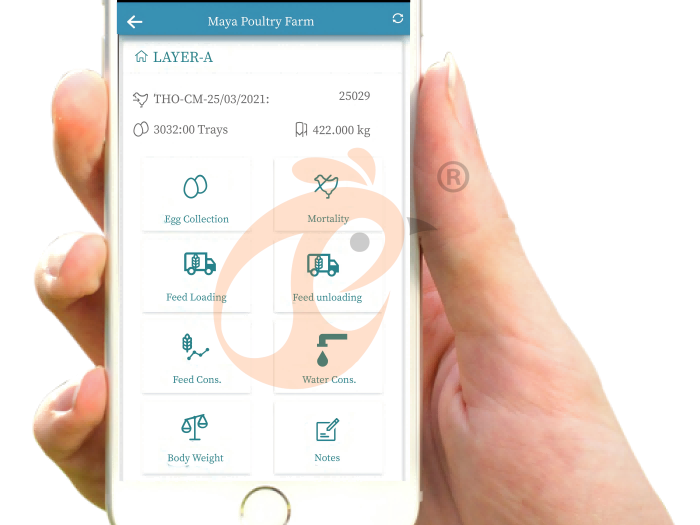
4. Its structure are Vcloud artificial intelligent fusion, electric control cabinet, automatic equipment of drinking, feeding, manure clean, manual harvesting.
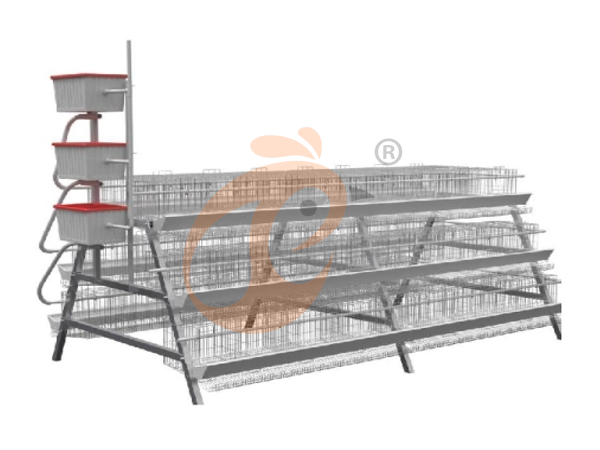
5. Our 24 hour online reception What’sApp NO. is +8618830120193 <30,000 Pullets Automatic A Type Battery Cage1. 10,000 to 30,000 pullets a house, choose it.
2. It is designed to rearing older than 1 day old pullets to 12 to 16 weeks old chicken starting laying eggs.
3. Its lifespan is more than 25 years.
4. Its structure are Vcloud artificial intelligent fusion, electric control cabinet, automatic equipment of drinking, feeding, manure clean, manual harvesting.
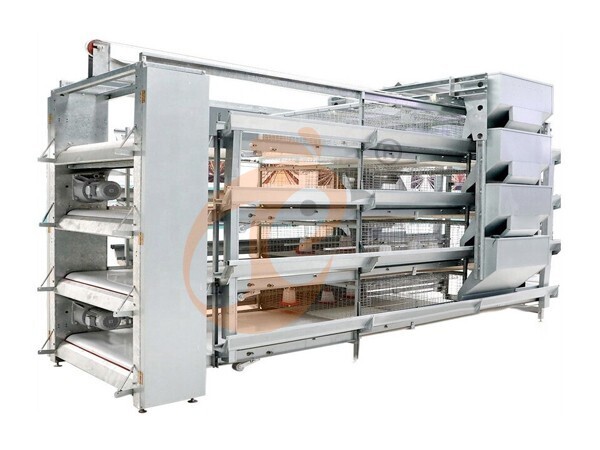
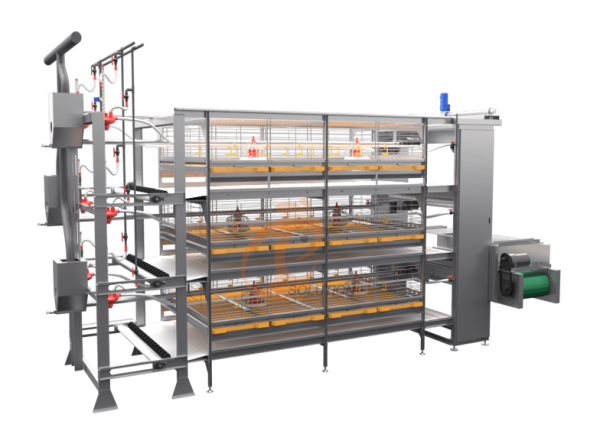
5. Our 24 hour online reception What’sApp NO. is +86 18830120193. >30,000 Broilers Semi-Automatic Harvest H Type Battery Cage1. More than 30,000 broilers a house, choose it.
2. It is designed to rearing 1 to 45 day old adult broiler ready for market.
3. Its lifespan is more than 20 years.
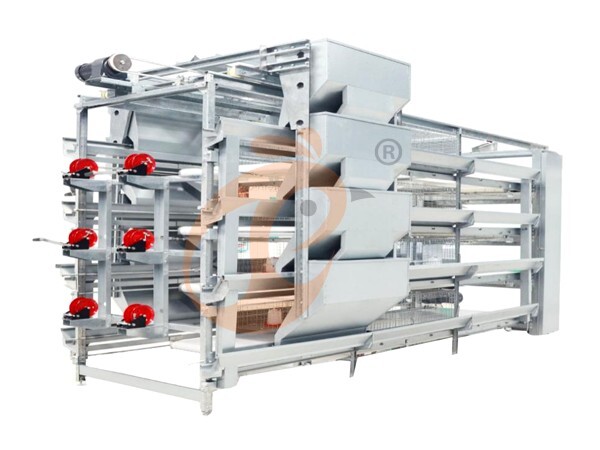
4. Our 24 hour online reception What’sApp NO. is +8618830120193, +234 8111199996. >30,000 Broilers Manual Harvest H Type Battery Cage1. More than 30,000 broilers a house, choose it.
2. It is designed to rearing 1 to 45 day old adult broiler ready for market.
3. Its lifespan is more than 20 years.
4. Its structure are Vcloud artificial intelligent fusion, electric control cabinet, automatic equipment of drinking, feeding and manure clean, manual harvesting.
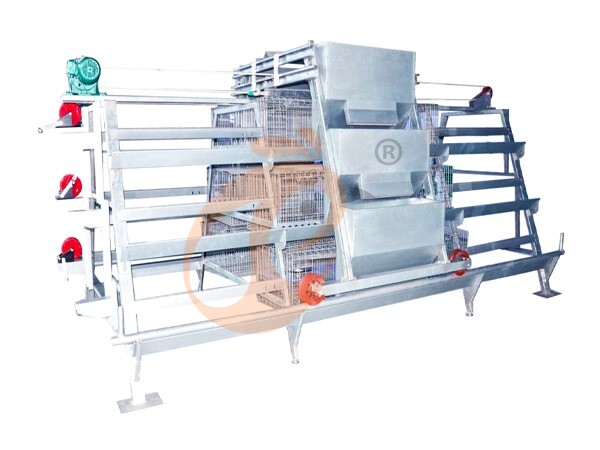
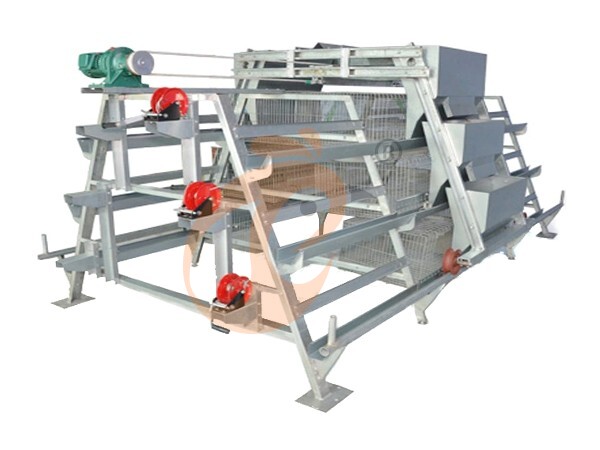
5. Our 24 hour online reception What’sApp NO. is +8618830120193, +234 8111199996. <30,000 Broilers Manual Harvest A Type Battery Cage1. Less 30,000 broilers a house, choose it.
2. It is designed to rearing 1 to 45 day old adult broiler ready for market.
3. Its lifespan is more than 20 years.
4. Its structure are Vcloud artificial intelligent fusion, electric control cabinet, automatic equipment of drinking, feeding and manure clean, manual harvesting.
5. Our 24 hour online reception What’sApp NO. is +8618830120193, +234 8111199996. HK Headquarter Offers EU-standard Poultry Farm Solutions, Manufacture Poultry Farm Equipment1. Continuous communication with the EU and the US
2. China, Nigeria, Ethiopia, Tanzania branch companies and factories
3. The products’ quality is customized for local poultry farms
4. Poultry cage and poultry farm equipment stock for sale
5. 24 online reception Whatsapp NO. : +8618830120193,contact us to get full information China Branch Offer Poultry Farm Business Plan, Manufacture Poultry Farm Equipment1. Address: Flat/RM 2416, 24/F, Runxing Building, Youyi Nan Street, Shijiazhuang City, Hebei Province, China
2. Poultry cage and poultry farm equipment factory and stock for sale
3. Customized for local poultry farms
4. Quality and design are based on Euro
5. 24 online reception Whatsapp NO. : +8618830120193 Nigeria Branch Offer Poultry Farm Business Plan, Manufacture Poultry Farm Equipment1. Address: After Sinoma Office, 200 Meters Near Danco Filling Station, Lagos/Ibadan Expressway, Lagos State, Nigeria
2. Poultry cage and poultry farm equipment factory and stock for sale
3. Customized for Nigerian poultry farms
4. Quality and design are based on Euro
5. 24 online reception Whatsapp NO. : +8618830120193 Ethiopia Branch Offer Poultry Farm Business Plan, Manufacture Poultry Farm Equipment1. Address: Gelan Gura, Akaki-kaliti Sub City, Addis Ababa, Ethiopia
2. Poultry cage and poultry farm equipment stock for sale
3. Customized for Ethiopian poultry farms
4. Quality and design are based on Euro
5. 24 online reception Whatsapp NO. : +8618830120193, contact us to get price list Tanzania Branch Offer Poultry Farm Business Plan, Manufacture Poultry Farm Equipment1. Address: No.8, Sova Road, Msufini, Mlandizi, Kibaha, Pwani, Tanzania
2. Poultry cage and poultry farm equipment factory and stock for sale
3. Customized for Tanzanian poultry farms
4. Quality and design are based on Euro
5. 24 online reception Whatsapp NO. : +8618830120193


Contact