


Blog
- Battery cage for layers selection depends on farm capacity, building geometry, automation requirements, labor flow, and maintenance planning, with 16-hour lighting programs commonly used for controlled layer production.
Standard configurations simplify procurement and installation for repeated poultry houses, while 4–8 identical buildings can share one equipment layout and operating procedure.
Custom battery cage engineering adapts rows, service routes, structural clearances, and automation interfaces to buildings with 200–500 mm dimensional differences.
Technical selection should cover cage construction, feeding, drinking, manure removal, egg collection, electrical control, and installation rather than cage price alone, with 380 V three-phase systems widely specified.
- A suitable poultry equipment package combines cage design with farm workflow, technical drawings, commissioning, spare parts, and service to support commercial layer production over a planned 12-month warranty period.
Get professional poultry farm construction guidance, equipment selection solutions, and the latest price lists, whatsApp to +8618830120193, click to learn more:
Start With The Farm, Not The Cage
Choosing between a standard and custom battery cage should start with the production model and building conditions.
A cage is part of a complete layer farming system covering feeding, drinking, manure removal, egg collection, ventilation access, and worker movement.
For example, a project operating 16 hours of artificial lighting per day requires equipment planning that supports consistent daily operation.
A standard battery cage suits conventional poultry houses where equipment rows can follow an established layout.
Custom battery cage equipment becomes more useful when structural columns, existing foundations, roof conditions, or automation requirements interfere with a fixed arrangement.
Standard Battery Cage Specifications
Data is for reference only.Swipe horizontally to view full table.
A standard battery cage provides a proven configuration for conventional commercial layer houses with a typical 2.0–3.0 m maintenance clearance around key equipment.
Factory-standard components simplify installation, replacement, and operator training through consistent identification and assembly procedures.
Concrete foundations can be prepared according to the equipment layout, with 50–80 mm floor construction thickness commonly considered during project planning.
When Standard Equipment Is The Smarter Choice
Use The Following Three-Question Test
① Is your poultry house conventional?
② Will multiple houses use the same layout?
③ Can standard feeding, drinking, manure, and egg-collection equipment meet your operating requirements?
When all three answers are positive, a standard battery cage can reduce design changes and procurement complexity.
Repeated poultry houses can use the same spare-parts structure, with 2–4 spare sets of selected drive components maintained for routine service.
For farms operating several identical houses, one standardized equipment architecture can also simplify training and daily management.
A standard battery cage project benefits from fixed assembly procedures and consistent equipment identification, reducing variation between buildings.
Operator training can follow a 2–3 day commissioning program when equipment configuration remains consistent across houses.
Custom Battery Cage Configuration
Data is for reference only.Swipe horizontally to view full table.
Custom battery cage engineering adapts the equipment layout to actual building drawings using 2D CAD verification and 3D interference checks.
Such engineering is useful when existing structures prevent direct installation of a fixed cage arrangement.
Site measurement can be supported by laser-based dimensional inspection before manufacturing to reduce installation conflicts.
Custom poultry layer cage projects can also separate mechanical routes so feeding, drinking, manure, and egg-collection components do not occupy the same service area.
Customization: Change The Workflow, Not Just The Size
Instead of asking only whether a cage can be enlarged, buyers should examine whether the battery cage system can support the complete production workflow.
A typical sequence is:
Feed Storage → Feed Conveying → Cage Feeding → Layer Drinking → Egg Collection → Manure Removal → Central Handling.
Each process needs defined equipment interfaces and maintenance access.
Feed conveyor installation, for example, may require 300 mm or more service clearance where drive and inspection components are located.
Custom poultry layer cage engineering can coordinate equipment positions before manufacturing.
Reference coordinates, assembly numbers, and interface drawings help installers place each component according to the approved layout.
The finished automatic layer cage system therefore reflects the production process rather than only a cage dimension.
Standard Vs Custom: Equipment Cost Structure
Data is for reference only.Swipe horizontally to view full table.
A custom battery cage project normally requires more drawing coordination because each equipment position must match the building.
Engineering review should include revision control and customer approval before manufacturing.
Defined maintenance routes can reduce unnecessary worker movement by 20–30% per production cycle when equipment is correctly positioned.
Farm owners should compare the total poultry layer cage project cost, including installation, electrical integration, commissioning, spare parts, and future service.
Procurement can also be divided into equipment, installation, commissioning, and acceptance stages for clearer project control.
European union standard reference only.
Which System Fits Your Poultry House?
Data is for reference only.Swipe horizontally to view full table.
A standard battery cage layout works efficiently when the building matches established engineering drawings and wall deviation remains within 15 mm.
A custom battery cage is more suitable when existing construction cannot be economically modified or when structural conditions vary across the building.
Existing electrical conduits can remain in place when the equipment layout is designed around their current entry positions.
Existing ventilation openings can also be retained when cage rows and service routes are coordinated during the design stage.
Capacity Is Only One Part Of Farm Efficiency
Data is for reference only.Swipe horizontally to view full table.
Battery cage performance depends on coordination between cage rows and auxiliary equipment.
Feed distribution should be checked through calibrated feed-drop points and consistent conveyor alignment.
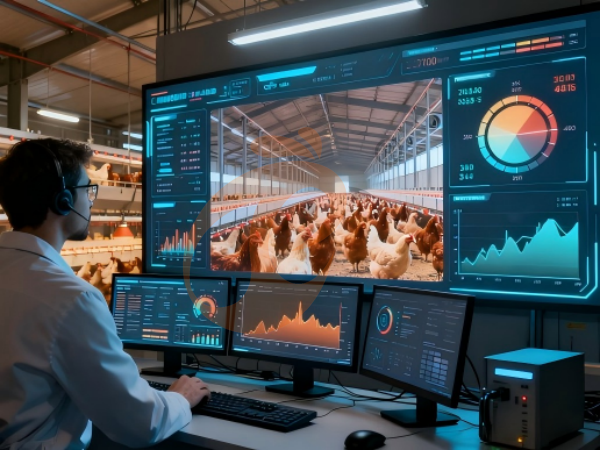
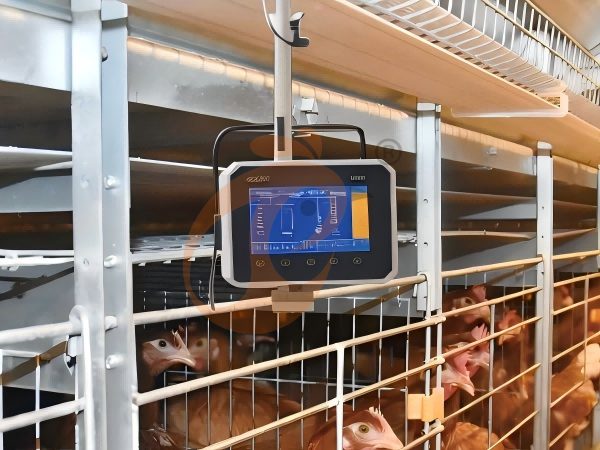
Electrical control is equally important for automated poultry equipment.
A centralized PLC system can manage multiple circuits while motor overload relays and phase-loss protection provide additional control safeguards.
The Manufacturer Advantage: Engineering Before Manufacturing
A Professional Poultry Equipment Project Should Follow A Clear Sequence
Farm Survey
↓
House Drawing Analysis
↓
Capacity Calculation
↓
Equipment Layout
↓
3D/Technical Drawing Confirmation
↓
Manufacturing
↓
Installation & Commissioning
This sequence allows battery cage dimensions and equipment interfaces to be confirmed before fabrication.
Installation planning should verify equipment coordinates with approximately ±10 mm positioning accuracy where required.
International poultry equipment projects may involve different construction materials, electrical systems, ventilation arrangements, and automation preferences.
A supplier capable of adapting an automatic layer cage system can prepare project-specific interface drawings and equipment identification labels.
Purchasing Decision Matrix
Data is for reference only.Swipe horizontally to view full table.
The purchasing decision should follow the farm's physical and operational constraints rather than the label ''custom.''
A conventional house may not require extensive redesign, while a building with multiple internal obstacles may need project-specific engineering.
A 24 m-wide poultry house with restricted internal access should be checked before selecting a fixed equipment arrangement.
The supplier should provide technical drawings and interface information before production approval.
What Should Be Included In Your Equipment Quotation?
Data is for reference only.Swipe horizontally to view full table.
A professional battery cage quotation should identify the specifications of the cage, motors, drinkers, conveyors, control cabinet, manure equipment, and accessories.
Component serial numbers and factory inspection records can support equipment traceability during installation and commissioning.
Technical drawings should be reviewed before production starts.
Motor connection diagrams and terminal identification schedules can reduce wiring errors during installation.
Final Verdict: Standard Or Custom?
Data is for reference only.Swipe horizontally to view full table.
Standard battery cages fit farms using conventional building layouts and repeatable production arrangements.
Custom battery cages fit projects where building geometry, automation, or equipment routing requires additional engineering.
The practical decision should consider preventive maintenance intervals of 6–12 months together with installation and operating requirements.
A complete battery cage project should include technical drawings, equipment specifications, electrical diagrams, installation procedures, spare-parts information,
and warranty terms.
For farms planning future expansion, the initial layout should also consider connection points for additional poultry equipment.
Frequently Asked Questions
Q1: What is the main difference between standard and custom battery cage systems?
Standard battery cage systems use established engineering configurations, while custom battery cages adapt equipment arrangements to specific buildings and production requirements.
Standard systems are useful for repeatable houses, while custom systems can accommodate approximately 200–500 mm structural variations.
Q2: When should a farm choose a custom battery cage?
A custom battery cage is appropriate when building geometry, structural obstacles, automation requirements, or equipment routes cannot be handled efficiently by a fixed configuration.
Integrated feeding, egg collection, and manure systems can also benefit from separate control circuits and coordinated equipment positioning.
Q3: What should buyers check before ordering a battery cage system?
Buyers should verify technical drawings, cage materials, equipment specifications, electrical requirements, installation procedures, spare parts, warranty terms, and after-sales support.
International projects should confirm the power configuration before manufacturing and complete phase-sequence verification before equipment startup.
Taiyu (HK) Group - One Of China's Most Famous Battery Cage Manufacturer
Battery cage for layers combines galvanized cage structures with coordinated poultry equipment, supporting commercial layer projects with 1.5–3.0 mm structural tube options and project-specific layouts.
Global factory-direct poultry equipment covers manufacturing, technical drawings, quality inspection, export packing, and project coordination, with 20–40 ft container loading plans available for international orders.
Turn-key poultry equipment engineering integrates layer cages, feeding, drinking, manure removal, egg collection, ventilation, and electrical control through single-line electrical documentation.
International project delivery includes equipment production, container loading, installation guidance, commissioning support, spare-parts coordination, and FAT inspection procedures.
Project engineering management evaluates building dimensions, production targets, automation requirements, equipment interfaces, and commissioning requirements through approved drawing revisions before manufacturing.
Contact Us To Received Your Customized Poultry Farm Plan
Headquarters And Branchs

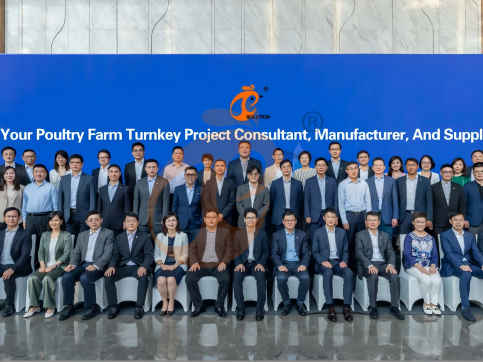
Hong Kong Headquarter Management Team
Hong Kong Headquarter Taiyu Industrial Group CO., LTD
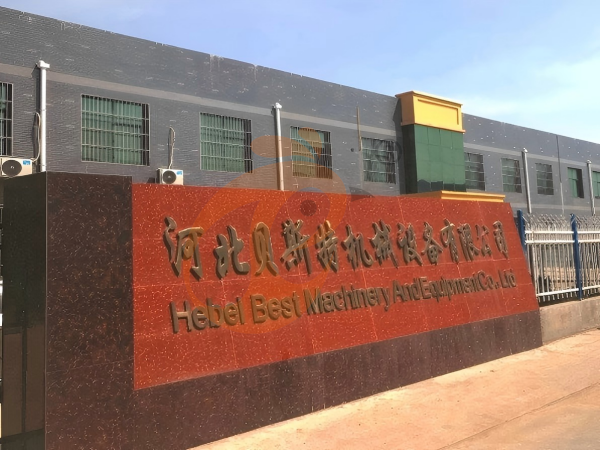
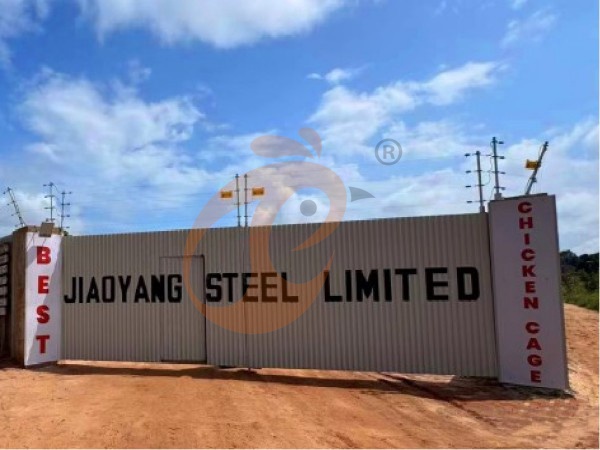
China Hebei Best Machinery And Equipment CO., LTD
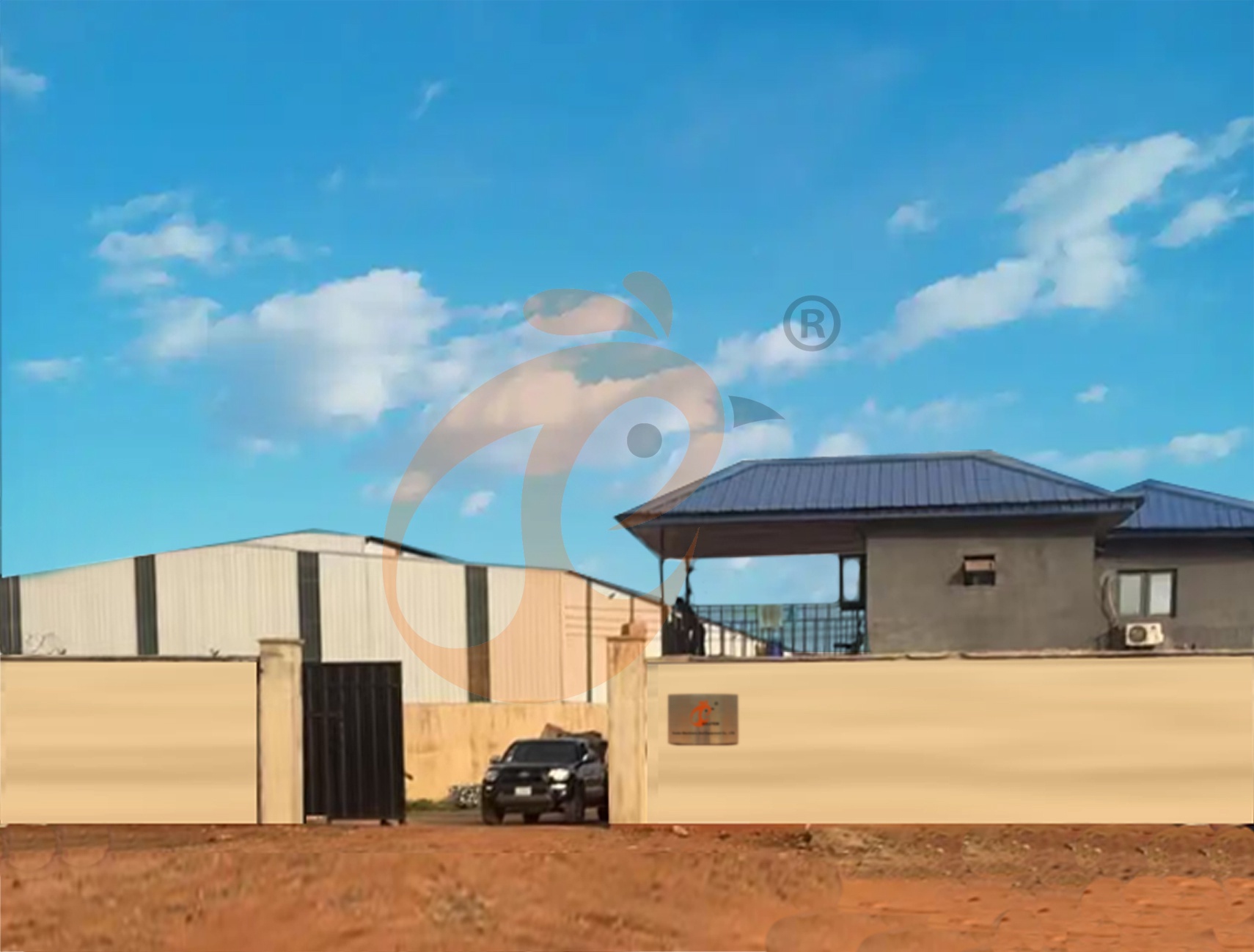
Nigeria Vanke Machinery And Equipment CO., LTD
Tanzania Best Machinery And Equipment CO., LTD
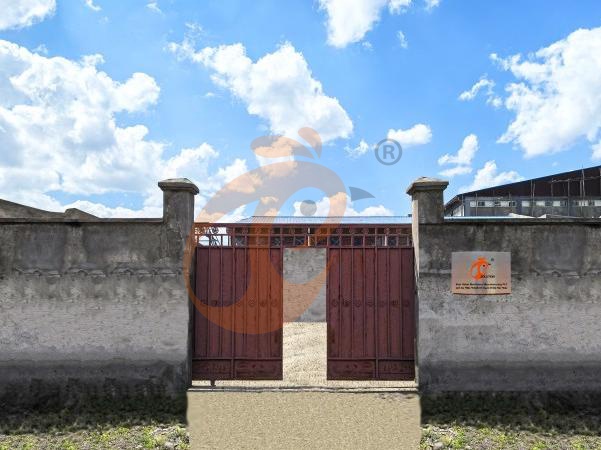
Ethiopia Best Hebei Machinery Manufacturing PLC




Reception /24 WhatsApp NO. : +8618830120193
FAQ
What Are The Professional Recommendations For Reducing Breakage Rate In Battery Cage Systems?
Regularly clean belts and avoid sharp edges.
Egg production: 90–98%, breakage rate: 2–3%.
How To Implement Automatic Feeding Systems To Maximize FCR Efficiency?
Reducing feed waste by 5–10% keeps FCR at 1.9–2.1.
Combined with lighting management, egg production rate can reach 90–98%.
What Are The Ultimate Tips For Minimizing Mortality In Poultry Cage Farms?
Ensure good ventilation, temperature 18–25℃, humidity 50–70%.
Regular health checks and vaccinations reduce mortality to 2–3%.
- battery cage
- battery cage system
- battery cage for layers
- poultry farm
- layer cages
- layer cage
- automatic layer cage
- poultry house
- poultry layer cage
- cage
- galvanized cage
- poultry farm construction
- battery cage manufacturer
- battery cage dimensions
- battery cage equipment
- battery cage specifications
- battery cage quotation
- layer cage system
- battery cage project
- battery cage layout
- poultry equipment
- manure scraper
- hen cage
- battery cages
- cage for layers
- automatic layer cage system
- chickencage
- bestchickencage
- cage system
- cage systems
- Nigeria
- layer farm
- automated poultry equipment
- layer farming system
- cage design
- cage manufacturer
- automatic egg collection
- egg collection conveyor
- poultry farm plan
- Ethiopia
Message
Products recommended
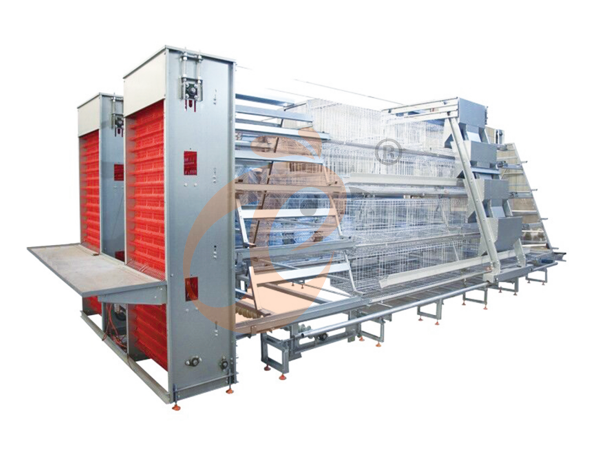
 >30,000 Pullets Automatic H Type Battery Cage1. More than 30,000 pullets a house, choose it.
2. It is designed to rearing older than 1 day old pullets to 12 to 16 weeks old chicken starting laying eggs.
3. Its lifespan is more than 25 years.
4. Its structure are Vcloud artificial intelligent fusion, electric control cabinet, automatic equipment of drinking, feeding, manure clean, manual harvesting.
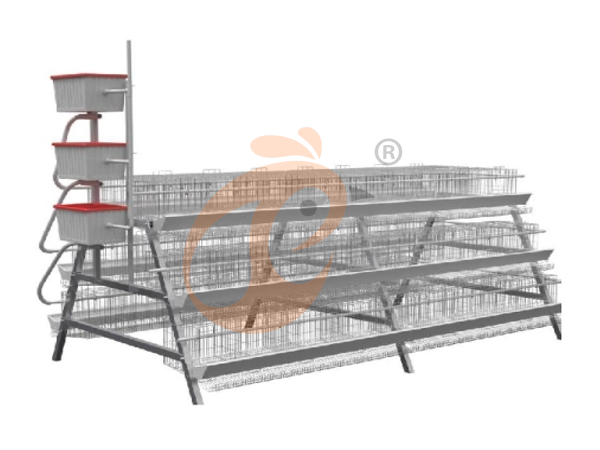
5. Our 24 hour online reception What’sApp NO. is +8618830120193 <30,000 Pullets Automatic A Type Battery Cage1. 10,000 to 30,000 pullets a house, choose it.
2. It is designed to rearing older than 1 day old pullets to 12 to 16 weeks old chicken starting laying eggs.
3. Its lifespan is more than 25 years.
4. Its structure are Vcloud artificial intelligent fusion, electric control cabinet, automatic equipment of drinking, feeding, manure clean, manual harvesting.
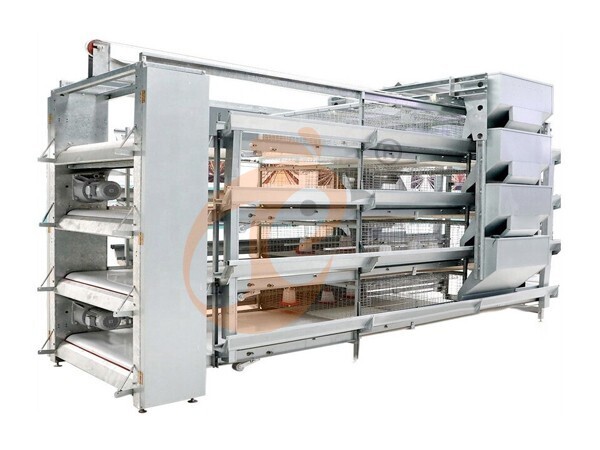
5. Our 24 hour online reception What’sApp NO. is +86 18830120193. >30,000 Broilers Semi-Automatic Harvest H Type Battery Cage1. More than 30,000 broilers a house, choose it.
2. It is designed to rearing 1 to 45 day old adult broiler ready for market.
3. Its lifespan is more than 20 years.
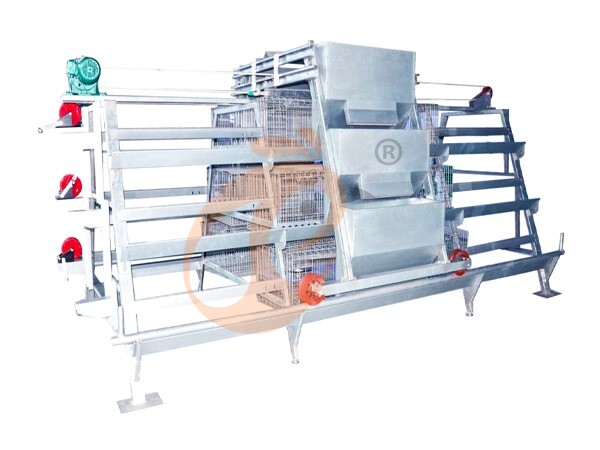
4. Our 24 hour online reception What’sApp NO. is +8618830120193, +234 8111199996. >30,000 Broilers Manual Harvest H Type Battery Cage1. More than 30,000 broilers a house, choose it.
2. It is designed to rearing 1 to 45 day old adult broiler ready for market.
3. Its lifespan is more than 20 years.
4. Its structure are Vcloud artificial intelligent fusion, electric control cabinet, automatic equipment of drinking, feeding and manure clean, manual harvesting.
5. Our 24 hour online reception What’sApp NO. is +8618830120193, +234 8111199996. <30,000 Broilers Manual Harvest A Type Battery Cage1. Less 30,000 broilers a house, choose it.
2. It is designed to rearing 1 to 45 day old adult broiler ready for market.
3. Its lifespan is more than 20 years.
4. Its structure are Vcloud artificial intelligent fusion, electric control cabinet, automatic equipment of drinking, feeding and manure clean, manual harvesting.
5. Our 24 hour online reception What’sApp NO. is +8618830120193, +234 8111199996. HK Headquarter Offers EU-standard Poultry Farm Solutions, Manufacture Poultry Farm Equipment1. Continuous communication with the EU and the US
2. China, Nigeria, Ethiopia, Tanzania branch companies and factories
3. The products’ quality is customized for local poultry farms
4. Poultry cage and poultry farm equipment stock for sale
5. 24 online reception Whatsapp NO. : +8618830120193,contact us to get full information China Branch Offer Poultry Farm Business Plan, Manufacture Poultry Farm Equipment1. Address: Flat/RM 2416, 24/F, Runxing Building, Youyi Nan Street, Shijiazhuang City, Hebei Province, China
2. Poultry cage and poultry farm equipment factory and stock for sale
3. Customized for local poultry farms
4. Quality and design are based on Euro
5. 24 online reception Whatsapp NO. : +8618830120193 Nigeria Branch Offer Poultry Farm Business Plan, Manufacture Poultry Farm Equipment1. Address: After Sinoma Office, 200 Meters Near Danco Filling Station, Lagos/Ibadan Expressway, Lagos State, Nigeria
2. Poultry cage and poultry farm equipment factory and stock for sale
3. Customized for Nigerian poultry farms
4. Quality and design are based on Euro
5. 24 online reception Whatsapp NO. : +8618830120193 Ethiopia Branch Offer Poultry Farm Business Plan, Manufacture Poultry Farm Equipment1. Address: Gelan Gura, Akaki-kaliti Sub City, Addis Ababa, Ethiopia
2. Poultry cage and poultry farm equipment stock for sale
3. Customized for Ethiopian poultry farms
4. Quality and design are based on Euro
5. 24 online reception Whatsapp NO. : +8618830120193, contact us to get price list Tanzania Branch Offer Poultry Farm Business Plan, Manufacture Poultry Farm Equipment1. Address: No.8, Sova Road, Msufini, Mlandizi, Kibaha, Pwani, Tanzania
2. Poultry cage and poultry farm equipment factory and stock for sale
3. Customized for Tanzanian poultry farms
4. Quality and design are based on Euro
5. 24 online reception Whatsapp NO. : +8618830120193


Contact